Mica grinding mill for fine mica powder production
2026-10-20 00:27:04
Mica is a layered silicate that looks simple in a sample bag but becomes demanding when you need consistent fine powder at industrial scale. Its brightness, electrical insulation, chemical stability and platelet structure make it valuable in paints, plastics, rubber, cosmetics, construction materials and electrical products. Yet mica grinding is not just about hitting a target mesh. Producers must also protect whiteness, control particle size distribution, avoid iron contamination and manage dust. Choosing the right mica grinding mill is as important as choosing the right mica source.
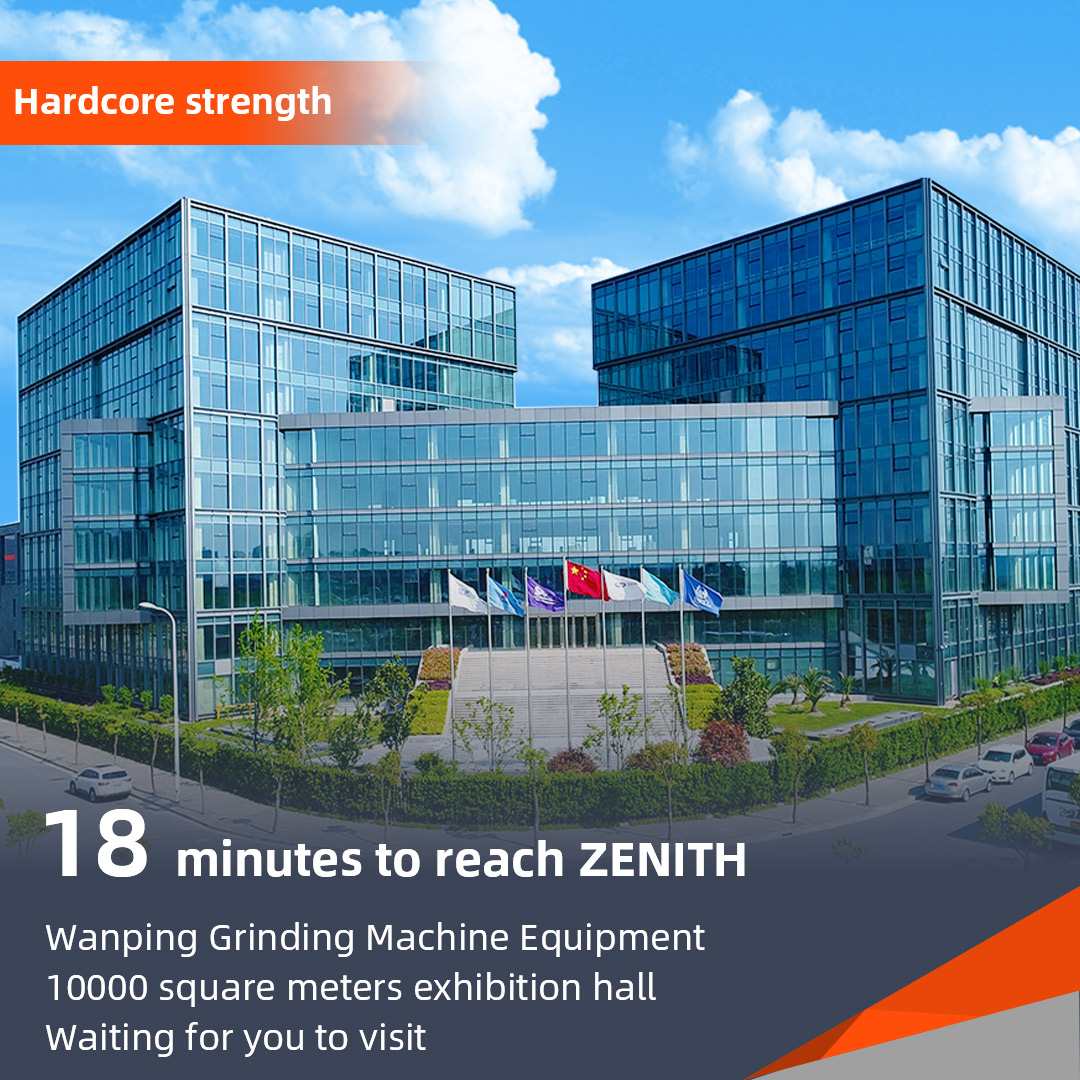
Shanghai Zenith Machinery Co., Ltd. is a hi-tech engineering group specializing in industrial powder grinding equipment. Its processing range covers 1-3 mm coarse powder, 20-400 mesh fine powder, 400-1250 mesh ultrafine powder and 1250-3250 mesh micro powder. The company holds ISO, CE and CU-TR certification, and its network covers more than 180 countries and regions. This broad range is useful because fine mica powder is rarely a single-specification product; different customers ask for different fineness, capacity and purity.
What Makes Mica Grinding Different?
Mica is softer than many hard-rock minerals, but it is not necessarily easy to grind. The goal is usually a clean, well-classified powder with stable brightness and low contamination. Over-grinding can increase fines and affect downstream performance, while poor classification can leave coarse particles that fail sieving or dispersion tests. In many plants, the practical target is a controlled range rather than one number: for example, 200 mesh for general fillers, 325 mesh for finer paints and plastics, or 800-1250 mesh and beyond for specialty applications.
A good mica line combines careful feeding, stable grinding, efficient classification and reliable dust collection. A variable-frequency feeder keeps the grinding chamber loaded evenly. An adjustable classifier lets operators change product fineness without rebuilding the system. A pulse dust collector and negative-pressure operation protect the workplace and help meet environmental standards. These details often decide whether a mica powder plant runs smoothly day after day.
Matching the Mill to the Powder
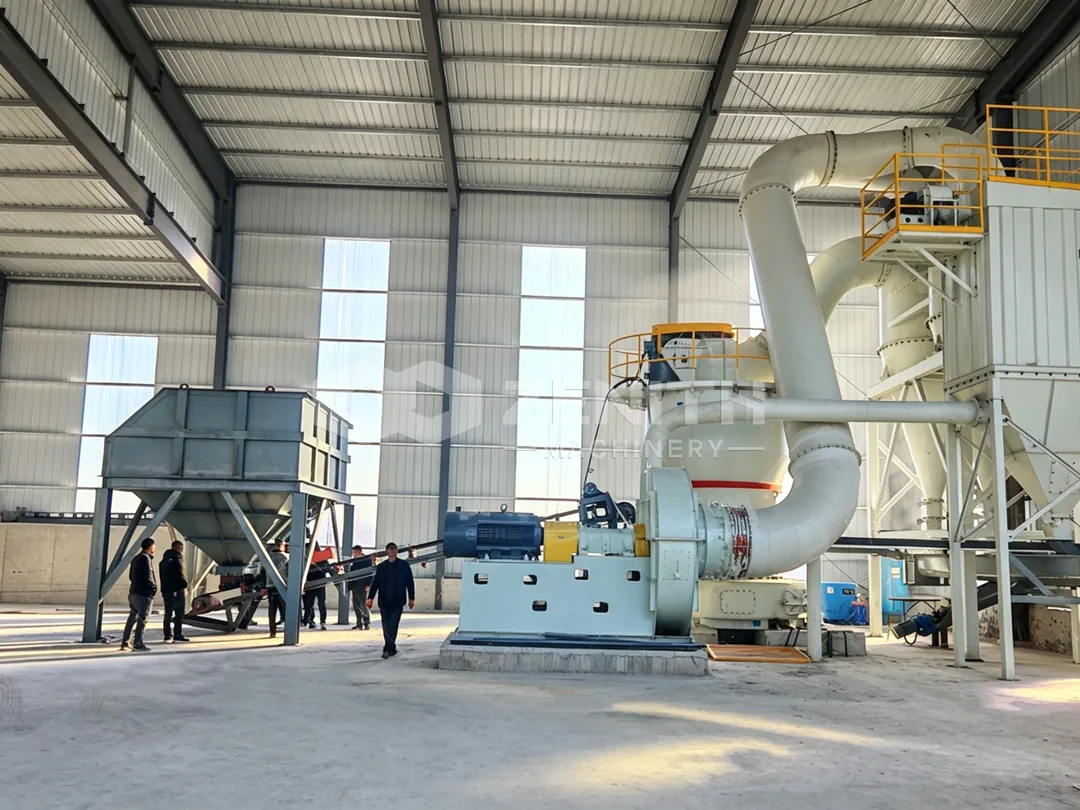
For fine mica powder in the 80-400 mesh range, the MTW European Trapezium Mill is a strong starting point. It is designed for fine powder production with large capacity, and its modular impeller adjustment device lets producers change fineness by changing impellers. Its own production flow from bulk material to finished powder reduces occupied area and foundation investment. The high-efficiency impeller fan raises air induction efficiency from 62% to 85%, and under ideal conditions energy consumption can be more than 60% lower than that of a ball mill of the same grade.
_1792427224621.jpg)
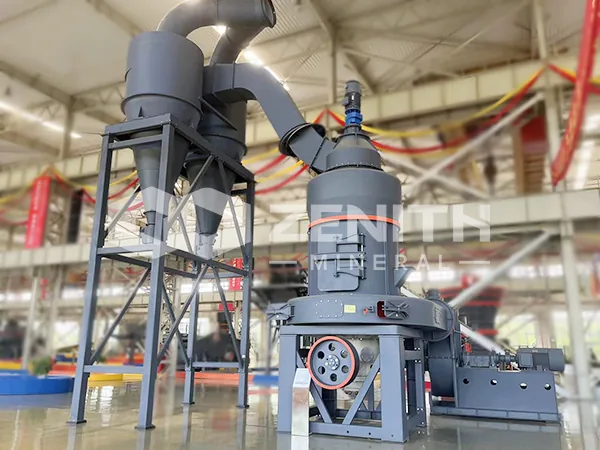
The MTM European Trapezium Mill is another practical choice. It has been developed and used for more than 30 years for 80-325 mesh mineral powder and is known for stable operation, material adaptability and lower investment. Like the MTW, it offers adjustable output fineness and reduced energy consumption compared with ball mills. Raymond mills are also widely used for 10-325 mesh preparation, with well-distributed finished powder and intelligent electrical control. For coarse preparation before fine grinding, a hammer mill can reduce material to 0-3 mm and improve downstream circuit stability.
Ultrafine Mica Powder and High-Purity Production
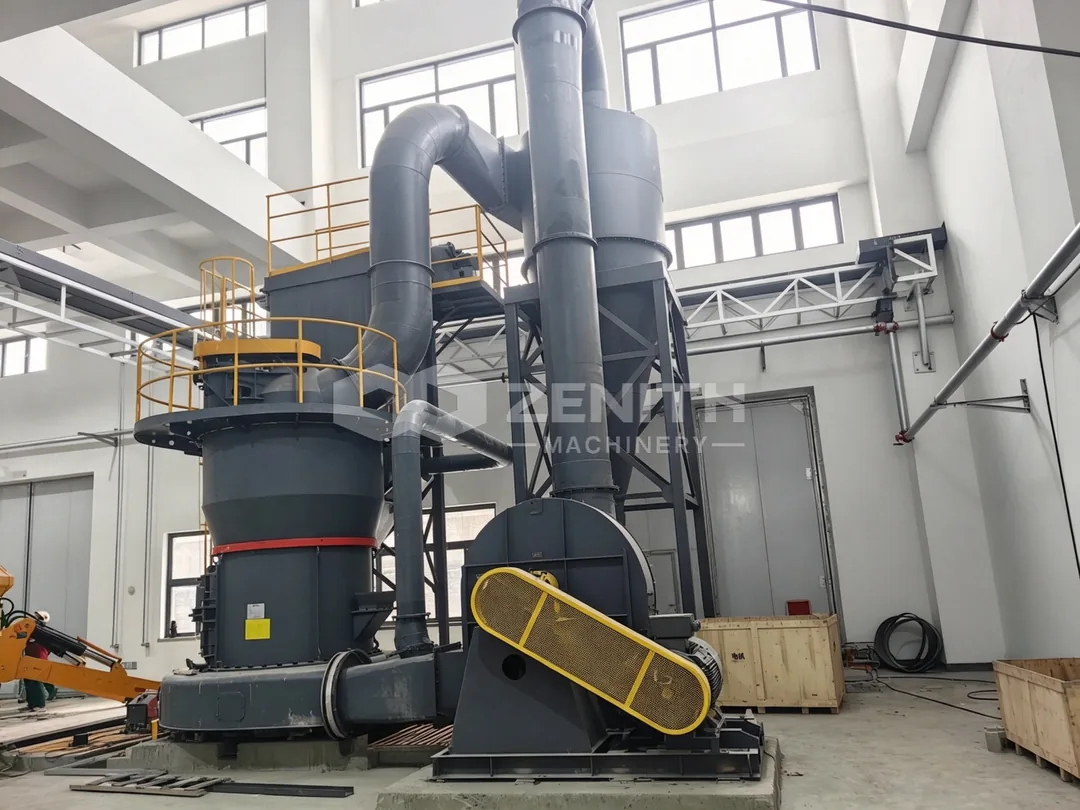
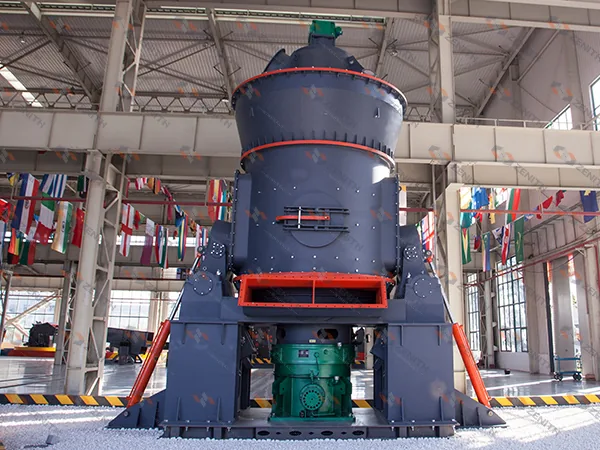
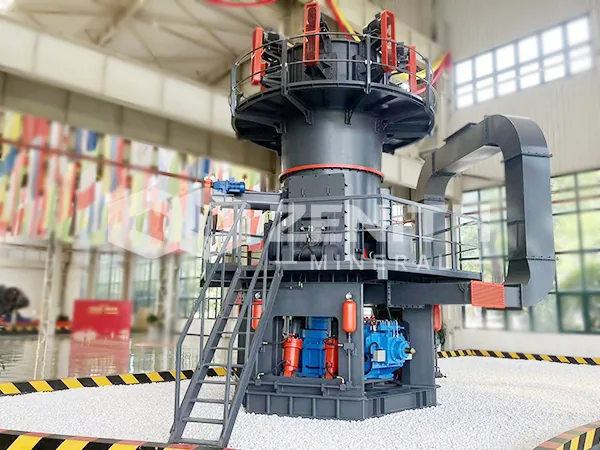
When the target moves to ultrafine or micro powder, the equipment choice changes. The LUM Ultrafine Vertical Grinding Mill integrates grinding, separation and transportation and is designed for 325-2500 mesh production. It can control product size, chemical composition and iron content, which helps protect the purity and whiteness of finished mica. Its hydraulic adjustment system and reversible structure make maintenance easier, while its sealed negative-pressure design keeps dust spillover low. Compared with ordinary mills, energy consumption can be reduced by 30%-50%.
_1792427224622.jpg)
For even finer classification, the XZM Ultrafine Grinding Mill covers 325-3250 mesh and can reach D97 below 5 microns in one pass. Its classifier uses a VFD to adjust rotor speed, so operators can set the required powder size from the control panel. The grinding chamber has no rolling bearings or screws, which reduces maintenance concerns. In comparable production, XZM can be about 40% more efficient and 70% lower in energy consumption than air-flow mills and stirring mills. For large-scale plants that need continuous operation, the LM Vertical Grinding Mill offers 80-400 mesh output, high automation, low noise and effective control of iron content, making it suitable for stable, high-capacity mica powder production.
Building a Reliable Mica Powder Line
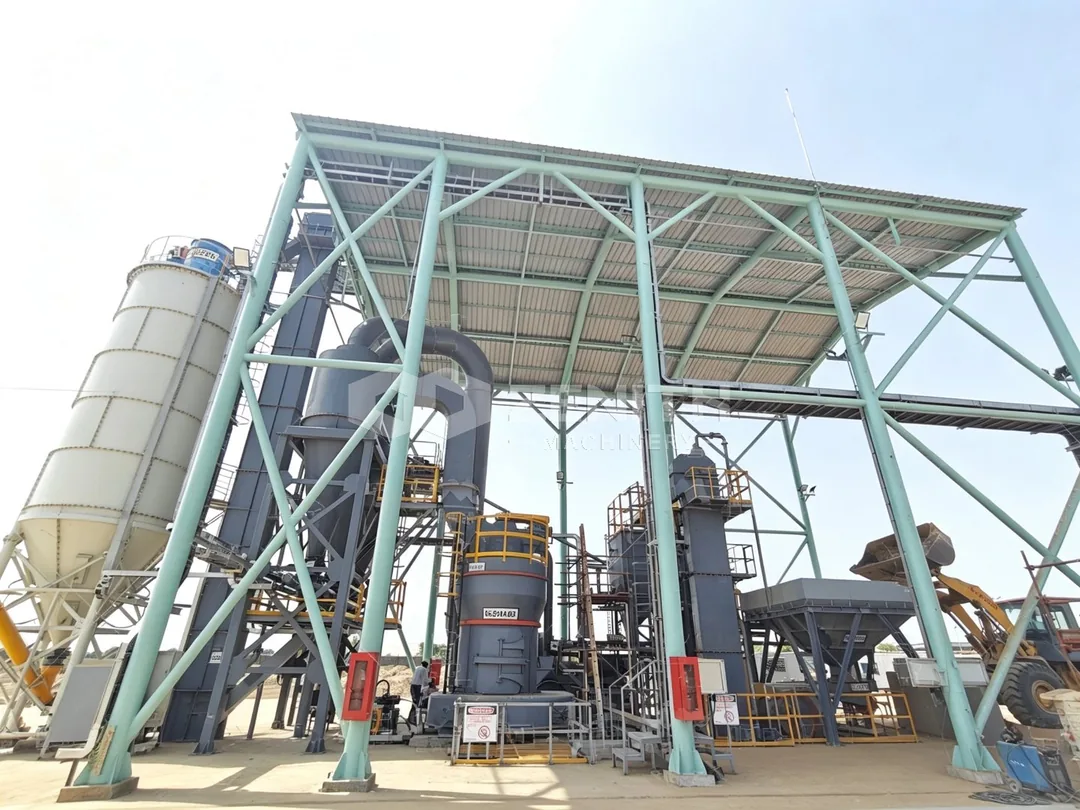
A complete mica grinding plant usually includes crushing, feeding, grinding, classification, collection, dust control and packaging. The best configuration depends on the required mesh, capacity, whiteness, allowable iron content and available space. A small specialty line may favor an MTM or Raymond mill, while a large filler plant may prefer MTW or LM. Ultrafine grades often justify LUM or XZM. In every case, the mill should be evaluated as part of a system, not as an isolated machine.
_1792427224624.jpg)
Zenith's experience across more than 180 countries and regions is helpful here, because mica processors rarely buy a mill in isolation. They need layout advice, capacity matching, wear-part planning and aftersales support. With the right mica grinding mill and a well-designed classification and dust-control circuit, producers can turn a difficult layered mineral into a consistent, market-ready fine powder.
FAQ
1. What fineness can a mica grinding mill produce? Depending on the equipment, mica powder can be produced from about 80 mesh to 3250 mesh. MTW and MTM mills cover fine powder ranges, while LUM and XZM mills are used for ultrafine and micro powder.
2. Which mill is suitable for 200-325 mesh mica powder? MTW, MTM and Raymond mills are common choices. MTW is often selected for larger capacity and efficient fine grinding, while MTM and Raymond can be attractive for lower investment or specific product requirements.
3. Can the system protect mica whiteness and purity? Yes. Equipment such as LM and LUM mills can help control product size, chemical composition and iron content. Sealed negative-pressure operation and pulse dust collection also reduce contamination and dust spillover.
4. What capacity range is available? Capacity depends on the model and fineness. Fine-powder mills commonly range from a few tonnes per hour to more than 20 t/h, while large vertical mills can serve much higher-capacity plants. Ultrafine mills usually have lower capacity at very fine sizes.
5. How is dust controlled in a mica grinding plant? The line normally uses sealed equipment, negative-pressure operation and a pulse dust collector. This protects workers, reduces material loss and helps the plant meet environmental standards.
6. What is the difference between MTW and MTM mills? Both are European trapezium mills with adjustable fineness and lower energy consumption than ball mills. MTW is often chosen for broad fine-powder production and higher capacity, while MTM is valued for stable operation, material adaptability and lower investment.