LM Vertical Roller Mill Turns Coal Gangue into Calcined Kaolin and Mullite at Jinghui Circular Technology, Baotou, China (2025)

Coal gangue powder for calcined kaolin, mullite and sintered refractory products
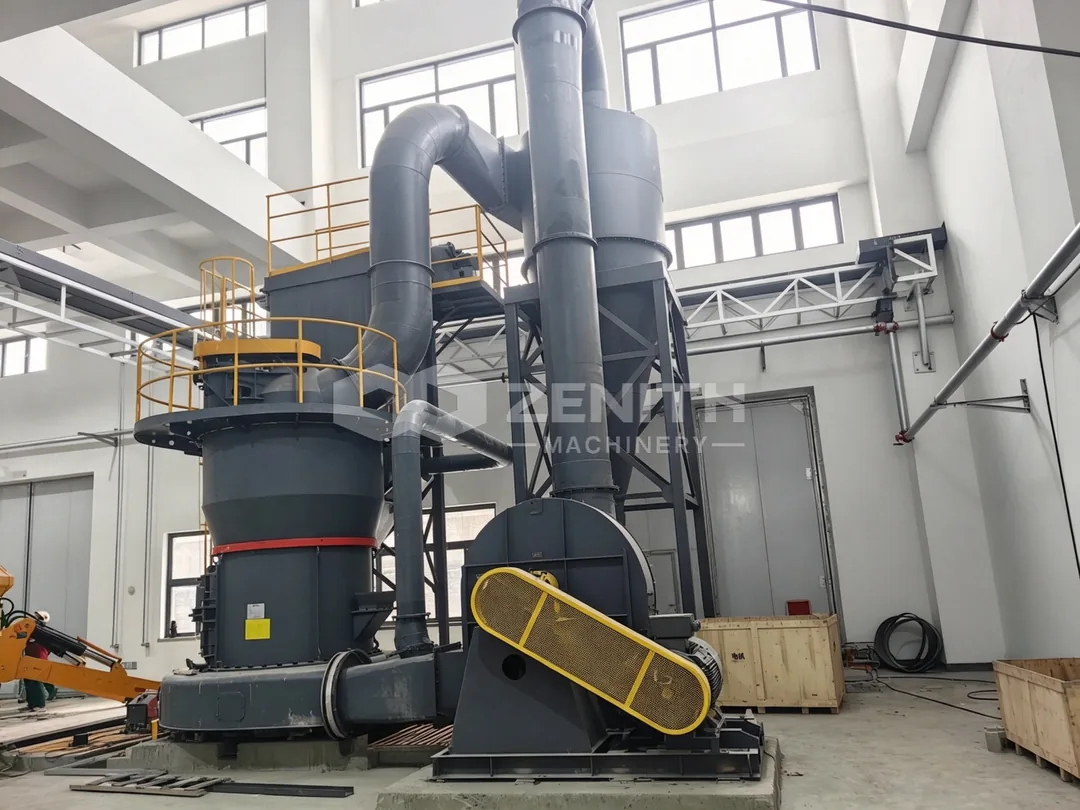
LM vertical roller mill integrating crushing, drying, grinding and classification, together with the crushing and screening section, intelligent classifier, batching and mixing, pressing, tunnel kiln and product classification line.
Project Overview
Customer: Inner Mongolia Jinghui Circular Technology Co., Ltd.
Location: Tumed Right Banner, Baotou, Inner Mongolia, China.
Raw material: coal gangue (solid waste from coal washing).
Process: crushing and screening, grinding, intelligent classification, batching and mixing, pressing, tunnel-kiln firing, product classification.
Products: calcined kaolin, mullite powder, coal gangue sintered refractory products.
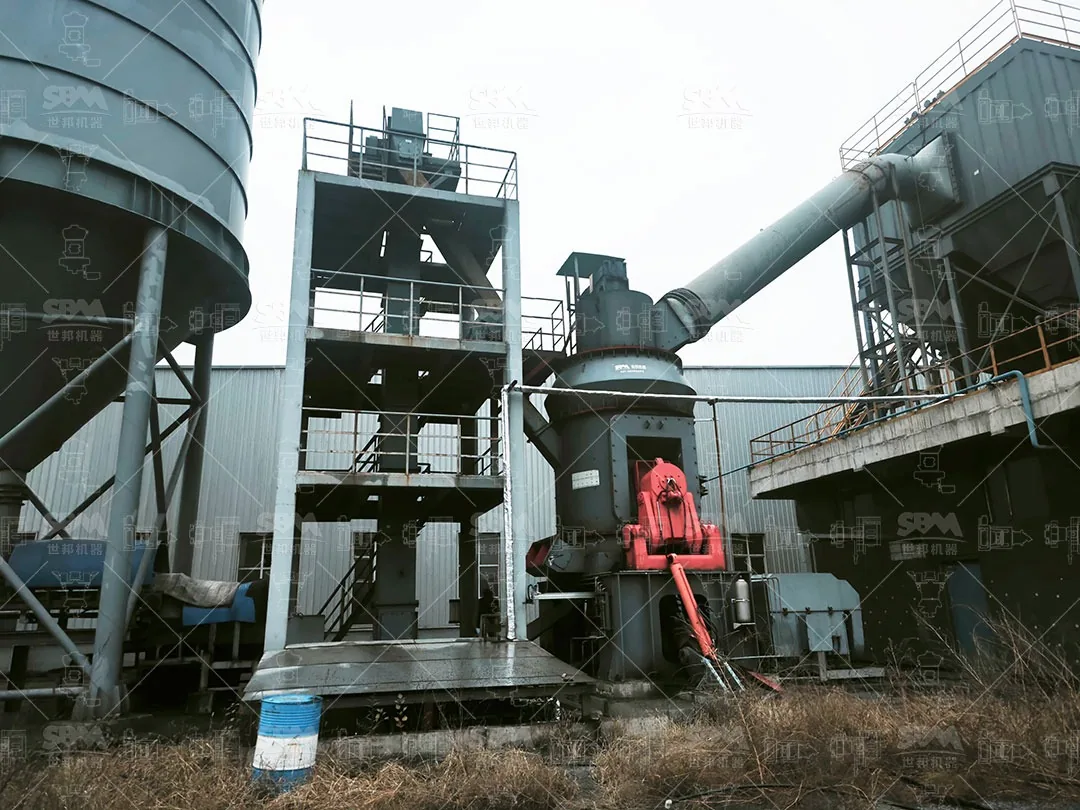
Core equipment: LM vertical roller mill.
Commissioning: trial production by the end of 2025.
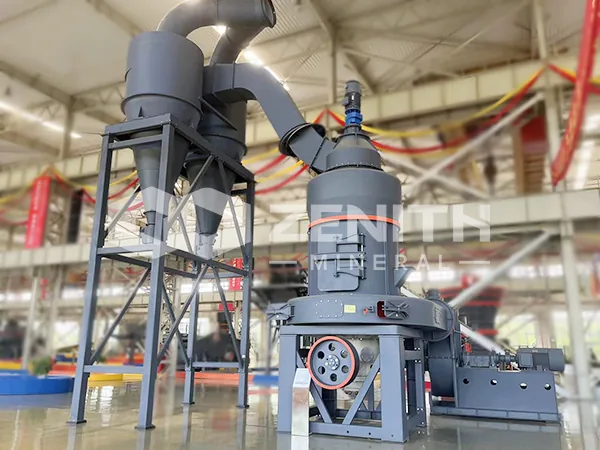
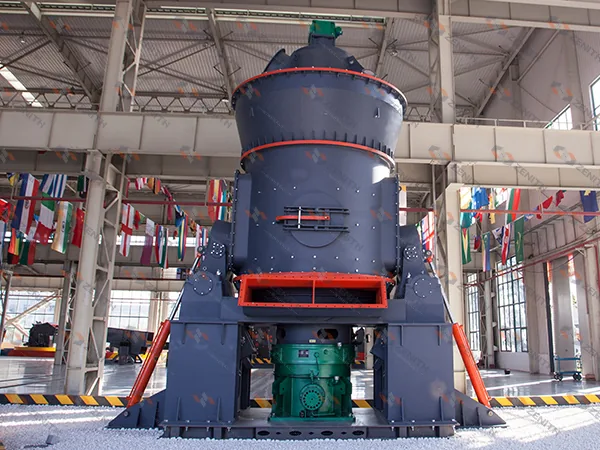
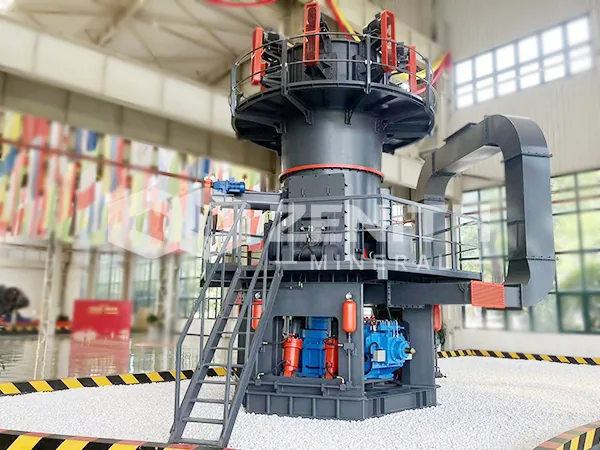
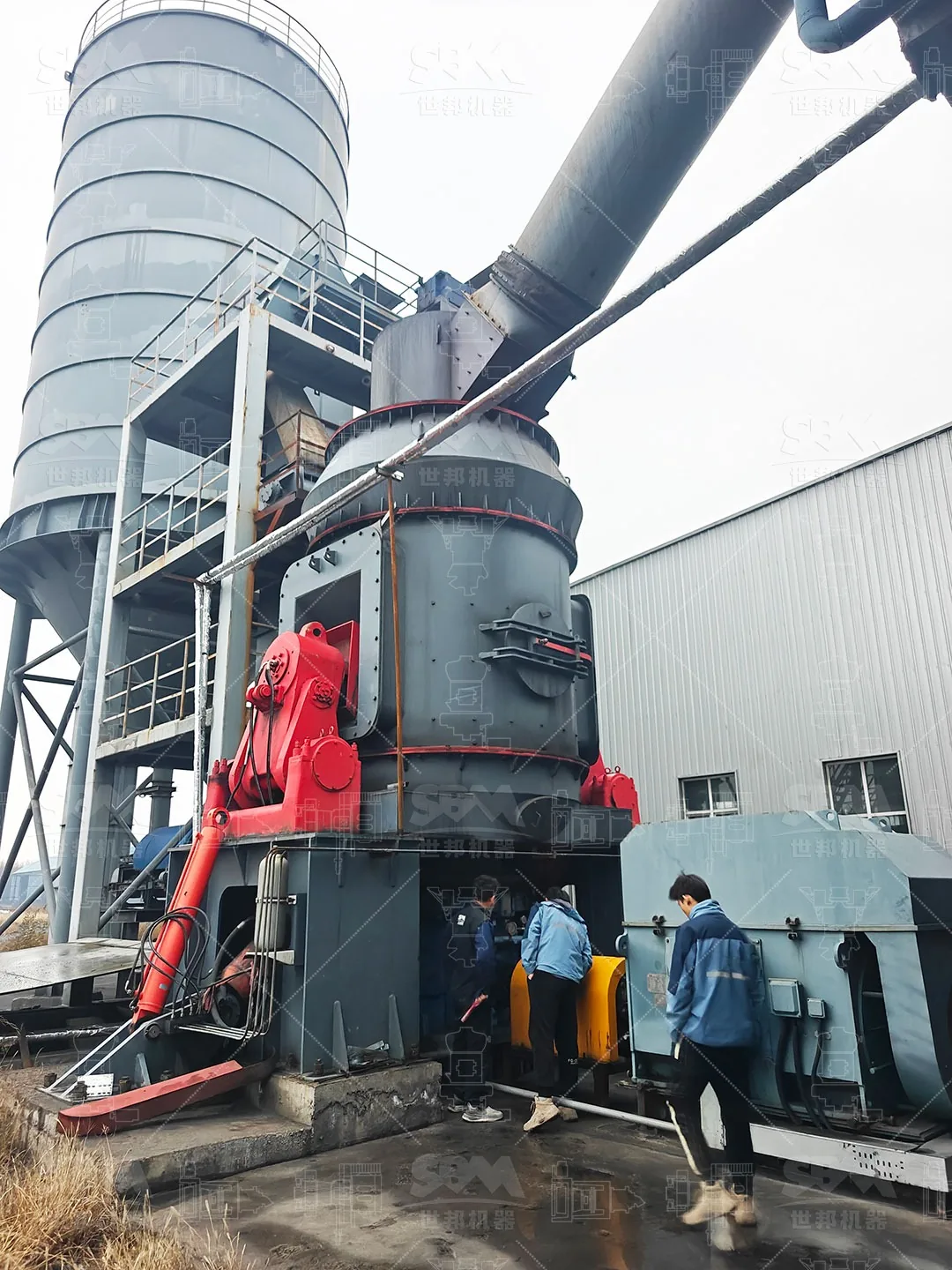
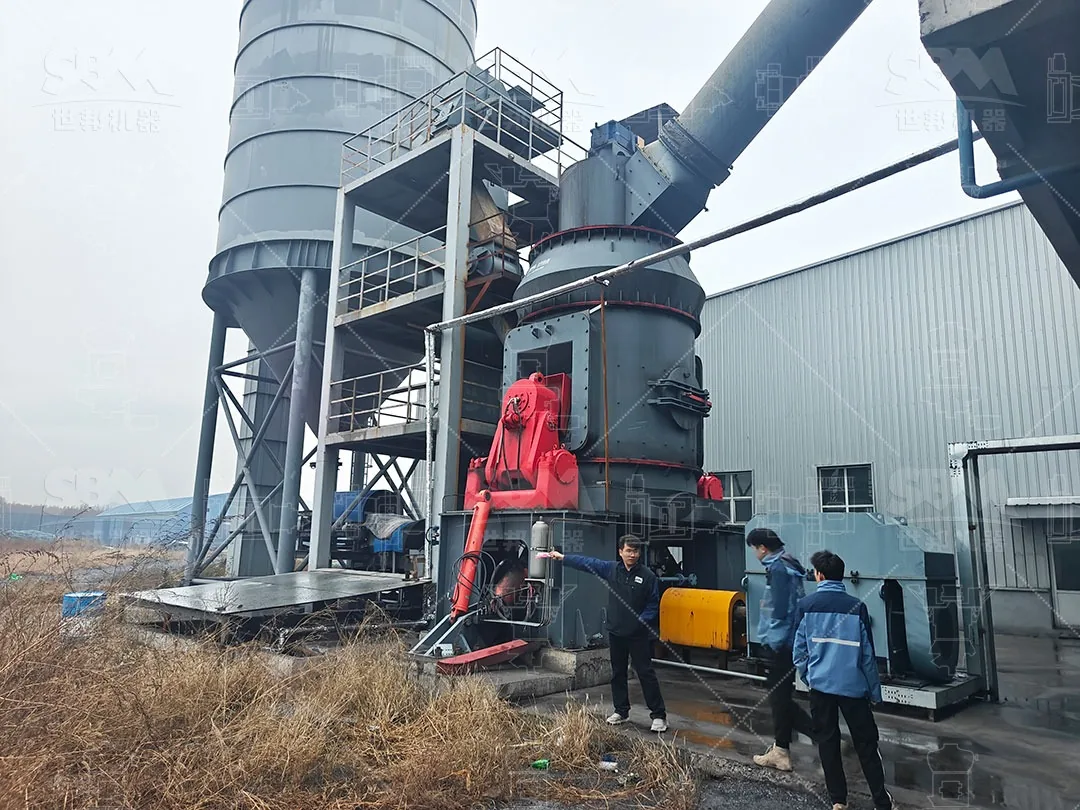
The LM vertical roller mill integrates crushing, drying, grinding and classification in a single unit, which suits coal gangue's high abrasiveness and the wide moisture variation of the feed. The mill delivers a stable powder specification, and that stability protects the quality of the downstream tunnel-kiln products, meeting the powder requirements of refractory and ceramic applications.
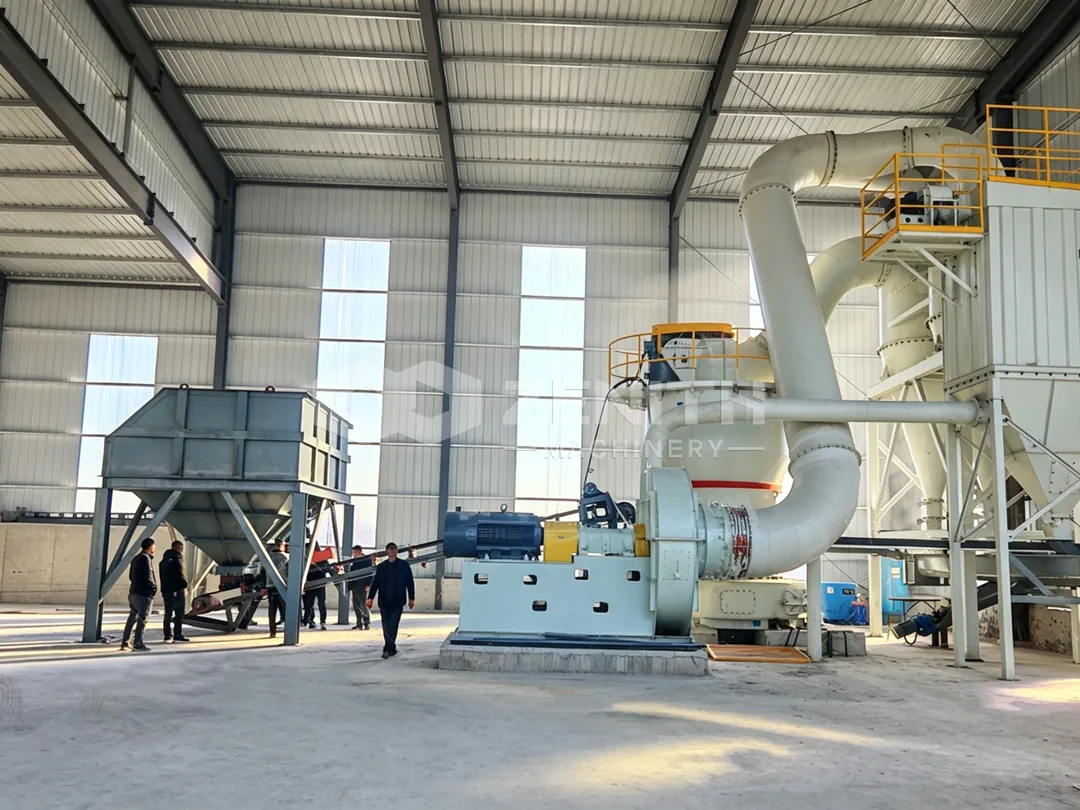
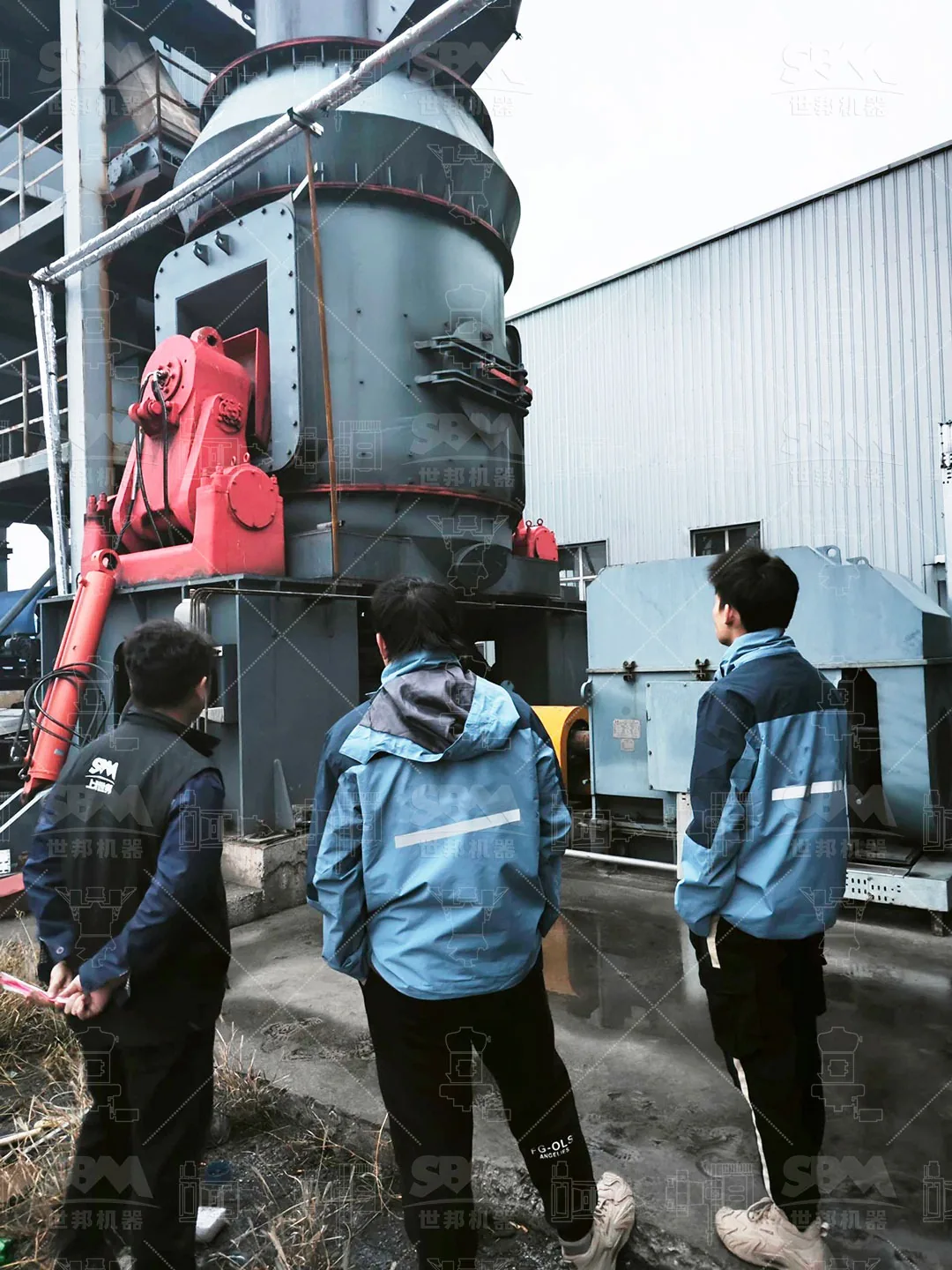
Photos from the scene
From washing waste to kiln feed
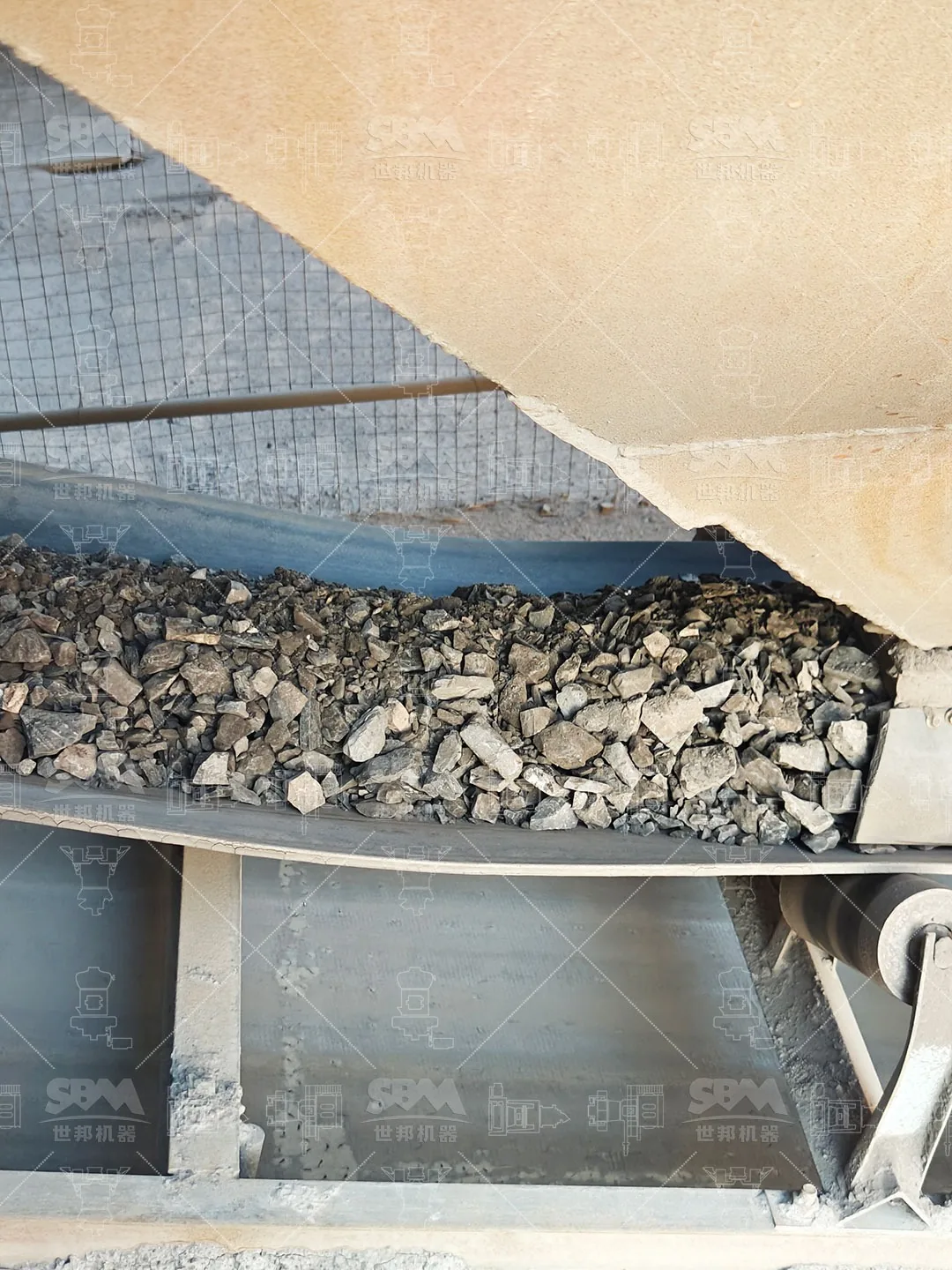
Coal gangue is what is left over after coal has been washed and sorted. It is the largest solid waste stream in the coal industry, and for decades the usual answer was to pile it up: land occupied, spontaneous combustion, dust on windy days. The project at Inner Mongolia Jinghui Circular Technology in Tumed Right Banner, Baotou, takes the opposite approach and treats the gangue as raw material rather than waste.
The plant does not sell the gangue as aggregate. It grinds it, blends it, presses it and fires it, and comes out with calcined kaolin, mullite powder and sintered refractory products. Grinding is the step that decides whether the rest of the chain works, which is why the choice of mill was the central decision in the project.
The process route
Coal gangue is received, crushed and screened to a controlled feed size, then fed to the LM vertical roller mill. The ground powder goes through intelligent classification, after which it is batched and mixed, pressed into green bodies, fired in a tunnel kiln at high temperature and finally classified as finished product. Each stage is sized around the mill's output, so the mill sets the rhythm of the whole plant.
Why an LM vertical roller mill
Coal gangue is abrasive, and its moisture content moves with the season and with the source of the wash. A ball mill would need a separate drying step and would wear quickly on this material. The LM mill combines crushing, drying, grinding and classification in one vertical unit: hot gas dries the feed as it is conveyed upwards, the rollers grind on a rotating table under hydraulic pressure, and the classifier on top returns oversize material to the table. The result is a compact circuit that tolerates feed variation instead of tripping on it.
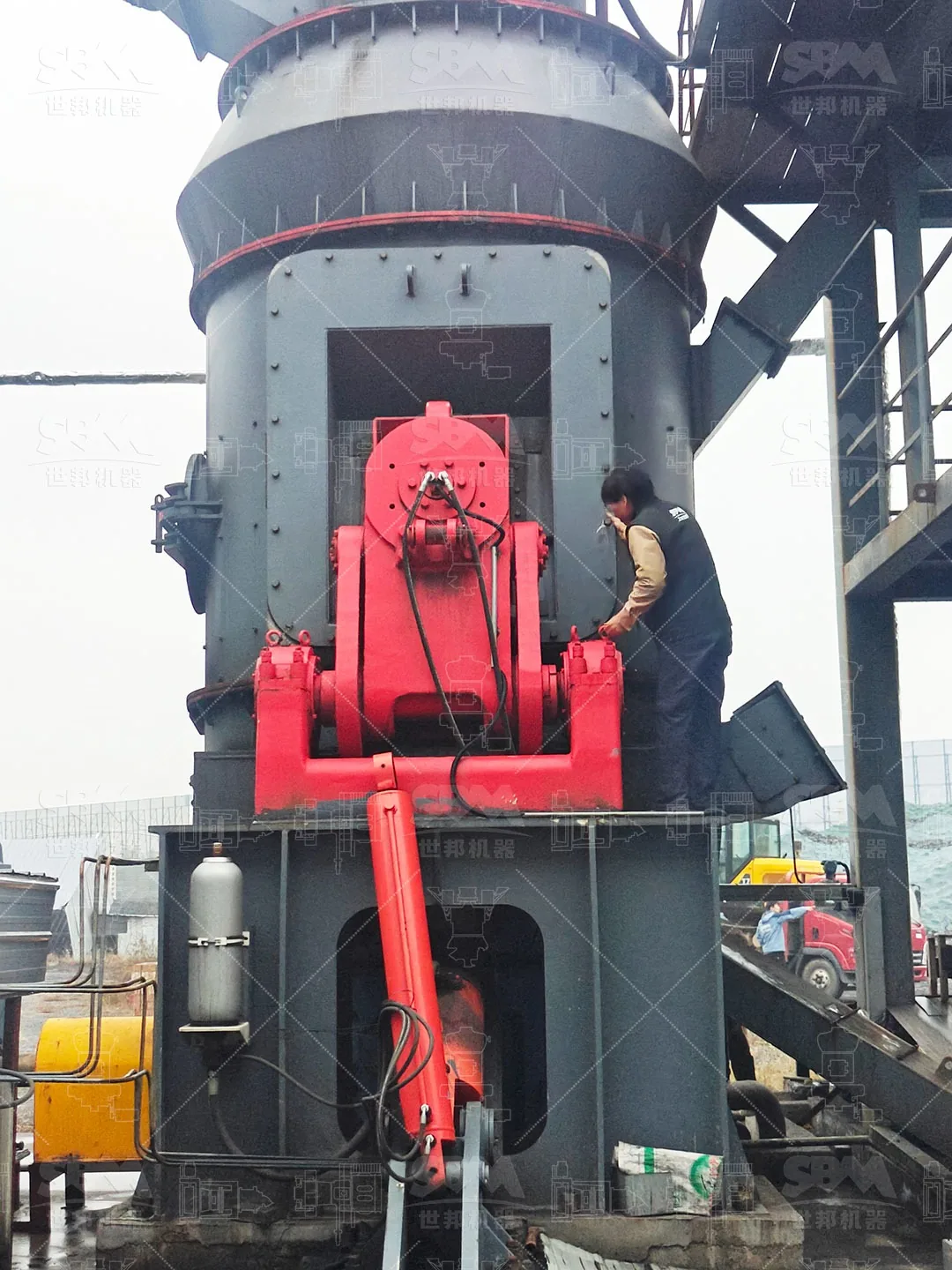
During the project ZENITH's engineers worked with the plant's team on site, from erection and alignment through to the first runs on gangue. Because the material behaves differently from limestone or cement raw meal, the operating parameters were set on the actual feed rather than taken from a standard table.
Stable powder, stable kiln
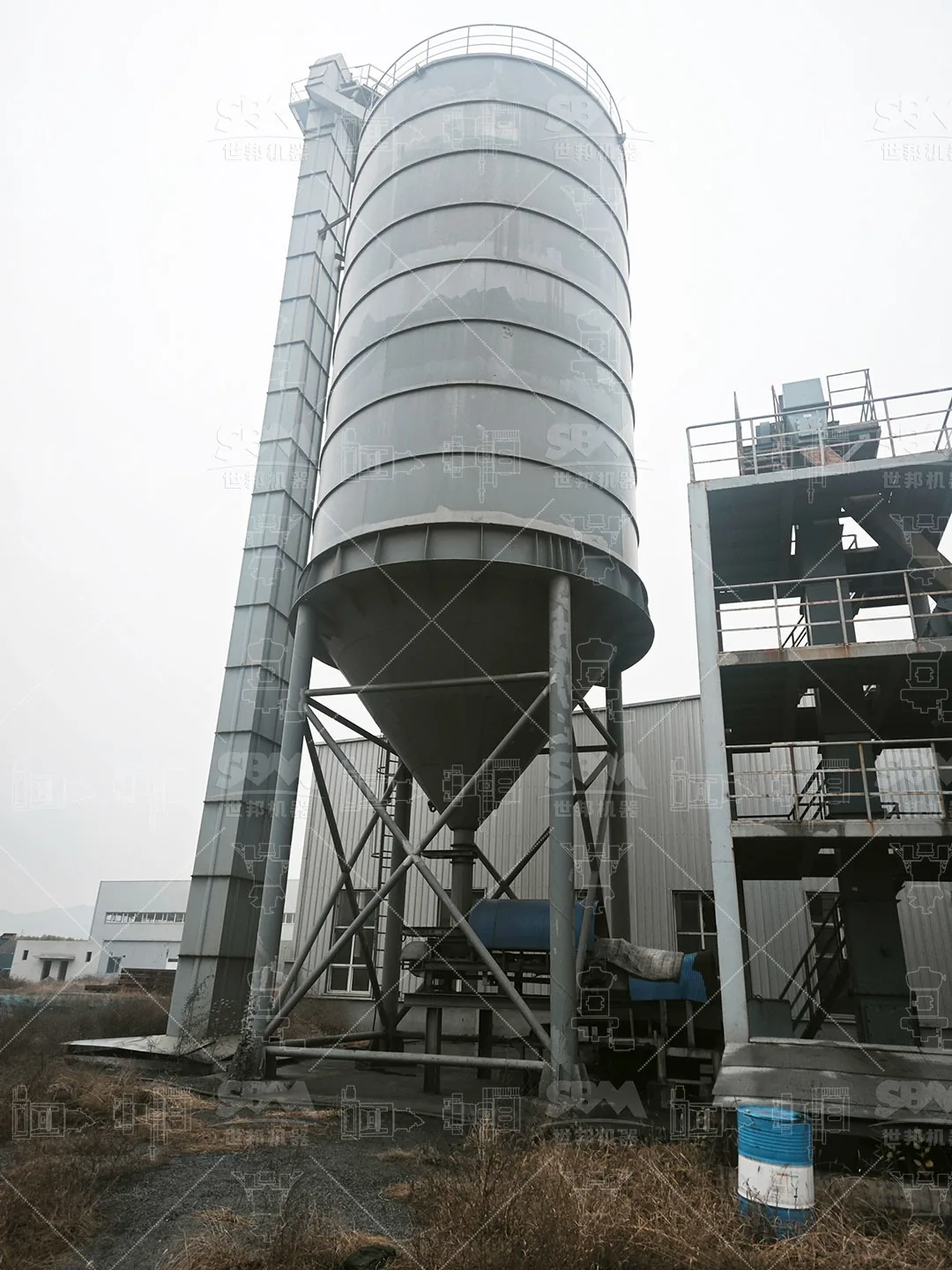
The powder leaving the mill goes into a finished silo before batching. A stable specification here is what allows the downstream tunnel kiln to run at a fixed firing curve. If the fineness drifts, the green body density changes, the shrinkage in the kiln changes with it, and the reject rate climbs. Keeping the powder consistent is therefore not a quality nicety but the condition for the kiln to produce saleable refractory material.
Firing and finished products
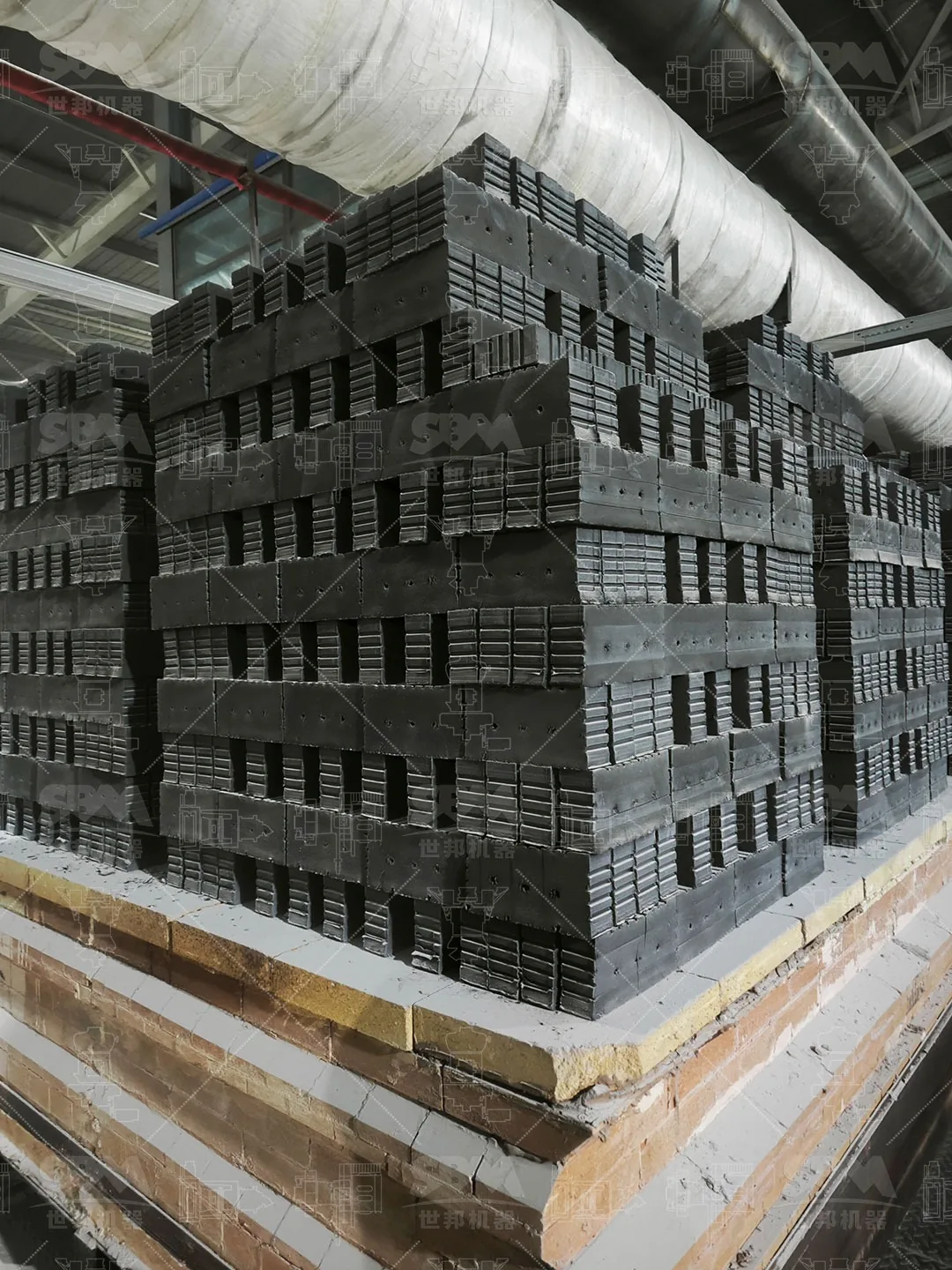
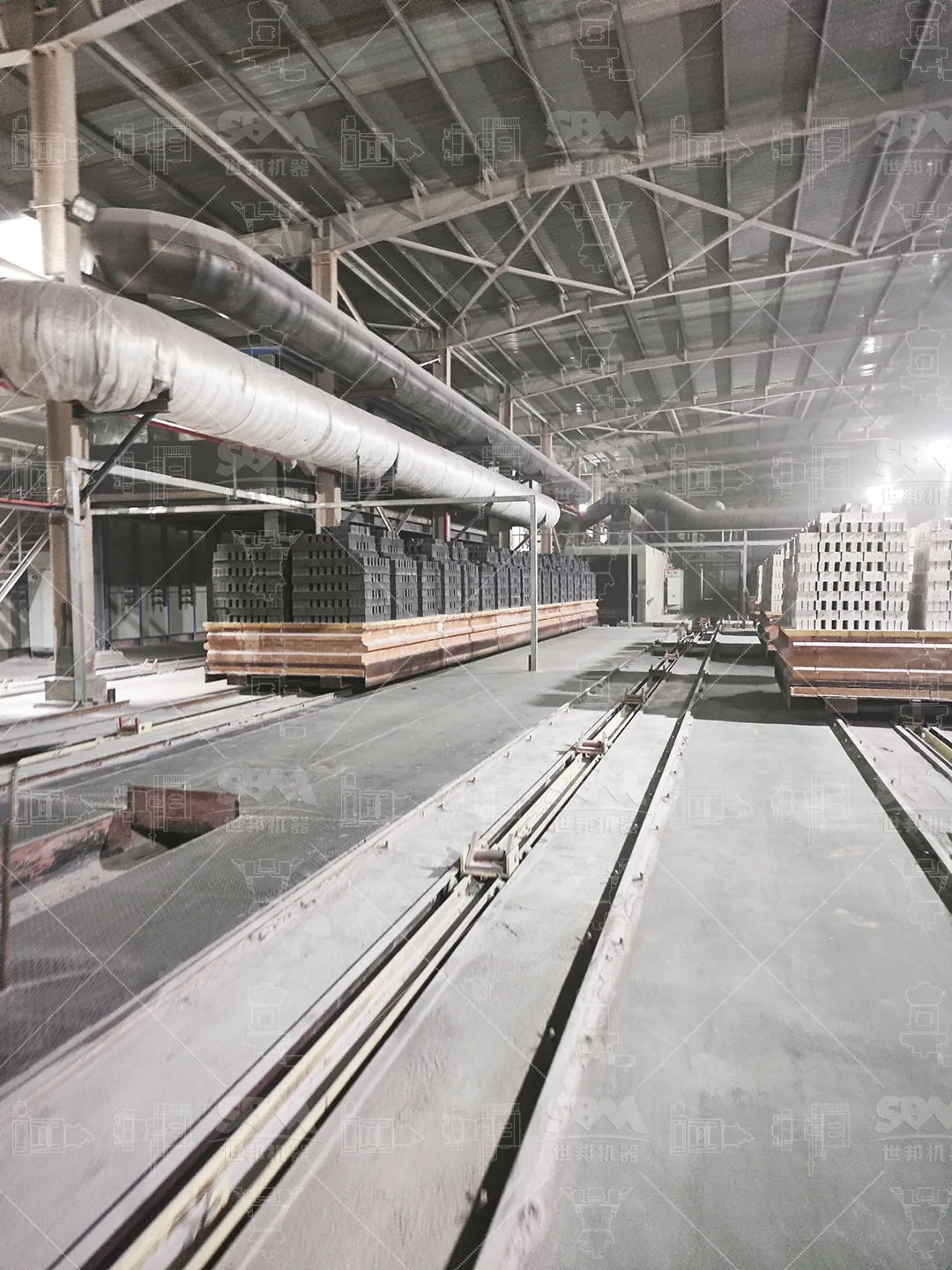
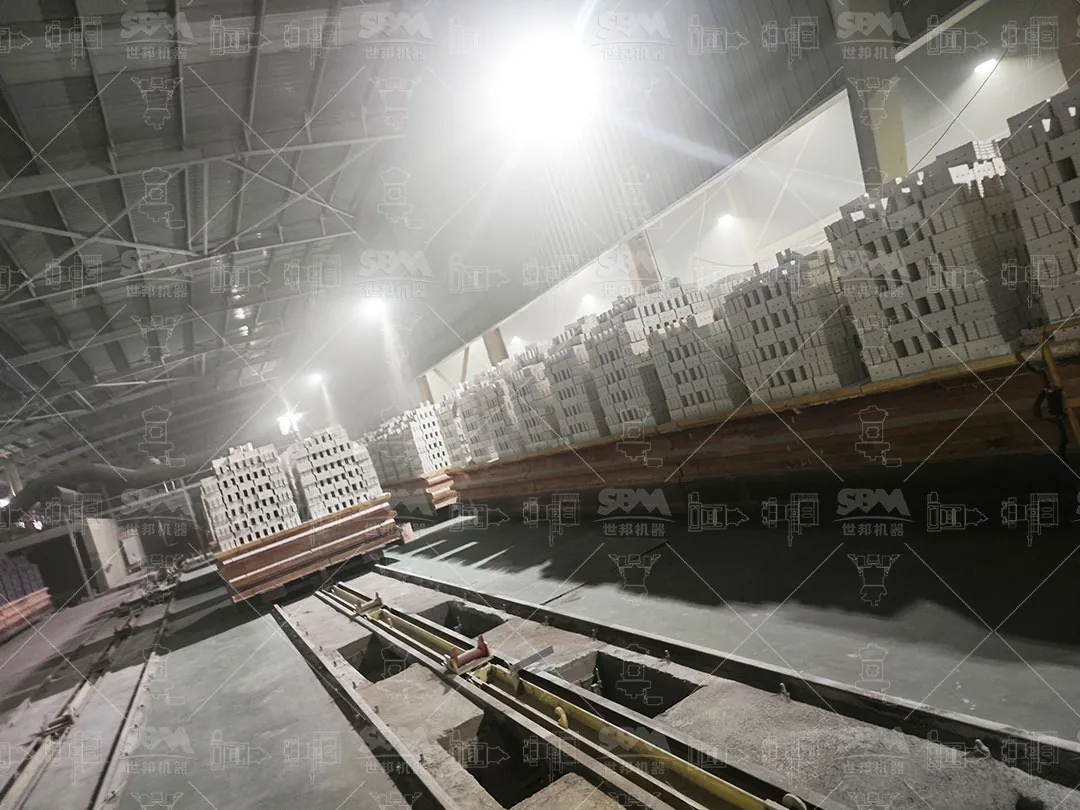
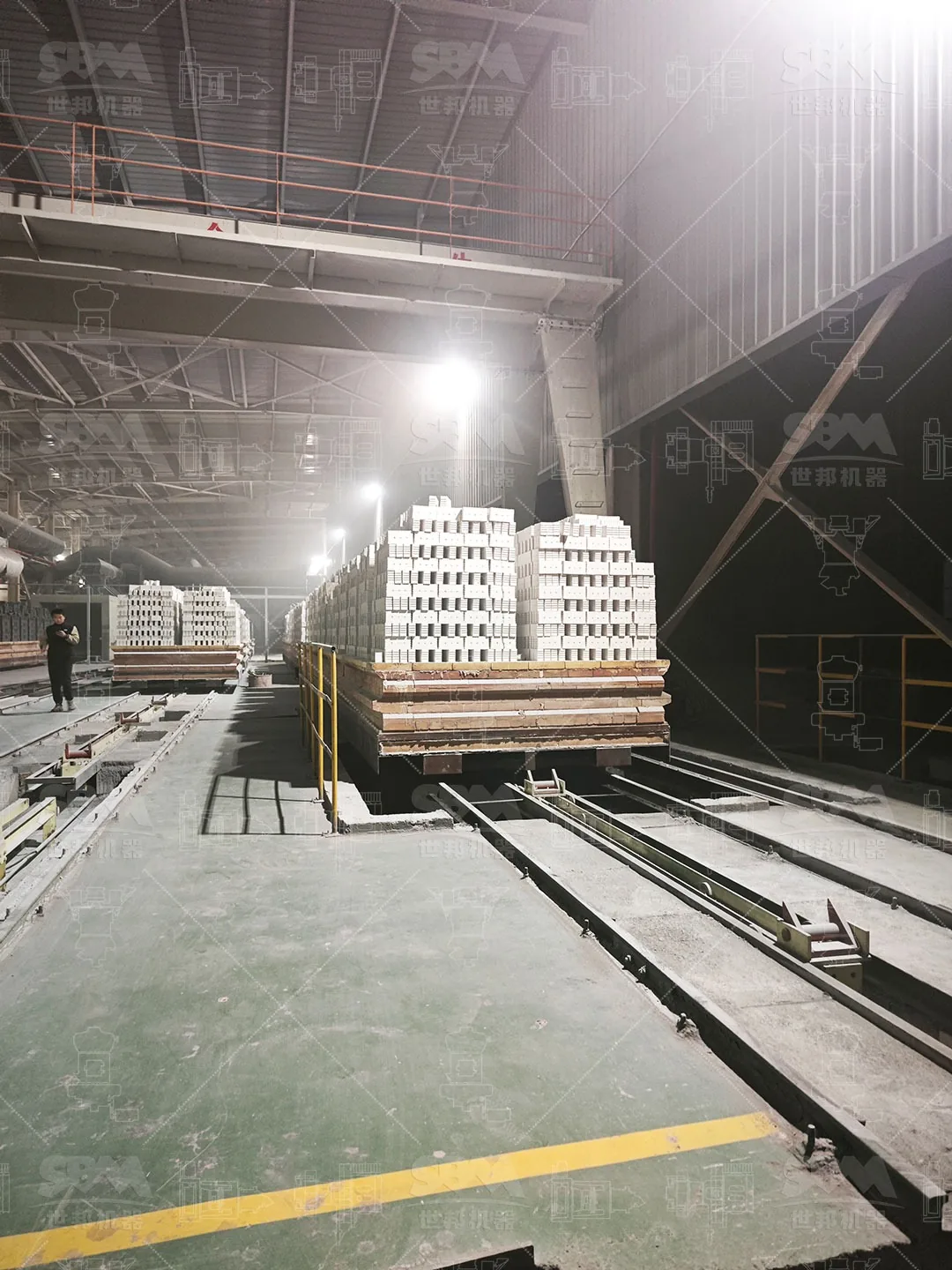
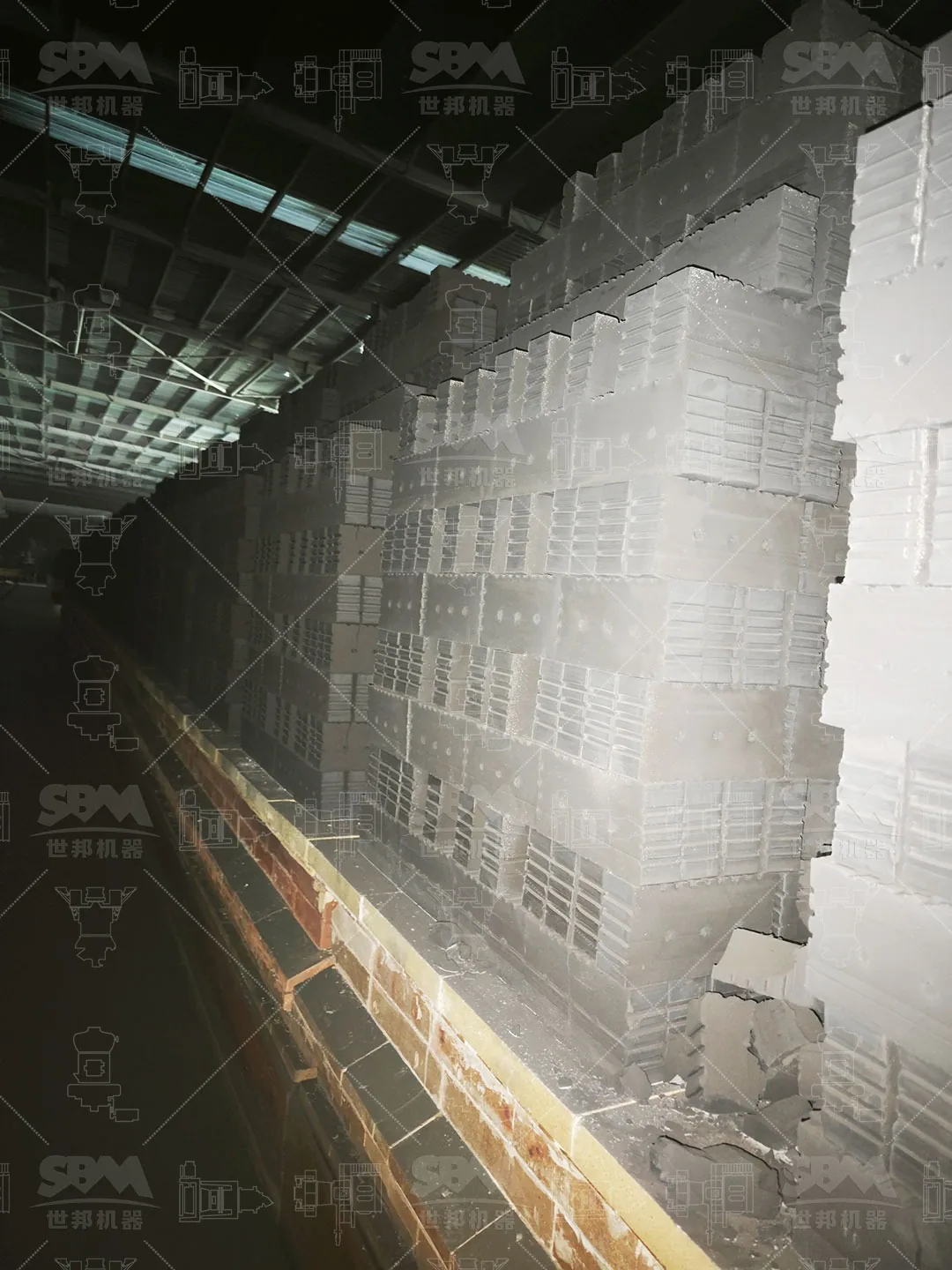
The pressed green bodies are carried on kiln cars through the tunnel kiln, where the material is fired at high temperature. What comes out is a dense, dimensionally stable refractory brick; the same powder line also feeds the calcined kaolin and mullite powder products. The photographs from the kiln hall show the cars loaded with green bodies going in and the finished white brick coming out.
Trial production
The plant moved into trial production at the end of 2025. Coal gangue that used to be a disposal problem now leaves the site as calcined kaolin, mullite powder and refractory products, and the mill has held its output specification through the change of feed batches during the trial period.
For plants looking at the same problem, the lesson from Baotou is straightforward: the mill is not a standalone purchase but the unit that fixes the quality of everything downstream. Matching the mill to the material, and then setting it up on that material rather than on a generic datasheet, is what makes a coal gangue line produce refractory-grade powder instead of just powder.