Talc ultrafine grinding mill for high fineness talc powder
2026-10-19 00:27:44
Talc is one of those minerals that looks simple on paper—soft, platy, and chemically inert—but becomes surprisingly demanding when the target is high-fineness powder. At 800 mesh, or even beyond 2,500 mesh, small changes in feed moisture, classifier speed, airflow, and roller pressure can decide whether a plant produces a consistent, bright product or a stream of rejects. For customers working in plastics, coatings, paper, cosmetics, ceramics, and masterbatch, fineness is not the only goal; particle-size distribution, whiteness, contamination control, and stable throughput matter just as much.
_1792340864549.jpg)
Start with the Powder, Not the Machine
For high-fineness talc powder, the right starting point is not a brochure but a material test. Talc varies in platy structure, hardness, brightness, and accessory minerals. Shanghai Zenith Machinery Co., Ltd., a hi-tech engineering group focused on industrial powder grinding equipment, approaches each project by matching the mill, classifier, airflow, and dust collection circuit to the target product. The company's processing range covers 1-3 mm coarse powder, 20-400 mesh fine powder, 400-1250 mesh ultrafine powder, and 1250-3250 mesh micro powder. That breadth is useful because not every talc application needs the same machine—or the same investment.
LUM Ultrafine Vertical Grinding Mill: Integrated Grinding, Separation, and Transport
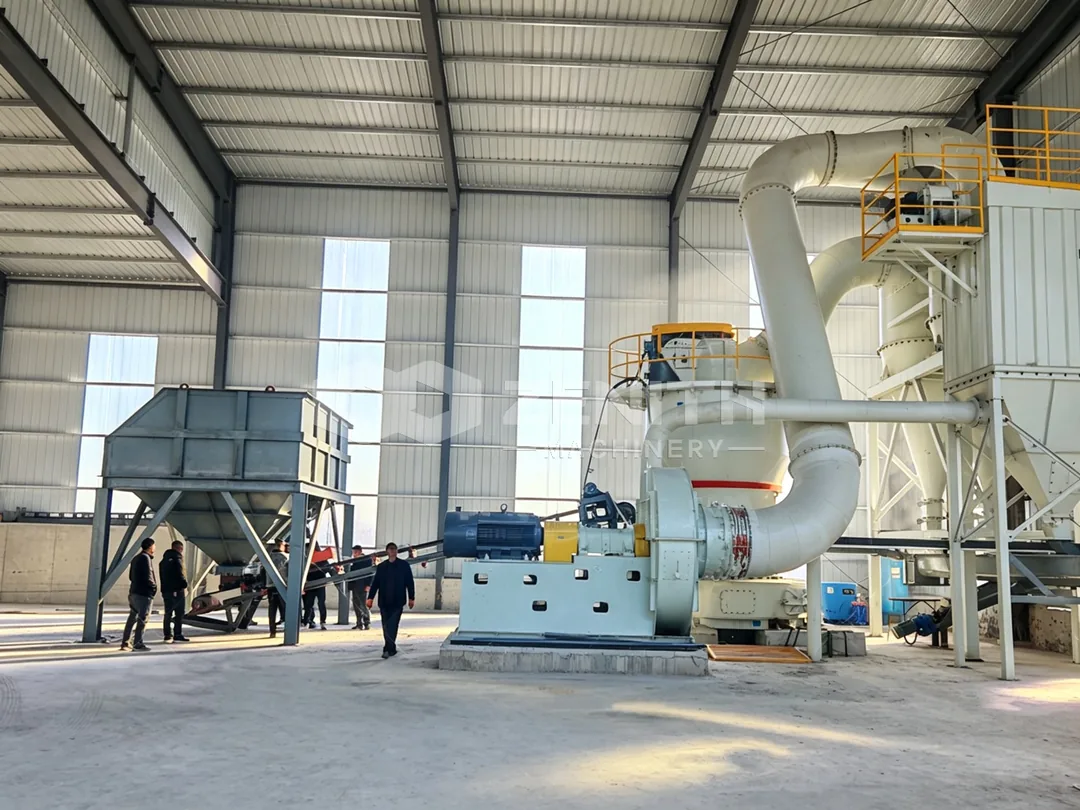
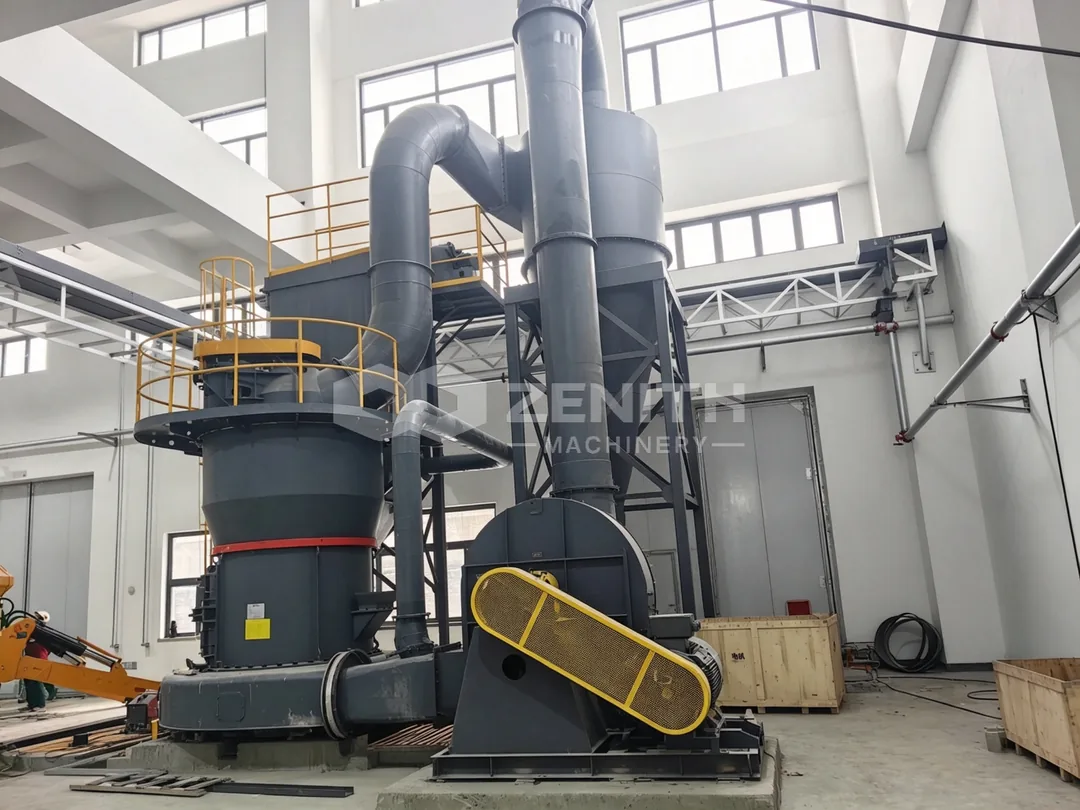
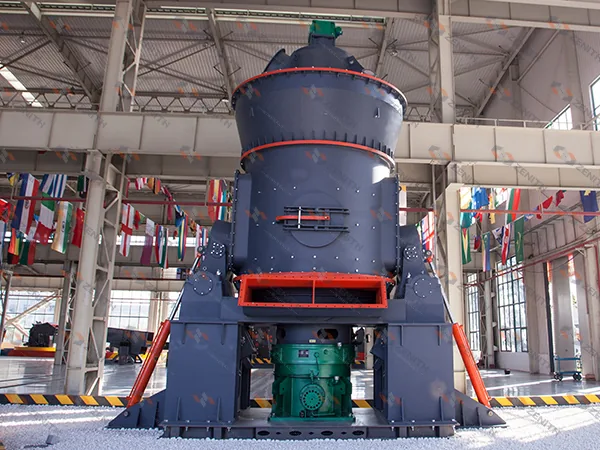
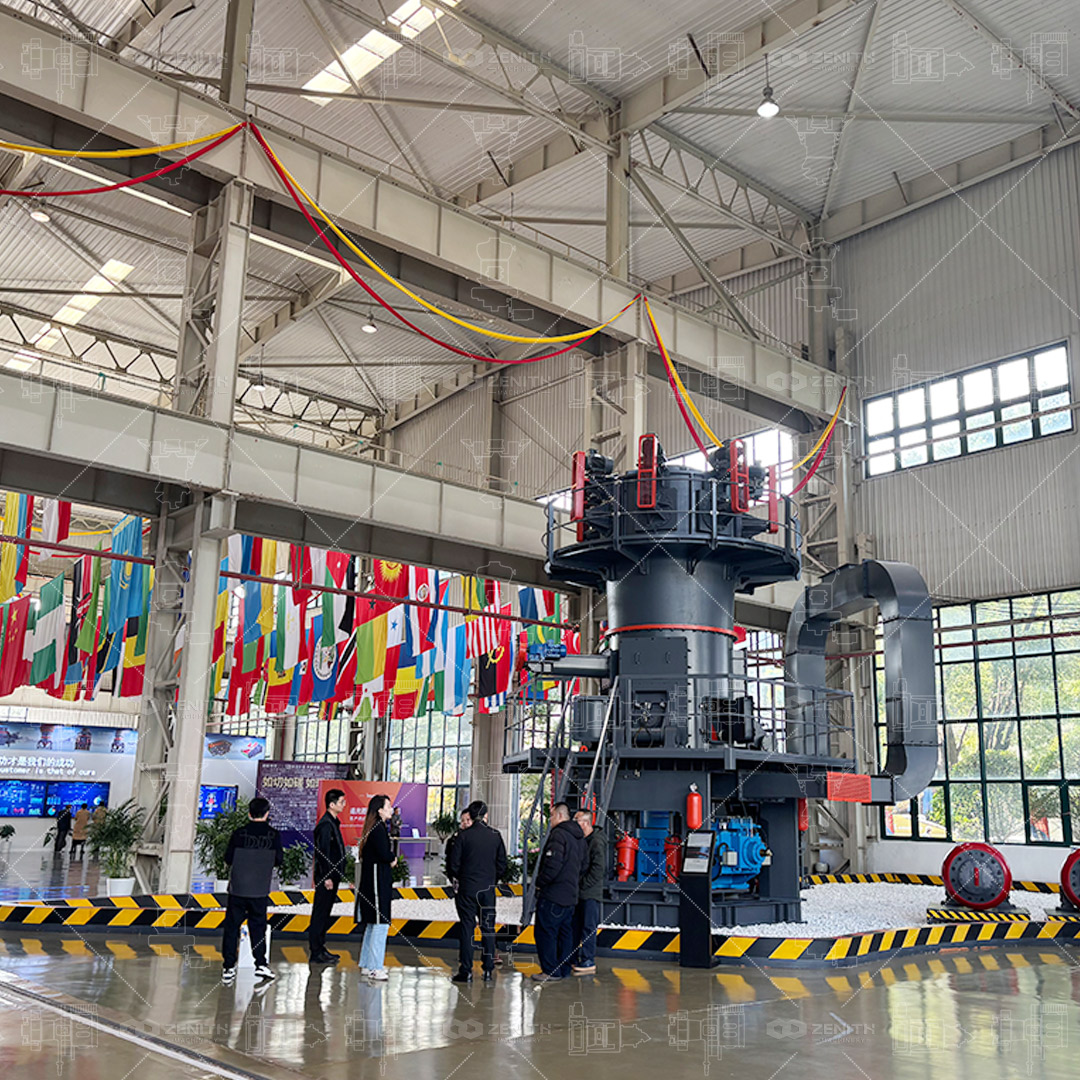
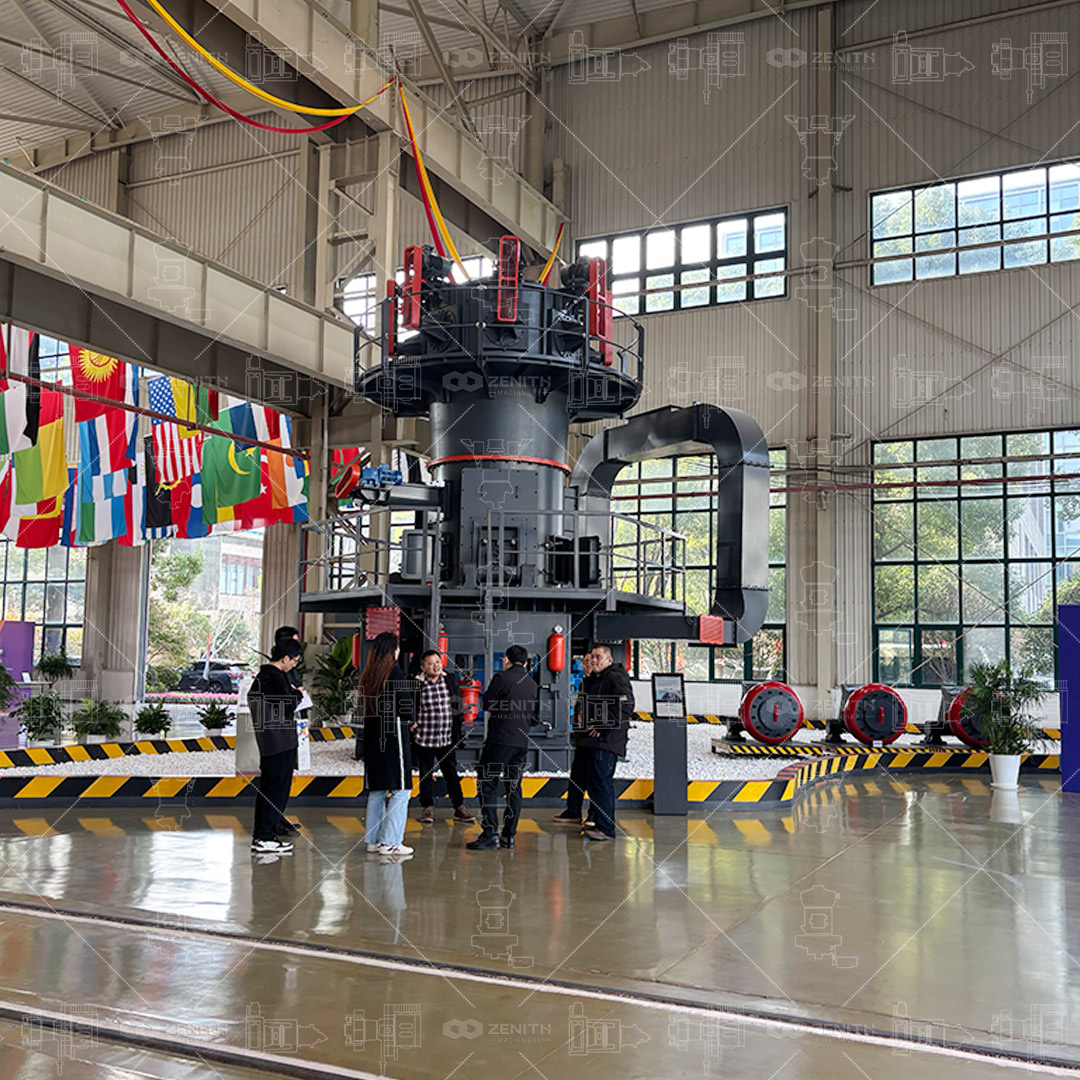
The LUM Ultrafine Vertical Grinding Mill is a strong choice for customers who need high purity at 325-2500 mesh with stable, continuous operation. It integrates grinding, separation, and transportation in one system. For talc, the typical input size is 0-10 mm and capacity ranges from 5 to 18 t/h. The mill combines vertical roller technology with Taiwan grinding roller design and German powder separating technology. It can control product size, chemical composition, and iron content, which helps protect the whiteness and purity of finished talc. Compared with ordinary mills, energy consumption can be reduced by 30%-50%. A hydraulic adjustment system and reversible structure make wear-part replacement faster, while sealed negative-pressure operation limits dust spillover, vibration, and noise.
XZM Ultrafine Grinding Mill: Precision at the Top End
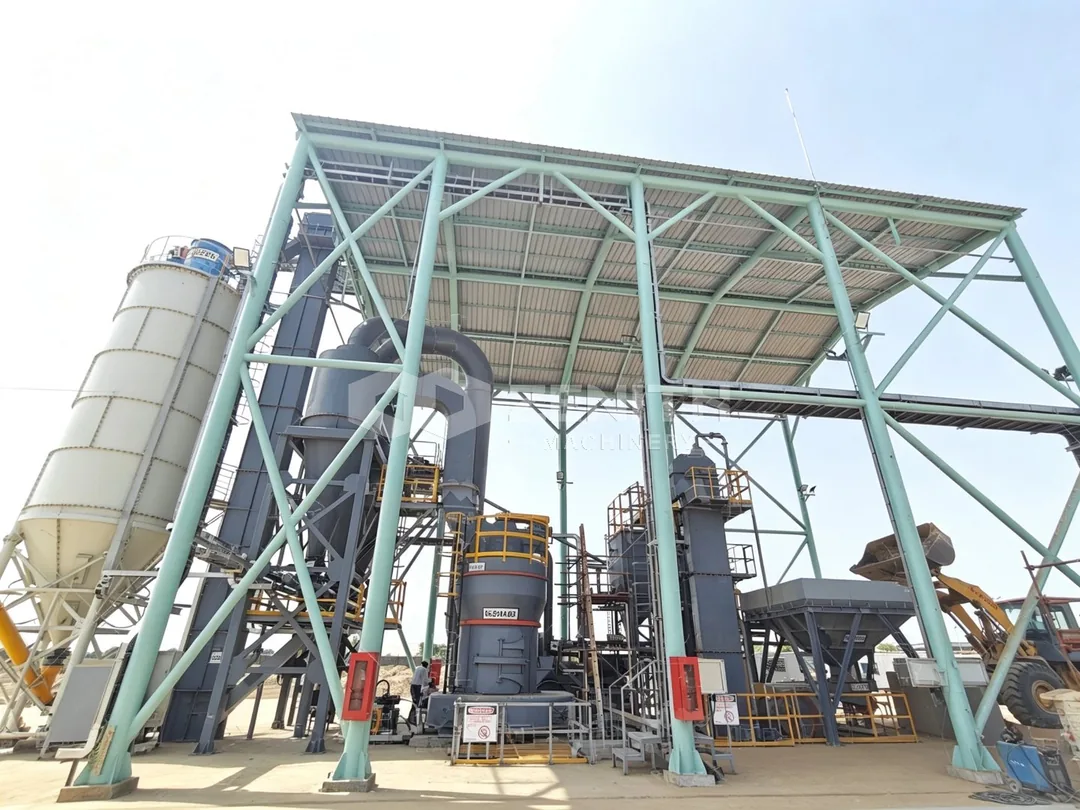
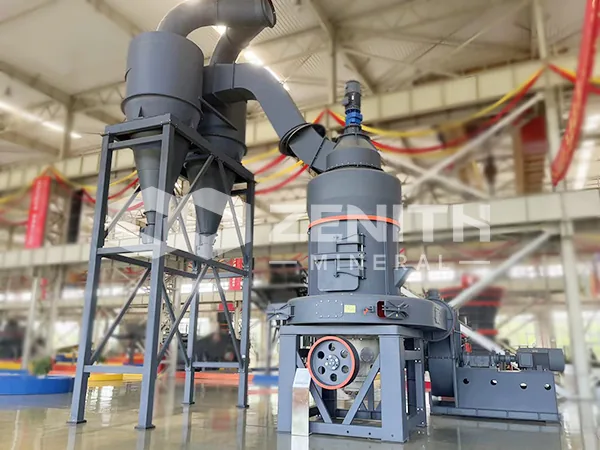
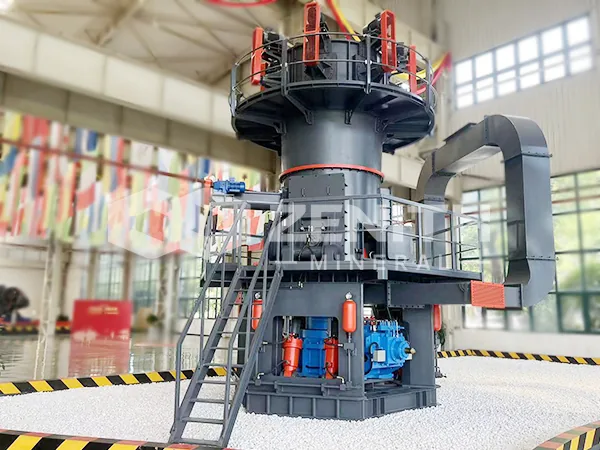
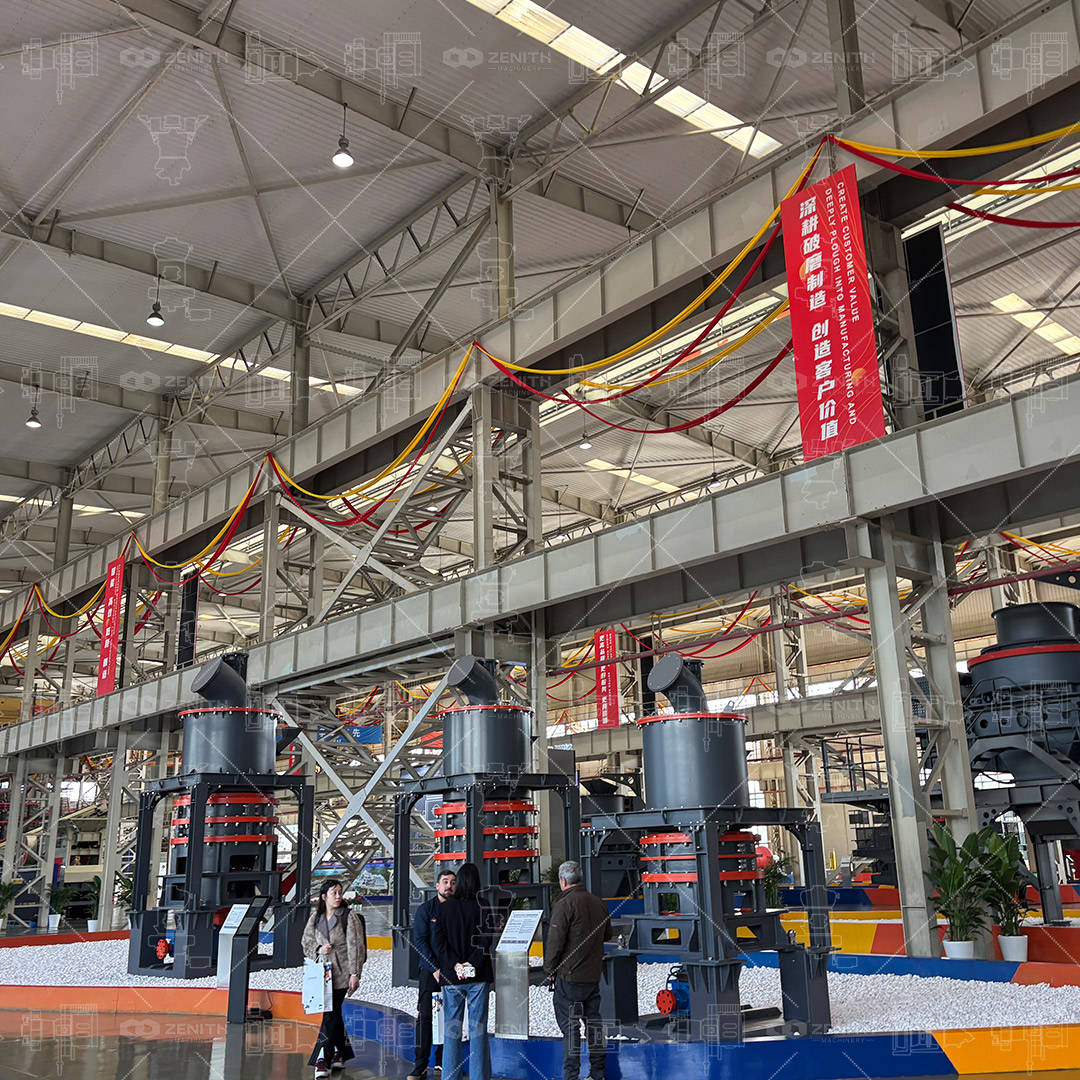
The XZM Ultrafine Grinding Mill is designed for flexible, top-end classification. With a single classification system, it can produce 325-3250 mesh powder, with capacity from 0.5 to 25 t/h and input sizes up to 20 mm. A variable-frequency classifier allows operators to adjust rotor speed from the control panel, so product fineness can be changed without mechanical rebuilding. For demanding grades, the XZM can reach D97 below 5 micron in one pass. Its grinding chamber contains no rolling bearings or screws, reducing common failure points and the risk of loose hardware damaging the product stream. The result is high efficiency, low energy consumption, and easier maintenance—important advantages in paint, PVC, plastic, paper, and chemical applications.
Process Control Determines Whiteness, Purity, and Yield
Talc is soft, so overgrinding is a real cost. The best ultrafine circuit combines gentle grinding with precise classification, then returns only coarse particles to the mill. In the LUM system, material falls to the center of the grinding disc, moves outward by centrifugal force, and is crushed by rollers before being carried by airflow into the classifier. Qualified powder leaves with the airflow; coarse powder returns for re-grinding. Iron debris falls into the lower cavity and is scraped to the discharge port. The XZM follows a similar principle with a turntable and rollers, then uses a classifier and cyclone-pulse dust collector to collect finished powder. In both cases, stable negative pressure, a properly sized pulse dust collector, and consistent feed control are essential for high whiteness and low residue.
When a Fine Powder Mill Is the Better Fit
Not every talc product requires ultrafine grinding. If the target is 80-400 mesh, the MTW European Trapezium Mill, MTM European Trapezium Mill, LM Vertical Grinding Mill, or Raymond Mill may offer a lower-investment route. MTW mills handle 0-35 mm feed and produce 30-325 mesh at 3-22 t/h, while LM vertical mills can reach 3-340 t/h for 80-400 mesh. For coarse powder in the 0-3 mm range, the Hammer Mill can be a practical option. However, when the specification calls for high fineness, narrow top size, high whiteness, and low contamination, the LUM and XZM platforms usually provide better classification control and more efficient energy use.
Commissioning, Maintenance, and Support
Successful talc ultrafine grinding is as much about operation as equipment. During commissioning, establish baseline settings for feed rate, classifier speed, air volume, roller pressure, and dust collector differential pressure. Test each product grade for fineness, particle-size distribution, whiteness, and residue. Keep the feed dry and consistent, because moisture can blind classifiers and reduce throughput. Use genuine wear parts and inspect grinding elements on a planned schedule. Zenith supports customers with ISO-certified quality systems, CE and CU-TR certification, and a marketing network covering more than 180 countries and regions, with overseas offices in over 30 countries. That local support matters when a plant needs rapid commissioning, operator training, and spare-part advice.
FAQs
What fineness can a talc ultrafine grinding mill achieve?
Depending on the model and talc grade, LUM mills typically cover 325-2500 mesh, while XZM mills can reach 325-3250 mesh and D97 below 5 micron in one pass. Final performance should be confirmed by material testing.
Which mill is better for high-whiteness talc powder?
Both LUM and XZM can protect whiteness when the circuit is correctly designed. LUM offers integrated grinding and classification with controlled iron content, making it a strong choice for high-purity, medium-to-high-end products.
How much capacity can I expect from an ultrafine talc plant?
LUM systems generally range from 5 to 18 t/h, and XZM systems from 0.5 to 25 t/h. Actual output depends on target fineness, feed size, moisture, and product specification.
Can the same mill produce several talc grades?
Yes. Adjustable classifiers make grade changes practical. XZM uses a VFD classifier for convenient fineness adjustment, while LUM allows parameter control for stable product quality.
What about dust and environmental compliance?
LUM and XZM systems operate under negative pressure and use pulse dust collectors. This design reduces dust spillover and noise and supports compliance with environmental standards.
Do you provide testing and commissioning support?
Yes. Material testing, flowsheet selection, installation guidance, operator training, and spare-part support are part of the project service. ZENITH's global network helps shorten response times.