Graphite grinding mill for fine graphite powder production
2026-10-08 00:24:21
Graphite is one of the most versatile industrial minerals. Its natural lubricity, thermal stability, electrical conductivity, and chemical inertness make it essential in lithium-ion batteries, refractories, lubricants, conductive coatings, friction materials, and nuclear applications. As demand grows for fine and ultrafine graphite powder, producers need grinding systems that deliver consistent particle size, high purity, and low energy consumption. Shanghai Zenith Machinery Co., Ltd. has spent decades developing industrial powder grinding equipment for exactly these requirements. With ISO, CE, and CU-TR certified machines and a network covering more than 180 countries and regions, ZENITH supports graphite processors from pilot testing to large-scale production.
What Fine Graphite Powder Production Requires
Graphite is relatively soft, with a Mohs hardness of 1 to 2, but it still presents processing challenges. The final powder must often meet tight specifications for D50, D97, bulk density, moisture, and iron content. Flake graphite should retain useful aspect ratio where possible, while synthetic and amorphous graphite may require different grinding pressures and classification settings. Fine graphite powder usually falls between 80 and 400 mesh, while ultrafine grades can range from 325 to 2500 mesh or even finer. Markets such as battery anode materials, high-end lubricants, and conductive polymers often ask for D97 below 10 microns, with minimal contamination.
_1791390261521.jpg)
Choosing the Right Graphite Grinding Mill
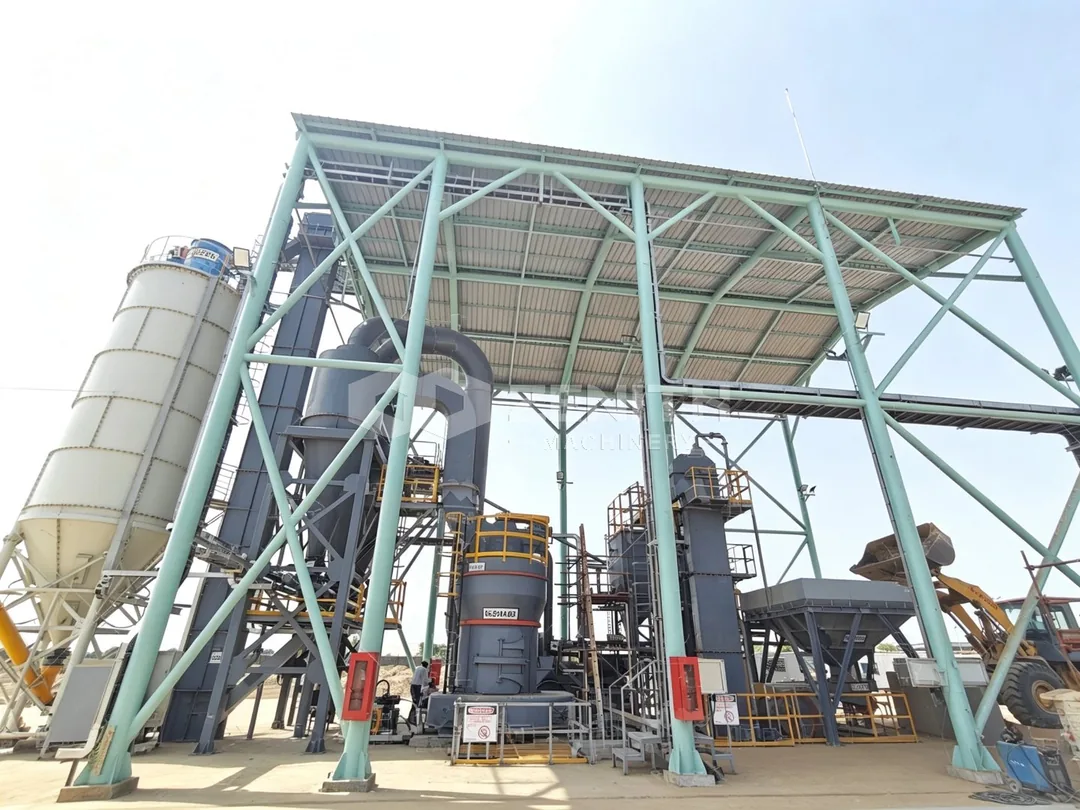
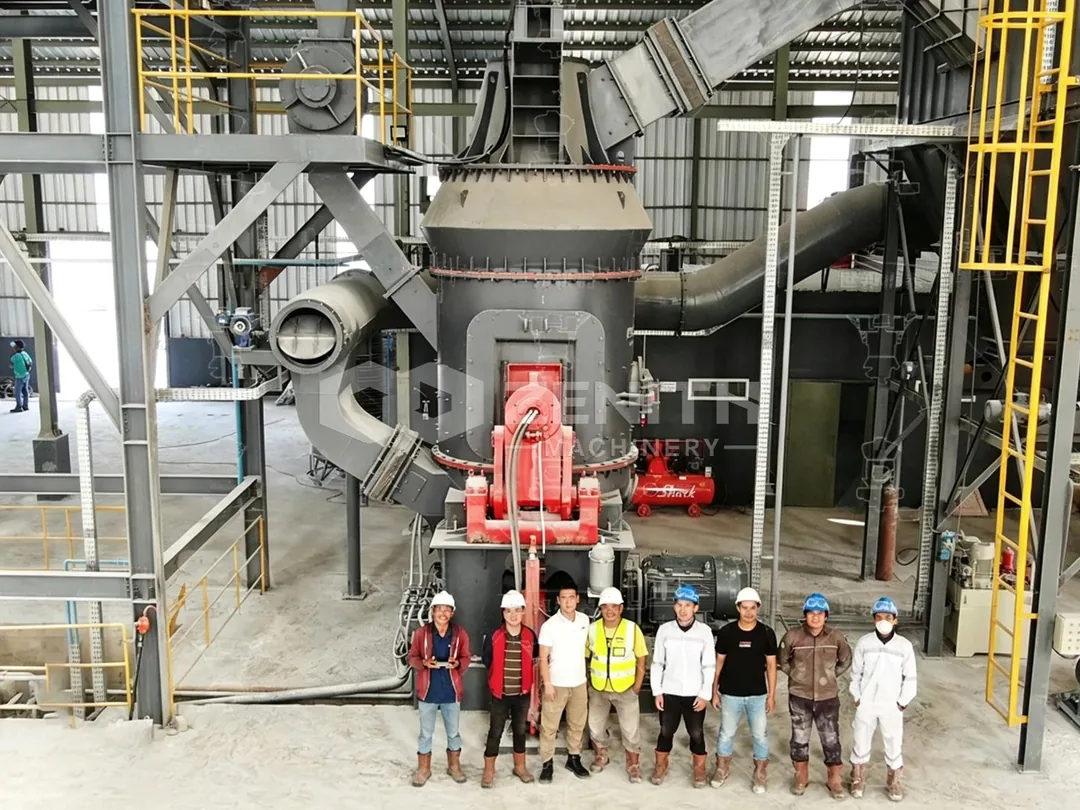
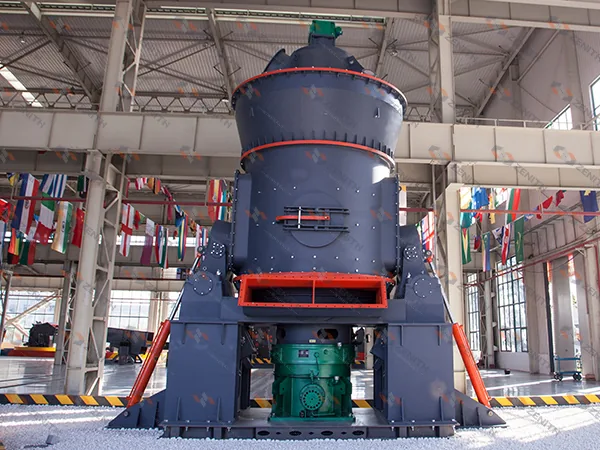
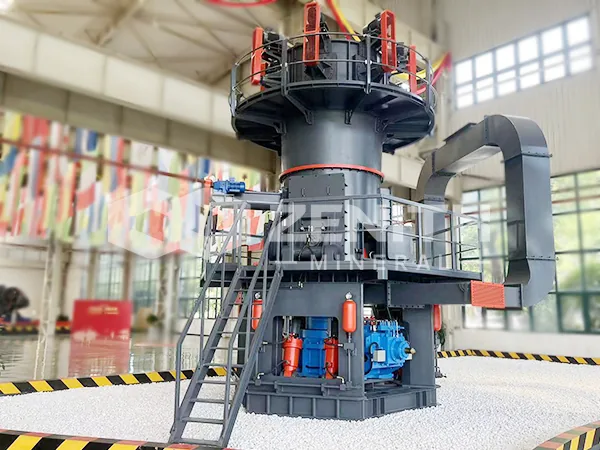
No single mill is ideal for every graphite product. ZENITH offers a complete range of grinding equipment, allowing the flowsheet to be matched to raw material, capacity, and target fineness. The MTW European Trapezium Mill is a strong choice for 80-400 mesh fine powder. Its largest model can reach 50 tph under suitable conditions, and its energy consumption can be more than 60% lower than a ball mill of the same grade. The MTM European Trapezium Mill, developed from more than 30 years of practical experience, is a stable and adaptable option for 80-325 mesh mineral powder. For plants that need continuous operation and large capacity, the LM Vertical Grinding Mill can run 24 hours with high automation and output from 3 to 340 tph. Its compact design covers about 50% of the area of a ball mill system and helps control product size, chemistry, and iron content.
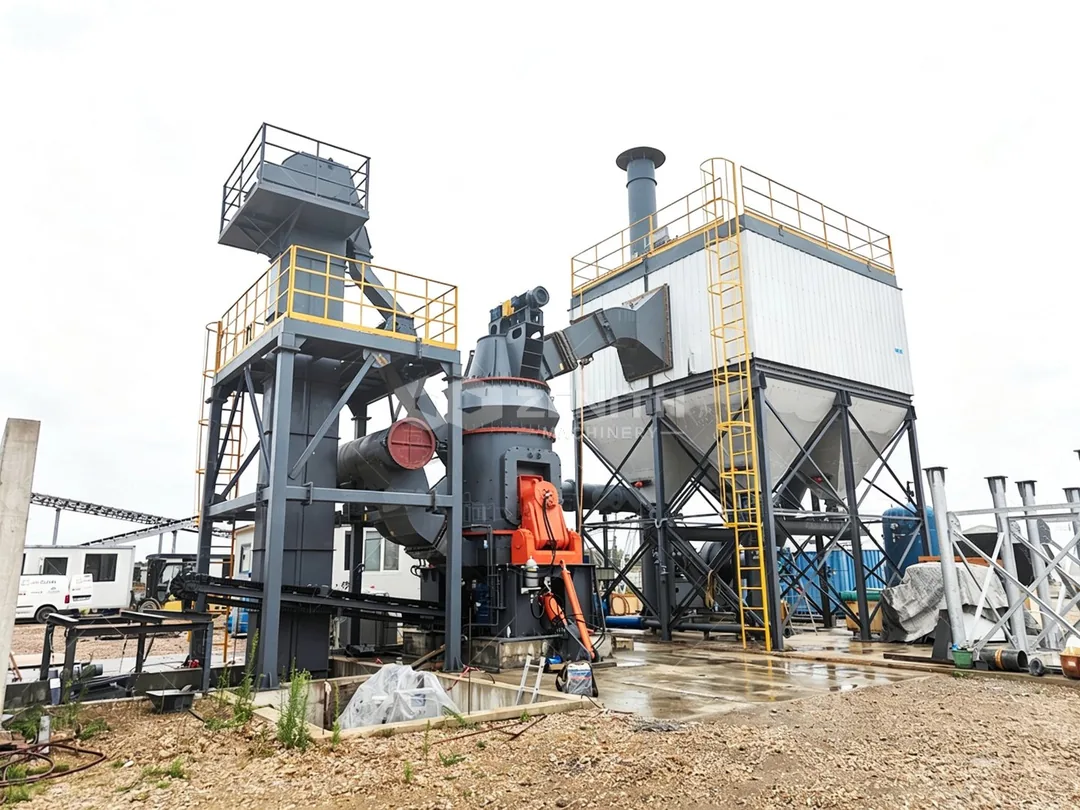
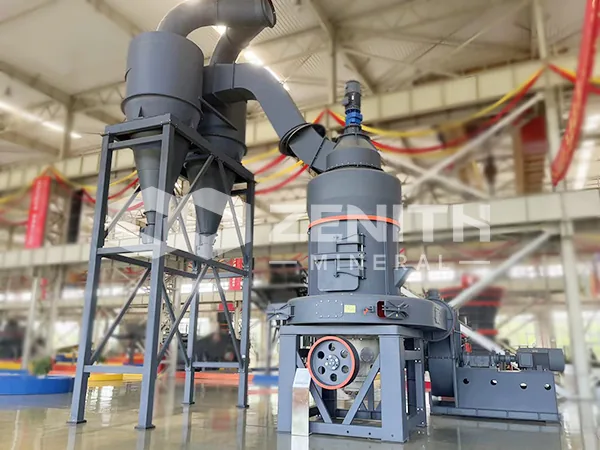
For ultrafine graphite, the LUM Ultrafine Vertical Grinding Mill integrates grinding, separation, and transportation. It produces 325-2500 mesh powder, reduces energy consumption by 30%-50% compared with ordinary mills, and uses a sealed negative-pressure system for cleaner production. The XZM Ultrafine Grinding Mill is another advanced solution for 325-3250 mesh powder. It can reach D97 below 5 microns in one pass, offers arbitrary fineness adjustment, and uses a classifier with VFD control. Because its grinding chamber has no rolling bearings or screws, it reduces maintenance risks and supports high-purity processing. Raymond mills remain a practical option for 10-325 mesh powder, while hammer mills prepare 0-3mm coarse material. Ball mills and mining ball mills provide strong adaptability for dry or wet grinding and continuous production.
_1791390261522.jpg)
From Crushing to Packing: A Reliable Graphite Grinding Process
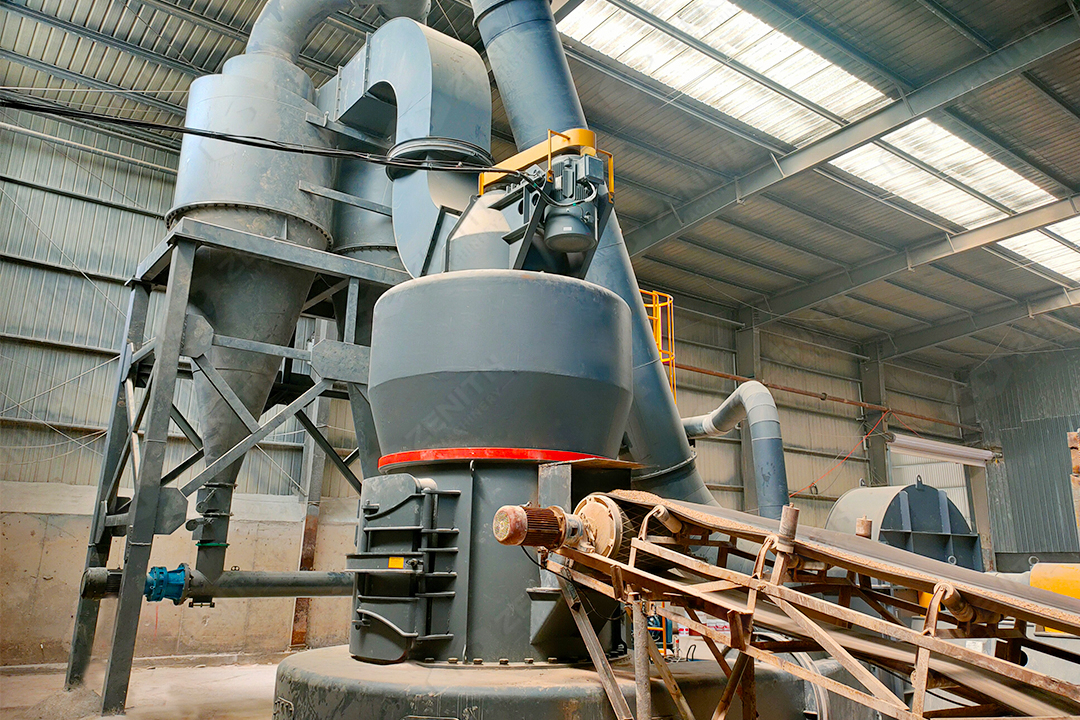
A typical graphite grinding plant starts with crushing and feeding. Qualified material is sent to the grinding chamber by a feeder. In a vertical mill, the main motor drives the grinding disc, and material falls onto the center of the disc. Centrifugal force moves it outward, where rollers crush it into a material bed. Airflow carries the ground particles to a classifier. Coarse particles return for regrinding, while fine powder enters a cyclone or dust collector as finished product. Iron debris can be removed through a lower cavity and discharge port. In an XZM ultrafine mill, material falls onto a rotating turntable and is crushed by rollers under centrifugal force. The airflow then carries it to the classifier, where unqualified particles return and qualified powder is collected. Pulse dust collectors keep the system within environmental standards, and the entire line can operate under positive and negative pressure to prevent dust spillage.
_1791390261524.jpg)
Key Benefits for Graphite Producers
ZENITH graphite grinding mills offer adjustable output fineness, high induced air efficiency, and lower comprehensive investment. Modular impeller adjustment allows different product grades by changing impellers. High-efficiency fans improve air induction efficiency from 62% to 85%. Automated control systems support remote and local operation, reducing labor cost. Wear-resistant materials and hydraulic adjustment systems simplify maintenance. For high-value graphite, the ability to control iron content, whiteness, and particle size distribution is especially important. Whether the goal is 200 mesh flake graphite, 800 mesh lubricant powder, or 2500 mesh ultrafine material, the equipment can be configured with crushing, grinding, classification, collection, de-ironing, and packing stages.
Frequently Asked Questions
1. What fineness can a graphite grinding mill achieve?
Depending on the mill model, graphite powder can be produced from 0-3mm coarse particles to 80-400 mesh fine powder and 325-3250 mesh ultrafine powder. XZM and LUM mills are suitable for D97 below 10 microns, while MTW, MTM, and Raymond mills cover many standard fine powder grades.
2. Which mill is best for ultrafine graphite powder?
LUM Ultrafine Vertical Grinding Mill and XZM Ultrafine Grinding Mill are the main choices. LUM is ideal for 325-2500 mesh with high purity and energy savings. XZM is ideal for 325-3250 mesh and can reach D97 below 5 microns in one classification.
3. How do you prevent iron contamination during graphite grinding?
Use sealed negative-pressure systems, wear-resistant liners, and controlled grinding zones. Vertical mills such as LM and LUM can discharge iron debris through the lower cavity. The XZM mill avoids rolling bearings and screws in the grinding chamber, reducing a common source of contamination.
4. Can the same line produce different graphite grades?
Yes. Adjustable classifiers, VFD-controlled rotors, and modular impeller systems allow operators to change fineness without rebuilding the entire plant. This flexibility helps producers serve battery, lubricant, refractory, and conductive coating markets.
5. What capacity can ZENITH graphite grinding mills handle?
Capacities range from 0.5 tph for ultrafine XZM models to more than 300 tph for large LM, ball mill, and LM-Y systems. MTW and MTM mills typically handle 3-22 tph, while LUM mills cover 5-18 tph.
6. Is the graphite grinding system environmentally friendly?
Yes. ZENITH mills are designed with sealed operation, negative pressure, pulse dust collectors, low vibration, and low noise. These features help meet national environmental standards and improve workplace conditions.
7. How do I choose between MTW, LM, LUM, and XZM?
Choose MTW for 80-400 mesh fine powder and lower investment. Choose LM for large capacity and continuous operation. Choose LUM for ultrafine, high-purity powder with energy savings. Choose XZM for the finest grades, including D97 below 5 microns, with simple maintenance and precise classification.