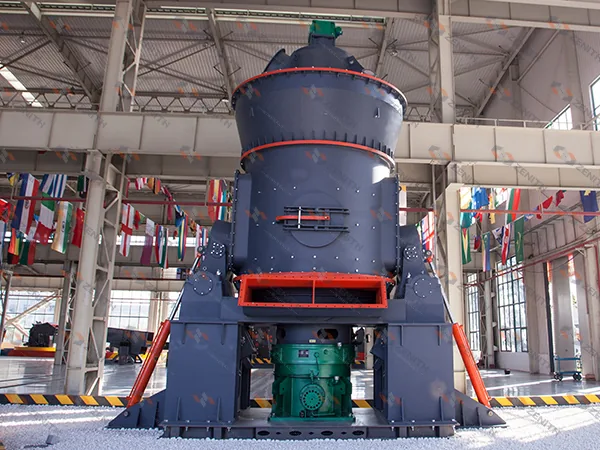
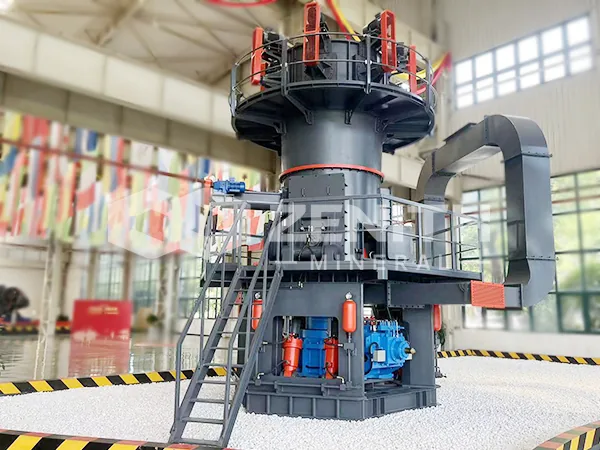
Quartz raymond mill for industrial silica powder processing
2026-10-06 00:27:32
If you process quartz, silica sand, or industrial silica powder, you know grinding is not just about making material smaller. It is about holding a tight particle distribution, protecting downstream equipment, and keeping output stable shift after shift. A quartz Raymond mill is often the first choice for 10-325 mesh silica powder because it combines familiar operation, a compact layout, and reliable classification.
At ZENITH, we have built mineral grinding equipment for decades. Our Raymond mill has been upgraded after long-term research and development to better meet current requirements. It is suitable for various mineral powders and pulverized coal, and is also called a high-pressure roller mill. For many silica plants, it is the workhorse between crushing and final packing.
_1791217652949.jpg)
Why quartz and silica need the right grinding approach
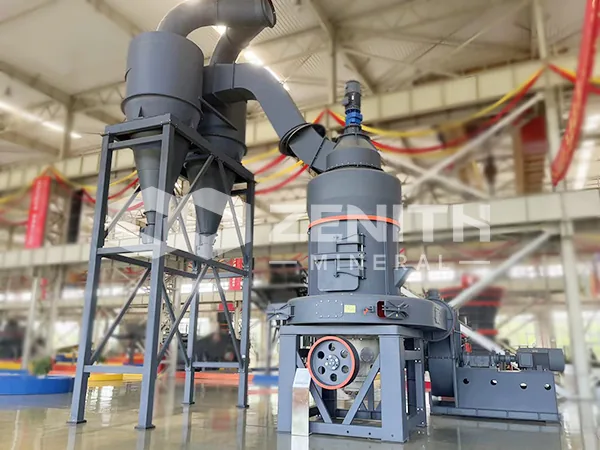
Quartz is hard, abrasive, and often crystalline. Silica powder specifications range from coarse fillers to fine fillers for paint, coatings, plastics, rubber, and ceramics. The target is usually a consistent mesh range with minimal oversize and controlled fines. A Raymond mill uses a vertical spindle, grinding rollers, and a grinding ring to crush material by rolling and compression. After classification, qualified powder goes to the cyclone collector, while coarse particles return to the grinding chamber.
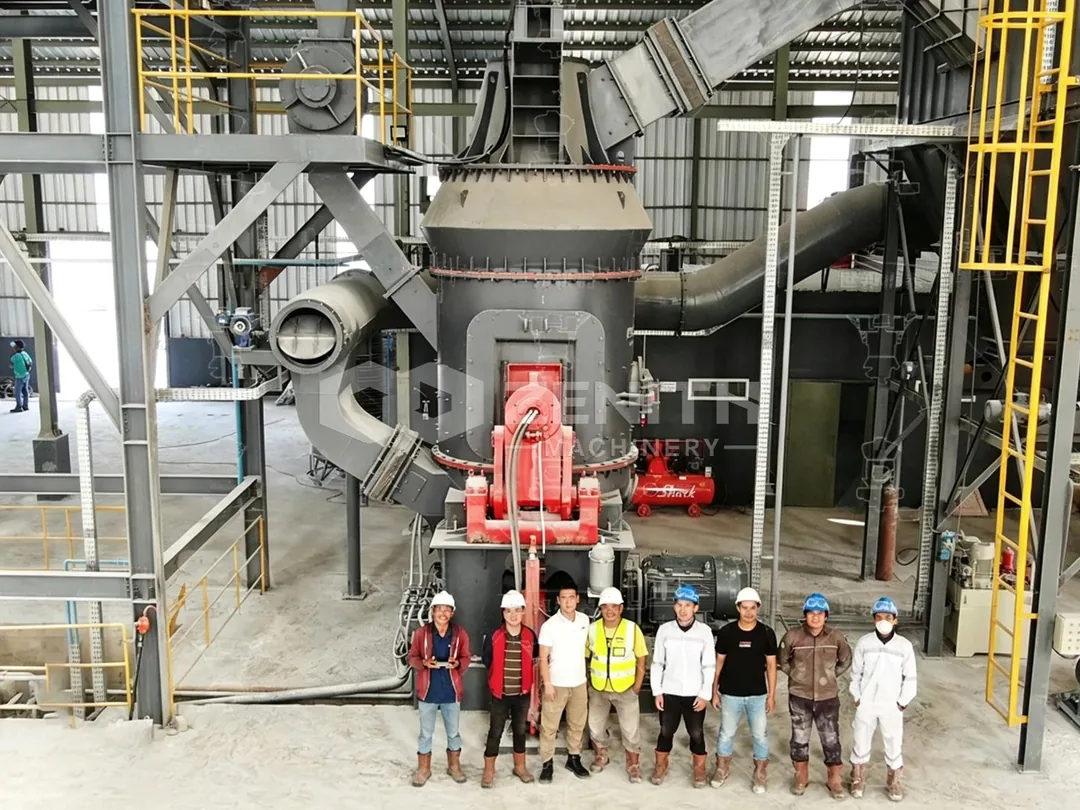
Wear parts must resist abrasion. The classifier must be adjustable. Dust collection must be sealed and reliable. ZENITH uses high-quality steel for important parts and abrasion-resistant material for vulnerable parts. The electric system adopts intelligent control, so the workshop can move toward labor-free work and maintenance, cutting operation cost.
Key specifications for industrial silica powder
ZENITH's Raymond mill offers capacity from 3 to 22 T/H, input size from 0 to 35 mm, and output size from 10 to 325 mesh. For industrial silica, the practical range is often 80-325 mesh, depending on model, feed hardness, moisture, and required particle distribution. The finished powder is well-distributed: 99% can pass through the screen, while other grinding mills may fail to approach that screening efficiency.
The mill covers less area. It is an independent system from primary material to final powder, simplifying plant design and reducing civil construction. If you need higher-capacity fine powder, ZENITH also offers MTW and MTM European Trapezium Mills for 80-400 mesh, with energy consumption more than 60% lower than a same-grade ball mill under ideal conditions. For ultrafine silica, the XZM Ultrafine Grinding Mill reaches 325-3250 mesh, and the LUM Ultrafine Vertical Mill covers 325-2500 mesh. For a classic quartz Raymond mill circuit, 10-325 mesh is the sweet spot.
_1791217652951.jpg)
How the quartz Raymond mill works in a silica powder line
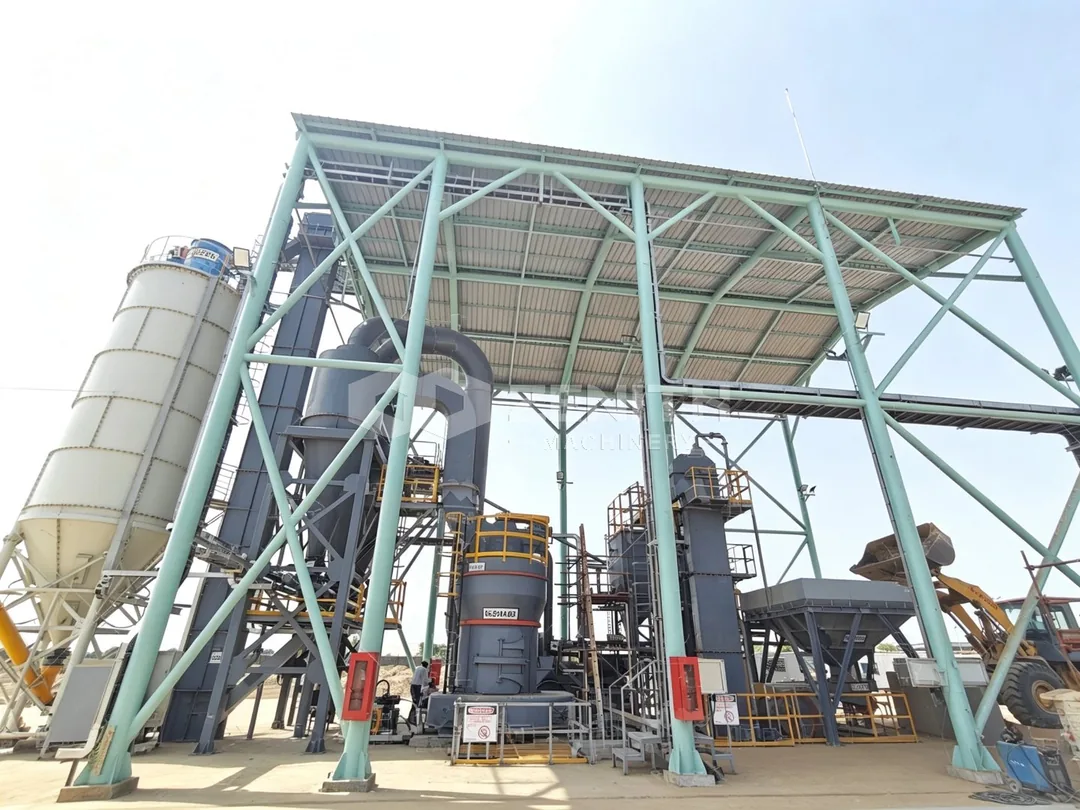
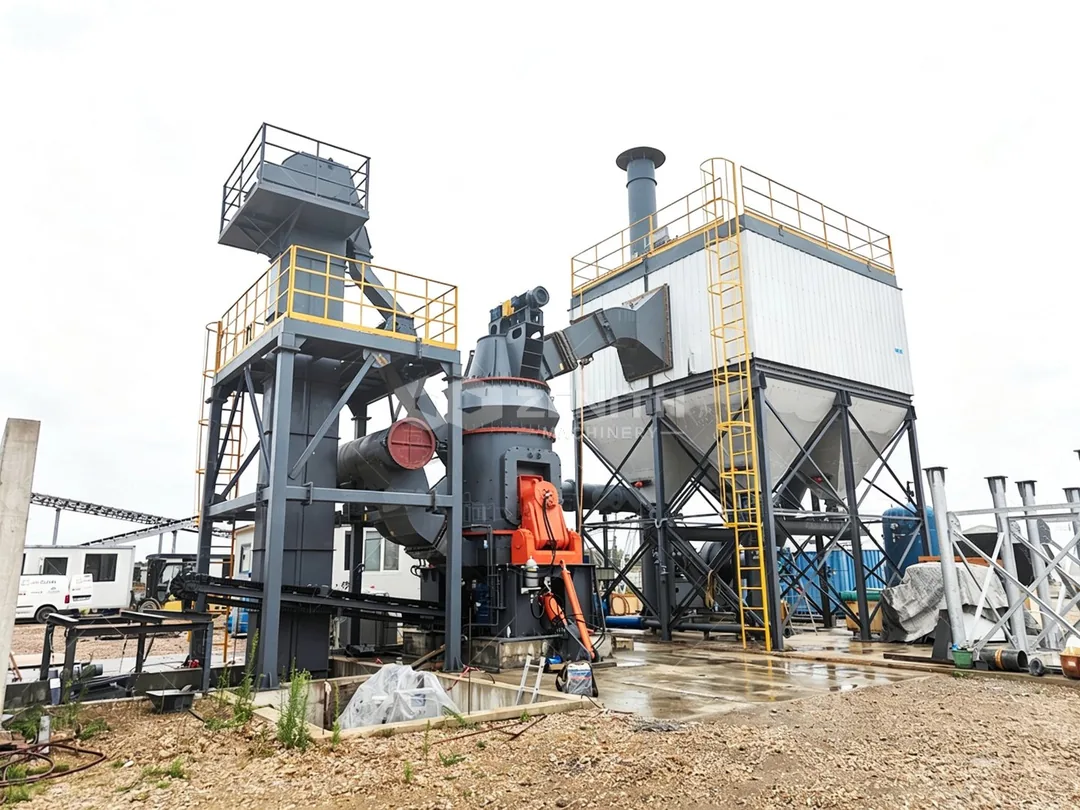
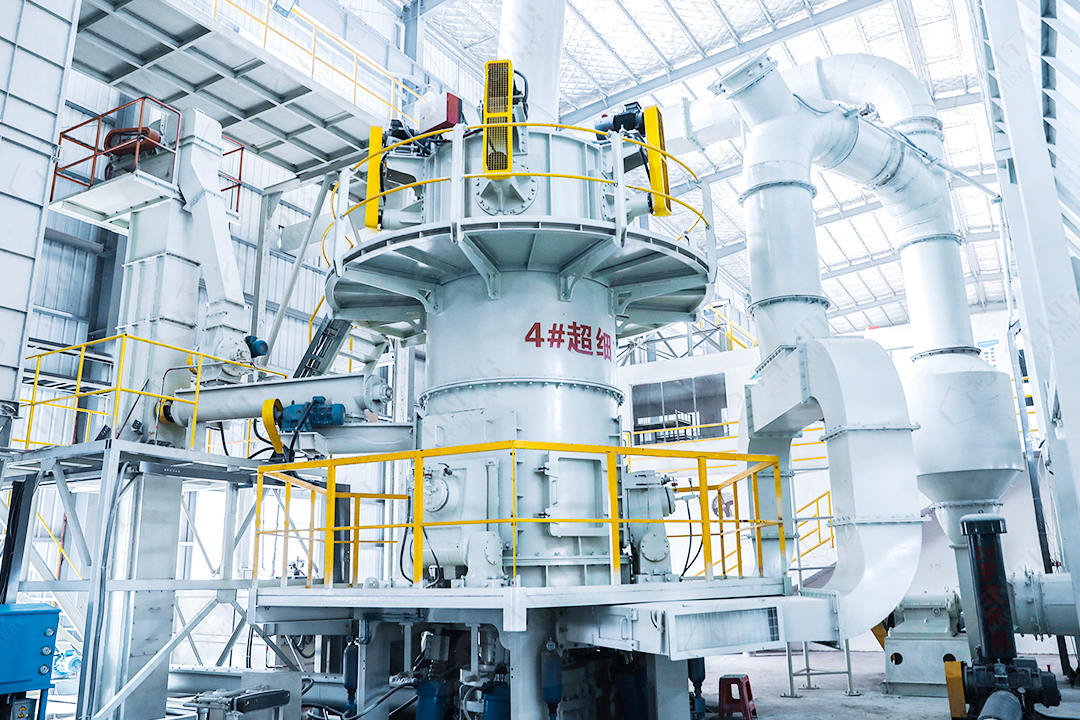
Material enters from the feed hopper on the side of the machine cover. The grinding roller device, suspended on the plum blossom frame, revolves around the vertical axis and rotates on its own. Centrifugal force swings the roller outward against the grinding ring. The scraper sends material between the roller and ring, where it is crushed by rolling and compression. Airflow carries the ground material to the classifier. Fine powder is collected in the cyclone and pulse dust collector, while coarse particles return for re-grinding. The system operates under positive and negative pressure, with a pulse dust collector that meets environmental standards.
A typical quartz line includes primary crushing, storage, controlled feeding, Raymond grinding, classification, cyclone collection, dust filtration, and packing. Feed should be dry and within the recommended top size. Moisture can cause sticking and reduce capacity, so pre-drying may be needed in humid regions. Iron contamination is another concern; sealed conveying and optional magnetic protection help keep silica powder clean.
Applications and operating benefits
Industrial silica powder from a quartz Raymond mill is used in glass, ceramics, foundry, refractory, paint, coating, adhesive, plastic, rubber, and construction. Consistency matters in these markets. Stable classifier settings, steady feed rate, and proper air volume maintain the desired mesh. The intelligent control system allows operators to monitor and adjust the process, reducing manual intervention. Maintenance is straightforward: check roller and ring wear, inspect the scraper, lubricate bearings, verify classifier blades, and keep the dust collector pulsing correctly.
Compared with larger ball mill circuits, a Raymond mill is a compact and practical choice for medium-scale silica powder production. It is not right for every project. If you need hundreds of tons per hour, a vertical mill or ball mill circuit may be more suitable. If you need D97 below 5 microns, an ultrafine mill such as XZM or LUM is the better route. The key is matching the mill to the feed, target powder, and plant layout.
FAQ: Quartz Raymond mill for industrial silica powder
1. What fineness can a quartz Raymond mill produce?
ZENITH Raymond mills produce 10-325 mesh powder. For industrial silica, most customers target 80-325 mesh. Fineness is adjusted through the classifier and operating parameters. For 325-2500 mesh or finer, consider the XZM or LUM ultrafine mills.
2. What is the typical capacity?
Capacity is 3-22 T/H, depending on model, feed size, quartz hardness, moisture, and target mesh. Higher fineness and harder feed generally reduce output. A material test helps confirm the right model.
3. Can it handle abrasive quartz and silica?
Yes, when equipped with abrasion-resistant rollers, rings, and liners. Feed top size should be within 0-35 mm, and material should be dry enough to flow. Regular wear inspection is important because quartz is abrasive.
4. How is dust controlled?
The system runs under positive and negative pressure with a pulse dust collector. The mill and conveying equipment are sealed, helping prevent dust spillover and meet environmental standards.
5. What is the difference between Raymond, MTW, and MTM mills?
Raymond mill is a classic high-pressure roller mill for 10-325 mesh. MTW and MTM European Trapezium Mills are also for fine powder, typically 80-400 mesh, with modular impeller adjustment, less occupied area, and lower energy consumption than ball mills under ideal conditions.
6. What maintenance does a quartz Raymond mill need?
Check roller and ring wear, lubricate bearings, inspect the scraper and classifier, verify fan balance, and maintain the dust collector. Intelligent control reduces daily labor, but scheduled inspections protect uptime and powder quality.