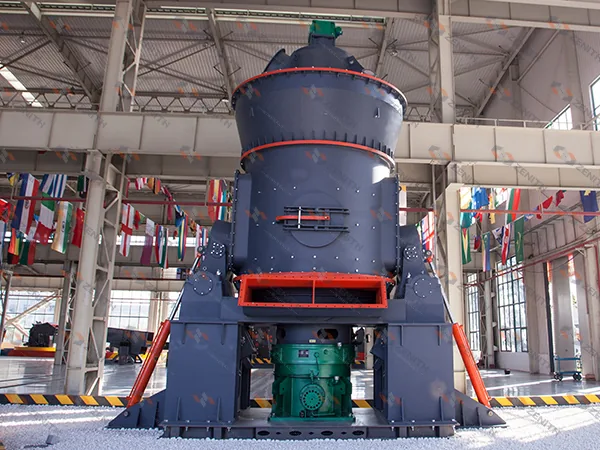
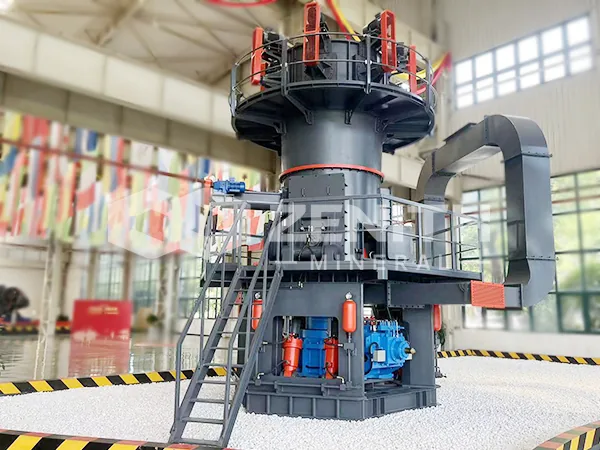
Quicklime vertical mill for power plant flue gas desulfurization
2026-10-01 00:24:55
Power plant flue gas desulfurization (FGD) is a demanding chemical process. It begins with a simple question: how do you turn quicklime (CaO) into a reactive, consistent reagent that can capture SO2 efficiently? The answer often lies in grinding. A quicklime vertical mill, especially a modern vertical roller mill, gives operators a compact, energy-efficient way to produce the fine powder needed for reliable FGD performance.
In wet, semi-dry, and dry FGD systems, quicklime or limestone is prepared as a slurry or dry sorbent. Particle size distribution directly affects dissolution rate, slaking behavior, and SO2 capture. If the powder is too coarse, the reaction is slow; if it is inconsistent, the downstream absorber becomes difficult to control. That is why many power plants are moving from traditional ball mills to vertical mills for quicklime and limestone grinding.
_1790785495940.jpg)
Why Quicklime Grinding Is Different
Quicklime is not an ordinary mineral. It is hygroscopic, reactive, and can generate heat when exposed to moisture. Dry grinding systems must be sealed, stable, and well-controlled. A vertical mill is a good match because material is fed onto a rotating grinding table, crushed by rollers, and carried by air to a dynamic classifier. The classifier rejects coarse particles and returns them for further grinding, so the finished product stays within the target range.
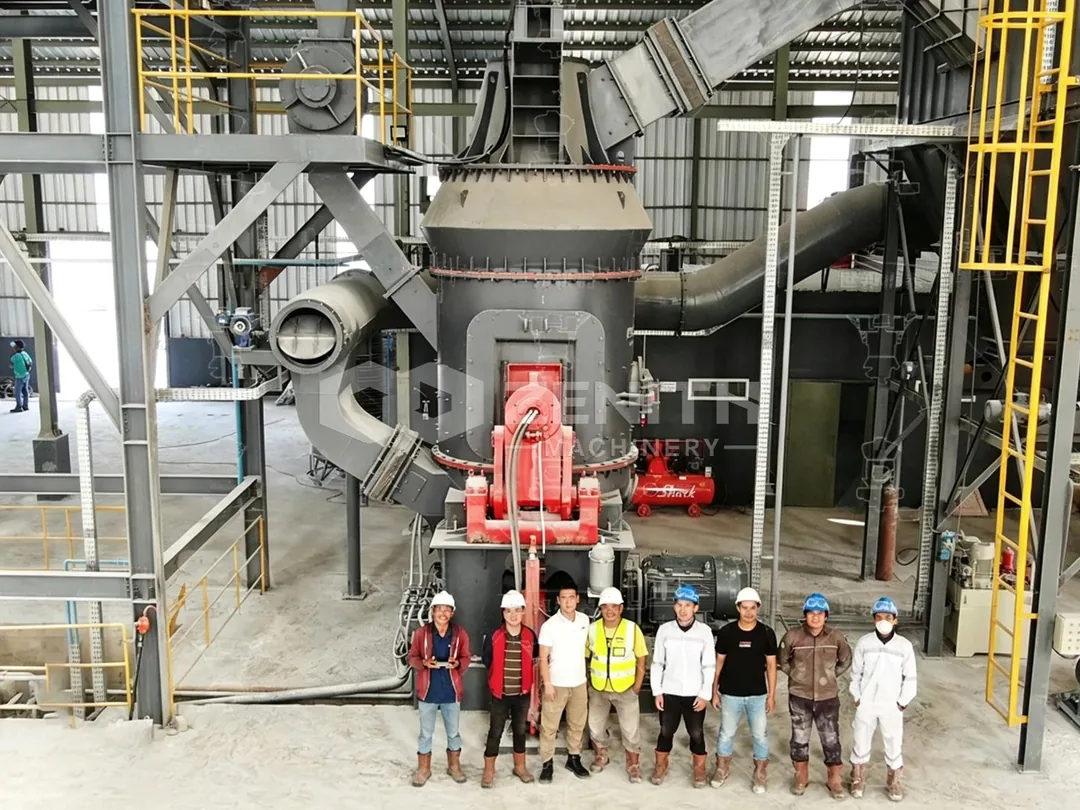
ZENITH's LM Vertical Grinding Mill is designed for continuous operation. It can run 24 hours with stable product quality, with capacity from 3 to 340 T/H, input size up to 70 mm, and output fineness from 80 to 400 mesh. For FGD quicklime preparation, this flexibility allows one mill to serve different boiler loads and reagent specifications. The mill also has an automatic control system, enabling remote and local control, which reduces labor and keeps the process responsive.
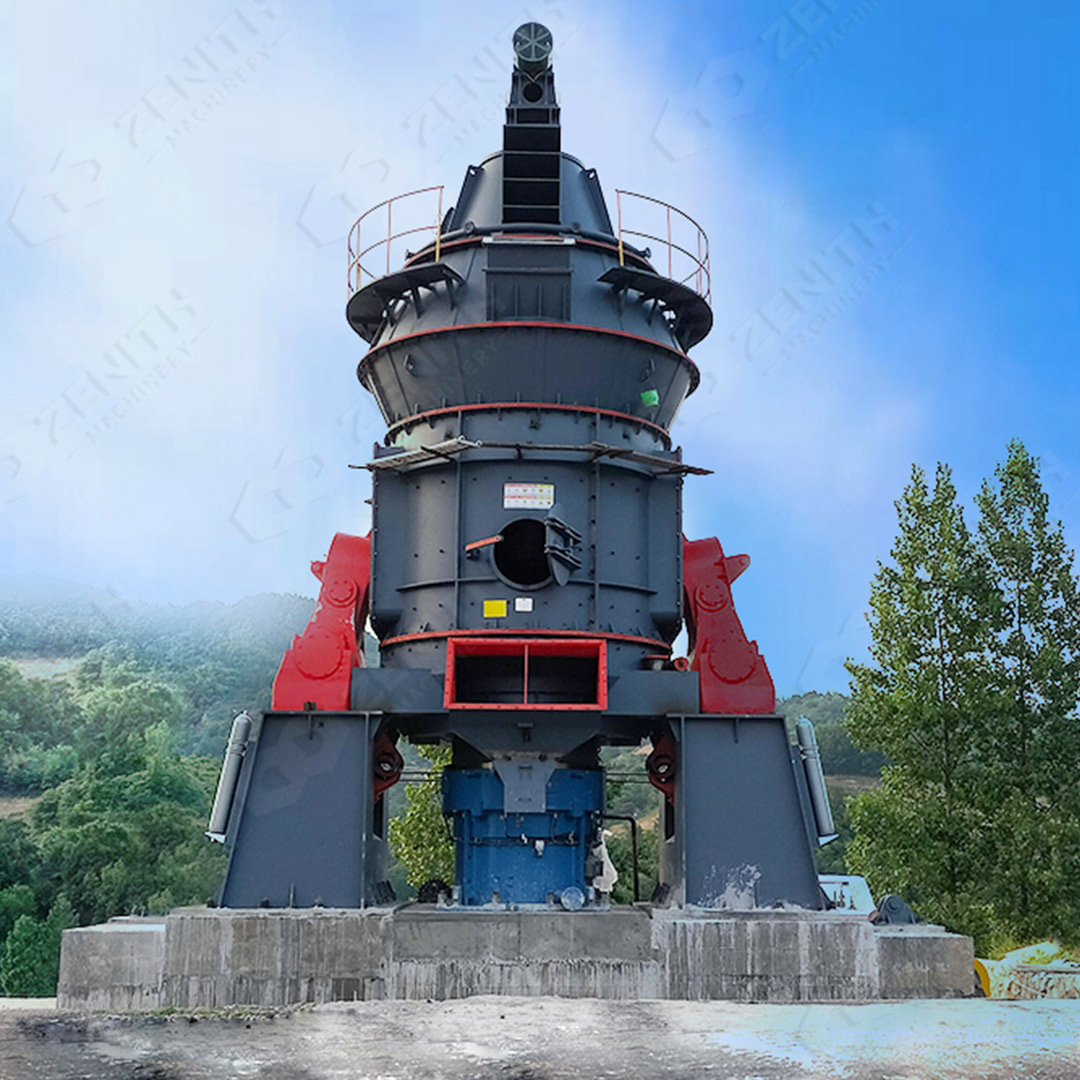
From Quicklime to FGD Reagent: The Process
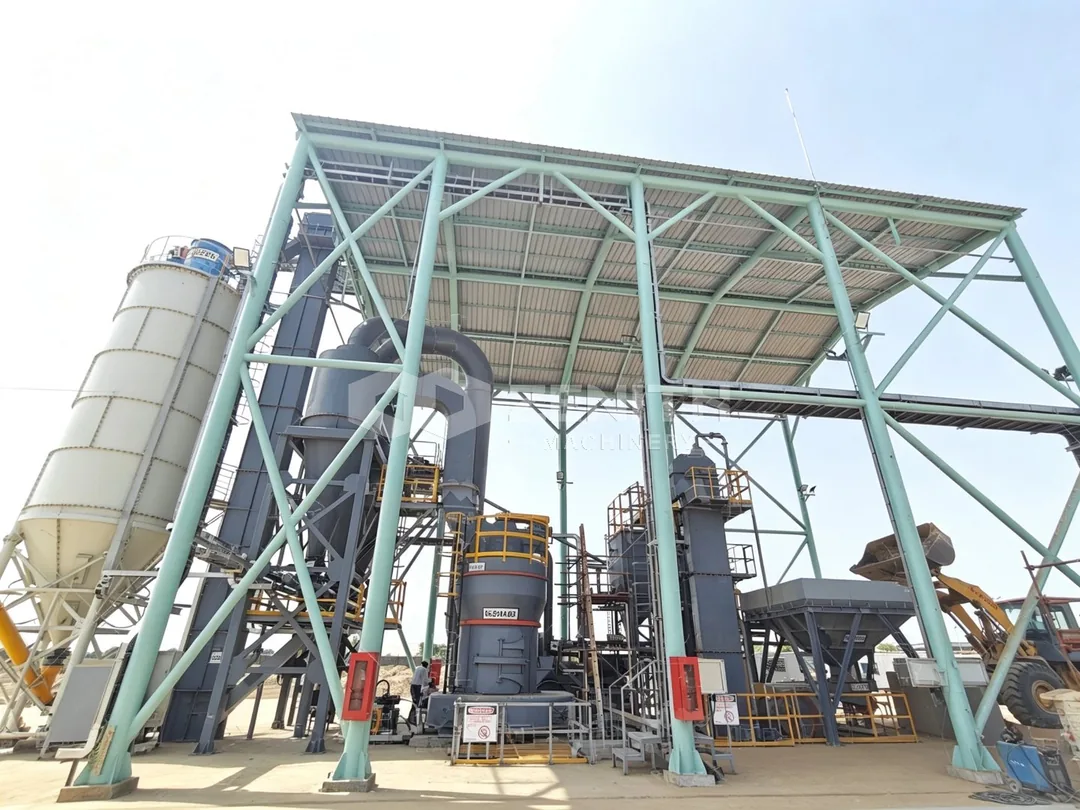
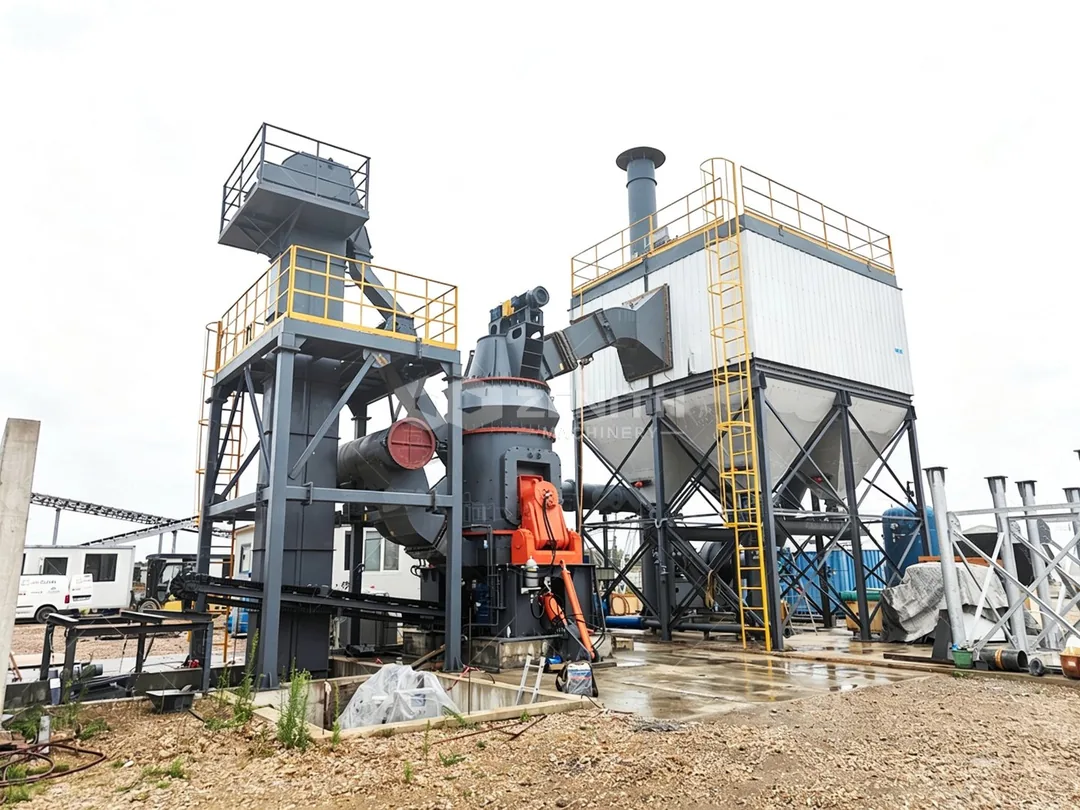
A typical quicklime vertical mill system includes a feed hopper, variable frequency feeder, main mill, classifier, pulse dust collector, fan, and discharge system. After crushing, qualified quicklime enters the grinding chamber. The main motor drives the grinding disc through a reducer while hot air enters the chamber. Material falls to the center of the disc, moves outward by centrifugal force, and is crushed by rollers. This forms a material bed for inter-particle crushing, which is efficient and produces a well-distributed powder.
The airflow carries the ground material to the separator. Coarse particles return to the disc, while fine powder is collected in the dust collector as finished product. Iron debris falls into a lower cavity and is removed. Because the system operates under negative pressure and is sealed, dust spillage is minimized. This is important for power plants that must meet strict environmental standards.
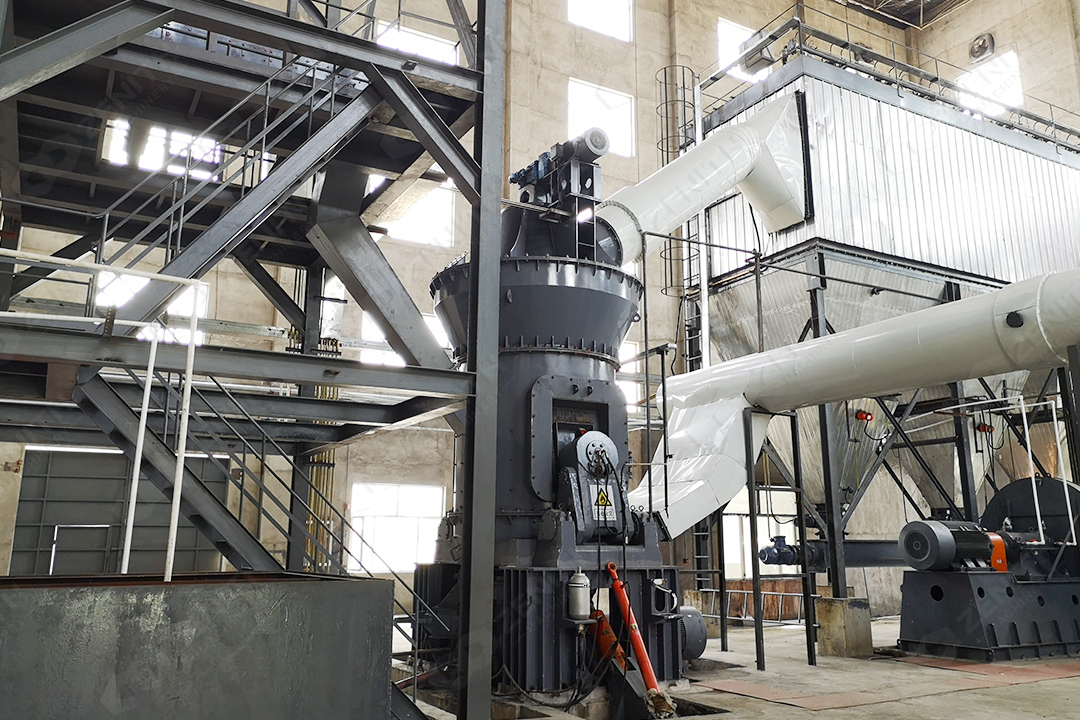
Benefits for Power Plant Operators
Vertical mills offer several advantages over ball mills in FGD reagent preparation. First, they occupy less space. LM series mills use a compact integrated design, about 50% of the area of a ball mill system, and can be arranged in the open air. Second, energy consumption is lower. Depending on the application, vertical mills can reduce power consumption by 30% to 60% compared with traditional grinding methods. Third, fineness is easy to adjust. By changing the classifier speed or impeller settings, operators can produce 80-400 mesh powder to suit different FGD processes.
Wear protection also matters. Quicklime can be abrasive, so grinding rollers and liners must use high-quality wear-resistant materials. ZENITH's vertical mills use hydraulic adjustment systems that make maintenance faster. In some designs, the rollers can be flipped outside the machine, allowing roller sleeves and liners to be replaced with less downtime. This reduces maintenance costs and improves availability.
_1790785495945.jpg)
Selecting the Right Mill for FGD
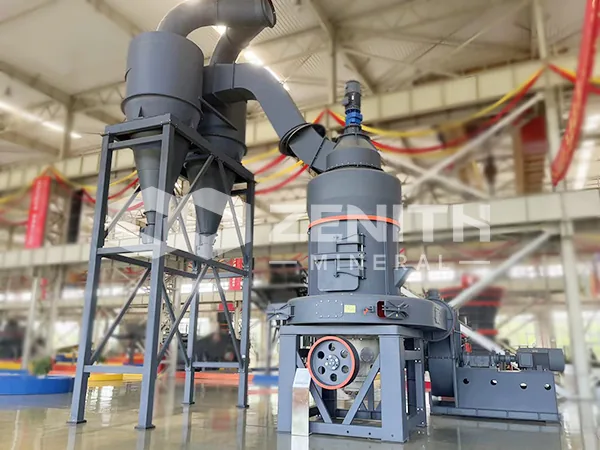
Not every FGD plant needs the same grind. For large utility boilers, the LM Vertical Grinding Mill is often the primary choice because of its high capacity and constant operation. For smaller systems or fine powder clients, the MTW European Trapezium Mill can produce 30-325 mesh powder with capacities from 3 to 22 T/H. If ultrafine quicklime or limestone is required, the LUM Ultrafine Vertical Grinding Mill can reach 325-2500 mesh. The XZM Ultrafine Grinding Mill is another option for 325-3250 mesh applications.
ZENITH has supplied grinding equipment to more than 180 countries and regions, with ISO, CE, and CU-TR certification. The company's product range covers coarse powder, fine powder, ultrafine powder, and micro powder, so a plant can match the mill to its reagent spec rather than compromise.
Conclusion
Quicklime vertical mills are a practical, efficient, and environmentally sound solution for power plant flue gas desulfurization. They deliver consistent particle size, high capacity, low energy consumption, and easy maintenance. As emission limits become stricter, the grinding circuit becomes a strategic part of the FGD process. Choosing the right vertical mill can improve SO2 removal, reduce operating costs, and keep the plant compliant year after year.
Frequently Asked Questions
1. What fineness is best for quicklime in FGD?
Most wet FGD systems prefer 200-325 mesh, but the exact target depends on the absorber design, slurry reactivity, and limestone/quicklime ratio. A vertical mill can adjust output between 80 and 400 mesh.
2. Can a vertical mill handle moist quicklime?
Yes, if the system includes hot air and proper sealing. Moisture control is important because quicklime reacts with water. The mill should be designed for dry grinding and equipped with dust collection and temperature monitoring.
3. How does a vertical mill compare with a ball mill?
A vertical mill usually has lower energy consumption, a smaller footprint, and easier fineness adjustment. Ball mills are robust and simple, but they can be less efficient for fine FGD reagent preparation.
4. What capacity can ZENITH supply?
ZENITH's LM Vertical Grinding Mill covers 3-340 T/H. MTW and MTM mills cover 3-22 T/H. The right model depends on boiler size, reagent demand, and required fineness.
5. Is dust pollution a problem?
Modern vertical mills operate under negative pressure and use pulse dust collectors. This minimizes dust spillage and helps the plant meet environmental standards.
6. How often is maintenance required?
Maintenance intervals depend on quicklime abrasiveness and operating hours. Wear parts such as rollers and liners should be inspected regularly. Hydraulic adjustment and reversible designs can shorten replacement time.