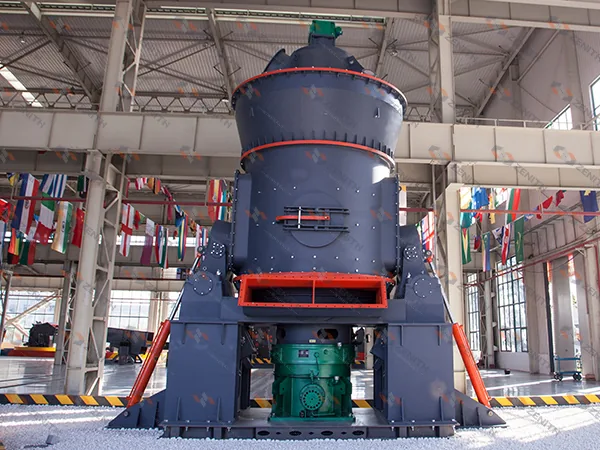
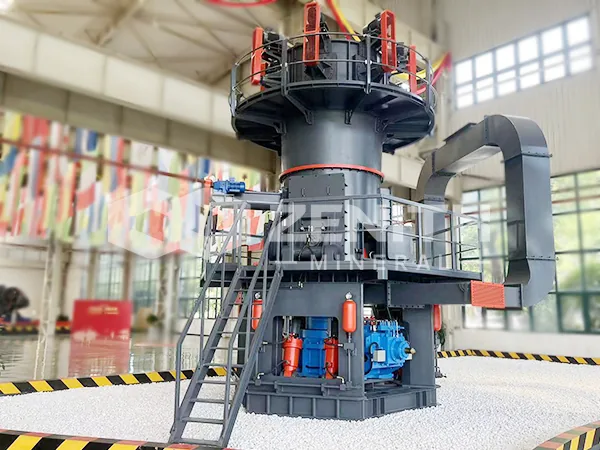
Kaolin raymond mill for industrial kaolin powder processing
2026-09-30 11:12:57
Kaolin is one of the most widely used industrial minerals. Its whiteness, chemical inertness, platy structure, and low conductivity make it valuable in paper coating, ceramics, paints, plastics, rubber, fiberglass, refractories, and pharmaceuticals. For many of these markets, success depends less on the raw kaolin and more on the powder that reaches the customer. Particle size distribution, top cut, brightness, moisture, and contamination all affect performance. That is why industrial kaolin powder processing often begins with a reliable grinding system such as a Raymond mill, also known as a high-pressure roller mill.
_1790737977891.jpg)
What a Kaolin Raymond Mill Delivers
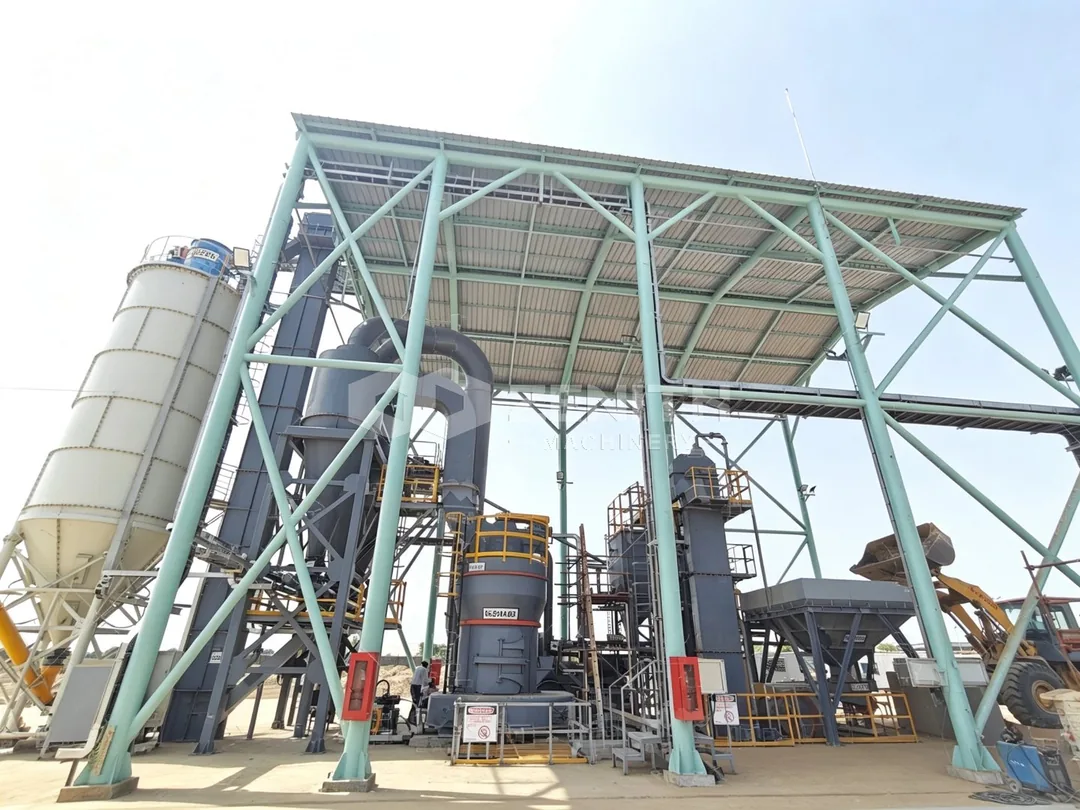
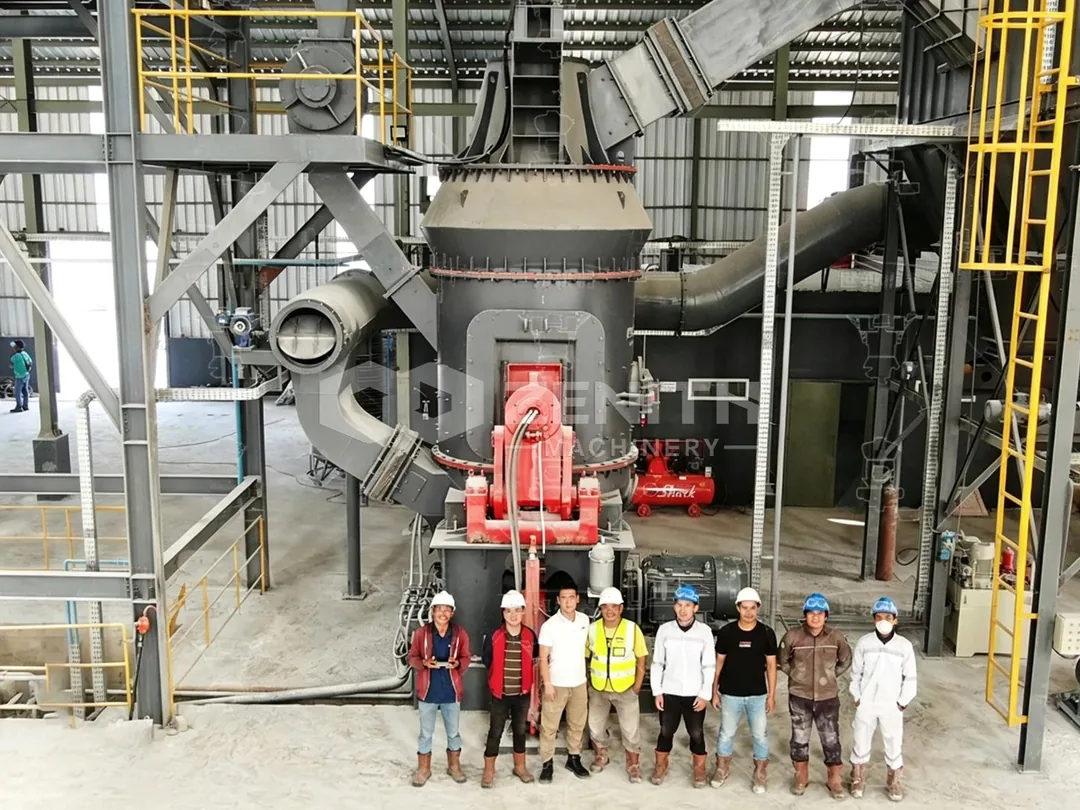
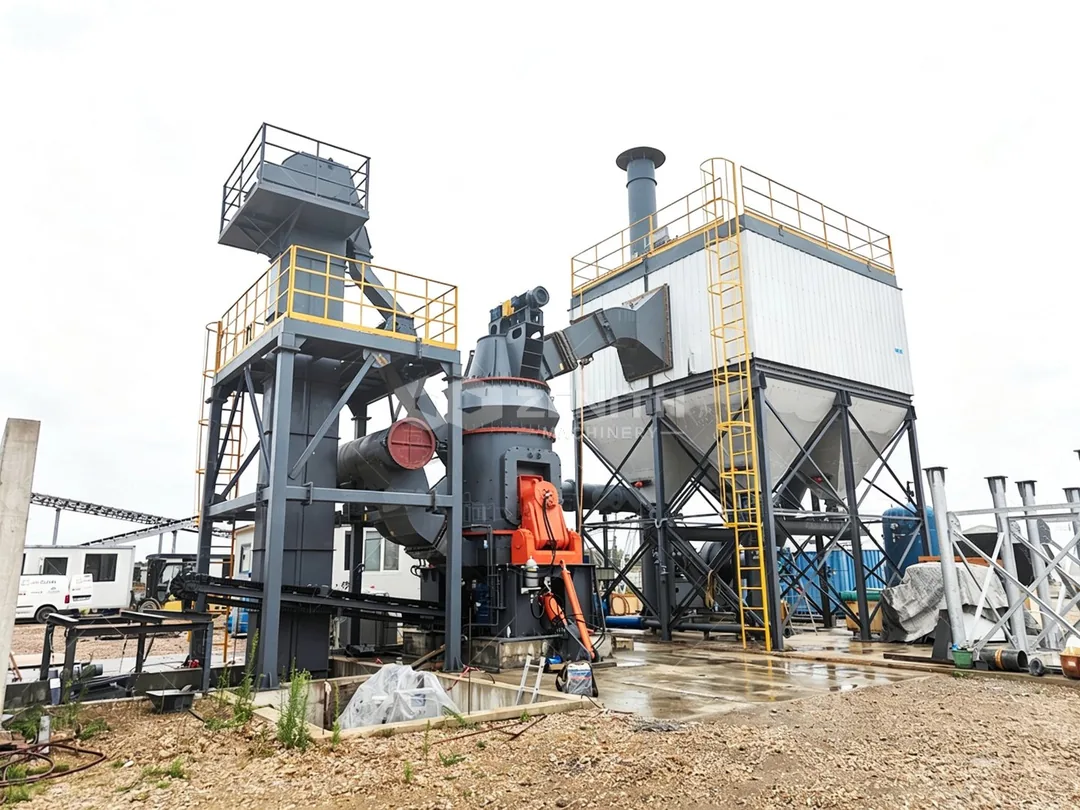
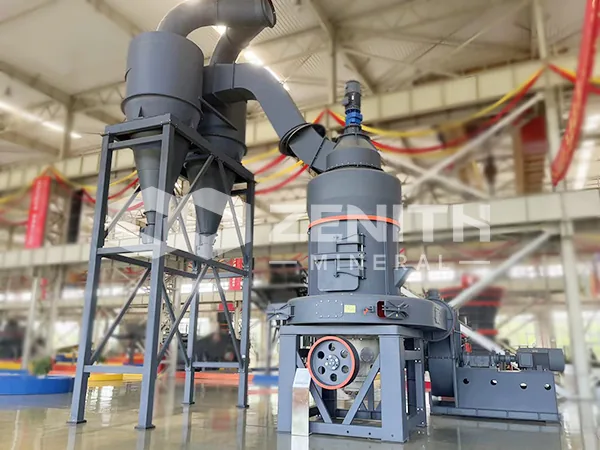
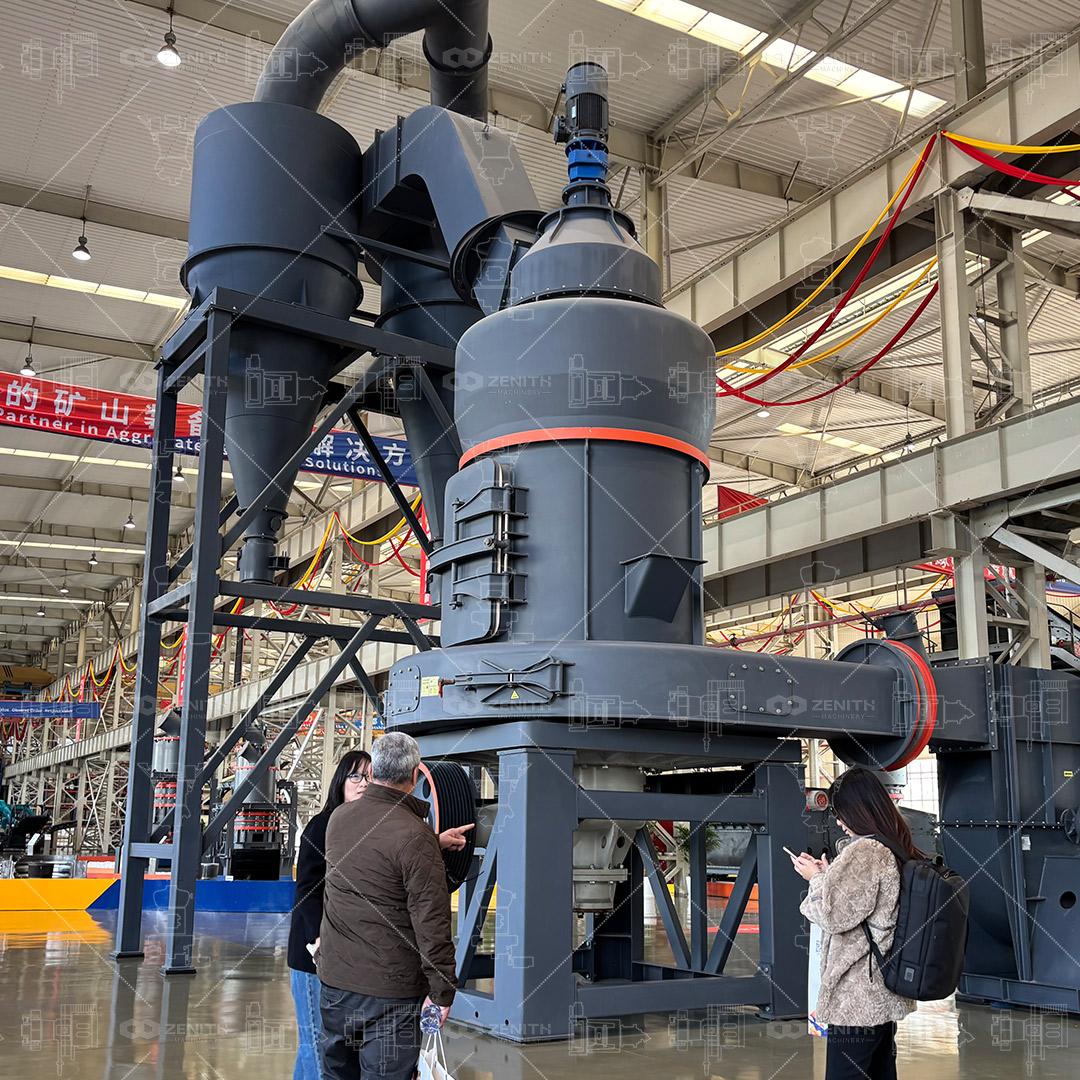
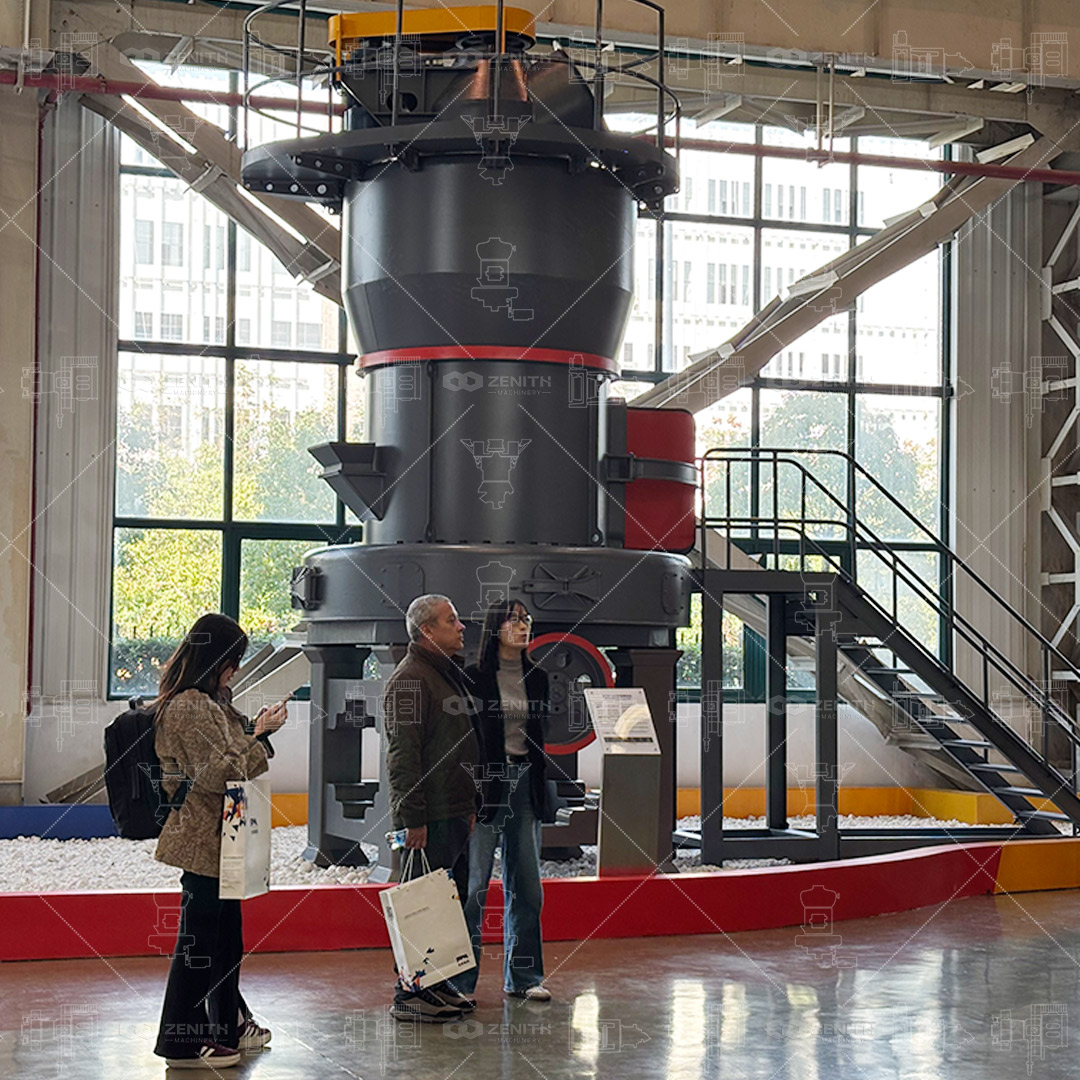
Zenith's upgraded Raymond mill is designed for the preparation of various mineral powders. For kaolin, it can accept feed material up to 35 mm and produce powder from 10 to 325 mesh. Capacity ranges from 3 to 22 T/H depending on model, feed size, moisture, and target fineness. The mill is an independent production system from primary material to final powder, yet it covers a small area. This compact layout reduces foundation work and investment, making it practical for both new plants and expansions.
Uniform Fineness and High Screening Efficiency
One reason Raymond mills remain popular for kaolin is the consistency of the finished powder. The final product is well-distributed; 99% of particles can pass through the required screen. This matters in paper coating and paint, where a small amount of oversize can create scratches, specks, or rough surfaces. The classifier and airflow system work together to return coarse particles for re-grinding while sending qualified powder to the cyclone collector.
Durable Construction and Intelligent Control
Important parts of the Raymond mill use high-quality steel, while vulnerable parts are made from high-quality abrasion-resistant material. In kaolin processing, abrasive contaminants and continuous operation can wear ordinary components quickly. Stronger wear parts protect uptime and product purity. The electric system adopts intelligent control, so the workshop can move toward labor-free operation and maintenance. Operators can monitor feeding, grinding, classification, and collection more easily, reducing manual intervention and operation cost.
Working Principle in Kaolin Powder Production
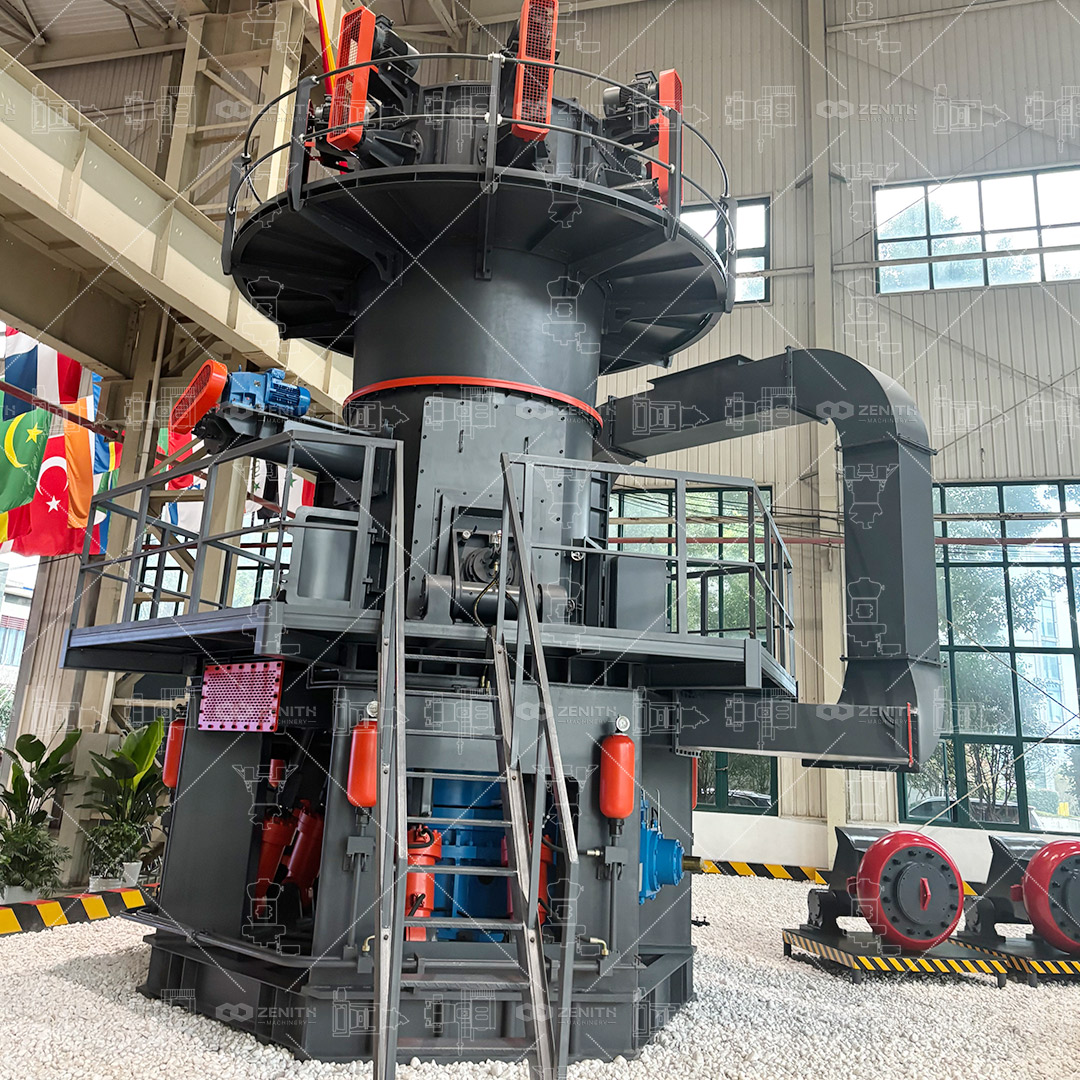
Material to be ground is added through the feed hopper on the side of the machine cover. The grinding roller device, suspended on the plum blossom frame of the main machine, revolves around the vertical axis and rotates on its own. During rotation, centrifugal force swings the grinding roller outward and presses it against the grinding ring. A scraper scoops kaolin and sends it between the roller and the ring. The material is crushed by rolling and pressing. Airflow then carries the ground powder into the classifier. Qualified fine powder is separated in the cyclone powder collector, while coarse powder falls back and is re-ground. The system operates under positive and negative pressure and is equipped with a pulse dust collector, meeting environmental protection standards.
Building a Complete Industrial Kaolin Powder Line
Raymond mill is the core, but a stable line needs more than the mill. Typical equipment includes a jaw crusher or hammer crusher for primary size reduction, a bucket elevator or belt conveyor, a storage hopper, a variable-frequency feeder, the Raymond mill, an air classifier, a cyclone collector, a pulse dust collector, an induced draft fan, and a packing system. If raw kaolin is high in moisture, a dryer may be needed before grinding. If the target is ultrafine powder, other Zenith mills can extend the range: MTW and MTM European trapezium mills for 80-400 mesh fine powder, LM vertical grinding mill for large-capacity continuous production, LUM ultrafine vertical mill for 325-2500 mesh, and XZM ultrafine mill for 325-3250 mesh. This allows a processor to start with Raymond milling and expand into finer or larger operations later.
Selection Tips
Before choosing a model, confirm feed size, moisture, target mesh, capacity, whiteness, and allowable iron contamination. A Raymond mill is often the best fit for 80-325 mesh kaolin with moderate capacity. For high-capacity fine powder, an MTW or MTM mill may offer greater output. For ultrafine grades, vertical and stirred mills are usually more suitable. Also review plant layout, power supply, dust control requirements, and automation level. A correct match reduces energy use, maintenance, and product rejection.
Maintenance and Optimization
Preventive maintenance keeps kaolin powder quality stable. Check roller and ring wear, lubricate bearings according to schedule, inspect the classifier, clean the pulse dust collector, and verify airflow balance. Feed should be steady and free of metal debris. Excessive moisture can cause sticking and lower capacity, so drying or controlled feed moisture is important. Because the Raymond mill uses intelligent control, trends in current, temperature, and pressure can reveal problems before they stop production.
For industrial kaolin powder processing, the Raymond mill remains a proven, efficient, and economical choice. It combines fine grinding, classification, and collection in a compact system; delivers uniform 10-325 mesh powder; and supports the purity and whiteness that kaolin customers expect. With Zenith's experience in industrial milling, a Raymond mill can be configured as a standalone unit or as part of a complete automated powder plant.
FAQ
1. What fineness can a kaolin Raymond mill produce?
It can produce 10-325 mesh powder, with 80-325 mesh being the most common range for industrial kaolin. Fineness is adjusted through the classifier and operating parameters.
2. What capacity can I expect?
Depending on the model and material conditions, capacity is generally 3-22 T/H. Feed size, moisture, target fineness, and kaolin hardness all influence actual output.
3. Can it process wet kaolin?
A Raymond mill performs best with dry, free-flowing material. If raw kaolin has high moisture, pre-drying or moisture control is recommended to prevent sticking, reduced capacity, and unstable classification.
4. How does it compare with a ball mill?
For fine kaolin powder, a Raymond mill usually uses more than 60% less energy than a ball mill of the same grade under ideal working conditions. It also occupies less area and is easier to adjust for fineness.
5. What maintenance is required?
Regular checks include roller and ring wear, lubrication, classifier condition, air fan balance, and dust collector cleaning. Intelligent control helps identify abnormal current, temperature, or pressure trends early.
6. Can the system meet dust control standards?
Yes. The mill operates under positive and negative pressure with a pulse dust collector. This sealed design reduces dust spillover and supports environmentally responsible production.
7. Can I upgrade to ultrafine kaolin powder later?
Yes. After Raymond milling, Zenith offers MTW, MTM, LM, LUM, and XZM mills for finer or larger-scale production, from 80-400 mesh fine powder to 325-3250 mesh ultrafine powder.