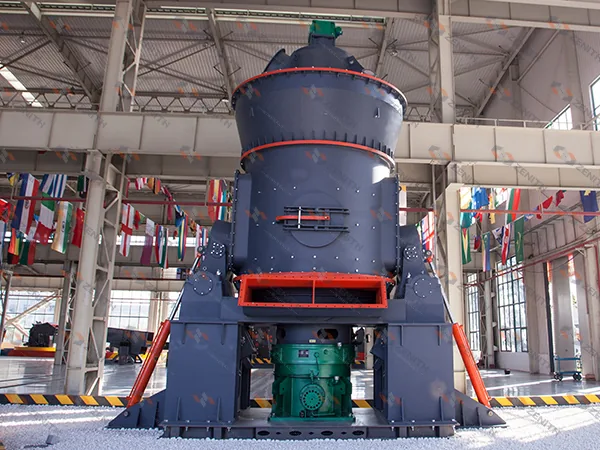
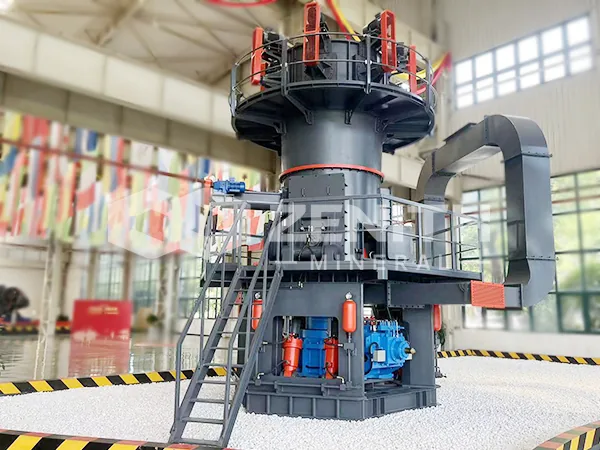
Australia 22t/h quartz mtw155 grinding equipment refractory powder plant
2026-09-22 00:28:17
When an Australian refractory producer planned a quartz powder line, the target was clear: 22 t/h of consistent, mineral-grade powder for high-temperature applications. The site needed a mill that could handle quartz's abrasive nature, maintain a stable fineness curve, and fit an existing footprint without heavy civil works. That brief led to the MTW155 European Trapezium Mill from ZENITH, a grinding solution well matched to 30–325 mesh refractory powder production.
_1790008097277.jpg)
Why Quartz Refractory Powder Matters
Quartz is a cornerstone of refractory manufacturing. It is used in silica bricks, castables, ramming mixes, gunning materials, and specialty shapes for steel, cement, glass, and foundry industries. Particle size distribution affects flow, reactivity, green strength, fired strength, and thermal shock resistance. A 22 t/h plant therefore needs repeatable fineness, low contamination, and dependable uptime, not just raw capacity.
Matching the MTW155 to the Duty
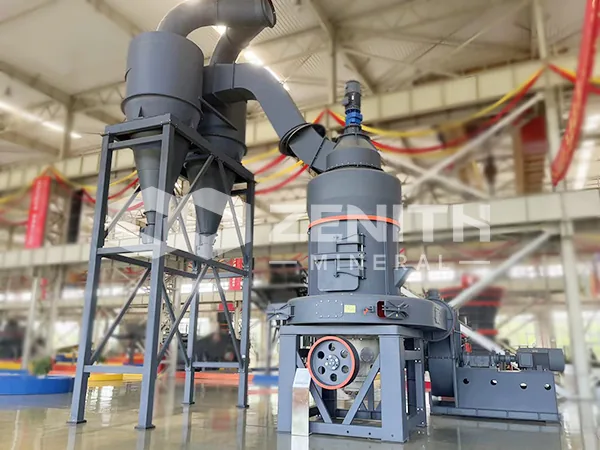
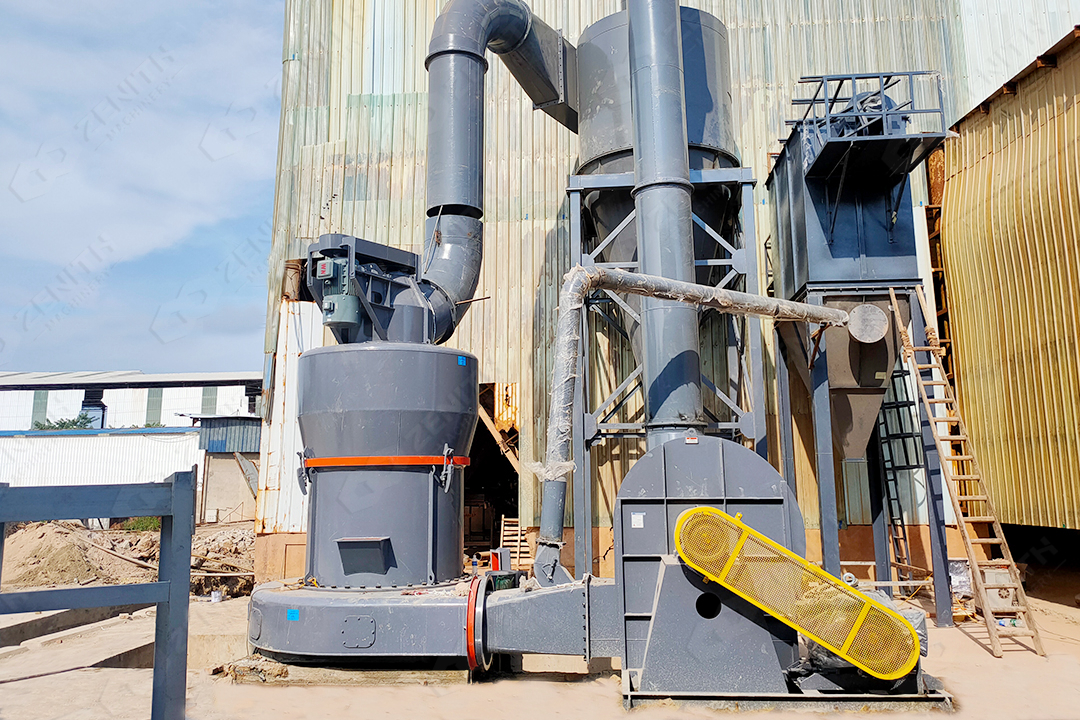
ZENITH's MTW European Trapezium Mill produces 80–400 mesh fine powder at 3–22 t/h. The MTW155 sits at the top of that range, making it a natural fit for a 22 t/h quartz line. It accepts 0–35 mm input and produces 30–325 mesh output. For refractory powder, common targets fall between 80 and 200 mesh.
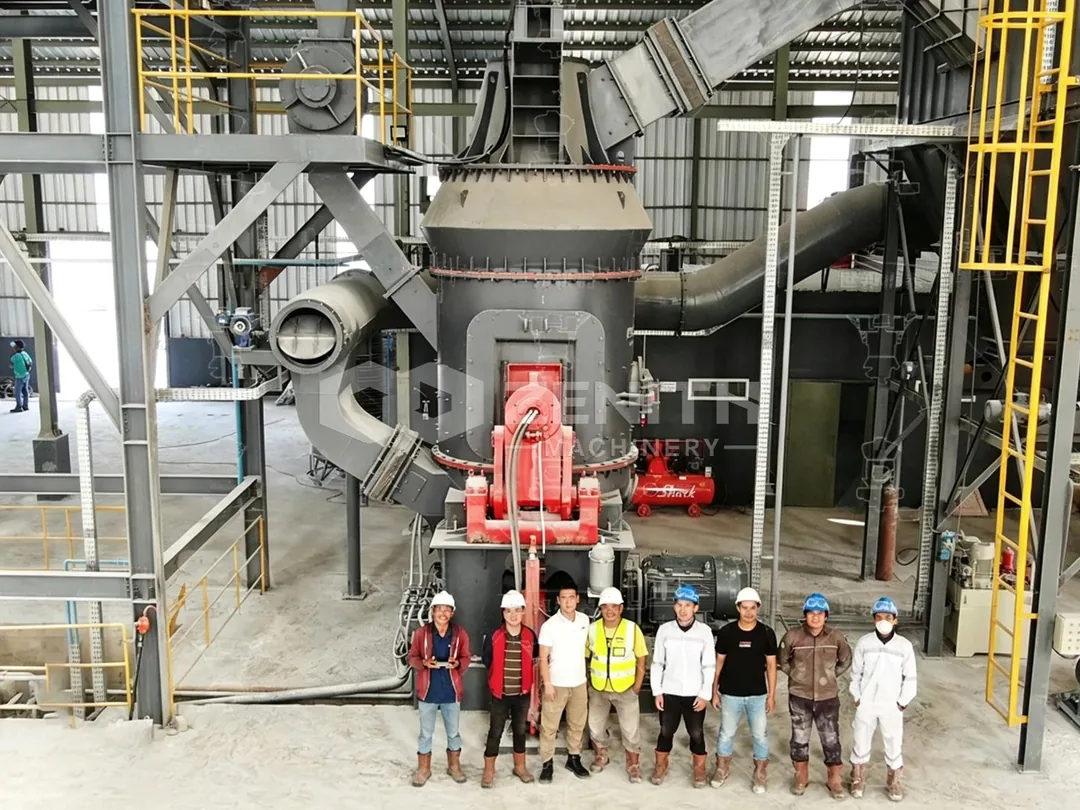
The MTW series uses a compact production system from bulk material to finished powder. It requires less occupied area and lower investment in building plant and foundation than a ball mill circuit. Under ideal conditions, energy consumption is more than 60% lower than a same-grade ball mill. Its modular impeller adjustment allows different fineness grades by changing impellers. The high-efficiency impeller fan raises air induction efficiency from 62% to 85%, supporting stable classification and pneumatic transport.
_1790008097279.jpg)
How the Plant Flows
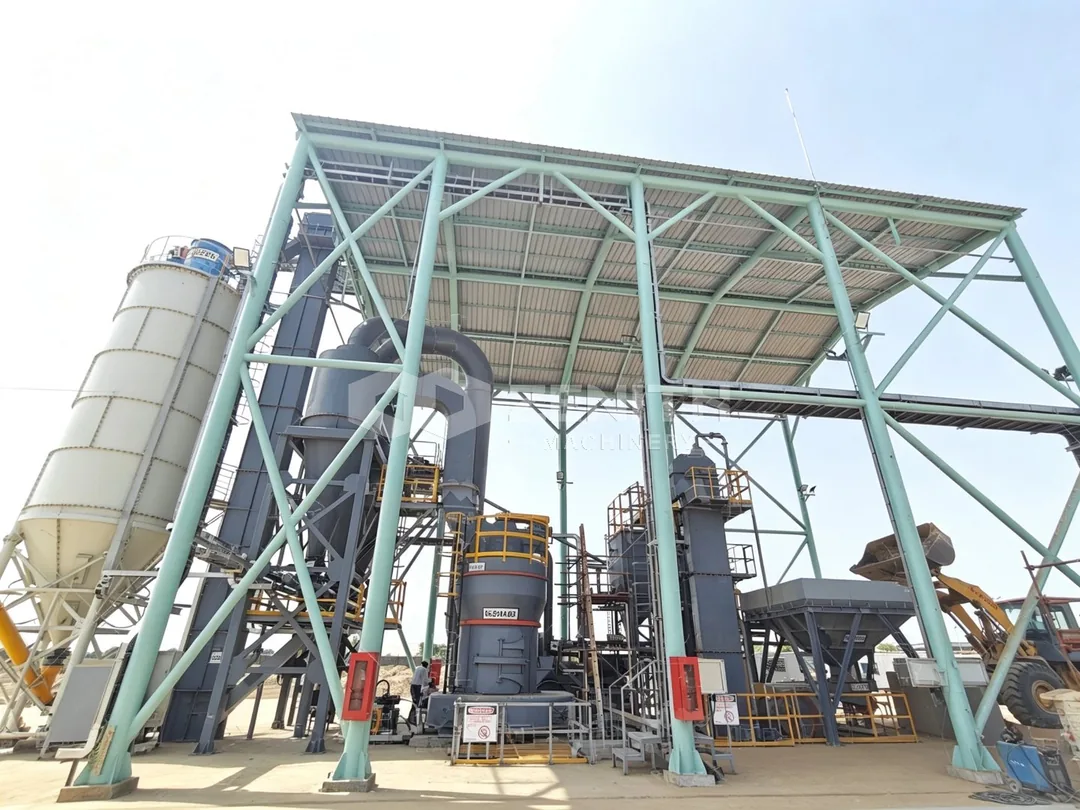
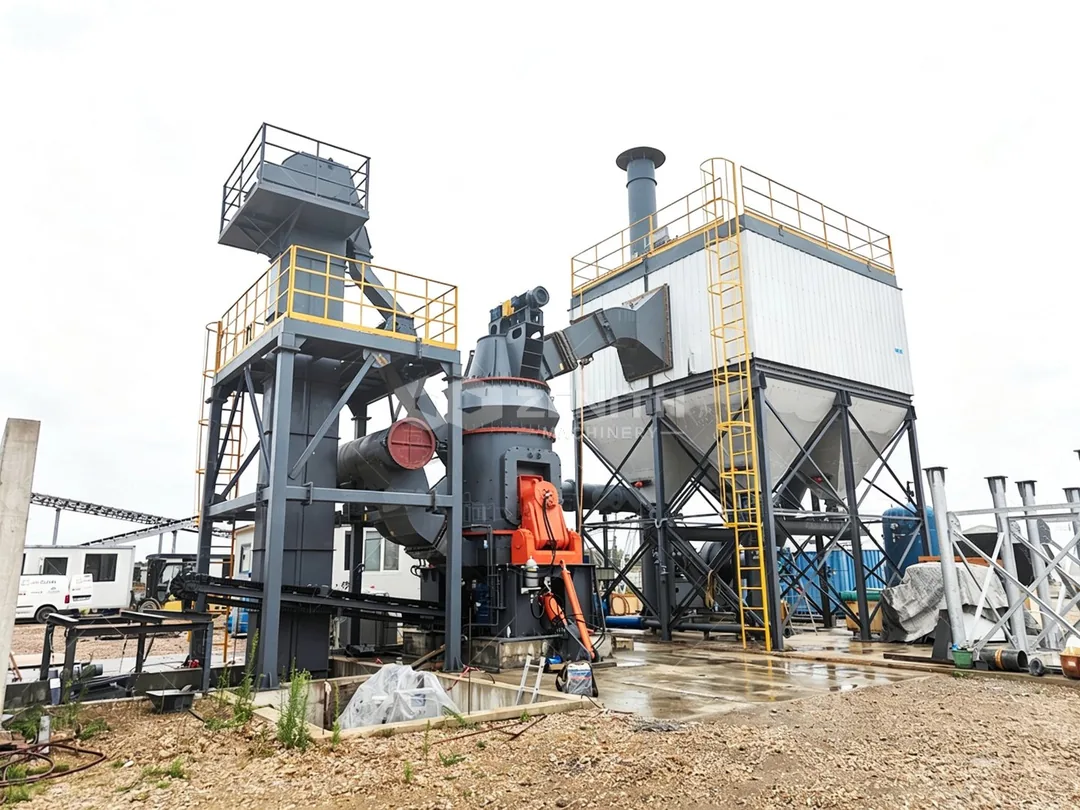
A typical Australia quartz refractory powder plant starts with feed preparation. Run-of-mine quartz is crushed and screened to meet the mill's 0–35 mm input range. A variable frequency belt feeder sends qualified material into the grinding chamber. After grinding, fan airflow carries material to the powder selector. Qualified fine powder is separated in the cyclone powder collector as finished product, while coarse powder falls back for re-grinding. The system operates under positive and negative pressure, and a pulse dust collector keeps the plant compliant with environmental standards.
For Australian operations, this compact circuit reduces conveyors, foundation work, and dust-control complexity. It can also integrate with existing crushing and packing equipment.
Performance and Energy Advantages
At 22 t/h, the MTW155 is a production machine built for long shifts. Its grinding and classification system maintains a consistent cut point. When a refractory recipe needs a finer powder, the modular impeller system can be adjusted. This flexibility helps plants serving multiple product lines, from gunning mixes to precast shapes.
Energy is another key factor. Milling is one of the most power-intensive steps in mineral processing. The MTW series cuts consumption by more than 60% compared with a same-grade ball mill under ideal conditions. It also uses less floor space and a smaller foundation. For a 22 t/h quartz plant, those savings compound over years of operation and reduce carbon intensity.
_1790008097281.jpg)
Quality Control for Refractory Applications
Quartz is abrasive, so wear protection and maintenance planning are essential. The MTW155 should be configured with wear-resistant components in high-wear zones, with routine inspection of grinding elements, classifier parts, and air passages. Optional metal removal before the mill can help protect product purity. The classification system keeps oversize material out of the finished powder, while the pulse dust collector captures fine airborne particles.
Installation and Support in Australia
ZENITH has a global network covering more than 180 countries and regions, with overseas offices in more than 30 countries. Its equipment carries ISO, CE, and CU-TR certification. For an Australian project, this support structure can assist with technical drawings, installation guidance, commissioning, and spare parts planning. The MTW155's compact layout and independent production system help reduce site construction time. Operators can be trained on fineness adjustment, air balance, and preventive maintenance.
Why the MTW155 Fits a 22 t/h Quartz Plant
The MTW155 offers a practical balance of capacity, fineness control, energy use, and footprint. For a 22 t/h quartz refractory powder plant in Australia, it can deliver 30–325 mesh product with adjustable classification, lower power consumption than a ball mill, and a compact layout for greenfield or brownfield sites. With proper feed preparation, wear management, and dust control, the plant can achieve stable output and consistent quality for years.
Frequently Asked Questions
- Can the MTW155 reach 22 t/h on quartz? Yes, under suitable conditions. Actual capacity depends on feed size, moisture, hardness, target fineness, and circuit design. Proper crushing and drying help reach the top end.
- What fineness can it produce for refractory powder? The MTW155 produces 30–325 mesh powder. Many refractory applications use 80–200 mesh, and different grades can be produced by changing modular impellers.
- Does the plant need a ball mill for pre-grinding? No. The MTW155 has its own production system from bulk material to finished powder. Primary crushing is still needed to bring quartz to 0–35 mm.
- How is dust controlled? The system operates under positive and negative pressure and includes a pulse dust collector. This design helps meet environmental standards and keep the workplace cleaner.
- What about wear parts with abrasive quartz? Wear management is important. Use suitable wear-resistant components in high-wear areas, inspect regularly, and consider optional metal removal to protect product purity.
- Can the plant be expanded later? Yes. If future capacity exceeds 22 t/h, ZENITH offers larger mills such as the LM Vertical Grinding Mill. The MTW155 can serve as a reliable base for current production.