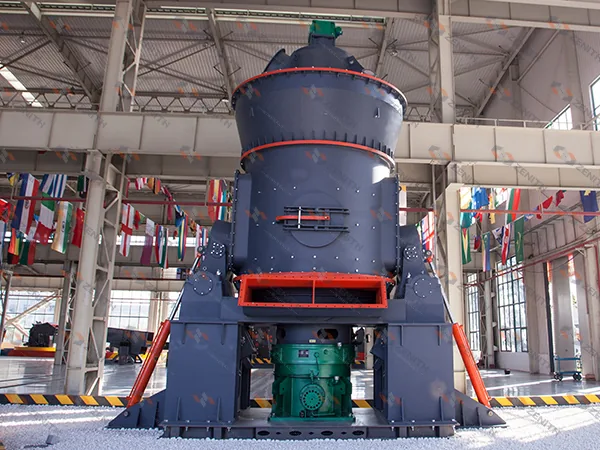
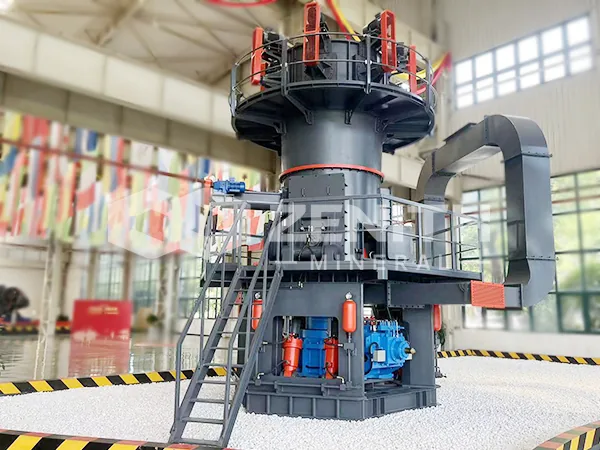
Vertical mill lm110 australia quartz 30t/h 200mesh silica sand grinding line
2026-09-30 00:27:10
Australia’s quartz and silica sand producers need grinding circuits that are reliable, clean, and easy to control. For a 30 t/h line producing 200 mesh silica sand, the LM110 vertical mill is a smart core choice. It belongs to the LM series vertical grinding mill range, which covers 3–340 t/h capacity, 0–70 mm feed size and 80–400 mesh output. With the right classifier setting, wear protection and dust collection, an LM110 can be configured to produce around 30 t/h of 200 mesh quartz powder for glass, foundry, filtration, construction and specialty filler applications.
_1790699230224.jpg)
Matching the LM110 to 30 t/h and 200 Mesh
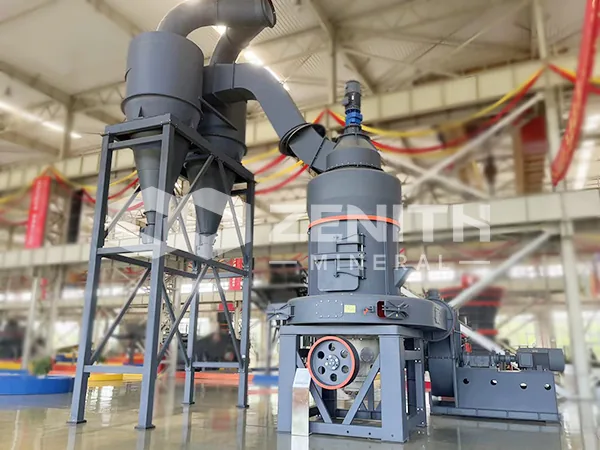
200 mesh is roughly 74 microns. This is a fine powder, but not an ultrafine product, so the LM vertical mill is well suited to the duty. The LM series uses a grinding table and rollers, followed by an air classifier. The classifier speed can be adjusted to control the cut point, so the same mill can shift between coarser and finer silica sand. For a 30 t/h target, the LM110 is selected with a suitable main motor, fan, feeder and dust collector. The actual capacity depends on quartz hardness, feed size, moisture, residue on the 200 mesh sieve, and the acceptable fineness distribution.
For stable operation, pre-crush the quartz. Although the LM series accepts up to 70 mm, 0–30 mm or 0–40 mm feed is preferred. This reduces wear, improves material bed formation and helps hold 30 t/h. A variable frequency belt feeder gives smooth supply and prevents overloads.
_1790699230227.jpg)
How the LM Vertical Mill Grinds Quartz
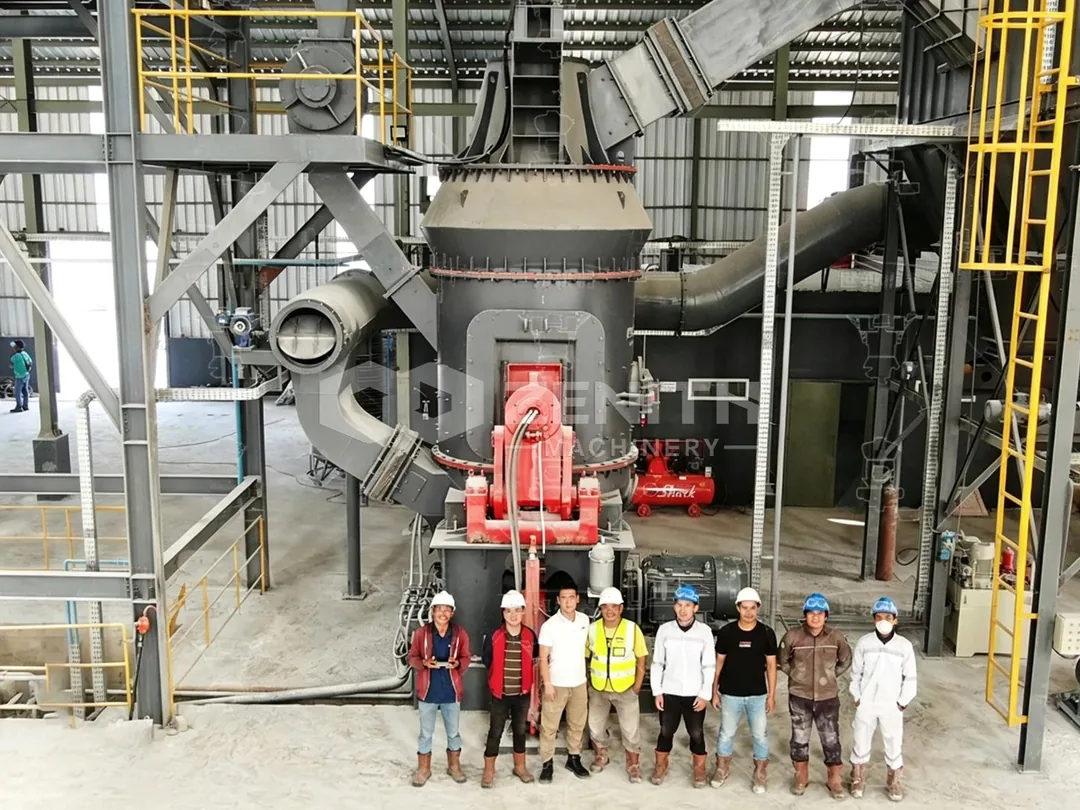
The main motor drives the grinding disc through a reducer, while hot air enters the chamber. Material falls to the disc center and moves outward under centrifugal force. Rollers crush the quartz, and a material bed forms so inter-particle crushing does most of the work. Crushed material moves to the disc edge and is carried by airflow. Larger particles return. Airflow passes through the separator, where coarse particles are rejected and fine powder is collected. Iron debris falls into the lower cavity, is scraped to the discharge port, and is removed. This protects product purity.
Purity, Whiteness and Iron Control
Silica sand buyers care about chemical composition, iron content and whiteness. The LM vertical mill can control product size, chemical composition and iron content when the circuit is designed correctly. Wear-resistant liners and rollers reduce contamination. The sealed, negative-pressure system prevents dust spillover, and the pulse dust collector captures fines. An optional magnetic separator can be added after the mill. For Australian quartz, this supports a clean, consistent 200 mesh product.
A Complete 30 t/h Silica Sand Grinding Line
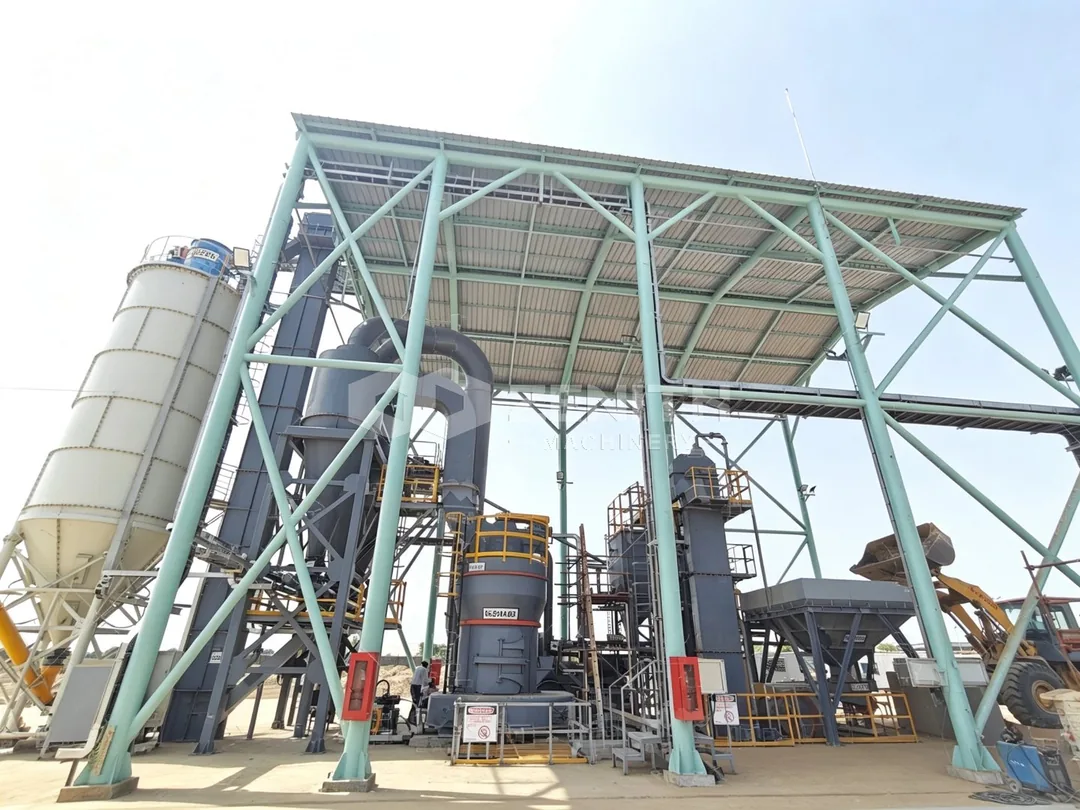
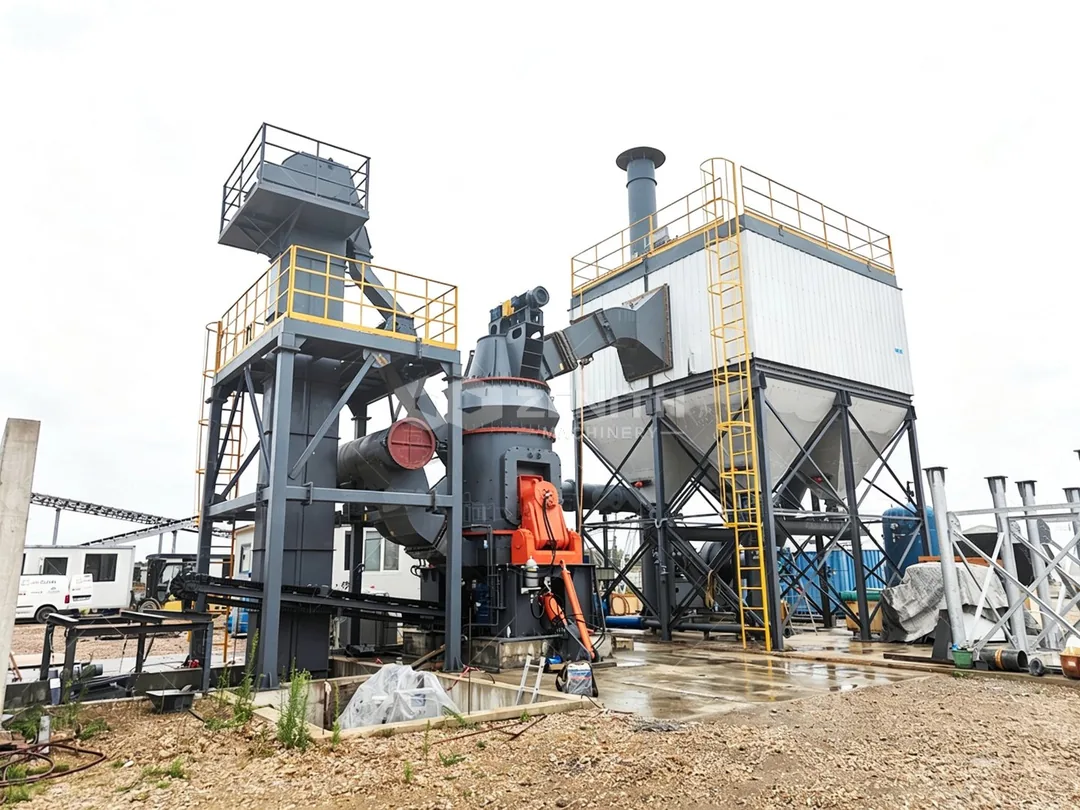
A typical LM110 silica sand line includes a feed hopper, feeder, pre-crushing, LM110 mill, integrated classifier, pulse dust collector, cyclone, main fan, ducts, silo, packing or bulk loading. It can be open air or under a simple roof. The compact integrated design covers about 50% of ball mill area, reducing civil works, foundation cost and footprint. In remote Australia, less steel and fewer conveyors mean faster installation and lower labor cost.
_1790699230229.jpg)
Automation and Australian Operating Conditions
The LM110 has automatic control with remote and local switching. Operators monitor motor load, feed rate, classifier speed, airflow, outlet temperature and dust pressure. This suits remote Australian sites with high labor costs. Alarms support steady production. Routine maintenance focuses on lubrication, roller and table liner inspection, classifier adjustment and filter checks. Wear parts should suit abrasive quartz.
Environmental Performance
The LM vertical mill is sealed and operates under negative pressure, with no dust spillover, small vibration and low noise. The pulse dust collector meets environmental standards, and powder is collected in a closed system. This helps with safety, EPA requirements and community expectations. The process is dry, so water use is minimal. A hot-air generator can dry high-moisture quartz while grinding.
Investment and Return
Compared with a ball mill circuit, the LM110 line has a smaller footprint, less foundation work and lower comprehensive investment. It can run 24 hours continuously. Product fineness is adjustable. Zenith has supplied equipment to over 180 countries, with offices in more than 30. ISO, CE and CU-TR certification support global projects.
Frequently Asked Questions
1. Can the LM110 really produce 30 t/h at 200 mesh?
Yes, when feed size, moisture and quartz hardness are within the recommended range. The LM series covers 3–340 t/h and 80–400 mesh. A 30 t/h, 200 mesh target is realistic with proper configuration.
2. What feed size is best for quartz?
Although LM mills can accept up to 70 mm, a pre-crushed feed of 0–30 mm or 0–40 mm is usually preferred for stable capacity and longer wear life.
3. Is 200 mesh the same as 74 microns?
Yes. 200 mesh is approximately 74 microns. The exact particle size distribution can be adjusted by classifier and fan settings.
4. How is iron contamination controlled?
The LM mill uses wear-resistant grinding parts and discharges iron debris from the lower cavity. Optional magnetic separation can further protect product purity.
5. Does the line need water or a wet process?
No. The LM vertical mill is a dry grinding system. Water is not required, and hot air can be used if the quartz feed contains too much moisture.
6. What maintenance is required?
Regular checks of rollers, table liners, lubrication, classifier, fan and dust collector are important. Automatic control helps reduce daily manual intervention.
7. Why choose a vertical mill instead of a ball mill?
A vertical mill typically has a smaller footprint, less foundation work, easier automation and better dust control. It is well suited to continuous 30 t/h silica sand production.