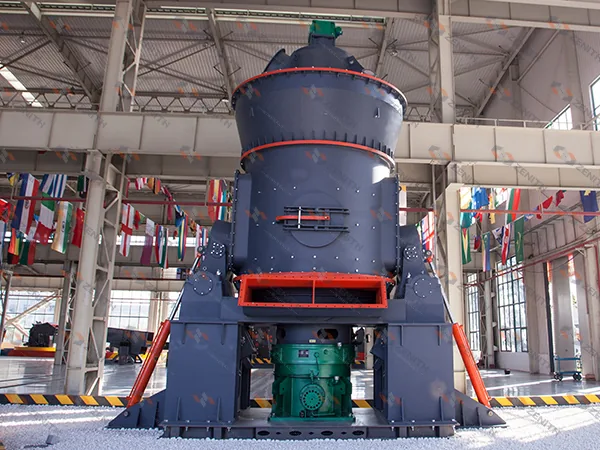
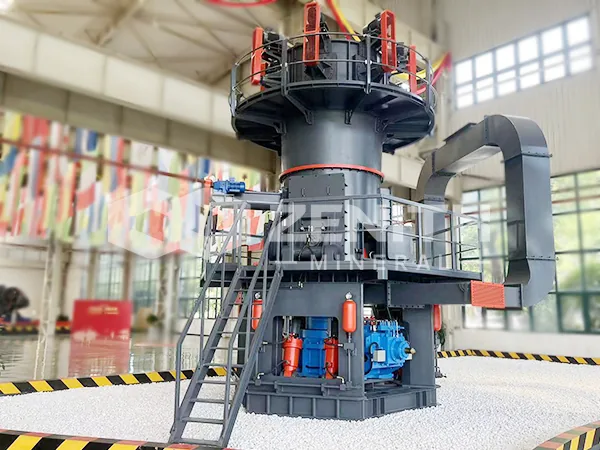
Australia 200t/h limestone vertical mill lm190 for cement factory grinding
2026-08-16 02:26:02
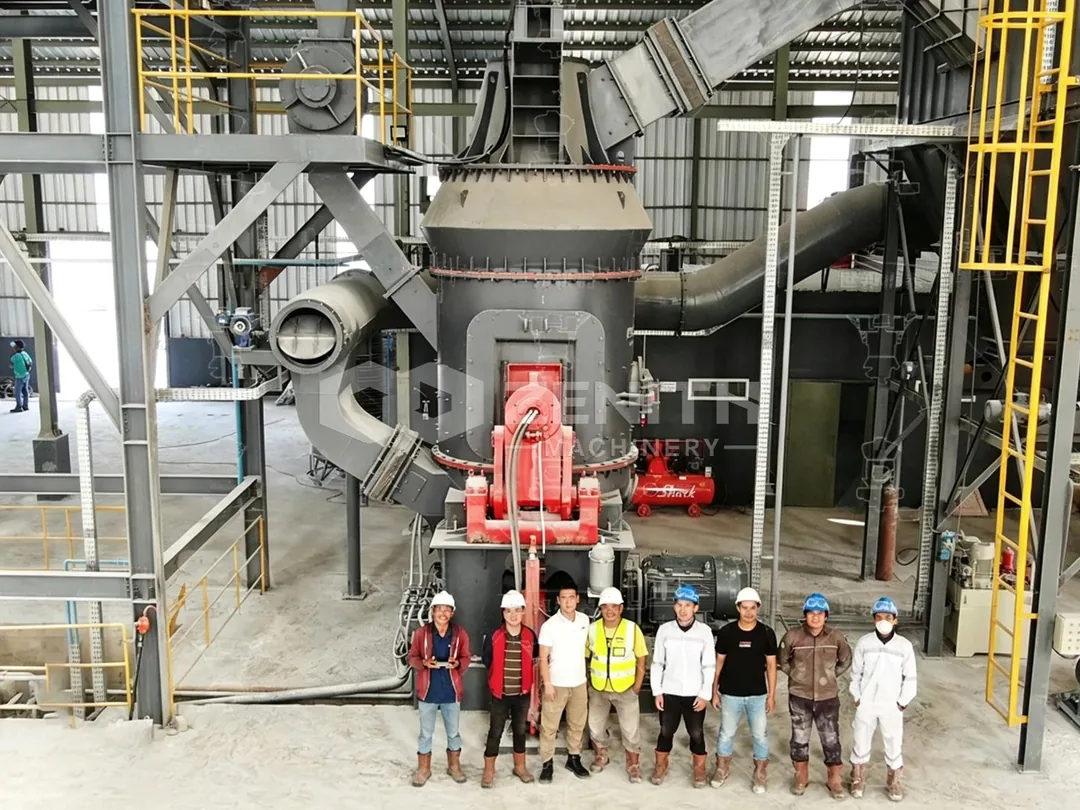
Australia’s cement industry demands grinding equipment that can handle large tonnages of abrasive limestone while maintaining stable product quality. At a recent cement factory project, ZENITH’s LM190 vertical roller mill was selected to grind limestone at a rated capacity of 200 tons per hour. This article explains the selection, the technology, and the operational benefits that the Australian plant can expect.
A Heavy-Duty Mill for Continuous Cement Production
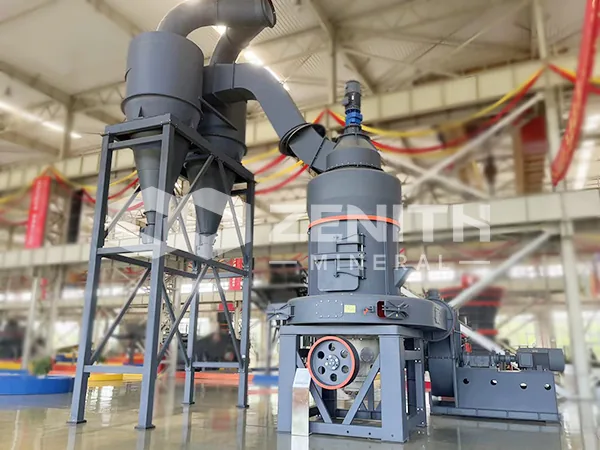
Shanghai Zenith Machinery Co., Ltd. is a high-tech engineering group specializing in the research, development, and production of industrial powder grinding equipment. The LM series vertical roller mill is used in large mineral powder plants, cement plants, GGBS plants, and coal grinding plants because it is designed for 24-hour constant running. The LM190 model can be configured to deliver around 200 t/h for limestone, with feed size up to 70 mm and fineness from 80 to 400 mesh. This makes it ideal for cement raw meal and limestone additive production.
The LM190 uses a material bed grinding principle, improving efficiency compared with traditional grinding methods. The equipment carries ISO, CE, and CU-TR certifications, giving Australian project teams confidence in its quality and reliability.
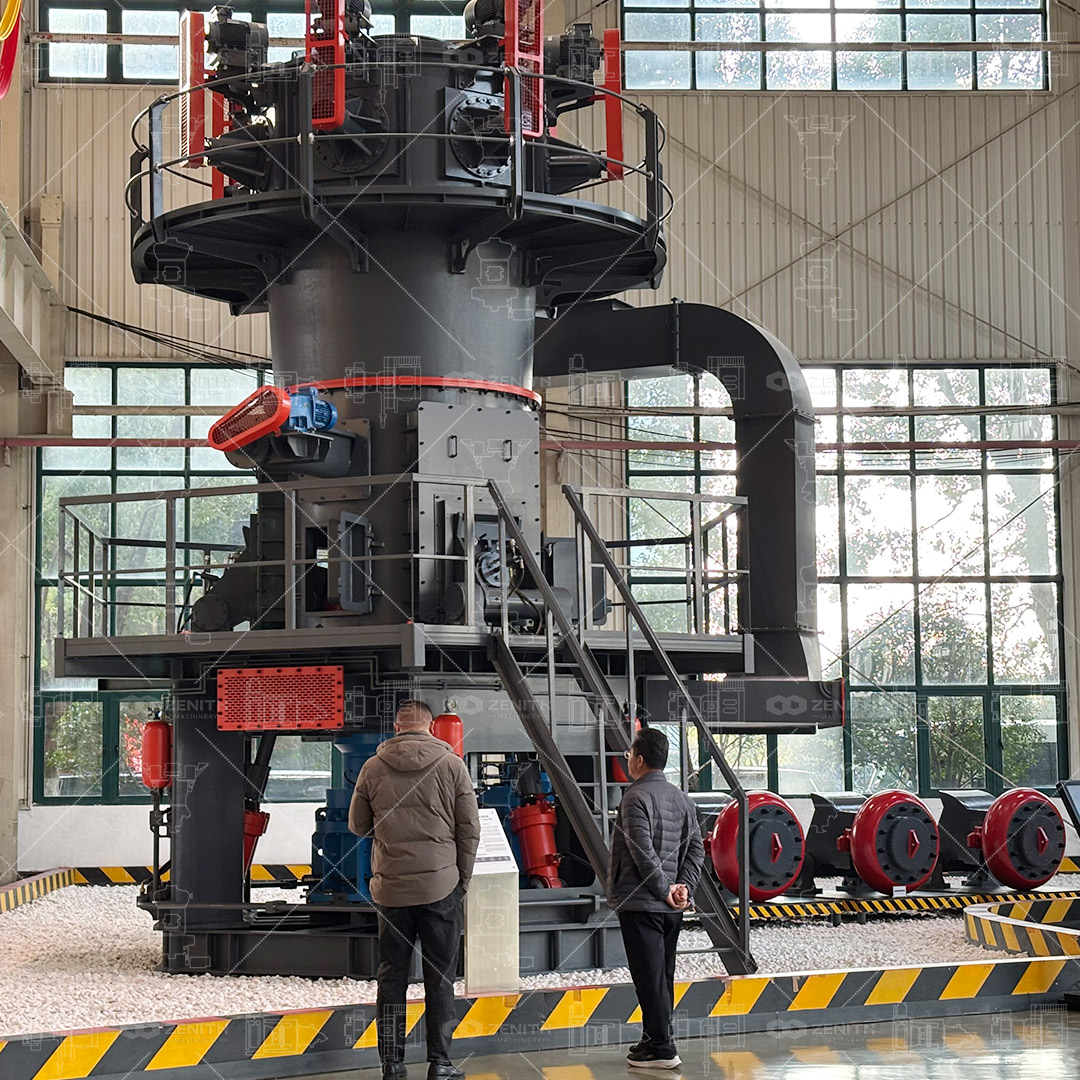
Why the Australian Plant Selected the LM190
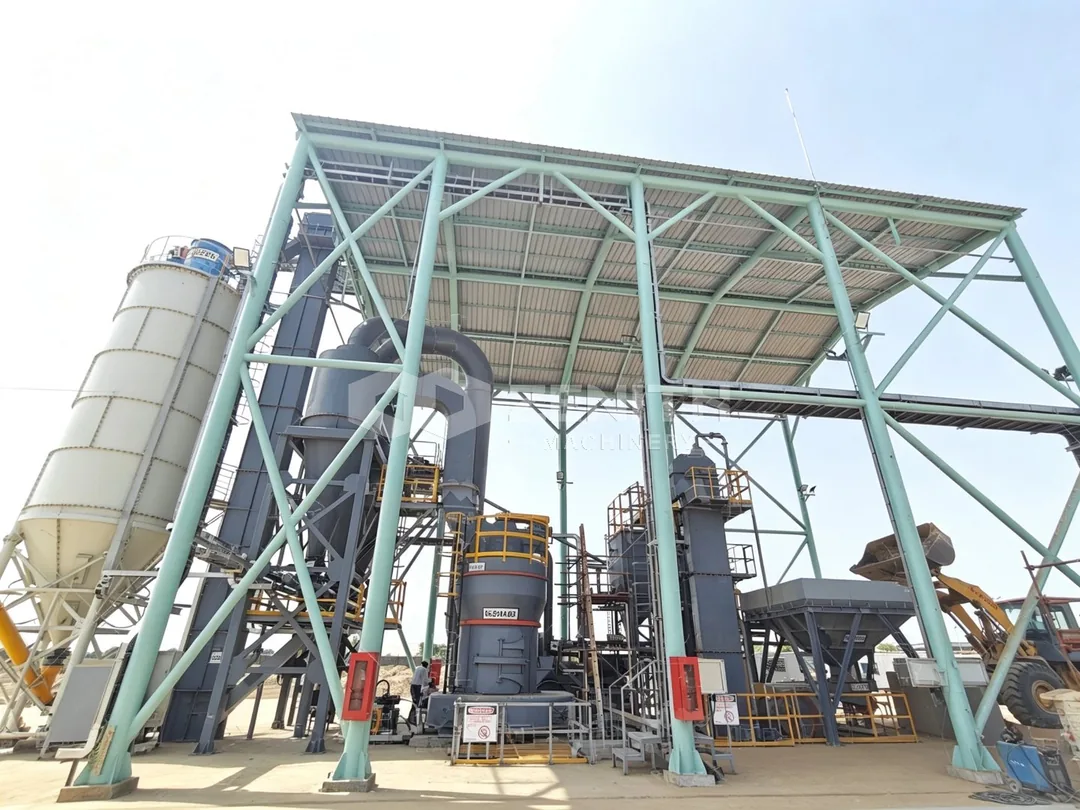
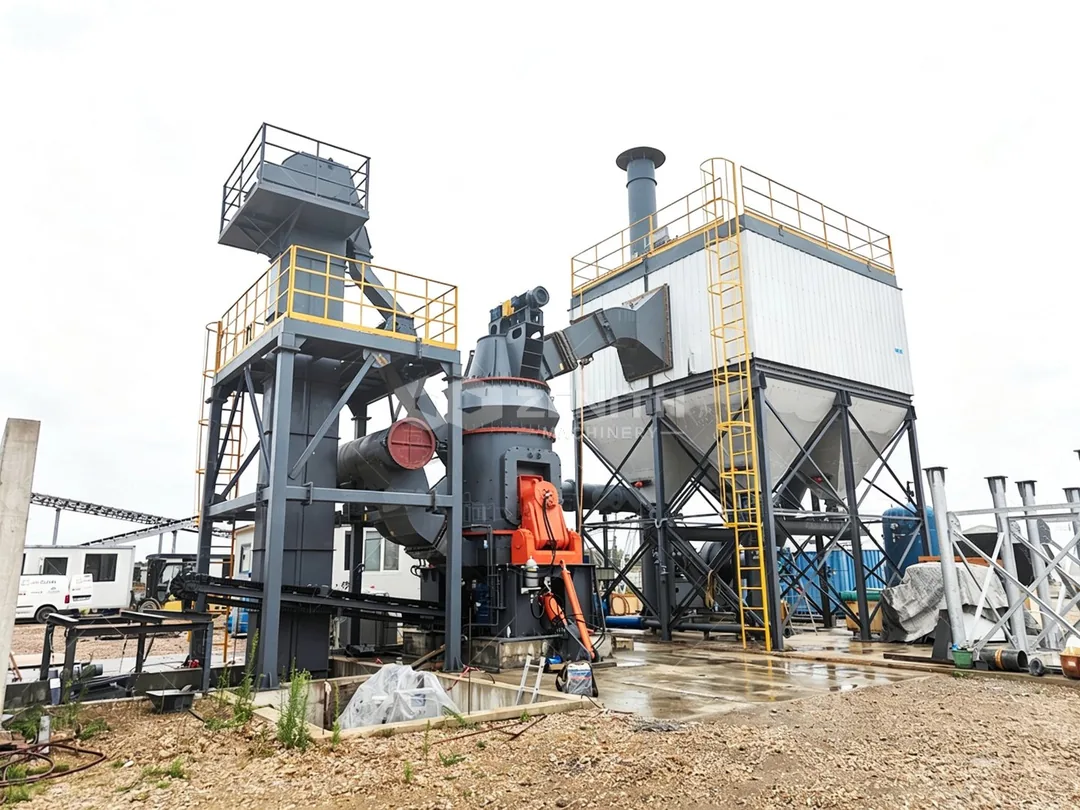
The selection process for a 200 t/h limestone mill is always challenging. The project required a machine that could fit a compact site layout, lower civil engineering costs, and operate with minimal manual intervention. The LM190 meets these demands through a compact integrated design. In many cases, the LM vertical mill occupies only about 50% of the space required by a ball mill system of the same capacity. It can be arranged outdoors, avoiding the expense of large covered structures.
Because the LM190 has its own grinding, separating, and drying system, there is no need for separate classifiers or multiple conveyors. The plant saves on foundation investment and building area, resulting in a shorter construction schedule.
Features That Support Stable Limestone Grinding
- High purity of finished material: The LM190 controls product size, chemical composition, and iron content, ensuring clean limestone powder.
- High degree of automation: The mill supports remote and local control with free switching, allowing operators to manage it from a control room.
- Environmentally friendly operation: The LM190 is sealed and works under negative pressure, with no dust spillover, low vibration, and low noise.
- Reliable mechanical structure: Grinding rollers and the table are built for heavy service and continuous running.
_1786818362317.jpg)
Working Principle of the LM190 in the Cement Factory
The main motor drives the grinding disc through a reducer, while hot air enters the mill around the disc. Limestone falls onto the center of the disc and moves outward by centrifugal force. The grinding rollers crush large particles. At the same time, smaller particles form a material bed between the rollers and the disc, creating inter-particle grinding that is both efficient and energy-saving.
Once crushed, material moves to the edge of the disc and is picked up by airflow. The gas stream carries it into the separator. Coarse particles fall back to the grinding table for another pass, while fine powder passes through the separator and is collected as finished product. Iron debris falls into the lower cavity and is scraped to a discharge port, protecting the mill from wear.
_1786818362319.jpg)
Operational Benefits for the Australian Project
From an operations perspective, the LM190 offers several advantages that directly affect costs. Because the system operates under positive and negative pressure conditions, dust emissions are controlled, and the plant has a cleaner environment. Low vibration and noise simplify compliance with occupational health and safety rules.
The automatic control system reduces labor requirements. A production manager involved in the project described the LM190 as 'the most stable machine in the raw material line' because it responds quickly to control changes. Operators can adjust grinding pressure, separator speed, and airflow without being near the mill. This is important in a large cement factory where one operator may manage multiple machines. The mill also has low maintenance needs, and wear parts can be checked during scheduled maintenance windows.
Shanghai Zenith’s support network is another factor for Australian buyers. ZENITH’s marketing network covers more than 180 countries and regions, with overseas offices in more than 30 countries. Spare parts availability and technical support help keep the LM190 running reliably.
_1786818362320.jpg)
Frequently Asked Questions
- What is the capacity of the LM190 limestone vertical mill?
The LM190 can be configured to produce around 200 t/h when grinding limestone for cement production, depending on feed moisture, hardness, and required fineness. The broader LM series covers capacities from 3 to 340 t/h. - What feed size can the LM190 accept?
The LM vertical mill can accept feed materials up to 70 mm. In this project, limestone feed is controlled to this size before entering the mill. - What fineness can the LM190 achieve for cement applications?
For limestone, the LM190 can produce powders in the 80 to 400 mesh range. The exact fineness is adjusted through separator speed and other control parameters. - Is the LM190 suitable for a site with strict environmental rules?
Yes. The mill is sealed and operates under negative pressure, so there is no dust spillover. It also has low vibration and noise, helping the plant meet Australian environmental and workplace safety standards. - Can the LM190 be integrated into an existing cement factory automation system?
Generally, yes. The LM190 is equipped with an automatic control system that supports remote and local control with free switching, and it can be coordinated with upstream and downstream equipment. - What after-sales support does ZENITH provide for Australian customers?
ZENITH has a global network covering more than 180 countries and maintains overseas offices in more than 30 countries. Customers receive spare parts supply, process support, and maintenance guidance.