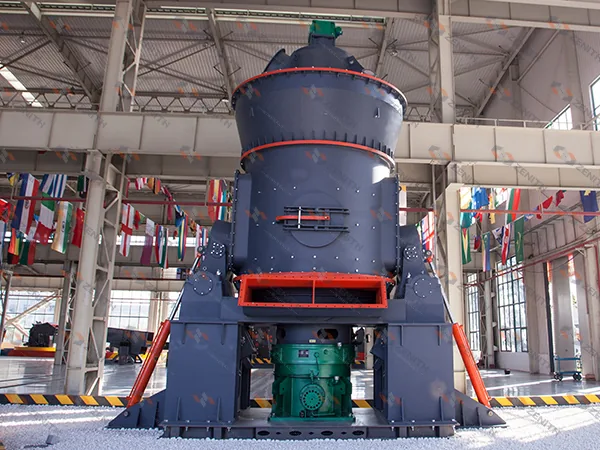
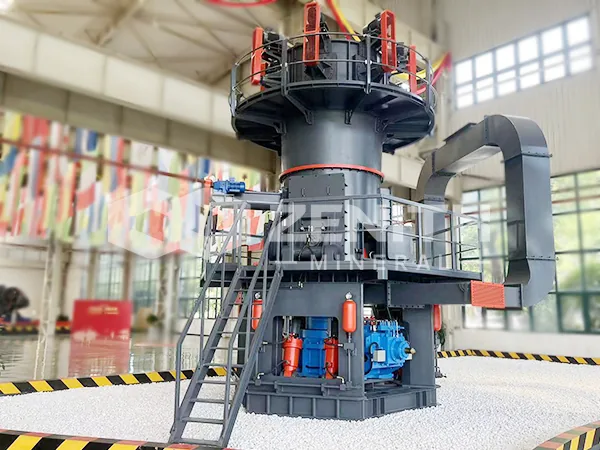
Zenith mtw138 limestone mill australia 15t/h 325mesh cement raw material
2026-08-15 02:24:57
Let’s be honest about cement raw-material grinding: the mill is not where the romance is. It is where the plant earns its keep. In Australia, one limestone project had to prove that a 15 t/h output at 325 mesh could be sustained without chewing through energy budgets or demanding a building the size of an aircraft hangar. The solution that kept coming back in the evaluation was the Zenith MTW138 European Trapezium Mill.
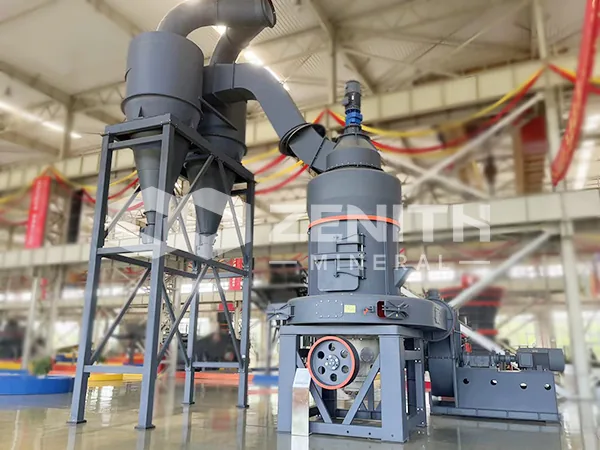
The MTW138 belongs to Zenith’s MTW series of trapezium mills, machines designed for 80–400 mesh fine powder and capacities between 3 and 22 t/h. For this Australian cement raw-material application, the target was straightforward: grind limestone to 325 mesh at a steady 15 metric tons per hour. That target sits inside the MTW138’s comfortable working range, which is exactly where a plant manager wants a mill to be.
_1786731897384.jpg)
Why the MTW138 made sense in Australia
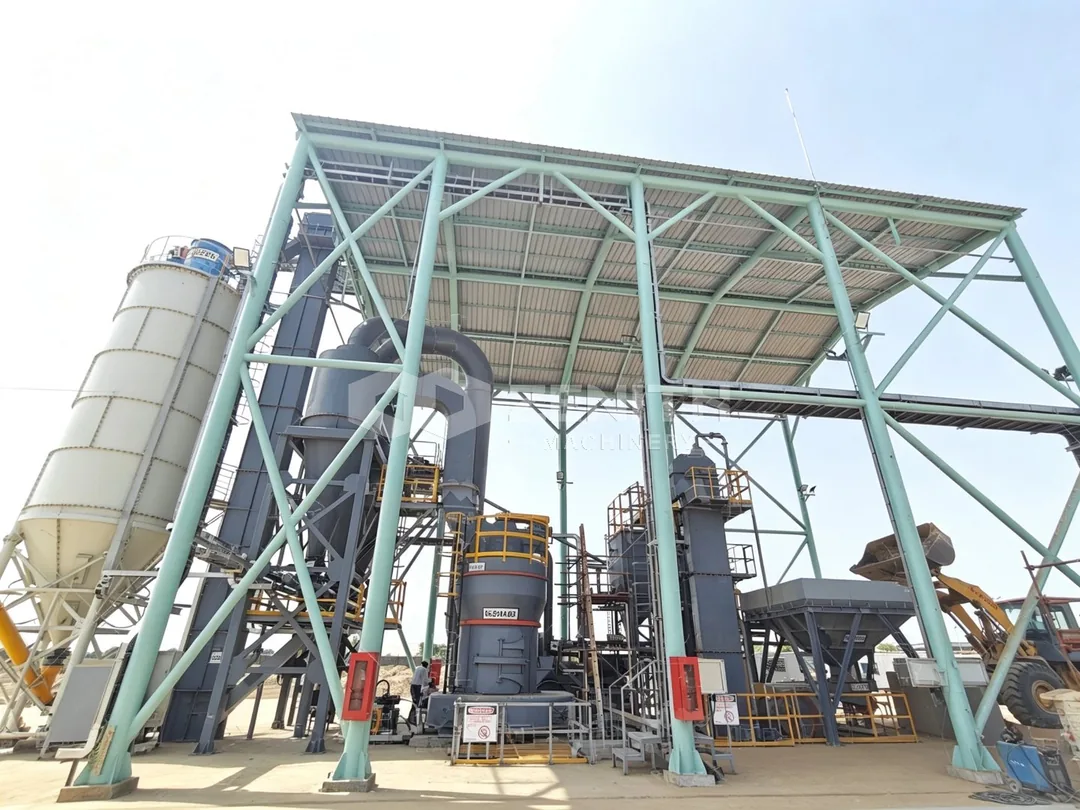
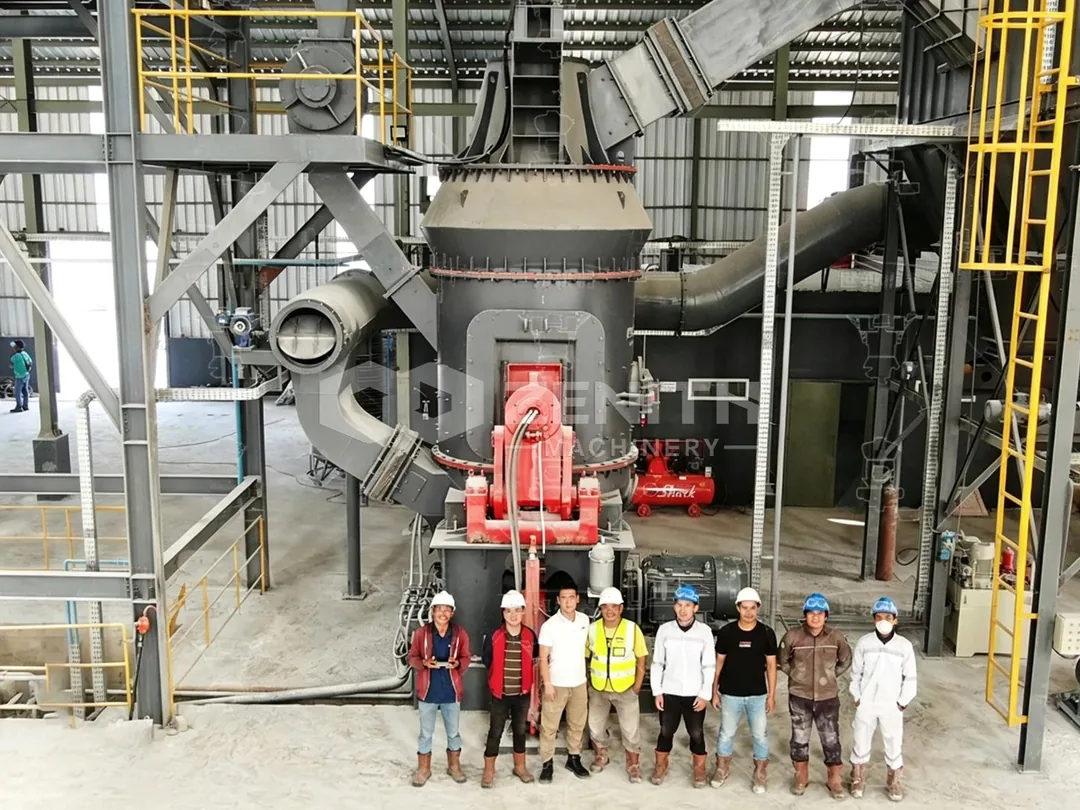
In remote and semi-remote Australian sites, construction labour and civil works are expensive. The MTW138 compact integrated design eliminates much of the extra foundation and building area that a traditional ball mill would require. The mill operates as its own production system from bulk limestone feed to finished powder, so the project did not need a complex multi-stage arrangement. The result is lower capital cost and a smaller footprint.
Another point that came up in the Australian evaluation was the mill’s ability to handle feed variability. Limestone from different quarry faces can vary in hardness and moisture. The MTW138’s grinding rollers can cope with this variation without constant operator intervention. The variable-frequency belt feeder smooths sudden changes in feed rate, so the mill does not choke or starve when upstream crusher output fluctuates. In a cement raw-material plant, that translates into a stable kiln feed and fewer quality alarms.
Energy consumption was another deciding factor. Under ideal conditions, the MTW138 uses more than 60% less energy than a ball mill of the same grade. For a 15 t/h line, that saving quickly shows up in monthly electricity invoices. In a country where power prices are a common topic in every boardroom, this was not a technical footnote; it was a financial reason to choose the MTW.
Adjustable fineness without tears
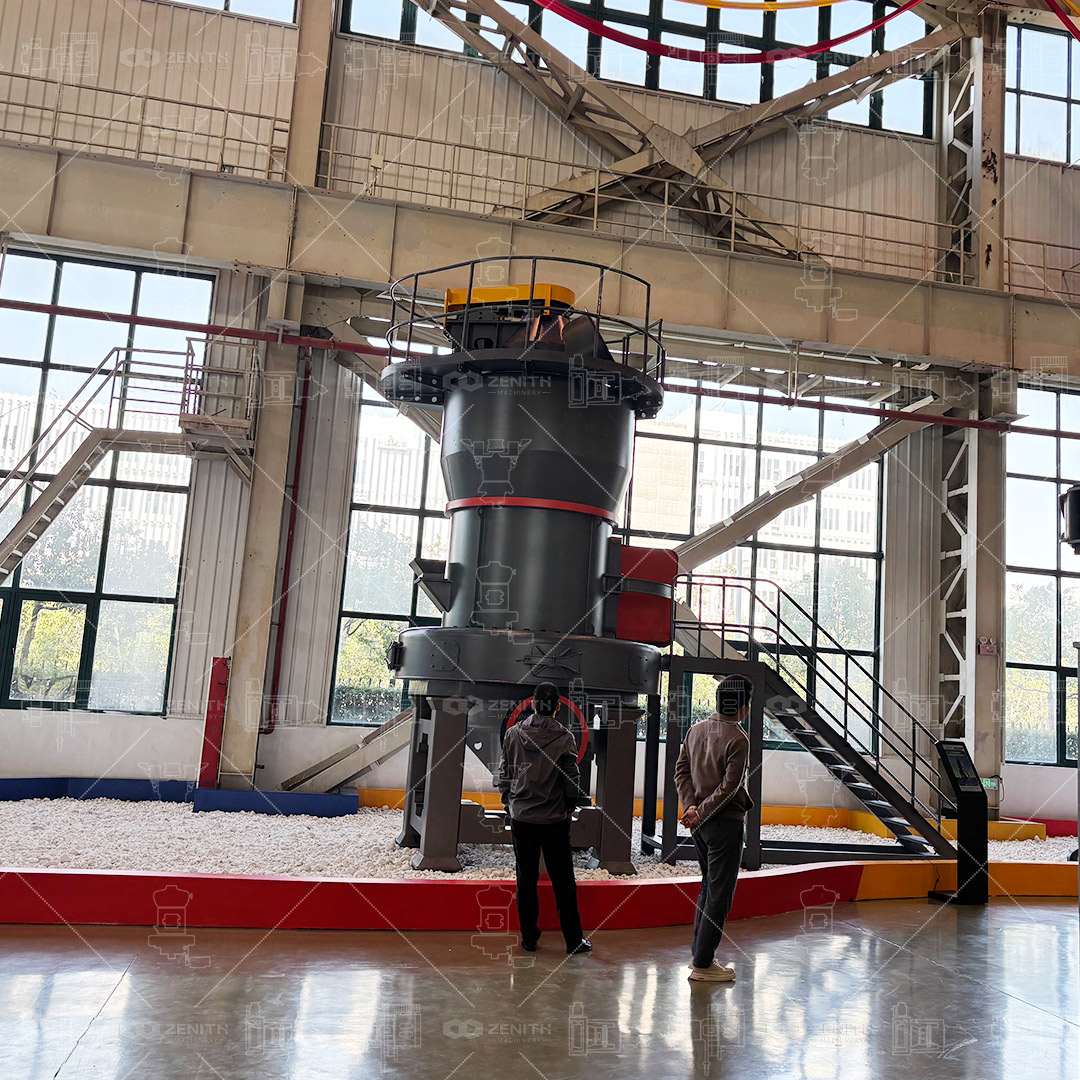
No cement plant wants to stop production because the product fineness needs to move slightly. The MTW138 uses a modular impeller adjustment device. Operators can change the output fineness simply by changing impellers. For making 325-mesh limestone for cement raw material, the impeller set is chosen to keep the yield at the required fineness while maintaining 15 t/h. If a trial batch needs a different fineness, the change can be made without replacing the whole classifier.
_1786731897390.jpg)
Airflow and efficiency inside the mill
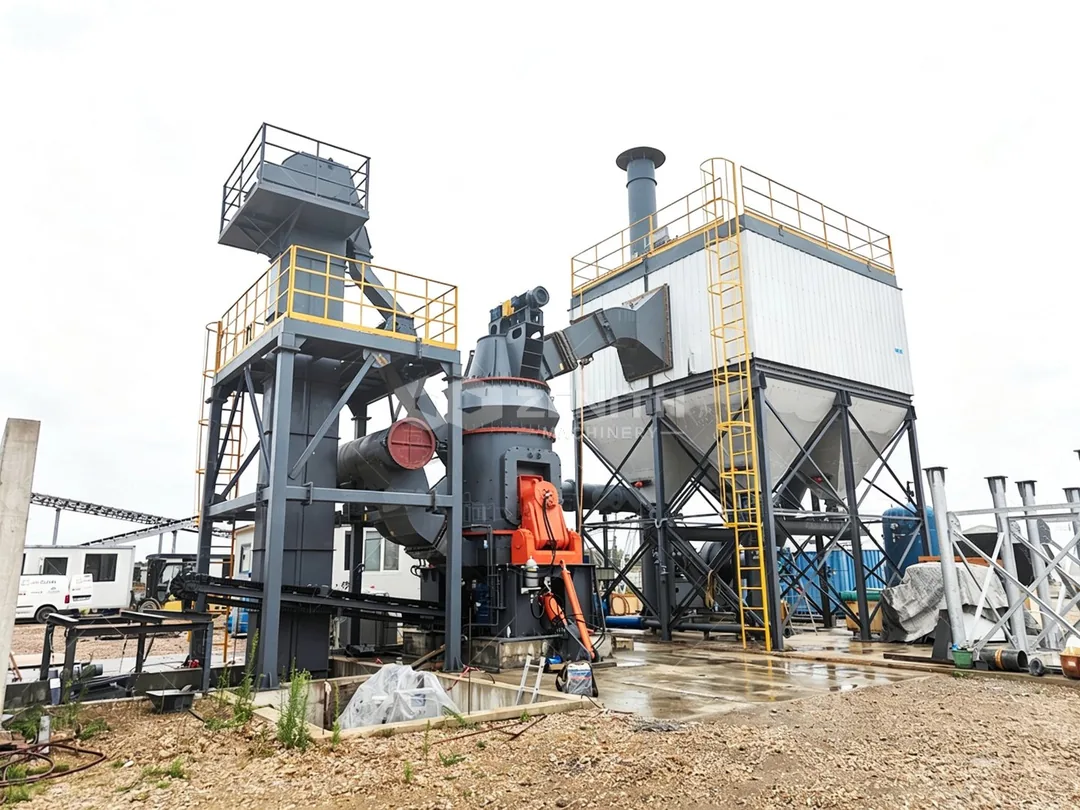
One of the less visible advantages of the MTW series is the high-efficiency impeller fan. Zenith increased the air induction efficiency from 62% to 85% compared with conventional designs. In practice, this means the airflow inside the mill does a better job of transporting ground limestone to the powder selector and then into the cyclone collector. The system operates under positive and negative pressure, and the pulse dust collector prevents dust escaping to the atmosphere. That environmental performance matters in Australia, where approval conditions and community expectations are strict.
Working principle from a daily-operations view
Crushed limestone with a top size of 35 mm enters the MTW138 grinding chamber through a variable-frequency belt feeder. The roller presses the material against the grinding ring, and the fan airflow carries the ground material upward to the powder selector. Qualified 325-mesh powder passes through the selector and is collected in the cyclone powder collector as finished product. Coarse particles fall back to the grinding chamber for another pass. Because the whole circuit is enclosed and under controlled pressure, there is no dust spillover around the mill. Operators can walk the floor without a mask, which is more than can be said for some older grinding plants.
_1786731897391.jpg)
Maintenance that fits a busy plant
On the maintenance side, the MTW138 has a simpler structure than some other fine grinding options. There are no grinding balls to sort and screens to keep clean, which saves many weekend hours. The trapezium-shaped roller and ring design keeps the grinding pressure stable and reduces wear. In the Australian project, the plant maintenance team appreciated the fact that routine checks can be planned around a 15 t/h schedule without unexpected shutdowns. Combined with Zenith’s international support network, this gave the plant confidence that spare parts and technical advice would not become a bottleneck.
The machine’s construction follows Zenith’s standard for heavy industrial equipment. It carries ISO quality certification, CE certification and CU-TR certification. For an Australian buyer, that means the mill was designed and manufactured under internationally recognized quality systems, and the company’s global support network includes offices in more than 30 countries. Even in Australia, remote support and spare-parts planning are easier than with a brand that has no local footprint.
What the operator gained
At the end of the day, the MTW138 is not a magic machine. It is a well-balanced grinding platform that matches the three numbers that mattered in this Australian limestone project: 15 t/h, 325 mesh, and cement raw material. The energy saving, compact layout and adjustable fineness are bonuses that turn a simple specification into a long-term operating advantage.
FAQ
- What is the capacity of the Zenith MTW138 mill? The MTW138 can produce 3 to 22 t/h depending on material and fineness. In the Australian limestone cement raw-material case described here, the required output is 15 t/h at 325 mesh.
- What feed size does the MTW138 accept? The MTW138 accepts material up to 35 mm. Limestone from a primary crusher can normally be fed directly to the mill.
- Can the MTW138 produce 325 mesh powder consistently? Yes. The MTW series is designed for 80 to 400 mesh powder, and the modular impeller adjustment allows precise classification to keep the 325 mesh product stable.
- How does the MTW138 compare with a ball mill for energy use? Under ideal conditions, the MTW138 can consume more than 60% less energy than a ball mill of the same grade. This is one of the main reasons it is used for cement raw-material and mineral powder projects.
- Is the MTW138 suitable for cement raw material? Yes. It grinds limestone and other cement raw materials efficiently, and the system’s enclosed operation helps prevent dust problems.
- How is the fineness adjusted? By changing the modular impeller device. The mill can produce different powder finenesses without major recommissioning.
- What environmental protection does the MTW138 system include? The system operates under positive and negative pressure and is equipped with a pulse dust collector, so dust emissions are controlled and the grinding process meets environmental standards.