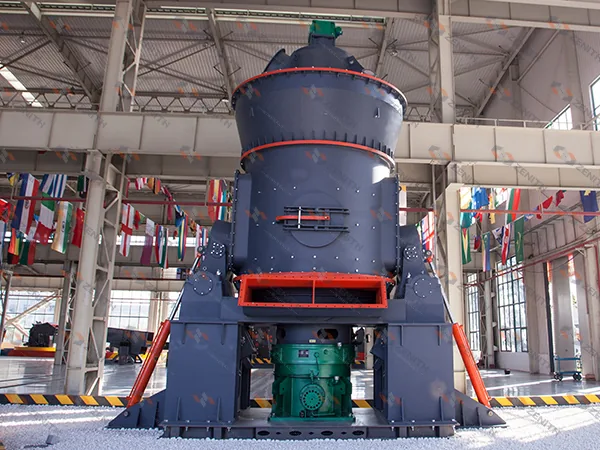
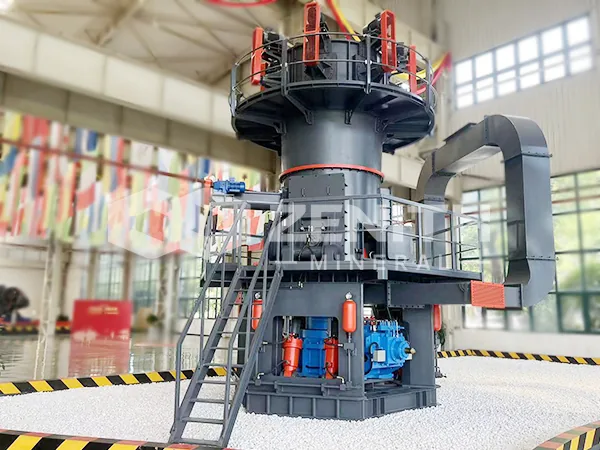
Mw100 micro powder mill australia limestone 3t/h 1250mesh fine powder
2026-08-17 02:28:16
When an Australian operator needs 3 t/h of limestone powder at 1250 mesh, the MW100 micro powder mill is one of the first machines I would name. In my experience, this model can handle the job without sacrificing product quality or pushing up energy bills. It is a compact, well-controlled solution for a site that needs consistent fine powder.
Why 1250 mesh limestone is different
Limestone at 1250 mesh is often used in paints, plastics, PVC, paper, and chemical applications. The market does not simply want fine dust; it wants a stable particle-size distribution and low iron contamination. If the powder is too coarse, it affects surface finish. If it is over-ground, the process wastes energy and throughput. That is why the mill must combine grinding and classification in one controlled circuit.
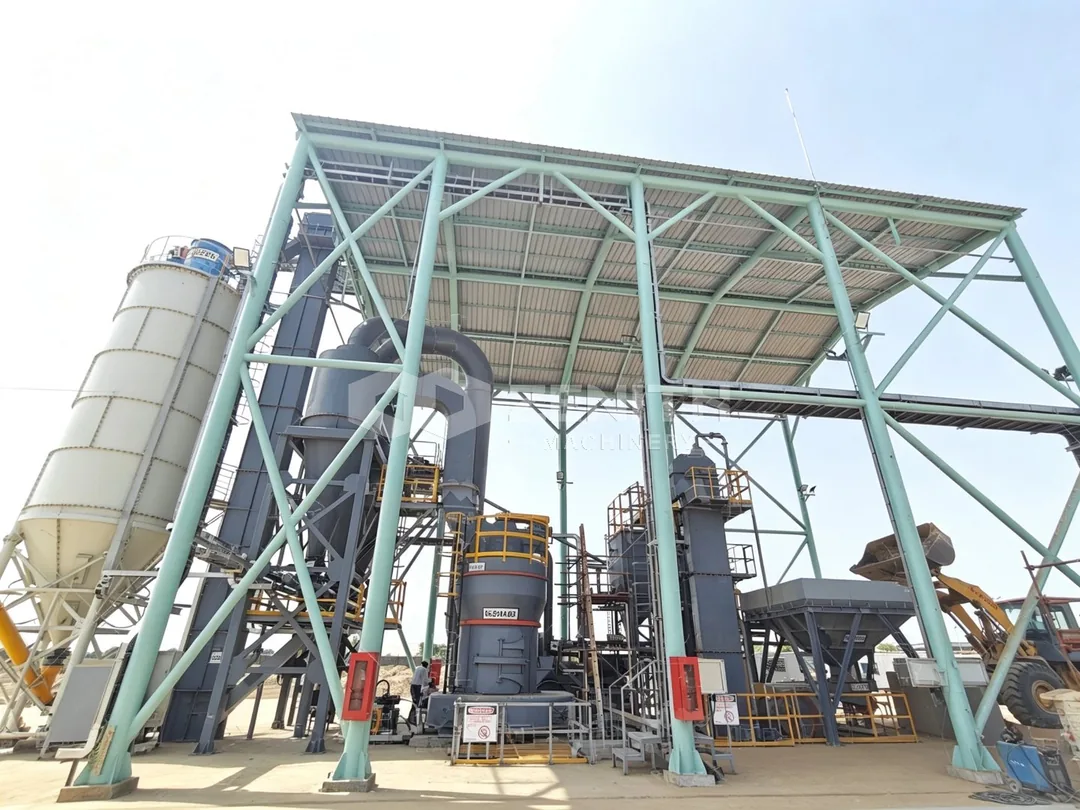
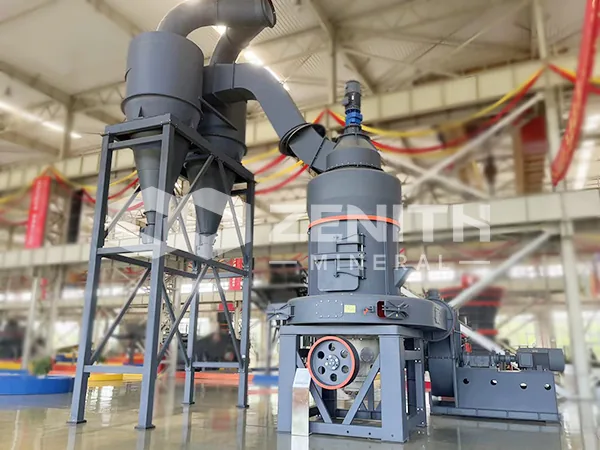
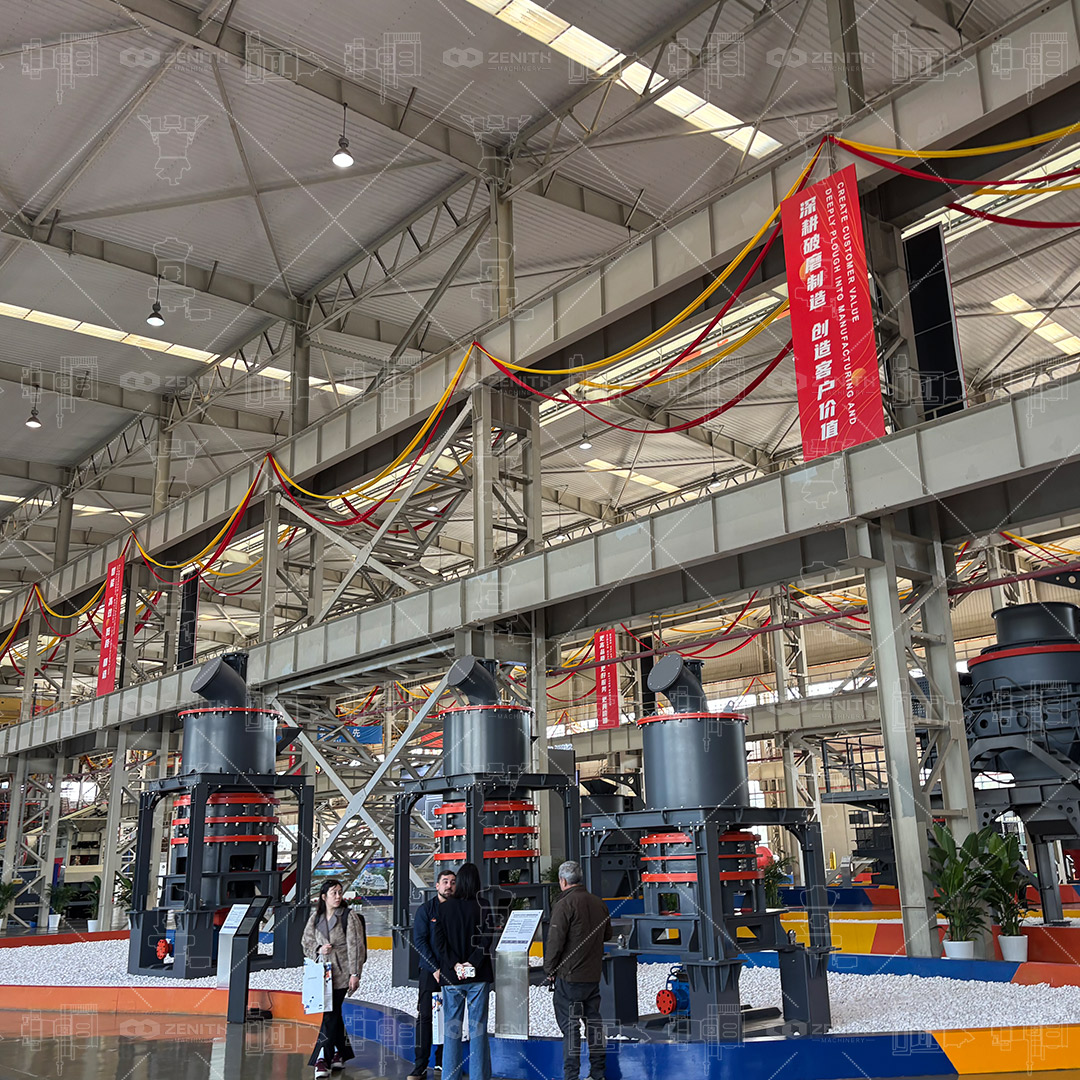
The MW100 is part of ZENITH's powder processing equipment family, which covers 1–3 mm coarse powder, 20–400 mesh fine powder, 400–1250 mesh ultrafine powder, and 1250–3250 mesh micro powder. At 1250 mesh, the MW100 is working in its natural range. The machine is compact and functions as an independent system from bulk feed to finished powder, so the plant needs less floor area and lower foundation investment than a traditional line.
_1786904896382.jpg)
How the MW100 works in an Australian limestone plant
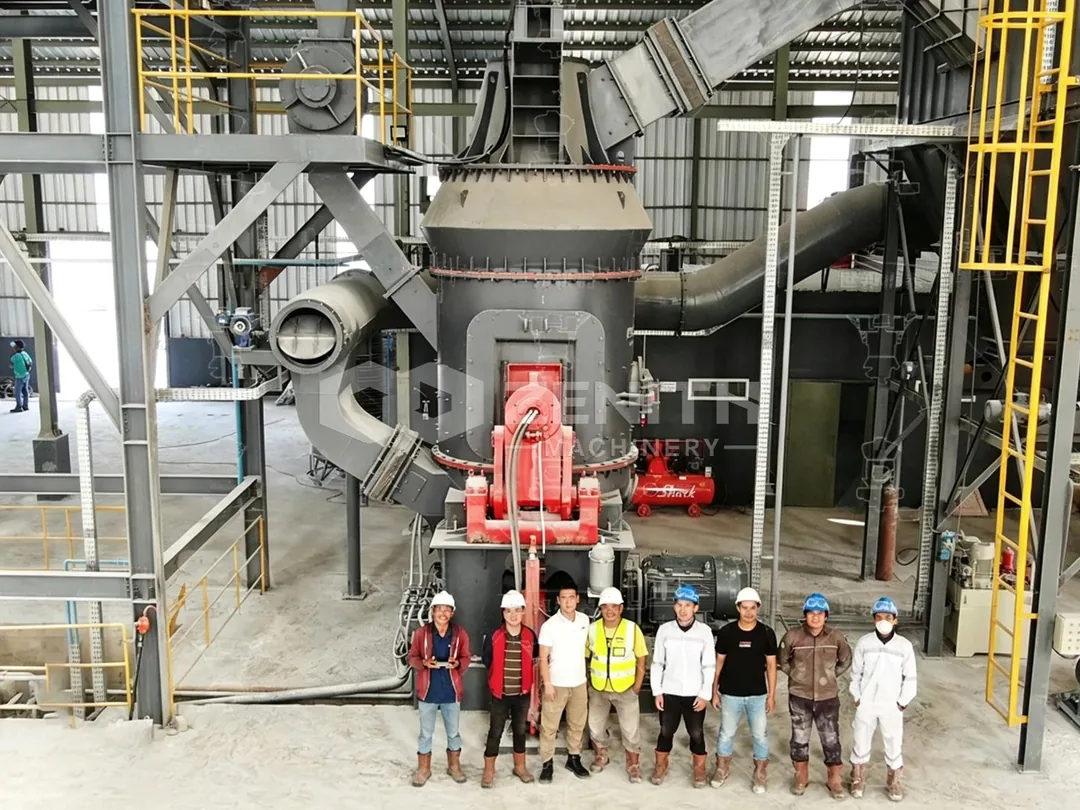
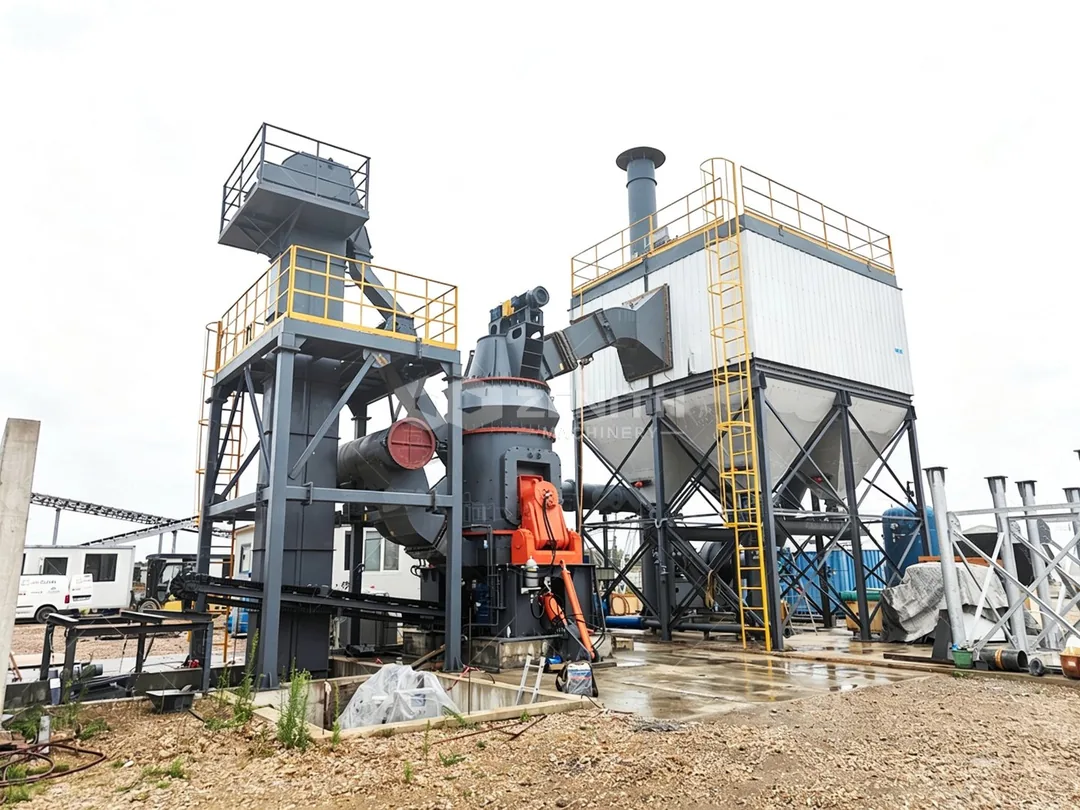
Crushed limestone enters the main grinding chamber through a feeder. It lands on a rotating turntable, and grinding rollers crush it under centrifugal force. The airflow then lifts the powder to the classifier. Oversized particles fall back to the grinding zone; fine powder continues to the cyclone collector and the pulse dust collector. The entire circuit operates under negative pressure, so dust does not escape into the working area. This is a major advantage for Australian sites that must meet strict environmental conditions.
The classifier is driven by a variable frequency drive, so the operator can adjust rotor speed from a control panel to reach the required fineness. For a 1250-mesh product, the setting is stable and repeatable. With a closed loop, the mill can hold the target while the process keeps running.
_1786904896384.jpg)
Energy, purity, and maintenance
Energy cost is usually the biggest concern in fine powder production. The MW100 uses an ultrafine milling design that is roughly 40% more efficient and consumes about 70% less energy than air-flow mills and stirring mills under similar conditions. For a plant producing 3 t/h, that difference shows up directly in monthly power bills.
Product purity is another issue. Limestone filler needs to be clean. The MW100 is designed with a controlled process path and wear-resistant parts, which keeps iron contamination low and preserves the whiteness of the powder. This can elevate the powder's value in filler markets.
From a maintenance point of view, the MW100 has an important design detail: there are no rolling bearings or screws inside the grinding chamber. In many mills, bearing seals fail and screws loosen, causing downtime. The MW100 avoids these common failure points.
What to consider for a 3 t/h project
Before installing an MW100 in Australia, the feed should be screened to around 20 mm or less. This is a typical top size for this mill series. Moisture also matters. If the limestone is damp, a hot-air system or a separate drying step may be needed to avoid material sticking in the classifier. These are not difficult problems to solve, but they should be included in the plant design.
The business case for the MW100 is straightforward. It combines grinding, classification, and powder transport in one system. Less auxiliary equipment means fewer motors, fewer fans, and less maintenance labor. In a remote Australian site, these factors reduce the total cost of ownership.
_1786904896388.jpg)
ZENITH support and reach
Shanghai ZENITH Machinery Co., Ltd. is a hi-tech engineering group focused on industrial powder grinding equipment and related devices. The equipment range is backed by ISO, CE, and CU-TR certifications. ZENITH's marketing network covers more than 180 countries and regions, including Oceania, with overseas offices in more than 30 countries. For an Australian operator, that means spare parts, training, and application support are available without long waiting periods.
Final word
If you are looking for a practical way to produce 1250-mesh limestone powder at 3 t/h, the MW100 micro powder mill deserves serious attention. It is accurate, energy-efficient, easy to maintain, and designed to comply with modern environmental standards. In short, it is the kind of machine that makes a small-scale limestone processing plant feel like a professional operation.
_1786904896390.jpg)
Frequently Asked Questions
Can the MW100 produce 1250 mesh at 3 t/h?
Yes. With a closed grinding loop and an adjustable classifier, 1250 mesh at 3 t/h is realistic. The exact amount depends on feed size, moisture, and limestone hardness.
What feed size is suitable for the MW100?
The MW100 typically accepts feed up to about 20 mm. For best performance, a top size between 10 and 20 mm is recommended.
How do I change the fineness of the finished powder?
The classifier rotor speed is controlled by a variable frequency drive. Adjusting the rotor speed and airflow changes the cut point, so you can produce 1250 mesh or another grade as needed.
Is the MW100 energy-efficient?
Yes. The ultrafine milling technology is about 40% more efficient and about 70% lower in energy consumption than air-flow mills and stirring mills under similar conditions.
Does the MW100 meet environmental requirements?
Yes. The mill is sealed and operates under negative pressure. Its pulse dust collector prevents dust spillover and helps the system meet national environmental protection standards.
Can ZENITH support Australian customers?
Yes. ZENITH covers more than 180 countries and regions, including Oceania, and has overseas offices in more than 30 countries. Spare parts and application support are available to Australian projects.