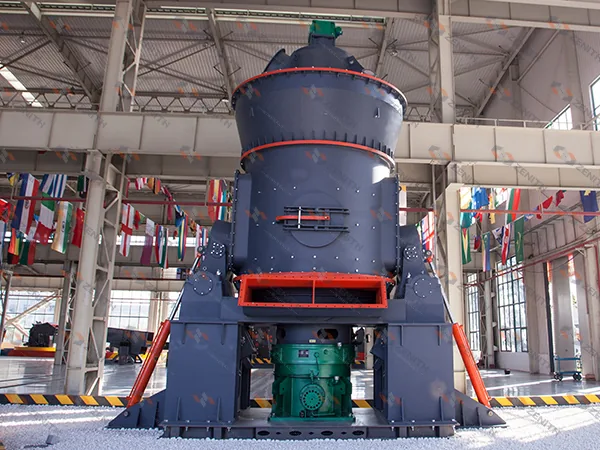
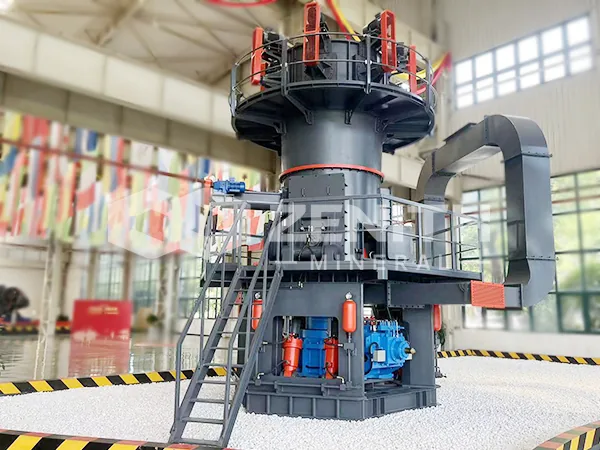
Lm1900 vertical roller mill for diatomite 400 mesh 33 tph soil water retention agent raw material in constanța, romania
2026-08-01 02:24:36
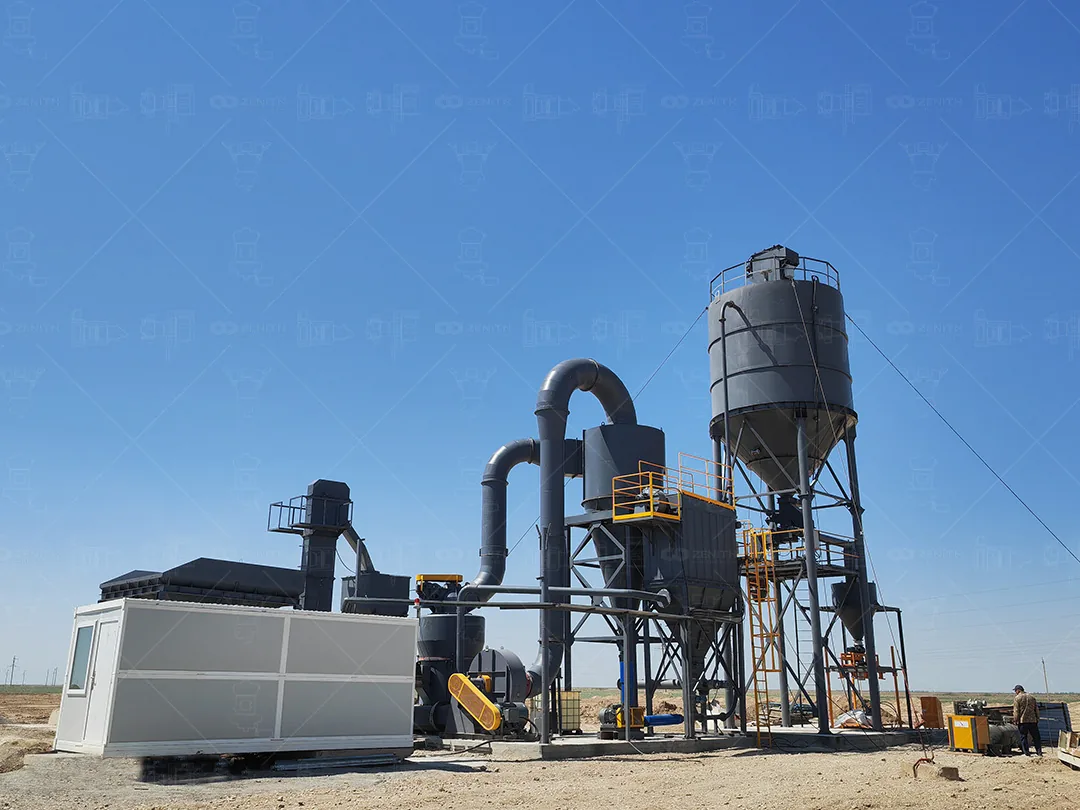
In the eastern part of Romania, near the Black Sea port of Constanța, a new chapter in soil conditioning is being written. Diatomite—a soft, siliceous sedimentary rock with remarkable porosity—has become the raw material of choice for high-performance soil water retention agents. But turning this naturally occurring mineral into a consistent 400-mesh powder at a throughput of 33 tons per hour demands robust engineering. That is exactly where the ZENITH LM1900 vertical roller mill comes into play.
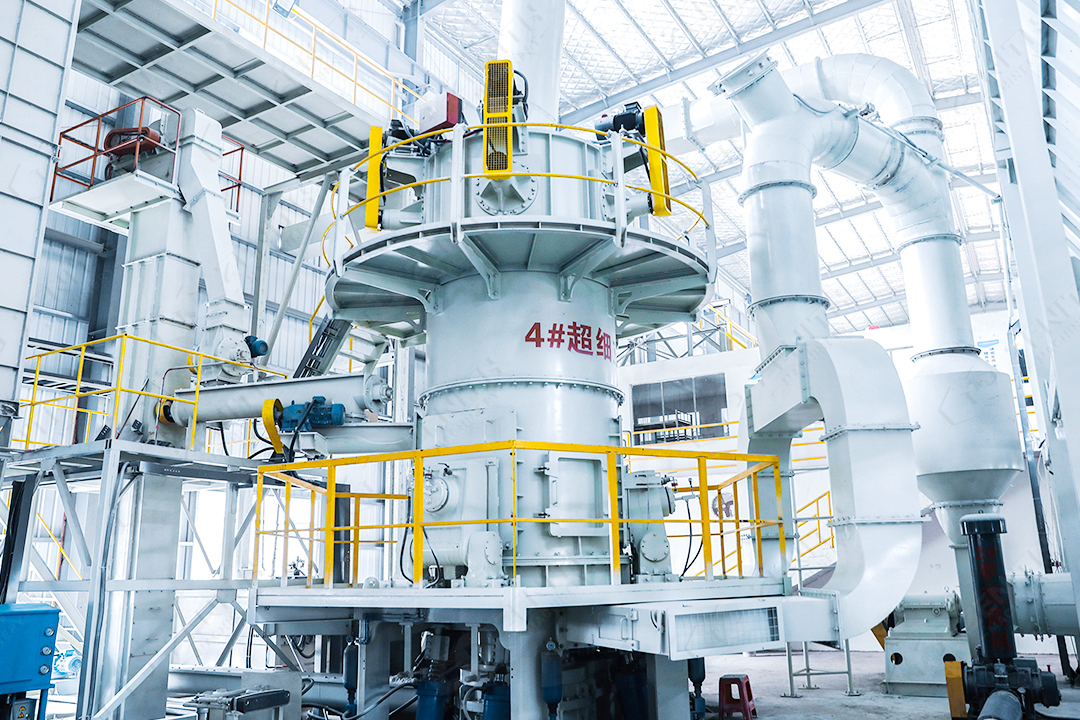
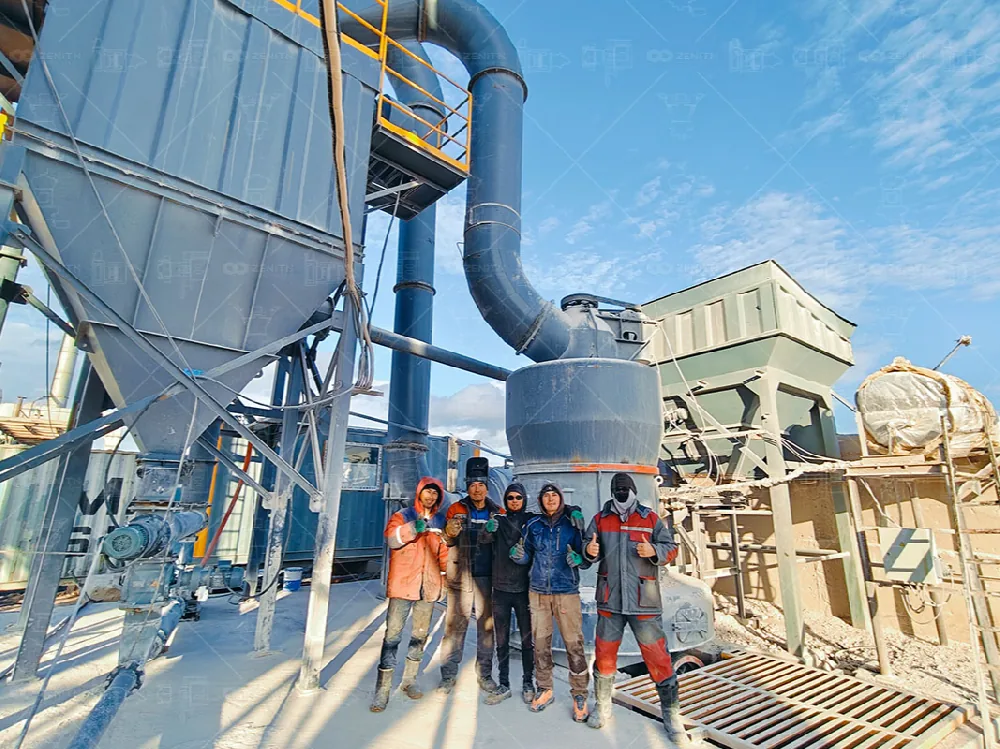
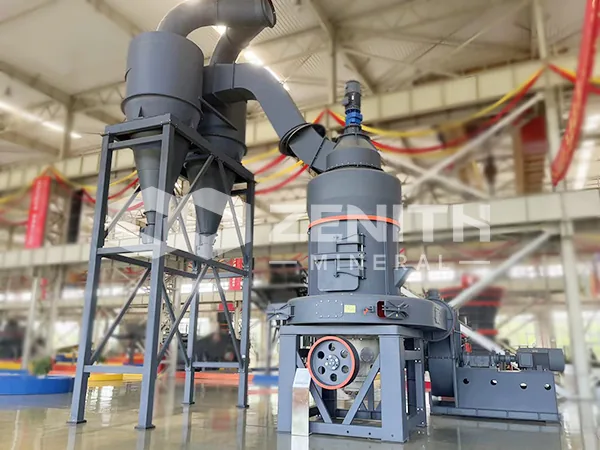
ZENITH's LM series vertical roller mills are built for round-the-clock operation. The LM1900 model, with its 1.9-meter grinding table, delivers a balanced combination of energy efficiency and grinding capacity. In this Romanian installation, the mill processes pre-crushed diatomite with a feed size of up to 70 mm, reducing it to a fine powder with the target fineness of 400 mesh. The 33 tph capacity makes it a dependable workhorse for a medium-to-large mineral processing plant.
Why diatomite? The answer lies in its unique structure. Diatomite is composed of fossilized diatoms—single-celled algae with silica skeletons. These microscopic structures create a highly porous material that can absorb and hold many times its weight in water. When milled to 400 mesh, the powder becomes an ideal base for soil water retention agents: it improves soil aeration, increases water holding capacity, and slowly releases moisture to plant roots. In the agricultural context of Romania's Dobrogea region, where drought stress is a recurring challenge, this material has significant practical value.
Processing diatomite is not without its challenges. The material is abrasive and can be sensitive to over-grinding, which may destroy its porous structure. The LM1900 addresses these issues through carefully controlled grinding pressure and a dynamic classifier. The grinding rollers apply a gentle but effective crushing force, forming a stable material bed on the disc. Inter-particle crushing preserves the diatoms' skeletal integrity better than high-impact grinding methods. The result is a powder with excellent specific surface area and retained porosity—exactly what the soil conditioning market demands.
_1785522276522.jpg)
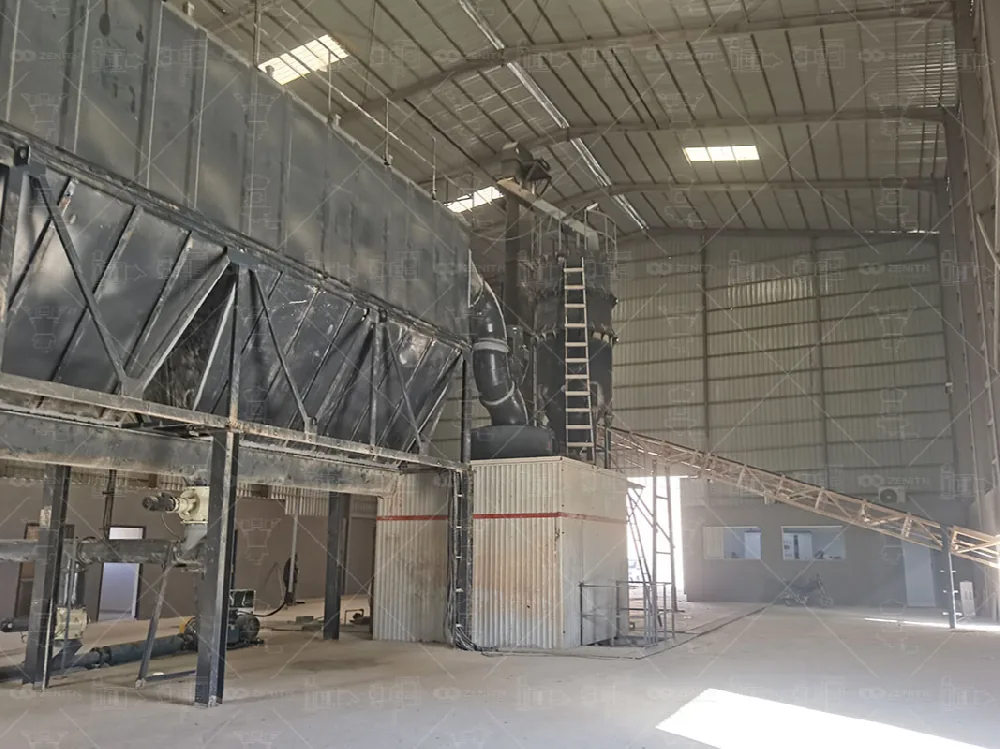
From an operational standpoint, the LM1900 brings several advantages to this project. First, its compact integrated design occupies roughly 50% of the footprint that a comparable ball mill system would require. For a site in Constanța, where space may be shared with storage and packaging lines, this saves both civil works and investment. Second, energy consumption is notably lower. Under ideal conditions, the LM series uses around 60% less energy than a traditional ball mill at the same output fineness. Over a 24/7 operation schedule, this translates into substantial cost savings. Third, the mill's automatic control system allows remote and local operation switching, minimizing manual intervention. One operator can monitor the entire grinding station from the control room.
Environmental compliance was also a decisive factor. Romania, as an EU member state, enforces rigorous dust emission standards. The LM1900 operates under negative pressure, with a sealed housing and a pulse dust collector integrated into the system. This ensures that fine diatomite dust does not escape into the atmosphere. Noise levels are also lower than conventional mills, which improves working conditions for the plant staff.
The working principle of the LM1900 is elegant in its simplicity. The main motor drives the grinding disc through a reducer. Hot air, if needed for drying, enters the chamber concurrently. Diatomite falls from the feed chute to the center of the disc and is carried outward by centrifugal force. Under the rollers, it is crushed; finer particles form a material bed where inter-particle grinding occurs. The ground material moves to the disc's edge, where the airflow lifts it into the dynamic separator. Oversize particles return to the disc for another pass, while fine powder is carried to the cyclone collector and pulse bag filter. The final 400-mesh product is conveyed to a silo, ready for formulating soil water retention agents.
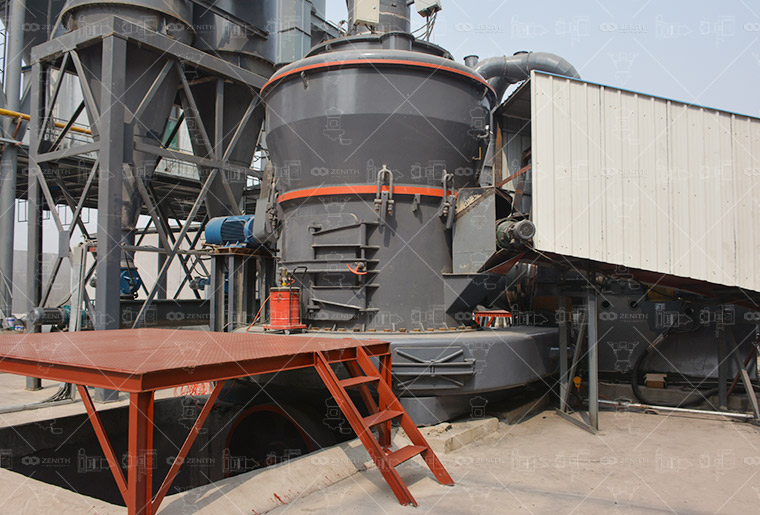
ZENITH's global network has made this project possible. The Shanghai-based manufacturer has delivered equipment to over 180 countries and maintains overseas offices in more than 30 nations, so local support for the Constanța site is readily available. All equipment carries ISO 9001 quality certification, EU CE marking, and CU-TR certification, which streamlines commissioning and regulatory acceptance in Romania.
For processors looking to replicate this success, the LM1900 is not a one-size-fits-all solution but a customizable one. The classifier speed, grinding pressure, and airflow can be tuned to produce different fineness levels within the 80–400 mesh range. This flexibility is valuable when the same plant wants to serve multiple downstream segments—agriculture, construction, or filtration media—without changing machinery.
In summary, the LM1900 vertical roller mill is an effective answer to the diatomite processing needs of Constanța. It delivers high output at 33 tph, achieves the required 400-mesh fineness, preserves the mineral's porous structure, and meets modern environmental and operational standards. As soil water retention agents become more important in sustainable agriculture, this mill will continue to play a supporting role in turning Eastern Europe's natural resources into practical farming solutions.
_1785522276526.jpg)
Frequently Asked Questions
Q1: What makes the LM1900 suitable for grinding diatomite?
The LM1900 uses a controlled material-bed grinding mechanism that minimizes over-grinding and preserves the porous structure of diatomite. Its adjustable classifier and grinding pressure allow precise production of 400-mesh powder while maintaining throughput of 33 tph.
Q2: Can the LM1900 produce fineness other than 400 mesh?
Yes. The LM series can produce output in the 80–400 mesh range. By changing the dynamic classifier speed and airflow, operators can adjust fineness without changing machine components.
Q3: How does the LM1900 handle dust and meet EU environmental standards?
The mill operates under negative pressure with a sealed system. A pulse dust collector captures fine particles, and the design prevents dust spillage. Noise and vibration are also lower than conventional mills, helping the plant comply with Romanian and EU regulations.
Q4: What is the energy consumption compared to a ball mill?
Under ideal working conditions, the LM series consumes about 60% less energy than a ball mill of the same grade. This can result in significant electricity savings for a 33 tph continuous operation.
Q5: What feed size does the LM1900 accept?
The LM1900 accepts feed material up to 70 mm. Larger diatomite lumps should be pre-crushed to this size for optimal mill performance.
Q6: Is ZENITH support and service available in Romania?
Yes. ZENITH has sales and service channels across Europe and has delivered equipment to more than 180 countries. Commissioning, training, and spare parts support are available for the Constanța project through ZENITH's regional network.