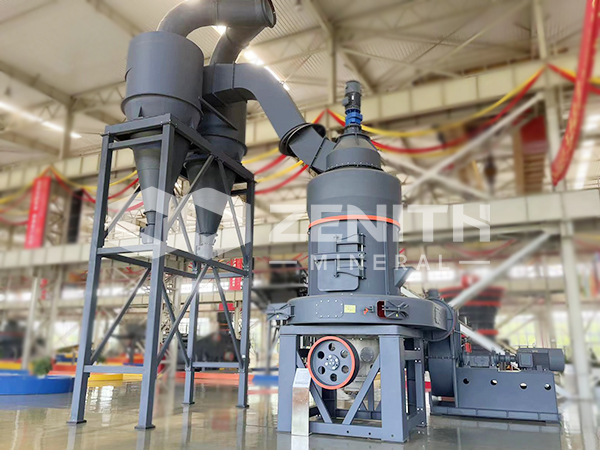
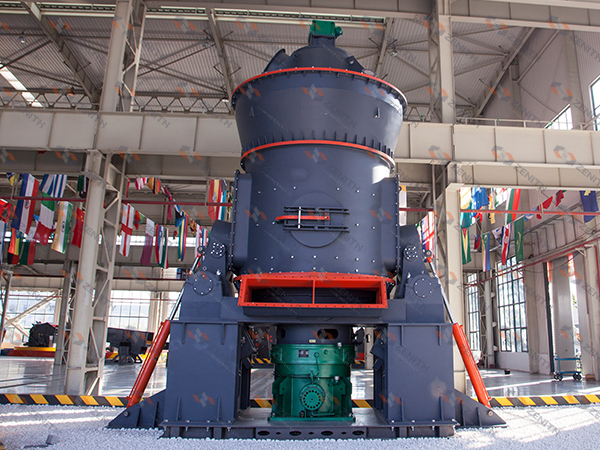
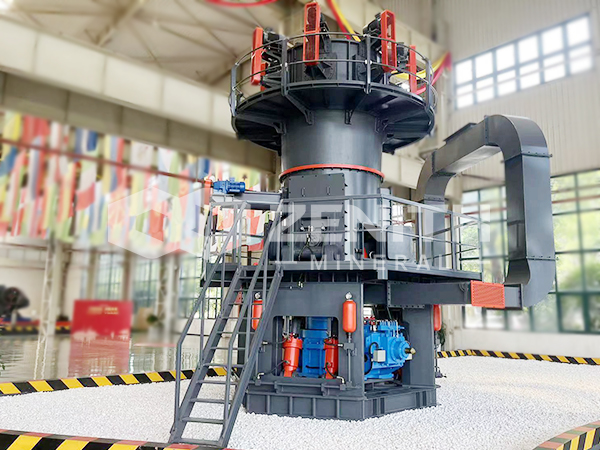
Medium-speed vertical roller mill for dolomite 160 mesh 11 tph cement blending material in brazil
2026-07-31 02:27:46
Brazil's cement industry is expanding rapidly, driven by infrastructure projects and urban development. One critical component in cement production is the blending material, where finely ground dolomite plays a vital role. For a Brazilian cement plant requiring 11 tons per hour of 160-mesh dolomite powder, a medium-speed vertical roller mill (VRM) offers an optimal balance of efficiency, reliability, and cost-effectiveness. This article explores how Shanghai Zenith Machinery Co., Ltd.'s LM series vertical grinding mill meets these specific demands, based on decades of global experience.
_1785436066597.jpg)
Why Choose a Medium-Speed Vertical Roller Mill for Dolomite?
Dolomite, a calcium magnesium carbonate mineral, is widely used as a cement blending material to enhance workability and reduce clinker consumption. Grinding dolomite to 160 mesh (approximately 96 microns) at 11 tph requires a mill that can handle moderate moisture, maintain consistent product fineness, and operate continuously. Medium-speed vertical roller mills like the LM series are designed precisely for such tasks. Unlike ball mills, VRMs integrate grinding, drying, and classification in one unit, significantly reducing energy consumption and footprint.
Zenith LM Series: Tailored for Cement Blending
Shanghai Zenith Machinery Co., Ltd. has supplied over 10,000 grinding systems worldwide. The LM vertical grinding mill is a proven solution for cement raw meal and blending materials. For the Brazilian application, the LM1300 or similar model can deliver 11 tph of 160-mesh dolomite powder with ease. Key specifications include:
- Capacity: 3–340 T/H (model-dependent)
- Input size: 0–70 mm
- Output fineness: 80–400 mesh (adjustable)
- Integrated separator for precise classification
The mill operates under negative pressure, ensuring dust-free and environmentally friendly production—critical for meeting Brazil's strict environmental regulations.
Performance Advantages for 160 Mesh Dolomite
Zenith's LM series offers several benefits that directly address the needs of a Brazilian cement blending plant:
1. High Purity and Whiteness Control
The mill's design minimizes iron contamination, preserving the natural whiteness of dolomite. This is essential for producing high-quality cement blending materials.
2. Energy Savings of up to 60% vs. Ball Mill
Under ideal conditions, the LM series consumes over 60% less energy than a traditional ball mill of the same capacity. With Brazilian electricity costs rising, this translates to significant operational savings.
3. Compact Footprint and Low Civil Investment
The vertical mill occupies about 50% of the area required by a ball mill system. For a cement plant with limited space, this reduces foundation costs and allows outdoor installation.
4. Fully Automatic Operation
The LM mill is equipped with an advanced control system (PLC + HMI) that enables remote monitoring and unattended operation. Brazilian plant managers can adjust fineness and throughput from a central control room.
5. Continuous 24/7 Running Capability
Unlike some mills that require frequent shutdowns for roller replacement, the LM series is engineered for constant operation. The grinding rollers and table are made of wear-resistant materials, ensuring long intervals between maintenance.
_1785436066603.jpg)
Working Principle in Brief
The main motor drives the grinding disc via a reducer. Pre-crushed dolomite (0–70 mm) falls onto the center of the disc, where centrifugal force spreads it outward. Hydraulic rollers exert pressure to crush the material, forming a bed for inter-particle grinding. Hot air (if needed for drying) enters the chamber and carries fine particles upward to the separator. Coarse particles fall back for regrinding, while fine powder (160 mesh) passes through the separator and is collected in a baghouse or cyclone. Iron impurities drop into the lower cavity and are discharged automatically.
Project Considerations for Brazil
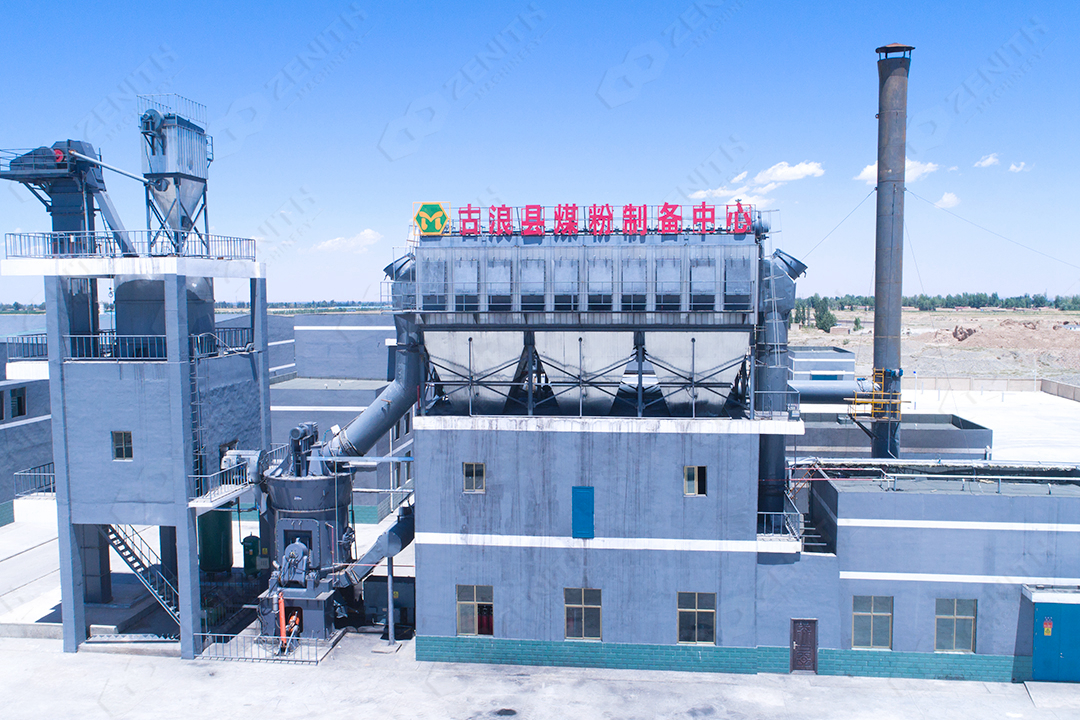
Brazil has a well-established mining and cement sector, but logistics and local support are crucial. Zenith has overseas offices in more than 30 countries, including strong representation in South America. For a 11 tph dolomite grinding plant, the LM1300 model (capacity 3–18 tph) is an ideal fit. The entire system—from the jaw crusher to the bucket elevator, mill, and dust collector—can be supplied as a turnkey solution. Installation can be completed within 4–6 weeks, with on-site training provided.
_1785436066605.jpg)
Conclusion
Grinding dolomite to 160 mesh at 11 tph for cement blending in Brazil is a straightforward task when the right equipment is selected. Zenith's LM series medium-speed vertical roller mill delivers the performance, reliability, and energy efficiency required by modern cement plants. With ISO, CE, and CU-TR certifications, and a global service network, it is a trusted choice for demanding applications.
Frequently Asked Questions (FAQ)
- Can the LM vertical mill handle dolomite with up to 5% moisture?
Yes. The mill can be equipped with a hot air generator to dry the material during grinding. The integrated drying system ensures a final product moisture below 1%. - What is the specific power consumption for 160 mesh dolomite at 11 tph?
Based on actual data from similar projects, the specific power consumption ranges from 18–25 kWh per ton, depending on feed size and hardness. This is about 40–50% lower than a comparable ball mill. - How often do the grinding rollers need to be replaced?
With proper material selection, the roller and liner service life can exceed 6,000–8,000 hours for dolomite grinding. Zenith supplies wear parts from certified suppliers. - Does Zenith provide after-sales service in Brazil?
Yes. Zenith has sales representatives and service partners in Brazil. Spare parts can be shipped from the local warehouse or directly from headquarters within 7–15 days. - Can the mill produce other finenesses besides 160 mesh?
Absolutely. The LM series is adjustable from 80 to 400 mesh by changing the separator speed and grinding pressure. This flexibility allows the plant to also produce 200 mesh or 325 mesh for other applications. - What is the total investment for a 11 tph dolomite grinding line?
Investment varies based on site conditions and automation level. A typical package including crusher, mill, classifier, dust collector, and electrical control starts from approximately USD 350,000 to 500,000. Contact Zenith for a customized quotation. - Is the mill environmentally compliant with Brazilian norms?
Yes. The system operates under negative pressure with a pulse jet dust collector, ensuring emissions below 20 mg/Nm³. It meets CONAMA standards and can be certified by local environmental agencies.
_1785436066608.jpg)