Lm150m vertical coal mill for sub-bituminous coal 180 mesh 19 tph in india
2026-07-16 02:25:34
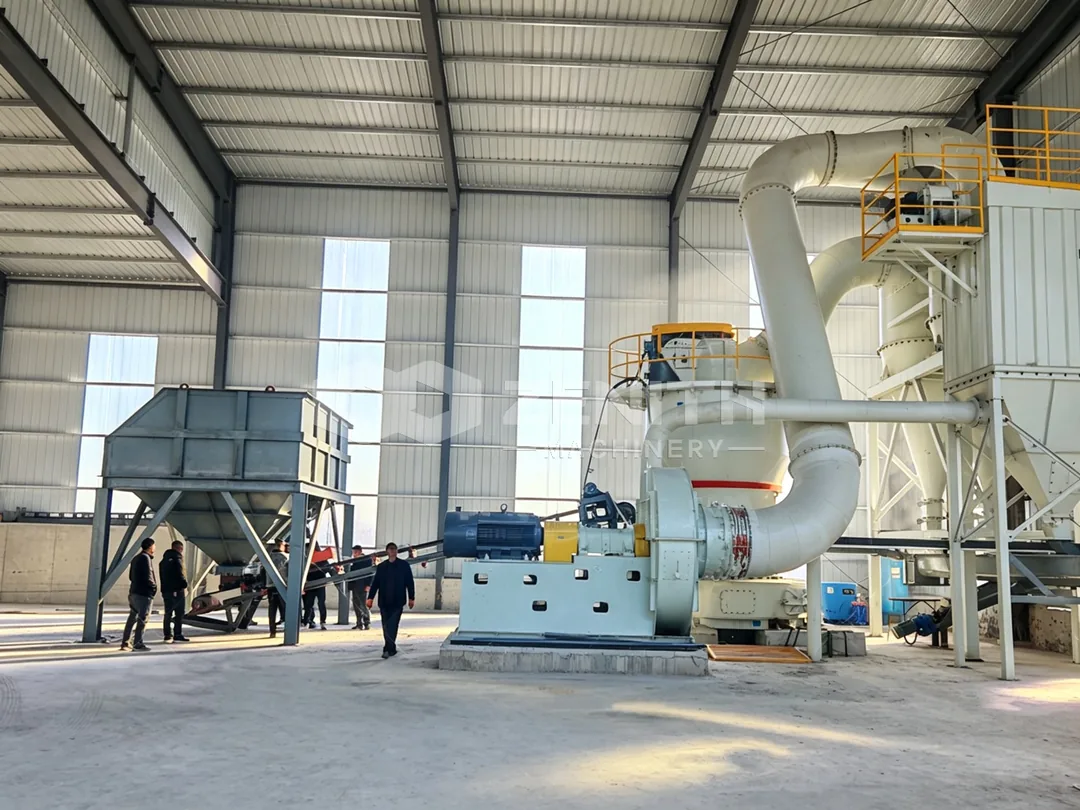
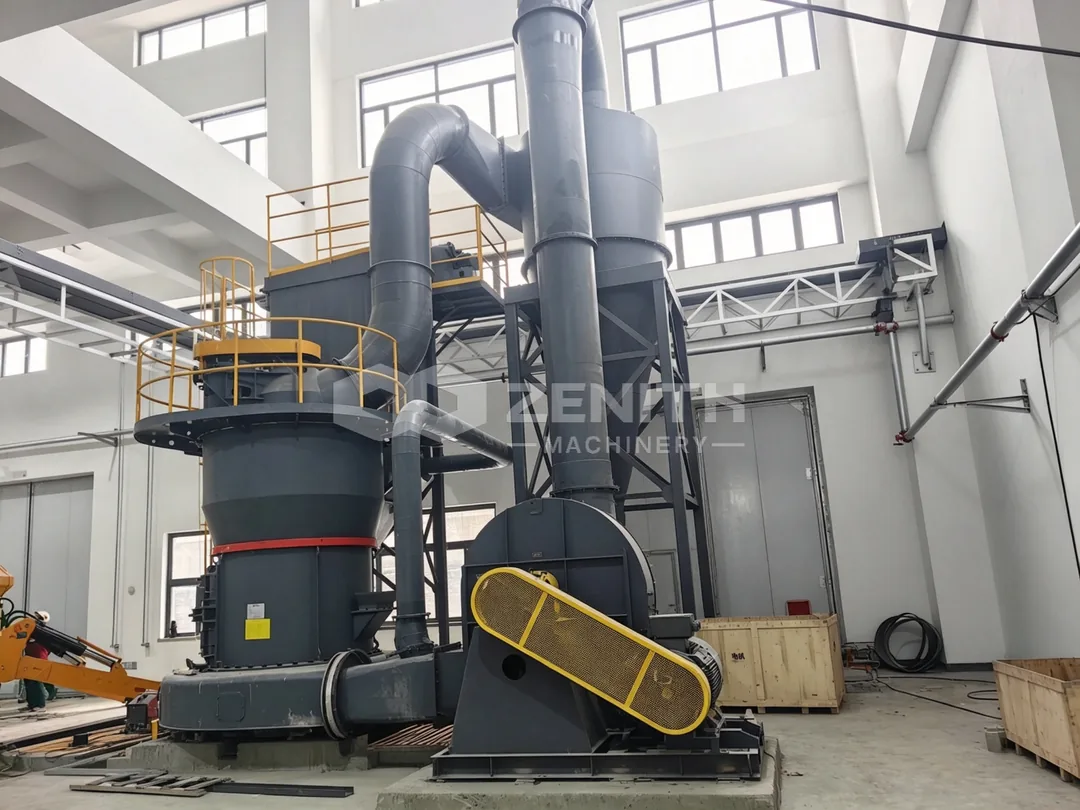
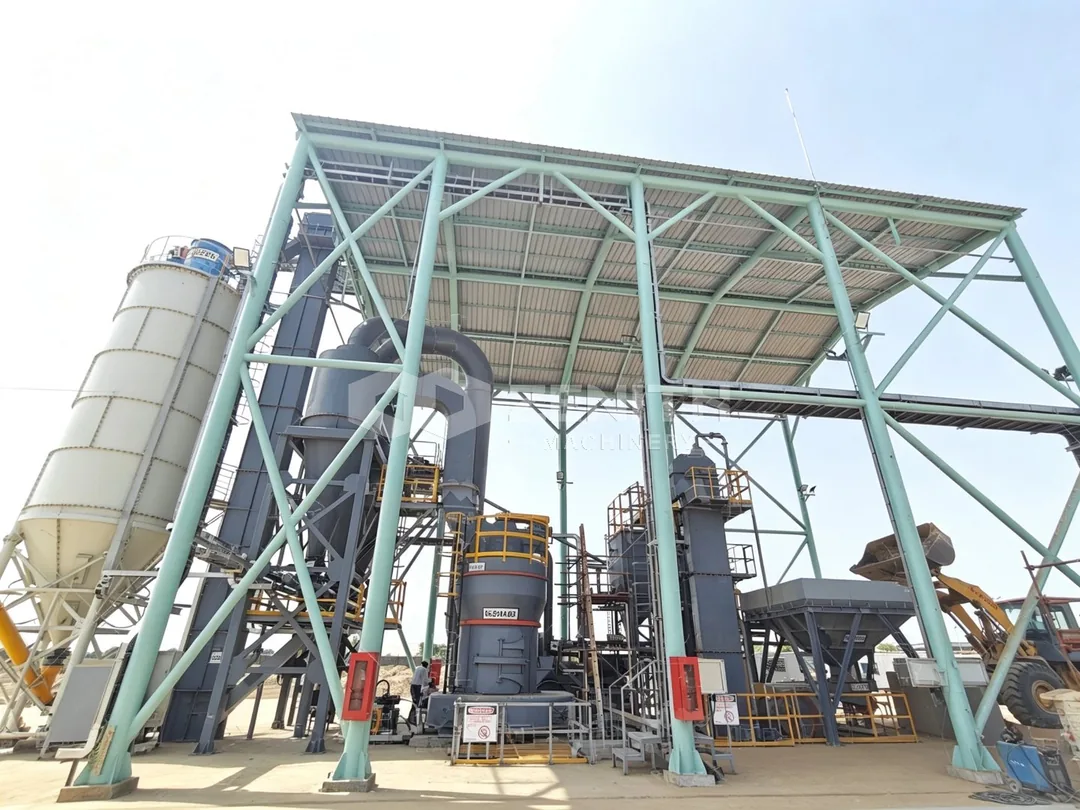
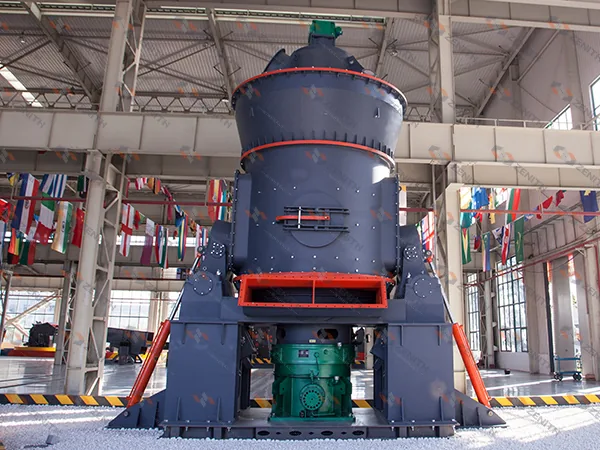
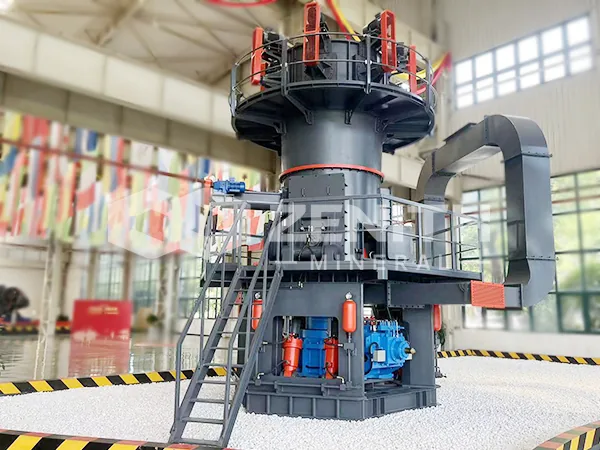
When it comes to grinding sub-bituminous coal in India, the LM150M vertical roller mill from Shanghai Zenith Machinery stands out as a robust, high-efficiency solution. Designed for continuous 24-hour operation, this mill delivers a consistent output of 19 tons per hour at 180 mesh (approximately 83 microns), making it ideal for captive power plants, cement kilns, and industrial boiler applications where fuel quality and reliability are paramount.
_1784139934403.jpg)
Why Sub-bituminous Coal? A Growing Fuel Choice in India
Sub-bituminous coal, with its moderate calorific value (typically 4,500–5,500 kcal/kg) and lower sulfur content compared to bituminous coal, is increasingly used in Indian thermal power plants and industrial units to meet stricter emission norms. However, its higher moisture content (15–30%) and tendency to clog conventional grinding equipment demand a mill engineered for such challenging fuels. The LM150M vertical mill, part of Zenith's LM series, addresses these challenges with a sealed, negative-pressure operation that prevents dust spillage and handles high-moisture feeds efficiently.
Technical Specifications and Performance Data
For the specific requirement of 19 tph output at 180 mesh, the LM150M operates at an optimal power consumption of approximately 180–220 kW, depending on feed size and coal grindability (HGI). The mill accepts feed material up to 70 mm and reduces it to a fine powder with a residue of less than 10% on 180 mesh. Key performance indicators include:
- Capacity: 19 tph (sub-bituminous coal, HGI 50–60)
- Output Fineness: 180 mesh (83 microns, D85)
- Feed Size: ≤ 50 mm (recommended for optimum wear life)
- Main Motor Power: 220 kW (4-pole, 50 Hz)
- Classifier Speed: Variable frequency drive (VFD) controlled, 60–120 rpm
- Noise Level: < 85 dB(A) at 1 meter
_1784139934408.jpg)
Working Principle Tailored for Coal
The LM150M operates on the well-proven vertical roller mill principle. The main motor drives the grinding disc via a planetary gearbox. Coal fed from the center of the disc is spread outward by centrifugal force. Hydraulically loaded grinding rollers (two or three, depending on configuration) crush the material against the rotating table. The grinding force is adjustable via an accumulator system, allowing fine-tuning for different coal types.
Hot air (typically at 80–120°C) enters the mill from the lower ring, drying the coal and conveying the fine particles upward to the dynamic classifier. The classifier rotor, driven by a VFD, separates coarse particles (which drop back for re-grinding) from the fines that proceed to the baghouse or cyclone. Iron debris and pyrites fall through the nozzle ring into the lower cavity and are discharged via a scraper system, protecting downstream equipment.
Key Advantages for Indian Coal Grinding
1. High Purity and Low Iron Contamination
The LM series vertical mill features minimal metal-to-metal contact during grinding, as the material bed cushions the rollers. This results in lower iron contamination in the final coal powder—critical for applications like direct injection in blast furnaces or coal-water slurry production.
2. Energy Efficiency – Up to 60% Lower than Ball Mills
Compared to traditional ball mills, the LM150M consumes 40–60% less energy per ton of coal ground. For a 19 tph operation running 8,000 hours annually, this translates to savings of over 1.5 million kWh per year, significantly reducing operational costs.
3. Compact Footprint – 50% Less Area
The integrated design of the LM mill combines grinding, drying, and classification in one unit, occupying about half the space of a ball mill system. This is particularly advantageous for plant expansions or sites with limited real estate, common in India's densely populated industrial zones.
4. Fully Automated Operation
The mill comes with a PLC-based control system supporting remote and local operation. Parameters such as feed rate, classifier speed, grinding pressure, and hot gas temperature are automatically adjusted to maintain consistent product quality. This reduces manual intervention and labor costs, aligning with India's push for 'Industry 4.0' readiness.
Case Study: Installation at a Central Indian Cement Plant
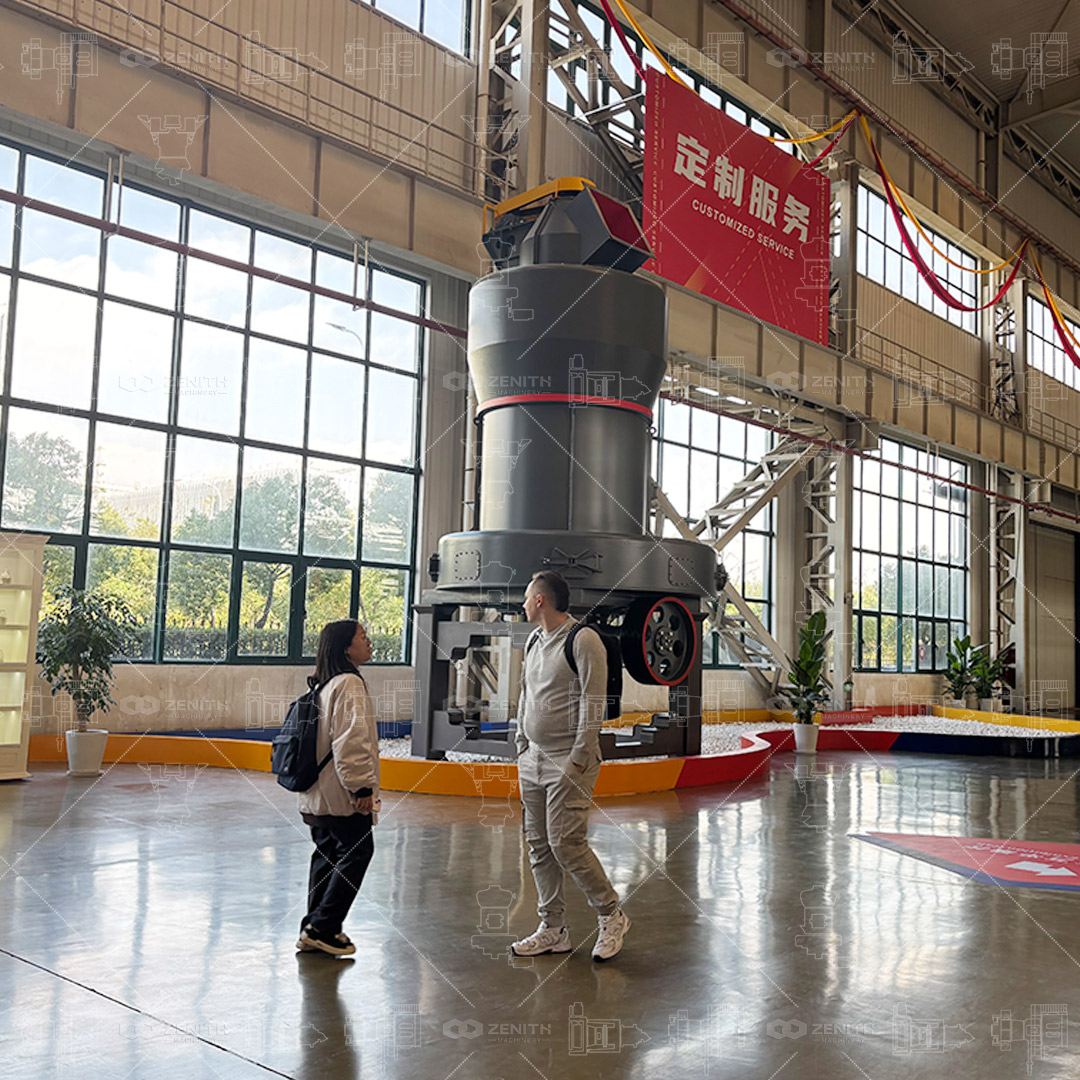
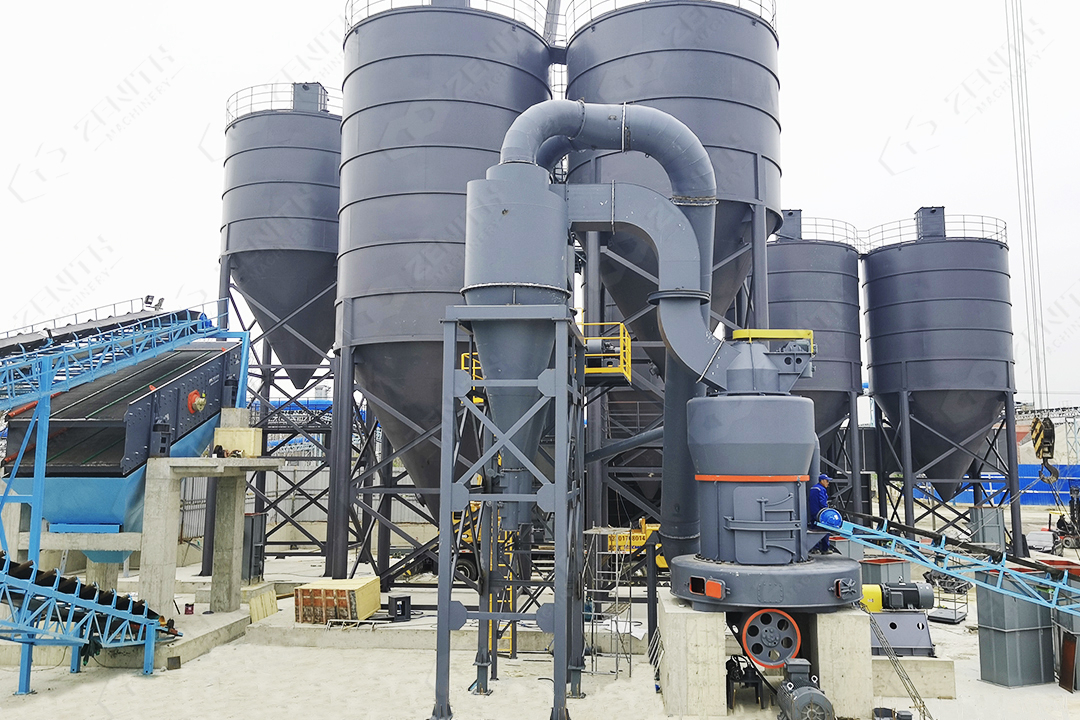
A large cement manufacturer in Madhya Pradesh replaced their aging ball mill circuit (two 30 tph units) with a single LM150M for coal grinding. The mill handles sub-bituminous coal from the Singrauli coalfields, with moisture ranging from 18% to 25%. After commissioning, the plant reported:
- Consistent fineness of 180 mesh ± 2%
- Reduced specific power consumption from 32 kWh/t to 18 kWh/t
- Availability exceeding 97% over 18 months
- Payback period of less than 14 months
Environmental and Safety Features
The LM150M is designed with safety in mind for coal grinding, which carries explosion risks. Key features include:
- Inert gas (nitrogen) injection ports for emergency inerting
- Pressure shock-resistant design up to 10 bar
- CO and O₂ monitoring with automatic shutdown interlocks
- Pulse-jet baghouse filter ensuring outlet emissions < 20 mg/Nm³
Why Choose Zenith for Your Coal Grinding Project?
With over 30 years of experience and installations in more than 180 countries, Zenith offers end-to-end support from feasibility studies to after-sales service. Our LM series mills have ISO, CE, and CU-TR certifications, ensuring compliance with international standards. For Indian clients, we provide localized spare parts stock, dedicated service engineers, and remote monitoring options—reducing downtime and maximizing return on investment.
Frequently Asked Questions (FAQ)
1. Can the LM150M handle Indian sub-bituminous coal with moisture above 20%?
Yes, the mill is equipped with a high-capacity hot gas generator and a classifier designed for sticky materials. With proper pre-drying or by using hot air from a clinker cooler or furnace, moisture levels up to 30% can be handled without compromising output or causing mill vibration.
2. What is the typical wear life of grinding rollers and table liners for coal grinding?
For sub-bituminous coal (HGI 50–60), grinding rollers typically last 6,000–8,000 operating hours, and the table liner 8,000–12,000 hours. Zenith uses high-chrome wear parts (HRC 58–62) that can be reversed or replaced without removing the entire assembly, thanks to the swing-out roller design.
3. Does the mill require a separate drying system?
No. The LM150M integrates drying within the grinding chamber. Hot gases (from a furnace or waste heat) enter the mill through the nozzle ring, simultaneously drying and transporting the coal. For very high moisture, a separate hot gas generator may be recommended but is not mandatory for most Indian coals.
4. How does the LM150M compare to a ball mill in terms of maintenance?
The LM150M has significantly lower maintenance requirements. A ball mill requires periodic replacement of liners and grinding media (steel balls), which can cost 2–3 times more per ton of coal ground. The vertical mill's wear parts are fewer and easier to replace, and the automatic lubrication system reduces daily grease points.
5. What is the power consumption for producing 180 mesh coal at 19 tph?
Under standard conditions (feed size < 50 mm, HGI 55, moisture 15%), the total installed power is approximately 250 kW (including mill motor, classifier, fans, and auxiliary equipment). Specific power consumption averages 12–15 kWh/t, compared to 25–30 kWh/t for a ball mill.
6. Can the LM150M be retrofitted into an existing plant layout?
Yes, the compact design makes it suitable for retrofits. The mill can be installed on a simple concrete foundation (no need for deep pilings), and the integrated system simplifies piping and ductwork. Zenith provides a complete retrofit engineering package, including civil, structural, and electrical modifications.
7. Does Zenith provide on-site training for operators in India?
Absolutely. Zenith offers commissioning assistance and on-site training for up to 10 operators and maintenance staff at no extra cost. We also provide detailed manuals, video tutorials, and remote support via our 24/7 service center. Additionally, we conduct periodic refresher courses at our training facility in Shanghai.
_1784139934419.jpg)