5x1145 grinding mill for low-alumina ore 800 mesh abrasive aggregate raw material in vietnam
2026-07-15 02:25:18
Vietnam's industrial landscape is rapidly evolving, with a growing demand for high-quality abrasive aggregates and mineral powders. For operators processing low-alumina ore, achieving a precise 800 mesh output is critical for manufacturing abrasive tools, refractories, and construction materials. Selecting the right grinding mill is not just about meeting fineness specifications; it's about balancing energy efficiency, throughput, and long-term operational reliability. Shanghai Zenith Machinery Co., Ltd., with over three decades of expertise in powder processing, offers tailored solutions that address these exact challenges. Our product portfolio, certified with ISO, CE, and CU-TR standards, includes several mills capable of achieving 800 mesh, but for a 5x1145 grinding mill configuration focused on low-alumina ore, the choice hinges on specific production goals and material characteristics.
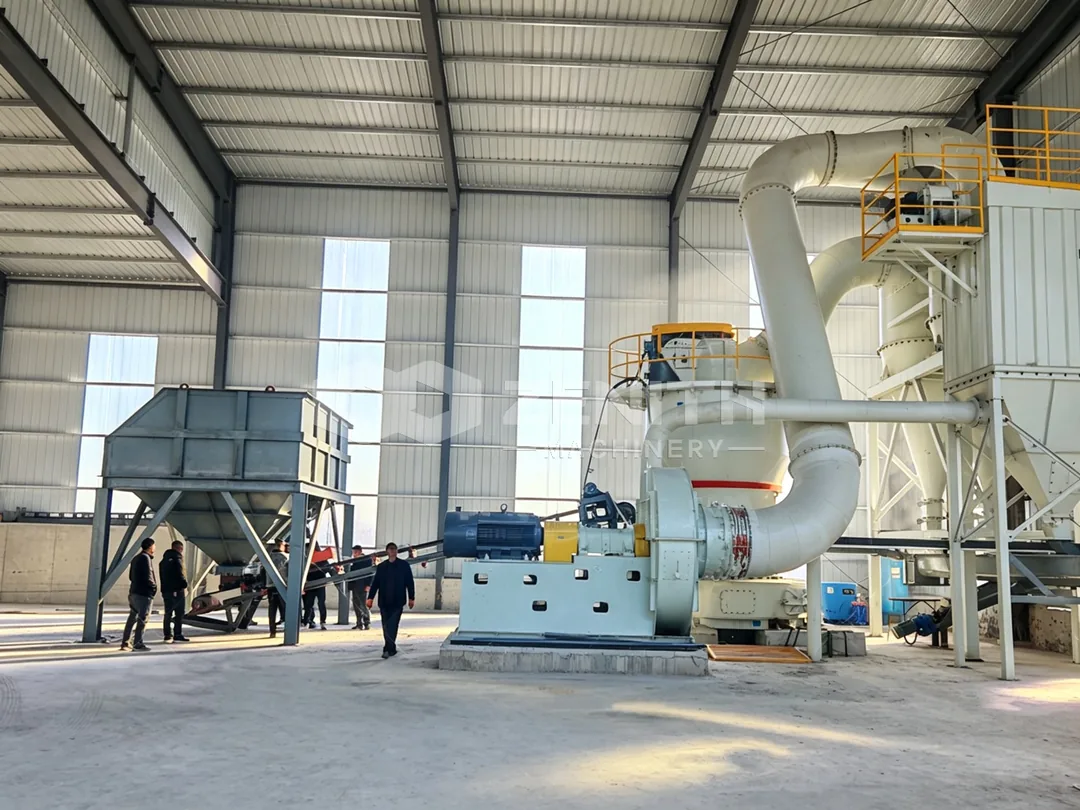
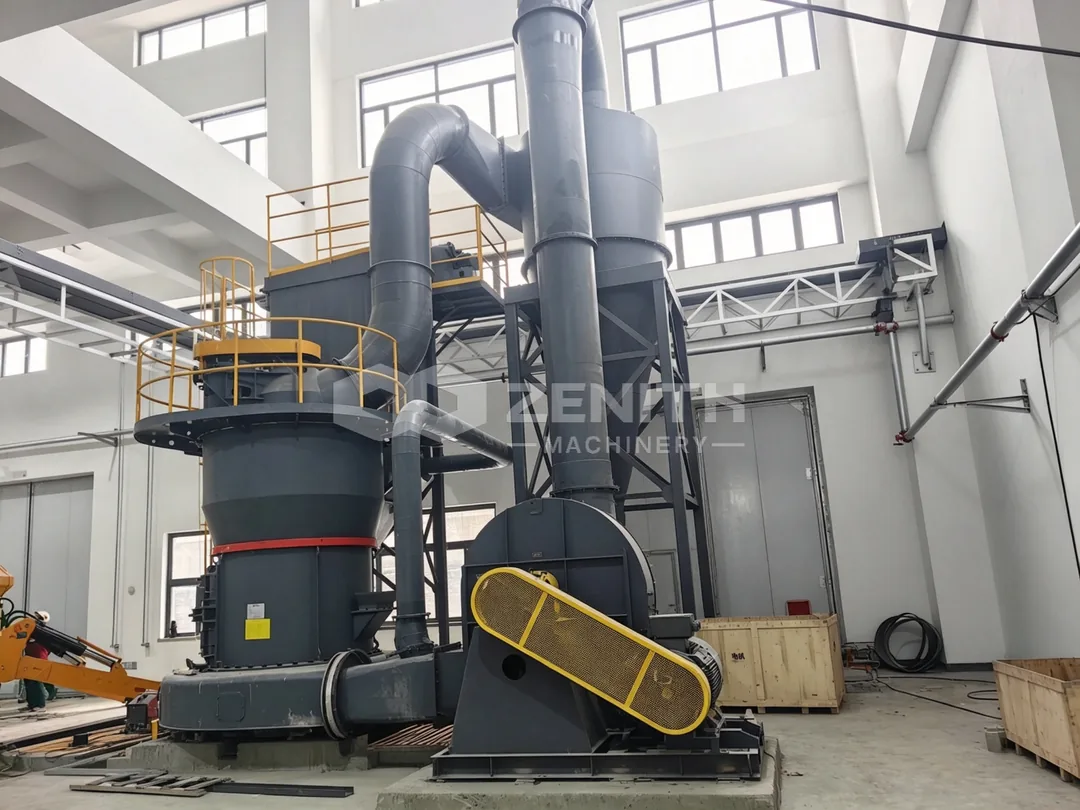
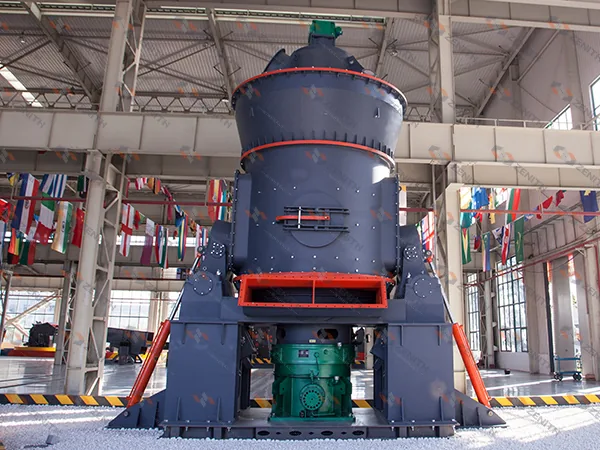
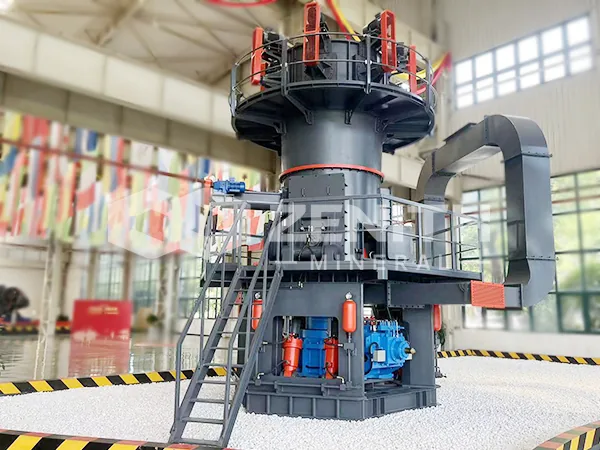
Low-alumina ore typically contains less than 30% Al₂O₃ and presents unique grinding characteristics due to its relative softness but potential abrasiveness from silica content. For Vietnamese operations aiming for 800 mesh abrasive aggregate, the LUM Ultrafine Vertical Grinding Mill stands out as an ideal candidate. This mill integrates grinding, separation, and transportation in one system, delivering output fineness from 325 to 2500 mesh. With a capacity range of 5-18 T/H and input size up to 10mm, the LUM mill is engineered for ultrafine grinding of non-metallic minerals like limestone, calcite, and dolomite—common low-alumina ores. Its high-purity design effectively controls iron content and chemical composition, ensuring the final abrasive aggregate maintains consistent hardness and color, which is vital for premium-grade abrasive products.
_1784053518139.jpg)
Energy efficiency is a major consideration for mill operators in Vietnam, where electricity costs directly impact profitability. The LUM Ultrafine Vertical Mill reduces energy consumption by 30-50% compared to ordinary mills through precise control of grinding pressure and speed. For a 5x1145 mill processing low-alumina ore, this translates to significant annual savings. Additionally, the mill's sealed, negative-pressure operation minimizes dust spillover and noise, aligning with Vietnam's increasingly stringent environmental regulations. The hydraulic adjustment system allows for quick replacement of wear parts, reducing downtime—a critical factor for continuous production lines supplying abrasive raw materials.
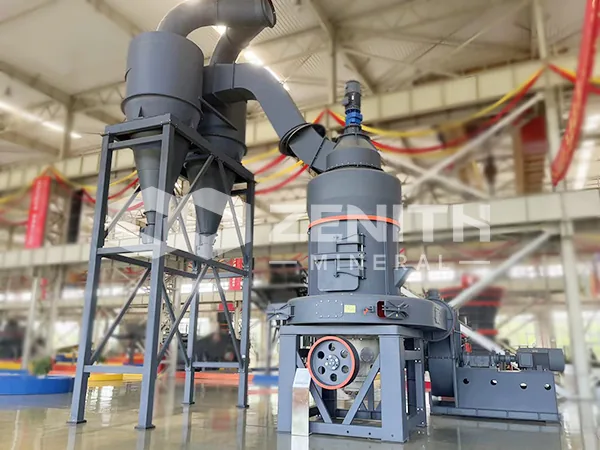
Another robust option is the XZM Ultrafine Grinding Mill, capable of producing 325 to 3250 mesh with a single classification. Its arbitrary adjustment of fineness (D97 < 5 micron) and high efficiency (40% higher than airflow mills) make it suitable for Vietnamese operations requiring flexibility. The XZM mill's simple inner structure ensures less downtime and easy maintenance, which is advantageous when processing variable low-alumina ore grades. For abrasive aggregate raw material, the mill's ability to adjust rotary speed via VFD ensures consistent 800 mesh output, even with fluctuations in feed material hardness.
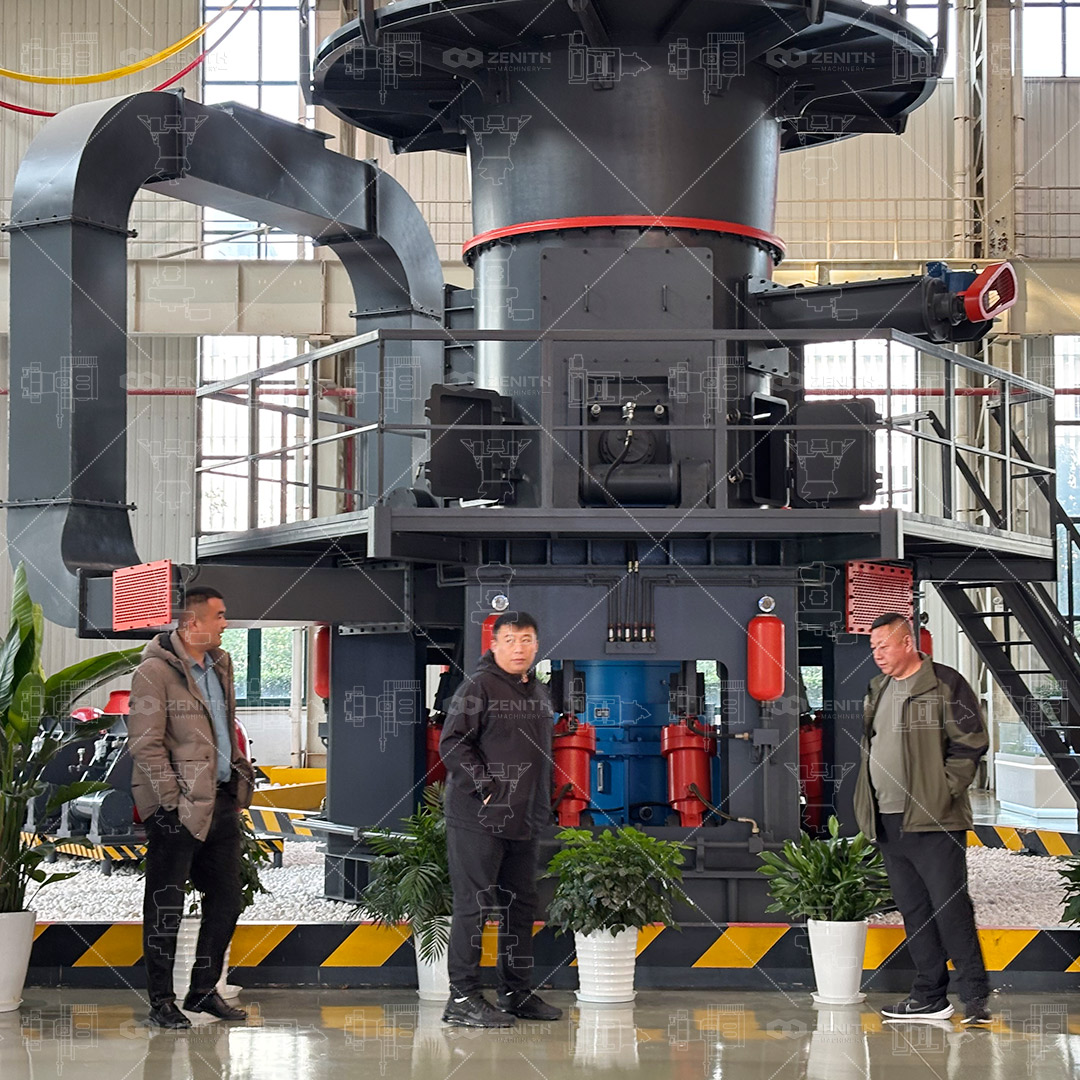
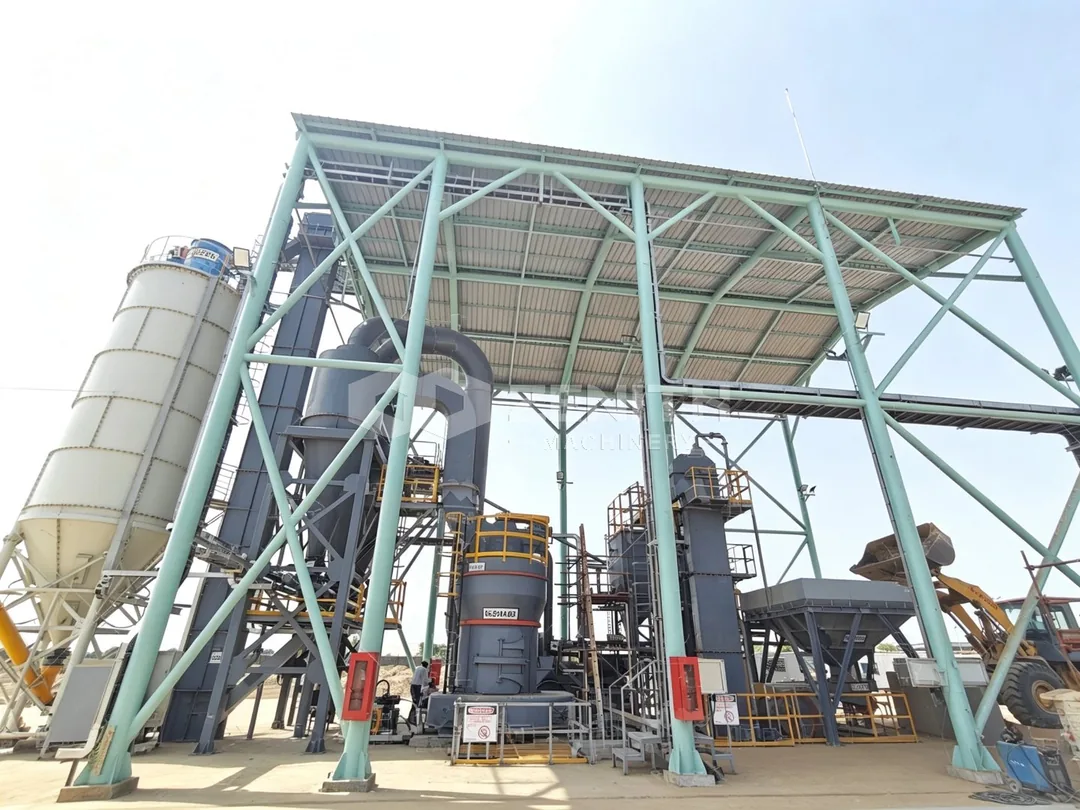
For operations with higher throughput requirements, the LM Vertical Grinding Mill offers capacities up to 340 T/H and can achieve 80-400 mesh, though for 800 mesh, additional classification may be needed. However, its high degree of automation and ability to run 24/7 without interruption makes it a top choice for large-scale abrasive aggregate factories. The LM mill's integrated design covers 50% less area than ball mill systems, allowing Vietnamese plants to optimize valuable floor space. The automatic control system enables remote monitoring, which is particularly beneficial for operations in remote areas of Vietnam where skilled labor is scarce.
When considering traditional solutions, the MTW European Trapezium Mill remains a workhorse for fine powder production (80-400 mesh). While standard models may not directly achieve 800 mesh, the MTW mill's modular impeller adjustment device allows fine-tuning by changing impellers, and with proper classifier configuration, it can approach ultrafine ranges. With 60% lower energy consumption than ball mills and capacities up to 22 T/H, the MTW mill is a cost-effective entry point for Vietnamese businesses transitioning from older equipment. Its multi-chamber design ensures uniform particle size distribution, essential for abrasive aggregate consistency.
_1784053518144.jpg)
Finally, for pre-grinding stages in a multi-step process, the LM-Y Vertical Pre-grinding Roller Mill reduces feed size to <5mm before further grinding in an ultrafine mill. This hybrid approach can enhance overall plant efficiency. Zenith's extensive marketing network in Asia, including established overseas offices, ensures Vietnamese customers receive local technical support and spare parts availability. Whether you're setting up a new abrasive aggregate plant or upgrading an existing line, our engineers can simulate your low-alumina ore characteristics to recommend the optimal 5x1145 mill configuration.
_1784053518145.jpg)
Frequently Asked Questions (FAQ)
1. Can the MTW series mill achieve exactly 800 mesh for low-alumina ore?
While the standard MTW series is designed for 80-400 mesh, with customized classifier modifications and reduced feed rates, some models can approach 800 mesh. For consistent 800 mesh output, we recommend the LUM or XZM ultrafine mills, which are specifically engineered for that fineness range.
2. What is the typical power consumption for grinding low-alumina ore to 800 mesh using a 5x1145 LUM mill?
Energy consumption varies based on ore hardness and moisture content, but the LUM series typically consumes 30-50% less energy than conventional ball mills. For low-alumina ore at 800 mesh, expect approximately 15-25 kWh per ton, depending on specific parameters.
3. How does the iron content in the final product affect abrasive quality, and how does Zenith control it?
Excessive iron can discolor abrasive aggregates and reduce performance in certain applications. Zenith's LUM and XZM mills use wear-resistant materials and optimized grinding paths to minimize iron contamination. Our mills can control iron content to below 0.05% for low-alumina ores.
4. What after-sales support does Zenith offer for mills installed in Vietnam?
Zenith has established overseas offices in more than 30 countries, including Vietnam. We provide on-site commissioning, operator training, maintenance contracts, and a dedicated spare parts warehouse. Our technical team can be dispatched to your site within 48 hours for urgent issues.
5. Is it possible to use a single mill for both coarse (100 mesh) and ultrafine (800 mesh) production if my product mix changes?
Yes. The XZM Ultrafine Mill with VFD-controlled classifier allows arbitrary adjustment between 325 and 2500 mesh. By simply changing the rotor speed on the control panel, you can switch from coarse to ultrafine powder without mechanical modifications, offering flexibility for fluctuating market demands.
6. What environmental permits are needed to operate a 5x1145 grinding mill in Vietnam?
Zenith mills are designed to meet national environmental standards with pulse dust collectors and negative-pressure systems. You will need local environmental impact assessment approvals, which our Vietnamese office can assist with by providing technical documentation on emission levels and noise control.
7. How does low-alumina ore's abrasiveness affect mill wear part life, and what materials are used for durability?
Low-alumina ore with high silica content can accelerate wear. Zenith uses high-chrome steel and ceramic inserts for grinding rollers and rings in mills processing abrasive materials. For a 5x1145 mill operating 8 hours daily, roller life typically ranges from 6-12 months. We also offer wear liners with high manganese steel for extended service life.
_1784053518147.jpg)