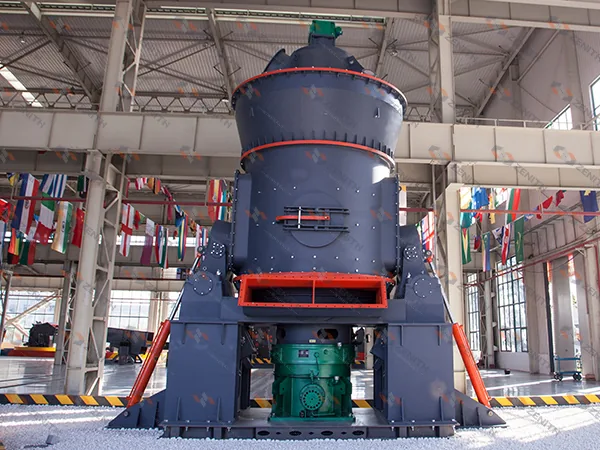
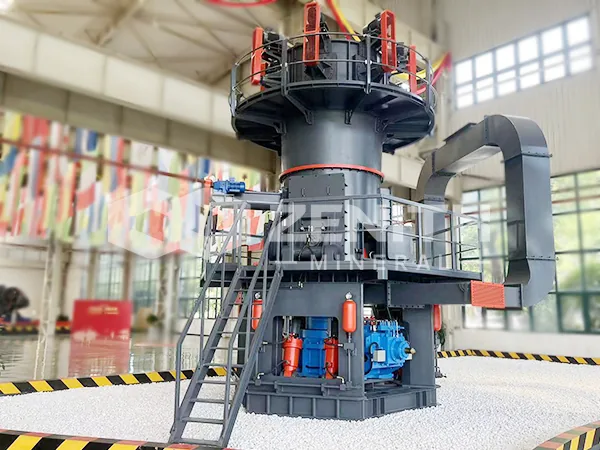
LM1700 vertical roller mill for blast furnace slag 520 m²/kg concrete admixture in stuttgart, germany
2026-07-14 02:27:44
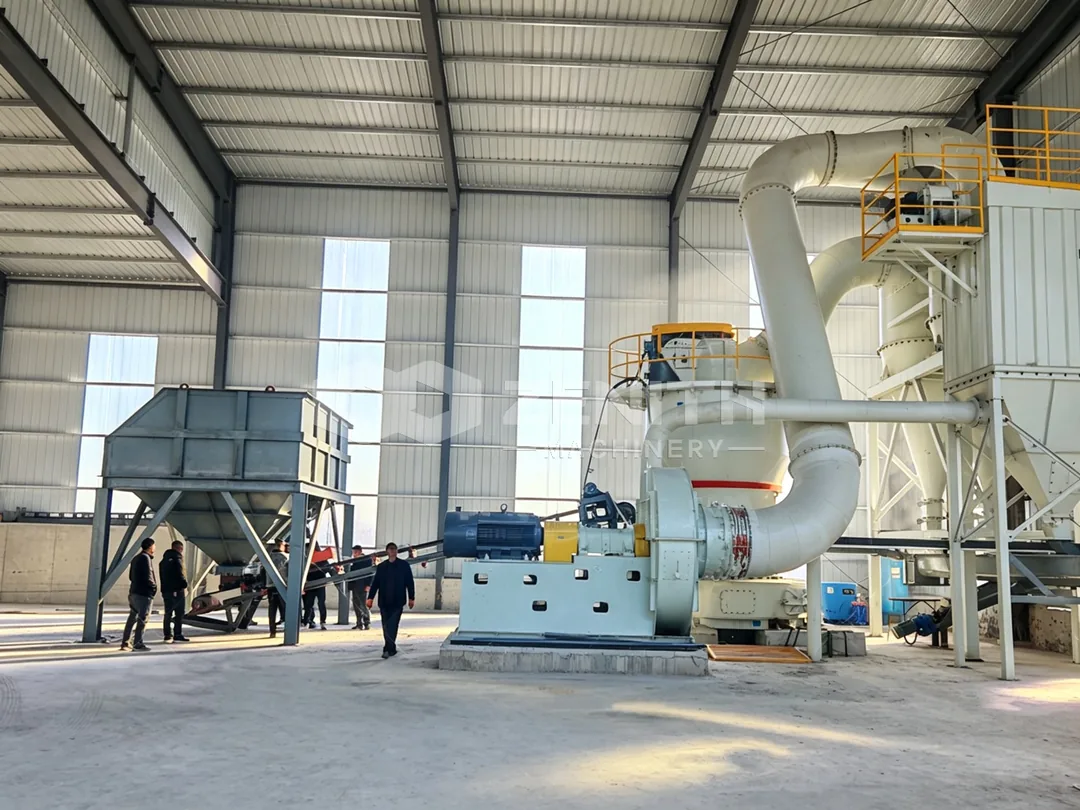
Stuttgart, a city synonymous with engineering precision and industrial innovation, is now home to a landmark application of advanced mineral grinding technology. At the heart of a new slag processing facility in Baden-Württemberg stands the LM1700 Vertical Roller Mill from Shanghai Zenith Machinery Co., Ltd. This installation is specifically configured to grind blast furnace slag (GGBFS) to a fineness of 520 m²/kg (Blaine), producing a high-performance concrete admixture that meets the demanding standards of the European construction market.
_1783967264104.jpg)
Why 520 m²/kg Blaine for Concrete Admixtures?
The specification of 520 m²/kg is not arbitrary. In the production of ground granulated blast furnace slag (GGBS) for concrete admixtures, fineness directly influences reactivity. At this level, the slag particles achieve a high pozzolanic activity index, enabling them to react with calcium hydroxide during cement hydration. This results in concrete with improved workability, reduced heat of hydration, enhanced sulfate resistance, and lower permeability. For Stuttgart's infrastructure projects—from high-rise buildings to bridge decks—this translates to longer service life and reduced maintenance costs.
The LM1700: Engineered for Slag
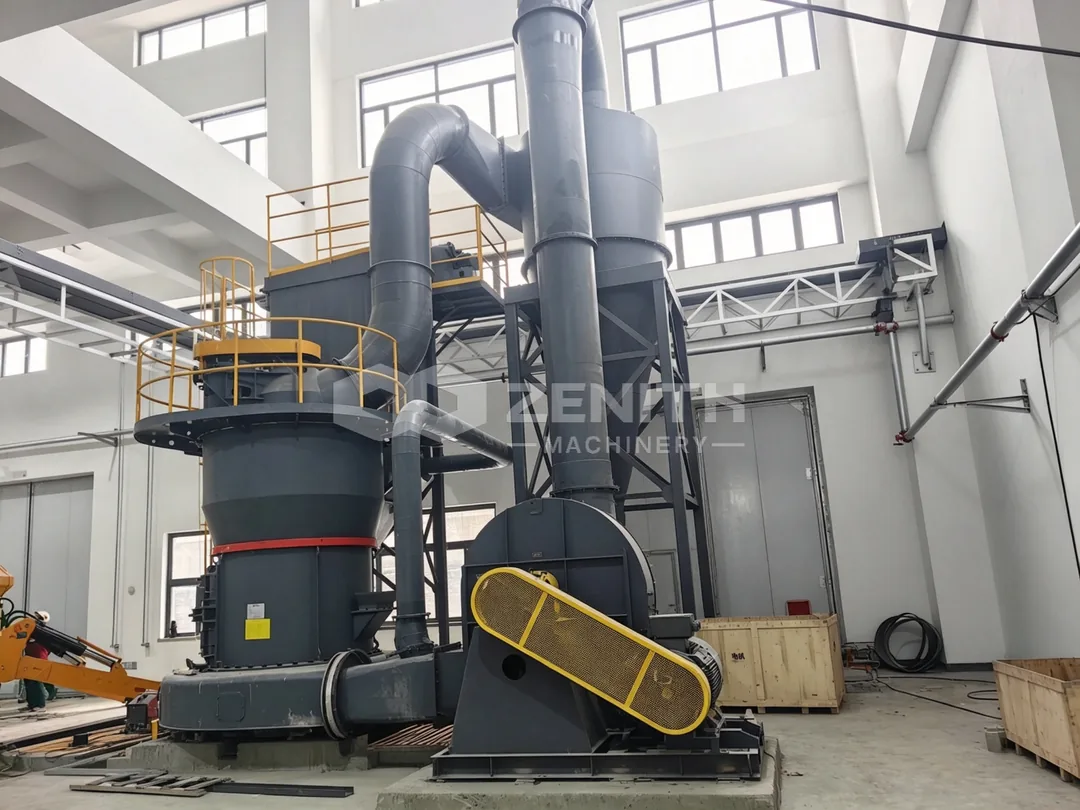
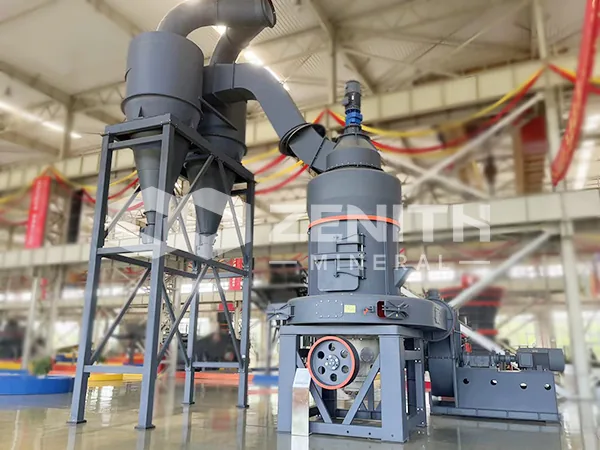
Zenith's LM series vertical roller mills are designed for 24-hour continuous operation with minimal operator intervention. The LM1700 model, with its robust grinding table and hydraulically loaded rollers, is ideally suited for the abrasive nature of blast furnace slag. Key technical features include:
- Capacity & Feed: Handles feed sizes up to 70mm, producing a consistent 80-400 mesh product. For this project, the system is tuned to deliver a steady output at the target 520 m²/kg Blaine.
- High Purity: The mill's design effectively controls product size and minimizes iron contamination, ensuring the admixture's whiteness and chemical consistency—critical for premium concrete blends.
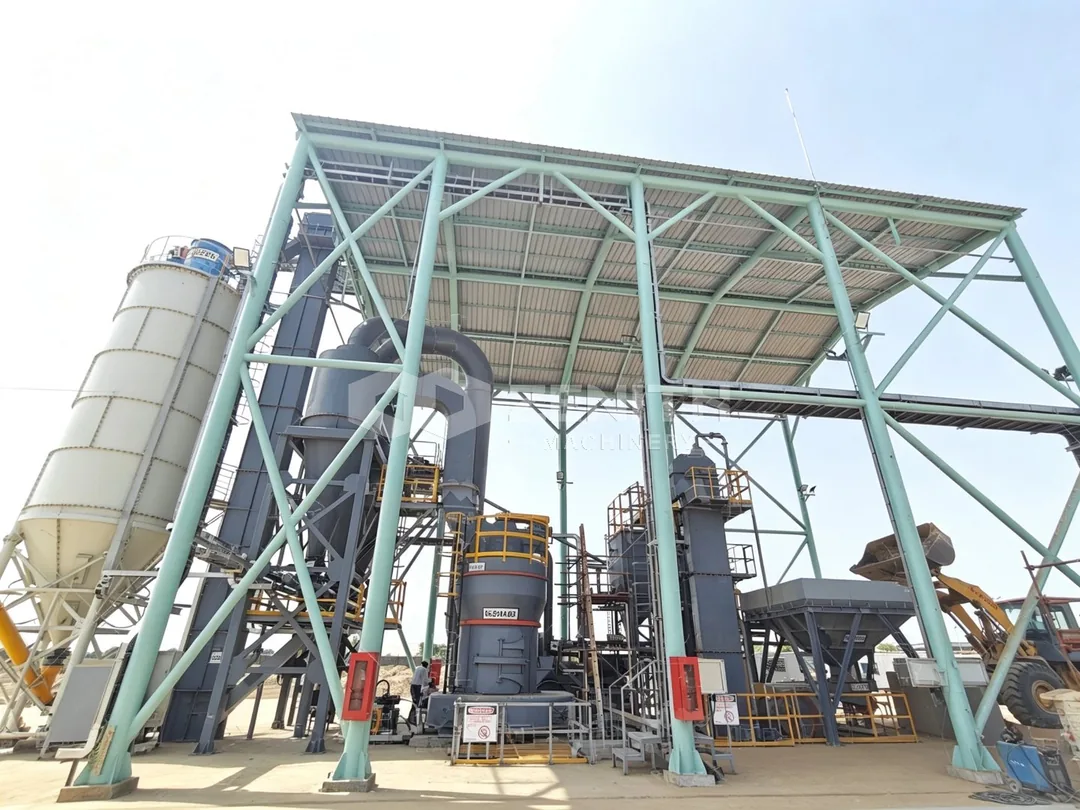
- Low Comprehensive Investment: The integrated design occupies approximately 50% less floor space than a comparable ball mill system. In Stuttgart, where industrial real estate is at a premium, this compact footprint was a decisive factor.
- Automation: Equipped with a DCS (Distributed Control System), the LM1700 allows for remote monitoring and local control. The operator can fine-tune grinding pressure and separator speed from a control room, ensuring the 520 m²/kg specification is maintained hour after hour.
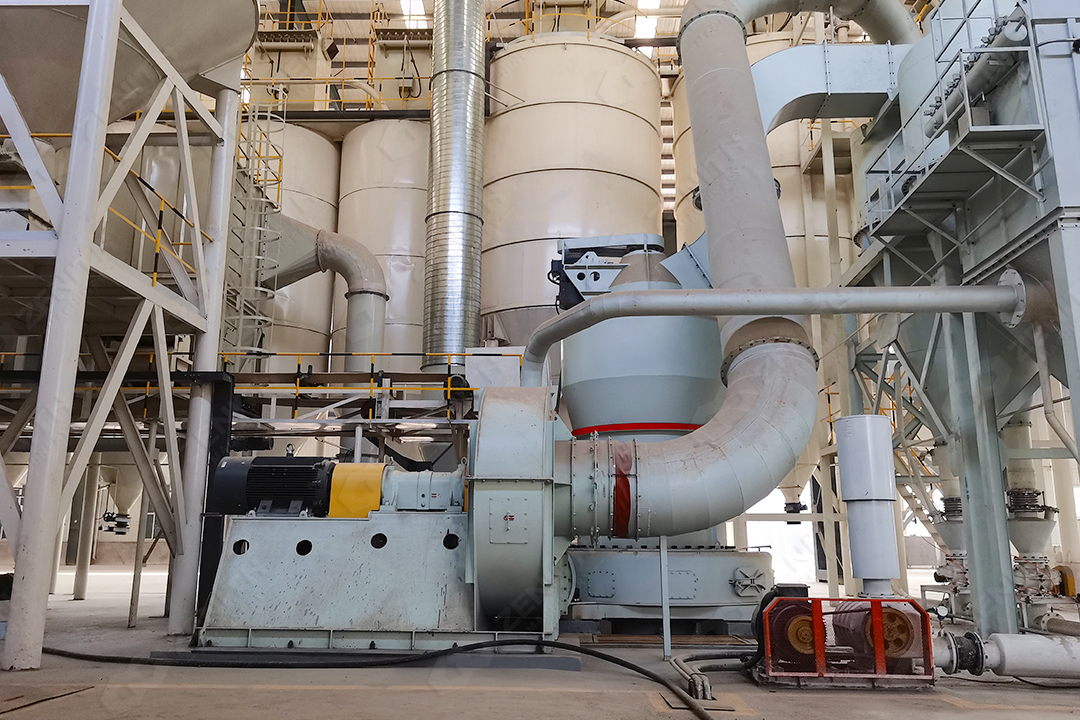
- Eco-Friendly Operation: The mill operates under negative pressure with a sealed system. A high-efficiency pulse dust collector ensures that emissions stay well within Germany's strict TA Luft environmental standards.
Working Principle in the Stuttgart Context
Blast furnace slag, after initial crushing, is fed into the mill via a variable frequency belt feeder. Inside the LM1700, the material falls onto the center of the rotating grinding disc. Centrifugal force drives it outward beneath the grinding rollers. The rollers crush the slag, forming a material bed where inter-particle grinding occurs. Hot air from the plant's heat recovery system enters the mill, drying the slag and carrying the ground particles upward to the integrated separator. Coarse particles are rejected and fall back to the table for further grinding; fines meeting the 520 m²/kg specification pass through. The air stream then transports the finished product to a cyclone collector and bag filter. Any tramp iron present in the slag falls through the nozzle ring into the lower cavity and is periodically discharged via a rotary valve.
Energy Efficiency Compared to Traditional Mills
One of the most compelling arguments for the LM1700 in Stuttgart was its energy performance. Compared to a ball mill of equivalent capacity, the vertical roller mill consumes up to 60% less power under ideal working conditions. For a facility processing 20-30 tons per hour of slag, this represents significant operational savings—an important factor given Germany's industrial electricity prices. Additionally, the LM1700's ability to dry and grind in a single unit eliminates the need for a separate drying drum, further reducing the plant's carbon footprint.
_1783967264123.jpg)
A Partnership for Precision
Shanghai Zenith Machinery, with ISO 9001, CE, and CU-TR certifications, has established a strong service network in Europe. For the Stuttgart project, Zenith provided not only the mill but also engineering support for the foundation design, installation supervision, and commissioning. The result is a grinding system that integrates seamlessly with the client's existing slag pre-processing and product storage facilities. Zenith's experience with over 180 countries and regions ensured that the logistics and technical documentation met all German and EU regulatory requirements.
This installation in Stuttgart stands as a testament to the global applicability of Zenith's LM series vertical roller mills. Whether for slag, cement raw meal, or coal, the technology delivers the reliability, efficiency, and product quality that modern industry demands.
Frequently Asked Questions (FAQ)
- Q: Can the LM1700 achieve a fineness higher than 520 m²/kg for slag?
A: Yes. By adjusting the separator rotor speed and the grinding pressure, the mill can produce fineness in the range of 400-600 m²/kg Blaine. The 520 m²/kg setting was chosen based on the client's specific concrete admixture formulation requirements. - Q: What is the typical moisture content of the feed slag, and can the mill handle it?
A: The LM1700 can handle slag with a moisture content of up to 15-20% by using the hot gas generator to supply drying air. In Stuttgart, the typical feed moisture is around 10%, which the mill dries efficiently during the grinding process. - Q: How does the LM1700 compare to a ball mill in terms of maintenance?
A: The vertical roller mill generally has lower maintenance requirements. The grinding rollers can be hydraulically swung out for maintenance, and the wear parts (roller tires and table segments) are designed for long life, typically lasting 6,000-8,000 hours for slag grinding, depending on slag abrasiveness. - Q: What environmental permits were needed for the Stuttgart installation?
A: The plant met Germany's Bundes-Immissionsschutzgesetz (Federal Immission Control Act) standards. The mill's low-noise operation (below 85 dB(A) at 1 meter) and the pulse dust filter (guaranteeing emissions under 10 mg/Nm³) were key factors in obtaining the operating permit. - Q: Is the LM1700 suitable for other materials besides slag?
A: Absolutely. The LM series is versatile and used for grinding cement raw meal, coal, petroleum coke, limestone, and various non-metallic minerals. However, the specific wear parts and operating parameters are customized for each material. For slag, we recommend a particular overlay on the table and rollers for maximum wear life. - Q: What is the power consumption per ton of product for the LM1700 at 520 m²/kg?
A: For slag grinding to this fineness, the specific power consumption typically ranges between 40 and 55 kWh per ton, depending on the grindability of the slag. This is significantly lower than a ball mill, which would consume approximately 70-90 kWh/ton under similar conditions. - Q: How long did the installation and commissioning take in Stuttgart?
A: From foundation work to first slag production, the project timeline was approximately 8 months. This included civil engineering, mill assembly, connection to existing conveying systems, and a 2-week commissioning period to fine-tune the mill for the 520 m²/kg specification.
_1783967264125.jpg)