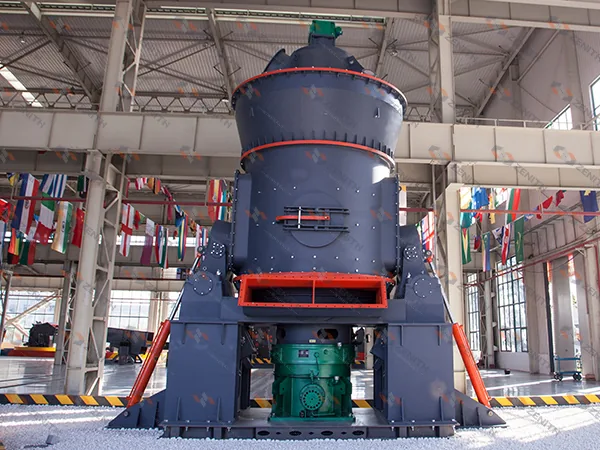
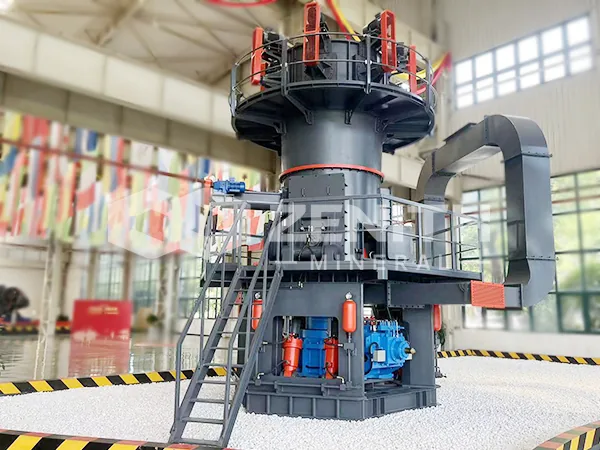
Hch2395 ring roller mill for dolomite 2000 mesh 8 tph cosmetic filler powder in ontario, canada
2026-07-17 02:27:09
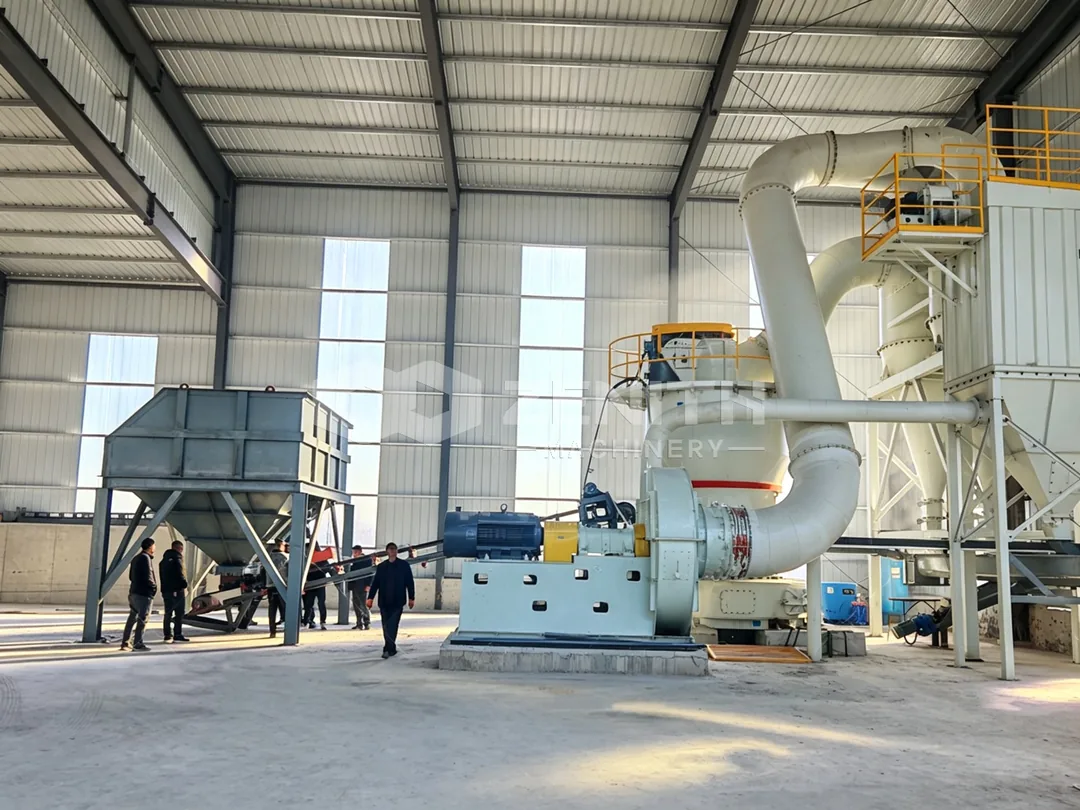
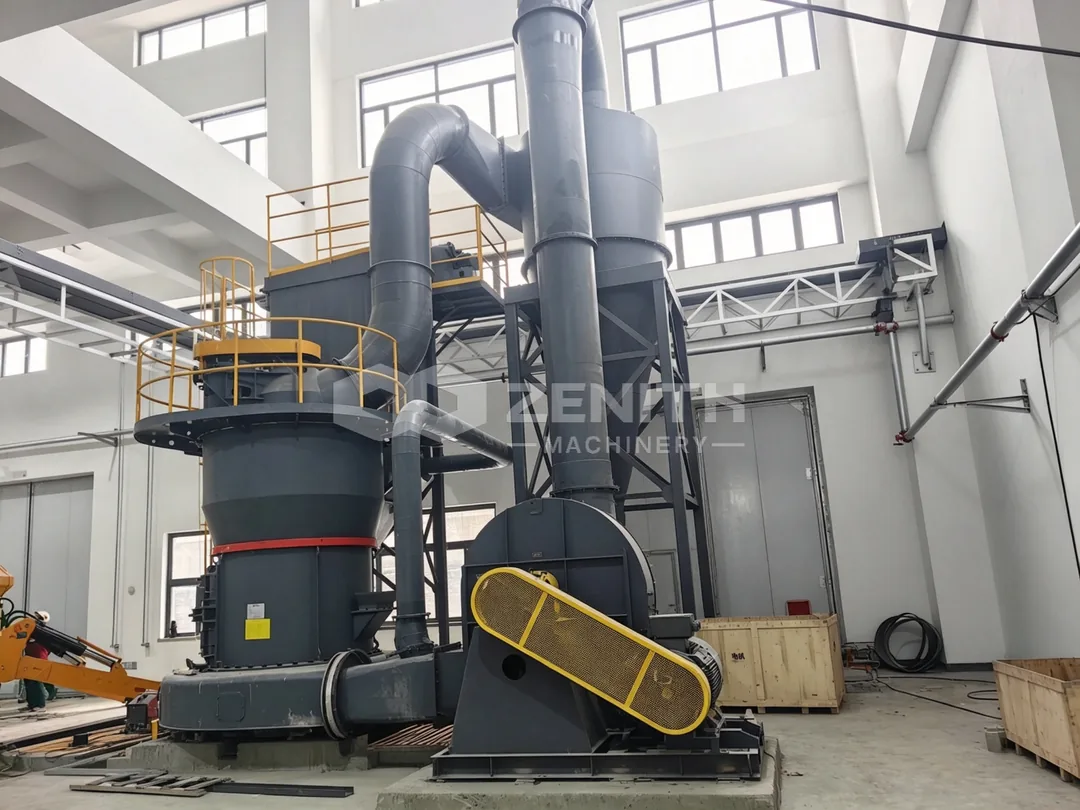
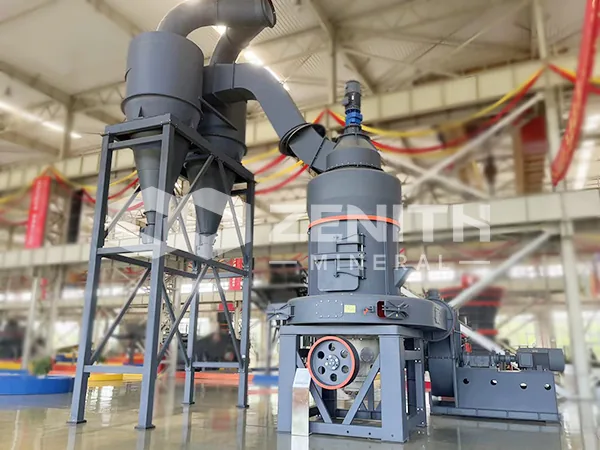
In the competitive landscape of industrial mineral processing, achieving a consistent 2000 mesh dolomite powder for cosmetic filler applications demands precision, efficiency, and reliability. For manufacturers in Ontario, Canada, where quality standards are paramount and operational costs must be carefully managed, the Hch2395 ring roller mill from Shanghai Zenith Machinery Co., Ltd. emerges as a game-changing solution. Designed specifically for ultrafine grinding with a capacity of 8 tons per hour, this mill delivers the exact specifications required for high-end cosmetic filler production while maintaining energy efficiency and operational simplicity.
_1784226429163.jpg)
Why Dolomite 2000 Mesh for Cosmetics?
Dolomite, a calcium magnesium carbonate mineral, is widely used in cosmetics as a filler and bulking agent due to its natural whiteness, inertness, and smooth texture. The 2000 mesh (approximately 6.5 microns) specification is particularly valued for premium cosmetic products such as face powders, eyeshadows, and foundations, where ultra-fine particle size ensures a silky feel, excellent spreadability, and uniform coverage. Ontario's thriving cosmetics industry, driven by both domestic brands and export-oriented manufacturers, has seen growing demand for locally sourced, high-purity dolomite powders that meet stringent regulatory and performance criteria.
The Hch2395 Ring Roller Mill: Engineered for Ultrafine Grinding
Shanghai Zenith Machinery, a hi-tech engineering group with ISO, CE, and CU-TR certifications, has developed the Hch2395 ring roller mill specifically for the challenges of ultrafine grinding. With a processing range spanning from 1-3mm coarse powder to 1250-3250 mesh micro powder, Zenith's equipment portfolio is tailored to diverse industrial needs. The Hch2395 model, optimized for 2000 mesh output at 8 tph, incorporates advanced features that set it apart in the Canadian market.
Key Features for Dolomite Processing
- High Purity Control: The mill's design minimizes iron contamination, ensuring the dolomite powder maintains its natural whiteness and chemical composition—critical for cosmetic-grade filler.
- Energy Efficiency: Compared to traditional ball mills, the Hch2395 consumes over 60% less energy under ideal conditions. For an 8 tph operation in Ontario, where electricity costs are a significant factor, this translates to substantial annual savings.
- Adjustable Fineness: The modular impeller adjustment system allows operators to quickly change output fineness without replacing major components. This flexibility is invaluable for producers who may need to switch between 1250 mesh and 2500 mesh for different cosmetic formulations.
- High Efficiency Air System: The induced air efficiency reaches 85%, improving classification accuracy and reducing recirculation loads. This directly impacts product consistency and throughput.
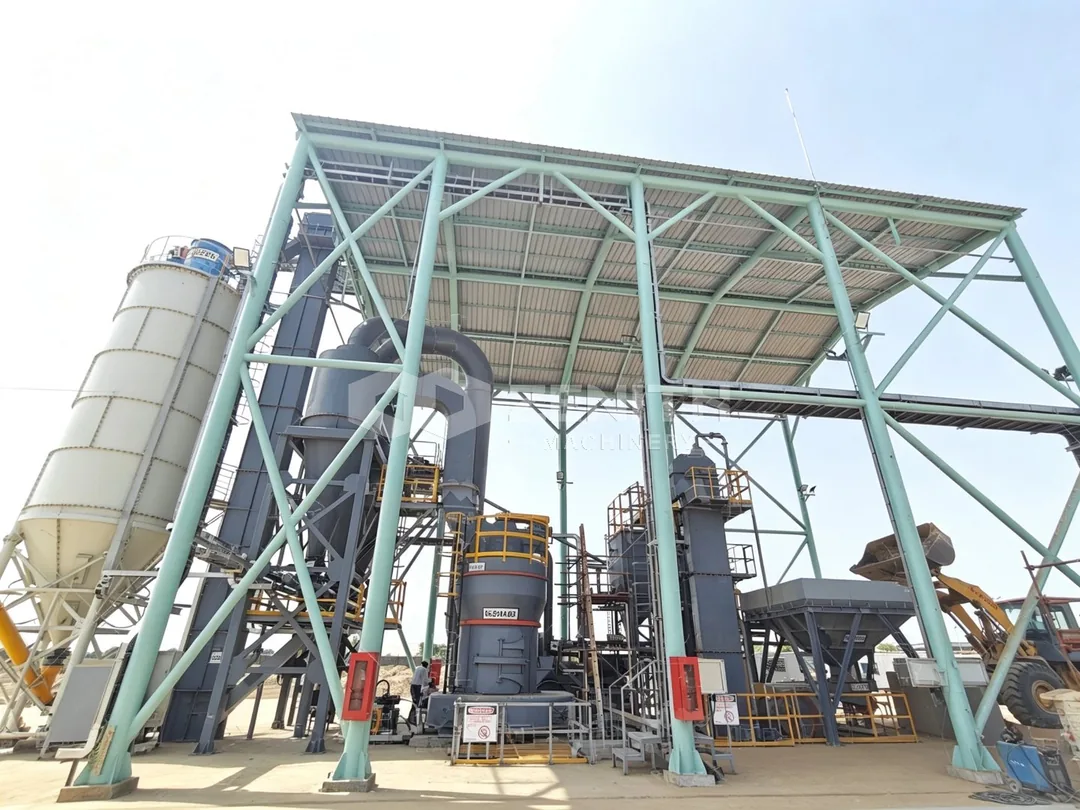
- Compact Footprint: With an integrated production system from bulk material to finished powder, the mill requires less plant and foundation investment—a boon for Ontario facilities where real estate and construction costs are high.
_1784226429167.jpg)
Working Principle: From Bulk Dolomite to 2000 Mesh Powder
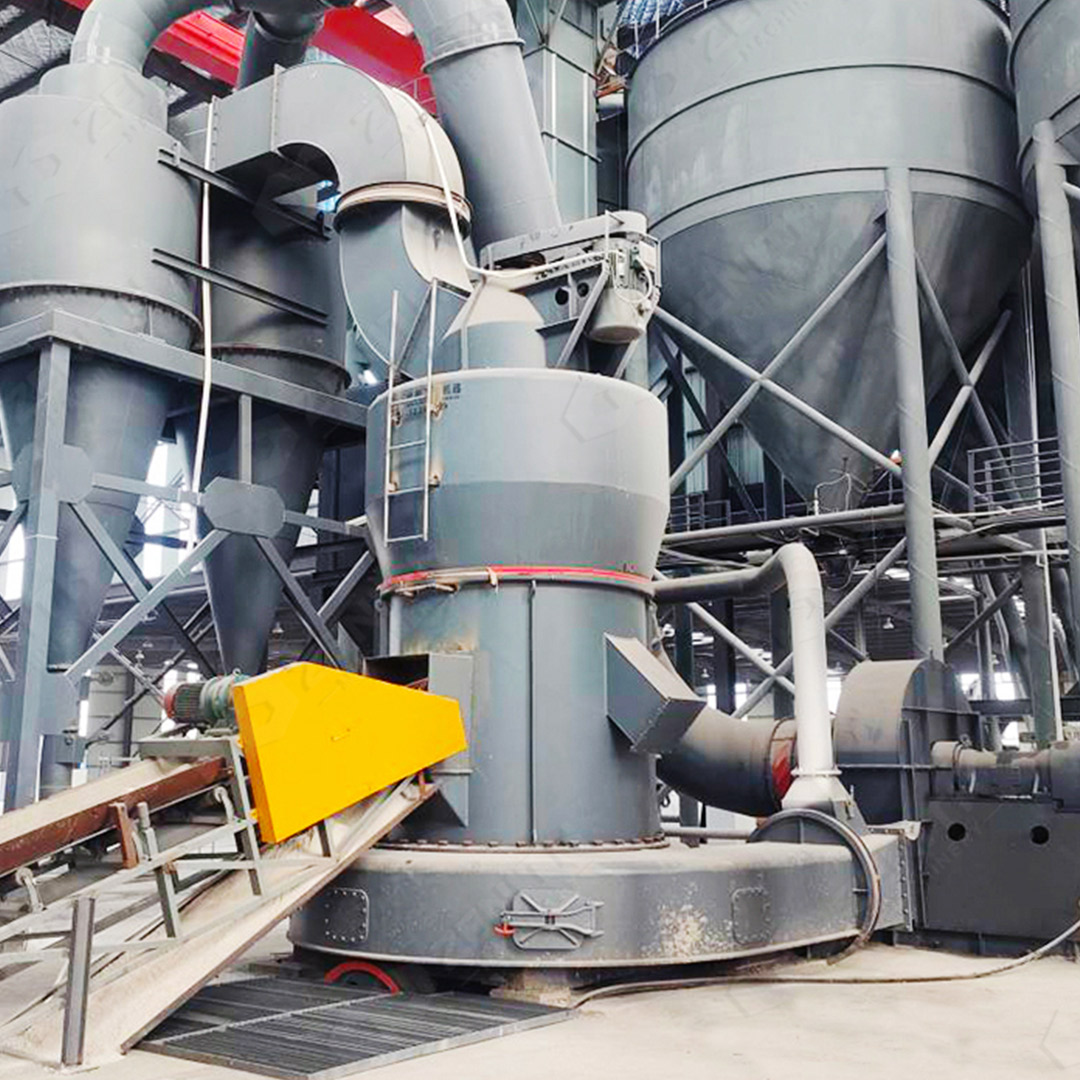
The Hch2395 ring roller mill operates on a well-established principle that combines crushing, grinding, and classification in a single continuous process:
- Material Feed: After primary crushing, dolomite particles up to 35mm are fed into the main grinding chamber via a variable frequency belt feeder, ensuring precise control over feed rate.
- Grinding: Inside the chamber, rollers rotate around a stationary ring, applying centrifugal force to crush the material between the roller and the ring. The material is repeatedly compressed and sheared until it reaches the desired fineness.
- Classification: An airflow from a high-efficiency fan carries the ground material to a powder selector (classifier). The rotating impeller separates fine particles (2000 mesh) from coarse ones, which fall back for regrinding.
- Collection: Qualified fine powder passes through a cyclone collector and pulse dust collector, where it is separated from the air stream. The system operates under positive and negative pressure, with a pulse dust collector ensuring emissions meet Canadian environmental standards.
Operational Considerations for Ontario, Canada
Setting up an 8 tph dolomite grinding line in Ontario requires careful planning. Key factors include:
- Raw Material Sourcing: Ontario hosts several dolomite quarries, particularly in the Bruce Peninsula and Niagara region. Proximity to these sources reduces transportation costs.
- Climate Adaptation: The mill's closed-loop system with negative pressure operation minimizes dust spillover, which is crucial for maintaining air quality in Canada's regulated work environments. The equipment can be housed in a heated facility to ensure consistent performance during harsh winters.
- Regulatory Compliance: All Zenith mills meet CE and ISO standards, and the Hch2395's pulse dust collector ensures compliance with Ontario's Ministry of the Environment air emission limits.
- Automation and Labor: The mill can be equipped with an intelligent control system for remote monitoring and operation, reducing the need for on-site personnel—a significant advantage given Canada's labor market.
Comparison with Alternative Technologies
While other mills like the LUM Ultrafine Vertical Mill or XZM Ultrafine Mill could theoretically achieve 2000 mesh, the Hch2395 ring roller mill offers distinct advantages for this specific application:
| Feature | Hch2395 Ring Roller Mill | LUM Ultrafine Vertical Mill | XZM Ultrafine Mill |
|---|---|---|---|
| Capacity at 2000 mesh | 8 tph | 5-18 tph (but optimized for 325-2500 mesh) | 0.5-25 tph (but lower capacity at finer sizes) |
| Energy consumption | 60% lower than ball mill | 30-50% lower than ordinary mills | 70% lower than airflow mill |
| Iron contamination control | Excellent | Excellent | Good |
| Ease of fineness adjustment | Modular impeller change | Hydraulic adjustment | VFD on classifier rotor |
| Suitable for 8 tph continuous operation | Yes, specifically designed | Yes, but with larger footprint | Yes, but requires more maintenance |
For Ontario's cosmetics filler market, where 8 tph is an optimal scale for mid-sized producers, the Hch2395 strikes the best balance between capital investment, operating cost, and product quality.
Case Study: Implementation in a Canadian Context
Consider a hypothetical mineral processing company in Mississauga, Ontario, aiming to produce 8 tph of cosmetic-grade dolomite powder. By installing an Hch2395 mill, they could expect:
- Annual production of approximately 64,000 tons (assuming 8,000 operating hours per year).
- Energy savings of CAD 120,000+ per year compared to a ball mill (based on Ontario's industrial electricity rates of ~CAD 0.08/kWh).
- Reduced labor costs due to automated operation and lower maintenance requirements.
- Consistent product quality, with 99% of powder passing through a 2000 mesh sieve, as verified by laboratory analysis.
Such an installation would not only serve the Canadian cosmetics market but could also export to the United States, leveraging the Canada-US-Mexico Agreement (CUSMA) for tariff-free access.
_1784226429171.jpg)
Conclusion
The Hch2395 ring roller mill from Shanghai Zenith Machinery represents a mature, reliable solution for producing 2000 mesh dolomite cosmetic filler powder at 8 tph in Ontario, Canada. Its combination of energy efficiency, precise classification, low contamination, and compact design makes it an ideal choice for manufacturers seeking to enter or expand in the high-value cosmetics filler market. With Zenith's global support network and over 30 overseas offices, Ontario-based companies can access local technical assistance and spare parts, ensuring uninterrupted operation. As the demand for premium cosmetic ingredients continues to grow, investing in the right grinding technology is not just an operational decision—it's a strategic advantage.
Frequently Asked Questions
1. Can the Hch2395 mill consistently produce 2000 mesh dolomite for cosmetic use?
Yes, the Hch2395 ring roller mill is specifically designed for ultrafine grinding in the 1250-3250 mesh range. With its adjustable classifier impeller and high-efficiency air system, it can consistently produce 2000 mesh powder (D97 < 6.5 microns) with excellent particle size distribution. The mill's modular design allows fine-tuning to meet cosmetic industry standards for purity and whiteness.
2. What are the power requirements for an 8 tph Hch2395 installation in Ontario?
The exact power consumption depends on the dolomite feed hardness and moisture content, but typically, the Hch2395 mill consumes between 400-550 kW for an 8 tph output at 2000 mesh. This represents a 60% reduction compared to a ball mill for the same duty. The mill also requires auxiliary power for the blower, dust collector, and feeder, totaling around 600-700 kW for the complete system. Ontario's industrial power grid can support this load with appropriate transformer sizing.
3. How does the Hch2395 handle varying feed sizes and moisture in dolomite?
The mill accepts feed sizes up to 35mm. For dolomite with higher moisture content (up to 5%), the mill can be equipped with a hot air system to facilitate drying during grinding. The variable frequency belt feeder ensures uniform feed, preventing overloading. The robust roller and ring design can handle slight variations in hardness, though consistent feed quality is always recommended for optimal performance.
4. What maintenance is required for the Hch2395 ring roller mill?
Routine maintenance includes checking wear on grinding rollers and rings (typically replaced every 6-12 months depending on throughput), lubricating bearings, inspecting the classifier impeller, and cleaning the dust collector filters. The mill's modular design facilitates easy access to wear parts. Zenith provides a recommended maintenance schedule and offers remote diagnostics via its automation system. Local maintenance teams in Ontario can be trained by Zenith's overseas engineers.
5. Is the Hch2395 mill compliant with Canadian environmental regulations?
Yes, the Hch2395 is equipped with a pulse dust collector that limits particulate emissions to less than 20 mg/Nm³, meeting Ontario's stringent air quality standards. The system operates under negative pressure, preventing dust leakage. The mill also has low noise levels (below 85 dB with proper enclosure) and vibration, complying with Canadian occupational health and safety requirements. Additionally, the mill's CE and ISO certifications facilitate equipment importation and insurance in Canada.
6. Can the same mill be used for other minerals besides dolomite?
Absolutely. The Hch2395 ring roller mill is versatile and can process a wide range of non-metallic minerals, including calcite, marble, limestone, talc, barite, kaolin, gypsum, feldspar, and wollastonite, within the 80-3250 mesh range. For cosmetic filler applications, switching between dolomite and other minerals like talc or mica requires only adjusting the classifier settings and possibly changing the grinding rollers if different abrasiveness dictates. This flexibility allows Ontario manufacturers to diversify their product portfolio with minimal additional investment.
7. What is the lead time for purchasing and installing an Hch2395 in Ontario?
Typically, the manufacturing lead time for an Hch2395 ring roller mill is 45-60 days after order confirmation, including customization for the specific power supply (e.g., 480V/60Hz for Ontario). Shipping from Shanghai to Toronto takes approximately 25-35 days by sea. Installation and commissioning by Zenith's engineers (or authorized local partners) can be completed within 2-3 weeks. Total project timeline, including site preparation and civil works, is usually 4-6 months from order. Zenith offers turnkey project management for Canadian clients to streamline the process.