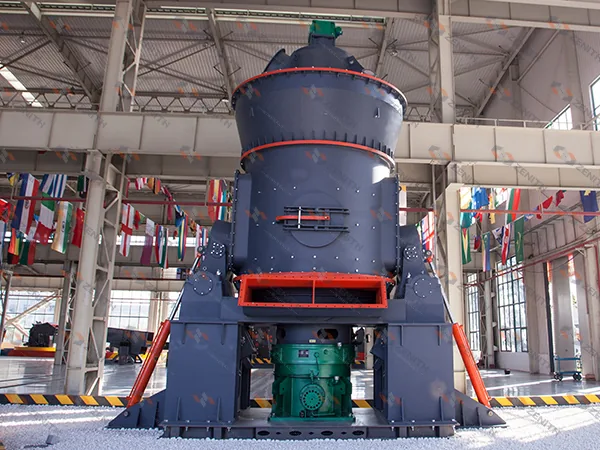
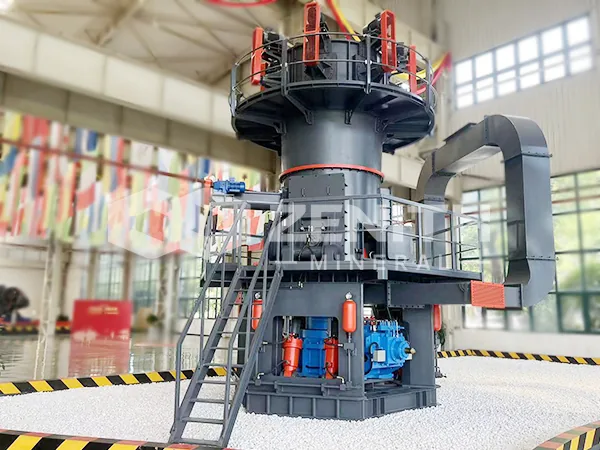
Uganda xzm900 ultra fine grinding mill 6.5t/h 1900 mesh clay powder for environmental protection adsorption application
2026-06-27 02:24:45
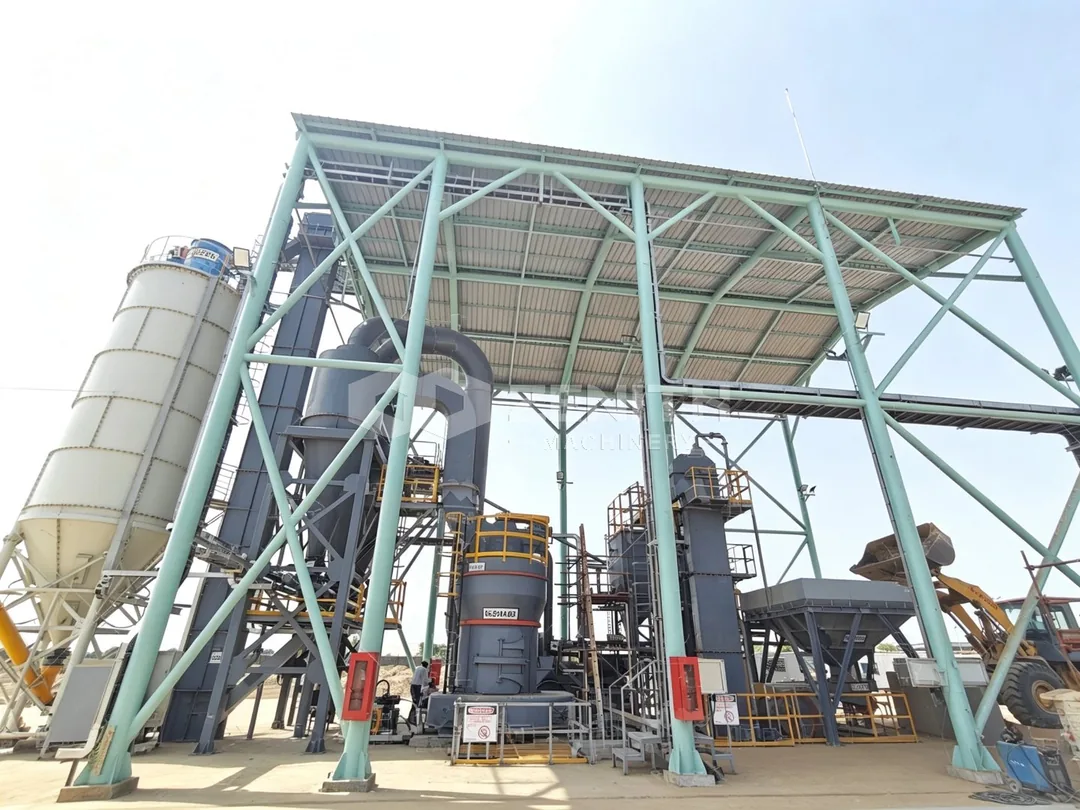
In the heart of East Africa, Uganda is witnessing a transformative shift in its industrial landscape, particularly in the field of environmental protection. One of the most promising innovations driving this change is the use of ultra-fine clay powder for adsorption applications—capturing pollutants, heavy metals, and organic contaminants from water and air. At the forefront of this technology is the XZM900 Ultra Fine Grinding Mill, a flagship product from Shanghai Zenith Machinery Co., Ltd., capable of producing 6.5 tons per hour of 1900 mesh clay powder. This article delves into the technical specifications, operational advantages, and real-world applications of this remarkable grinding solution, tailored specifically for Uganda's growing environmental remediation needs.
_1782498285849.jpg)
Why 1900 Mesh Clay Powder for Environmental Protection?
Clay minerals, especially kaolin, bentonite, and montmorillonite, have a natural affinity for adsorbing contaminants due to their high surface area, layered structure, and ion-exchange capacity. When ground to 1900 mesh (approximately 7-8 microns), the specific surface area increases exponentially, enhancing adsorption efficiency. Uganda, rich in clay deposits, can leverage this resource to address critical environmental challenges such as industrial wastewater treatment, oil spill cleanup, and heavy metal removal from drinking water. The XZM900 mill transforms raw clay into a high-value micro-powder that meets international standards for adsorbents used in municipal water treatment plants, manufacturing facilities, and even emergency spill response kits.
Technical Excellence: XZM900 Ultra Fine Grinding Mill
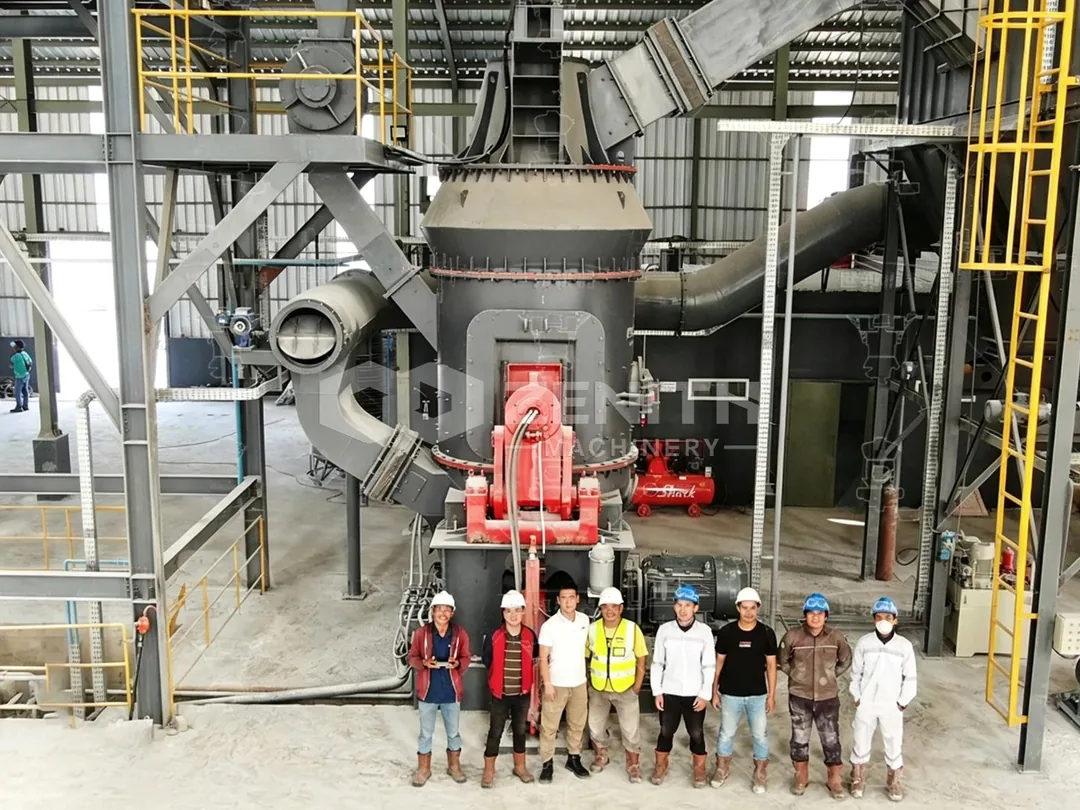
The XZM900 Ultra Fine Grinding Mill is engineered for precision, efficiency, and durability. With a capacity of 6.5 t/h and an output fineness ranging from 325 to 3250 mesh (adjustable via VFD-controlled classifier), it is the ideal solution for producing ultra-fine clay powder at 1900 mesh. Key technical features include:
- Arbitrary Fineness Adjustment: Fineness can be freely set between 325 and 2500 mesh, achieving D97 < 5 micron in a single pass. This allows operators to tailor the powder to specific adsorption requirements—coarser for pre-filtration, finer for micro-pollutant capture.
- High Efficiency, Low Energy Consumption: Compared to airflow mills and stirring mills, the XZM900 delivers 40% higher efficiency and consumes 70% less energy for the same output. In Uganda, where energy costs are a concern, this translates to significant operational savings.
- Safe Structural Design: The grinding chamber contains no rolling bearings or screws, eliminating common failure points like bearing wear and screw loosening. This ensures uninterrupted production in remote or demanding environments.
- VFD-Controlled Classifier: The variable frequency drive on the classifier rotor enables easy adjustment of rotational speed from the control panel, allowing rapid changeover between different mesh sizes without mechanical modifications.
- Environmental Compliance: The system operates under negative pressure with a pulse dust collector, ensuring zero dust spillover—critical for eco-friendly production in Uganda's protected catchment areas.
_1782498285853.jpg)
Working Principle: From Raw Clay to High-Performance Adsorbent
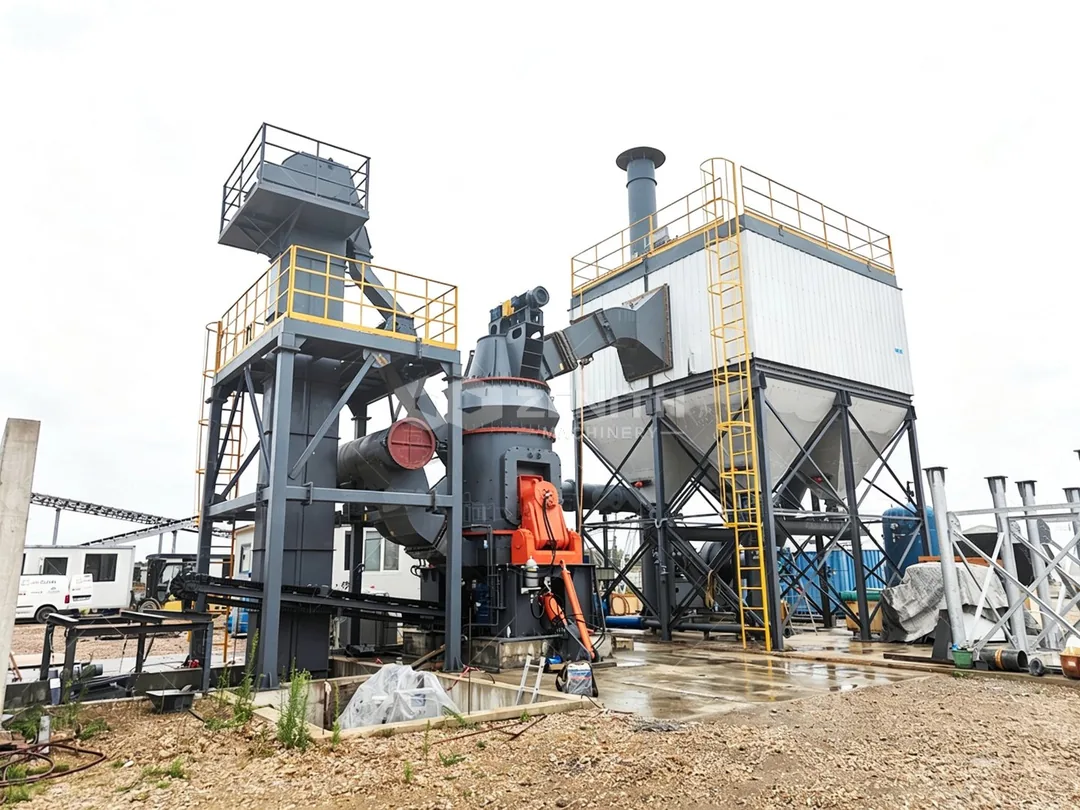
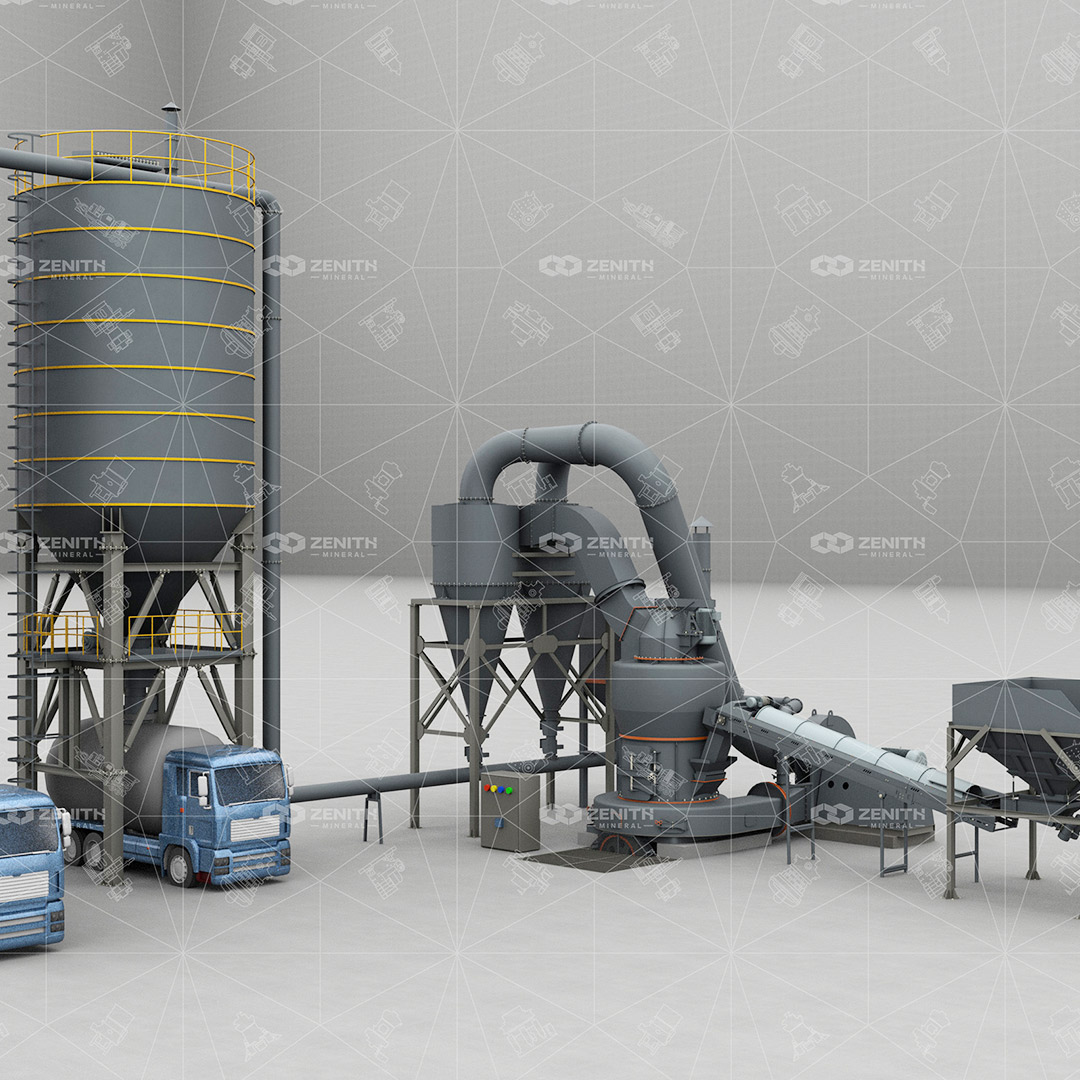
The XZM900 operates on a well-proven principle: crushed material (0-20mm input size) enters the main machine and falls onto a rotating turntable. Grinding rollers, driven by centrifugal force, crush the clay against the grinding ring. The fine particles are then carried by airflow into the classifier, where unqualified coarse grains are returned for re-grinding while the qualified 1900 mesh powder enters the cyclone and pulse dust collector for final collection. The entire system operates under negative pressure, ensuring a dust-free environment and meeting Uganda's National Environment Management Authority (NEMA) standards.
Strategic Fit for Uganda’s Environmental Goals
Uganda's Vision 2040 emphasizes sustainable industrialization and environmental conservation. The XZM900 grinding mill directly supports these goals by enabling local production of high-quality adsorbent powders, reducing reliance on imported materials. Moreover, ZENITH’s extensive global network—covering over 180 countries including Uganda—ensures prompt after-sales service, spare parts availability, and technical training. With ISO, CE, and CU-TR certifications, the equipment meets rigorous international quality and safety standards, giving Ugandan investors confidence in their capital expenditure.
Case Study: Proposed Deployment in Kampala Industrial Park
Consider a hypothetical scenario: a clay processing facility in Kampala Industrial Park installs the XZM900 to produce 1900 mesh bentonite powder for a nearby municipal water treatment plant. With a daily output of approximately 156 tons (24-hour operation at 6.5 t/h), the facility can supply enough adsorbent to treat millions of liters of contaminated water per day. The energy savings alone—70% lower than traditional mills—could reduce operational costs by over 40%, making the project financially viable even with fluctuating electricity tariffs. The automatic control system further reduces labor costs, as one operator can monitor the entire production line from a centralized panel.
_1782498285856.jpg)
Why Choose ZENITH for Your Grinding Needs?
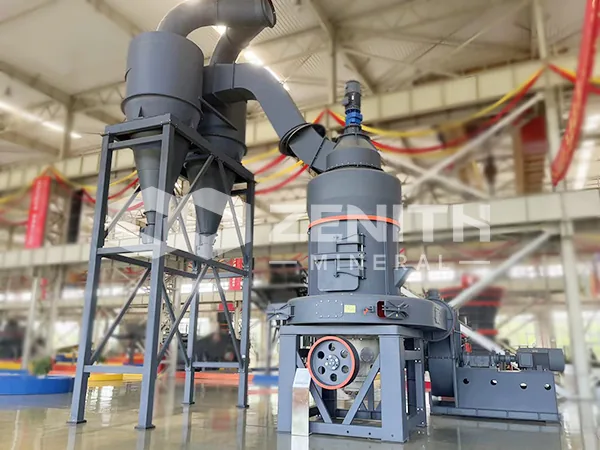
Shanghai Zenith Machinery Co., Ltd. is a hi-tech engineering group specializing in industrial powder grinding equipment. With decades of experience, ZENITH offers a comprehensive range of mills—from Raymond and MTW to LUM and XZM series—covering coarse (1-3mm), fine (20-400 mesh), ultra-fine (400-1250 mesh), and micro powder (1250-3250 mesh). Beyond the XZM900, other mills are also suitable for clay processing:
- MTW European Trapezium Mill: Ideal for 80-400 mesh fine powder with high capacity (up to 50 t/h), often used in large-scale clay processing for construction and agriculture.
- LUM Ultrafine Vertical Mill: Perfect for 325-2500 mesh ultra-fine powder with energy savings of 30-50%, suitable for high-end adsorbent production.
- LM Vertical Grinding Mill: With a capacity up to 340 t/h, this mill is designed for constant operation in large mineral powder plants, offering high purity and low iron contamination.
- Raymond Mill: A classic choice for 10-325 mesh powder with 99% screening efficiency and intelligent control.
_1782498285858.jpg)
Environmental and Economic Impact
By adopting the XZM900 for clay powder production, Ugandan industries can achieve multiple wins:
- Pollution Mitigation: Adsorbent clay captures heavy metals (lead, cadmium, mercury), dyes, and organic pollutants from industrial effluents, protecting Lake Victoria and the Nile River Basin.
- Waste Valorization: Low-grade clay from local quarries becomes a high-value product, creating jobs and boosting the circular economy.
- Energy Efficiency: Lower power consumption per ton reduces greenhouse gas emissions, aligning with Uganda's Nationally Determined Contributions under the Paris Agreement.
- Cost Savings: Reduced import dependency and lower operational costs improve the bottom line for water treatment facilities and manufacturing plants.
Conclusion
The XZM900 Ultra Fine Grinding Mill represents a technological leap for Uganda's environmental protection sector. Its ability to produce 6.5 t/h of 1900 mesh clay powder with high efficiency, low energy consumption, and absolute reliability makes it the ideal solution for local clay processing. Backed by ZENITH's global expertise, certifications, and after-sales support, this mill is not just a piece of equipment—it is a catalyst for sustainable development. Whether you are a water treatment plant manager, an industrial investor, or an environmental consultant, the XZM900 offers a proven path to cleaner water, air, and soil in Uganda.
Frequently Asked Questions (FAQs)
1. What is the maximum output size of the XZM900 Ultrafine Grinding Mill?
The XZM900 can produce powder from 325 mesh up to 3250 mesh. For the specific application of 1900 mesh clay powder for adsorption, the mill operates at 6.5 t/h with D97 < 8 microns, ensuring high surface area for contaminant capture.
2. How does the XZM900 compare to a ball mill for clay grinding?
The XZM900 offers approximately 40% higher efficiency and 70% lower energy consumption than conventional ball mills. It also occupies less space, has no bearings in the grinding chamber (reducing maintenance), and provides finer, more uniform particles without iron contamination.
3. What raw material size can be fed into the XZM900?
The maximum input size is 0-20mm. Raw clay lumps should be pre-crushed to this specification using a jaw crusher or hammer mill before feeding into the XZM900 for ultra-fine grinding.
4. Is the XZM900 suitable for other minerals besides clay?
Yes, it is widely used for grinding calcite, marble, limestone, talc, dolomite, barite, kaolin, wollastonite, gypsum, feldspar, pyrophyllite, and many other non-metallic minerals. It is particularly effective for producing ultra-fine powders used in paint, PVC, plastic, paper, and chemical industries.
5. How does the VFD-controlled classifier work for fineness adjustment?
The classifier rotor speed is adjusted via a variable frequency drive. Higher rotor speeds produce finer powder; lower speeds yield coarser powder. Operators can change the target mesh size from 325 to 2500 within minutes by entering a new speed value on the control panel—no mechanical parts need replacement.
6. What environmental certifications does the XZM900 mill hold?
The XZM900 is manufactured in compliance with ISO 9001 quality standards, EU CE certification, and Customs Union CU-TR certification. The mill's pulse dust collection system and negative pressure operation ensure that emissions meet U.S. EPA and EU environmental norms, making it suitable for Uganda's strict environmental regulations.
7. What after-sales support does ZENITH offer in Uganda?
ZENITH has a strong distribution network in East Africa, with offices in Kenya and Tanzania covering Uganda. Services include on-site installation, operator training, spare parts availability, and remote technical support via phone and video. Our team also conducts regular performance audits to optimize mill operation.