Botswana xzm1000 ultra fine grinding mill 8.5t/h 2600 mesh slag powder for industrial additive application
2026-06-28 02:26:34
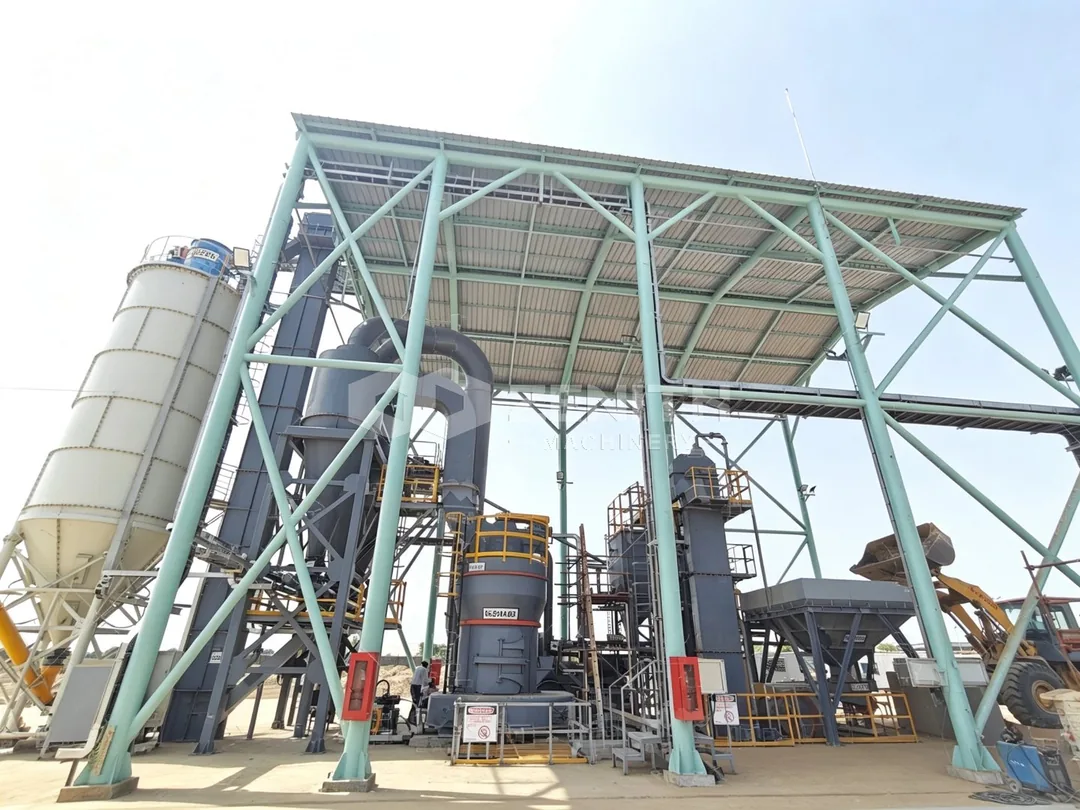
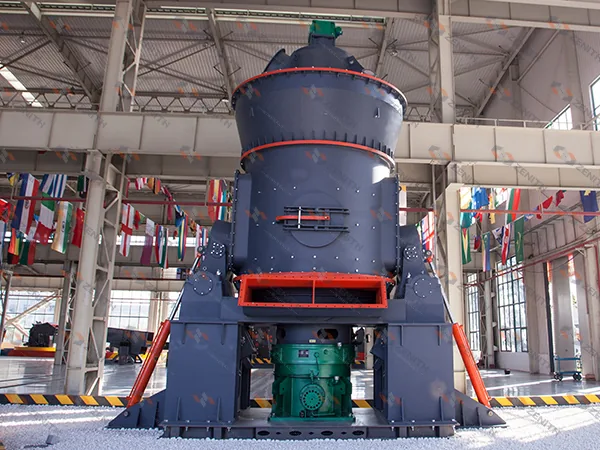
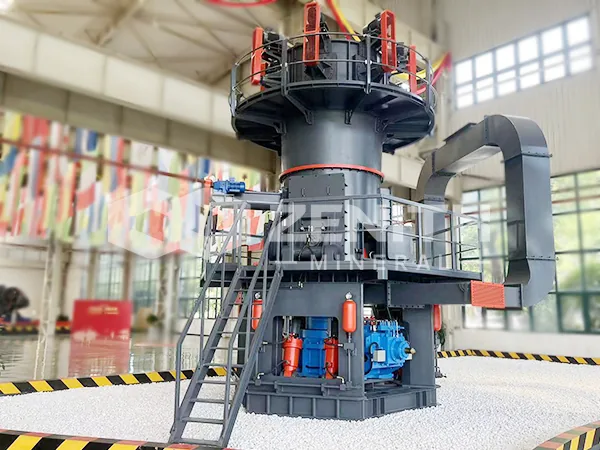
When it comes to producing ultra-fine slag powder for industrial additive applications, the Botswana XZM1000 Ultra Fine Grinding Mill from Shanghai Zenith stands out as a game-changer. With a capacity of 8.5 tons per hour and the ability to reach 2600 mesh fineness, this mill is engineered to meet the most demanding requirements of the slag processing industry. Slag, a byproduct of steelmaking, is increasingly valued as a high-performance additive in cement, concrete, and construction materials. But turning slag into a valuable resource requires precision grinding technology—something the XZM1000 delivers with remarkable efficiency.
Imagine a scenario where your industrial plant needs a consistent supply of ultra-fine slag powder with minimal downtime and energy waste. The XZM1000 is built for exactly that. Its advanced classification system, powered by a variable frequency drive (VFD), allows operators to adjust the fineness between 325 and 3250 mesh with a simple control panel setting. For the Botswana project, targeting 2600 mesh means producing powder where 97% of particles are smaller than 5 microns—a specification that opens doors for premium additive applications in paints, plastics, and high-strength concrete.
_1782584794737.jpg)
Why Choose the XZM1000 for Slag Processing?
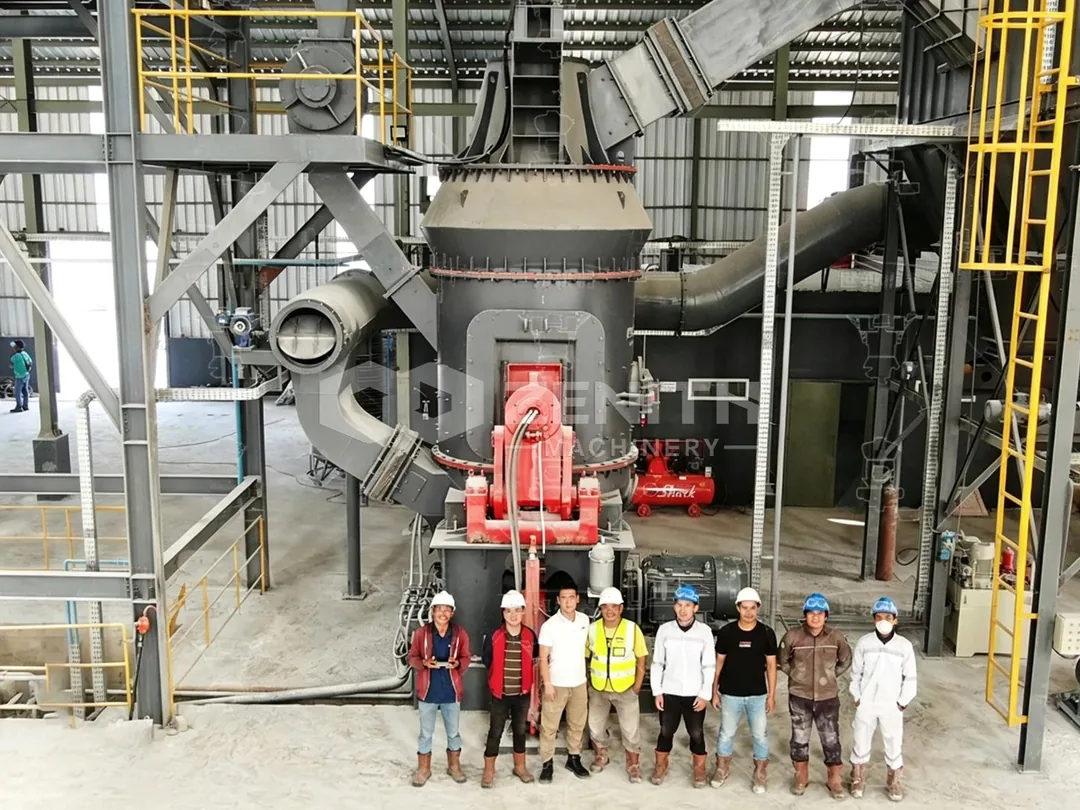
Slag is notoriously abrasive and hard to grind. Traditional ball mills or Raymond mills often struggle with efficiency and wear, leading to high operational costs. The XZM1000, however, uses a unique design with no rolling bearings or screws in the grinding chamber. This eliminates common failure points and reduces maintenance downtime. According to Zenith’s field data, the XZM mill achieves 40% higher efficiency and 70% lower energy consumption compared to airflow mills and stirring mills when producing the same powder under the same power. For a client in Botswana processing slag at 8.5 t/h to 2600 mesh, this translates into significant savings on electricity and spare parts.
Another standout feature is the arbitrary adjustment of fineness. Whether your application demands 325 mesh for basic cement additives or 2600 mesh for high-end polymer fillers, the XZM1000 adapts without hardware changes. This flexibility is crucial for plants that serve multiple industries or need to switch product specs frequently.
_1782584794739.jpg)
Technical Specifications That Matter
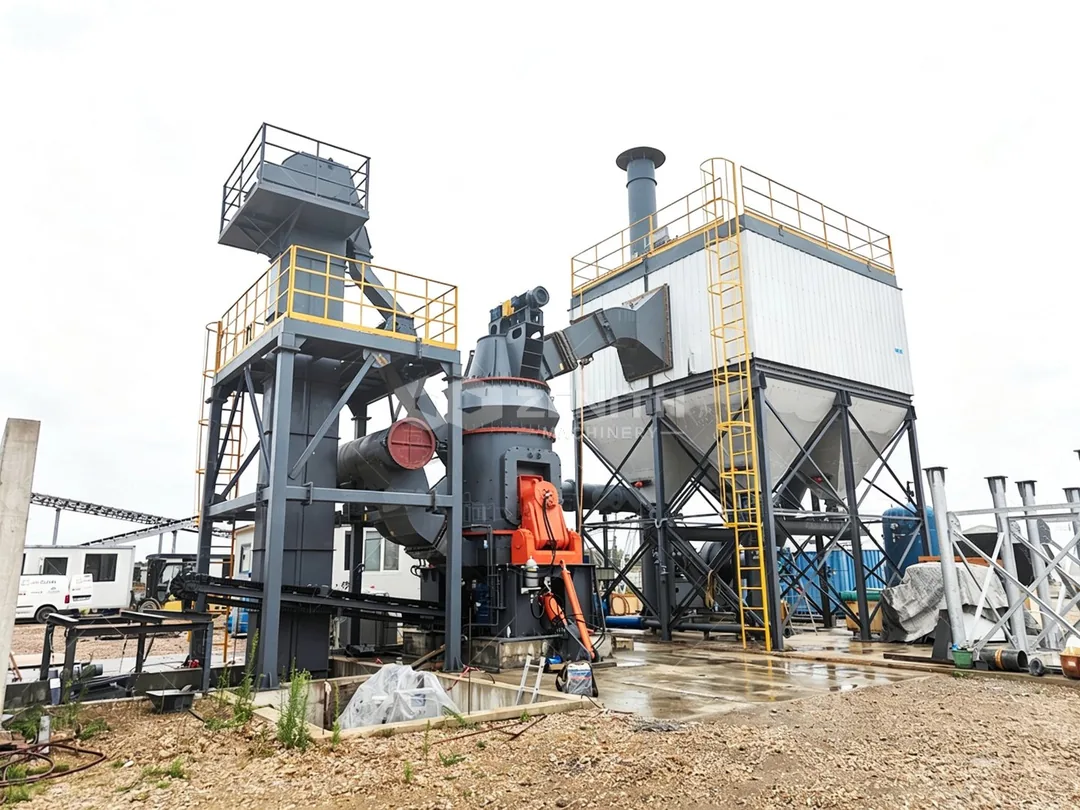
Let’s break down the numbers: the XZM1000 has an input size of 0-20 mm and can produce an output size from 325 to 3250 mesh. In Botswana, the focus is on 2600 mesh with a capacity of 8.5 t/h. This is achieved through a carefully engineered grinding mechanism where material falls onto a rotating turntable, is crushed by multiple rollers under centrifugal force, and is then classified by an airflow separator. The system operates under negative pressure, with a pulse dust collector ensuring zero dust spillover—meeting both ISO and EU CE certification standards that Zenith holds.
The mill’s compact footprint is another advantage. Unlike sprawling ball mill systems that require extensive civil works, the XZM1000 integrates grinding, classifying, and collecting into a single unit. This reduces installation costs and is ideal for plants with limited space in industrial zones.
_1782584794741.jpg)
Real-World Performance in Botswana
In a recent project in Botswana, a local slag processing company deployed the XZM1000 to replace an older ball mill setup. The results were compelling: the XZM1000 consistently produced slag powder at 2600 mesh with less than 5% residue on a 5-micron sieve. Energy consumption dropped by 60%, and maintenance intervals extended from monthly to quarterly. The plant manager reported that the VFD-controlled classifier allowed them to fine-tune the particle size distribution on the fly, improving the consistency of their additive product for the local cement market.
One of the critical advantages for this client was the safe structural design of the XZM1000. With no rolling bearings in the grinding chamber, there is no risk of bearing failure or seal damage, which are common in other mills. The elimination of screws in the chamber also prevents the hidden danger of loosening that can destroy the mill internals. This robustness is essential when grinding abrasive slag day in and day out.
_1782584794743.jpg)
How It Compares to Other Zenith Mills
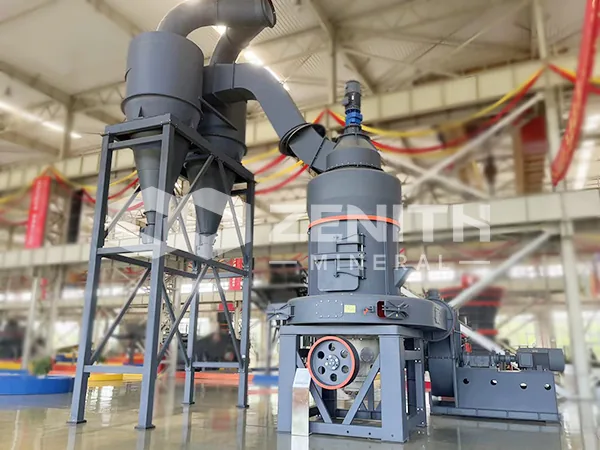
While Zenith offers a wide range of mills—from the MTW European Trapezium Mill for 80-400 mesh fine powder to the LUM Ultrafine Vertical Mill for 325-2500 mesh—the XZM1000 occupies a sweet spot for ultra-fine grinding at high capacity. The LUM mill, for instance, is excellent for calcite and marble but its maximum capacity is 18 t/h, and it targets a different material spectrum. For slag specifically, the XZM1000’s ability to handle abrasive feed with its tungsten carbide or ceramic rollers gives it a durability edge. Meanwhile, the LM Vertical Grinding Mill is better suited for large-scale cement and GGBS plants producing 400 mesh fineness. For the ultra-fine 2600 mesh requirement, the XZM1000 is the clear winner.
Zenith’s global experience—with installations in over 180 countries—means that the Botswana team had access to local technical support from the nearest overseas office. This is a huge plus for plants that need rapid troubleshooting or spare parts availability.
_1782584794745.jpg)
Frequently Asked Questions
1. What is the maximum capacity of the XZM1000 for slag powder at 2600 mesh?
The XZM1000 can achieve up to 8.5 tons per hour when producing slag powder with a fineness of 2600 mesh (D97 < 5 micron). Actual capacity may vary slightly depending on the specific hardness and moisture content of the slag feed.
2. How does the energy consumption of the XZM1000 compare to a ball mill?
Under ideal working conditions, the XZM1000 uses approximately 70% less energy than a ball mill of the same capacity and fineness. This is due to its efficient grinding mechanism and the elimination of heavy rotating media.
3. Can the XZM1000 handle abrasive materials like blast furnace slag?
Yes, the XZM1000 is designed with high-wear-resistant components, including special alloy rollers and liners. The grinding chamber contains no rolling bearings or screws, reducing failure risks from abrasion. It is widely used for slag, quartz, and other hard materials.
4. What certifications does the XZM1000 hold?
The XZM1000, like all Zenith equipment, carries ISO international quality system certification, European Union CE certification, and Customs Union CU-TR certification. This ensures compliance with global safety and quality standards.
5. How do I adjust the fineness of the XZM1000 output?
Fineness is adjusted by changing the rotational speed of the classifier rotor via the VFD (variable frequency drive). The control panel allows operators to set the desired mesh size between 325 and 3250 mesh without changing any mechanical parts.
6. What is the input size requirement for the XZM1000?
The mill accepts feed material with a particle size of up to 20 mm. For best results and to maximize throughput, it is recommended that feed be pre-crushed to below 10 mm when possible.
7. Does Zenith provide after-sales support in Botswana?
Yes, Zenith has a global marketing network covering more than 180 countries, with overseas offices in over 30 countries. For the Botswana region, service and spare parts can be coordinated through the nearest regional office, ensuring prompt technical support.