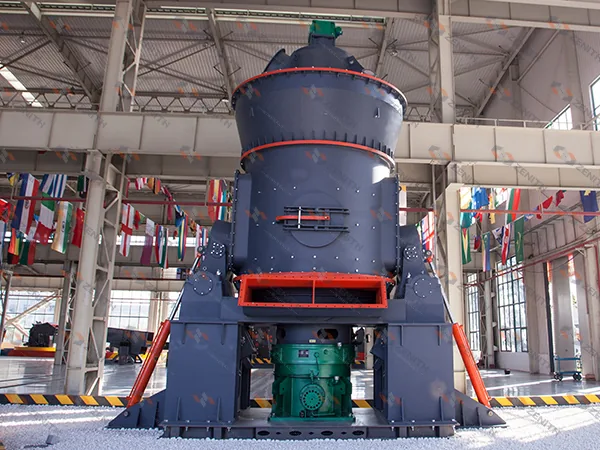
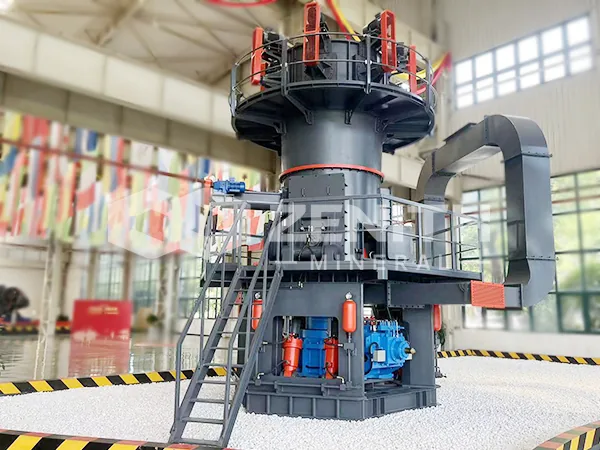
Myanmar xzm800 ultra fine grinding mill 3.5t/h 1400 mesh pyrophyllite powder for cosmetic raw material application
2026-06-26 02:27:25
In the competitive landscape of cosmetic raw material production, the demand for ultra-fine, high-purity mineral powders continues to rise. Pyrophyllite, valued for its softness, chemical inertness, and platelet structure, requires precise grinding to achieve the 1400 mesh specification ideal for cosmetic applications. The Myanmar XZM800 Ultrafine Grinding Mill from Shanghai Zenith Machinery emerges as a specialized solution, delivering a consistent 3.5 tons per hour output at the target fineness. This article explores the technical advantages, operational efficiency, and industry-specific benefits of deploying this mill for pyrophyllite processing in Myanmar, drawing on Zenith's extensive experience in powder grinding technology.
The XZM800: Engineered for Ultrafine Cosmetic Powders
_1782412045141.jpg)
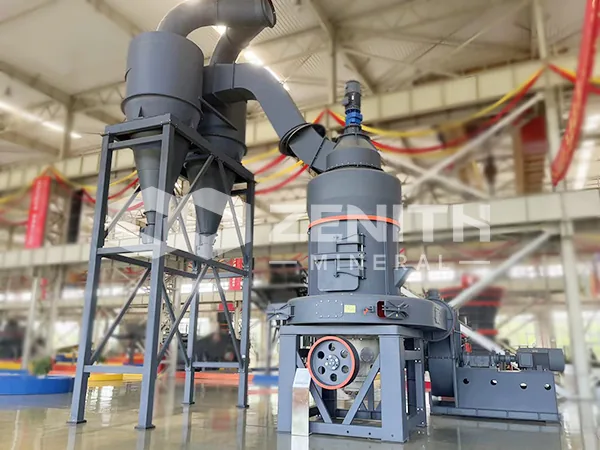
The XZM series, particularly the XZM800 model, is designed to meet the exacting requirements of industries like cosmetics, where particle size distribution directly impacts product feel, absorption, and stability. Unlike standard mills, the XZM800 achieves 325-3250 mesh with a single classification system, making it ideal for producing pyrophyllite powder at 1400 mesh. For a Myanmar operation targeting cosmetic-grade raw materials, the mill's ability to consistently deliver D97 < 5 micron ensures that the final powder meets international quality benchmarks.
Key specifications relevant to this application include a capacity range of 0.5-25 T/H, though the optimized configuration for 1400 mesh pyrophyllite stabilizes at 3.5 t/h. The input size of 0-20mm allows flexibility in feedstock preparation, while the vertical frequency drive (VFD) on the classifier enables effortless fineness adjustment from the control panel—a critical feature when switching between cosmetic batches with slightly different particle size requirements.
Why 1400 Mesh Pyrophyllite for Cosmetics?
Pyrophyllite powder at 1400 mesh (approximately 10 microns) offers unique advantages in cosmetics. Its high aspect ratio and platy structure enhance skin adhesion and provide a smooth, silky feel without the oiliness associated with some synthetic alternatives. Additionally, its chemical purity ensures no irritation or allergic reactions, making it suitable for foundations, eyeshadows, and face powders. The XZM800's design ensures that the iron content and chemical composition are controlled, preserving the natural whiteness and purity of the pyrophyllite—a non-negotiable factor for cosmetic raw material certification.
Technical Excellence of the XZM800 in Pyrophyllite Grinding
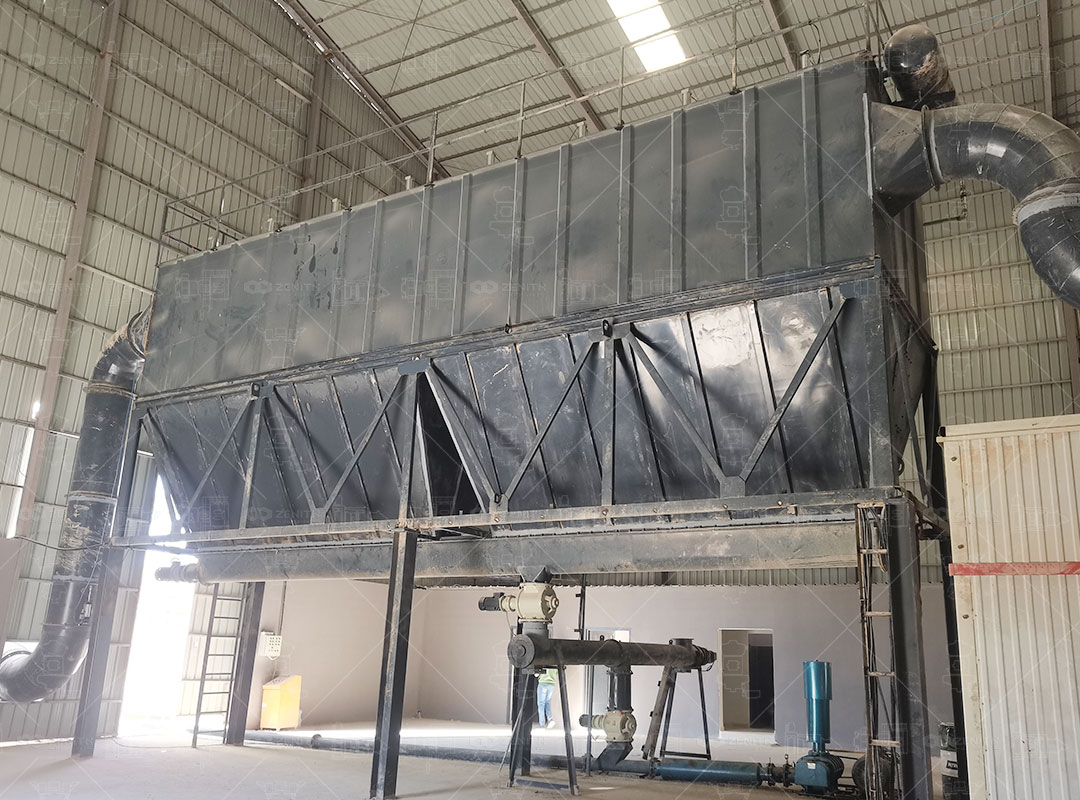
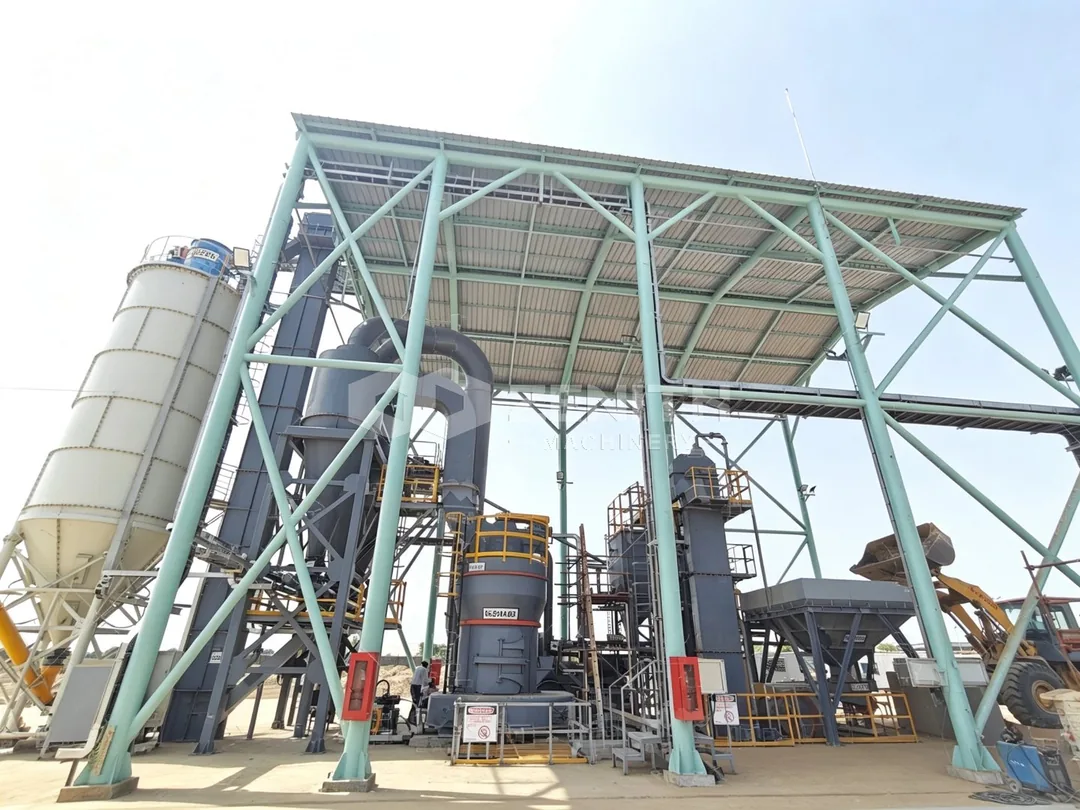
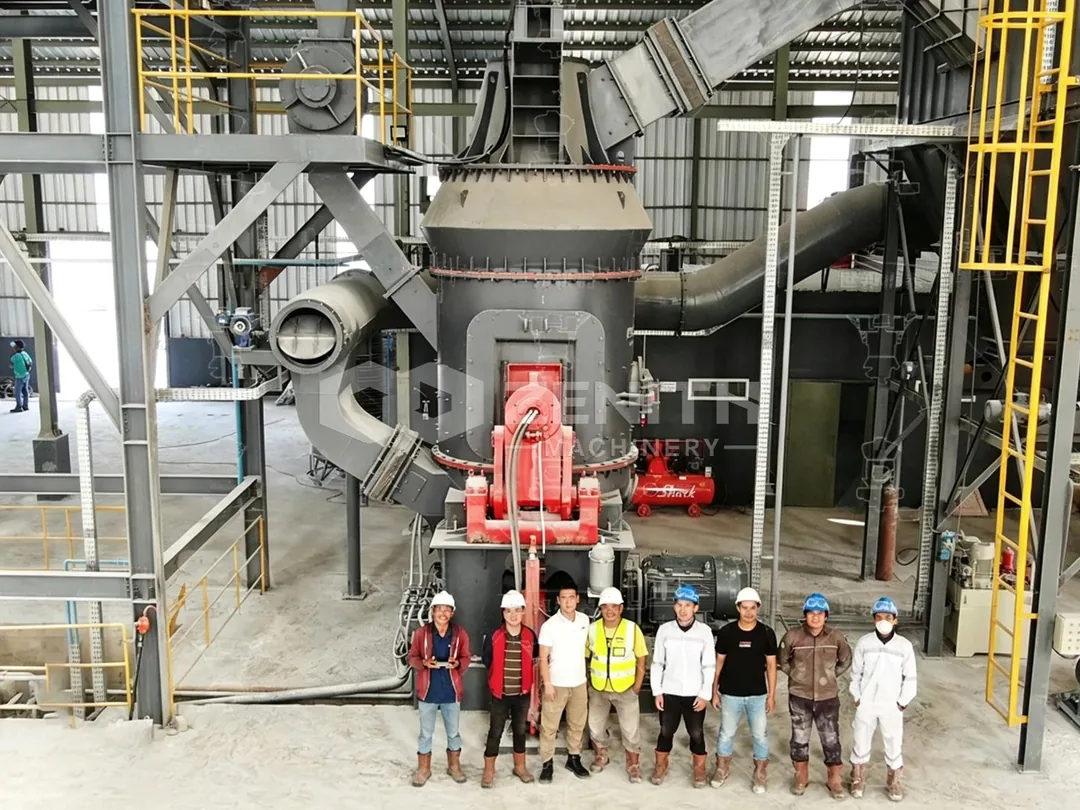
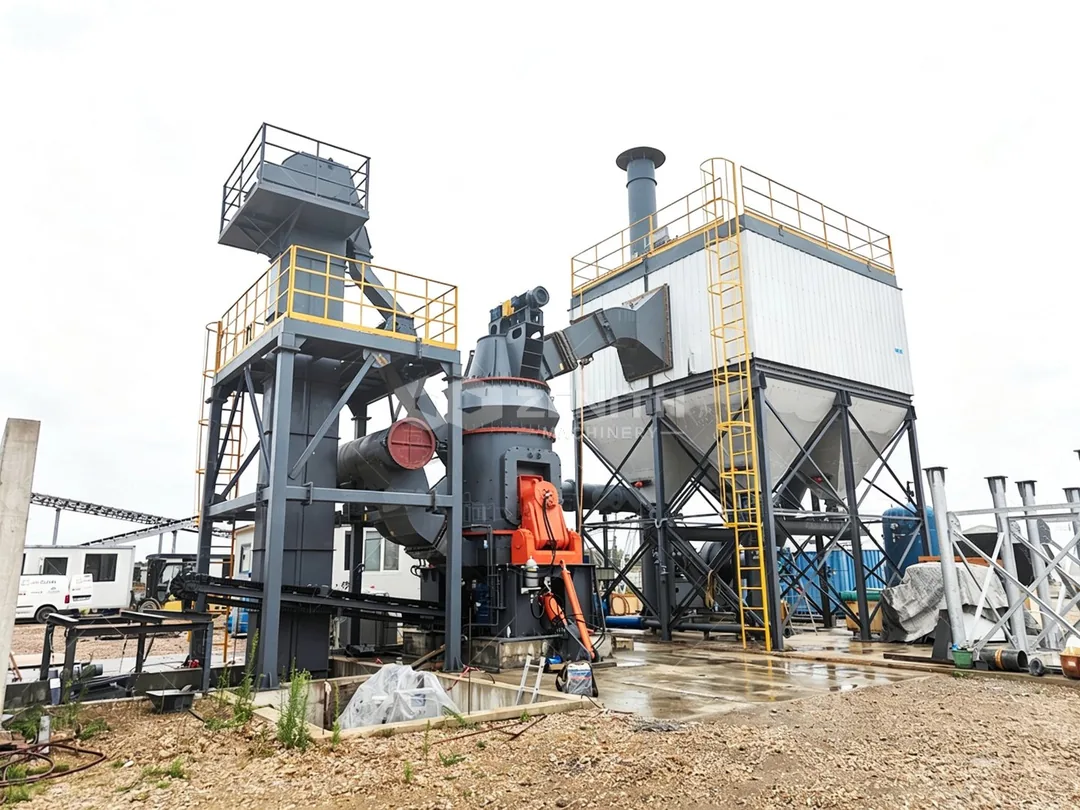
The grinding mechanism of the XZM800 relies on centrifugal force generated by a rotating turntable and multiple grinding rollers. The material fed into the main machine falls onto the turntable, where the rollers crush it against the ring. For pyrophyllite, which has a Mohs hardness of 1.5-2, this process is highly efficient, consuming less energy per ton compared to impact-based mills.
One of the standout features is the arbitrary adjustment of fineness between 325 and 2500 mesh. The classifier's rotor speed can be modified via VFD, allowing the operator to precisely target 1400 mesh. According to Zenith's field data, the XZM series achieves 40% higher efficiency and 70% lower energy consumption than air-flow or stirring mills when producing equivalent specifications. This translates to significant cost savings over the lifespan of the equipment, especially in a 24/7 operation like a mineral processing plant in Myanmar.
Structural Safety and Maintenance Advantages
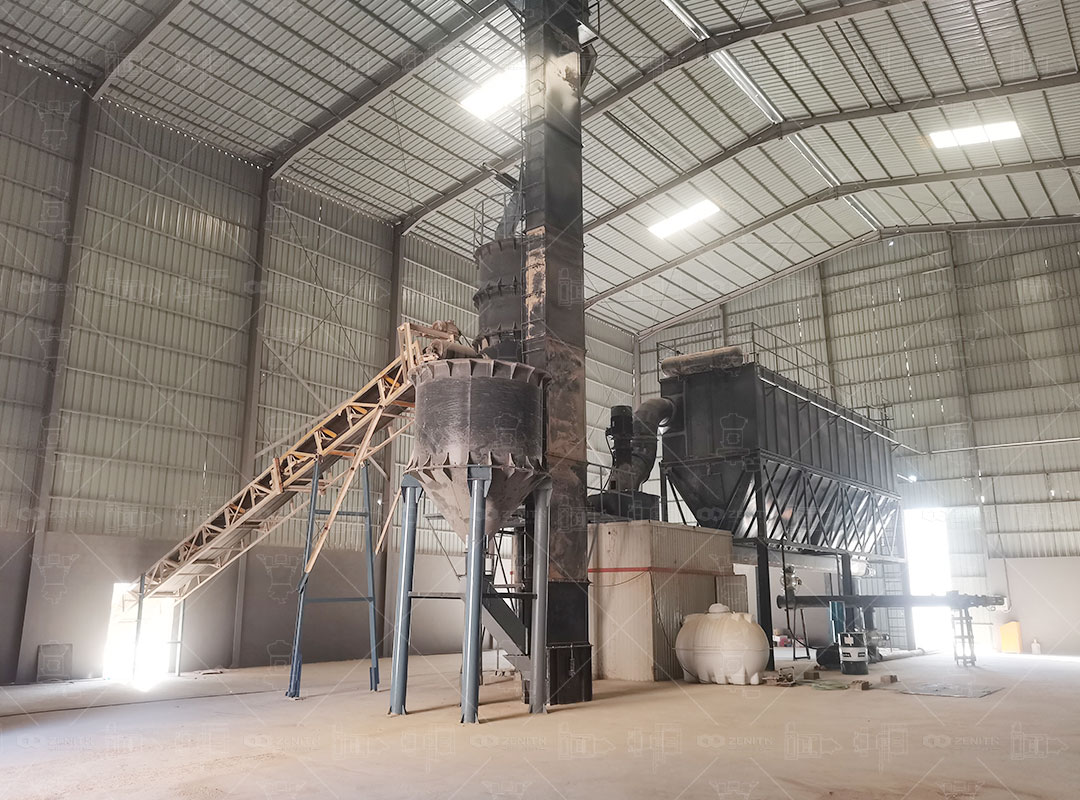
The XZM800 features a safe structural design with no rolling bearings or screws in the grinding chamber. This eliminates common failure points such as bearing seal vulnerabilities and screw loosening, which can cause catastrophic damage in traditional mills. For operators in Myanmar, where access to specialized spare parts may be limited, this design reduces downtime and maintenance complexity. The entire system operates under negative pressure, ensuring dust-free operation that meets environmental standards—a growing regulatory concern in the region.
Maintenance is further simplified by the reversible structure and hydraulic adjustment system, allowing quick replacement of wear parts. The grinding rollers and rings are made from high-chromium alloy steel, offering long service life even when processing somewhat abrasive pyrophyllite.
Integration with Zenith’s Broader Grinding Portfolio
While the XZM800 is the focus for ultrafine pyrophyllite, Zenith offers a comprehensive range of mills for different stages of production. For example, the MTW European Trapezium Mill can be used for preliminary coarse grinding (80-400 mesh) if feed size exceeds 20mm, though the XZM800 accepts up to 20mm directly. For higher capacities above 25 t/h, the LUM Ultrafine Vertical Grinding Mill (5-18 t/h, 325-2500 mesh) provides an alternative with its integrated grinding, separation, and drying capabilities.
The table below summarizes how the XZM800 compares with other Zenith models for pyrophyllite processing:
| Model | Capacity (t/h) | Output Mesh | Best Application |
|---|---|---|---|
| XZM800 | 0.5-25 | 325-3250 | Ultrafine cosmetic powder (1400 mesh) |
| LUM Ultrafine | 5-18 | 325-2500 | High-volume medium-fine powder |
| MTW Trapezium | 3-22 | 80-400 | Coarse pre-grinding |
Operational Considerations for Myanmar
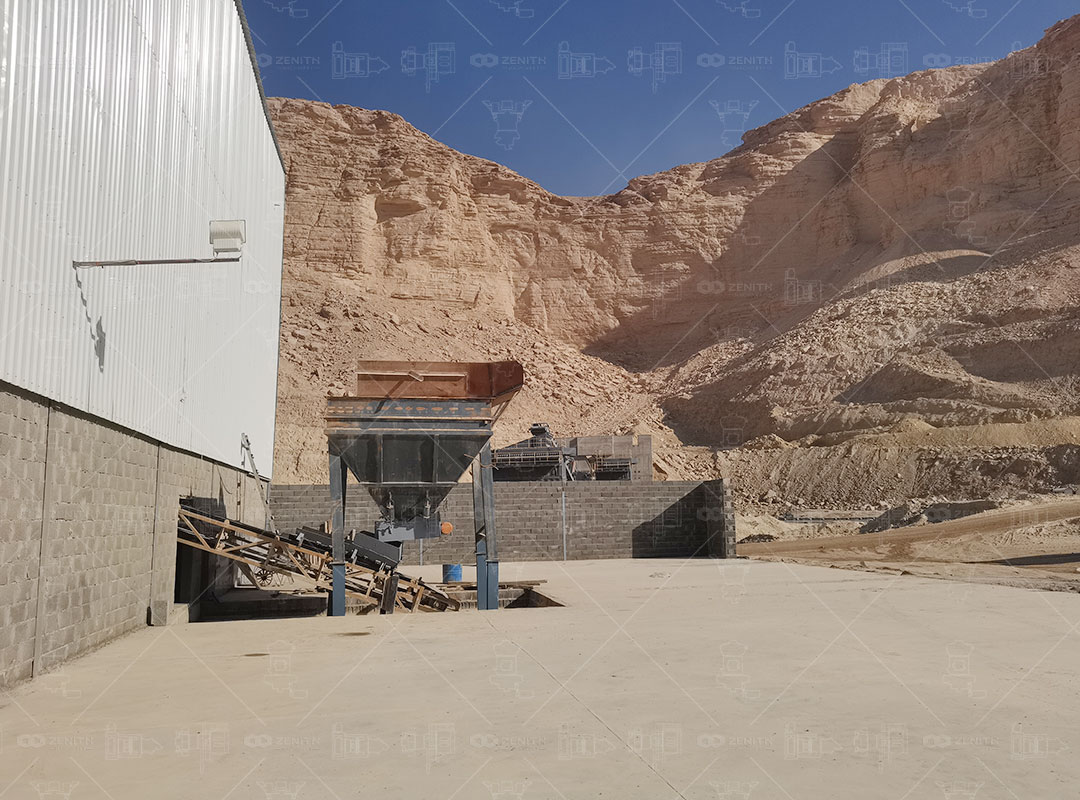
Myanmar’s growing mineral processing sector requires equipment that can handle variable power supply and humidity. The XZM800’s intelligent control system operates reliably under such conditions, with remote monitoring capabilities available through Zenith’s digital platform. The mill’s compact footprint reduces civil engineering costs, and its modular design allows for phased expansion as production scales from 3.5 t/h to higher outputs.
Additionally, Zenith’s global service network, with offices in over 30 countries, provides local technical support in Southeast Asia. The equipment holds ISO, CE, and CU-TR certifications, simplifying export/import compliance and quality assurance for cosmetic manufacturers targeting international markets.
Conclusion
The Myanmar XZM800 Ultrafine Grinding Mill represents a tailored solution for producing 1400 mesh pyrophyllite powder at a consistent 3.5 t/h for cosmetic raw materials. Its combination of precise fineness control, energy efficiency, structural safety, and low maintenance makes it a strategic investment for producers aiming to compete in the high-value cosmetic mineral market. By leveraging Zenith’s decades of expertise and global support, operations in Myanmar can achieve reliable output while meeting the stringent purity and particle size standards demanded by cosmetic brands worldwide.
Frequently Asked Questions (FAQ)
- Q: Can the XZM800 mill produce pyrophyllite powder at exactly 1400 mesh consistently?
A: Yes, the XZM800's VFD-controlled classifier allows precise adjustment of the rotor speed to achieve D97 < 5 micron, corresponding to 1400 mesh. With proper feed size control, the mill maintains this fineness within ±2% variation over sustained operation. - Q: What is the power consumption of the XZM800 when grinding pyrophyllite at 3.5 t/h?
A: Typical power consumption for the XZM800 at this capacity is approximately 110-130 kWh per ton when processing pyrophyllite. This is about 70% lower than traditional ball mills for the same fineness, thanks to the optimized grinding principle. - Q: How does the XZM800 handle moisture in pyrophyllite feed?
A: The XZM800 can handle feed moisture up to 6% without issue. For higher moisture, a hot air system can be integrated to assist drying during grinding. However, for cosmetic-grade powder, it's recommended to pre-dry pyrophyllite to below 2% moisture to ensure product stability. - Q: What is the typical lifecycle of wear parts for the XZM800 in pyrophyllite grinding?
A: Grinding rollers and rings typically last 2000-3000 operating hours when processing pyrophyllite (Mohs 1.5-2). The classifier impeller lasts 4000-5000 hours. Zenith provides wear parts from stock in regional warehouses, reducing replacement lead time. - Q: Is the XZM800 suitable for other cosmetic minerals beside pyrophyllite?
A: Absolutely. The XZM series is used for talc, mica, kaolin, and calcium carbonate. The adjustable fineness range (325-3250 mesh) makes it versatile. However, for highly abrasive minerals like quartz, a pre-grinding step might be recommended to protect the mill. - Q: What certifications does the XZM800 hold for cosmetic raw material production?
A: The XZM800 and all Zenith mills are manufactured under ISO 9001 quality management systems, with CE and CU-TR certifications for safety and environmental compliance. The mill design itself does not contaminate the product, and the closed system prevents cross-contamination, meeting cosmetic industry GMP requirements.