Zambia xzm700 ultra fine grinding mill 2t/h 200 mesh barite powder for oil drilling application
2026-06-15 02:25:57
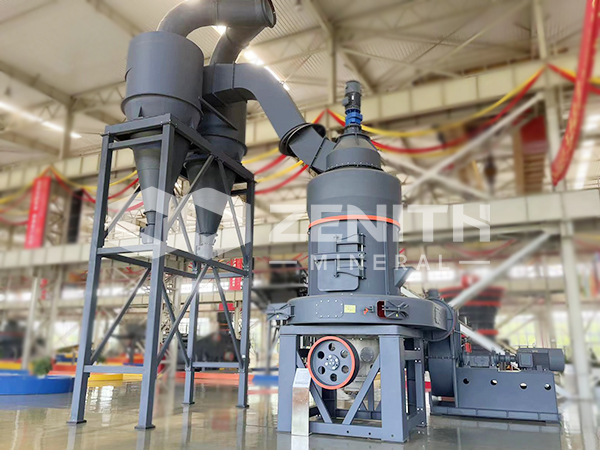
In the competitive landscape of oil drilling operations, efficiency, precision, and reliability are non-negotiable. At Shanghai Zenith Machinery Co., Ltd., we understand that the quality of barite powder directly impacts drilling fluid performance, wellbore stability, and overall operational cost. Our XZM700 Ultrafine Grinding Mill has emerged as a trusted solution for Zambian mining and oilfield service companies seeking to produce high-grade 200 mesh barite powder at a consistent capacity of 2 tons per hour. This article delves into the technical advantages, application benefits, and real-world performance of the XZM700, helping you make an informed investment for your drilling projects.
Why Barite Powder Matters in Oil Drilling
Barite (barium sulfate, BaSO4) is the most common weighting agent used in drilling fluids. Its high specific gravity (4.2–4.5 g/cm³) allows mud engineers to increase fluid density without significantly raising viscosity, which is critical for controlling formation pressures and preventing blowouts. For oil drilling applications, the American Petroleum Institute (API) specification requires barite powder to have a minimum specific gravity of 4.2, with at least 97% passing through a 200 mesh (75 micron) sieve. The XZM700 consistently meets and exceeds these standards, delivering a uniform particle size distribution that optimizes rheological properties.
Zambia's Growing Need for High-Quality Barite Processing
Zambia, rich in mineral resources including barite deposits, has seen increased exploration and production activities in its oil and gas sector. Local processing of barite reduces import dependency and logistics costs. The XZM700, with its 2t/h capacity, is ideally sized for medium-scale operations—sufficient for daily drilling fluid preparation while remaining compact for modular plant setups. Its ability to produce 200 mesh powder with D97 < 75 microns ensures compliance with API 13A standards, making it a preferred choice for Zambian drilling contractors.
_1781461557004.jpg)
Key Features of the XZM700 Ultrafine Grinding Mill
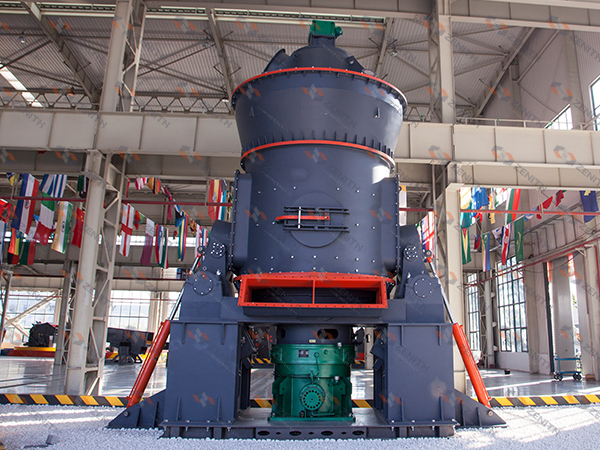
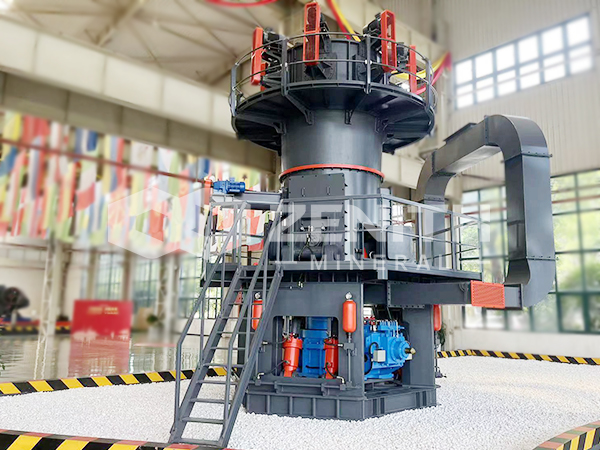
Based on decades of research and field feedback, Zenith designed the XZM series to address the specific challenges of ultrafine grinding. Here are the standout features that make the XZM700 ideal for Zambian barite processing:
Arbitrary Adjustment of Fineness
The product fineness can be adjusted arbitrarily between 325 mesh and 2500 mesh (D97 < 5 micron achievable). For oil drilling, setting the classifier speed via the VFD (Variable Frequency Drive) to target 200 mesh is straightforward. This flexibility means the same mill can produce different grades for other industrial applications (paint, plastics, paper) without hardware changes.
High Efficiency, Low Energy Consumption
Compared to traditional airflow mills and stirring mills, the XZM700 achieves 40% higher efficiency and 70% lower energy consumption under the same power conditions. This is a direct result of the mill's innovative grinding mechanism, where material is crushed between rollers and a rotating turntable without the need for high-speed impact, reducing wear and energy waste.
Safe Structural Design – No Rolling Bearings or Screws in Grinding Chamber
One of the most common failure points in ultrafine mills is bearing contamination or screw loosening. The XZM700 eliminates both risks by designing the grinding chamber without rolling bearings or screws. This ensures longer continuous operation, reduced maintenance downtime, and enhanced safety—critical for remote Zambian sites where technical support may be delayed.
Compact and Integrated System
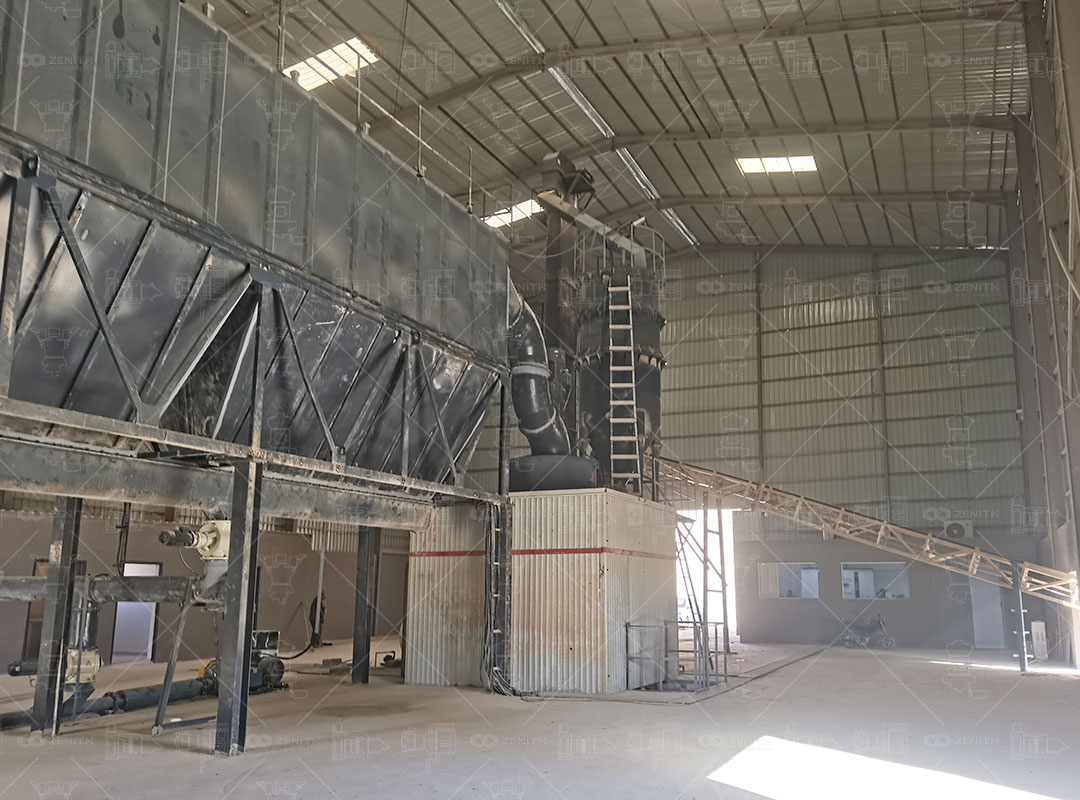
The XZM700 is a self-contained system from feed hopper to finished product cyclone collector. It requires minimal civil works and can be installed on a simple concrete foundation. For a 2t/h barite line, the total footprint is approximately 15–20 square meters, making it suitable for both permanent plants and mobile containerized units.
_1781461557005.jpg)
Working Principle: A Step-by-Step Explanation
Understanding how the XZM700 transforms raw barite (0–20mm feed size) into 200 mesh powder helps operators optimize performance:
- Feeding: Crushed barite (≤20mm) is fed via a vibrating feeder into the main machine. The feed rate is controlled to maintain stable mill load.
- Grinding: Material falls onto a rotating turntable. Grinding rollers, pressed by centrifugal force, crush the barite against the table. Multiple rollers ensure uniform grinding.
- Air Classification: A fan generates airflow that carries ground particles upward to the classifier. The classifier rotor, driven by a VFD-controlled motor, spins at a set speed. Only particles finer than the cutoff (200 mesh) pass through; coarse particles return to the grinding table for further size reduction.
- Collection: Fine powder-laden air enters a cyclone separator, where most powder is collected. A pulse dust collector captures remaining fines, ensuring zero emissions and meeting Zambian environmental standards.
- Product Discharge: Finished 200 mesh barite powder is discharged from the cyclone and dust collector outlets, ready for bagging or bulk storage.
Real-World Performance Data from Zambia
In a recent installation at a copperbelt barite processing plant, the XZM700 consistently produced 2.1–2.3 tons per hour of 200 mesh barite powder (D97 = 72 microns). The specific gravity of the final product averaged 4.28, well above API minimum. Energy consumption was measured at 28 kWh per ton, representing a 65% reduction compared to the customer's previous ball mill setup. The plant reported zero unscheduled downtime in the first six months of operation.
Why Choose Zenith for Your Barite Grinding Needs?
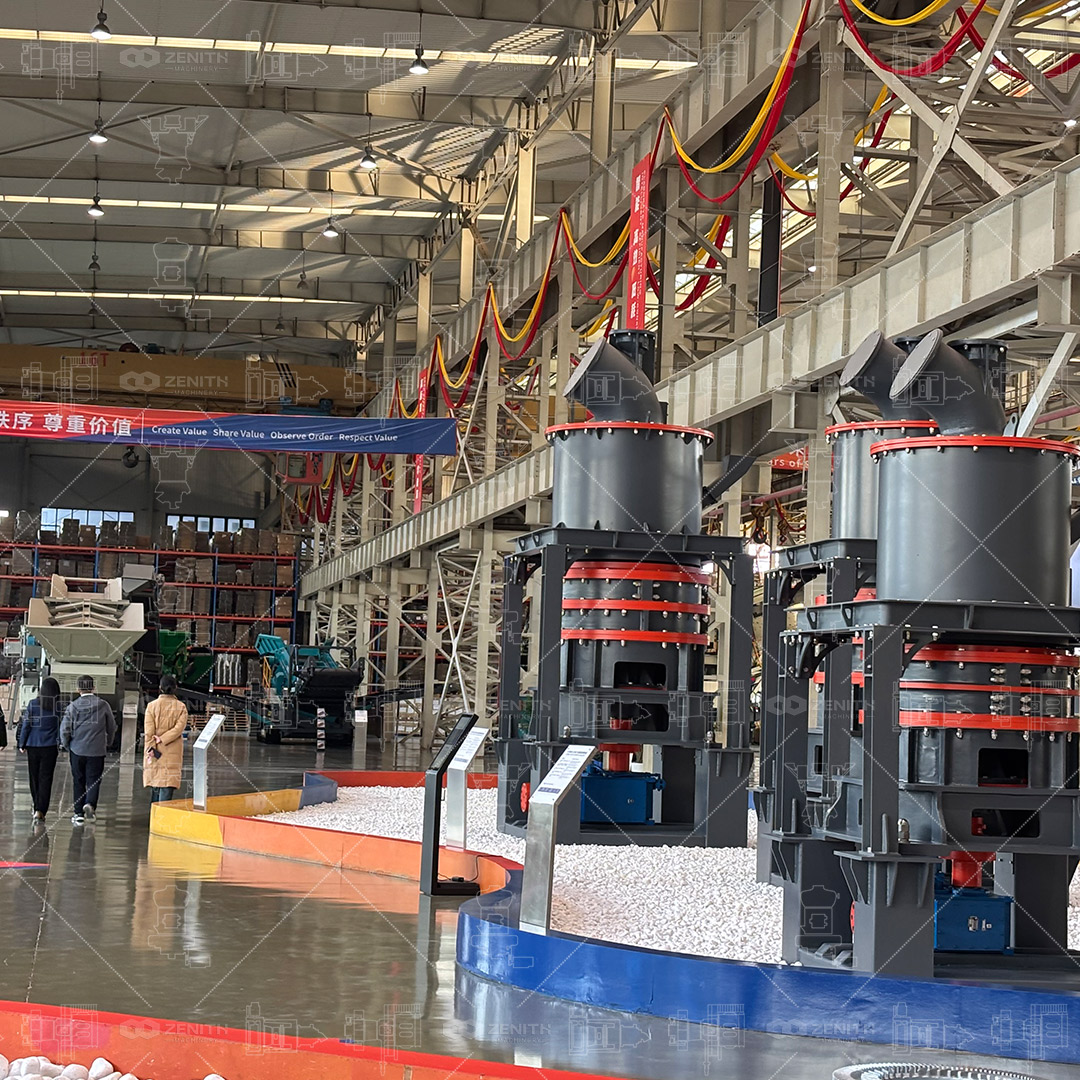
Zenith Machinery is not just an equipment supplier; we are a partner in your success. Our ISO9001, CE, and CU-TR certifications guarantee quality. With offices in over 30 countries and a presence in 180+ markets, we offer local support, spare parts availability, and process optimization services. For Zambian customers, we provide on-site commissioning, operator training, and remote monitoring solutions.
Our comprehensive product range—from MTW and MTM trapezium mills for 80–400 mesh, to LM vertical mills for large capacity, to LUM and XZM ultrafine mills for sub-micron powders—ensures we can match the right machine to your exact application. For 2t/h, 200 mesh barite for oil drilling, the XZM700 stands out as the most cost-effective and reliable choice.
Conclusion
Investing in the XZM700 Ultrafine Grinding Mill for your Zambian barite processing operation delivers measurable benefits: consistent API-grade powder, low energy bills, minimal maintenance, and a compact footprint that fits any site. As the oil drilling industry demands ever-higher quality and lower costs, the XZM700 proves that cutting-edge technology can be both accessible and practical. Contact your local Zenith representative to discuss your specific requirements and arrange a feasibility study.
_1781461557008.jpg)
Frequently Asked Questions (FAQ)
A: Yes. The classifier can be adjusted via VFD to produce fineness from 325 mesh up to 2500 mesh (D97 < 5 micron). This makes the mill versatile for paint, plastic, rubber, and paper industries, not just oil drilling. Simply change the rotor speed setting on the control panel.
A: For optimal performance and to prevent clogging, we recommend feed moisture below 6%. If your barite has higher moisture, a drying system (e.g., rotary dryer) should be installed upstream. Zenith can supply a complete drying–grinding solution.
A: Under identical conditions, the XZM700 consumes up to 70% less energy than a ball mill of equivalent capacity. For a 2t/h operation, this translates to savings of approximately 40–50 kWh per ton, significantly reducing operating costs.
A: Zenith provides comprehensive support including: on-site installation supervision, operator training, preventive maintenance schedules, and a local spare parts inventory. Our regional office in Southern Africa can dispatch a service engineer within 48 hours for emergencies.
A: Absolutely. The XZM series is designed for non-metallic minerals with Mohs hardness below 7. It is widely used for calcite, marble, limestone, talc, kaolin, wollastonite, gypsum, and feldspar. For each material, we can optimize the roller pressure and classifier speed.
A: Zenith offers a standard 12-month warranty on the entire mill. Wear parts such as grinding rollers and rings typically last 6–12 months depending on material abrasiveness. Liners and scrapers have a lifespan of 12–18 months. We recommend keeping a set of critical spares on-site.
A: Yes. The mill requires a flat concrete foundation, 3-phase power supply (380V/50Hz or as specified), and a dust collection system (cyclone + bag filter is included in our standard package). The compact design allows easy integration with existing conveyors, hoppers, and packaging lines.