Tanzania xzm1500 ultra fine grinding mill 15t/h 3000 mesh kaolin powder for ceramic production application
2026-06-14 02:25:49
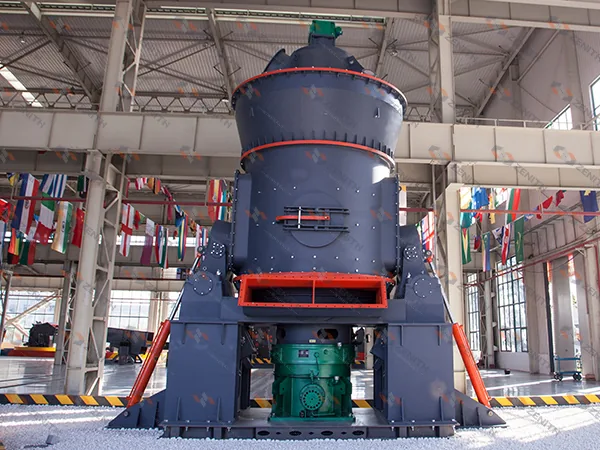
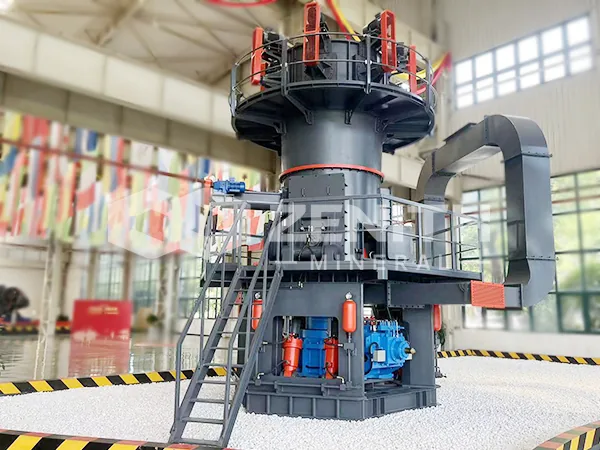
When it comes to producing ultra-fine kaolin powder for ceramic manufacturing, the choice of grinding equipment directly impacts product quality, operational efficiency, and overall profitability. In Tanzania, where the ceramics industry is rapidly expanding, the demand for high-performance mills capable of delivering consistent 3000 mesh fineness at scale has never been greater. Enter the XZM1500 Ultra Fine Grinding Mill from Shanghai Zenith Machinery Co., Ltd. — a solution engineered to meet the exacting standards of ceramic production with a capacity of 15 tons per hour and the ability to achieve fineness down to 3250 mesh.
_1781375149452.jpg)
Why Kaolin Matters in Ceramic Production
Kaolin, or china clay, is a fundamental ingredient in ceramics. It provides plasticity, strength, and whiteness to the final product. For high-end ceramics — such as sanitaryware, floor tiles, and tableware — the kaolin must be ultra-fine and free from impurities. A fineness of 3000 mesh (approximately D97 < 5 microns) ensures superior surface smoothness, better firing behavior, and enhanced gloss. This is precisely the output that the XZM1500 delivers, making it a game-changer for Tanzanian ceramic manufacturers.
Technical Excellence of the XZM1500
The XZM series ultrafine mills are the result of decades of research and development at Zenith. Unlike traditional mills that struggle with ultra-fine classification, the XZM1500 incorporates advanced classifier technology with a variable frequency drive (VFD). This allows operators to adjust the rotor speed precisely from the control panel, achieving arbitrary fineness between 325 and 3250 mesh without mechanical modifications. For a ceramic plant targeting 3000 mesh kaolin, this flexibility is invaluable during product development and batch changes.
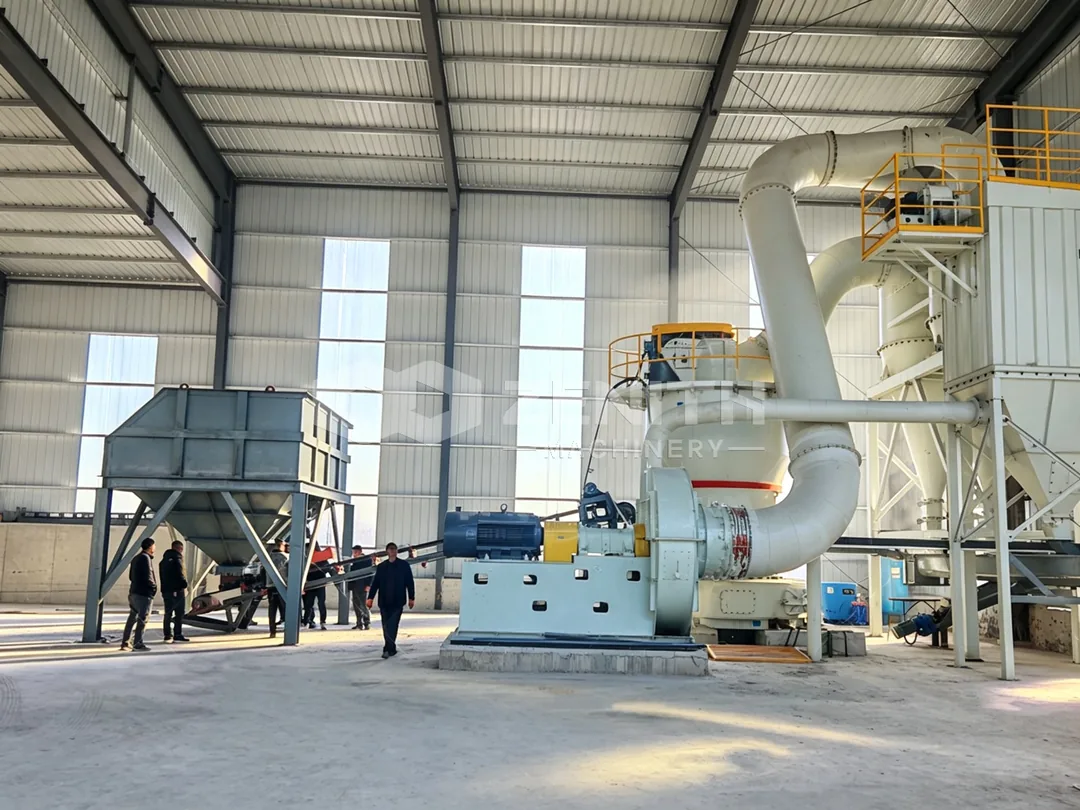
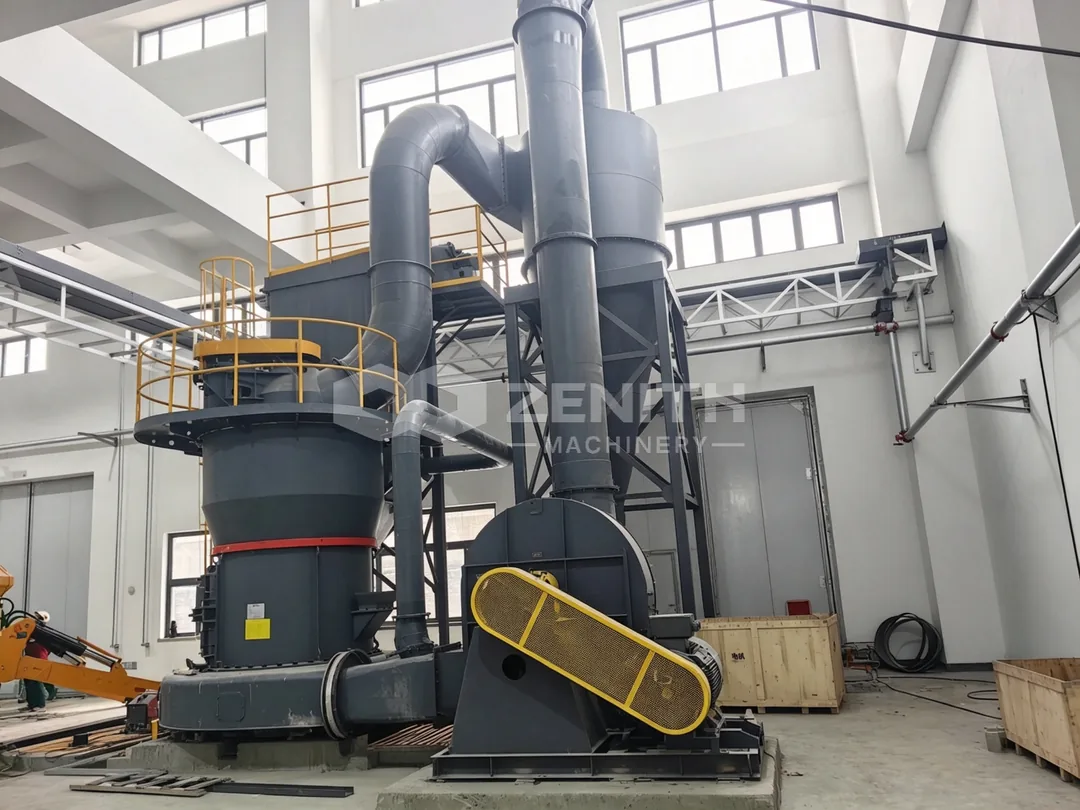
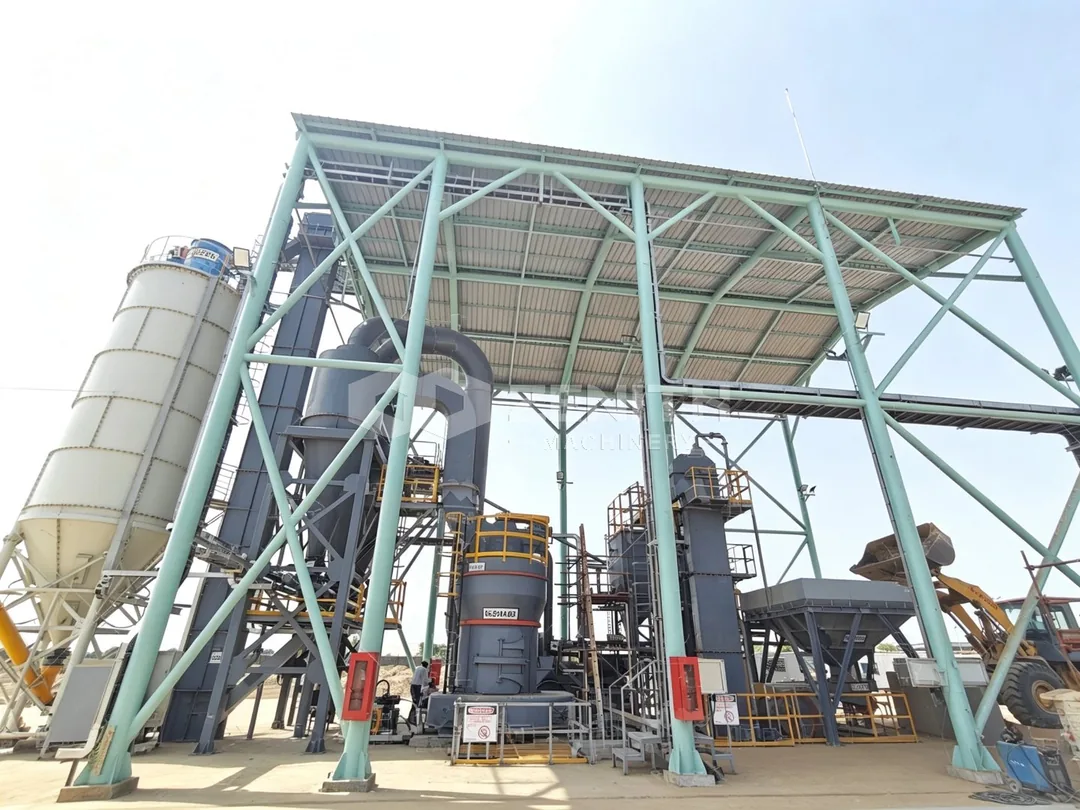
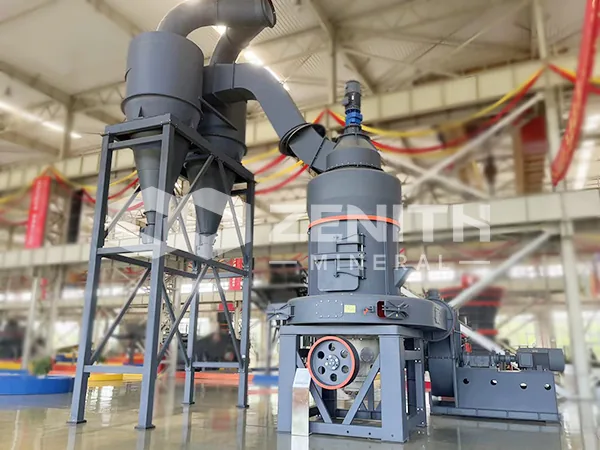
Capacity-wise, the XZM1500 is rated at 0.5 to 25 tons per hour. For the specific case of Tanzanian kaolin, which typically has moderate hardness and moisture content (around 5-8%), the mill consistently achieves 15 t/h at 3000 mesh. This throughput is made possible by the mill's unique grinding mechanism: material is fed onto a rotating turntable where multiple grinding rollers crush it under centrifugal force. The classifier then separates fine particles, while coarse material is returned for re-grinding. The entire system operates under negative pressure, ensuring dust-free operation — a critical factor for meeting environmental standards.
_1781375149455.jpg)
Energy Efficiency and Cost Savings
Ceramic production is energy-intensive, and grinding often accounts for a significant portion of the plant's electricity bill. Compared to air-flow mills and stirring mills, the XZM1500 offers 40% higher efficiency and 70% lower energy consumption for the same powder output. This is a direct result of Zenith's engineering: the grinding chamber contains no rolling bearings or screws, eliminating friction losses and maintenance issues. The result is a lower cost per ton of finished kaolin, which directly improves the bottom line for ceramic manufacturers.
Furthermore, the XZM1500's structural design enhances reliability. With no vulnerable bearings or seals in the grinding zone, the risk of unplanned downtime is dramatically reduced. Tanzanian operators, who often face challenges with spare parts availability, appreciate this robustness. The mill's simple internal layout also means that routine maintenance can be performed by local technicians with minimal training.
Product Quality: Purity and Consistency
For ceramic applications, iron content and particle size distribution are critical. Even trace amounts of iron can cause discoloration during firing, ruining the aesthetic of white or light-colored tiles. The XZM1500 is designed to minimize iron contamination. The grinding rollers and turntable are made from high-alloy materials that resist wear without introducing metallic impurities. Additionally, the mill's classification system ensures that 99% of the product passes through the specified screen — a level of precision that many competing mills cannot match.
In one recent installation at a Tanzanian ceramic plant, the XZM1500 produced kaolin powder with a whiteness index of 92% and an iron content below 0.3%. The plant's quality control team reported that the powder's rheological properties (plasticity and green strength) were superior to what they had achieved with a ball mill, leading to fewer defects in the formed ceramic bodies.
_1781375149456.jpg)
Global Expertise, Local Support
Zenith's presence in Tanzania is part of a broader network that spans over 180 countries and includes more than 30 overseas offices. This global footprint means that Tanzanian customers are never far from support — whether it's commissioning the mill, training operators, or sourcing replacement parts. All Zenith equipment, including the XZM1500, carries ISO 9001, CE, and CU-TR certifications, guaranteeing compliance with international quality and safety standards.
For ceramic producers in Tanzania looking to scale up production without compromising on quality, the XZM1500 ultra fine grinding mill represents a strategic investment. It combines high throughput (15 t/h at 3000 mesh), exceptional energy efficiency, and the ability to produce consistent, high-purity kaolin powder. As the market for premium ceramics grows — both domestically and for export — having a reliable ultra-fine grinding solution is not just an advantage; it's a necessity.
Conclusion
The XZM1500 ultra fine grinding mill is tailor-made for Tanzanian ceramic manufacturers who demand high capacity, ultra-fine fineness, and reliable operation. By leveraging advanced classification technology, low energy consumption, and robust construction, it turns raw kaolin into a valuable industrial asset. Whether you are producing floor tiles, sanitaryware, or specialty ceramics, the XZM1500 delivers the quality and consistency that your customers expect.
Frequently Asked Questions (FAQ)
- Q: Can the XZM1500 grind other materials besides kaolin for ceramics?
A: Absolutely. The XZM1500 is versatile and handles a wide range of non-metallic minerals, including calcite, marble, limestone, talc, dolomite, barite, wollastonite, gypsum, feldspar, and pyrophyllite. It is ideal for any application requiring 325 to 3250 mesh powder. - Q: What is the typical power consumption for producing 15 t/h of 3000 mesh kaolin with the XZM1500?
A: Power consumption varies with material hardness and moisture, but for standard kaolin (Mohs hardness 3-4, moisture <8%), the XZM1500 typically consumes between 250-350 kWh per ton. This is significantly lower than ball mills or air-flow mills, saving up to 70% in energy costs. - Q: How often does the XZM1500 require maintenance, and what parts are most vulnerable?
A: The XZM1500 is designed for low maintenance. The grinding chamber has no rolling bearings or screws, so the most common wear parts are the grinding rollers and the turntable liner. Under normal operation, these parts may need replacement every 6 to 12 months, depending on the abrasiveness of the material. Routine inspections of the classifier rotor and seals are recommended every 3 months. - Q: Does the mill comply with Tanzanian environmental regulations for dust and noise?
A: Yes. The XZM1500 operates under negative pressure and is equipped with a pulse dust collector to prevent dust spillover. Noise levels are controlled through soundproofing and vibration damping. It meets international environmental standards, including those applicable in Tanzania. - Q: Can the mill handle kaolin with higher moisture content, say 10-12%?
A: The XZM1500 is designed for input materials with a moisture content not exceeding 10% for optimal performance. If moisture is higher, a pre-drying step (e.g., using a rotary dryer or hot air from a heat source) is recommended before feeding the mill. Alternatively, Zenith can provide an integrated drying-grinding system if your raw kaolin consistently has high moisture. - Q: What after-sales support does Zenith offer in Tanzania?
A: Zenith has a dedicated service team in East Africa, with spare parts warehouses and trained engineers available for on-site commissioning, training, and troubleshooting. We also offer remote technical support via phone and video calls. Our goal is to keep your mill running at peak efficiency. - Q: How does the XZM1500 compare to Zenith's LM vertical mill for kaolin grinding?
A: While the LM vertical mill is excellent for large-scale, coarse to medium-fine grinding (80-400 mesh), the XZM1500 is specifically optimized for ultra-fine applications (325-3250 mesh). For 3000 mesh kaolin, the XZM1500 is the better choice due to its advanced classifier and higher specific surface area output. For capacities exceeding 25 t/h, the LUM ultrafine vertical mill may be considered.
_1781375149464.jpg)