Kenya xzm1250 ultra fine grinding mill 10t/h 2500 mesh talc powder for plastic rubber filler application
2026-06-13 02:27:22
Overview: Transforming Talc Processing in Kenya
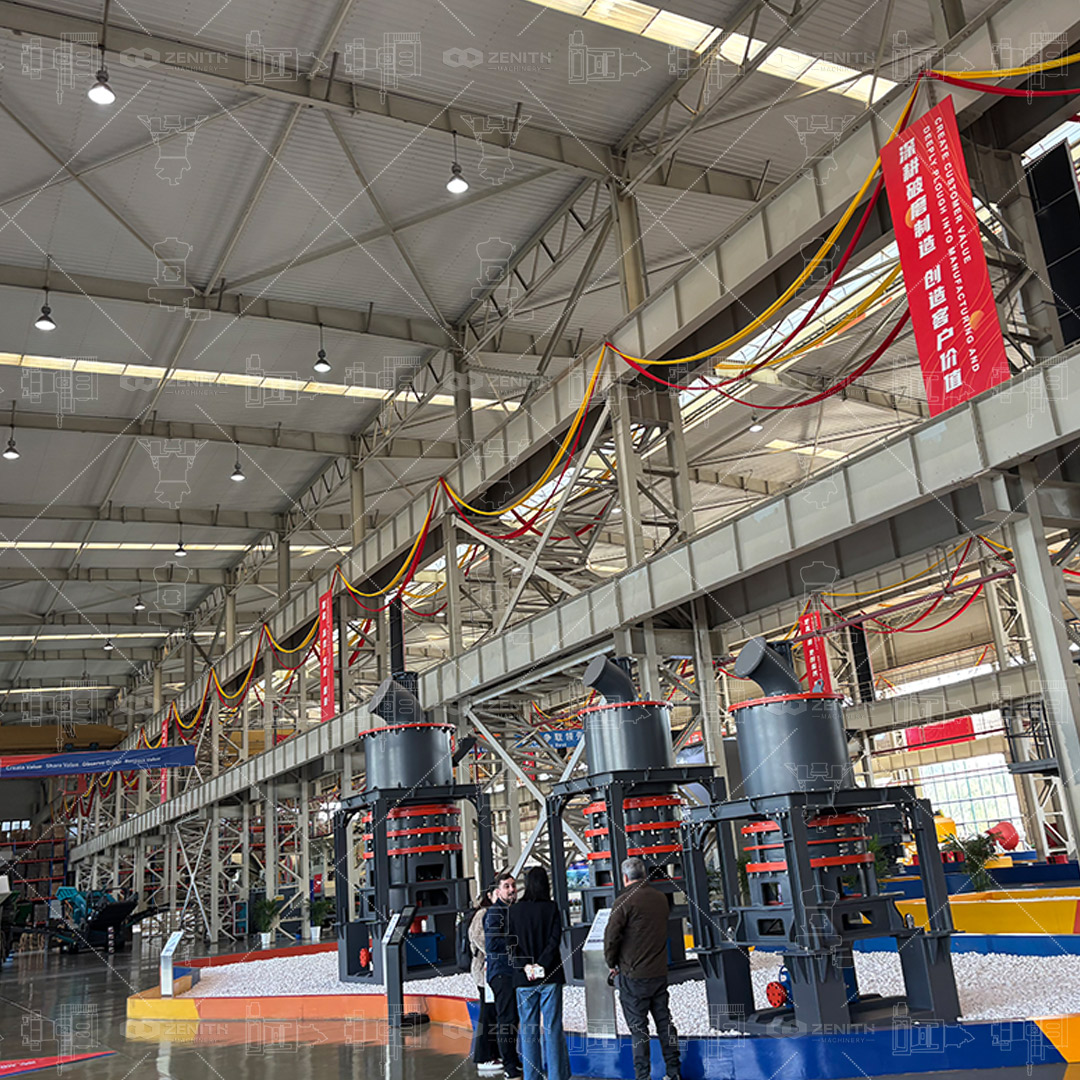
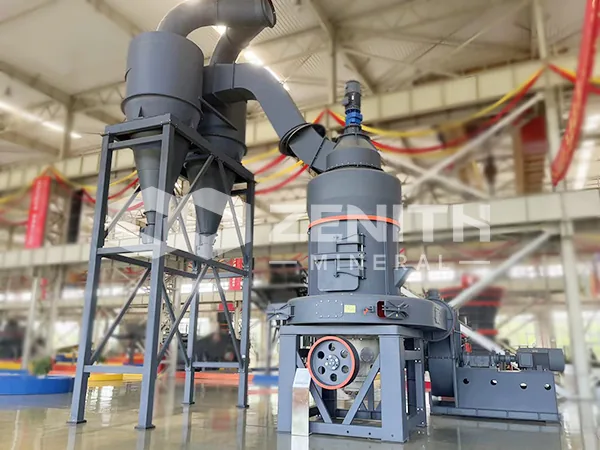
In Kenya's rapidly growing industrial sector, the demand for high-performance mineral fillers for plastics and rubber is surging. Talc powder, particularly at ultrafine 2500 mesh (D97 < 5 micron), is a critical additive that enhances rigidity, heat resistance, and surface finish in automotive parts, packaging films, and rubber profiles. The Kenya xzm1250 ultra fine grinding mill, engineered by Shanghai Zenith Machinery Co., Ltd., delivers a consistent 10 tons per hour of premium 2500 mesh talc, making it the equipment of choice for manufacturers seeking both productivity and product purity.
As a hi-tech engineering group with ISO, CE, and CU-TR certifications, Zenith has over three decades of expertise in industrial milling. Our global network spans 180+ countries, ensuring that Kenyan customers receive world-class support. The XZM1250 is specifically designed to meet the stringent requirements of plastic and rubber filler applications, where particle size distribution, low iron content, and high whiteness are non-negotiable.
_1781288842351.jpg)
Technical Excellence: Why the XZM1250 Stands Out
Precision Grinding at 2500 Mesh
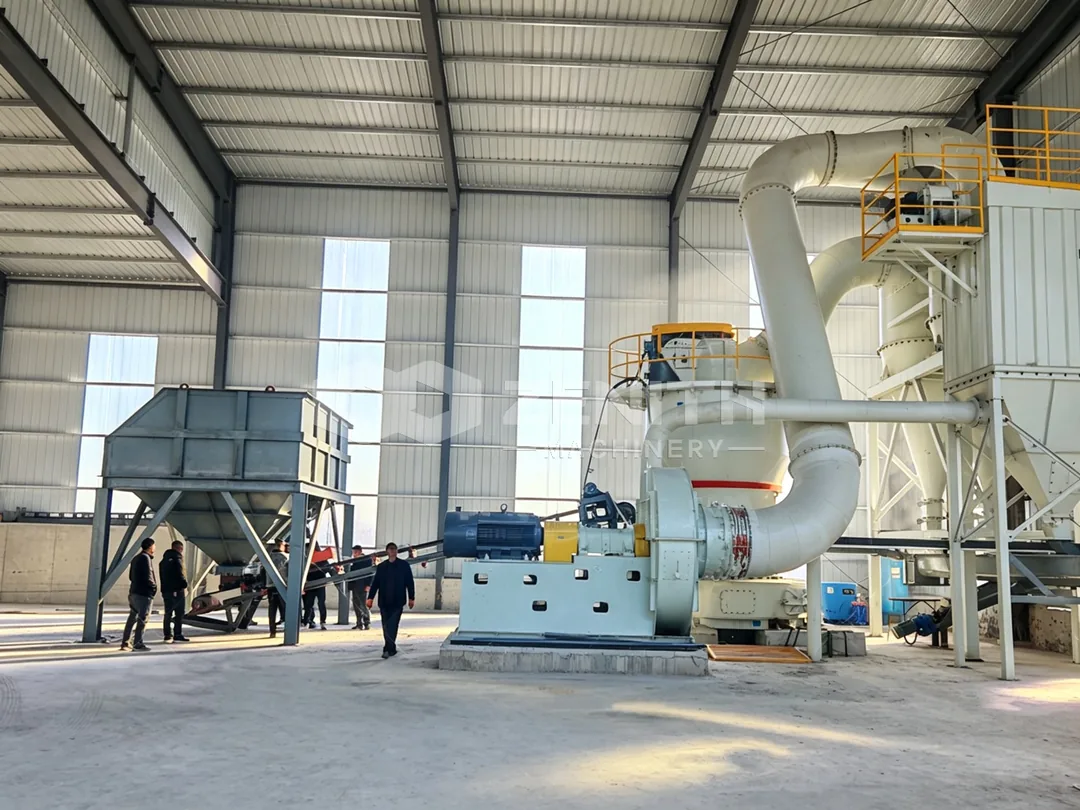
The XZM ultrafine grinding mill achieves D97 < 5 micron in a single classification pass, with fineness arbitrarily adjustable between 325 and 3250 mesh. For talc plastic filler applications, the 2500 mesh setting (approximately 5 microns) provides optimal dispersion in polymer matrices, improving tensile strength without compromising flexibility. The mill's VFD-controlled classifier rotor enables on-the-fly fineness adjustment via the electric control panel – a feature that Kenyan operators value for batch-to-batch consistency.
Energy Efficiency That Directly Impacts Your Bottom Line
Compared to traditional airflow mills and stirring mills, the XZM series delivers 40% higher efficiency and 70% lower energy consumption under identical power conditions. For a 10 t/h talc operation, this translates to significant annual savings in electricity costs – a critical factor in Kenya's competitive manufacturing landscape. The mill's unique design eliminates rolling bearings and screws in the grinding chamber, removing common failure points and reducing maintenance downtime.
Product Purity for High-End Fillers
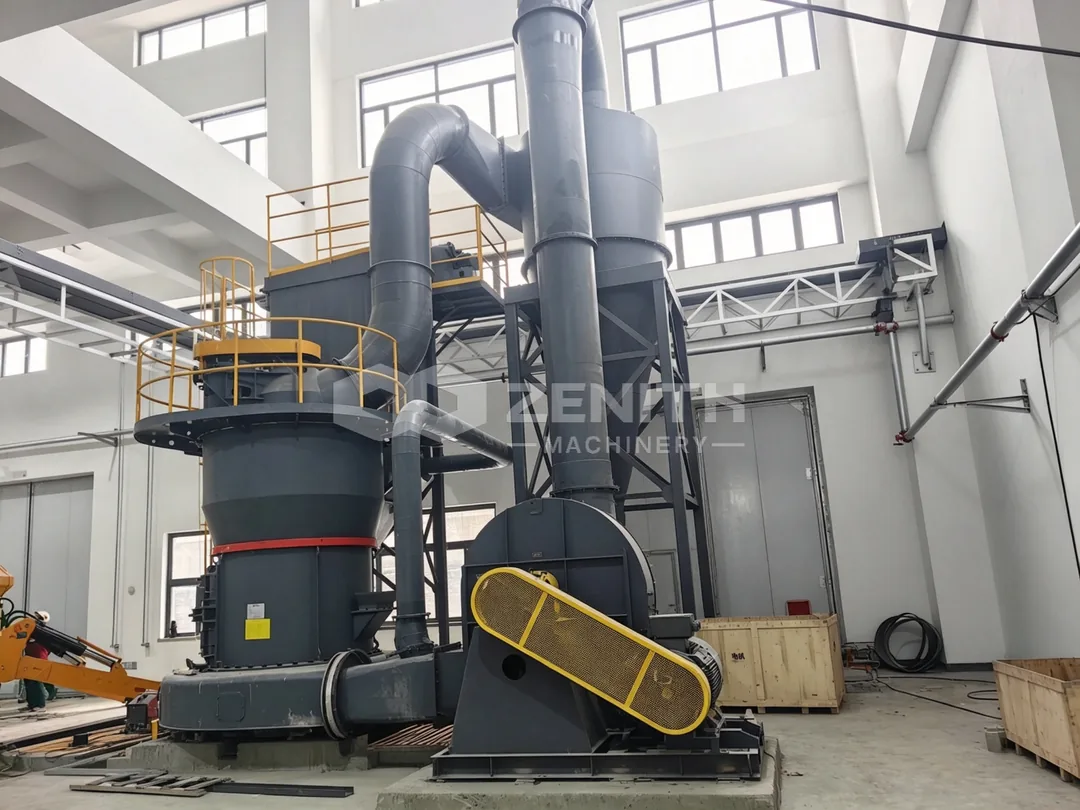
Plastic and rubber fillers demand low iron contamination to maintain whiteness and prevent degradation. The XZM1250's structural design minimizes iron introduction, ensuring the talc powder retains its natural brightness. This is particularly important for light-colored masterbatches and technical rubber compounds where color consistency is paramount.
_1781288842353.jpg)
Application in Plastic & Rubber Filler Production
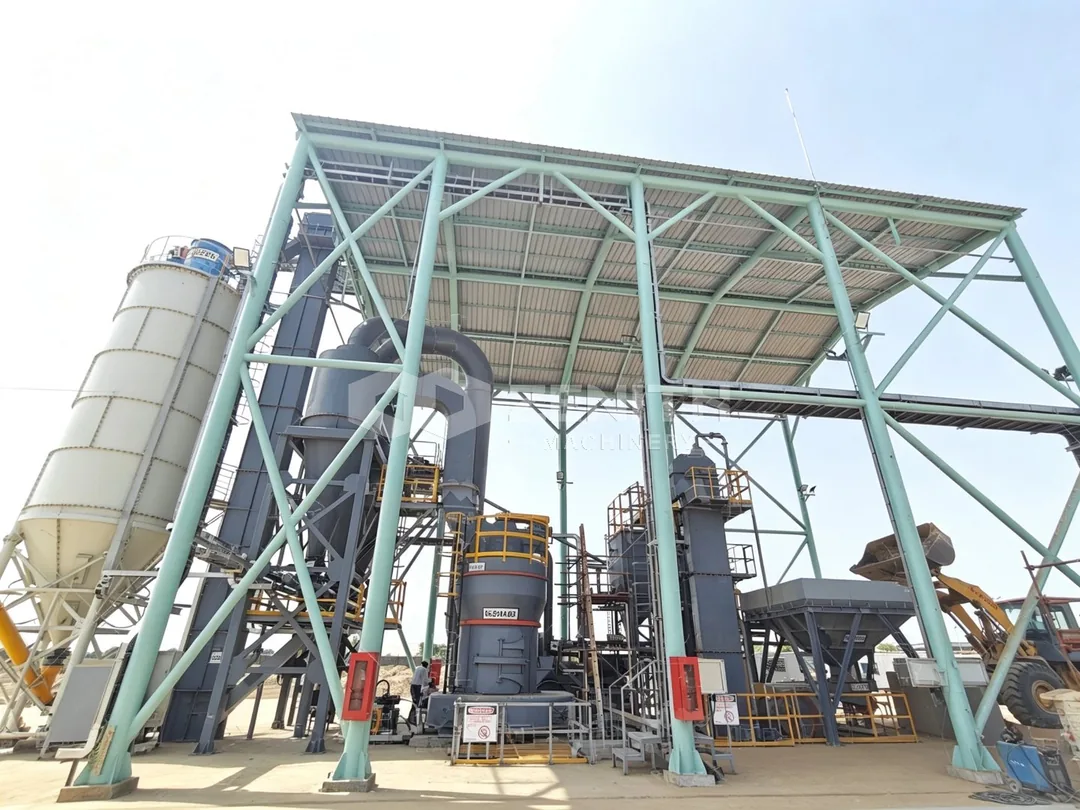
At 10 t/h capacity, the XZM1250 is ideal for medium-to-large scale talc processing plants in Kenya. The mill's feed size acceptance (0-20 mm) means pre-crushed talc lumps can be directly fed without additional pre-grinding stages. The produced 2500 mesh powder exhibits:
- High specific surface area – enhancing polymer-filler interaction.
- Excellent dispersion – preventing agglomeration in mixing processes.
- Consistent particle shape – improving flow properties during extrusion and injection molding.
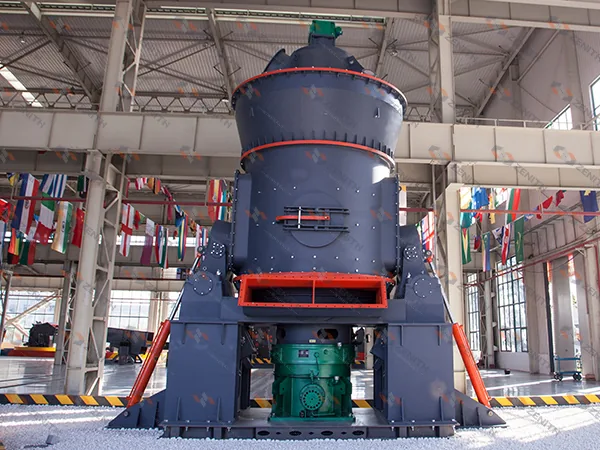
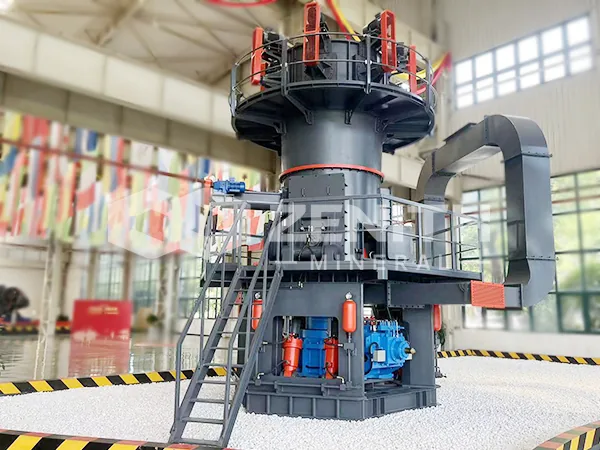
Zenith's other mill series – such as the LUM Ultrafine Vertical Mill and MTW European Trapezium Mill – complement XZM for coarser or finer talc fractions (80 mesh to 3250 mesh), but the XZM1250 remains the benchmark for ultrafine talc at high throughput.
Integration with Existing Systems
The XZM1250 operates under negative pressure with a self-contained pulse dust collector, fully meeting Kenya's environmental standards. Its compact footprint (less than 150 m² for the complete system) allows easy integration into existing plants – a major advantage for manufacturers expanding capacity without major civil works.
_1781288842355.jpg)
Zenith's Commitment to Kenyan Industry
With overseas offices in over 30 countries and service coverage across Africa, Zenith provides comprehensive support for the XZM1250: from site planning and foundation design to commissioning and operator training. Our long-standing presence in the region ensures prompt spare parts availability and technical assistance.
Whether you are producing talc for automotive plastic compounds, rubber seals, or masterbatch granules, the Kenya xzm1250 ultra fine grinding mill delivers the throughput, precision, and reliability that modern manufacturing demands.