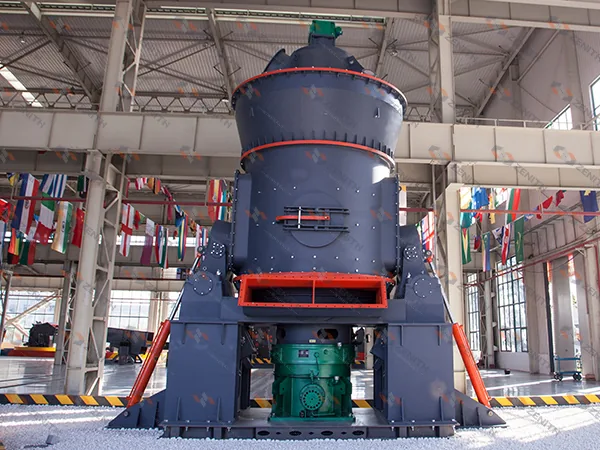
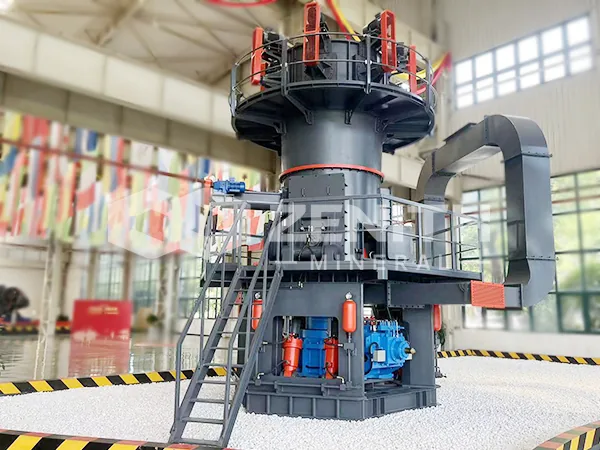
Bangladeshi agricultural company purchases 1tph limestone crusher
2026-06-09 02:23:47
A leading agricultural conglomerate in Bangladesh has recently placed an order with Shanghai Zenith Machinery Co., Ltd. for a 1 ton-per-hour (TPH) limestone crushing and grinding system. The equipment will be used to produce fine limestone powder for soil pH correction and calcium supplementation in rice, jute, and vegetable farms across the country. This purchase reflects the growing trend of precision agriculture in South Asia, where farmers are increasingly relying on mechanized mineral processing to improve crop yields.
Why Limestone for Agriculture?
Limestone is a natural source of calcium carbonate (CaCO₃), which neutralizes acidic soils—a common issue in the floodplains of Bangladesh. Finely ground limestone (typically 80-200 mesh) reacts with soil acids to raise pH levels, unlock nutrients like phosphorus and potassium, and improve microbial activity. For Bangladeshi farmers, this translates directly to higher yields of staple crops such as Aman rice and Boro rice, as well as cash crops like jute and mustard.
Equipment Selection: MTM Trapezium Mill for 1TPH Limestone
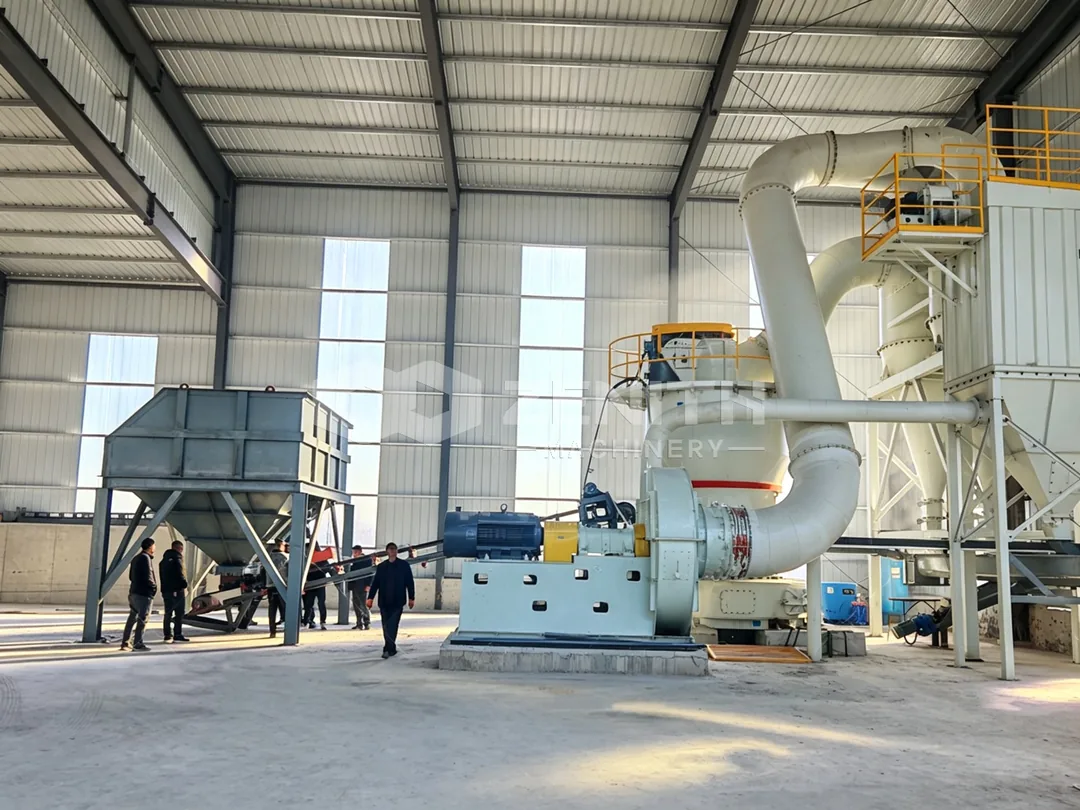
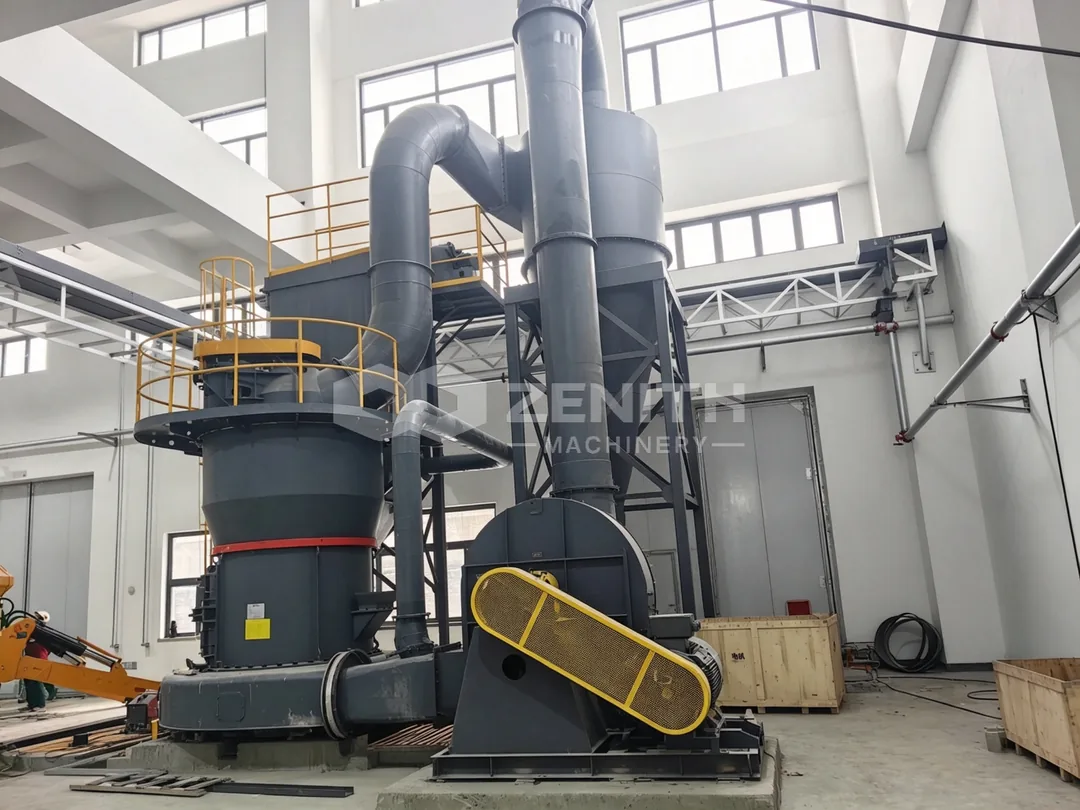
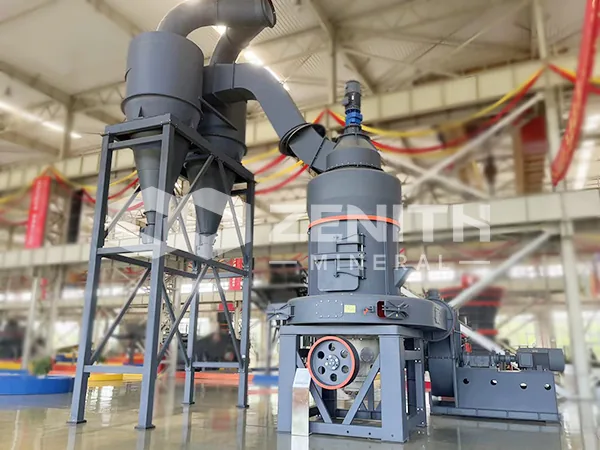
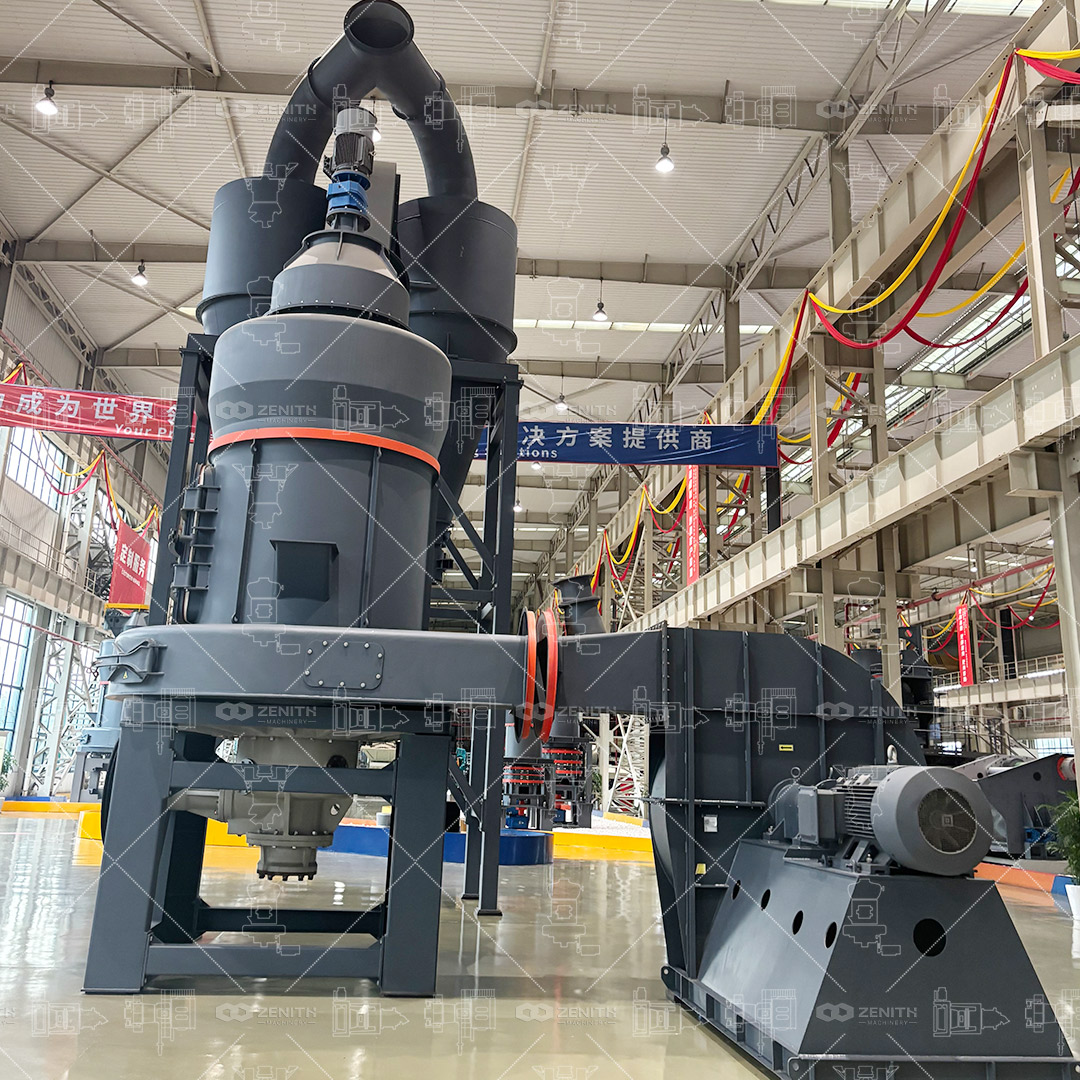
After evaluating several options, the buyer chose the MTM European Trapezium Mill from ZENITH. The MTM series is specifically designed for medium-capacity mineral powder production and is widely used in agriculture, chemical, and construction industries. With a capacity range of 3–22 TPH and an output size of 80–400 mesh (adjustable via modular impeller), the MTM mill perfectly meets the requirement of producing 1 TPH of fine limestone powder.
Key features that convinced the Bangladeshi team:
- Low Investment: The MTM mill includes an integrated production system from bulk material feeding to finished powder collection, significantly reducing the need for additional plant and foundation construction.
- Energy Efficiency: Compared to traditional ball mills, the MTM series consumes up to 60% less energy under ideal working conditions—critical for a country where electricity costs are a major operational concern.
- Durable Operation: With over 30 years of field-proven use, the MTM mill’s trapezoidal grinding ring and roller design ensures stable performance even with abrasive limestone.
_1780943027450.jpg)
System Configuration for 1 TPH Output
The complete solution includes:
- Feed system: A small jaw crusher reduces run-of-mine limestone (0–100 mm) to below 35 mm. An electromagnetic vibrating feeder then meters the material into the MTM mill.
- Grinding unit: The MTM145 model, which can produce 1–3 TPH of 100-mesh limestone powder with a motor power of about 37 kW.
- Classification: The built-in impeller classifier ensures 99% of the product passes through the target mesh size—vital for uniform soil application.
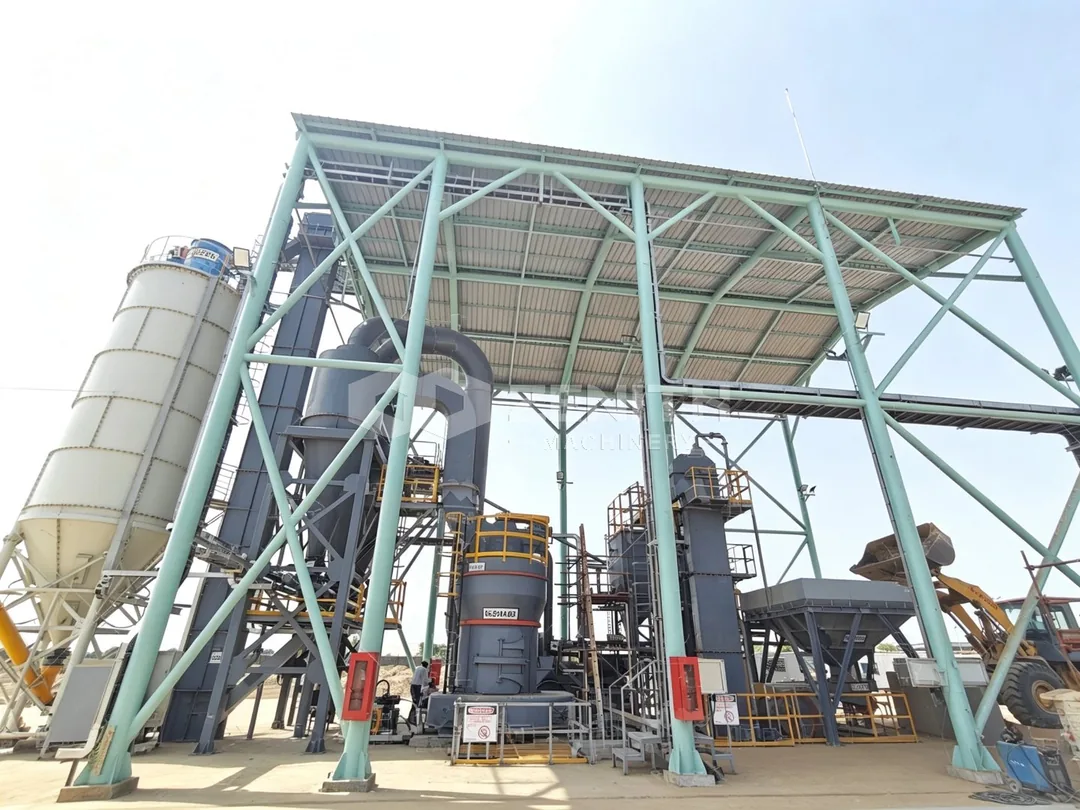
- Dust collection: A pulse bag dust collector (meeting CE and ISO standards) captures fine particles, ensuring the system complies with Bangladesh’s environmental regulations.
On-Site Installation and Service Support
ZENITH’s overseas office in Dhaka coordinated the shipment and will provide a dedicated engineer for two weeks of on-site commissioning. The company’s global service network—covering more than 180 countries—ensures that spare parts (grinding rollers, rings, and impellers) are available within 72 hours. The Bangladeshi agricultural company also signed a 3-year maintenance contract, covering periodic inspections and emergency repairs.
_1780943027452.jpg)
Financial and Operational Benefits
The total investment for the 1 TPH limestone grinding system is approximately $35,000–$45,000 (including crusher, mill, feeder, and dust collector). The MTM mill’s low energy consumption means operating costs are roughly $0.50 per ton of product. With local agricultural limestone prices in Bangladesh at $15–$25 per ton, the payback period for the company is estimated at 12–18 months. Furthermore, the mill can produce multiple grades of powder (e.g., 80 mesh for direct soil application and 200 mesh for feed additives) by simply adjusting the classifier speed, giving the company flexibility to serve different customers.
Alternative Equipment Considered
During the selection process, ZENITH’s sales team also proposed two other options:
- Raymond Mill (High-Pressure): Suitable for 10–325 mesh powder with a compact footprint. However, its capacity (3–22 TPH) was overkill for the 1 TPH requirement, and the initial cost was higher.
- Hammer Mill (Coarse Powder): Capable of 0–3 mm output at 3–50 TPH. While cheaper, the hammer mill’s product is too coarse (10+ mesh) for soil liming, which requires at least 80 mesh calcium carbonate.
The MTM mill struck the right balance between cost, fineness, and capacity for this specific agricultural application.
_1780943027455.jpg)
Conclusion
This purchase marks another milestone for ZENITH in the agricultural machinery sector of Southeast Asia. By choosing the MTM European Trapezium Mill, the Bangladeshi company gains a reliable, energy-efficient, and versatile solution for limestone grinding—helping to improve soil health and boost crop yields for thousands of local farmers. As demand for micronized minerals grows in agriculture, ZENITH’s tailored solutions (from 1–1,250 mesh) will continue to enable agribusinesses worldwide.
Frequently Asked Questions (FAQ)
- What is the exact model of the 1tph limestone crusher?
The system uses the MTM145 trapezium mill combined with a PE250×400 jaw crusher. The MTM mill alone can process 1–3 TPH of limestone to 80–400 mesh fineness. - Can the same equipment also grind other minerals for agriculture?
Yes. The MTM mill can grind gypsum (for sulfur), dolomite (for magnesium), and phosphate rock (for phosphorus) with similar particle sizes. However, for very hard materials like quartz, we recommend the LM vertical mill. - What is the warranty period for the equipment?
ZENITH provides a 12-month warranty from commissioning. Wear parts (grinding rings and rollers) are separately covered by a 6-month guarantee against manufacturing defects. - How long does the installation take?
For a 1 TPH system, the installation and commissioning typically require 7–10 days with a ZENITH engineer on-site. The customer must prepare the foundation, power connection (380V/50Hz), and a small storage shed for the mill. - What are the power requirements?
The entire system (crusher, mill, feeder, and dust collector) consumes about 55 kW. A diesel generator is recommended as backup if grid power is unstable in rural Bangladesh. - Does the mill produce dust?
No. The MTM mill operates under negative pressure, and the pulse dust collector achieves over 99.9% filtration efficiency. The system complies with both CE and CU-TR environmental standards. - Can we get a free sample of the finished powder?
ZENITH can arrange lab tests (grindability, moisture content, and particle size distribution) if the customer sends 50 kg of limestone to our Shanghai test center. For international clients, we can also provide a video demonstration of the test.
_1780943027456.jpg)