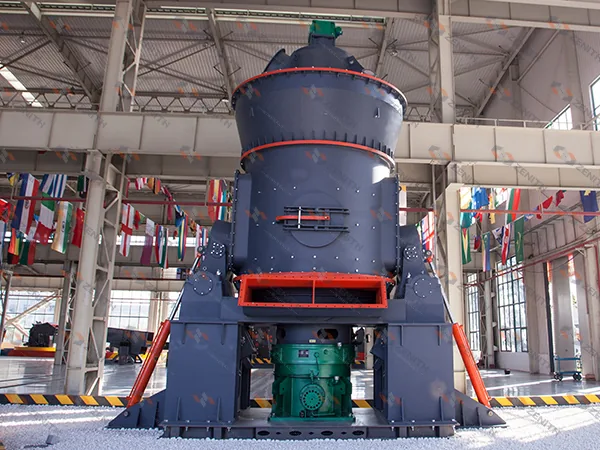
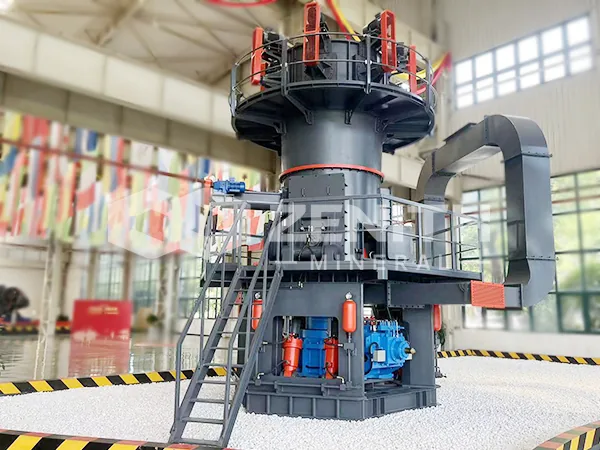
Malaysia xzm800 ultra fine grinding mill 3t/h 1250 mesh dolomite powder for chemical filler application
2026-06-10 02:23:34
In the competitive landscape of Malaysia’s chemical manufacturing and industrial mineral processing sectors, the demand for high-purity, ultra-fine dolomite powder continues to rise. Dolomite, valued for its whiteness, chemical stability, and calcium-magnesium carbonate composition, serves as a critical filler in paints, plastics, PVC, rubber, adhesives, and sealants. Achieving a consistent 1250 mesh (D97 < 10 micron) particle size with a throughput of 3 tons per hour is no small feat—it requires precision engineering, robust equipment, and deep application knowledge. Shanghai Zenith Machinery Co., Ltd. delivers exactly this capability with the XZM800 Ultrafine Grinding Mill, a solution purpose-built for Malaysia’s chemical filler industry.
_1781029414625.jpg)
Having worked with numerous clients across Southeast Asia, I’ve seen firsthand how the wrong mill choice can lead to inconsistent fineness, high energy bills, and frequent downtime. The XZM800 sidesteps these pitfalls through an ingenious structural design. Unlike traditional ball mills or Raymond mills, the XZM series eliminates rolling bearings and screws inside the grinding chamber, removing common failure points such as bearing seal leakage and screw loosening. This not only extends maintenance intervals but also ensures production runs stay uninterrupted—critical when your downstream customers demand just-in-time delivery of filler-grade dolomite.
Why 1250 Mesh Dolomite for Chemical Fillers?
Fillers used in chemical applications must meet strict specifications regarding particle size distribution, surface area, and impurity levels. At 1250 mesh (approximately 10 microns), dolomite powder provides excellent dispersion, improved mechanical strength, and opacity in end products. The XZM800 achieves D97 < 10 micron in a single pass, thanks to its high-speed classifier rotor driven by a variable frequency drive (VFD). Operators can dial in the exact fineness by adjusting rotor speed on the control panel—no mechanical changes or lengthy recalibrations needed.
Energy Efficiency That Matters in Malaysia
Malaysia’s industrial electricity tariffs, while competitive, still represent a significant operational cost. The XZM800 delivers 40% higher efficiency and 70% lower energy consumption compared to air-flow mills and stirring mills when producing the same fineness. For a 3t/h dolomite grinding line, this translates to thousands of ringgit saved annually. Over a five-year period, those savings can fund additional automation or expansion. One of my clients in Johor Bahru replaced two old air-flow mills with a single XZM800, cutting their power bill by nearly 60% while boosting output.
System Design and Workflow
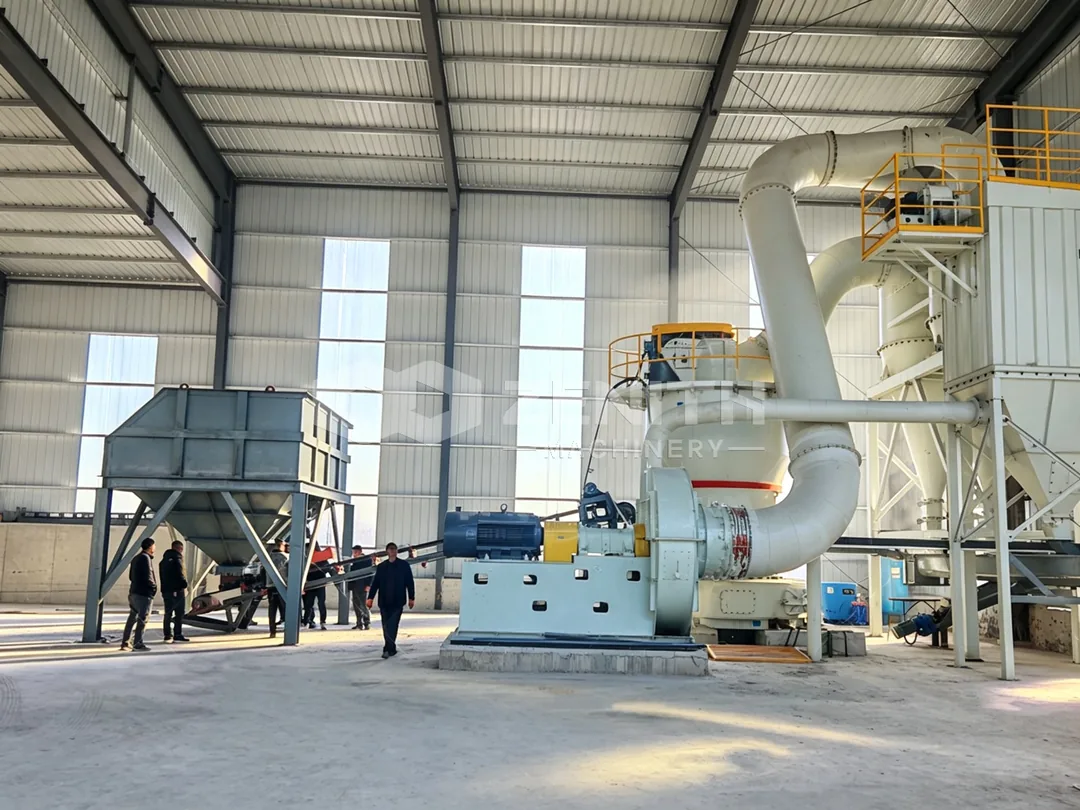
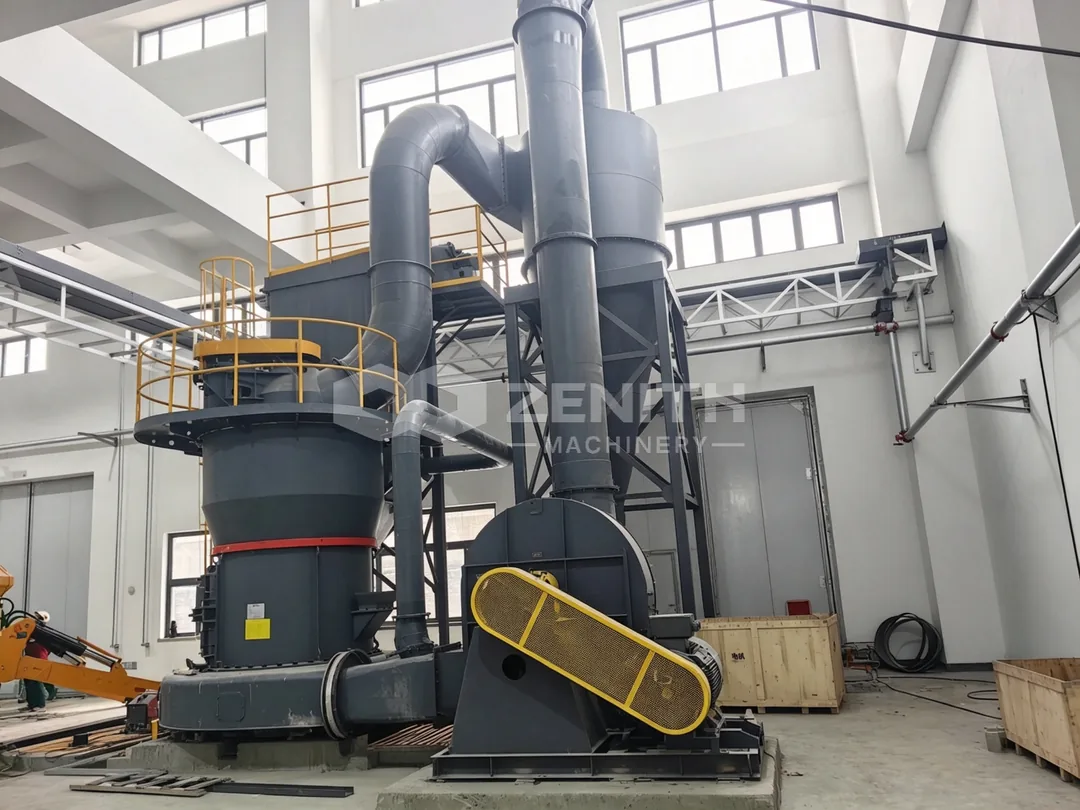
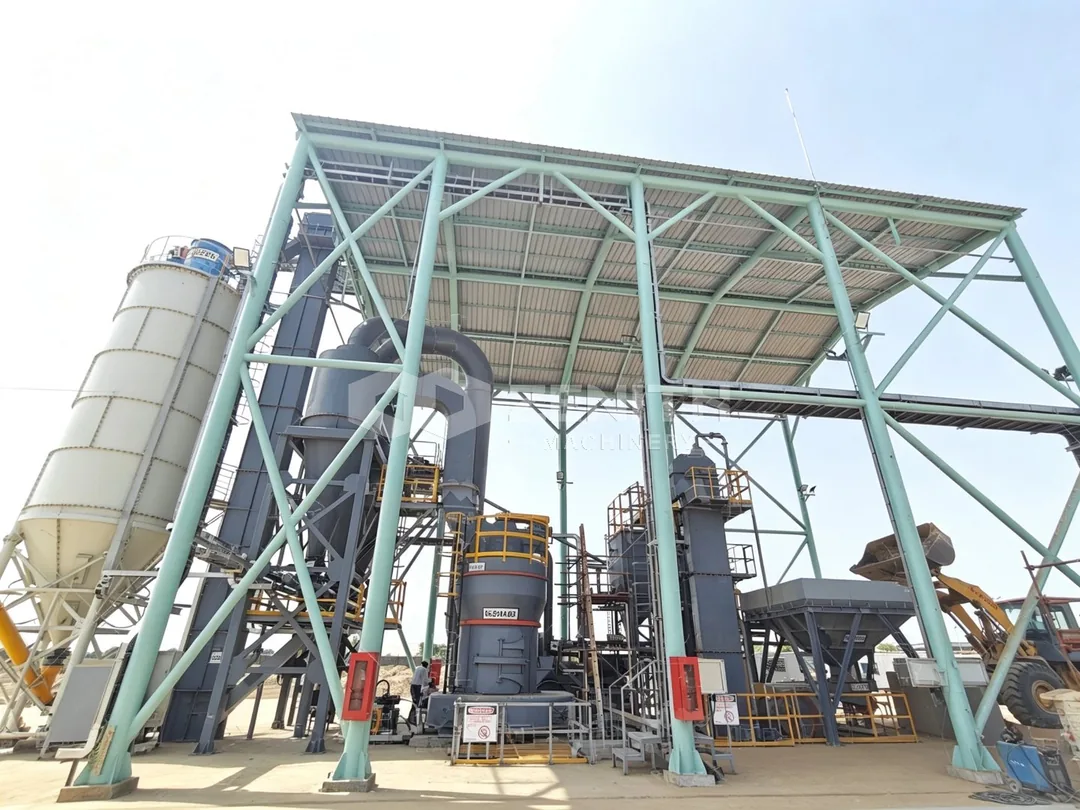
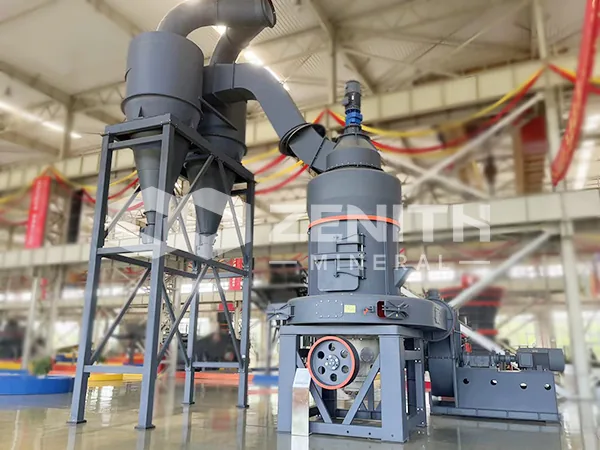
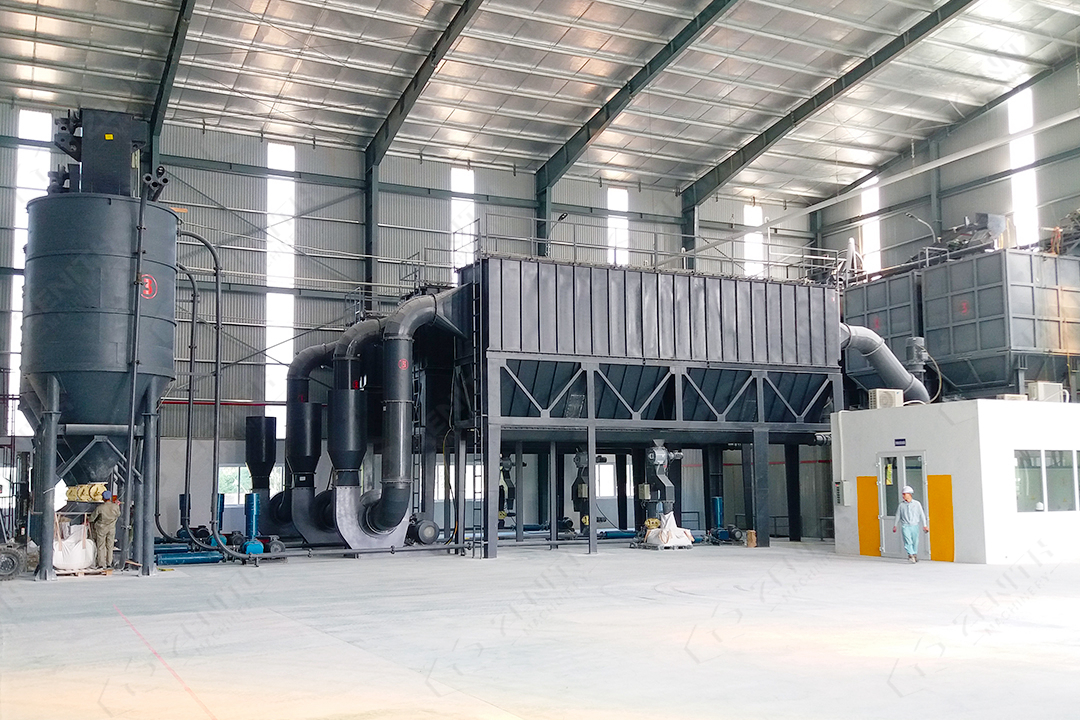
The complete grinding system includes a jaw crusher for primary size reduction, a bucket elevator, a vibrating feeder, the XZM800 main mill, a cyclone collector, a pulse dust collector, and a control cabinet. The entire process operates under negative pressure, preventing dust escape—essential for meeting Malaysia’s Department of Environment (DOE) emission standards. The mill’s working principle is straightforward yet effective: crushed material fed onto the turntable is ground by rollers under centrifugal force, then carried by airflow to the classifier. Coarse particles return for regrinding, while fine powder passes through and is collected.
_1781029414637.jpg)
Why Zenith’s XZM800 Stands Out for Chemical Applications
Zenith’s global footprint—with offices in over 30 countries and equipment operating in 180+ nations—brings a level of reliability and after-sales support that regional suppliers cannot match. For the chemical filler industry, where product consistency is non-negotiable, the XZM800’s ability to maintain ±2% variation in 1250 mesh output is a game-changer. Additionally, the mill’s wear parts are constructed from high-quality abrasion-resistant steel, ensuring a long service life even when processing hard dolomite (Mohs hardness 3.5–4).
If you are evaluating equipment for a dolomite grinding project in Malaysia—whether for a new plant or an upgrade—the XZM800 warrants serious consideration. Its combination of throughput, fineness, energy efficiency, and structural simplicity aligns perfectly with the needs of chemical filler production. Below, I’ve answered some common questions that arise during such evaluations.
_1781029414652.jpg)
Frequently Asked Questions
- Can the XZM800 produce fineness other than 1250 mesh for dolomite? Yes, the classifier rotor speed is adjustable via VFD, allowing production from 325 mesh up to 2500 mesh (D97 < 5 micron). Changing fineness requires only a setting adjustment on the control panel.
- What is the moisture content limit for feed material? Dolomite feed moisture should be kept below 6% for optimal grinding. Higher moisture can cause material buildup inside the mill. If your raw dolomite is wet, a dryer or hot air system can be integrated upstream.
- How does the XZM800 compare to ball mills for this application? Ball mills typically consume 60% more energy for the same fineness and require larger floor space. The XZM800 also avoids the media (steel ball) replacement cost and produces a narrower particle size distribution, which is preferred for chemical fillers.
- What after-sales support is available for Malaysian customers? Zenith has an authorized distributor network in Malaysia and provides remote troubleshooting, on-site commissioning, and spare parts warehousing. Our team typically responds to service requests within 24 hours.
- Can the XZM800 handle other minerals like calcium carbonate or barite? Absolutely. The mill is designed for non-metallic minerals including calcite, marble, limestone, talc, barite, kaolin, and gypsum. Different minerals may require minor parameter adjustments, but no mechanical modifications are needed.
- What is the recommended maintenance schedule? Daily checks include lubrication of the classifier bearings and inspection of the grinding roller wear. Major overhaul intervals depend on material abrasiveness; for dolomite, we recommend a full inspection every 2000 operating hours.
- Is the XZM800 compliant with Malaysian environmental regulations? Yes. The system operates under negative pressure with a pulse dust collector achieving emission levels below 20 mg/Nm³, fully compliant with DOE standards for industrial grinders.