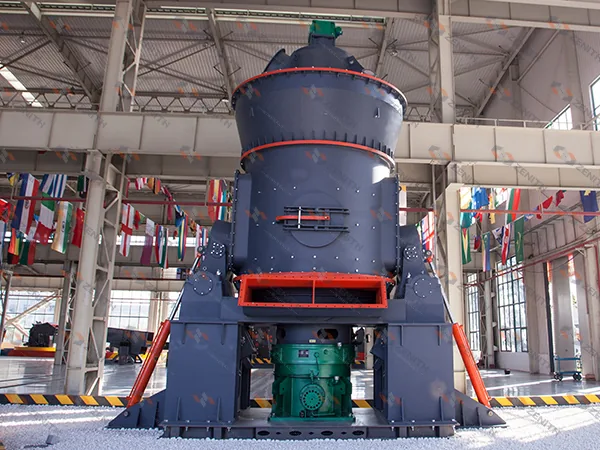
A malawian cement plant buys grinding mill for limestone and pozzolana processing, 100 tons daily output, 10-20 microns finished fineness
2026-06-07 02:24:50
When a cement plant in Malawi needed to process limestone and pozzolana with a daily output of 100 tons and a finished fineness of 10-20 microns, they turned to Shanghai Zenith Machinery Co., Ltd. for a customized grinding solution. The challenge was clear: produce high-quality raw materials for cement production while keeping energy costs low and meeting environmental standards. After evaluating several options, the plant selected a combination of Zenith's advanced grinding mills, designed specifically for medium-to-fine powder processing.
Why Choose Zenith for Limestone and Pozzolana Grinding?
Zenith Machinery has over 30 years of experience in industrial milling, with a product range covering 1-3mm coarse powder, 20-400 mesh fine powder, 400-1250 mesh ultrafine powder, and 1250-3250 mesh micro powder. Our equipment holds ISO, CE, and CU-TR certifications, and we have served clients in over 180 countries. For this Malawian cement plant, the key requirements were high capacity (100 tons per day), fine fineness (10-20 microns), and the ability to handle both limestone and pozzolana—materials with different hardness and moisture levels.
Recommended Grinding Mills for 10-20 Micron Output
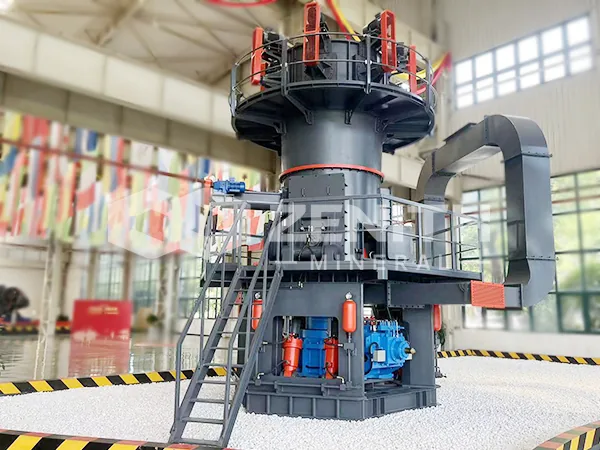
To achieve the target fineness of 10-20 microns (equivalent to approximately 1250-2500 mesh), the LUM Ultrafine Vertical Grinding Mill and the XZM Ultrafine Grinding Mill are ideal choices. Both mills can produce ultrafine powder with adjustable fineness and high purity, which is critical for cement raw meal preparation.
_1780770290382.jpg)
LUM Ultrafine Vertical Grinding Mill
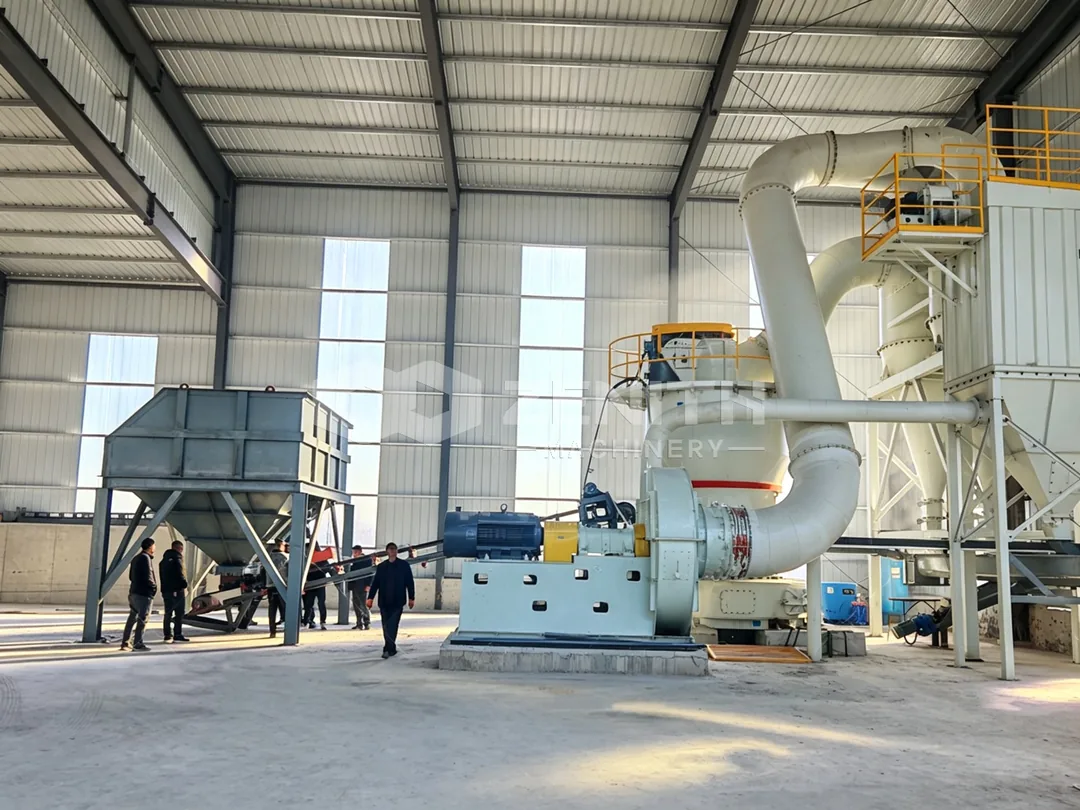
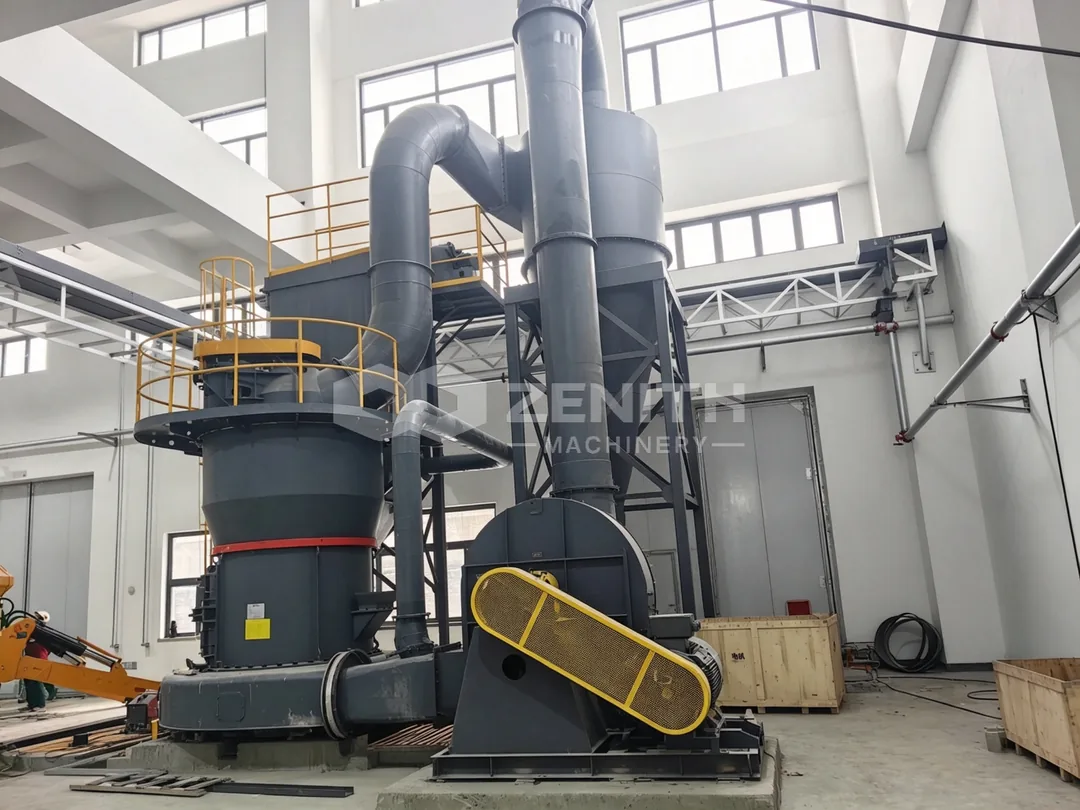
The LUM series is designed for ultrafine grinding of non-metallic minerals like limestone, calcite, and pozzolana. Its capacity ranges from 5 to 18 tons per hour, and it can produce powder from 325 mesh to 2500 mesh (approximately 5-45 microns). For this project, a single LUM mill can easily meet the 100 tons per day output (assuming 12-16 hours of operation). Key advantages include:
- High Purity of Material: Effective control of product size and iron content ensures the whiteness and chemical consistency needed for cement.
- Energy Saving: Energy consumption is reduced by 30%-50% compared to ordinary mills, lowering operational costs.
- Environmentally Friendly: The mill operates under negative pressure with no dust spillover, meeting strict environmental regulations.
XZM Ultrafine Grinding Mill
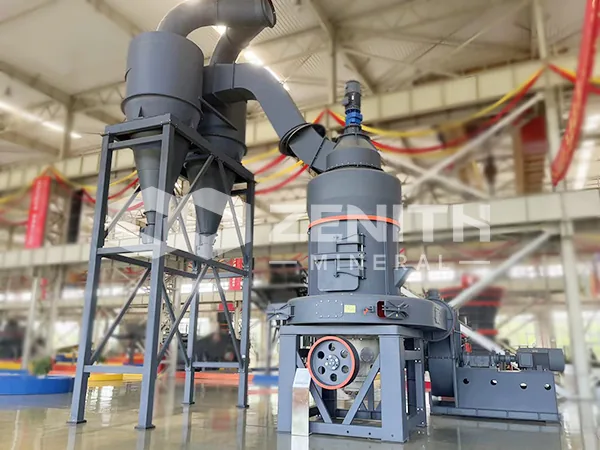
Alternatively, the XZM series offers even finer grinding, with adjustable fineness from 325 mesh to 3250 mesh (down to D97 < 5 microns). It is ideal for producing ultra-fine pozzolana for high-performance cement. With a capacity of 0.5-25 tons per hour, one XZM mill can be configured to produce 10-20 micron powder efficiently. Its features include:
- Arbitrary Adjustment of Fineness: The classifier rotor speed is controlled by VFD, allowing easy fine-tuning from the control panel.
- High Efficiency, Low Energy: 40% higher efficiency and 70% lower energy consumption than air-flow mills or stirring mills.
- Safe Structural Design: No rolling bearings or screws in the grinding chamber, reducing maintenance risks.
_1780770290384.jpg)
System Configuration for 100 Tons Daily Output
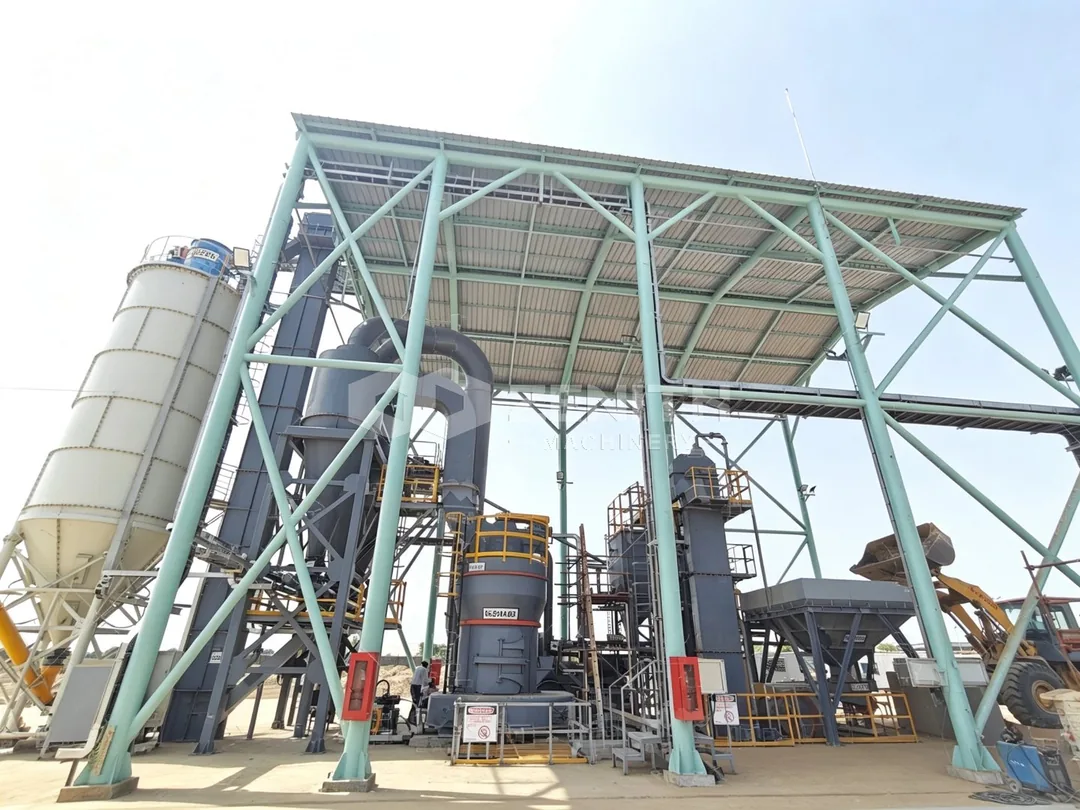
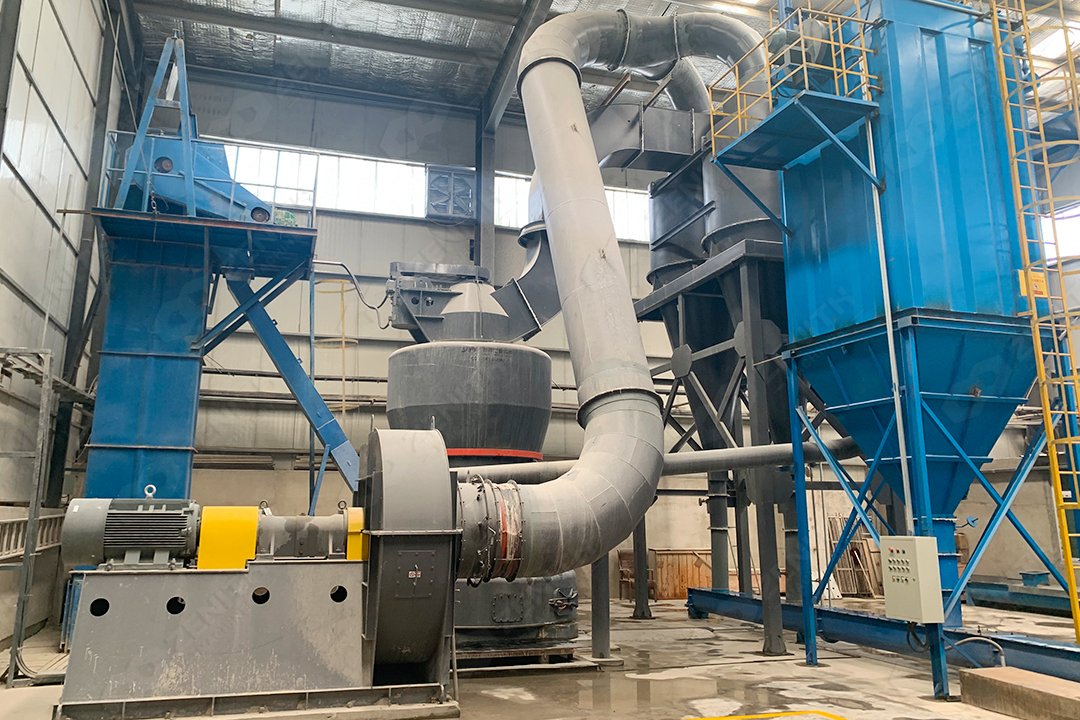
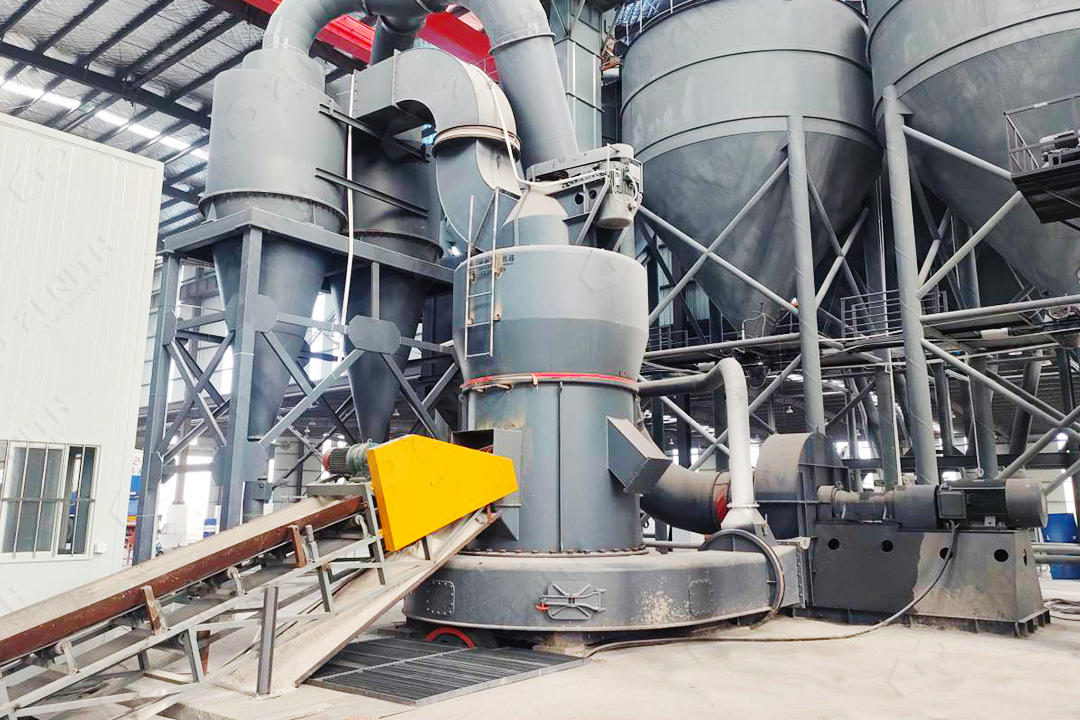
To achieve 100 tons per day at 10-20 microns, a common configuration includes one primary grinding mill (LUM or XZM) with a crusher, belt feeder, and pulse dust collector. The working principle is straightforward: raw limestone and pozzolana are crushed to below 20-30mm, then fed into the mill. Inside, the grinding rollers crush the material, and the airflow carries fine particles to the classifier. Coarse particles return for regrinding, while finished powder is collected in a cyclone and dust collector. The entire system operates under negative pressure, ensuring a clean environment.
Benefits for the Malawian Cement Plant
By choosing Zenith's grinding mills, the cement plant gains:
- Stable Product Quality: Consistent fineness and purity improve cement strength and reduce clinker consumption.
- Lower Operating Costs: Energy savings of 30-70% compared to ball mills, plus reduced maintenance due to advanced wear parts.
- Environmental Compliance: Dust-free operation meets both local and international standards.
- Easy Operation: Automated control systems allow remote monitoring and minimal manpower.
_1780770290386.jpg)
After-Sales Support and Global Network
Zenith has overseas offices in more than 30 countries, including Africa, ensuring prompt technical support, spare parts delivery, and training for the Malawian team. Our engineers can assist with site planning, installation, and commissioning to guarantee smooth operation from day one.
Frequently Asked Questions (FAQ)
1. Can one mill handle both limestone and pozzolana at the same time?
2. What is the power consumption for producing 100 tons per day at 10-20 microns?
3. Does the system include dust collection?
4. How long does it take to change the grinding roller or classifier?
5. Can the mill produce fineness below 10 microns if needed in the future?
6. What is the warranty and spare parts availability in Malawi?
7. How does the price compare to a ball mill for the same output?
Contact Zenith today for a customized proposal for your Malawian cement plant. Our engineers will analyze your raw materials, site conditions, and production goals to recommend the optimal grinding solution.