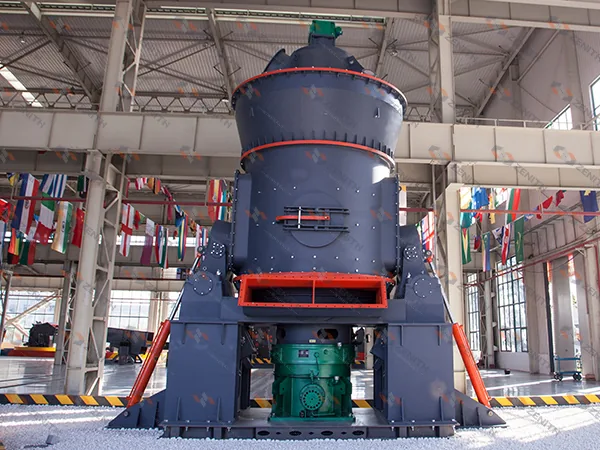
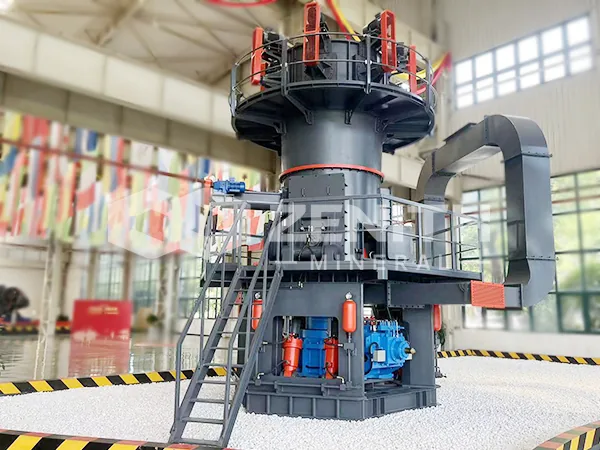
A bangladeshi agricultural company purchases grinding mill for waste ceramic insulator processing, 1t/h capacity, 400-500 mesh fineness
2026-06-06 02:27:24
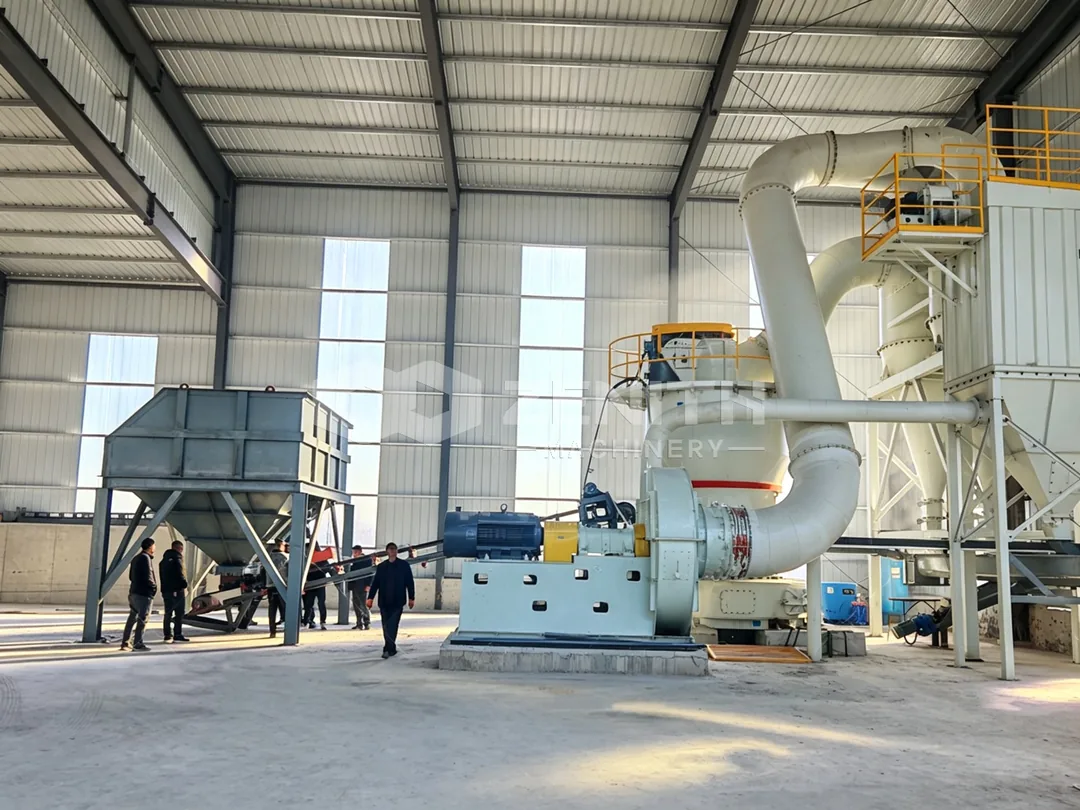
In the heart of Bangladesh’s growing agricultural sector, a forward-thinking company has taken a bold step toward sustainable waste management and resource optimization. The company, which specializes in agricultural production and processing, recently invested in a state-of-the-art grinding mill to convert waste ceramic insulators into valuable fine powder. With a required capacity of 1 ton per hour and a target fineness of 400–500 mesh, this project represents a unique intersection of agricultural innovation and industrial recycling.
_1780684044834.jpg)
Why Grind Waste Ceramic Insulators?
Ceramic insulators, commonly discarded by power utilities and construction projects, are typically non-biodegradable and occupy valuable landfill space. However, when ground to a fine powder of 400–500 mesh, this waste material can be repurposed as a high-quality additive in agricultural soil conditioners, construction materials, and even as a filler in certain industrial processes. For a Bangladeshi agricultural company, this means turning an environmental liability into a profitable asset—reducing disposal costs while creating a new revenue stream.
Selecting the Right Grinding Technology
Meeting the specific requirements of 1 t/h capacity and 400–500 mesh fineness demands a mill that combines precision, energy efficiency, and reliability. After evaluating several options, the company selected a solution from Shanghai Zenith Machinery Co., Ltd., a global leader in industrial grinding equipment with over three decades of experience. Zenith’s product line, ranging from coarse powder (1–3 mm) to micro powder (1250–3250 mesh), offers tailored solutions for diverse applications.
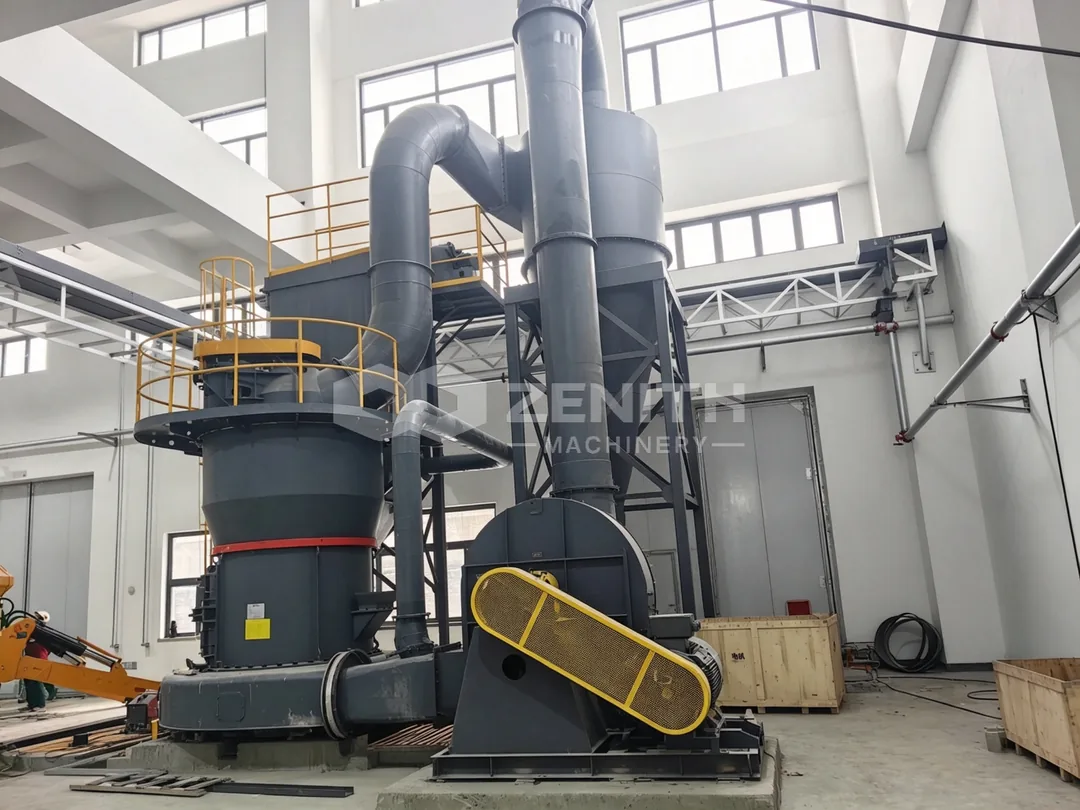
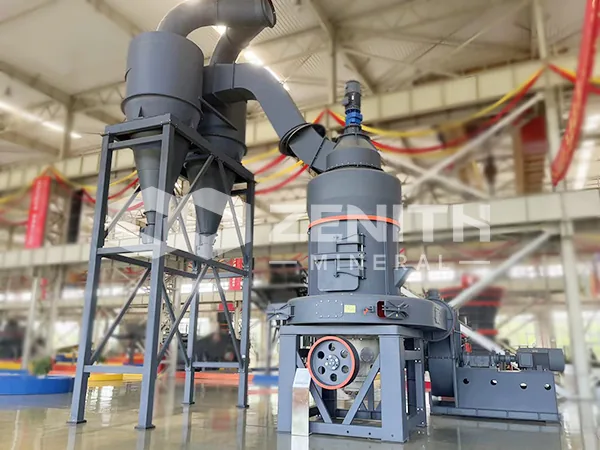
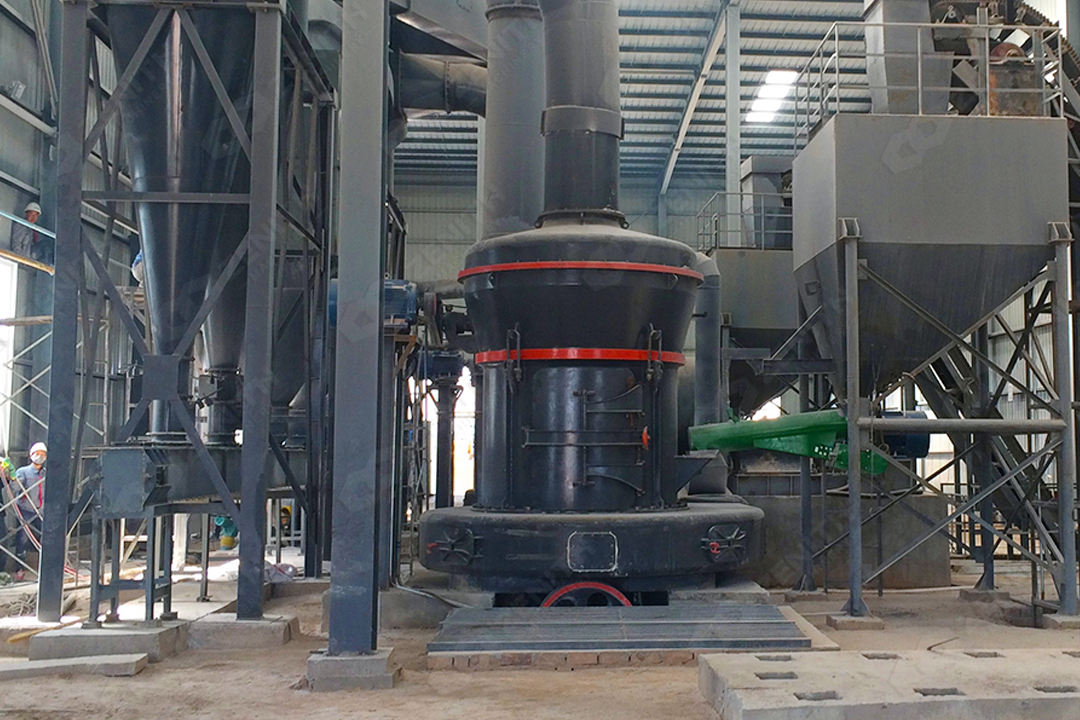
For this project, the MTW European Trapezium Mill emerged as the ideal candidate. Capable of producing 80–400 mesh fine powder with capacities up to 22 t/h, the MTW series can be fine-tuned to deliver the precise 400–500 mesh range required. Its modular impeller adjustment device allows operators to change fineness simply by swapping impellers—a crucial feature for a company that may later diversify its product output. Additionally, the MTW mill’s energy consumption is more than 60% lower than that of a comparable ball mill, significantly reducing operational costs over time.
System Design and Workflow
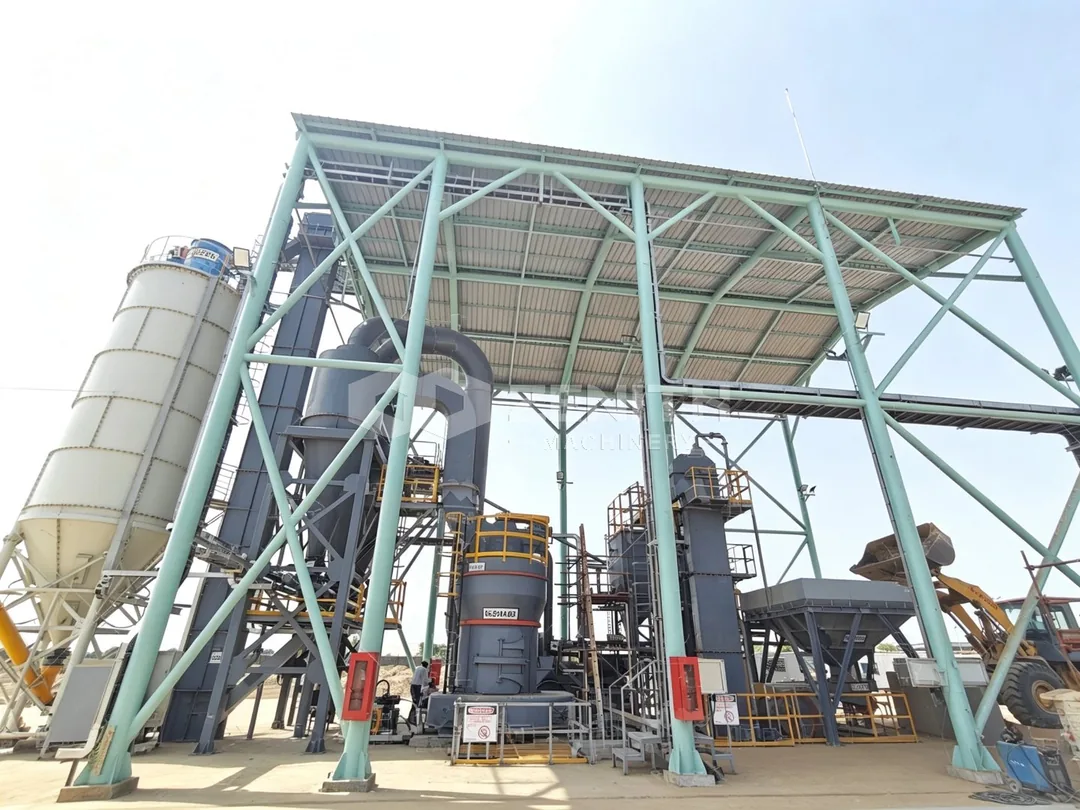
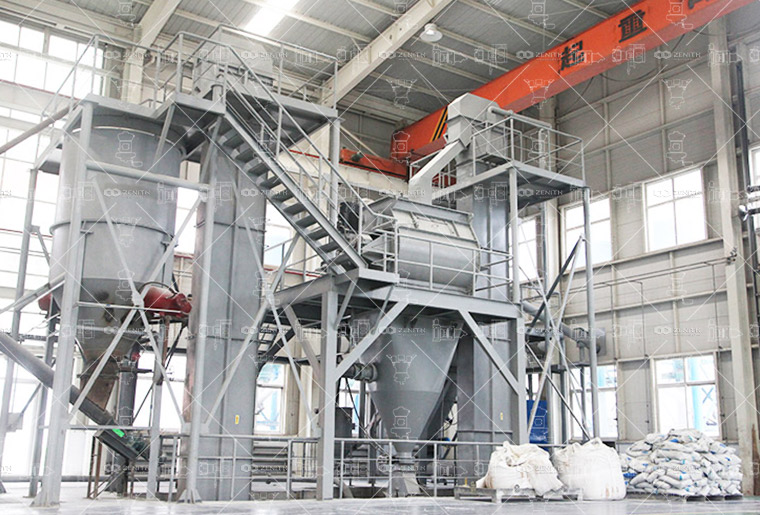
The complete grinding system was designed to minimize footprint and investment. The MTW mill operates as an independent production unit, from bulk material intake to finished powder collection. Crushed ceramic insulator pieces (0–35 mm) are fed into the main grinding chamber via a variable frequency belt feeder. Inside, the grinding rollers and ring work in tandem to pulverize the material. An efficient impeller fan then transports the fine particles to a powder selector, where only particles meeting the 400–500 mesh standard pass through. Oversized material falls back for re-grinding, ensuring consistent quality.
The system operates under positive and negative pressure conditions, with a pulse dust collector ensuring compliance with national environmental standards—a key consideration for any agricultural operation aiming for sustainability certification.
_1780684044838.jpg)
Alternative Solutions for Similar Applications
While the MTW mill was selected for this specific project, Zenith offers several other options that could suit similar waste-processing needs. For instance, the LM Vertical Grinding Mill provides high automation and 24-hour continuous operation—ideal for large-scale plants. Its compact design occupies about 50% less space than a ball mill system, and its sealed, negative-pressure operation eliminates dust spillover. The Raymond Mill, a classic choice for 10–325 mesh powder, offers 99% screening efficiency and intelligent control. For ultrafine applications (325–2500 mesh), the LUM Ultrafine Vertical Grinding Mill integrates grinding, separation, and transport with energy savings of 30–50% compared to ordinary mills.
Each machine undergoes stringent quality checks and holds ISO, CE, and CU-TR certifications, ensuring reliability in demanding environments.
Global Support and Local Impact
Zenith’s marketing network spans over 180 countries and regions, with overseas offices in more than 30 nations. For the Bangladeshi agricultural company, this means accessible technical support, spare parts, and training. The investment is expected to pay for itself within two years through reduced waste disposal fees, new product sales, and lower energy bills.
Conclusion
This case study illustrates how agricultural enterprises can embrace the circular economy by processing industrial waste into valuable resources. With the right grinding technology—combining adequate capacity, precise fineness control, and energy efficiency—a Bangladeshi company can turn discarded ceramic insulators into a profitable, eco-friendly product. Zenith’s MTW European Trapezium Mill, backed by decades of engineering expertise, provides the reliable foundation for this transformation.
Frequently Asked Questions
- Can the MTW mill handle materials other than ceramic insulators?
Yes. The MTW series is designed for a wide range of minerals and industrial by-products, including limestone, gypsum, dolomite, and slag. Its adjustable fineness and robust construction make it versatile for many applications. - What is the power consumption for achieving 400–500 mesh at 1 t/h?
Exact power consumption depends on material hardness and moisture content, but the MTW mill typically consumes 60% less energy than a ball mill. For a 1 t/h operation, expect around 20–30 kW under normal conditions. - How often does the mill require maintenance?
Routine maintenance intervals depend on operating hours. Zenith recommends weekly checks on lubrication and wear parts, with grinding rollers and rings typically lasting 6–12 months before replacement, depending on abrasiveness. - What safety features are included?
The MTW mill includes overload protection, a pulse dust collector to prevent dust explosions, pressure relief valves, and an emergency stop system. Operation under negative pressure minimizes dust leakage. - Can the system be expanded for higher capacity later?
Yes. The modular design allows for upgrades such as a larger classifier, additional grinding rollers, or a bigger fan. Many customers start with a single unit and scale up as demand grows. - Is training provided for local operators?
Absolutely. Zenith offers on-site installation guidance and operator training. Remote support is also available through our global service network, including in Bangladesh. - What is the warranty period for the mill?
Zenith provides a standard 12-month warranty from the date of commissioning, covering manufacturing defects. Extended warranty plans are available upon request.