A pakistani powder supplier buys raymond mill for mica, potassium feldspar and calcium carbonate grinding, 2-3t/h capacity, 40-170 mesh fineness
2026-06-05 02:27:46
In the competitive landscape of mineral processing, a Pakistani powder supplier recently opted for a Raymond Mill to meet specific grinding requirements for mica, potassium feldspar, and calcium carbonate. The decision was driven by the need for a reliable, cost-effective solution capable of producing 2-3 tons per hour with a fineness range of 40-170 mesh. This article explores the technical considerations, equipment selection, and operational advantages of this investment, drawing on decades of experience from Shanghai Zenith Machinery Co., Ltd.
Pakistan, rich in mineral resources such as mica, feldspar, and limestone, has seen growing demand for processed powders in industries like ceramics, paints, construction, and agriculture. For the supplier, the target output—2-3 t/h with 40-170 mesh fineness—required a mill that balances capacity, energy efficiency, and product consistency. After evaluating several options, the Raymond Mill emerged as the optimal choice due to its proven performance, compact design, and low operational costs.
_1780597666246.jpg)
Why Raymond Mill Fits the Purpose
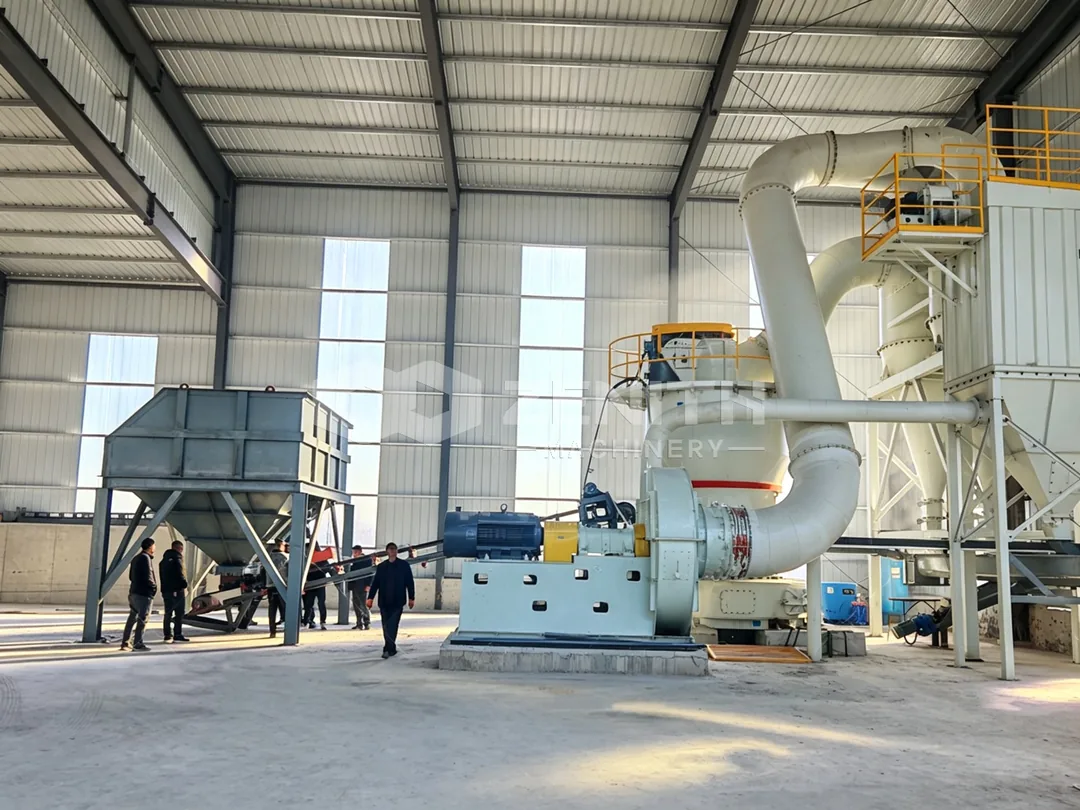
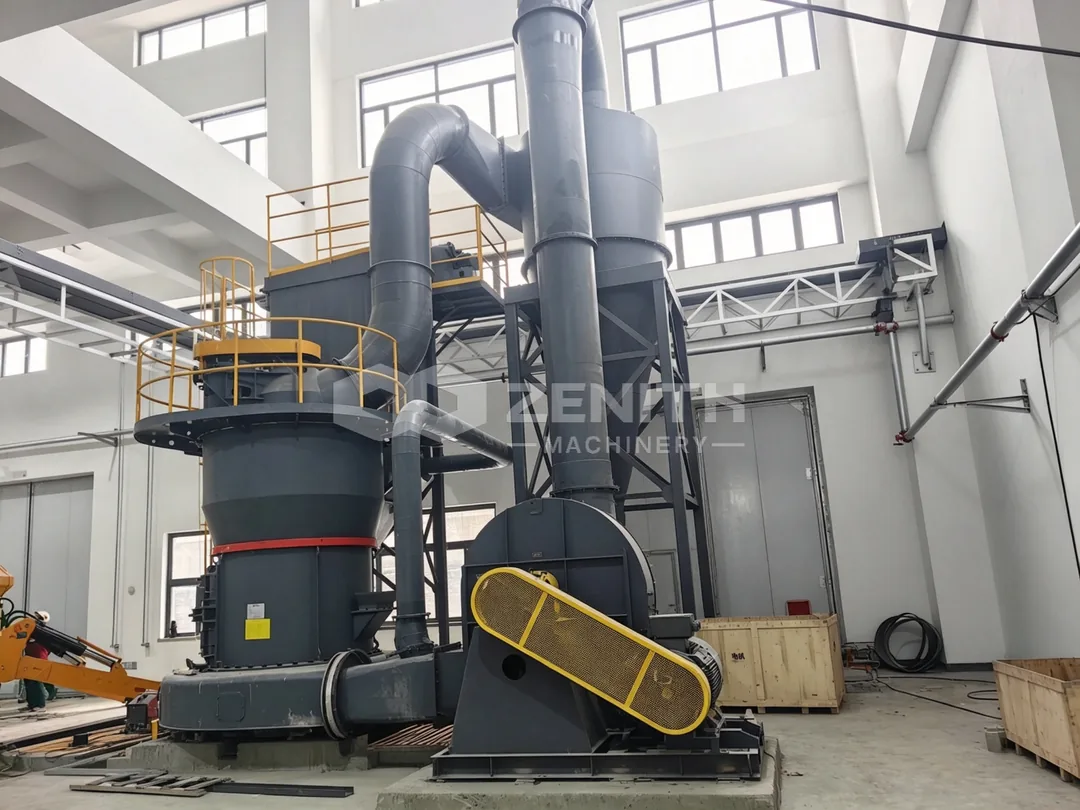
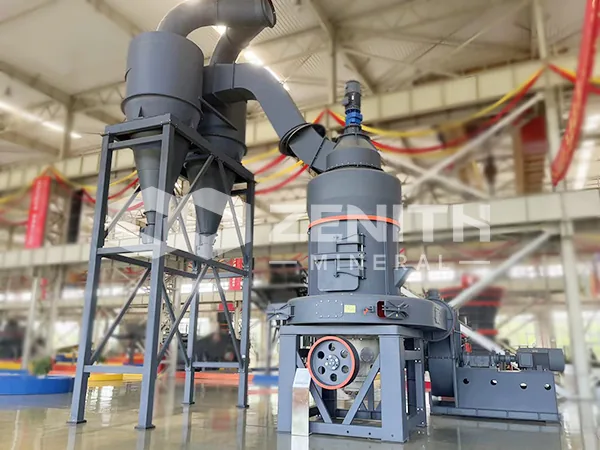
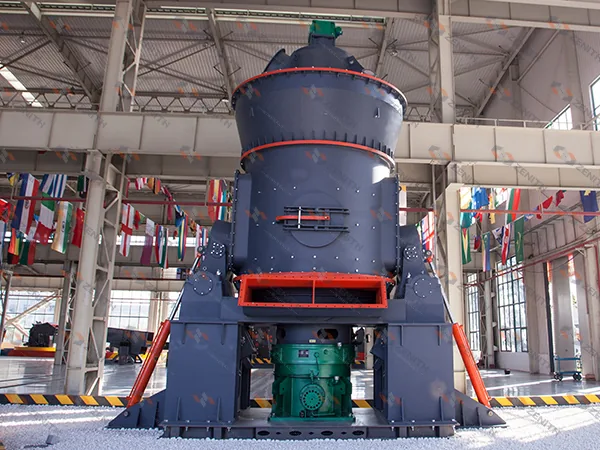
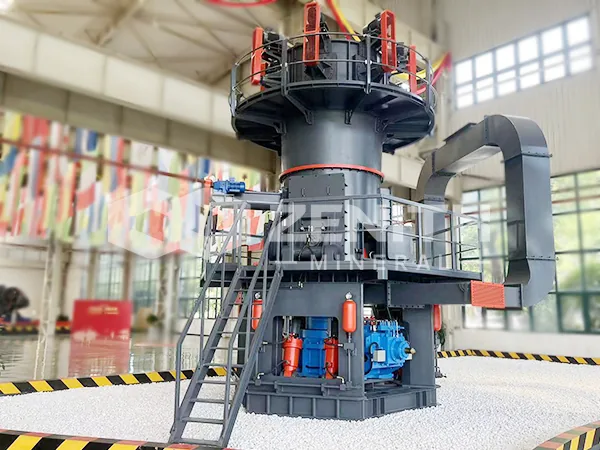
Zenith’s Raymond Mill, also known as a high-pressure roller mill, is specifically designed for grinding non-metallic minerals like mica, potassium feldspar, and calcium carbonate. With a capacity range of 3-22 t/h and output fineness from 10 to 325 mesh, it comfortably covers the supplier’s requirements. Key features include:
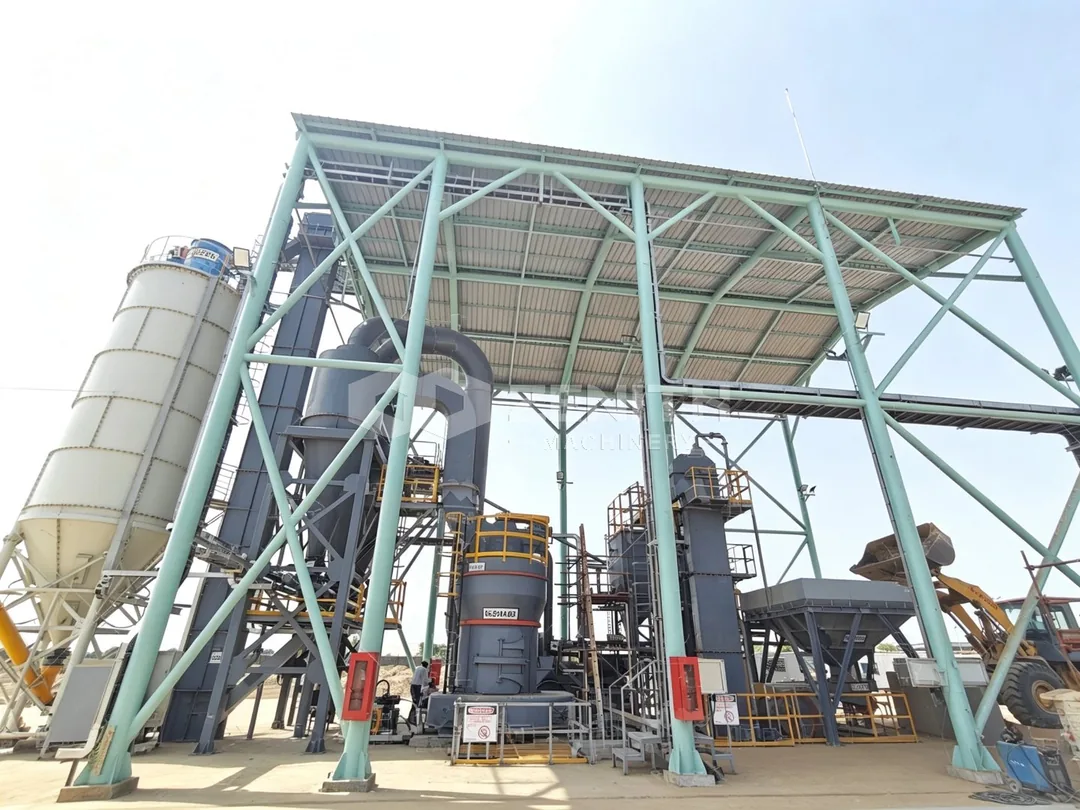
- Covering less area: The mill forms an independent production system from primary material to final powder, reducing the need for extensive plant infrastructure.
- 99% screening efficiency: Finished powder is uniformly distributed, with 99% passing through the screen, ensuring high-quality output for downstream applications.
- High-quality manufacturing: Critical components use premium steel and abrasion-resistant materials, extending service life even when processing hard minerals like feldspar.
- Intelligent control: An automated electric system enables labor-free operation, cutting operational costs—a crucial advantage for small to medium-scale suppliers.
Technical Specifications and Material Compatibility
For the supplier’s materials, the Raymond Mill handles input sizes up to 35mm, which is common for crushed mica and feldspar. Calcium carbonate, being softer, benefits from the mill’s adjustable fineness mechanism. The modular impeller adjustment device allows quick changes between 40 mesh (coarse) and 170 mesh (fine) simply by swapping impellers, without major mechanical modifications.
_1780597666254.jpg)
In practice, mica grinding often requires careful control to avoid overheating, which can degrade its flake structure. The Raymond Mill’s positive/negative pressure system, combined with a pulse dust collector, ensures stable temperatures and minimal dust emissions—meeting Pakistan’s evolving environmental standards. Potassium feldspar, with a Mohs hardness of 6-6.5, benefits from the mill’s grinding roller pressure, which can be adjusted to optimize throughput without excessive wear.
Comparison with Alternative Grinding Technologies
While the Raymond Mill was selected, Zenith offers other mills that could also serve similar applications. The MTW European Trapezium Mill, for instance, provides higher capacity (up to 50 t/h) and 60% lower energy consumption than ball mills, but its larger footprint and higher initial investment may not suit a 2-3 t/h operation. The LM Vertical Grinding Mill offers automatic operation and high purity, yet its 3-340 t/h capacity is overkill for small-scale needs. The Raymond Mill strikes a practical balance: lower capital cost, smaller footprint, and sufficient capacity for the target throughput.
_1780597666257.jpg)
Operational Advantages for the Supplier
For a powder supplier in Pakistan, operational simplicity is paramount. The Raymond Mill’s working principle—where materials are fed via a hopper, crushed between rollers and rings, and classified by airflow—requires minimal operator intervention. The intelligent control system allows remote monitoring, which is valuable for plants with limited skilled labor. Additionally, the mill’s sealed design and dust collection system align with Pakistan’s push for cleaner production, reducing environmental compliance risks.
Another crucial factor is maintenance. The Raymond Mill’s vulnerable parts (e.g., grinding rollers and rings) are designed for easy replacement, with high-quality abrasion-resistant materials extending intervals between overhauls. For a supplier grinding multiple minerals, quick changeovers between batches of mica and calcium carbonate minimize downtime. The 2-3 t/h capacity ensures steady production for smaller orders without overcommitting resources.
_1780597666267.jpg)
Conclusion
This Pakistani supplier’s choice of Zenith’s Raymond Mill reflects a strategic decision: prioritizing reliability, cost-efficiency, and flexibility for multi-mineral processing. With 2-3 t/h capacity and 40-170 mesh output, the mill delivers consistent quality for mica, potassium feldspar, and calcium carbonate grinding. As Zenith’s global network spans 180+ countries with ISO, CE, and CU-TR certifications, the supplier gains access to spare parts and technical support—a critical factor for sustained operations in emerging markets.
Frequently Asked Questions (FAQs)
- Q: Can the Raymond Mill grind mica without damaging its flake structure?
A: Yes, the mill’s adjustable pressure and positive/negative pressure system maintain low temperatures, preserving mica’s natural flake form. A pulse dust collector further prevents contamination. - Q: What fineness can be achieved for potassium feldspar with this mill?
A: The Raymond Mill produces 10-325 mesh output. For potassium feldspar, 40-170 mesh is easily achievable by adjusting the impeller and classifier speed. - Q: How does the Raymond Mill compare energy-wise to a ball mill for 2-3 t/h?
A: The Raymond Mill consumes up to 60% less energy than a ball mill of similar capacity, making it more economical for the supplier’s target throughput. - Q: Is the mill suitable for both dry and wet grinding?
A: The Raymond Mill is designed for dry grinding only. For wet grinding, Zenith’s Ball Mill or Mining Ball Mill would be more appropriate, though they require additional drying steps. - Q: What is the typical maintenance schedule for the grinding rollers?
A: Roller replacement intervals depend on material hardness and usage. For feldspar (hardness ~6.5), rollers typically last 6-12 months; for softer calcium carbonate, up to 2 years. Daily inspections of lubricants and seals are recommended. - Q: Can the same mill process mica, feldspar, and calcium carbonate without cross-contamination?
A: Yes, the mill’s modular impeller system allows easy cleaning between batches. A thorough purge with a neutral material (e.g., limestone) ensures purity before switching minerals. - Q: Does Zenith provide installation support in Pakistan?
A: Yes, Zenith has overseas offices in over 30 countries, including regional support for South Asia. On-site commissioning and training are available upon request.