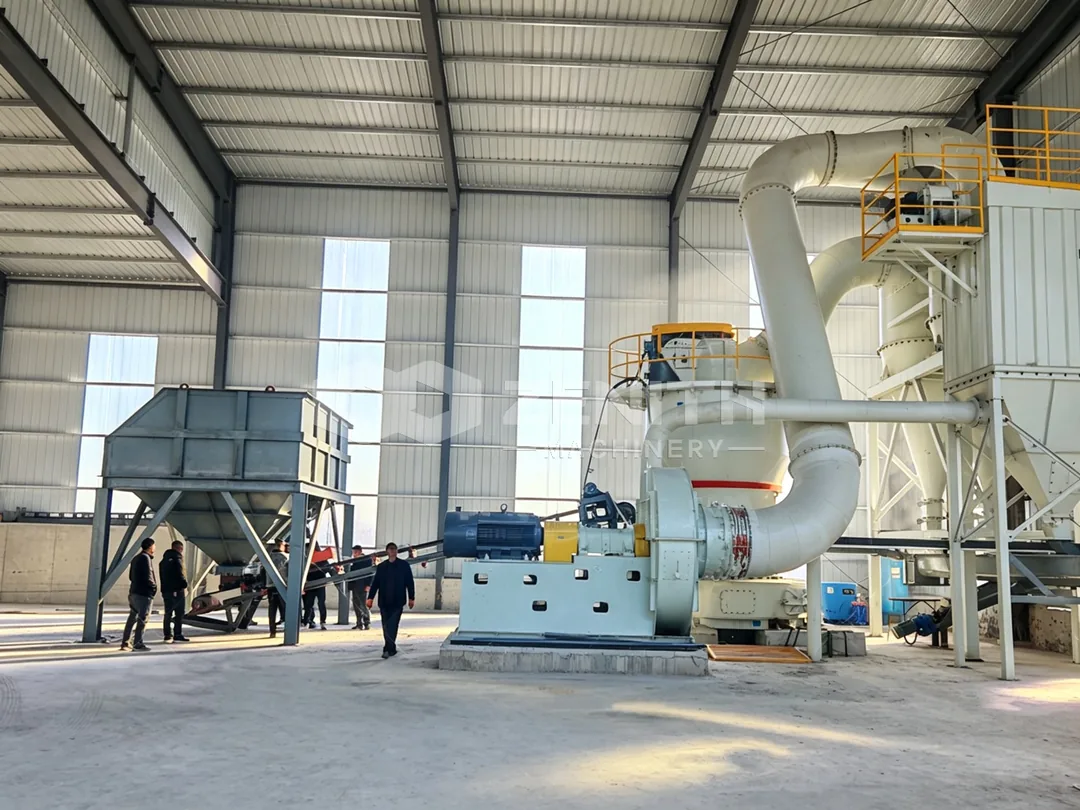
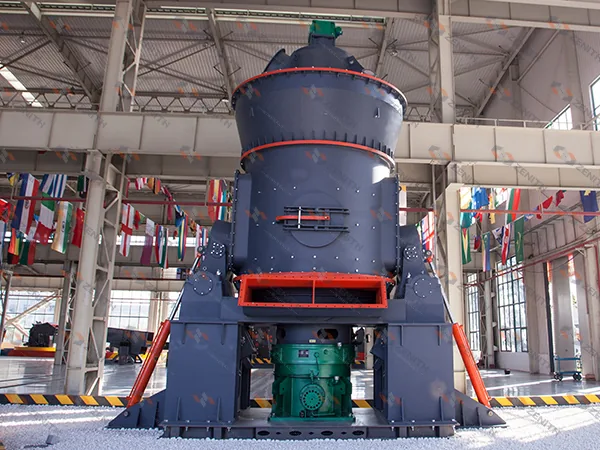
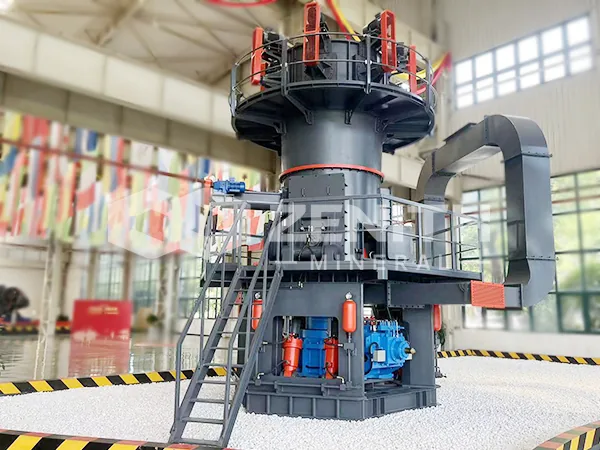
A malawian lime mining company purchases limestone grinding mill with 2-3t/h capacity
2026-06-04 02:25:05
In the heart of Malawi's emerging mining sector, a local lime mining company has taken a significant step toward operational efficiency and product quality enhancement. The company recently acquired a limestone grinding mill with a capacity of 2-3 tons per hour (t/h) from Shanghai Zenith Machinery Co., Ltd., a globally recognized hi-tech engineering group. This decision marks a pivotal moment for the Malawian firm, aiming to transform raw limestone into high-value fine powder for agricultural, construction, and industrial applications. Below, we explore the technical rationales, operational benefits, and the comprehensive solutions that Zenith offered to meet this specific capacity requirement.
_1780511105056.jpg)
Why a 2-3t/h Capacity Matters for a Malawian Lime Producer
For a medium-scale lime mining operation in Malawi, a grinding mill with a capacity of 2-3 t/h strikes an ideal balance between output volume and capital investment. Too large a unit would strain the supply chain and energy resources, while a smaller mill would limit production growth. The Malawian company processes limestone from local quarries, which typically has a moisture content of under 6% and a hardness of 3-4 on the Mohs scale. After consulting with Zenith’s engineering team, the client determined that the MTW European Trapezium Mill and MTM European Trapezium Mill were the most suitable candidates among Zenith’s extensive product lineup. Both models offer capacities ranging from 3 to 22 t/h, allowing the client to operate comfortably within their 2-3 t/h target while retaining room for future scale-up.
Selecting the Right Grinding Equipment: MTW vs. MTM Series
Zenith presented two core options for this project, each with distinct advantages tailored to the client’s operating environment in Malawi.
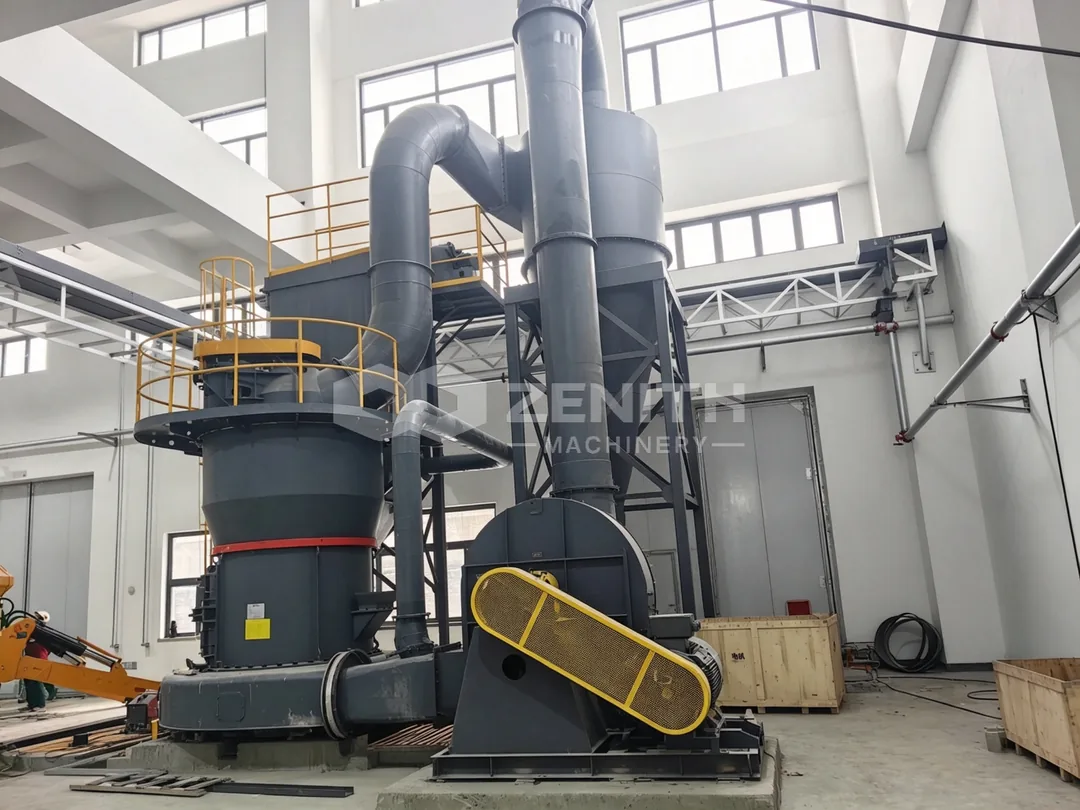
MTW European Trapezium Mill: The High-Capacity Workhorse
The MTW series trapezium mill is engineered for producing 80-400 mesh fine powder with large capacity. For the Malawian client, the biggest attraction was the mill’s 60% lower energy consumption compared to a ball mill under ideal conditions. Given Malawi’s rising electricity costs and occasional grid instability, this energy efficiency translates directly into lower operating expenses. The MTW mill also features a modular impeller adjustment device, enabling the company to change output fineness simply by swapping impellers—a crucial advantage when serving multiple customer segments, from agriculture (which requires coarser lime for soil pH adjustment) to construction (which needs finer powder for plaster and mortar).
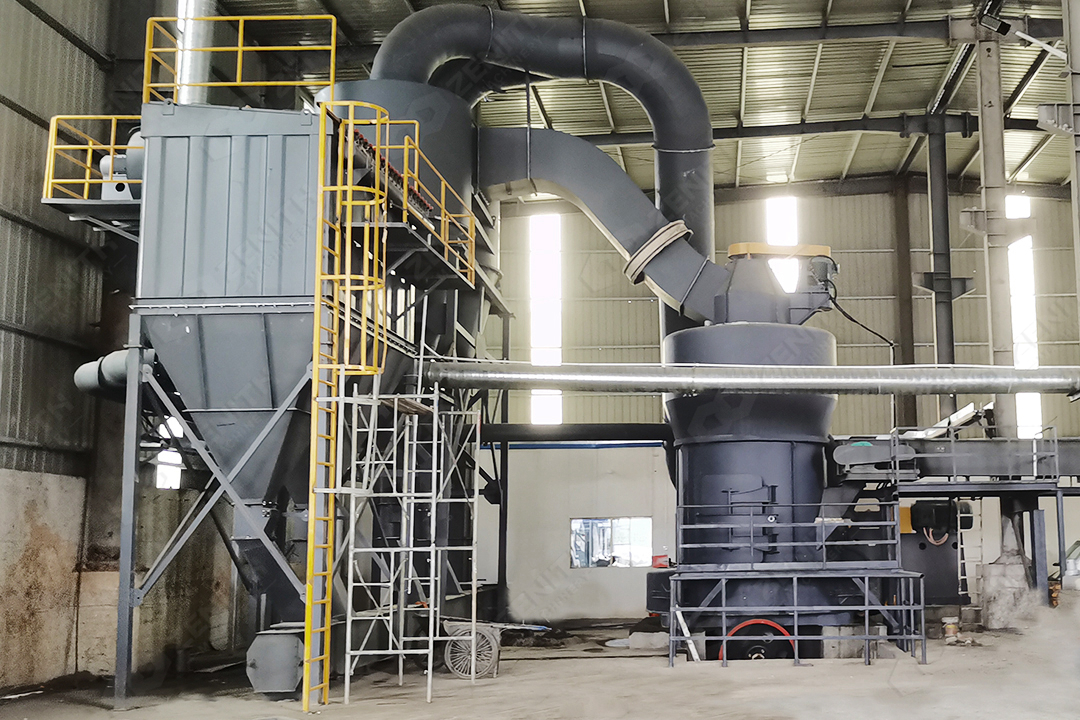
Working principle wise, after crushing, qualified materials enter the main machine crushing chamber via a variable frequency belt feeder. The crushed particles are sent to the powder selector by fan airflow; fine powder is collected in the cyclone, while coarse powder falls back for re-grinding. The pulse dust collector ensures that the system meets strict environmental standards, which is increasingly important for mining permits in Malawi.
_1780511105059.jpg)
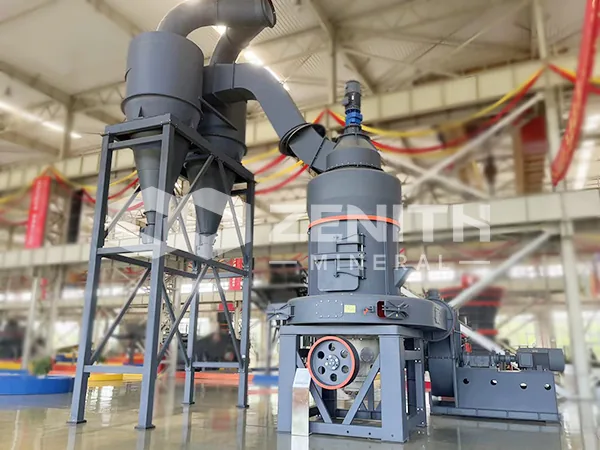
MTM European Trapezium Mill: Cost-Effective and Adaptable
As an alternative, Zenith recommended the MTM series trapezium mill, which has been refined over 30 years of field use. This model also covers an output fineness range of 80-400 mesh and a capacity of 3-22 t/h. Its key selling point for the Malawian miner is the less occupied area and less investment—the MTM forms an independent production system from bulk material to finished powder, requiring minimal civil engineering work. The MTM’s electromagnetic vibrating feeder controls material flow precisely, and the system operates under positive and negative pressure to contain dust. Given the remote location of some Malawian mines, this self-contained design reduces the complexity of on-site installation and maintenance.
Installation and Integration in Malawi’s Mining Context
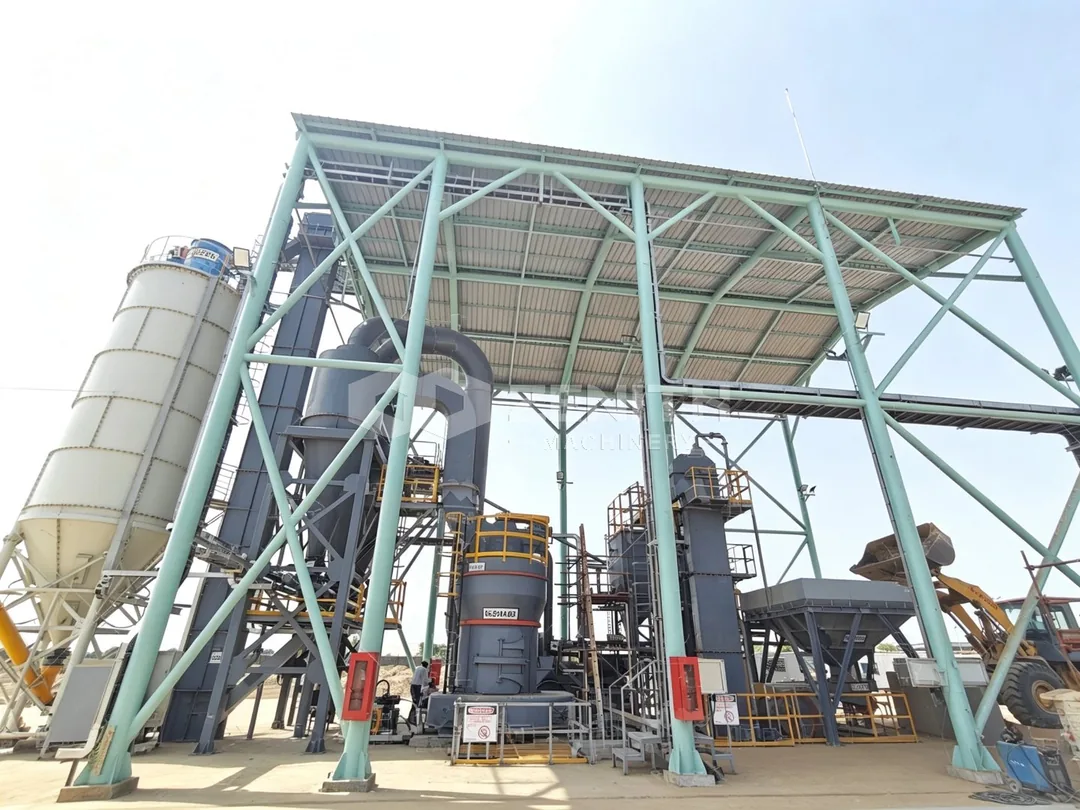
The Malawian lime mining company operates in a region with limited heavy machinery service centers. Therefore, Zenith ensured that the selected mill could be delivered with a comprehensive package: the main grinding unit, a pulse dust collector, a bag filter, a classifier, and a control cabinet. The installation team from Zenith’s regional partner provided on-site training for local operators, covering startup procedures, routine maintenance of vulnerable parts (like grinding rollers and impellers), and troubleshooting common issues. One of the critical adaptations was the inclusion of a variable frequency drive (VFD) on the fan motor, allowing operators to adjust the airflow in response to fluctuating limestone moisture levels during the rainy season.
_1780511105060.jpg)
Operational Results and Financial Impact
Within the first three months of operation, the Malawian company reported consistent throughput of 2.5 t/h, processing limestone at 200 mesh fineness for agricultural lime. The energy consumption averaged 18 kWh per ton, compared to 45 kWh per ton with their previous ball mill—a saving of over 60%. The reduced power draw allowed the company to run a second shift without overloading the local grid. Furthermore, the ability to adjust fineness on the fly enabled them to produce 325 mesh powder for industrial clients without additional capital investment in separate equipment. The return on investment period was estimated at 14 months, factoring in energy savings, reduced labor costs (due to higher automation), and the premium price of finer-grade lime powder.
Broader Implications for Malawi’s Mining Sector
This purchase is not an isolated transaction. It reflects a growing trend among African mining companies to invest in modern grinding technology from trusted international manufacturers like Zenith. With ISO, CE, and CU-TR certifications, Zenith’s equipment meets global safety and quality standards, which helps Malawian firms export lime powder to neighboring countries like Zambia, Tanzania, and Mozambique. Moreover, Zenith’s marketing network covers over 180 countries, with overseas offices in more than 30 nations, ensuring that spare parts and technical support are accessible even in landlocked Malawi.
Other Zenith Grinding Solutions for Similar Applications
While the MTW and MTM mills were the perfect match for this 2-3 t/h project, Zenith offers a full spectrum of grinding equipment for different capacity and fineness needs. For instance, the LM Vertical Grinding Mill (3-340 t/h, 80-400 mesh) is ideal for larger operations requiring 24-hour continuous running and automated control. The Raymond Mill (3-22 t/h, 10-325 mesh) provides a classic, reliable solution with 99% screening efficiency. For ultrafine applications, the LUM Ultrafine Vertical Grinding Mill (5-18 t/h, 325-2500 mesh) and XZM Ultrafine Grinding Mill (0.5-25 t/h, 325-3250 mesh) serve industries like plastic masterbatch and artificial stone. Even coarse powder needs are covered by the Hammer Mill (3-50 t/h, 0-3 mm) for animal feed or construction material. However, for the specific scenario of a Malawian lime company targeting 2-3 t/h with fine to medium fineness, the trapezium mill series remains the most cost-effective and operationally straightforward choice.
Conclusion: A Blueprint for Scaling Up
The Malawian lime mining company’s decision to purchase a 2-3 t/h grinding mill from Zenith is a textbook example of matching equipment specifications to local resources and market demands. By prioritizing lower energy consumption, flexible fineness adjustment, and a compact footprint, the company not only improved its profit margins but also positioned itself as a reliable supplier of high-grade lime powder in the region. For other mining enterprises in Africa considering similar investments, the key takeaway is clear: invest in a mill that offers modular upgrade paths, robust after-sales support, and proven performance in real-world conditions. Zenith’s trapezium mills, with their 60% energy savings over ball mills and the ability to produce 30-400 mesh powder, provide exactly that foundation.
Frequently Asked Questions (FAQ)
- What is the exact capacity needed for a small lime processing plant in Malawi?
For a small to medium lime mining company, a capacity of 2-3 tons per hour is common. This allows processing of about 16-24 tons per 8-hour shift, sufficient for local agricultural and construction markets. - Can the MTW mill handle limestone with high moisture content?
Yes, the MTW mill can handle materials with moisture up to 6%. For higher moisture, Zenith recommends a hot air drying system integrated with the mill to prevent clogging. - How does the energy consumption compare between a ball mill and Zenith’s trapezium mill?
Under ideal conditions, the MTW and MTM trapezium mills consume more than 60% less energy than a ball mill of the same capacity. For the Malawian client, actual savings were 60% in kWh per ton of product. - What is the required input size for the MTW mill?
The maximum input size for the MTW European Trapezium Mill is 35 mm. Limestone should be crushed to below 35 mm before entering the mill for optimal performance. - Does Zenith provide installation and training in African countries like Malawi?
Yes, Zenith has overseas offices in over 30 countries and a network covering 180+ regions. They can arrange on-site installation supervision and operator training through local partners. - What fineness can be achieved for agricultural lime using these mills?
Agricultural lime typically requires fineness between 80 and 200 mesh (0.074-0.177 mm). Both the MTW and MTM mills can easily achieve 80-400 mesh, making them ideal for this application. - Is it possible to upgrade from 2-3 t/h to a higher capacity later?
Yes, if the input material feed system, dust collector, and plant infrastructure are designed for it, the same mill can sometimes be adjusted. Alternatively, Zenith offers larger models such as the LM Vertical Mill or bigger MTW models for capacities up to 50 t/h.