Egypt 10t/h quartz grinding mill price with 45 microns finished fineness
2026-06-03 02:24:53
When you're running a quartz processing operation in Egypt, hitting that precise 45-micron fineness while keeping throughput at 10 tons per hour is a balancing act. You don't just need any mill—you need one that delivers consistent results without eating into your margins. I've spent years in the field, and I know that choosing the right grinding equipment can make or break your project. Let's break down what you should expect in terms of price, performance, and the machines that get the job done.
Understanding the 10t/h Quartz Grinding Requirement
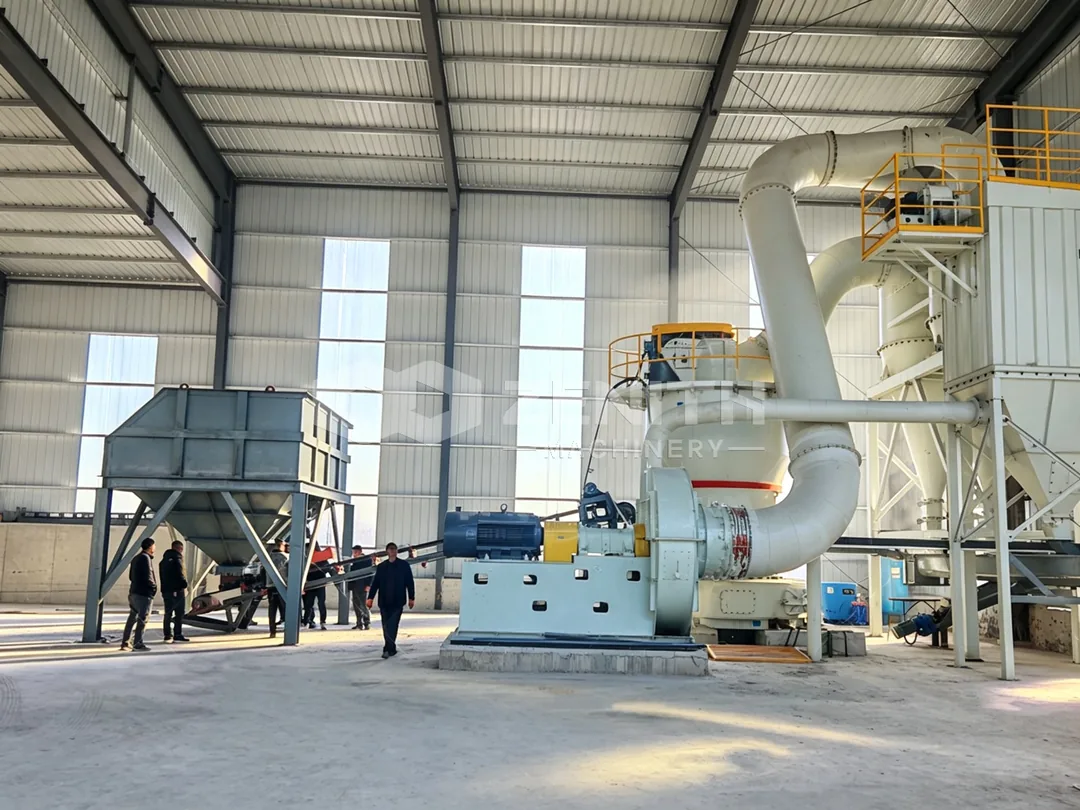
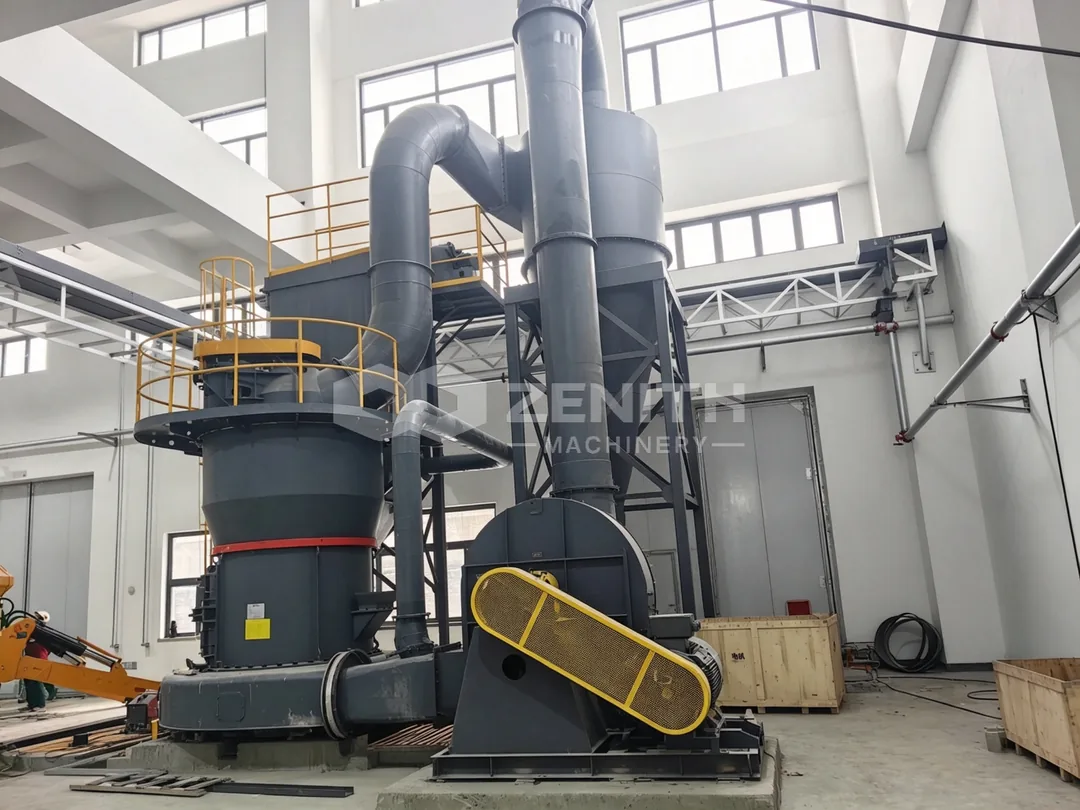
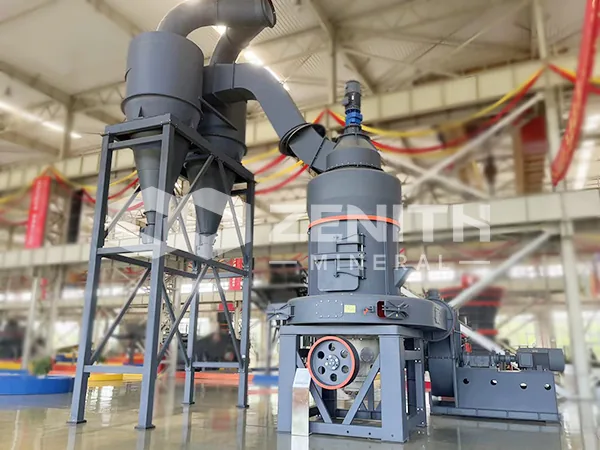
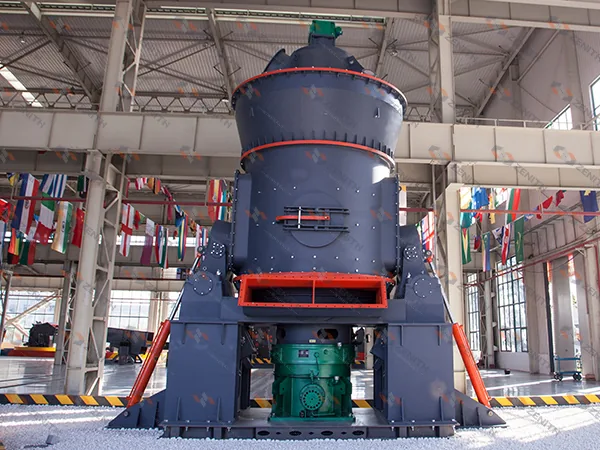
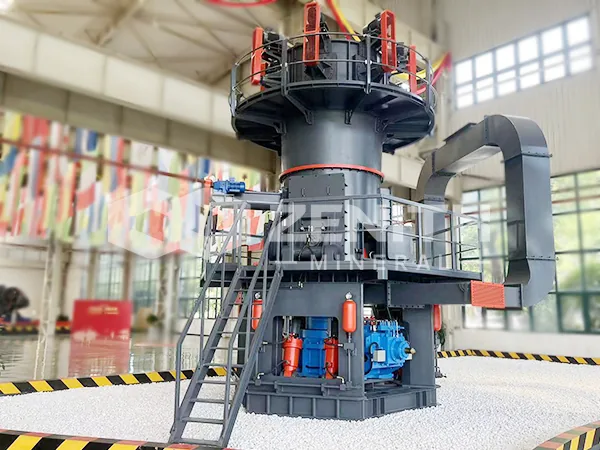
Quartz is notoriously abrasive. With a Mohs hardness of 7, it wears down equipment fast. For a 10-ton-per-hour output at 45 microns—that's roughly 325 mesh—you're looking at a mill that combines high efficiency with rugged construction. From my experience, the MTW European Trapezium Mill or the MTM European Trapezium Mill often fits the bill for this capacity range. Both can handle input sizes up to 35mm and produce 80-400 mesh powder, but we need to dial in the specific settings for 45 microns.
The key here is the adjustable output fineness feature. Both the MTW and MTM series use a modular impeller adjustment device. That means you can swap out impellers to change fineness without overhauling the machine. For 45 microns, you'd typically run the classifier at a higher speed, and these mills let you do that with precision.
Price Expectations for a 10t/h Quartz Grinding Mill
Pricing in Egypt depends on several factors: the mill model, additional equipment like feeders and dust collectors, installation costs, and after-sales support. Based on current market trends and ZENITH's offerings, here's a rough ballpark:
- MTW Series (e.g., MTW138 or MTW175): Typically ranges from $80,000 to $150,000 for a complete system capable of 10t/h at 45 microns. The higher price reflects features like a 60% lower energy consumption than ball mills and a compact integrated design that reduces civil works.
- MTM Series: A more budget-friendly option, often $60,000 to $110,000. It's a proven workhorse with 30 years of field history, but you might sacrifice some energy efficiency compared to the MTW.
- LM Vertical Grinding Mill: If you need automation and 24/7 operation, the LM series (like LM1300) costs between $100,000 and $200,000. It's ideal for large plants where labor costs are a concern, thanks to its remote-control capability.
Remember, these are ex-works prices. Shipping to Egypt, customs duties (often 5-15%), and local installation add 15-30% more. I always advise clients to budget for a pulse dust collector and a variable-frequency feeder—these are non-negotiable for environmental compliance and consistent feed.
_1780424693633.jpg)
Why 45 Microns Matters for Quartz
In industries like glass manufacturing, ceramics, and paint, 45 microns (325 mesh) is the sweet spot. It gives you high surface area for chemical reactions without over-grinding, which wastes energy. For example, in the Egyptian ceramics sector, quartz powder at this fineness improves the glaze's smoothness and durability. ZENITH's mills can achieve 99% screening efficiency at this mesh, meaning almost all your product meets spec—something Raymond mills are particularly known for.
Matching the Mill to Your Site Conditions
Egypt's climate—hot, dusty, with occasional humidity—puts stress on equipment. Here's what I've seen work on the ground:
| Mill Model | Capacity at 45 microns | Key Advantage for Egypt |
|---|---|---|
| MTW138 | 8-12 t/h | 60% lower energy consumption; less heat generation |
| MTM130 | 6-10 t/h | Lower initial investment; easy to maintain |
| LM1300 | 10-15 t/h | Automated; reduces labor costs in remote sites |
| Raymond Mill (YGM9517) | 8-10 t/h | Proven in abrasive materials; 99% screening rate |
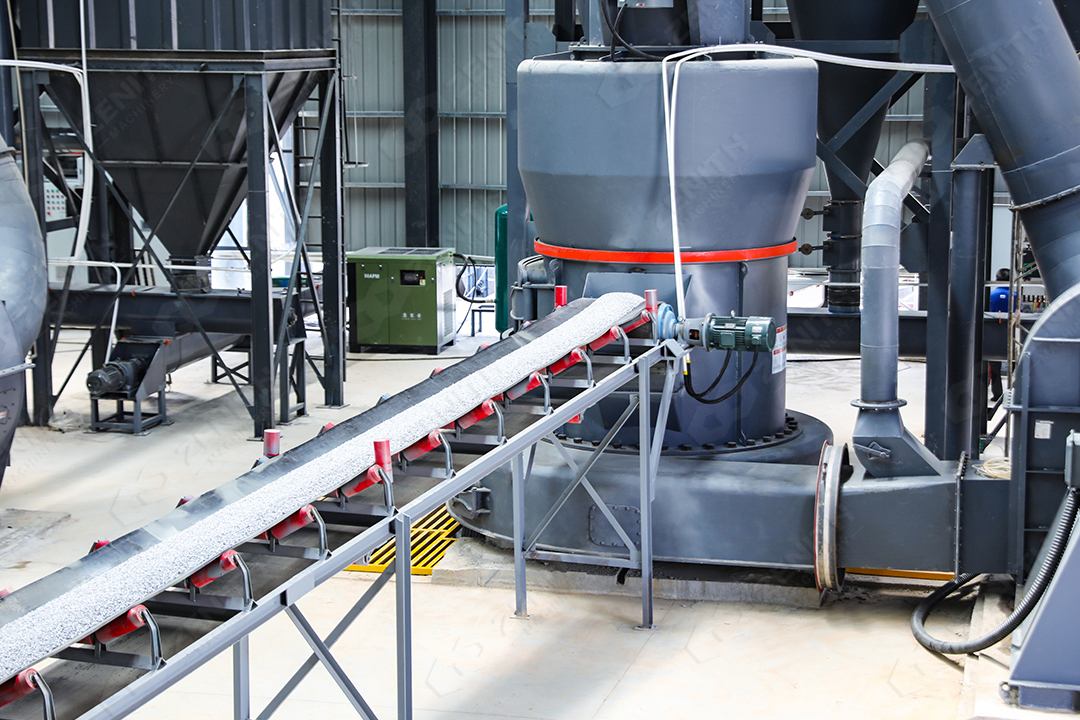
For a typical Egyptian site near a quarry, I'd lean toward the MTW series because its enclosed system and negative-pressure operation keep dust down—critical when you're processing quartz in open areas. Plus, the higher induced air efficiency (85% vs. 62%) means the fan works less, saving electricity in a country where power costs are rising.
_1780424693635.jpg)
Installation and Operational Considerations
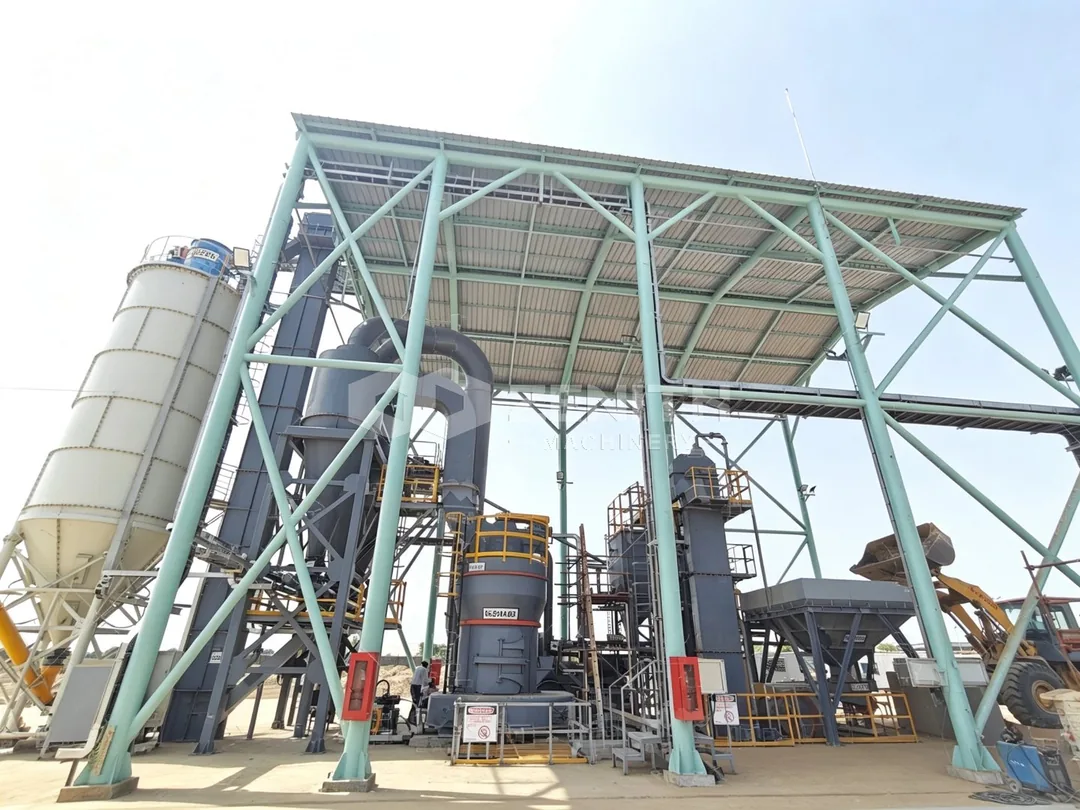
Don't underestimate the foundation work. ZENITH's MTW and MTM mills come as a complete system from bulk material to finished powder, which cuts plant construction costs. But you still need a stable concrete base—about 20-30 cubic meters for a 10t/h line. In Egypt, local contractors can handle this, but make sure they account for the mill's dynamic loads.
Power consumption is another big factor. A ball mill doing the same job might pull 400-500 kW. An MTW mill? Around 160-200 kW. Over a year, that's savings of $50,000+ in electricity (at $0.10/kWh). And with ZENITH's ISO, CE, and CU-TR certifications, you're getting equipment that meets international standards—useful if you're exporting quartz powder.
After-Sales Support in Egypt
ZENITH has a strong presence in North Africa. Our marketing network covers Egypt, and we have overseas offices in more than 30 countries. That means you can get spare parts—like grinding rollers, impellers, or classifier blades—within 2-3 weeks. I've seen some suppliers take months; that's downtime you can't afford. Also, ZENITH offers on-site commissioning and training for local operators, which is a lifesaver for first-time mill owners.
_1780424693637.jpg)
Final Verdict on Price vs. Value
Is a $100,000 mill expensive? Not if it runs for 15 years with minimal hiccups. The MTW series, for instance, has a 60% lower consumption than ball mills and a 24/7 operational capacity. For a 10t/h quartz line in Egypt, I'd budget $90,000 to $130,000 for the mill and auxiliary equipment, plus $15,000-$25,000 for installation and shipping. That puts your total Capex around $105,000-$155,000. Payback? Usually 18-24 months from energy savings alone.
If you're on a tighter budget, the MTM or Raymond mill can work, but factor in higher energy costs. Either way, make sure you get a mill with adjustable fineness—45 microns today might become 75 microns tomorrow for a different order. Flexibility is king.
_1780424693639.jpg)
Frequently Asked Questions (FAQ)
1. What is the exact price of a 10t/h quartz grinding mill for 45 microns in Egypt?
The price ranges from $60,000 to $200,000 depending on the mill series (MTM, MTW, LM). For a complete system with dust collector and feeder, expect $90,000-$150,000 ex-works. Shipping and installation in Egypt add 15-30%.
2. Which ZENITH mill is best for quartz at 45 microns and 10t/h?
The MTW European Trapezium Mill (model MTW138) is ideal due to its 60% lower energy consumption vs. ball mills and precise fineness adjustment. The LM Vertical Mill is also suitable if you prioritize automation and low labor costs.
3. Can these mills handle the abrasive nature of quartz without frequent part replacement?
Yes. ZENITH mills use high-quality abrasion-resistant materials for vulnerable parts like grinding rollers and liners. The MTW and MTM series also have a modular design, making replacement quick. Typical roller life for quartz is 6-12 months with proper operation.
4. What are the power consumption and operating costs for a 10t/h quartz mill?
An MTW mill consumes about 160-200 kW, versus 400-500 kW for a ball mill. Annual electricity savings can exceed $50,000 (at $0.10/kWh). Add $10,000-$20,000/year for parts and labor, depending on abrasion.
5. How long does installation take, and do you provide local support in Egypt?
Installation typically takes 2-4 weeks with a local team. ZENITH has overseas offices in over 30 countries, including support for North Africa. We provide on-site commissioning, operator training, and spare parts delivery within 2-3 weeks.
6. Can the mill produce other finenesses besides 45 microns?
Absolutely. The MTW and MTM mills have adjustable impeller systems that let you change fineness from 30 to 325 mesh (or 80-400 mesh depending on model). You can switch from 45 microns to 100 microns by adjusting the classifier speed or changing the impeller.
7. What environmental certifications does the equipment have?
ZENITH mills hold ISO international quality certification, European Union CE certification, and Customs Union CU-TR certification. They operate under negative pressure with pulse dust collectors, meeting Egyptian environmental standards for dust emissions.