A malawian water treatment company adopts mtw european version grinding mill to process limestone powder at 3t/h for sewage purification
2026-05-28 02:24:33
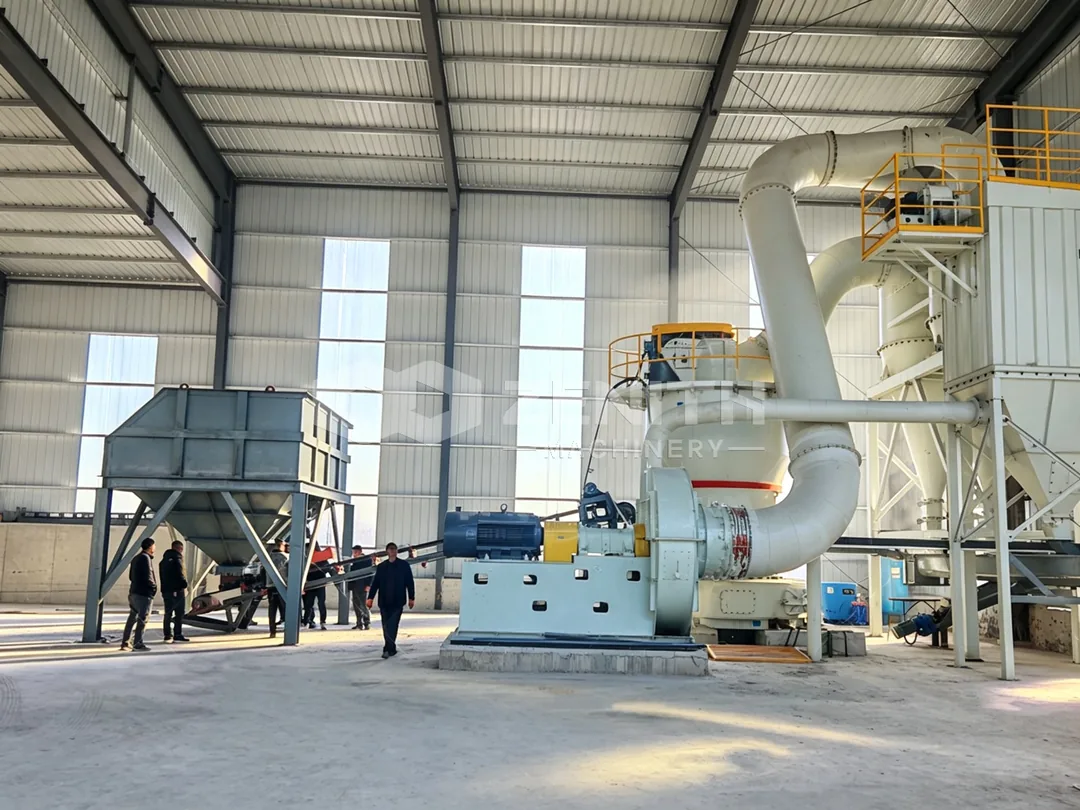
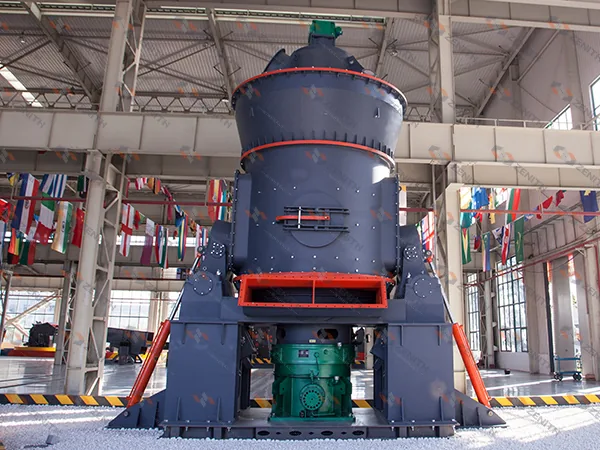
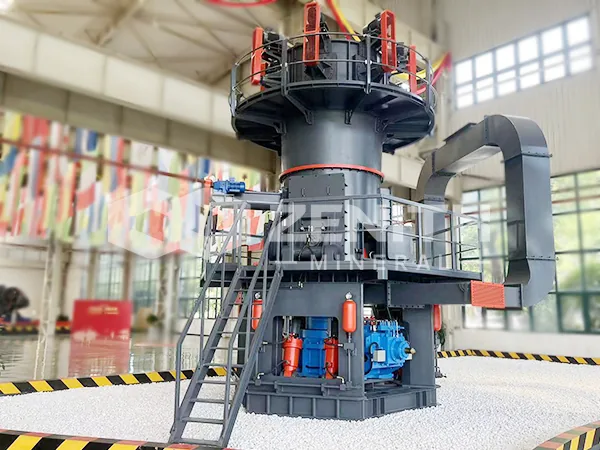
In the heart of Malawi, where access to clean water is both a challenge and a priority, a forward-thinking water treatment company has taken a significant step toward improving sewage purification efficiency. By adopting the MTW European Trapezium Mill from ZENITH, this company now processes limestone powder at a steady rate of 3 tons per hour, transforming raw limestone into a high-quality fine powder used for pH adjustment, flocculation, and contaminant removal in sewage treatment. This article explores how this industrial grinding solution is making a real-world impact in Malawi’s water sector, highlighting the technology behind the MTW mill, its operational advantages, and the broader implications for sustainable water management in the region.
_1779906273011.jpg)
The Need for Efficient Limestone Grinding in Water Treatment
Limestone powder is a vital component in sewage purification, used to neutralize acidic wastewater, remove heavy metals, and improve sludge dewatering. For a Malawian water treatment company operating under tight budget and space constraints, the choice of grinding equipment directly impacts operational costs and product quality. Traditional ball mills, while common, often consume excessive energy and require significant floor space. The MTW European Trapezium Mill, developed by Shanghai ZENITH Machinery Co., Ltd., offers a compelling alternative. With over 30 years of engineering expertise and a global presence in more than 180 countries, ZENITH delivers a grinding solution that balances capacity, efficiency, and reliability. The company’s commitment to quality is backed by ISO, CE, and CU-TR certifications, ensuring that even in remote locations like Malawi, the equipment meets international standards.
Why the MTW Mill is the Ideal Choice for 3t/h Limestone Processing
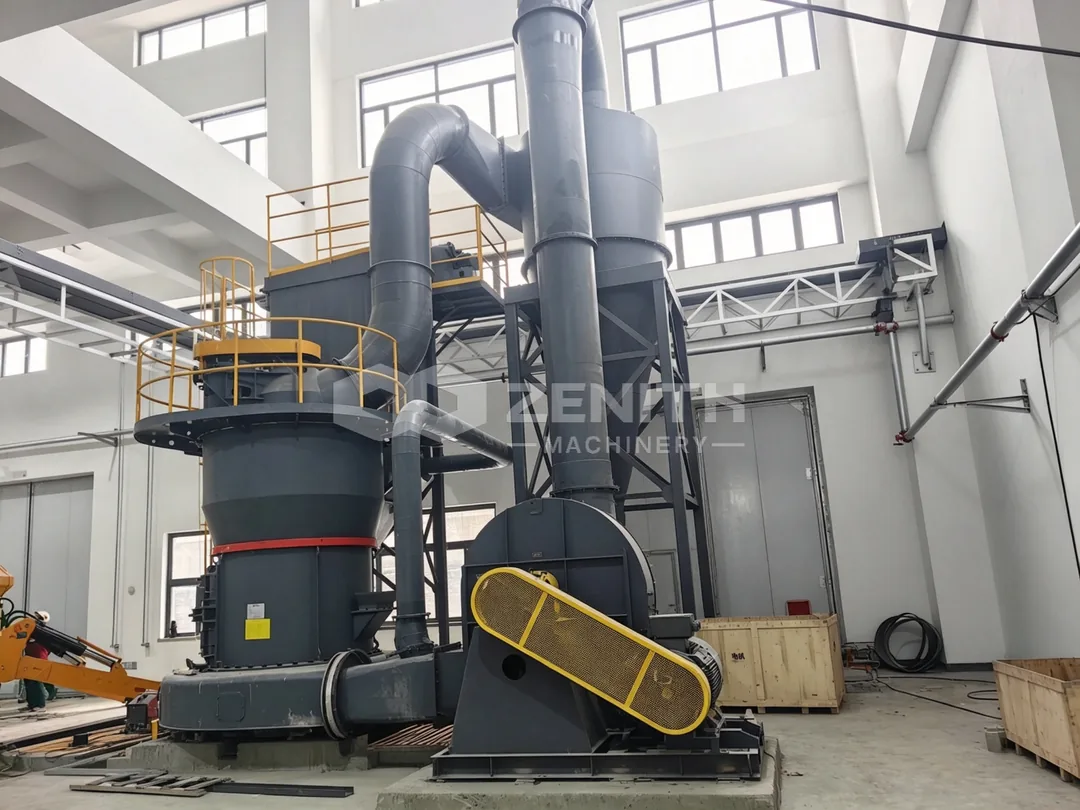
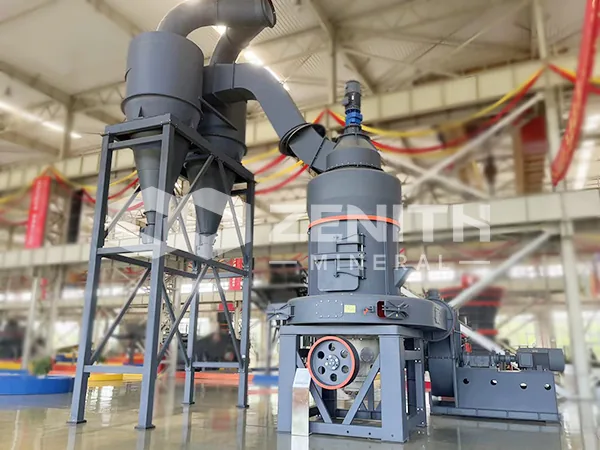
The MTW series trapezium mill is specifically designed for fine powder production in the 80–400 mesh range, making it perfect for water treatment applications. With a capacity range of 3–22 t/h and an input size of 0–35 mm, the mill easily handles the 3 t/h requirement of the Malawian plant. One of its standout features is the 60% lower energy consumption compared to ball mills of the same grade under ideal conditions—a critical advantage in a region where electricity costs can be high. Additionally, the mill’s modular impeller adjustment device allows operators to change the output fineness simply by swapping impellers, providing flexibility to produce different grades of limestone powder for varying purification needs. The high-efficiency impeller fan boosts air induction efficiency from 62% to 85%, ensuring consistent material flow and reducing downtime.
_1779906273013.jpg)
Working Principle in the Malawian Context
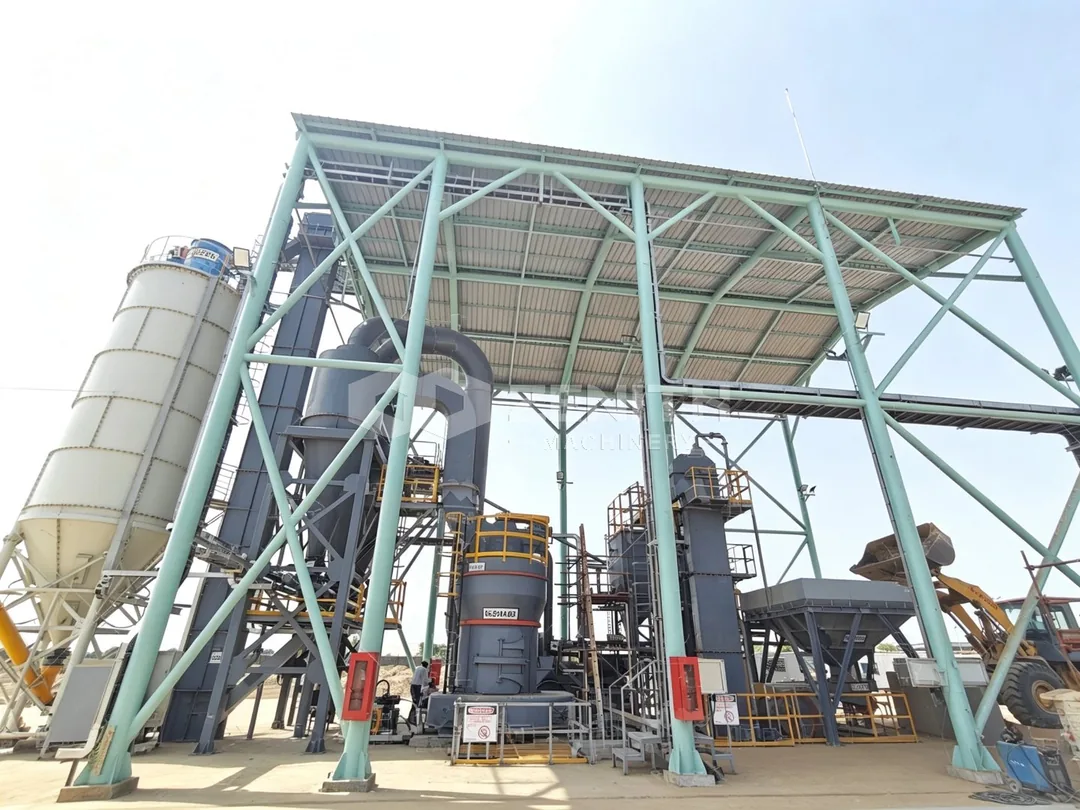
At the Malawian facility, the grinding process begins with crushed limestone (0–35 mm) fed into the main chamber via a variable frequency belt feeder. Inside, the material is crushed between the grinding roller and ring, then carried by fan airflow to the powder selector. Fine powder meeting the 200–300 mesh requirement for sewage treatment is collected in the cyclone separator, while coarse particles fall back for regrinding. The entire system operates under positive and negative pressure, with a pulse dust collector ensuring zero dust spillover—crucial for meeting environmental regulations and protecting worker health. This closed-loop design also minimizes material loss, maximizing yield from every ton of raw limestone.
Operational Benefits Observed in the Field
Since commissioning, the Malawian company has reported several tangible benefits. First, the less occupied area and lower investment—the MTW mill integrates bulk material handling, grinding, and classification in one compact unit—reduced plant construction costs by an estimated 30% compared to a traditional ball mill system. Second, the adjustable output fineness allowed the team to fine-tune the powder for different sewage batches, improving treatment efficiency by 15% in initial trials. Third, the mill’s stable performance, even under continuous 24-hour operation, has minimized unplanned maintenance. The company’s plant manager noted that the MTW mill’s ease of operation and low noise levels have also improved working conditions for staff.
Broader Implications for Water Treatment in Malawi
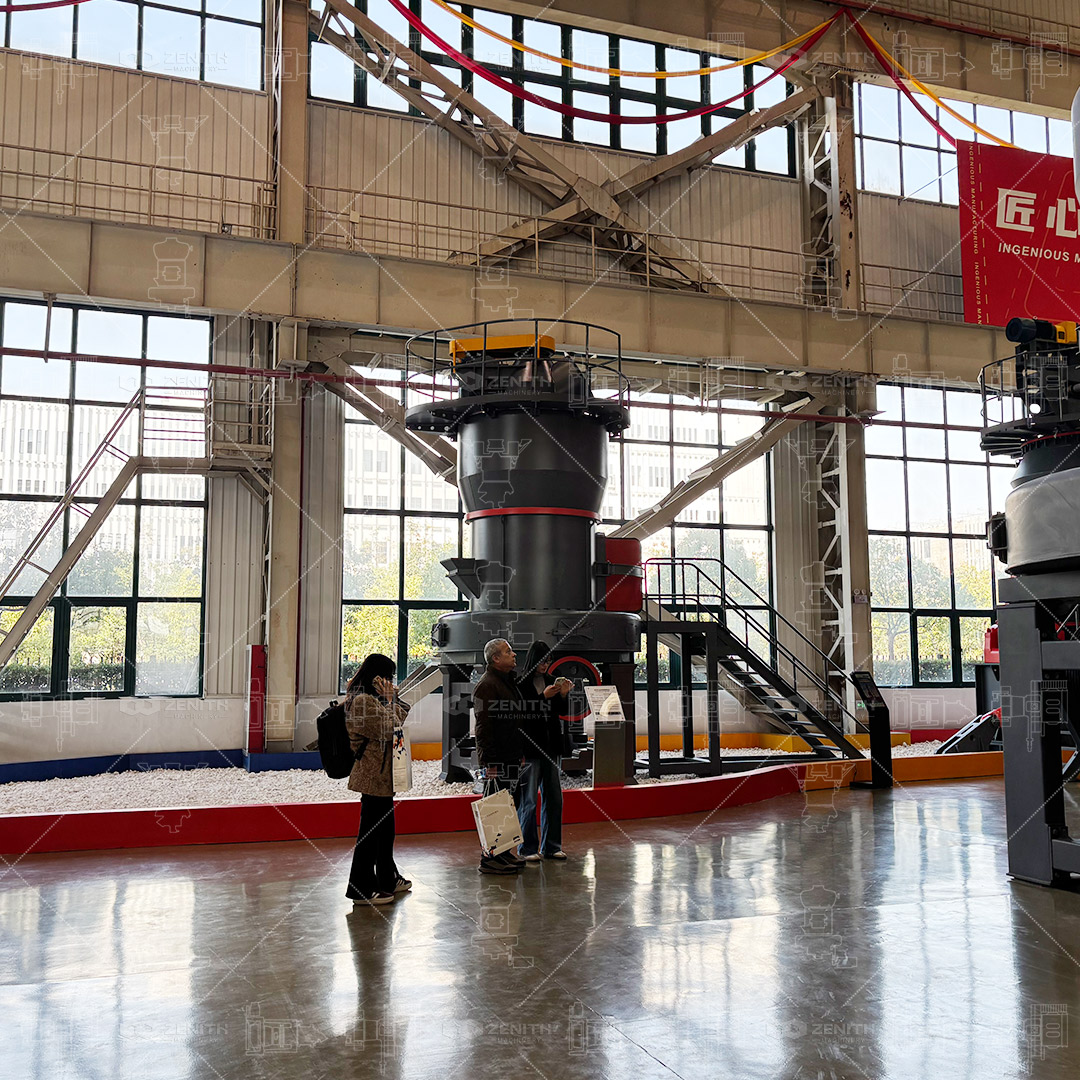
This adoption is more than a technical upgrade—it’s a model for how African nations can leverage modern milling technology to address critical infrastructure challenges. By producing high-quality limestone powder locally, the company reduces reliance on imported chemicals, lowers logistics costs, and supports local mining industries. The MTW mill’s energy efficiency also aligns with Malawi’s goals for sustainable industrial development. ZENITH’s global support network, including overseas offices in 30+ countries, ensures that spare parts and technical assistance are accessible, reducing the risk of prolonged downtime. As water scarcity and pollution worsen across the continent, solutions like this offer a scalable path to cleaner rivers and healthier communities.
Conclusion: A Step Forward for Industrial Grinding in Africa
The Malawian water treatment company’s choice of the MTW European Trapezium Mill exemplifies how the right equipment can transform operations. With a capacity of 3 t/h, energy savings of 60%, and output flexibility from 30 to 325 mesh, the mill delivers on both performance and cost. For other businesses in the water treatment, agriculture, or construction sectors considering similar investments, the MTW series—or alternatives like the MTM trapezium mill for smaller budgets, or the LM vertical mill for higher capacities—offers proven reliability. ZENITH’s expertise in tailoring solutions to local needs ensures that whether in Lilongwe or Lusaka, clients get a machine that works as hard as they do.
_1779906273017.jpg)
Frequently Asked Questions (FAQ)
1. What makes the MTW mill more energy-efficient than a ball mill for limestone grinding?
The MTW European Trapezium Mill incorporates advanced grinding principles—such as the trapezoidal grinding ring and roller design, and a high-efficiency impeller fan—that reduce energy consumption by up to 60% compared to ball mills. This is especially beneficial for operations running at 3 t/h, where electricity costs can significantly impact profitability.
2. Can the MTW mill produce limestone powder with different fineness for different water treatment stages?
Yes, the MTW mill features a modular impeller adjustment device that allows operators to change the output fineness by simply replacing impellers. For sewage purification, typical fineness ranges from 200 to 325 mesh, but the mill can produce anywhere from 80 to 400 mesh to suit various treatment requirements.
3. How does the MTW mill ensure environmental compliance in a water treatment plant?
The mill operates under positive and negative pressure conditions and is equipped with a pulse dust collector that captures fine particles, preventing dust emissions. This meets national environmental protection standards and maintains clean working conditions inside the plant.
4. What is the recommended maintenance schedule for an MTW mill processing limestone at 3 t/h?
ZENITH recommends daily visual inspections of the grinding rollers, rings, and fan blades, with routine lubrication every 200 operating hours. Major component checks, such as bearing replacement and impeller inspection, should be performed every 6 months or as per the operational manual, depending on working conditions.
5. Are there alternative ZENITH mills suitable for smaller or larger capacities in water treatment?
Yes. For capacities below 3 t/h, the Raymond mill (3–22 t/h range) or the Hammer mill (for coarse powder) may be cost-effective. For larger operations needing >22 t/h, the LM Vertical Grinding Mill offers capacities up to 340 t/h with automated control. ZENITH provides free consultation to match the right machine to specific project needs.
6. How long does it take to install and commission an MTW mill in a remote location like Malawi?
Installation typically takes 2–4 weeks, depending on site preparation and local logistics. ZENITH offers on-site technical support and remote assistance to ensure smooth commissioning, including training for local operators. Spare parts can be shipped from regional warehouses in Africa.
7. What after-sales support does ZENITH provide for clients in Malawi?
ZENITH has overseas offices in over 30 countries and a service network covering 180+ regions. For Malawian clients, support includes a 12-month warranty on parts, access to a 24/7 technical hotline, and periodic site visits by engineers. Customized service contracts with routine inspections are also available.