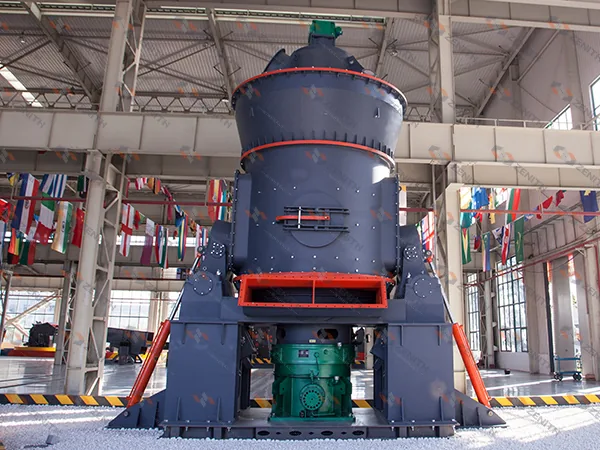
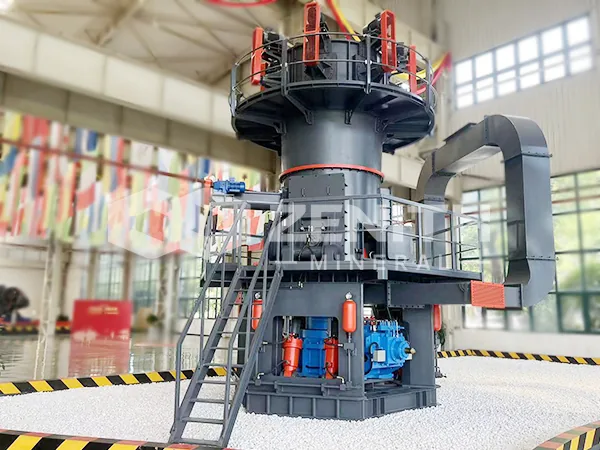
A malawian building materials company buys limestone grinding mill with 2t/h capacity for wall plastering powder
2026-05-27 02:26:30
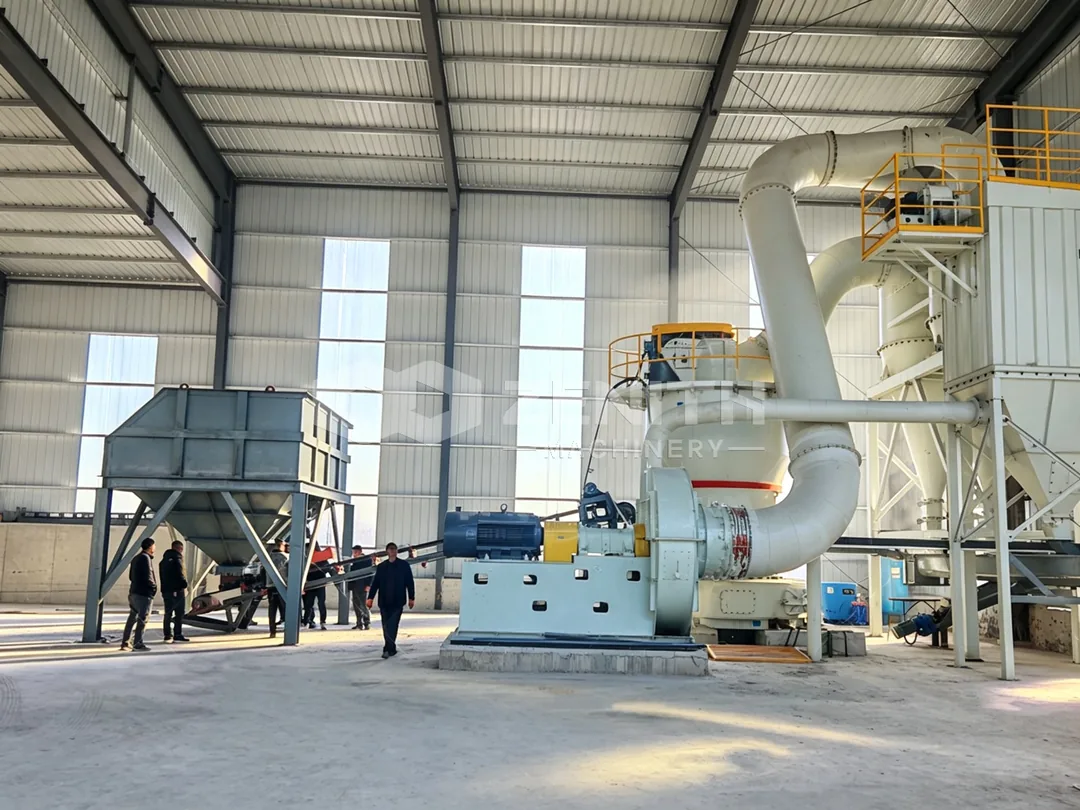
When a building materials company in Malawi decided to enter the wall plastering powder market, they knew the key to success was a reliable, cost-effective limestone grinding mill. After evaluating several suppliers, they chose ZENITH's MTW European Trapezium Mill with a capacity of 2 tons per hour. This decision was driven by the need for consistent output, low energy consumption, and minimal maintenance—essential factors for a growing business in the region.
_1779819990063.jpg)
Why Limestone Grinding for Wall Plastering Powder?
Wall plastering powder, often made from ground limestone, requires a fine, uniform particle size—typically between 80 and 400 mesh. Limestone is abundant and affordable in Malawi, making it an ideal raw material. However, achieving the right fineness without excessive energy or equipment wear demands a specialized mill. ZENITH's MTW series mill is engineered for exactly this application: it can produce 80-400 mesh powder with large capacity and stable performance, ensuring the plastering powder meets construction standards.
The ZENITH MTW European Trapezium Mill: A Perfect Fit
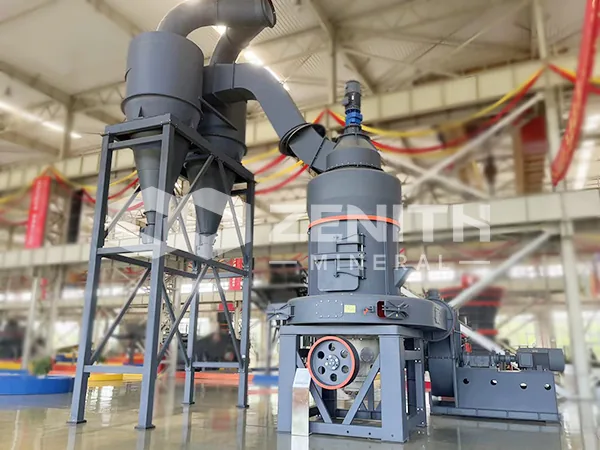
ZENITH's MTW European Trapezium Mill is not just any grinding machine—it's a result of decades of R&D in industrial powder processing. For this Malawian company, the mill's 2t/h capacity slots perfectly into their production line. Here's why they chose it:
- Less Occupied Area & Less Investment: The mill has its own production system from bulk material to finished powder, reducing the need for additional plant construction.
- 60% Lower Energy Consumption vs. Ball Mill: Under ideal conditions, the MTW mill uses over 60% less energy than a traditional ball mill, directly cutting operational costs.
- Adjustable Output Fineness: The modular impeller adjustment device allows fineness changes simply by swapping impellers, giving flexibility for different plaster grades.
- Higher Induced Air Efficiency: The high-efficiency impeller fan boosts air induction from 62% to 85%, improving overall mill performance.
_1779819990065.jpg)
How the Mill Works for Wall Plastering Powder
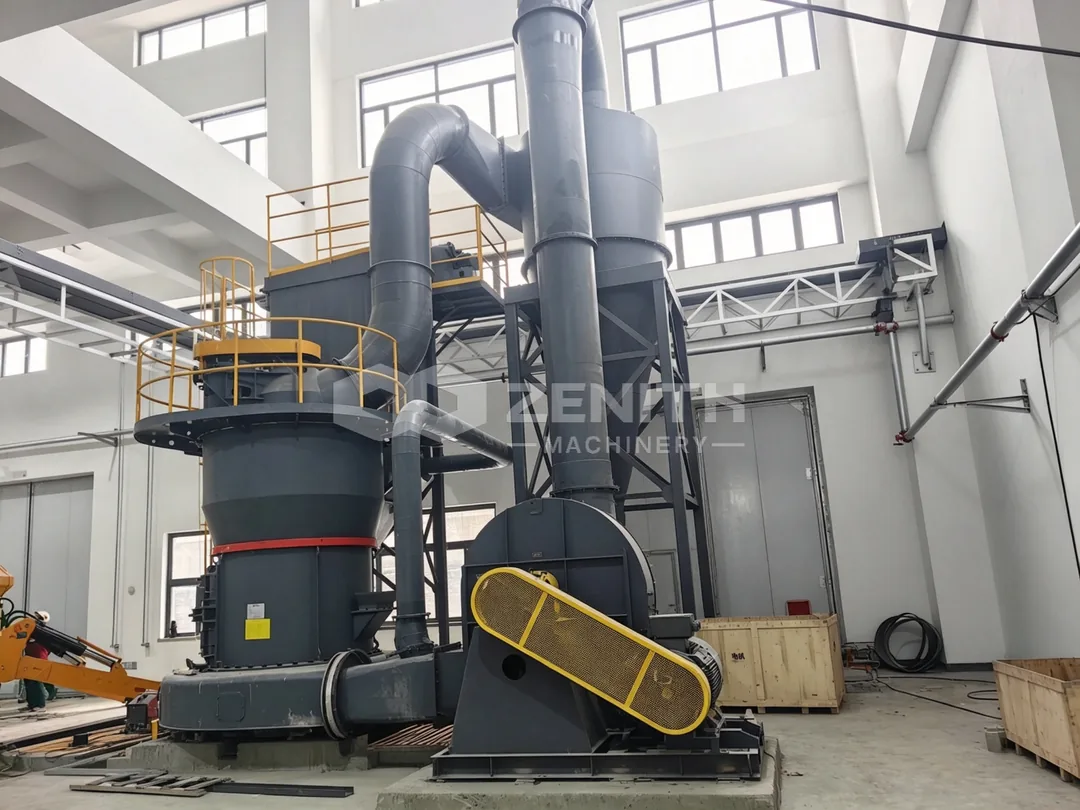
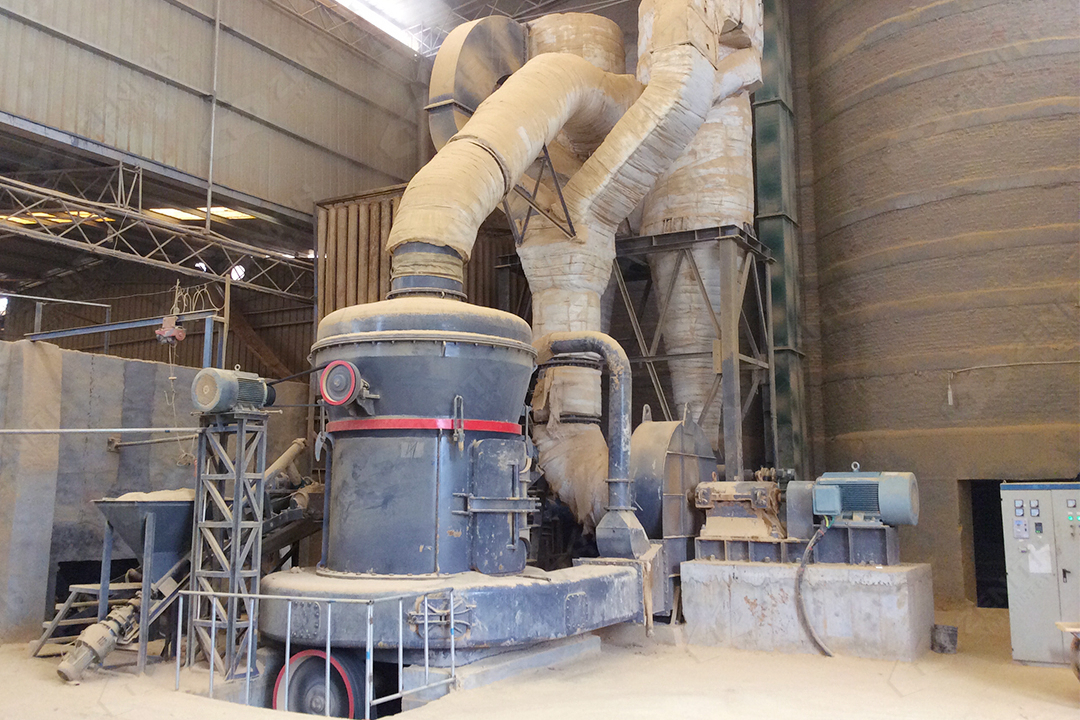
The process is straightforward but efficient: crushed limestone (0-35mm input size) enters the main grinding chamber via a variable frequency belt feeder. Inside, rollers grind the material against the grinding ring. The fan then sends the crushed material to a powder selector, where fine powder is separated and collected in a cyclone collector as finished product. Coarse particles fall back for regrinding. The system operates under positive and negative pressure, with a pulse dust collector ensuring zero dust spillover—meeting Malawi's environmental standards.
Why ZENITH? Trust Built on Global Experience
ZENITH is a hi-tech engineering group specializing in powder grinding equipment. With ISO, CE, and CU-TR certifications, their equipment is trusted in over 180 countries across Asia, Africa, Europe, America, and Oceania. They have established overseas offices in more than 30 countries, ensuring local support. For the Malawian client, this meant not just a machine, but a partnership with a global expert who understands local challenges—like raw material variability and after-sales service in emerging markets.
While the MTW series was chosen for this 2t/h wall plastering application, ZENITH offers a full range of mills for different needs:
- MTM European Trapezium Mill: For 80-400 mesh powder, with 30+ years of practical use.
- LM Vertical Grinding Mill: For large-scale 24/7 operation with high automation.
- Raymond Mill: For traditional 10-325 mesh powder with 99% screening efficiency.
- LUM Ultrafine Vertical Grinding Mill: For 325-2500 mesh ultrafine powder, ideal for premium wall putty.
- XZM Ultrafine Grinding Mill: For 325-3250 mesh with arbitrary fineness adjustment.
_1779819990066.jpg)
Installation and First Results
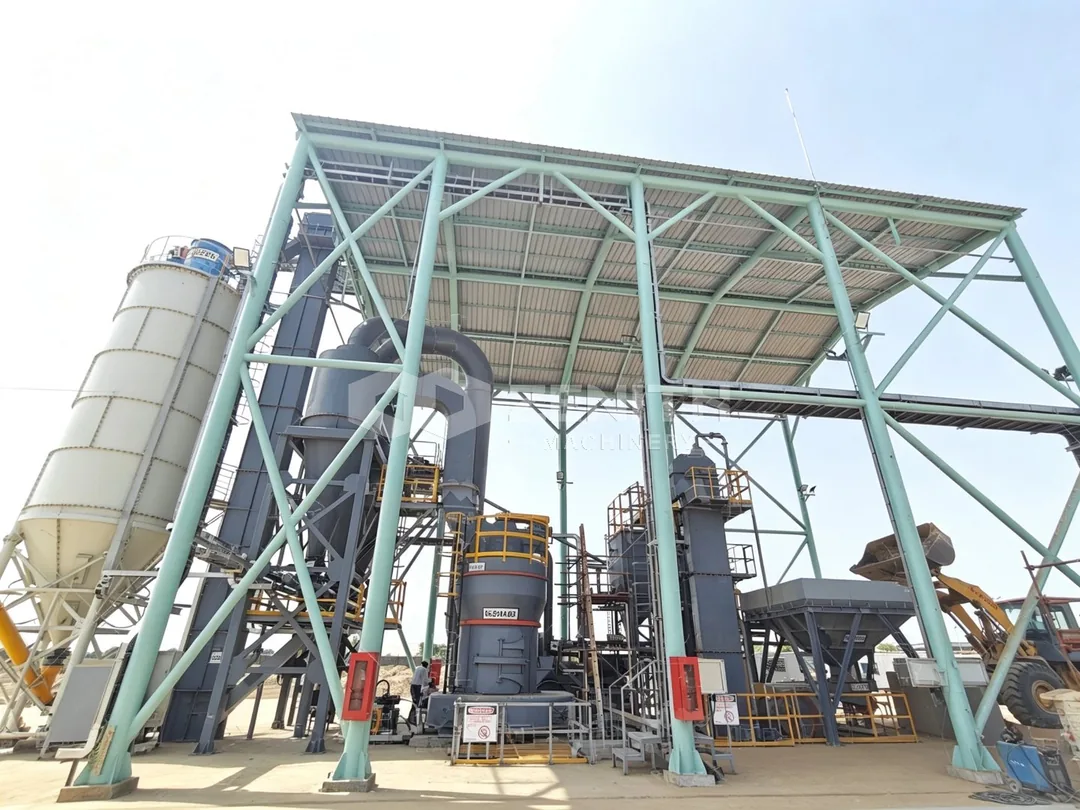
The mill was installed within two weeks, with ZENITH's team providing on-site training for local operators. Within a month, the Malawian company was producing 2 tons of wall plastering powder per hour, with a consistent fineness of 150 mesh. The energy savings were immediate—their electricity bills dropped by nearly 50% compared to their previous ball mill setup. The dust-free operation also impressed local regulators, helping the company secure permits for expansion.
For any building materials company in Africa or beyond considering limestone grinding for plastering powder, the MTW series offers a proven, low-maintenance solution. Whether you need 2 t/h or up to 50 t/h, ZENITH has a model to match your capacity and budget.
Frequently Asked Questions
What raw materials can be ground for wall plastering powder using ZENITH's MTW mill?
The MTW European Trapezium Mill can grind limestone, gypsum, calcite, marble, dolomite, and other non-metallic minerals with Mohs hardness below 7. For wall plastering powder, limestone is most common due to its availability and cost-effectiveness.
What is the typical fineness required for wall plastering powder?
For wall plastering, the powder fineness typically ranges from 80 to 400 mesh (150-180 microns). The MTW mill can easily adjust to this range using its modular impeller system, allowing quick changeovers between different plaster grades.
How much power does a 2t/h MTW mill consume?
The power consumption depends on the material and desired fineness, but the MTW series typically consumes 60% less energy than a ball mill of the same capacity. For a 2t/h setup, the main motor power is around 55-75 kW, with total system power (including fan and conveyor) at about 90-120 kW.
Does the mill require special foundation or civil works?
The MTW series has a self-contained system that reduces the need for extensive plant construction. A reinforced concrete foundation of about 20-30 m² is sufficient, with a height allowance of 6-8 meters. ZENITH provides detailed foundation drawings upon purchase.
How often do wear parts need replacement?
For grinding limestone, the grinding roller and ring typically last 6-12 months under 8-hour daily operation, depending on feed particle size and moisture. ZENITH uses high-quality steel and abrasion-resistant materials to extend lifespan. The impeller and fan blades last 2-3 years.
Can ZENITH provide training and after-sales support in Malawi?
Yes. ZENITH has overseas offices in over 30 countries and covers more than 180 countries through a distributor network. For Malawi, they provide on-site installation guidance, operator training, and remote technical support. Spare parts can be shipped within 5-10 working days.
What is the price range for a 2t/h MTW mill for wall plastering powder?
The price depends on configuration (e.g., feeder, dust collector, automation level). For a standard 2t/h MTW mill with pulse dust collector and control panel, the FOB Shanghai price ranges from $35,000 to $55,000. Customization for specific raw materials or fineness may add 10-20%.