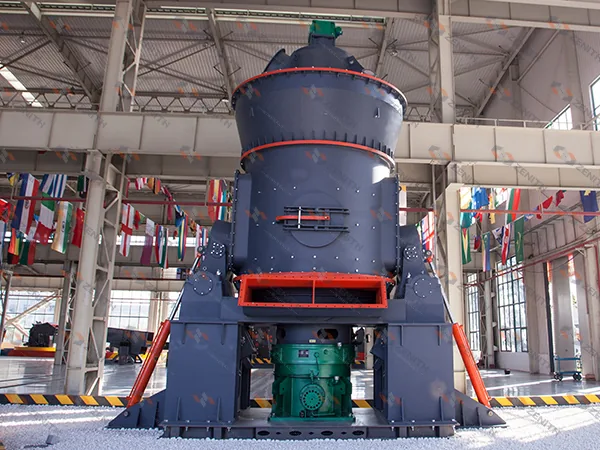
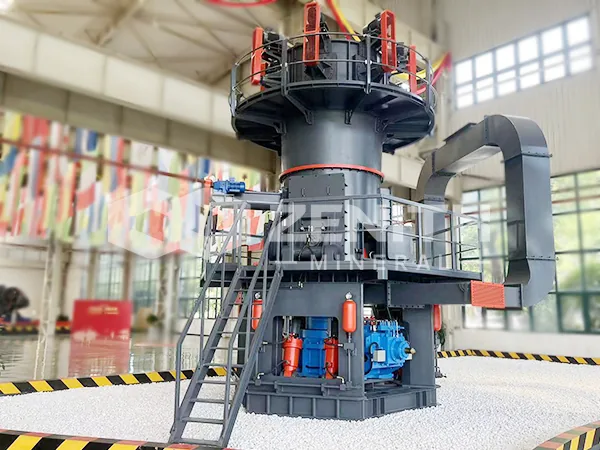
An iraqi calcium powder plant purchases complete 20tph limestone pulverizing equipment, finished product 60 microns d100
2026-05-23 02:26:28
In the heart of Iraq's expanding industrial sector, a calcium powder plant has recently taken a significant step toward modernization and efficiency by purchasing a complete 20-ton-per-hour (TPH) limestone pulverizing system. The order, finalized with Shanghai Zenith Machinery Co., Ltd., specifies an output fineness of 60 microns at D100, ensuring a uniformly fine product suitable for high-end applications in agriculture, construction, and chemical industries. This case study explores the technical considerations, equipment selection, and operational advantages that drove this decision.
Project Background and Requirements
The Iraqi client operates a medium-scale calcium carbonate processing facility, processing limestone from local quarries. Their primary requirement was a complete grinding line capable of producing 20 tons per hour of fine powder with a strict particle size specification: 99% passing 60 microns (D100). This level of fineness is critical for uses such as PVC filler, paint extenders, and agricultural lime. Additionally, the plant needed a system that could operate reliably in Iraq's challenging climate, with minimal downtime and low energy costs.
After evaluating multiple suppliers, the client chose Zenith due to the company's extensive experience in the Middle East market, ISO and CE certifications, and proven track record with limestone grinding projects. Zenith's engineers conducted a thorough site assessment, considering factors like raw material moisture (typically below 6%), hardness (Mohs 3-4), and abrasiveness, before recommending the MTW European Trapezium Mill as the core unit.
Equipment Configuration and Highlights
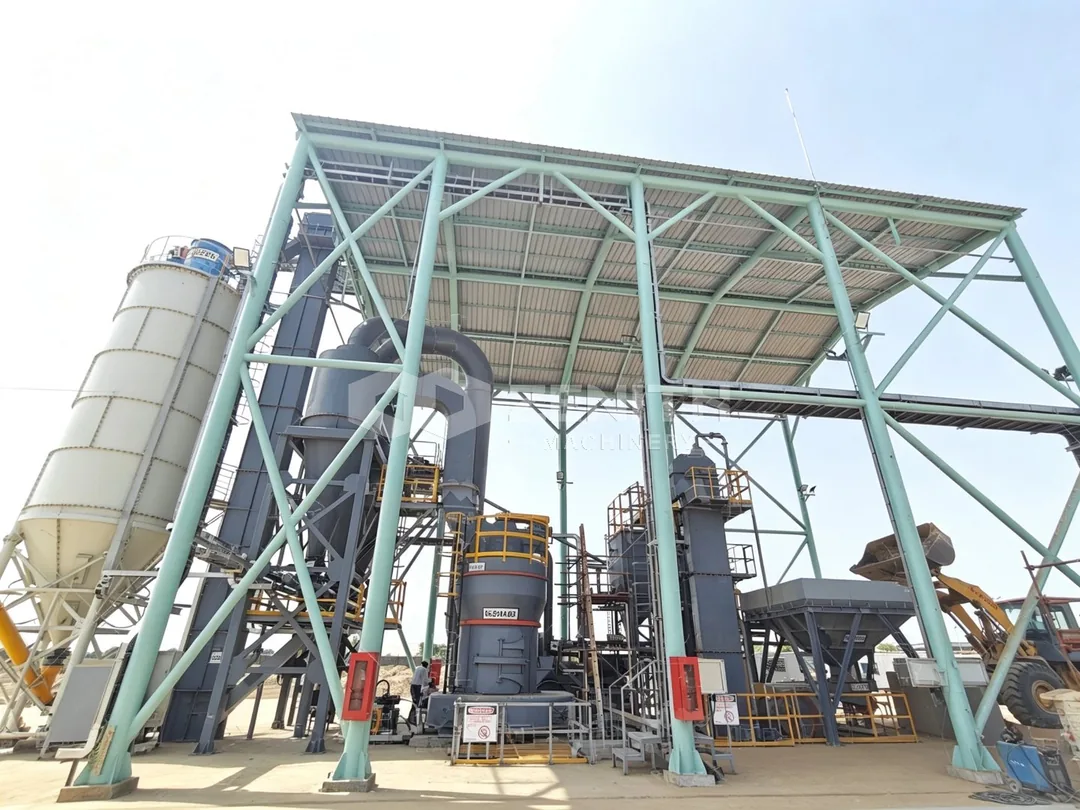
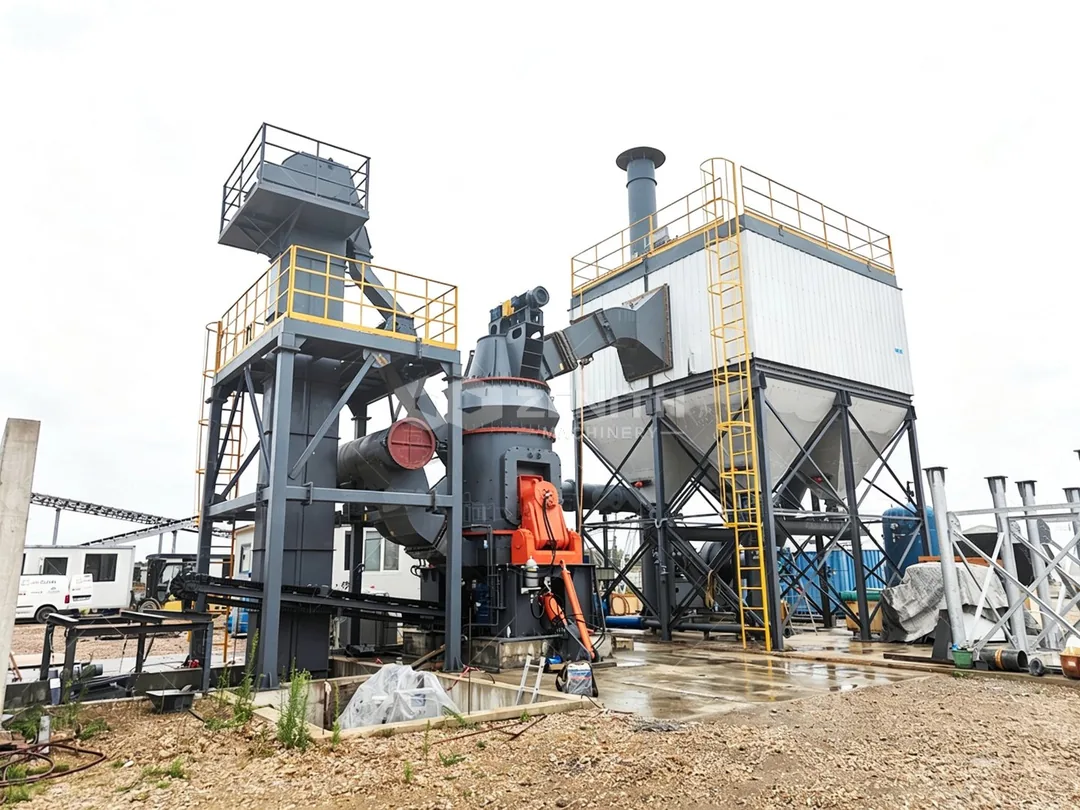
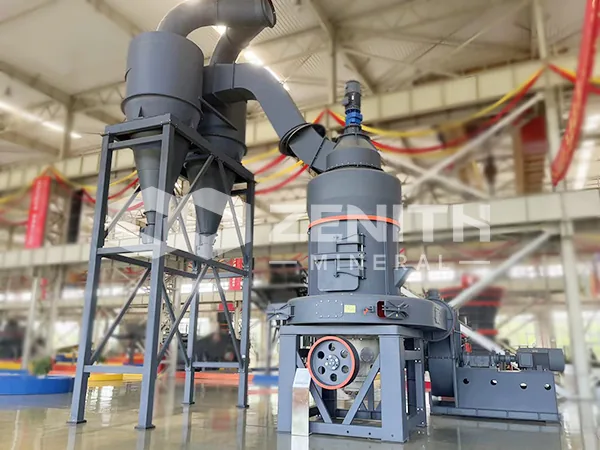
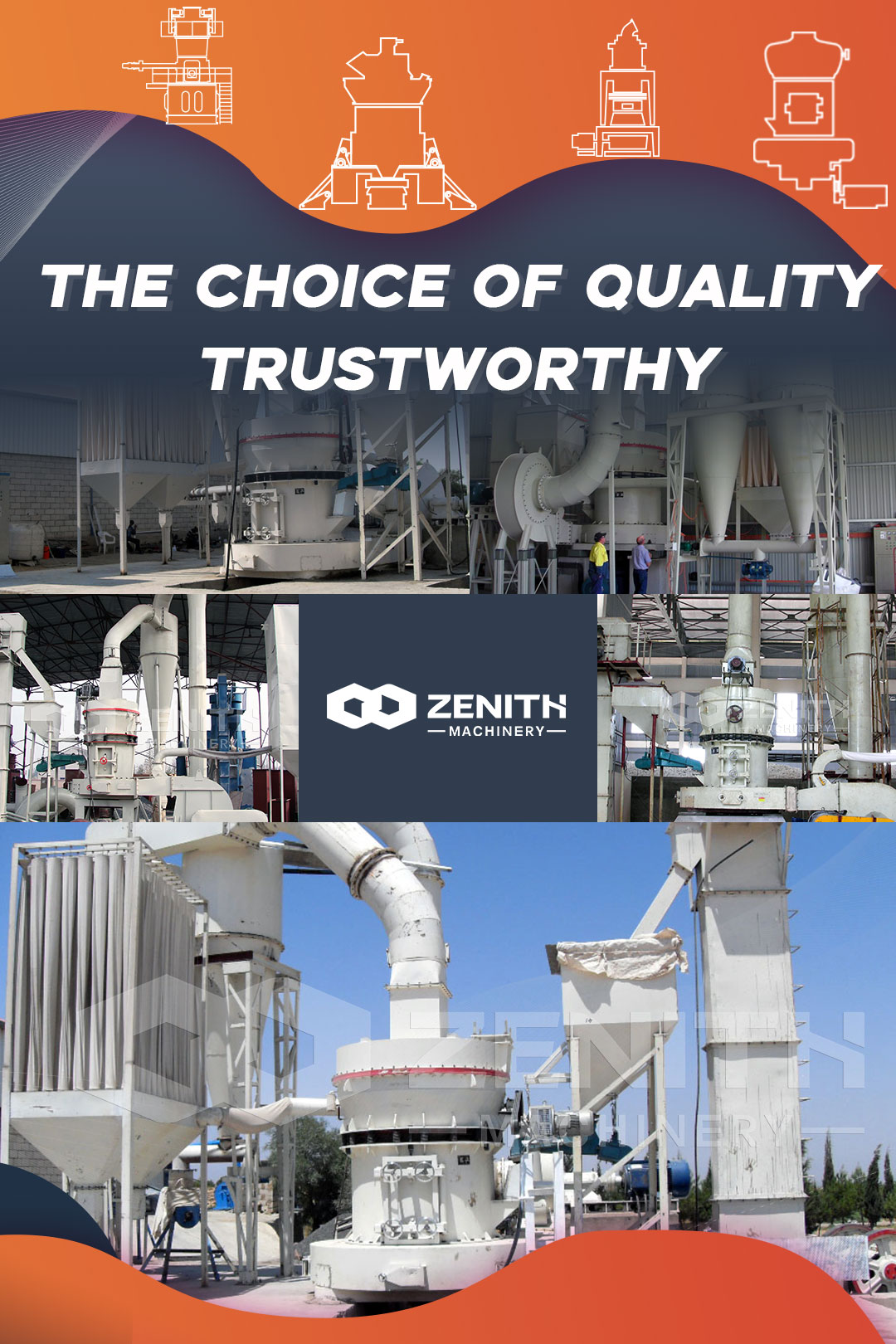
The complete system includes a primary jaw crusher, a vibrating feeder, the MTW175 trapezium mill, a bucket elevator, a classifier, a cyclone collector, a pulse dust collector, and a central control panel. The MTW mill was selected for its balanced capacity of 3–22 TPH and output fineness range of 30–325 mesh, which easily covers the required 60 microns (about 250 mesh). Key features that aligned with the client's needs include:
- Energy Efficiency: The MTW mill consumes over 60% less energy than a ball mill of equivalent grade, a critical factor given Iraq's electricity costs.
- Compact Design: The integrated system reduces foundation and building investment, as it operates as a self-contained unit from bulk material to finished powder.
- Adjustable Fineness: The modular impeller allows quick changes between different product specifications without replacing major components.
- Environmental Compliance: The negative-pressure system with a pulse dust collector ensures zero dust leakage, meeting national environmental standards.
_1779474388648.jpg)
Working Principle in Action
Limestone, crushed to 0–35mm, enters the MTW mill via a variable-frequency belt feeder. Inside the grinding chamber, the material is crushed between the roller and grinding ring. The fan's airflow carries fine particles upward to the classifier, where the rotating impeller separates acceptable powder (≤60 microns) from coarse particles. The coarse fraction falls back for re-grinding, while the fine powder is collected in the cyclone and dust collector. The entire system operates under balanced positive and negative pressures, ensuring stable performance and minimal heat buildup.
Why Not Other Equipment?
Although Zenith offers multiple solutions, the MTW mill was the optimal choice for this specific application. The LM Vertical Grinding Mill, while excellent for large-scale continuous operations (up to 340 T/H), would have been oversized and overcapitalized for a 20 TPH requirement. The Raymond Mill, a classic choice for smaller capacities, could not guarantee the precision of D100 at 60 microns without additional classification stages. The LUM Ultrafine Vertical Mill targets 325–2500 mesh, which is far finer than needed, making it less economical for this project. For coarse powder (0–3mm), the Hammer Mill would be ideal, but not for fine grinding. Thus, the MTW series struck the right balance of capacity, fineness, and cost.
Installation and Performance
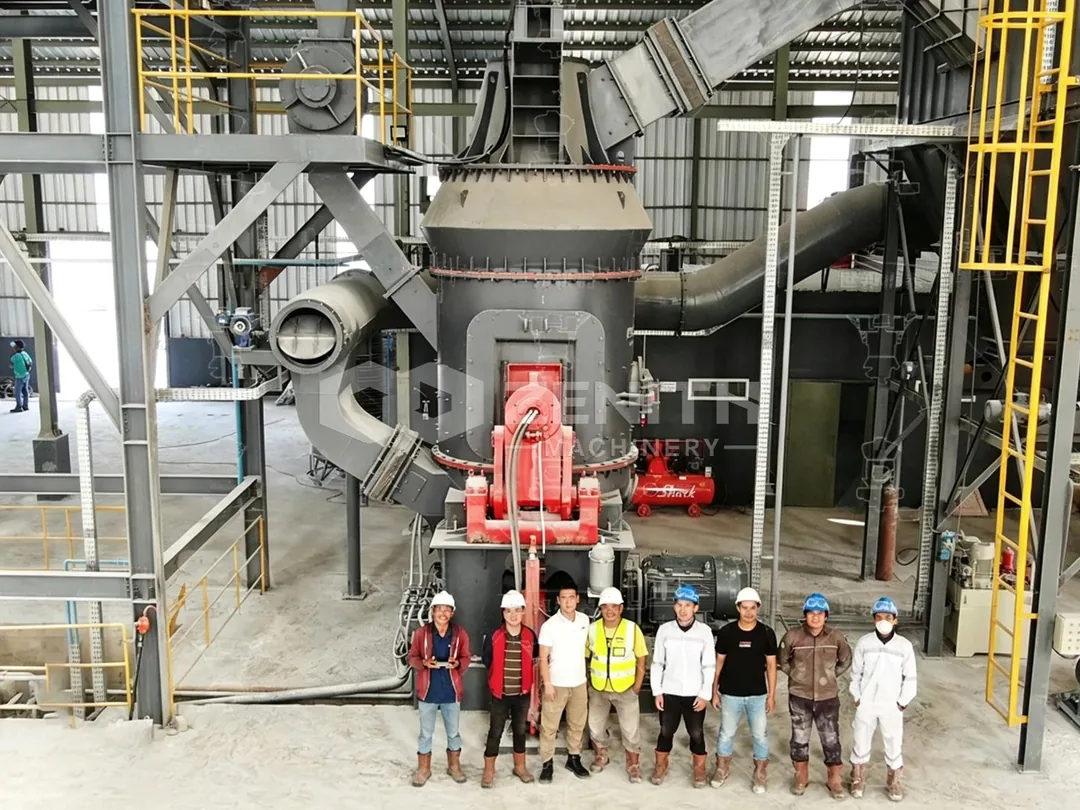
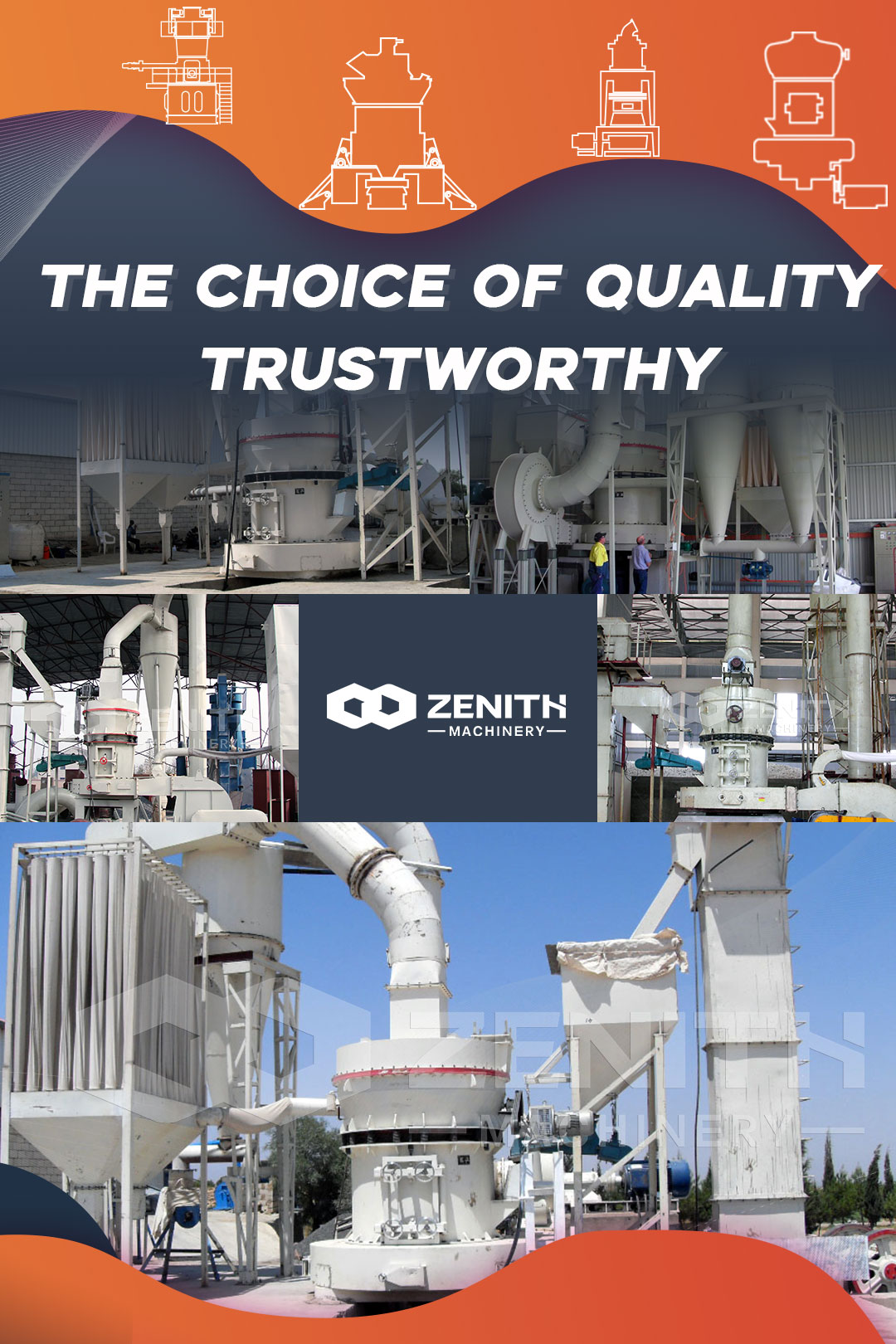
Zenith's team supervised the installation, which took approximately three weeks from foundation to trial run. The system achieved the target output of 20 TPH within the first week of commissioning, with the product fineness consistently at 60 microns D100. The client reported a 15% reduction in overall operating costs compared to their previous ball mill setup, primarily due to lower power consumption and reduced wear part replacement intervals. The automatic control system allows remote monitoring, which is particularly valuable in Iraq's security-sensitive environment, minimizing the need for on-site personnel.
Long-Term Support and Spare Parts
Zenith's global network ensures that the Iraqi plant receives priority access to spare parts, with a local stock point in the Middle East region. The MTW mill's vulnerable parts, such as grinding rollers and rings, are designed for easy replacement, further reducing downtime. The client also signed a three-year maintenance contract, including quarterly inspections and training for local operators.
Conclusion
This project exemplifies how advanced grinding technology can be tailored to meet specific regional and operational needs. The Iraqi calcium powder plant now operates with world-class efficiency, producing a high-value product for both domestic and export markets. Zenith's commitment to quality and after-sales support has solidified its reputation as a trusted partner in the Middle East's industrial milling sector.
_1779474388651.jpg)
Frequently Asked Questions (FAQ)
Q1: What is the exact meaning of 'D100 at 60 microns'?
A1: D100 means that 100% of the finished powder particles are smaller than or equal to 60 microns in diameter. This ensures absolute uniformity, which is critical for applications like high-quality paints or pharmaceutical fillers where no oversized particles can be tolerated.
Q2: Can the MTW mill handle limestone with higher moisture content, say 10%?
A2: The MTW mill can handle materials with moisture up to 6% without issues. For higher moisture content (up to 10%), we recommend installing a hot air drying system upstream or using the LM Vertical Grinding Mill, which has integrated drying capabilities. Our engineers can customize the configuration based on your specific raw material analysis.
Q3: What is the typical lifespan of the grinding rollers and rings in the MTW mill for limestone?
A3: For soft to medium-hard limestone (Mohs hardness 3–4), the grinding rollers and rings typically last between 6,000 to 8,000 operating hours. Actual lifespan depends on factors like feed particle size distribution, moisture, and the presence of silica impurities. Zenith provides wear parts with high-chrome alloy for extended durability.
Q4: How does the energy consumption of the MTW mill compare with a traditional ball mill for the same 20 TPH output?
A4: Under ideal conditions, the MTW trapezium mill consumes more than 60% less energy than a ball mill with the same capacity. For 20 TPH, you can expect energy savings of approximately 500–700 kWh per day, significantly reducing your electricity bill. Actual savings depend on the specific operating parameters and material characteristics.
Q5: What after-sales support does Zenith offer for clients in Iraq?
A5: Zenith maintains a comprehensive after-sales network covering the Middle East. For Iraq, we provide on-site installation supervision, operator training, a remote monitoring system, and a guaranteed spare parts supply from our regional warehouse. Our service team can typically respond to urgent requests within 48 hours.
Q6: Can the same MTW mill be adjusted to produce different fineness grades, such as 100 mesh or 400 mesh?
A6: Yes, the MTW mill features a modular impeller adjustment device. By simply changing the impeller and adjusting the classifier speed via the VFD, you can produce fineness from 30 mesh (coarse) up to 325 mesh (fine). Changing between 60 microns (250 mesh) and coarser grades takes less than 30 minutes.
Q7: Is the system fully automated, and does it require 24/7 operator attendance?
A7: The MTW grinding line is equipped with an intelligent control system that supports both local and remote operation. While the system can run automatically for extended periods, we recommend having at least one trained operator per shift for routine monitoring and maintenance. The plant can operate unattended during stable conditions, with alarms and automatic shutdowns triggered by anomalies.