An egyptian building materials company seeks grinding mill for 2500 tons per day cement production line
2026-05-22 02:27:41
As Egypt continues to expand its infrastructure and construction sectors, the demand for high-quality cement has never been greater. A prominent Egyptian building materials company is now actively seeking a reliable, high-capacity grinding mill to support a new cement production line targeting 2,500 tons per day. This is a significant investment that requires not only robust equipment but also a partner with deep industry expertise and a global track record. In this article, we will explore the technical requirements, suitable machinery options, and key considerations for such a project, drawing on the extensive experience of Shanghai Zenith Machinery Co., Ltd.
Understanding the Production Target: 2,500 TPD
A 2,500 tons per day (TPD) cement line is a substantial operation, typically associated with modern, efficient plants. To achieve this output, the grinding mill must handle large feed volumes while maintaining consistent product fineness, typically in the range of 80-400 mesh (for raw meal and cement). The mill must also be energy-efficient, as power consumption is one of the largest operational costs in cement production. Based on our analysis, several mill types from Zenith’s portfolio can meet or exceed this requirement when configured correctly.
Recommended Grinding Solutions for High-Capacity Cement Lines
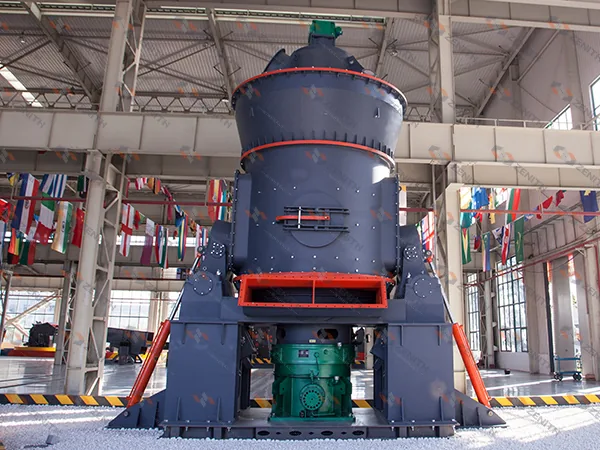
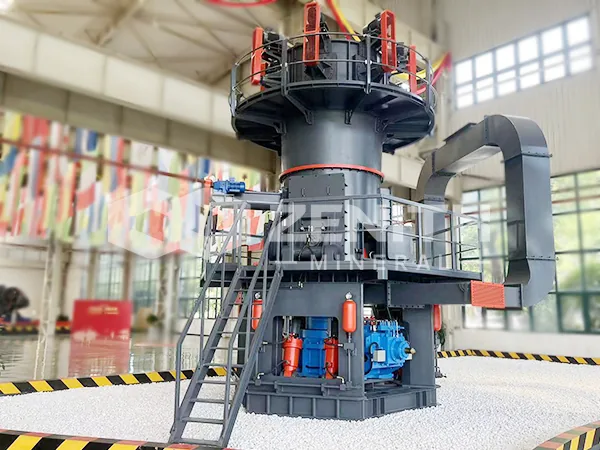
1. LM Vertical Grinding Mill – For Large Capacity and Continuous Operation
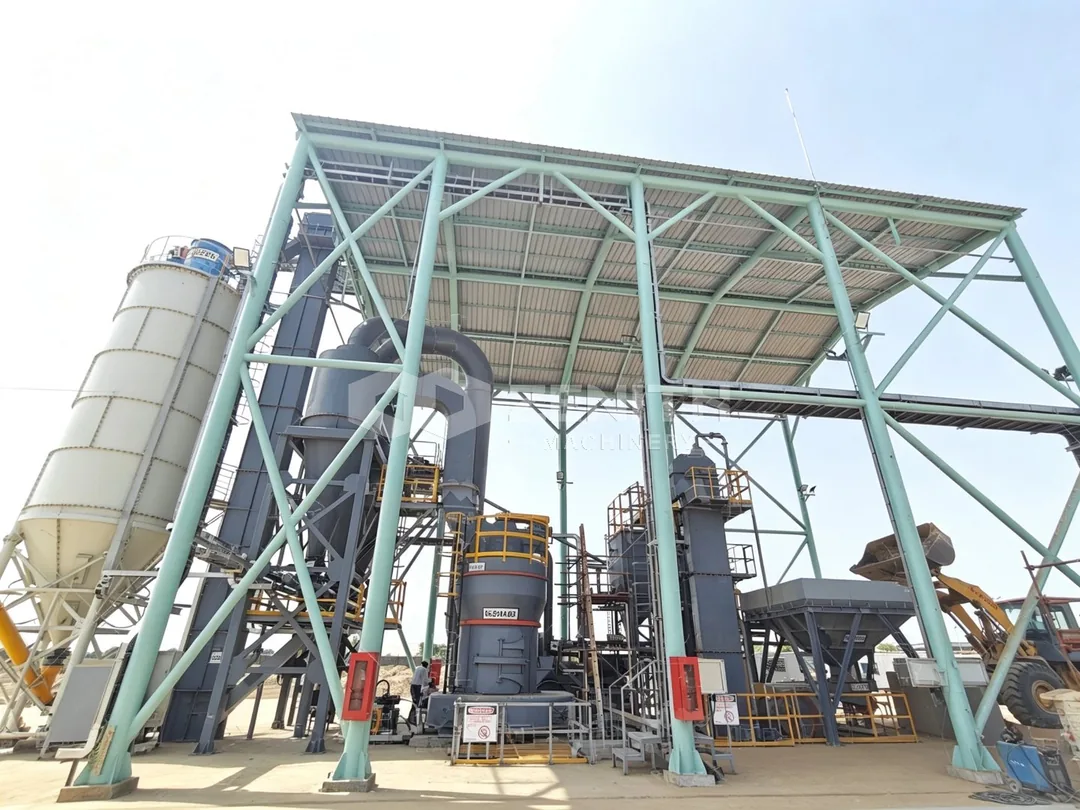
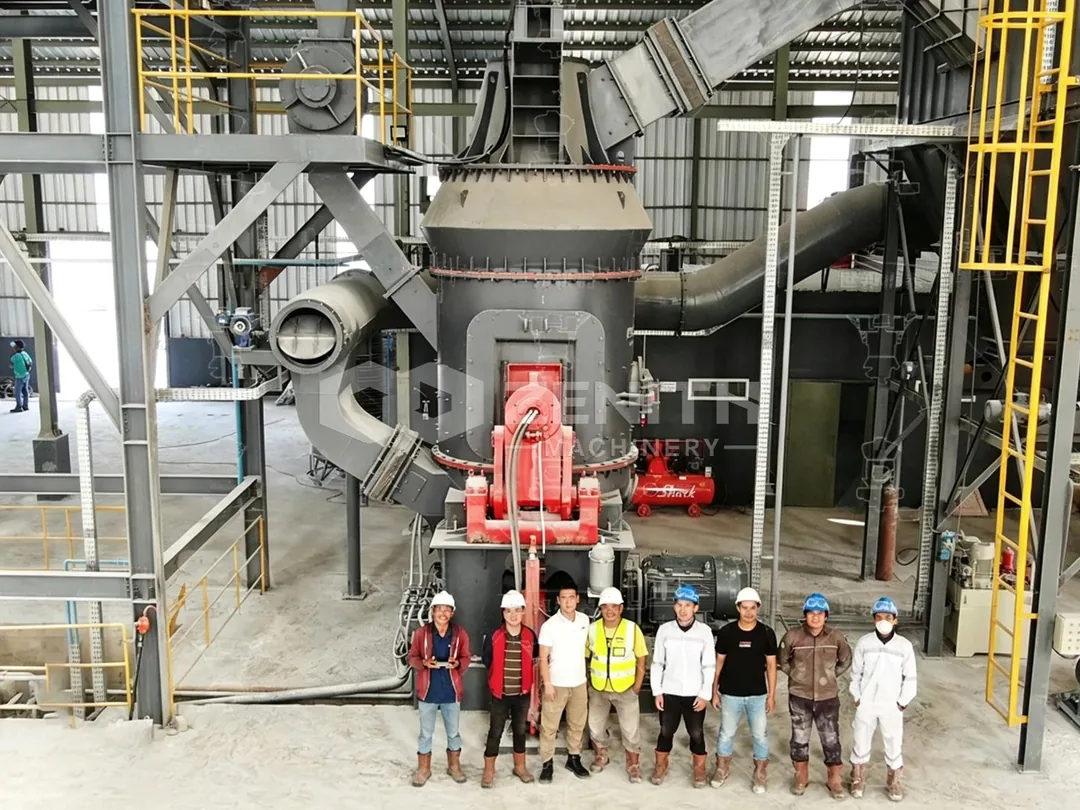
The LM series vertical roller mill is an excellent choice for large-scale cement raw meal grinding. With a capacity range of 3 to 340 TPH, a single LM mill can comfortably handle a 2,500 TPD line (approximately 104 TPH). Its key advantages include:
- High Purity of Material: The LM mill effectively controls product size and iron content, ensuring the whiteness and quality of cement.
- Less Comprehensive Investment: Its compact design occupies about 50% of the area required for a ball mill system, and it can be arranged outdoors, significantly reducing civil engineering costs.
- High Degree of Automation: Equipped with an automatic control system, the LM mill allows remote or local operation, minimizing labor costs and human error.
- Environmentally Friendly: The sealed, negative-pressure operation ensures no dust spillover, low noise, and compliance with Egyptian environmental standards.
For a cement plant aiming for 24/7 constant running with stable product quality, the LM vertical mill is a proven workhorse in many cement plants across Asia and Africa.
_1779388061520.jpg)
2. MTW European Trapezium Mill – For Smaller Footprint and Lower Energy Consumption
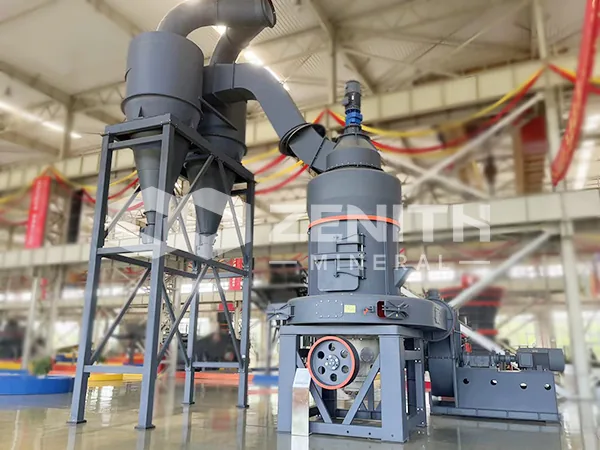
If the plant layout is constrained or if the project requires a more modular approach, the MTW series trapezium mill is an alternative. While single-unit capacity tops at 50 TPH (for the largest model), multiple MTW mills can be deployed in parallel to reach 2,500 TPD. Key benefits include:
- 60% Lower Energy Consumption: Compared to a ball mill of the same grade, the MTW mill consumes significantly less power under ideal conditions.
- Adjustable Output Fineness: The modular impeller adjustment device allows quick changes in product fineness by simply swapping impellers, useful for producing different cement grades.
- Higher Induced Air Efficiency: With an efficiency improvement from 62% to 85%, the fan system reduces overall energy waste.
This mill is particularly suitable for customers who want to minimize initial investment and plant footprint while still achieving high-quality fine powder (80-400 mesh).
3. LM-Y Vertical Pre-grinding Roller Mill – For Pre-grinding Applications
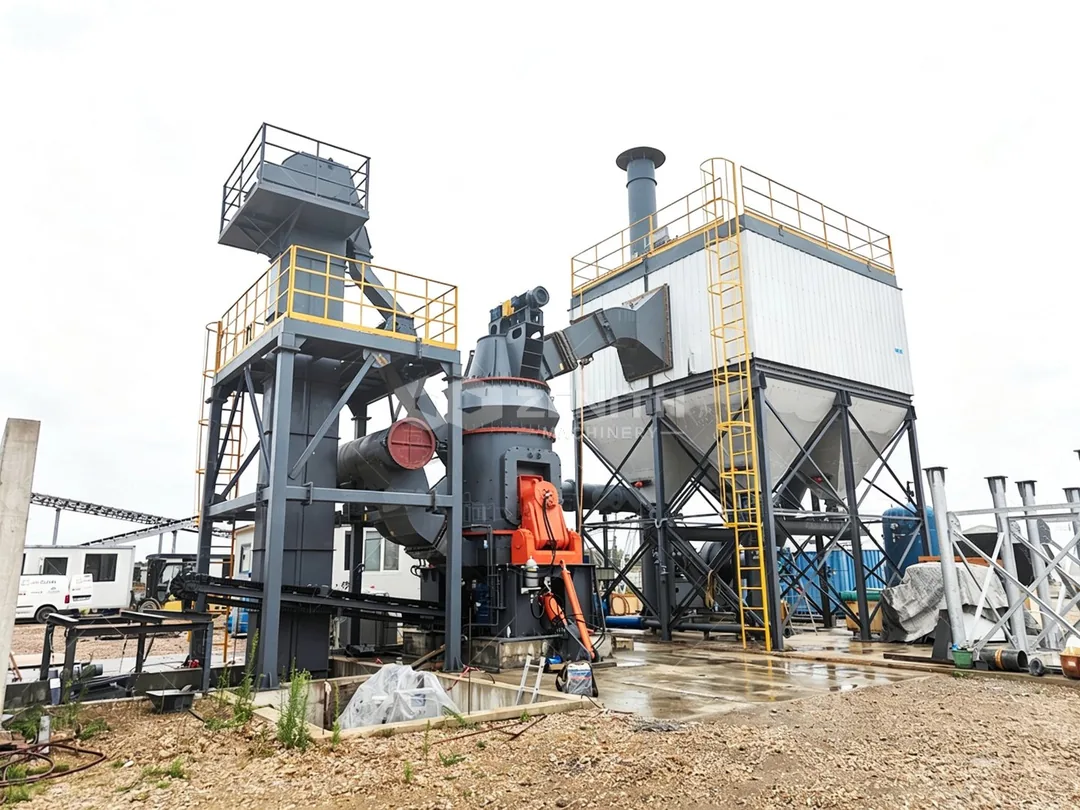
Some modern cement plants adopt a pre-grinding + ball mill configuration to boost overall throughput. The LM-Y series vertical pre-grinding mill, with a capacity up to 330 TPH, can be used to prepare clinker or raw materials before final grinding. This reduces the load on downstream ball mills and improves system efficiency. Its ability to integrate sand making and grinding makes it versatile for both raw meal and cement finish grinding stages.
_1779388061522.jpg)
Key Considerations for the Egyptian Market
Egyptian cement producers face unique challenges, including high ambient temperatures, variable raw material quality (limestone, clay, gypsum), and the need for compliance with local environmental regulations. Zenith’s mills are designed with robust construction and advanced sealing to handle dusty and hot environments. Additionally, all our equipment holds ISO, CE, and CU-TR certifications, ensuring they meet international quality and safety standards.
For a 2,500 TPD line, we recommend conducting a detailed raw material analysis and site survey to determine the optimal mill configuration. Typically, a combination of a vertical roller mill for raw meal and a ball mill or vertical mill for cement finish grinding yields the best balance of cost, efficiency, and product quality.
_1779388061523.jpg)
Why Choose Zenith for Your Egyptian Cement Project?
With a marketing network spanning over 180 countries and more than 30 overseas offices, Zenith has extensive experience supporting cement projects in Africa, the Middle East, and beyond. Our team can provide on-site technical support, spare parts, and training to ensure smooth commissioning and operation. We understand the specific needs of Egyptian building materials companies and are committed to delivering solutions that maximize uptime and return on investment.
Conclusion
Selecting the right grinding mill for a 2,500 TPD cement production line is a critical decision that impacts the entire project’s economics and operational reliability. Whether you choose the high-capacity LM vertical mill, the energy-efficient MTW trapezium mill, or a pre-grinding solution like the LM-Y, Zenith offers proven technology and global support. We invite the Egyptian building materials company to contact our local team for a customized proposal and a detailed feasibility study.
_1779388061524.jpg)
Frequently Asked Questions (FAQs)
- Q: Can a single mill achieve 2,500 tons per day for cement production?
A: Yes, a single LM vertical grinding mill with a capacity of 104 TPH or higher can handle a 2,500 TPD line. For MTW mills, multiple units may be required due to individual capacity limits of up to 50 TPH. - Q: What is the typical power consumption for grinding cement in these mills?
A: The LM and MTW mills offer significant energy savings. Typically, they consume 30-60% less power than traditional ball mills. Actual consumption depends on raw material hardness and fineness requirements. - Q: How does the mill handle high-moisture raw materials common in Egypt?
A: The LM vertical mill can handle materials with up to 15% moisture by utilizing hot air from the kiln or a hot gas generator. The MTW mill also includes drying capabilities when equipped with additional hot air intake. - Q: What after-sales support does Zenith provide for Egyptian customers?
A: Zenith has a regional office in the Middle East and offers on-site installation, commissioning, operator training, and a comprehensive spare parts supply chain. We also provide remote technical support via our digital platform. - Q: What is the typical delivery time for a large grinding mill order?
A: Delivery timelines depend on the specific model and configuration. For standard LM or MTW mills, manufacturing and shipping typically take 4-6 months. Custom-engineered solutions may require longer lead times. - Q: Can the mill produce cement with a fineness of 400 m2/kg (Blaine) or higher?
A: Yes. The LM and MTW mills can produce fineness ranging from 80 mesh to 400 mesh, corresponding to Blaine values of 3000-5000 cm2/g. For ultra-fine requirements, the LUM or XZM series are recommended. - Q: How does the mill perform in terms of dust emission and noise?
A: All Zenith mills are designed for environmentally friendly operation. They operate under negative pressure with sealed housings and pulse dust collectors, ensuring dust emissions are below 30 mg/Nm3. Noise levels are typically below 85 dB(A).