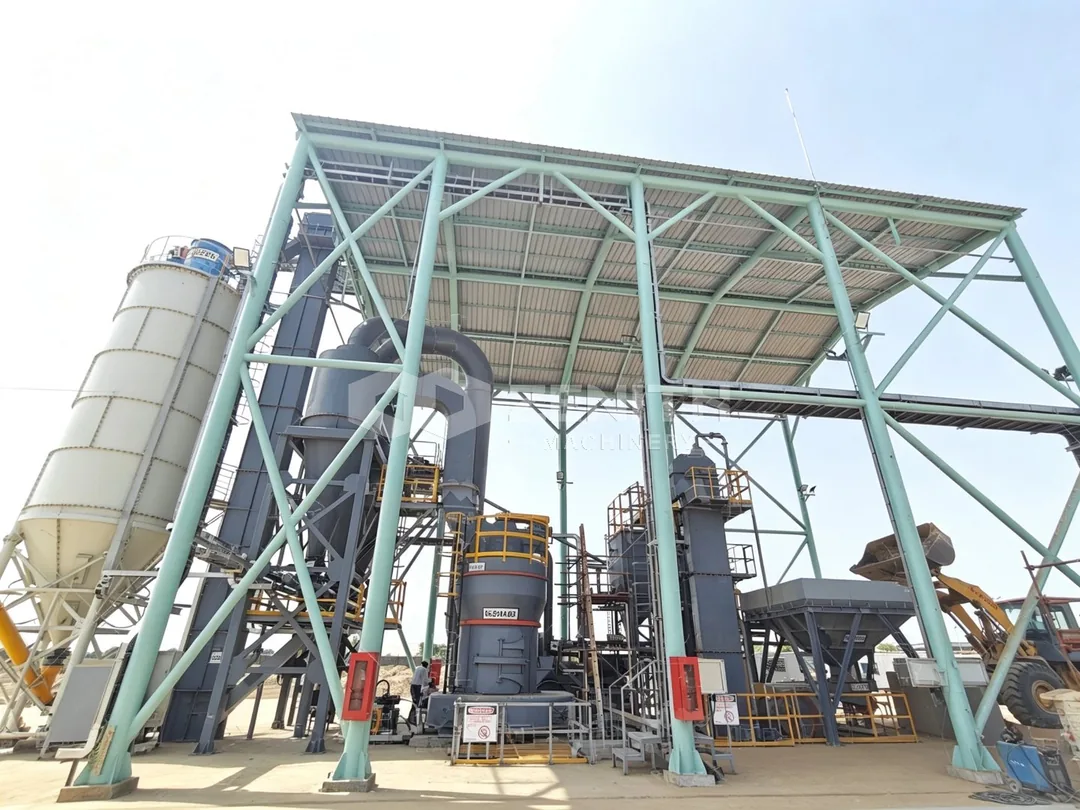
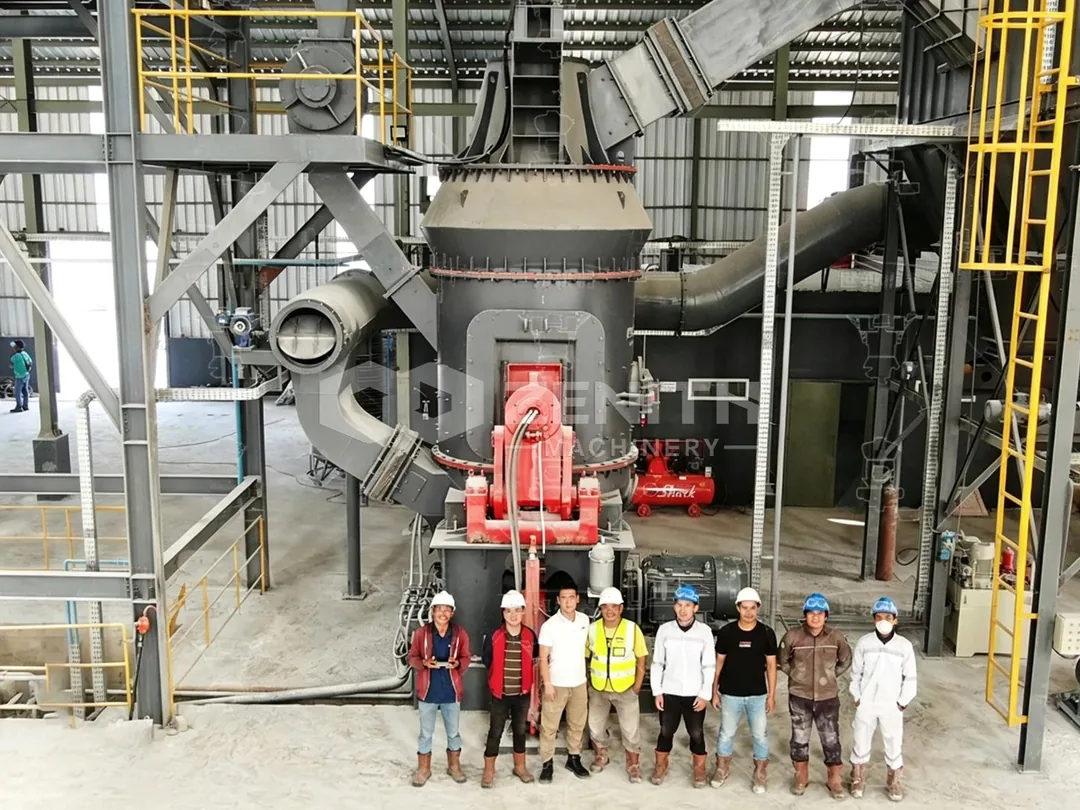
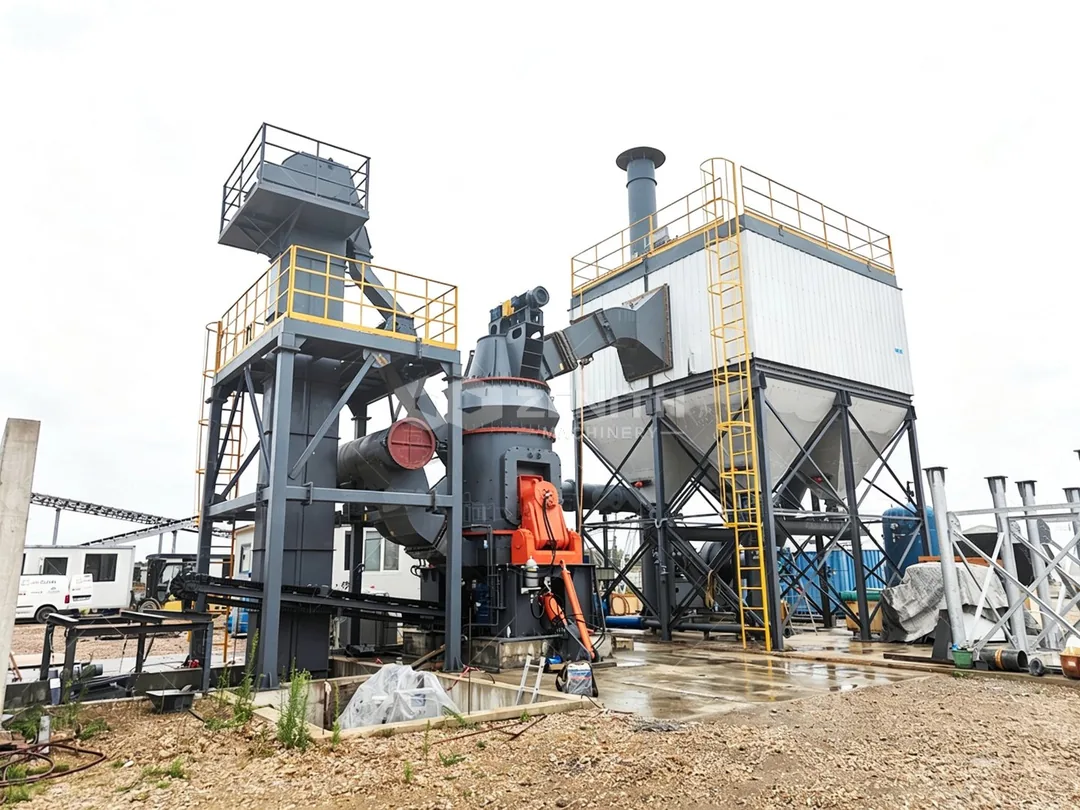
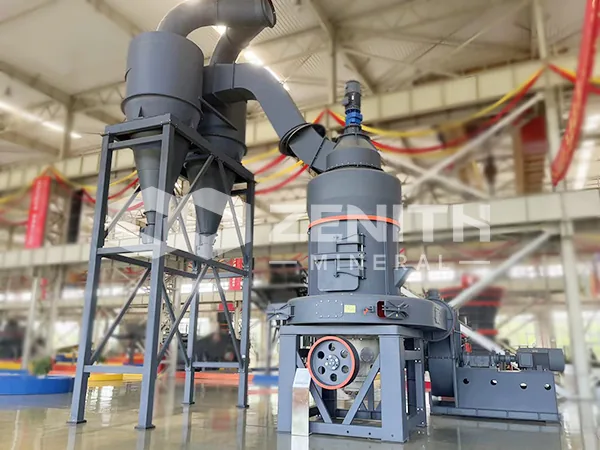
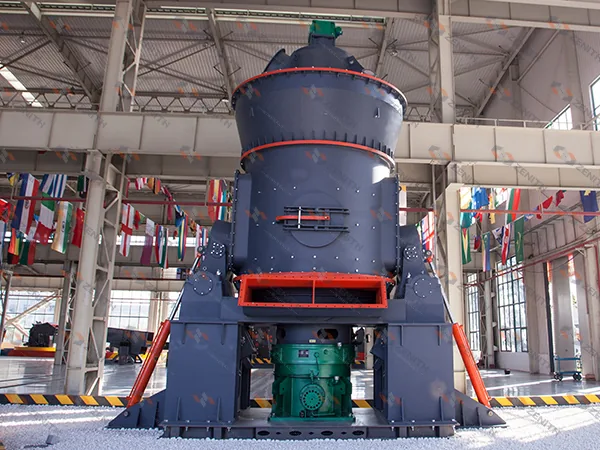
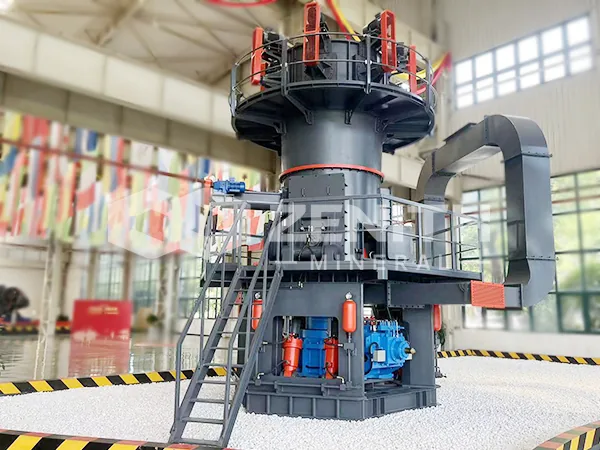
A client in syria purchased basalt grinding equipment with a processing capacity of 1 t/h.
2026-05-21 02:26:45
In the heart of the Middle East, where ancient trade routes meet modern industrial ambition, a client in Syria recently made a strategic investment in basalt grinding equipment from Shanghai Zenith Machinery Co., Ltd. This purchase, designed for a processing capacity of 1 ton per hour (1 t/h), marks a significant step in the region's growing demand for high-quality mineral powder production. Basalt, known for its hardness and durability, is a challenging material to grind, but with Zenith's decades of engineering expertise, the Syrian client now has a tailored solution that balances efficiency, reliability, and cost-effectiveness.
Understanding the Client's Needs
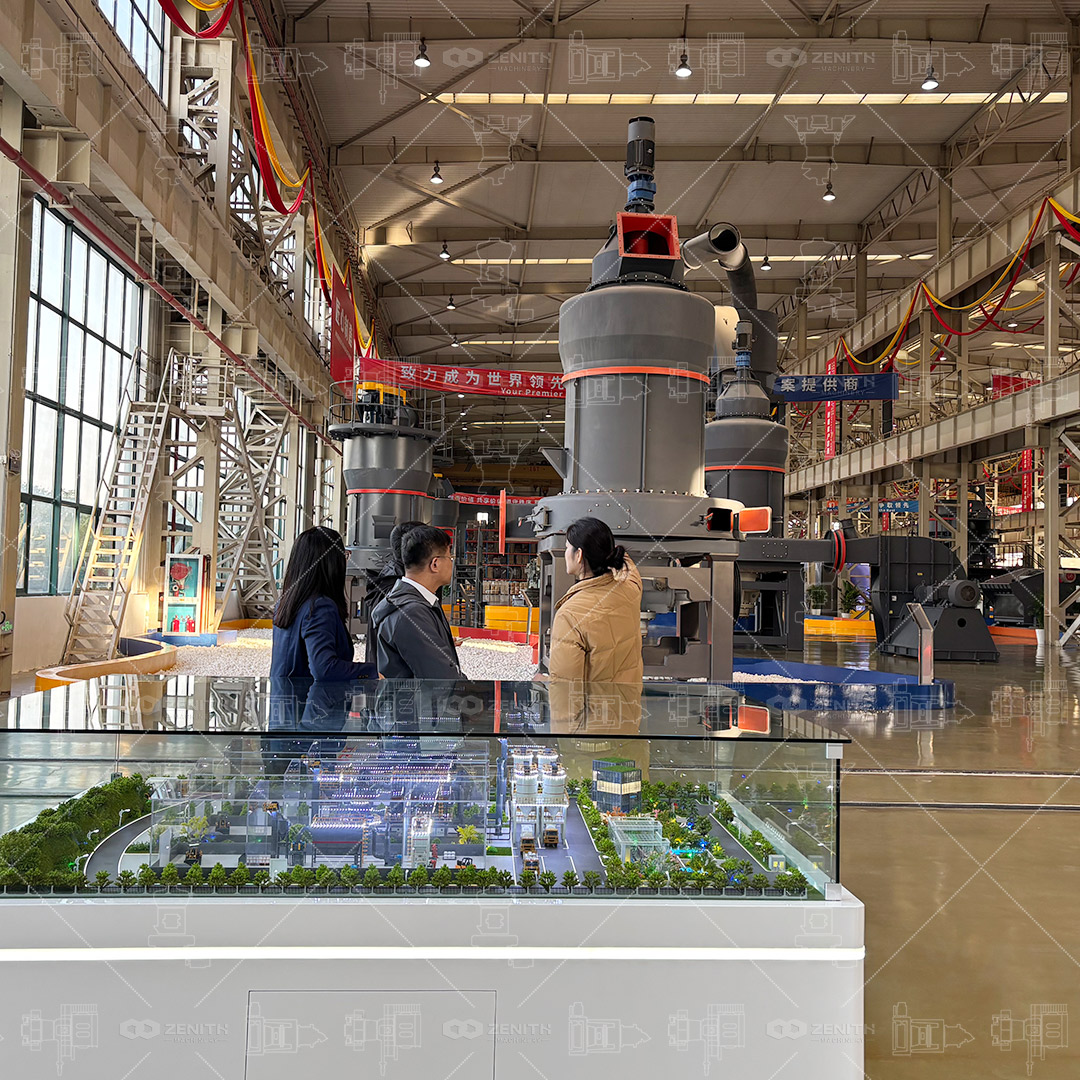
The Syrian market, like many in the region, requires robust equipment capable of handling tough materials while delivering consistent output. Basalt grinding is typically used for producing fine powder for construction, agriculture, and chemical applications. With a target capacity of 1 t/h, the client needed a mill that could operate smoothly under local conditions, including variable power supply and limited maintenance infrastructure. Zenith's team conducted a thorough analysis of the client's raw material characteristics, desired fineness range, and site constraints before recommending the ideal grinding solution.
Equipment Selection: The Perfect Fit for Basalt
For a 1 t/h basalt grinding requirement, Zenith offered several options from its extensive product line, each with distinct advantages. The MTW European Trapezium Mill emerged as a prime candidate due to its large capacity range (3-22 t/h) and ability to produce 80-400 mesh fine powder. However, given the specific capacity need, a smaller model was configured to meet the 1 t/h target without compromising efficiency. The MTW mill's trapezium design ensures lower energy consumption—over 60% less than traditional ball mills—making it ideal for operations where electricity costs are a concern. Additionally, its modular impeller adjustment allows for quick fineness changes, a valuable feature when the client decides to switch between construction-grade powder and agricultural applications.
_1779301605605.jpg)
Alternatively, the Raymond Mill, a classic in mineral processing, offers 10-325 mesh output with 99% screening efficiency. Its long-standing reliability and low investment cost make it a popular choice for small to medium operations. For the Syrian client, the Raymond mill's simpler structure and ease of maintenance were appealing, especially in a region where specialized technical support may be limited. The mill's intelligent control system also allows for labor-free operation, further reducing ongoing costs.
Another strong contender was the Hammer Mill, designed for coarse powder (0-3 mm). While the client's primary need was fine powder, the hammer mill could serve as a pre-grinding stage if future expansion requires higher throughput. Its high grinding ratio and stable performance make it a versatile addition to any mineral processing line.
Technical Considerations for Basalt Grinding
Basalt's Mohs hardness typically ranges from 5 to 7, placing it in the medium-to-hard category. This requires grinding equipment with wear-resistant components and robust power transmission. Both the MTW and Raymond mills feature high-quality steel in critical parts, with vulnerable components made from abrasion-resistant materials. The LM Vertical Grinding Mill was also considered, as its 24-hour continuous operation capability and high automation level suit large-scale operations. However, for a 1 t/h capacity, the LM series might be oversized, leading to unnecessary capital expenditure. Thus, the client opted for a smaller, more cost-effective solution.
Zenith's equipment comes with ISO, CE, and CU-TR certifications, ensuring compliance with international quality and safety standards—a critical factor for international clients in sensitive regions like Syria. The company's global network, covering over 180 countries, provides reassurance that spare parts and technical support are accessible even in remote locations.
_1779301605606.jpg)
Installation and Support
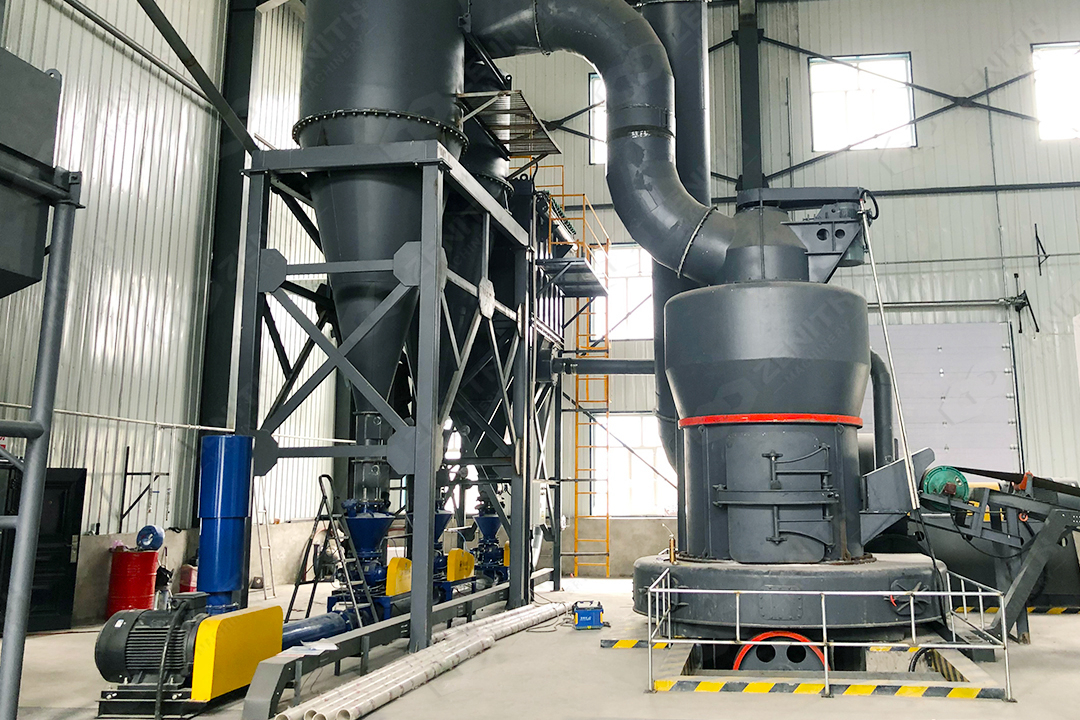
Despite the challenging geopolitical context, Zenith coordinated with local partners to ensure smooth delivery and installation. The equipment's compact design—especially for the Raymond and MTW mills—minimized the required floor space and foundation work, a significant advantage in sites where construction resources are scarce. The MTW mill's self-contained production system, from bulk material to finished powder, further reduced external dependencies. Commissioning was carried out remotely with on-site technicians guided by Zenith's engineers via video link, demonstrating the company's commitment to client success regardless of location.
Post-installation, the client reported steady production of 1 t/h basalt powder at the desired fineness of around 200 mesh. Energy consumption was within predicted ranges, and the variable frequency drive on the belt feeder allowed precise material flow control. The pulse dust collector, standard on all Zenith mills, ensured compliance with environmental regulations, a growing concern even in regions with less stringent enforcement.
Looking Forward
This successful installation has opened doors for further collaboration. The Syrian client is now exploring options for ultrafine grinding of basalt for high-value applications like paint and plastic fillers. Zenith's XZM Ultrafine Grinding Mill, capable of producing 325-2500 mesh powder with 40% higher efficiency than traditional mills, could be the next step. Additionally, the LUM Ultrafine Vertical Mill—with its 30-50% energy savings and high-purity output—offers a pathway into premium markets. As Syria's industrial sector rebuilds, reliable partners like Zenith will play a key role in transforming natural resources into economic growth.
Conclusion
The purchase of basalt grinding equipment by a client in Syria underscores the global reach of Zenith's engineering solutions. By matching the client's precise 1 t/h capacity requirement with an appropriate mill—whether the energy-efficient MTW trapezium mill, the reliable Raymond mill, or the versatile hammer mill—Zenith demonstrated its ability to deliver tailored, high-performance equipment under any circumstances. With ongoing support and a wide range of products for future expansion, this partnership is set to grind success for years to come.
Frequently Asked Questions (FAQs)
1. What is the best Zenith mill for grinding basalt at 1 t/h capacity?
For a 1 t/h basalt grinding operation, the Raymond mill or a small-configuration MTW European Trapezium Mill are ideal choices due to their proven reliability, low energy consumption, and ability to produce fine powder (80-400 mesh) with minimal maintenance. The selection depends on your specific fineness requirements and budget.
2. How does basalt hardness affect the choice of grinding equipment?
Basalt's hardness (Mohs 5-7) requires mills with wear-resistant components, such as high manganese steel liners and abrasion-resistant grinding rollers. Zenith's mills, including the MTW and Raymond series, are built with these materials to ensure long service life and consistent performance even with hard rocks.
3. Can the same equipment be used for both coarse and fine basalt powder?
Yes, some Zenith mills offer adjustable output fineness. For instance, the MTW trapezium mill uses a modular impeller adjustment device that allows you to change the fineness by swapping impellers, spanning from coarse (1-3 mm) to fine (80-400 mesh). The Raymond mill also offers adjustable fineness via its classifier.
4. What are the installation requirements for a 1 t/h basalt grinding mill in Syria?
Zenith's mills are designed for minimal site preparation. For a 1 t/h capacity, you need a flat foundation of approximately 20-30 square meters, a stable power supply (typically 380V/50Hz), and basic lifting equipment for installation. The compact integrated design reduces civil engineering costs significantly.
5. How does Zenith ensure environmental compliance in regions with strict regulations?
All Zenith grinding mills are equipped with pulse dust collectors and operate under negative pressure, ensuring no dust spillover. They also feature low noise levels and meet international standards like ISO 14001. For specific local regulations, Zenith can provide additional filtration or silencer options upon request.
6. What after-sales support is available for clients in Syria or neighboring regions?
Zenith has over 30 overseas offices and a network of distributors across the Middle East. Support includes remote troubleshooting, spare parts delivery, and on-site technical visits when feasible. Our team can also provide training for local operators through video documentation and online sessions.
7. Can the mill be upgraded later for higher capacity or different materials?
Yes, Zenith mills are designed with modular components. For example, the MTW mill can be fitted with a larger classifier or additional grinding rollers to increase capacity. The Raymond mill can be paired with a pre-crusher for harder materials. Upgradability is a key feature of our product line to protect your investment.