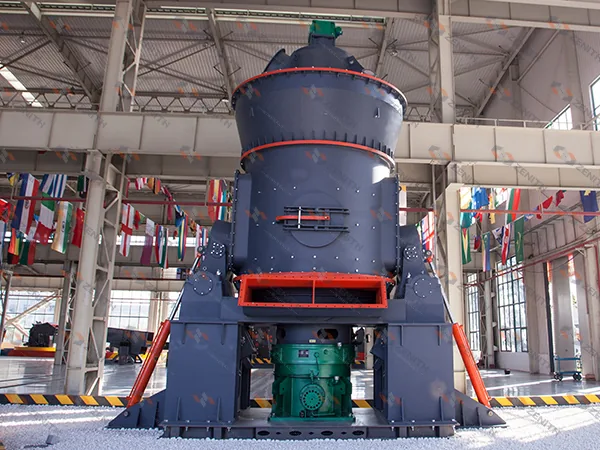
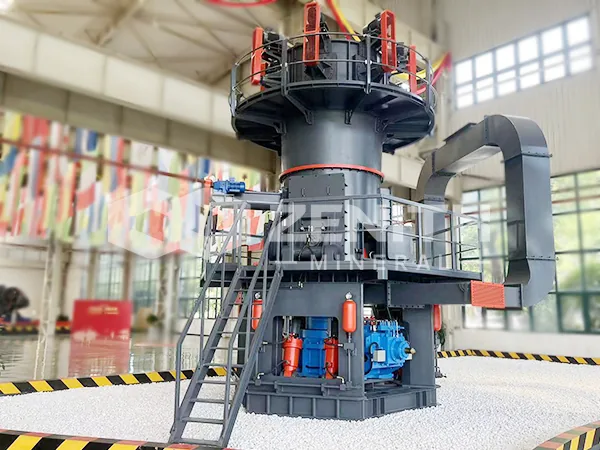
An enterprise in laos purchased a 5 t/h gold ore grinding mill along with a complete set of gold extraction and separation equipment.
2026-05-20 02:25:28
In recent years, the mining sector in Laos has experienced robust growth, driven by increasing foreign investment and the country's rich mineral reserves. A notable example of this trend is a recent project where an enterprise in Laos purchased a 5 t/h gold ore grinding mill along with a complete set of gold extraction and separation equipment from Shanghai Zenith Machinery Co., Ltd. (ZENITH). This article provides an in-depth analysis of the transaction, the technology behind the equipment, and the operational advantages for the client.
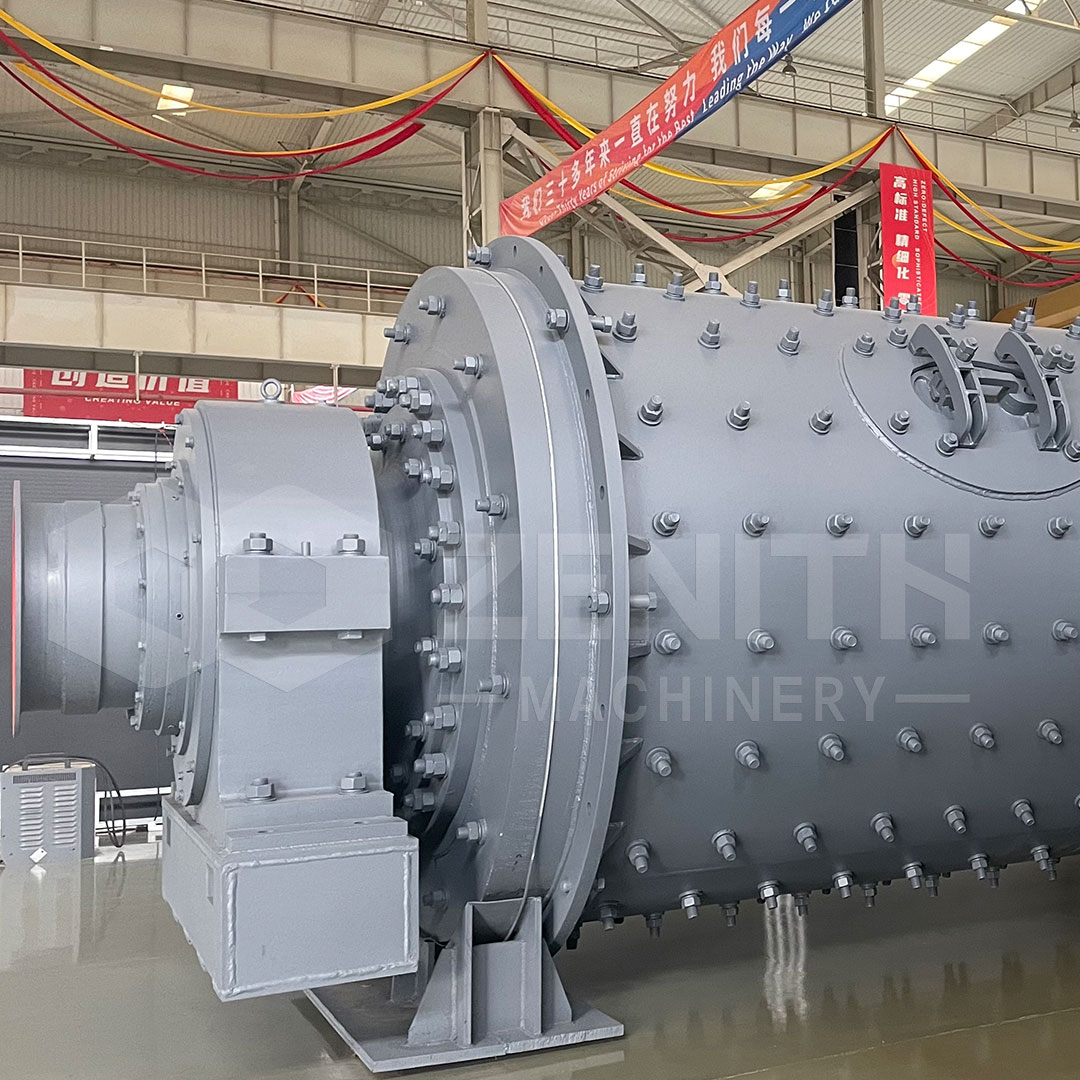
Project Background and Client Needs
The client, a mid-sized gold mining enterprise operating in the Savannakhet province of Laos, sought to upgrade their processing capacity. Their existing setup relied on outdated ball mills with high energy consumption and inconsistent product fineness, leading to lower gold recovery rates. After evaluating multiple suppliers, they chose ZENITH for our proven track record in delivering turnkey solutions for gold ore processing. The core requirement was a 5 t/h grinding system that could produce a fine powder (200-325 mesh) suitable for cyanidation or gravity separation, paired with a complete extraction and separation train.
Equipment Selection and Configuration
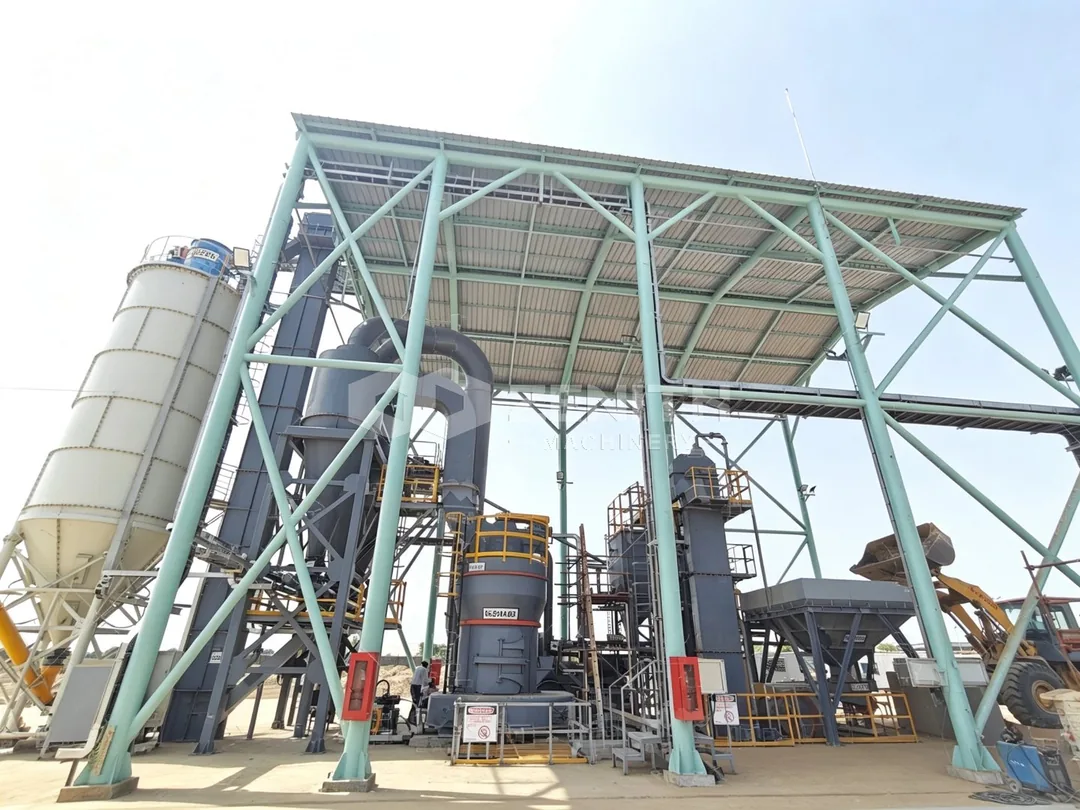
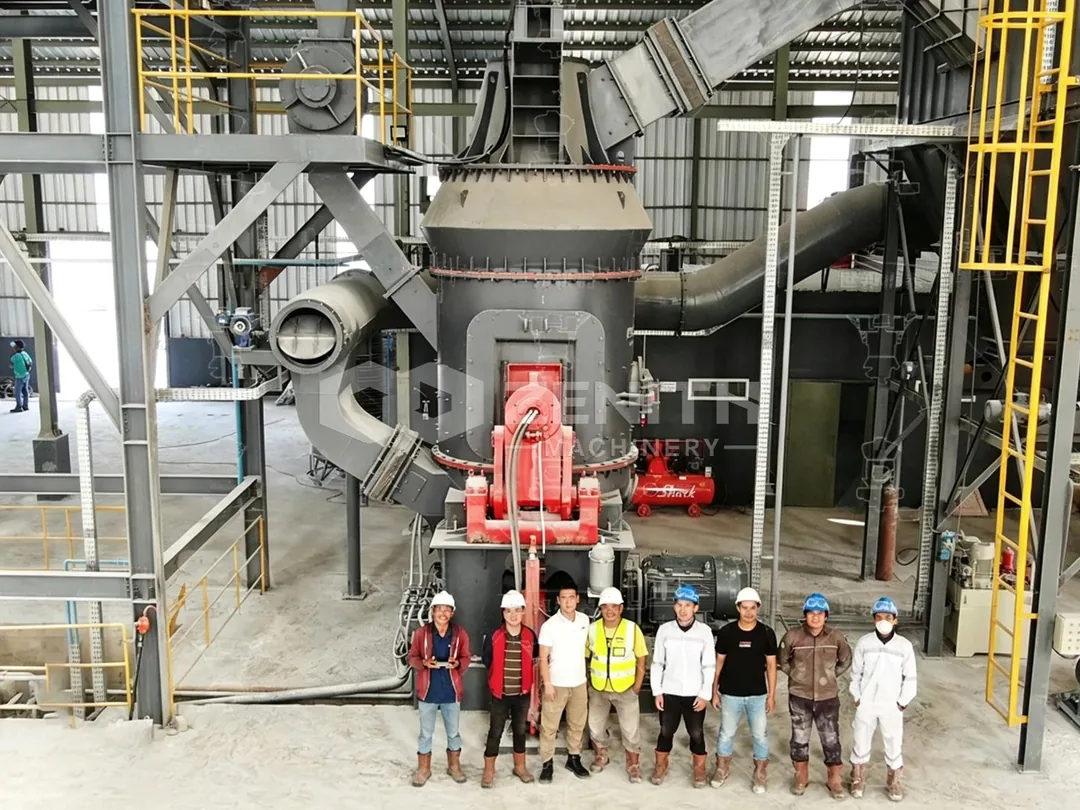
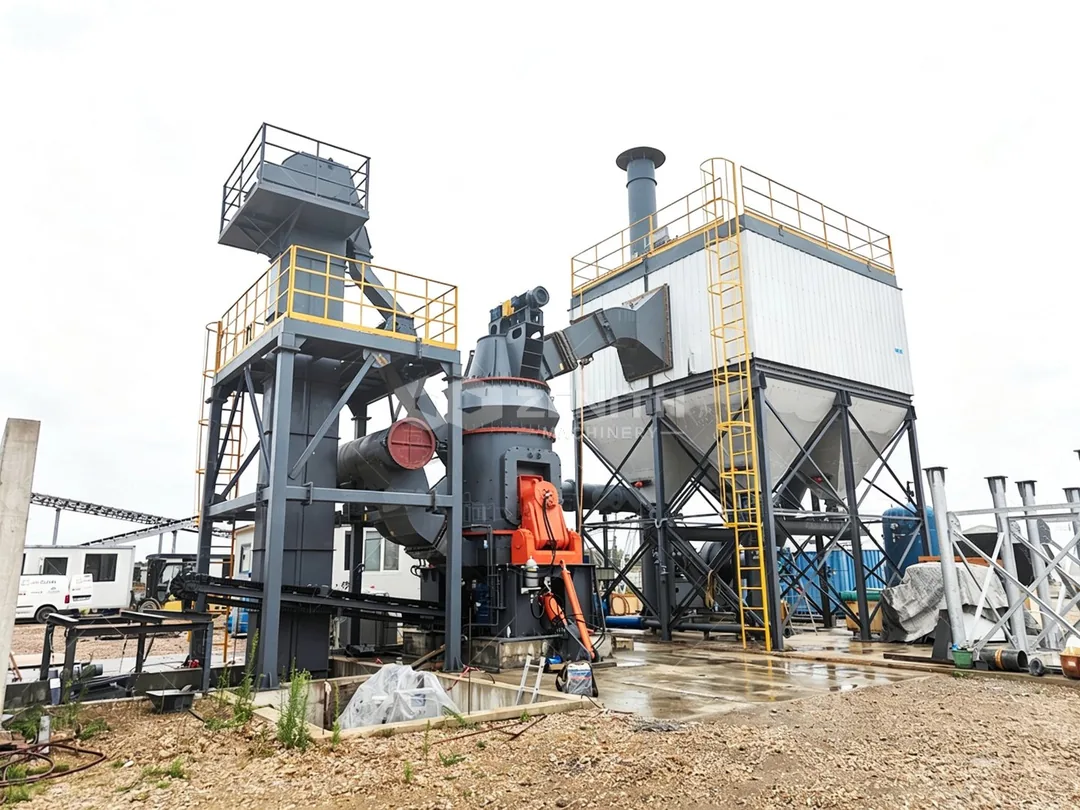
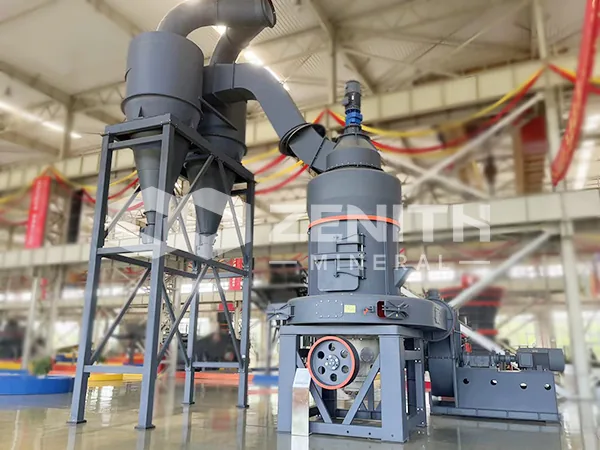
For this project, ZENITH recommended the MTW European Trapezium Mill as the primary grinding unit. The MTW series is ideal for gold ore due to its high capacity (3-22 t/h), low energy consumption (60% lower than ball mills), and adjustable output fineness (80-400 mesh). The client’s 5 t/h requirement falls well within the MTW’s optimal range. The mill is complemented by a pulse dust collector and a variable frequency belt feeder to ensure consistent feed and environmental compliance.
For gold extraction and separation, the package includes a gravity concentration circuit (e.g., centrifuges and shaking tables), a cyanidation leaching system (with carbon-in-pulp or carbon-in-leach tanks), and a desorption electrolysis unit. This combination allows for high recovery rates of free gold and refractory gold, with minimal reagent consumption.
_1779215128792.jpg)
Technical Advantages of the MTW Mill for Gold Ore
The MTW series trapezium mill stands out for several reasons that directly benefit gold ore processing:
- Energy Efficiency: With a 60% lower energy consumption compared to ball mills, the MTW mill reduces operational costs significantly—a critical factor in Laos where electricity costs can be volatile.
- Adjustable Fineness: The modular impeller adjustment device allows operators to change the output fineness without mechanical reconfiguration, enabling them to optimize grind size for different ore types (e.g., 200 mesh for heap leaching, 325 mesh for intensive cyanidation).
- High Induced Air Efficiency: The high-efficiency impeller fan improves air induction from 62% to 85%, ensuring better material classification and reducing over-grinding, which is common in ball mills.
- Compact Design: The mill’s integrated system (from bulk material to finished powder) reduces the plant footprint by up to 50%, saving on civil construction costs in remote mining areas.
Gold Extraction and Separation Process
The complete set of extraction and separation equipment operates in a closed-loop system. After grinding, the slurry (with a particle size of 80% passing 200 mesh) is fed into a hydrocyclone for desliming. The underflow enters a Knelson concentrator for rough gravity separation, recovering coarse gold. The tailings from the concentrator are then directed to a thickener, followed by a CIL (Carbon-in-Leach) circuit with six tanks. Activated carbon adsorbs dissolved gold, which is later stripped in a desorption column and recovered via electrowinning. The final gold sludge is smelted into doré bars. The entire process is monitored by an automatic control system, minimizing human error and ensuring consistent recovery rates above 90%.
_1779215128794.jpg)
Installation and After-Sales Support
ZENITH provided on-site commissioning and training for the Lao team over a period of four weeks. Our engineers integrated the MTW mill with existing crushing circuits (a jaw crusher and a cone crusher) to ensure a seamless material flow. The pulse dust collector was tuned to meet Lao environmental standards, which are increasingly stringent. Post-installation, the client reported a 30% increase in throughput compared to their old ball mill, with a 15% reduction in grinding media consumption. The automatic lubrication system and remote monitoring capabilities (via ZENITH’s IoT platform) have further reduced downtime and maintenance costs.
Conclusion and Future Outlook
This project underscores ZENITH’s ability to deliver customized solutions for gold ore processing in emerging mining markets like Laos. The combination of the MTW European Trapezium Mill with modern extraction equipment provides a cost-effective, environmentally friendly, and high-recovery solution. As the client expands their operations, ZENITH is well-positioned to provide additional equipment, such as the LM Vertical Grinding Mill for finer grinding or the XZM Ultrafine Mill for specialized applications. We anticipate further collaborations as Laos continues to develop its mineral wealth.
Frequently Asked Questions (FAQ)
- Q: Can the MTW mill handle gold ore with high moisture content?
A: Yes, the MTW mill is equipped with a hot air system that can dry materials with moisture up to 15%, ensuring stable operation even in humid conditions typical of Lao rainy seasons. - Q: What is the typical recovery rate for gold using this equipment set?
A: Under optimal conditions, the combined gravity and CIL circuit achieves recovery rates of 90-95% for free-milling gold ores. For refractory ores, a pre-oxidation step (e.g., roasting or bio-oxidation) can be added to improve recovery. - Q: How long does it take to install and commission the complete system?
A: Installation typically takes 6-8 weeks, including civil works. Commissioning and training require an additional 2-4 weeks, depending on the client’s technical team. - Q: What are the power requirements for the 5 t/h MTW mill?
A: The MTW mill consumes approximately 110-130 kW for the main motor, with additional power for the fan (55-75 kW) and auxiliary systems. Total installed power is around 250-300 kW. - Q: Does ZENITH provide spare parts locally in Laos?
A: We maintain a regional spare parts warehouse in Vientiane and can dispatch critical components (e.g., grinding rollers, classifier blades) within 72 hours. Long-term service contracts are also available. - Q: Can the same equipment be used for other minerals like copper or iron ore?
A: Yes, the MTW mill and extraction equipment can be adapted for other base metals with modifications to the reagent scheme and grinding parameters. ZENITH offers tailored solutions for multi-mineral projects. - Q: What certifications does ZENITH hold for this equipment?
A: The MTW mill is certified with ISO 9001, CE (European Union), and CU-TR (Customs Union). The entire system complies with international safety and environmental standards.