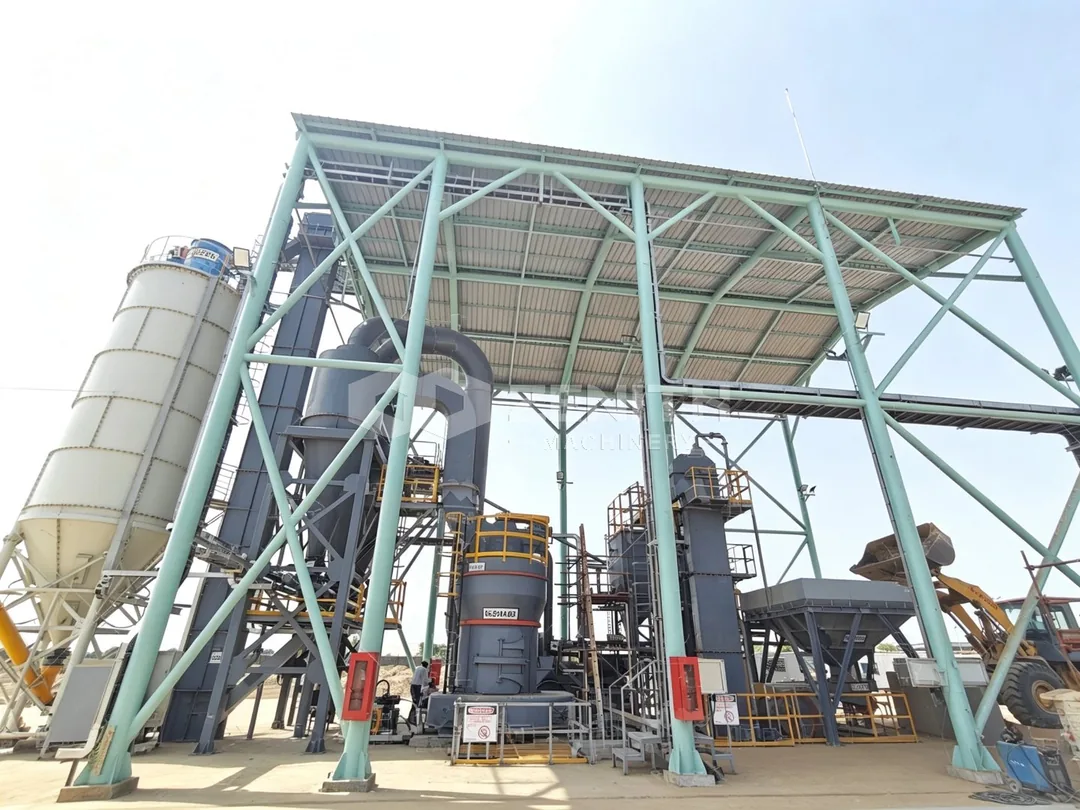
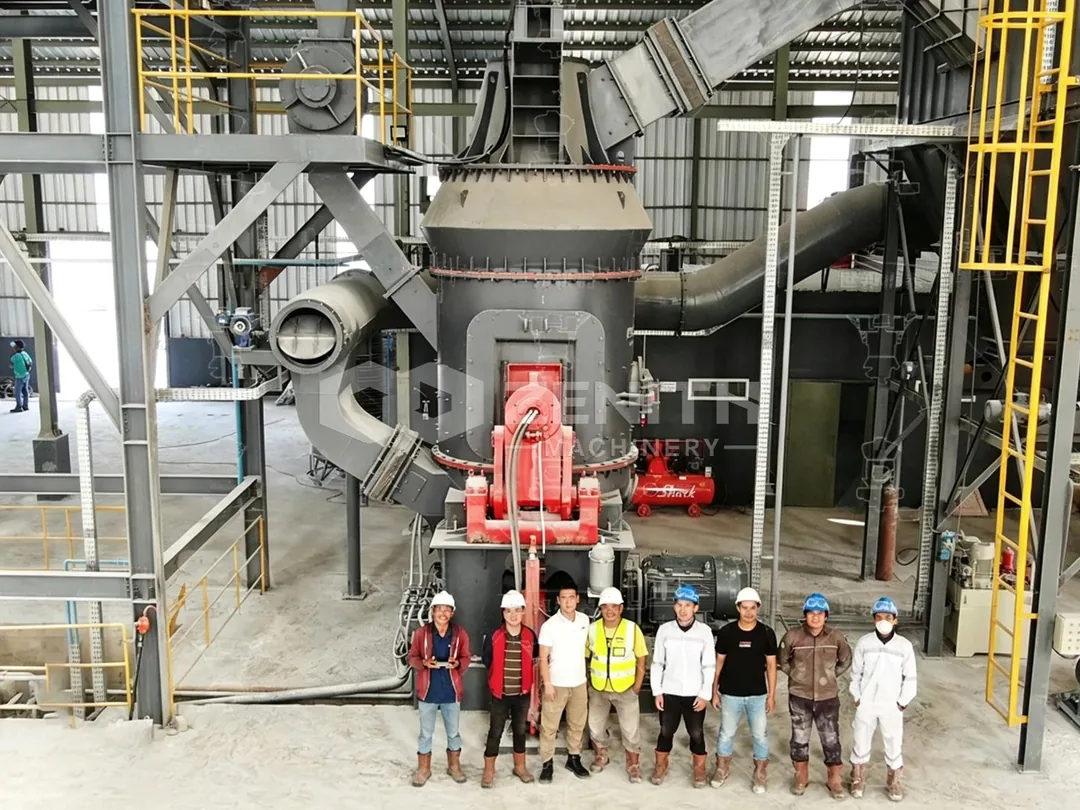
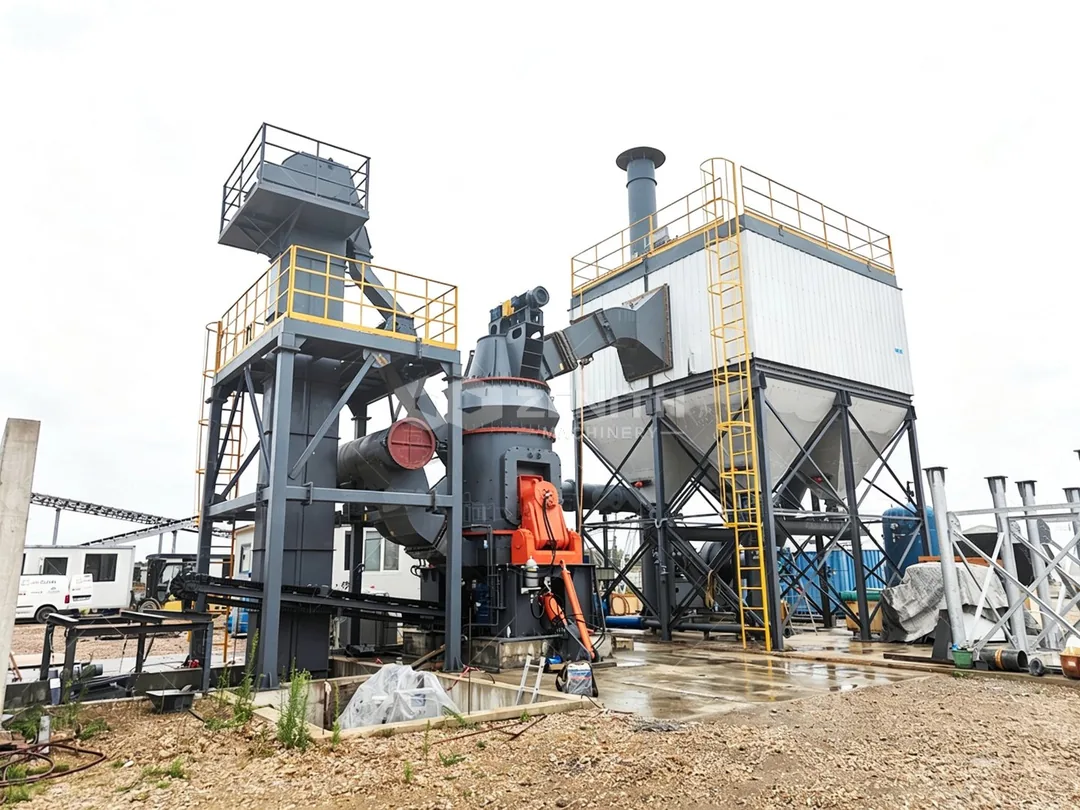
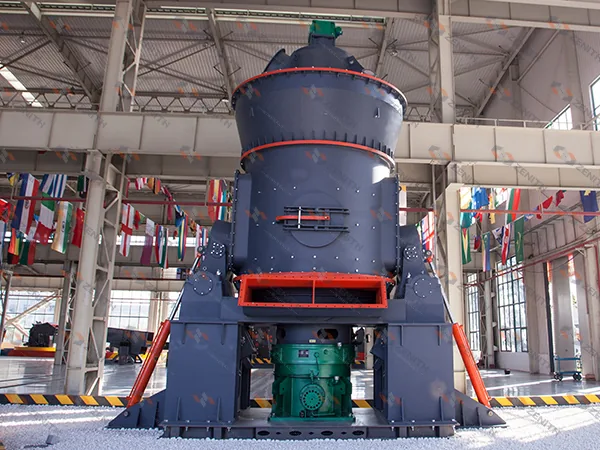
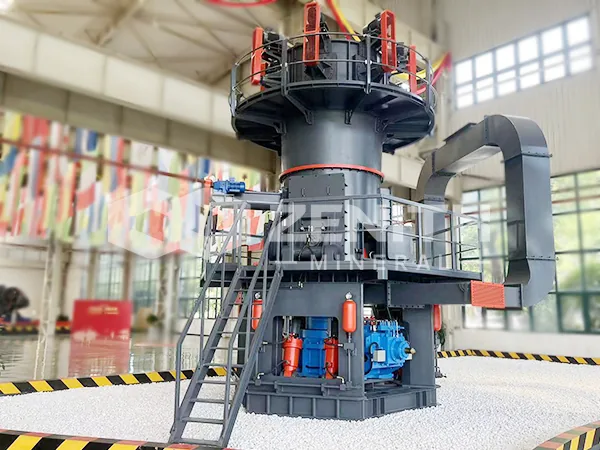
A mining company in indonesia purchased grinding equipment for gold and copper ores, requiring a finished product fineness of 200 mesh.
2026-05-17 02:23:48
Indonesia is one of the world's most important mining regions, particularly for gold and copper. For a mining company operating in this challenging environment, the ability to process ore efficiently and consistently to a specific fineness is crucial. Achieving a finished product fineness of 200 mesh (approximately 74 microns) requires robust, reliable, and energy-efficient grinding equipment. At Shanghai Zenith Machinery Co., Ltd., we specialize in providing tailored solutions for such demanding applications. Our extensive product line, ranging from coarse powder mills to ultrafine grinding systems, ensures that we can meet the exact needs of any mineral processing operation.
Understanding the 200 Mesh Requirement
In gold and copper processing, a 200 mesh product is a common target for liberation. At this fineness, the valuable minerals are sufficiently freed from the surrounding gangue, allowing for effective recovery through downstream processes like flotation, cyanidation, or leaching. However, achieving this consistently across varying ore hardness and moisture content demands a mill with precise control and high throughput. Our MTW European Trapezium Mill, MTM European Trapezium Mill, and LM Vertical Grinding Mill are all capable of producing 200 mesh powder with excellent uniformity.
Recommended Equipment for 200 Mesh Gold and Copper Ores
Based on our decades of experience and extensive customer feedback in Indonesia and across Southeast Asia, we recommend considering the following mills:
1. MTW European Trapezium Mill
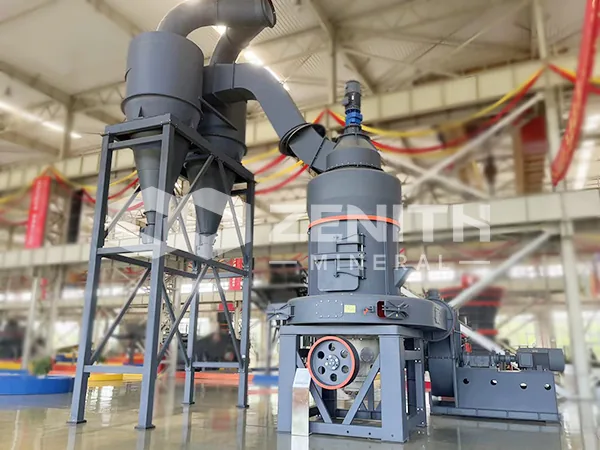
The MTW series is a perfect grinding machine for producing 80-400 mesh fine powder with large capacity. Its biggest model can achieve up to 50 tph with less power consumption. For a gold and copper mine targeting 200 mesh, this mill offers several distinct advantages. Its modular impeller adjustment device allows for easy fineness adjustment without stopping production. Furthermore, it operates with 60% lower energy consumption than a traditional ball mill, a critical factor in remote Indonesian mining sites where power costs are high. The mill also boasts a higher induced air efficiency, improving from 62% to 85%, directly enhancing throughput and reducing operational costs.
2. LM Vertical Grinding Mill
For operations requiring continuous, 24-hour running with minimal supervision, the LM Vertical Grinding Mill is an excellent choice. It is particularly suited for large mineral powder plants. This mill features a high degree of automation, allowing for remote or local control, which reduces labor costs. It can process input sizes up to 70mm and produce 80-400 mesh powder. Its compact integrated design covers about 50% less area than a ball mill system, saving on civil construction costs. For a mining company in Indonesia, the LM series provides stable product quality and high purity, ensuring that the gold and copper concentrate is not contaminated by excessive iron.
3. Raymond Mill
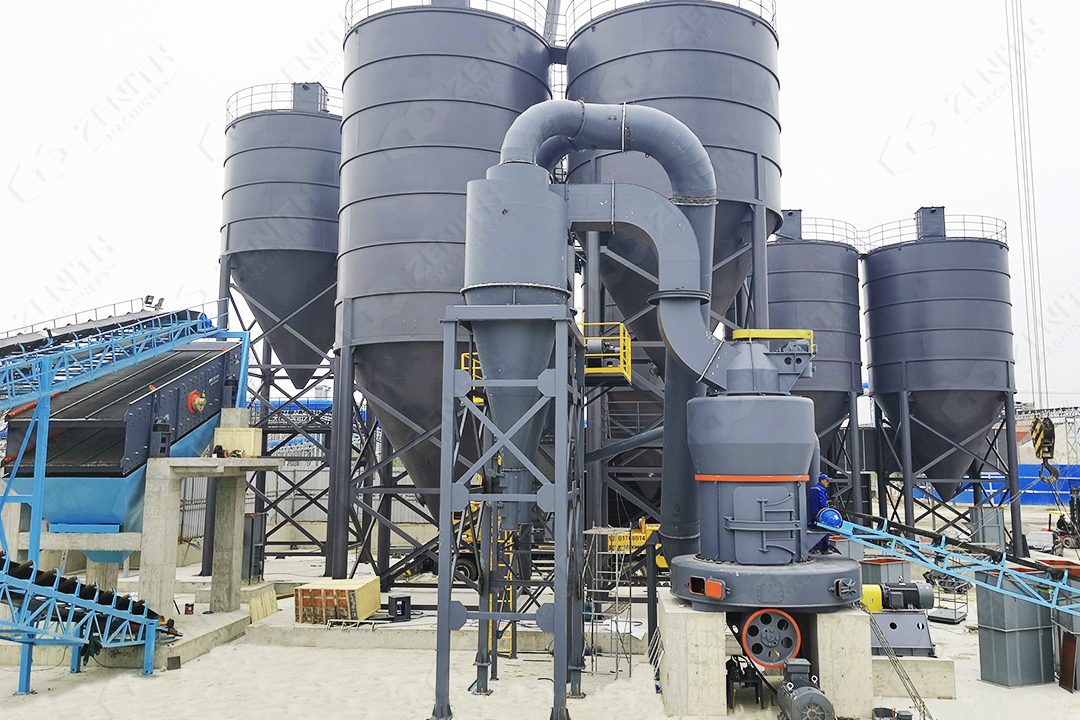
For smaller operations or as a secondary grinding stage, our upgraded Raymond Mill is a reliable workhorse. It offers a screening efficiency of 99%, ensuring that nearly all of the final powder passes through the 200 mesh screen. This mill is characterized by its low investment cost and small footprint, making it ideal for mines that are scaling up production. Its intelligent control system allows for labor-free work and maintenance, which is a significant advantage in areas where skilled technicians may be scarce.
_1778955828049.jpg)
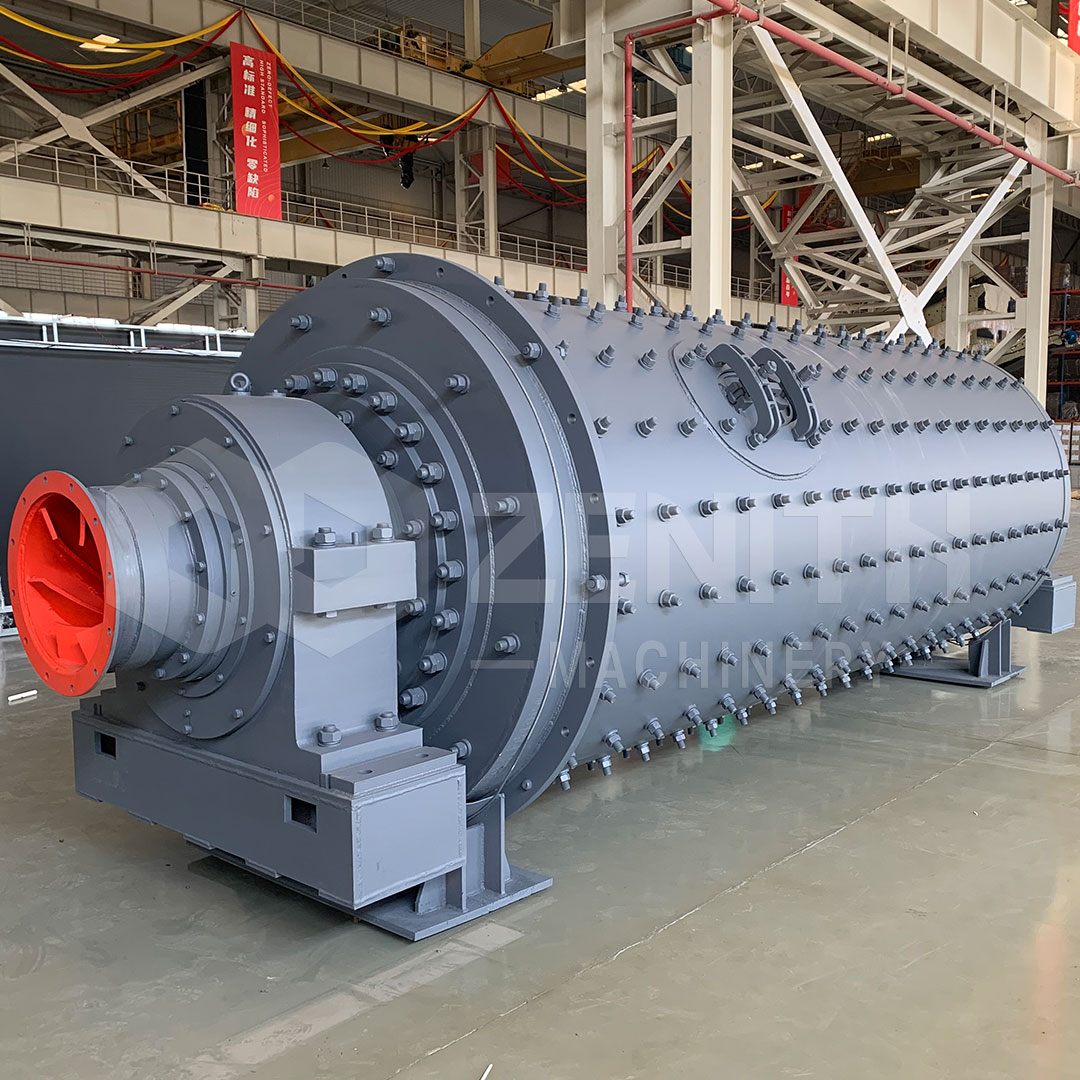
Comparative Analysis: Why Not Ball Mill?
While ball mills are traditional workhorses, modern requirements for efficiency and cost savings make our trapezium and vertical mills a superior choice for 200 mesh gold and copper ore grinding. Both the MTW and MTM series consume over 60% less energy than a ball mill under ideal conditions. Additionally, they occupy less space and require less civil engineering investment. For example, a typical ball mill system requires separate foundations, classifiers, and conveyors, whereas our MTW mill integrates these into a single system. This significantly reduces the total cost of ownership for the mining company.
Case Study: Implementation in Indonesia
We have successfully installed MTW series mills in several Indonesian gold mines. In one specific case, a customer processing copper-gold ore needed to increase throughput from 15 tph to 22 tph while maintaining a consistent 200 mesh product. By upgrading from an older ball mill to an MTW175, they not only achieved the higher capacity but also reduced their energy bill by 60%. The variable frequency belt feeder allowed them to adjust feed rates precisely, stabilizing the grinding process even when the ore moisture content fluctuated.
_1778955828051.jpg)
Conclusion
Selecting the right grinding equipment for a 200 mesh gold and copper ore operation in Indonesia is not just about meeting a particle size specification; it is about achieving operational excellence. At ZENITH, we provide mills that are energy-efficient, durable, and backed by global support. Our MTW, LM, and Raymond mills are designed to handle the specific challenges of Indonesian mining, from high humidity to variable ore characteristics. With over 180 countries and regions served, and offices in over 30 nations, we are committed to helping your mining project succeed.
Frequently Asked Questions (FAQs)
- Q: Can the MTW mill handle the high moisture content often found in Indonesian ores?
A: Yes, the MTW mill is designed with a hot air drying system that can handle materials with moisture content up to 6%. For higher moisture, an external dryer can be integrated into the system. - Q: What is the maintenance schedule for the LM Vertical Grinding Mill when processing copper ore?
A: The LM mill is built for low maintenance. We recommend checking the grinding roller and ring wear every 1,000 hours of operation. The hydraulic system should be inspected every 3 months. Thanks to its reversible structure, worn parts can be replaced quickly. - Q: How does the 200 mesh product quality from your mills compare to that from a traditional ball mill?
A: Our mills, particularly the MTW and LM series, produce a more uniform particle size distribution. The 200 mesh product typically has a narrower particle size range, which improves leaching recovery rates in gold processing. - Q: What is the lead time for shipping an MTW series mill to an Indonesian port like Tanjung Priok?
A: Standard lead time for the MTW series is 30-45 days from order confirmation. ZENITH has a dedicated logistics team that ensures safe and timely delivery to all major Indonesian ports. - Q: Do you provide on-site installation and training for the Raymond Mill in remote locations?
A: Absolutely. We provide comprehensive after-sales service including on-site installation, commissioning, and operator training. Our service engineers are based in Southeast Asia and can reach most Indonesian mining sites within 48 hours. - Q: Is it possible to adjust the fineness from 200 mesh to 400 mesh on the same machine without stopping production?
A: For the MTW and LM series, yes. The modular impeller adjustment device allows you to change the rotational speed of the classifier online, enabling fineness adjustment between 80 and 400 mesh without halting the grinding process. - Q: What environmental certifications does the LUM Ultrafine Vertical Mill hold that are relevant for Indonesian regulations?
A: The LUM mill is CE and ISO certified. It operates under negative pressure with a sealed system, ensuring no dust spillover. This meets the strict environmental standards set by the Indonesian Ministry of Environment and Forestry.