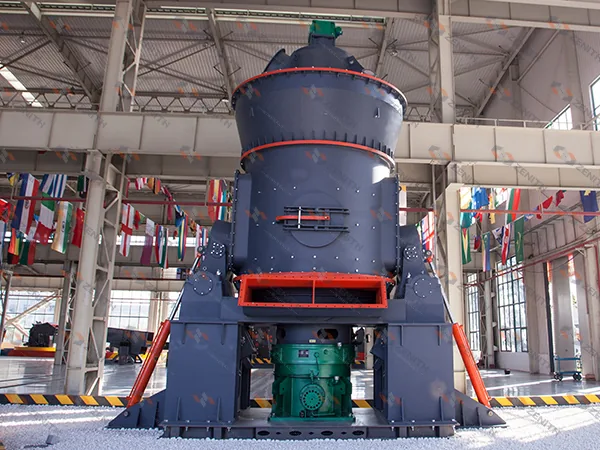
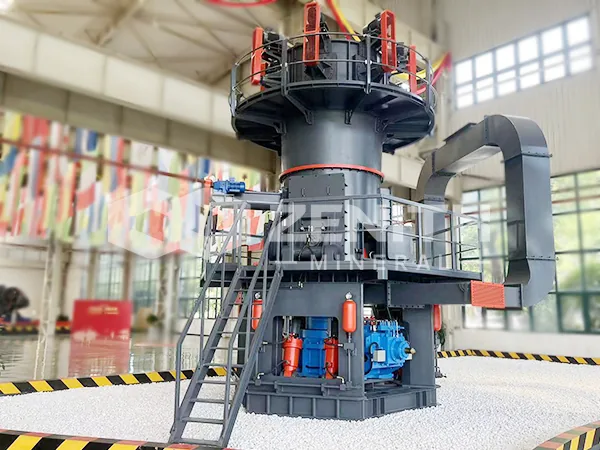
A powder processing company in nepal sought a limestone pulverizer with a capacity of 3–5 t/h and a finished product specification of 100–700 mesh, intended for sale to feed, pigment, and plastics manufacturers.
2026-05-16 02:25:46
A powder processing company in Nepal recently approached us with a specific challenge: they needed a limestone pulverizer capable of producing 3–5 tons per hour (t/h) of finished powder ranging from 100 to 700 mesh. Their target markets—feed, pigment, and plastics manufacturers—demand consistent fineness, high purity, and cost-effective production. This article explores how our range of grinding mills can meet these requirements, with a focus on solutions tailored to the Nepalese processing landscape.
Limestone is a versatile mineral used extensively in animal feed as a calcium supplement, in pigments as a whitening agent, and in plastics as a filler to improve rigidity and reduce costs. For Nepalese processors, the ability to produce powder at 100–700 mesh is critical—too coarse for feed or pigment applications, too fine for certain plastic formulations. The challenge lies in selecting equipment that balances capacity, energy efficiency, and product flexibility.
Understanding the Requirement: 3–5 t/h at 100–700 Mesh
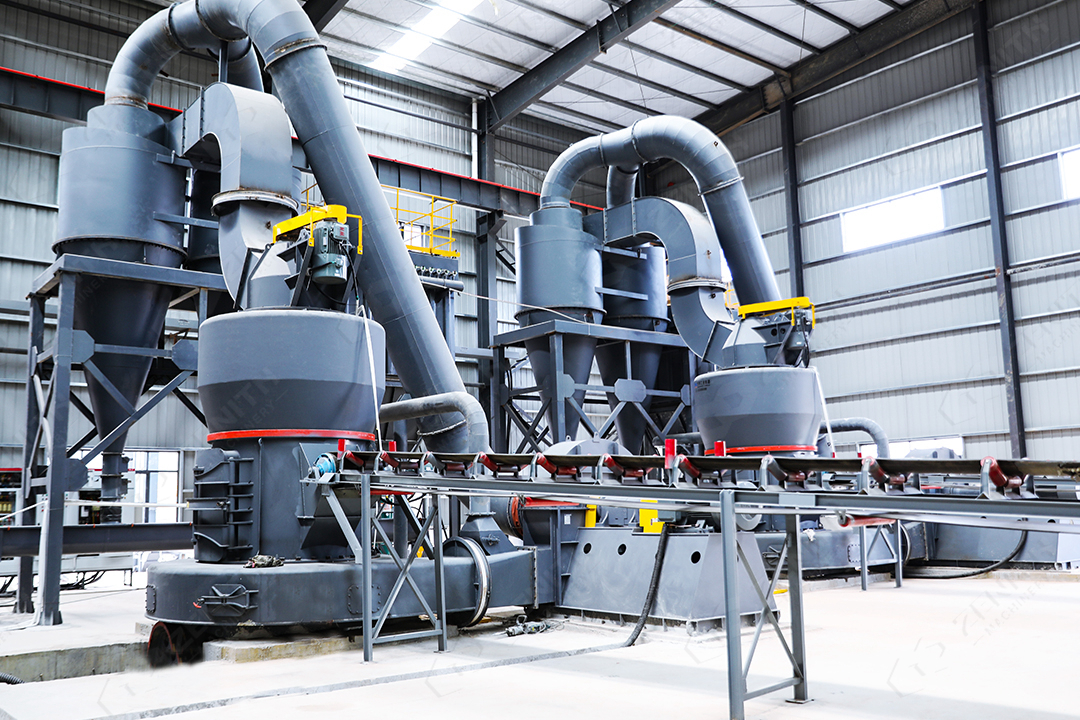
The request for 3–5 t/h is moderate—ideal for a mid-sized operation in Nepal. The 100–700 mesh range spans fine powder (100–400 mesh) to ultrafine powder (400–700 mesh). This requires a mill with adjustable output fineness, low energy consumption, and robust construction to handle limestone's abrasiveness. Our portfolio includes several candidates: MTW European Trapezium Mill, MTM European Trapezium Mill, Raymond Mill, and LM Vertical Grinding Mill, each with distinct strengths.
Recommended Solution: MTW European Trapezium Mill
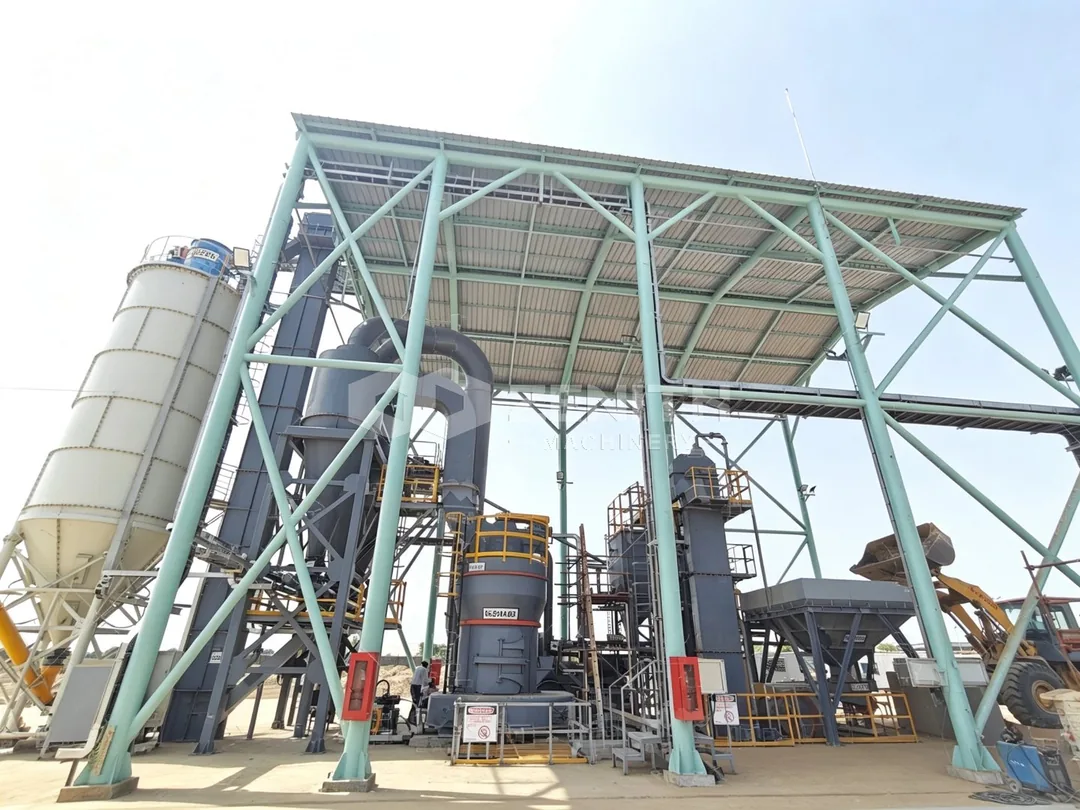
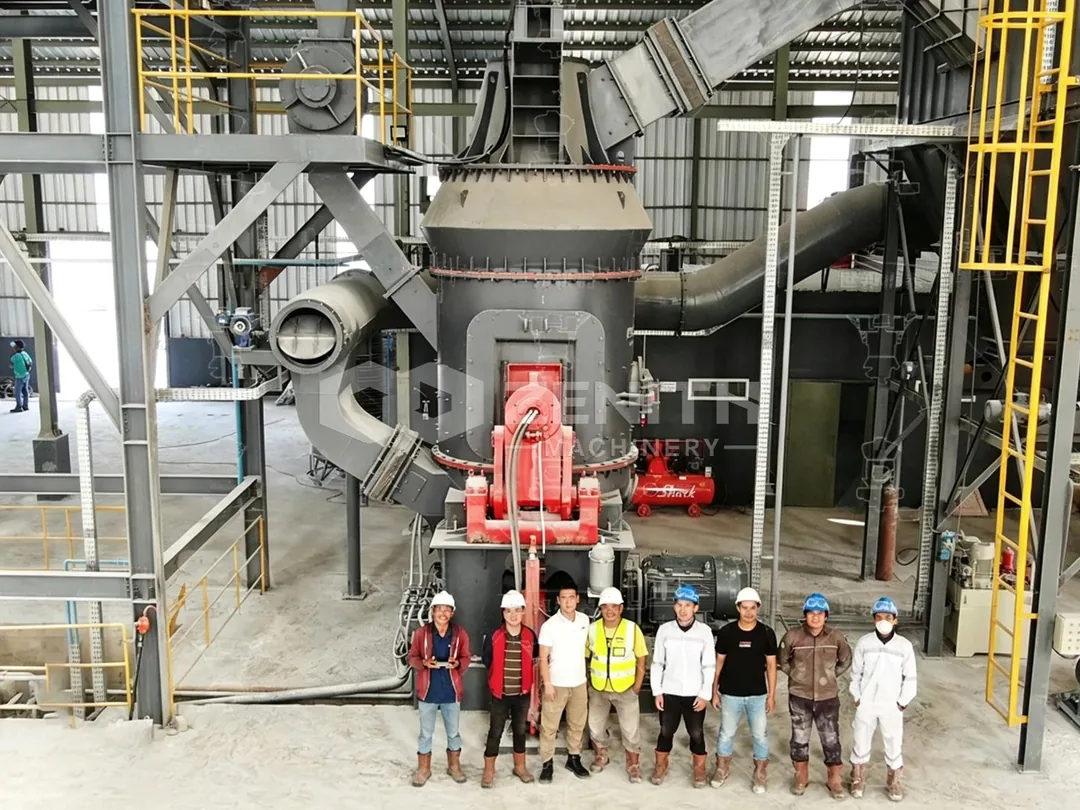
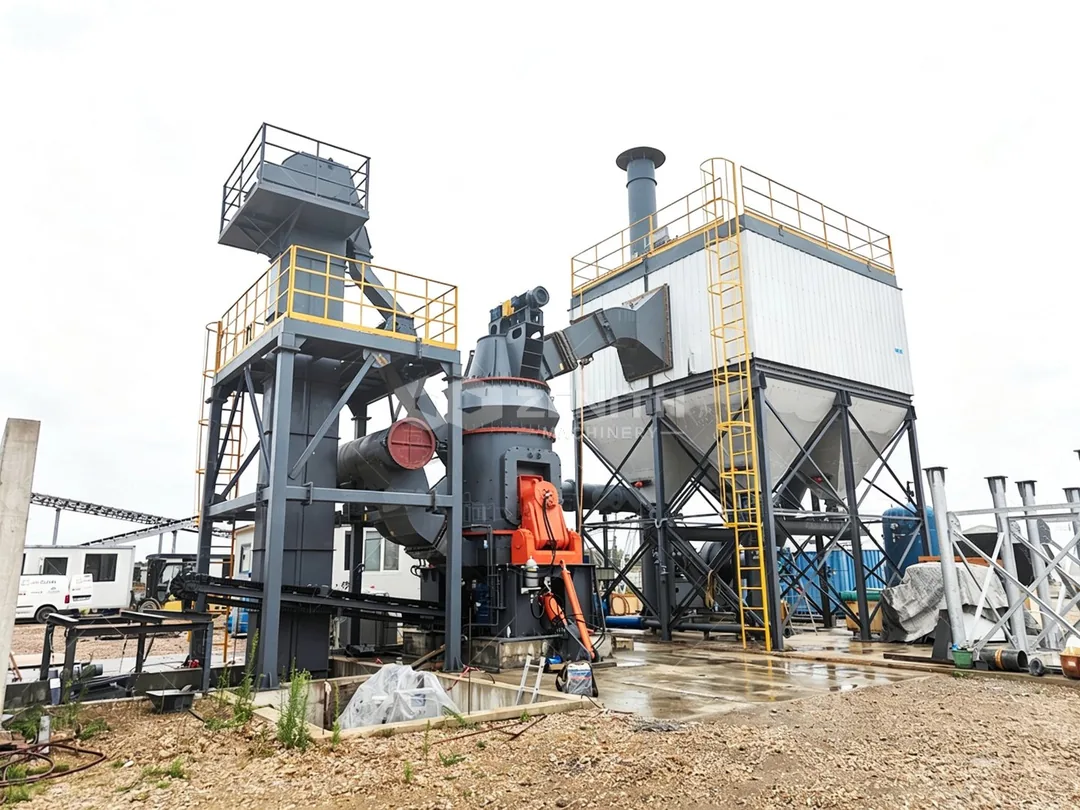
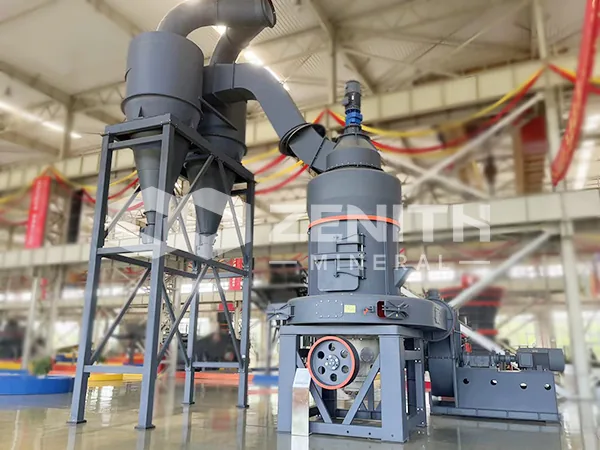
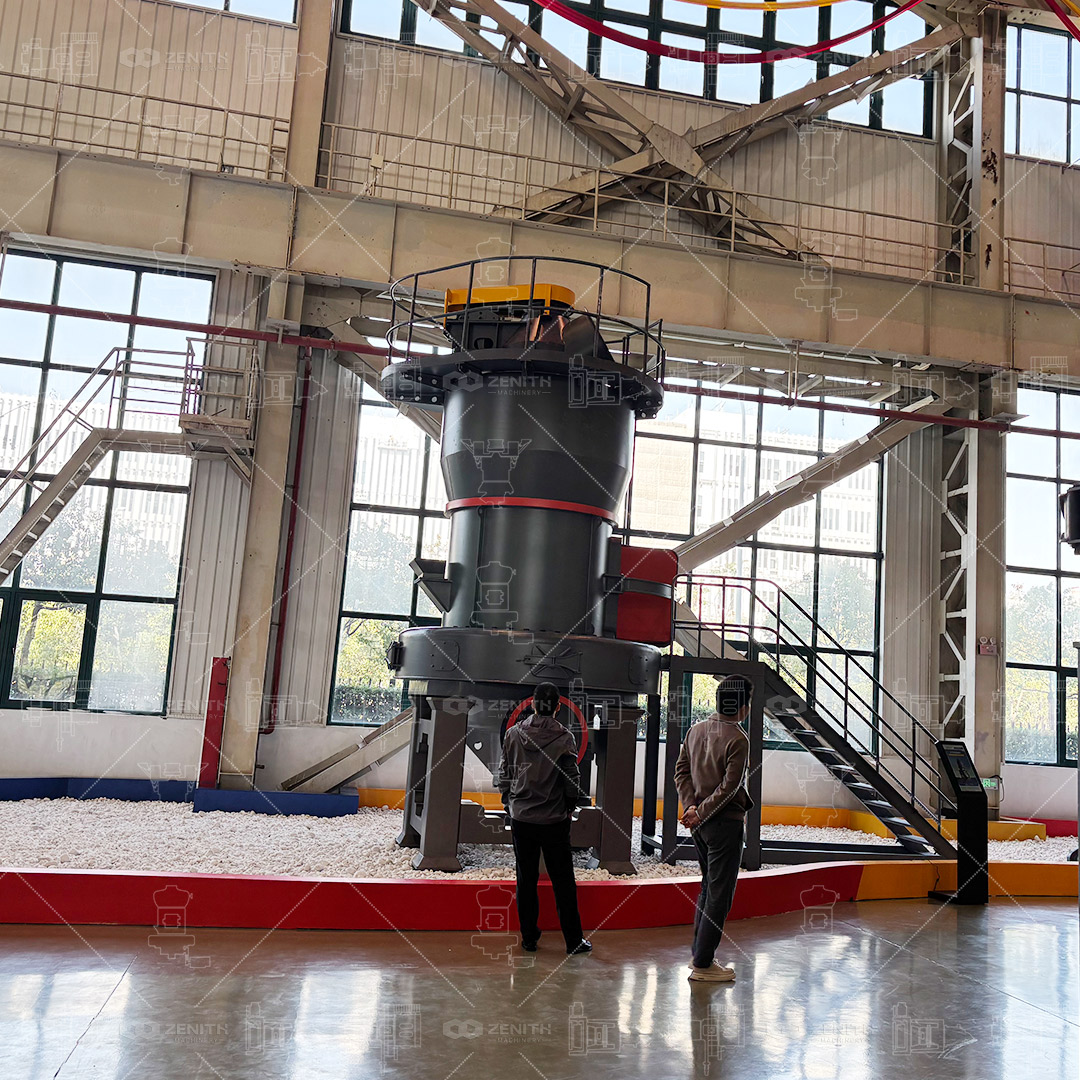
For the 3–5 t/h capacity at 100–700 mesh, the MTW European Trapezium Mill is our top recommendation. With a capacity range of 3–22 t/h and output fineness adjustable from 30 to 325 mesh (and up to 700 mesh with classifier modifications), it fits perfectly. Key features include:
- Lower Energy Consumption: 60% less energy than ball mills of the same grade—critical for reducing operational costs in Nepal.
- Adjustable Fineness: The modular impeller adjustment device allows quick changes between 100 mesh (coarse feed grade) and 700 mesh (ultrafine pigment grade) by swapping impellers.
- Higher Air Efficiency: Improved fan efficiency from 62% to 85% enhances throughput while maintaining particle size consistency.
- Compact Design: Less occupied area reduces plant and foundation investment—ideal for constrained sites in Nepal.
The working principle—crushing, air classification, and cyclonic separation under positive/negative pressure with pulse dust collection—ensures environmentally compliant production, meeting Nepal's evolving regulations.
Alternative Options for Flexibility
If the customer prioritizes lower initial investment, the MTM European Trapezium Mill (3–22 t/h, 80–400 mesh) offers similar energy savings and fineness adjustability, though its maximum fineness caps at 400 mesh. For applications requiring consistent 24-hour operation, the LM Vertical Grinding Mill (3–340 t/h, 80–400 mesh) provides automation and high purity, but its footprint is larger. The Raymond Mill (3–22 t/h, 10–325 mesh) is a cost-effective choice for 100–325 mesh production, with 99% screening efficiency ensuring uniform particles for feed and pigment.
_1778869546497.jpg)
Addressing Feed, Pigment, and Plastic Manufacturer Needs
Each end-use demands specific attributes:
- Feed Manufacturers: Require 100–200 mesh limestone for calcium fortification, with strict particle size distribution to avoid segregation in animal feed. The MTW mill's adjustable classifier ensures consistent D50 values.
- Pigment Producers: Need 400–700 mesh ultrafine powder for high brightness and opacity. The LUM Ultrafine Vertical Grinding Mill (5–18 t/h, 325–2500 mesh) or XZM Ultrafine Grinding Mill (0.5–25 t/h, 325–3250 mesh) are alternatives for finer grades, though they exceed the 3–5 t/h capacity range for this project.
- Plastics Manufacturers: Use 200–400 mesh limestone as filler. The MTW mill's high purity control (via iron content reduction) prevents discoloration in PVC and masterbatch.
Installation and Support in Nepal
Shanghai Zenith Machinery has a global network covering more than 180 countries, including Nepal. With overseas offices in over 30 countries, we can provide on-site commissioning, spare parts, and training. Our equipment holds ISO, CE, and CU-TR certifications, ensuring reliability and safety. For a 3–5 t/h limestone line, we recommend the MTW138 model with a variable-frequency belt feeder, pulse dust collector, and classifier optimized for 100–700 mesh.
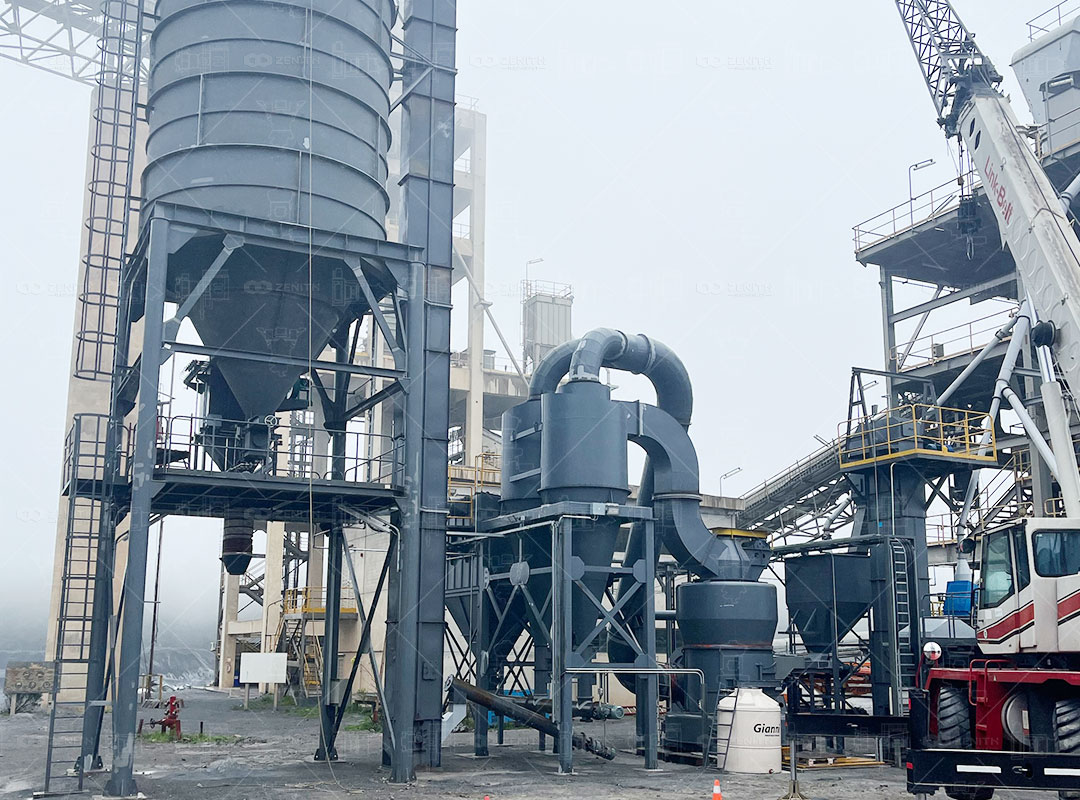
Nepal's energy cost and import duties make efficiency paramount. The MTW mill's 60% lower energy consumption compared to ball mills can reduce annual electricity costs by thousands of dollars. Additionally, its self-contained system—from feeding to packaging—minimizes ancillary equipment investment, making it a turnkey solution for emerging processors.
Conclusion: A Scalable Path Forward
For a Nepalese powder processing company targeting feed, pigment, and plastics markets, the MTW European Trapezium Mill offers the ideal balance of capacity (3–5 t/h), fineness range (100–700 mesh), energy efficiency, and low footprint. By leveraging Zenith's global expertise and local support, the company can achieve consistent product quality while keeping operational costs competitive. Contact us for a customized proposal tailored to your specific limestone characteristics and production goals.
Frequently Asked Questions (FAQs)
- Q: Can the MTW mill consistently produce 700 mesh limestone for pigment applications?
A: Yes. By using a high-efficiency classifier and fine-tuning the impeller speed, the MTW mill can achieve D97 below 20 microns (equivalent to 700 mesh). We recommend testing with your specific limestone to confirm purity and brightness. - Q: What is the estimated power consumption for a 5 t/h limestone line at 400 mesh?
A: Under ideal conditions, the MTW138 mill consumes approximately 90–110 kW/h. This is 60% lower than a comparable ball mill, which might use 250–300 kW/h for the same output. - Q: How does the mill handle limestone with high moisture content?
A: The MTW mill can process materials with up to 6% moisture. For higher moisture, we recommend a drying system before feeding. Alternatively, the LM Vertical Mill integrates hot air for combined grinding and drying. - Q: What are the maintenance requirements for the MTW mill in a Nepalese environment?
A: Regular checks of roller and ring wear (every 500–800 hours), lubricating system oil changes, and classifier blade inspection. We provide a maintenance manual and remote support from our regional office. - Q: Can the same mill produce both coarse (100 mesh) and fine (700 mesh) powder without mechanical changes?
A: Yes. The modular impeller allows fineness adjustment by replacing the impeller part. This typically takes 1–2 hours. For frequent changes, consider purchasing an extra impeller set. - Q: What is the delivery time for an MTW138 mill to Nepal?
A: Standard delivery is 60–90 days after order confirmation, including sea freight to Kolkata and land transport to Kathmandu. We provide customs clearance documentation support. - Q: Do you provide training for local operators in Nepal?
A: Yes. We offer on-site training for 3–5 operators during commissioning, plus remote video support and a detailed operating manual in English and Nepali.