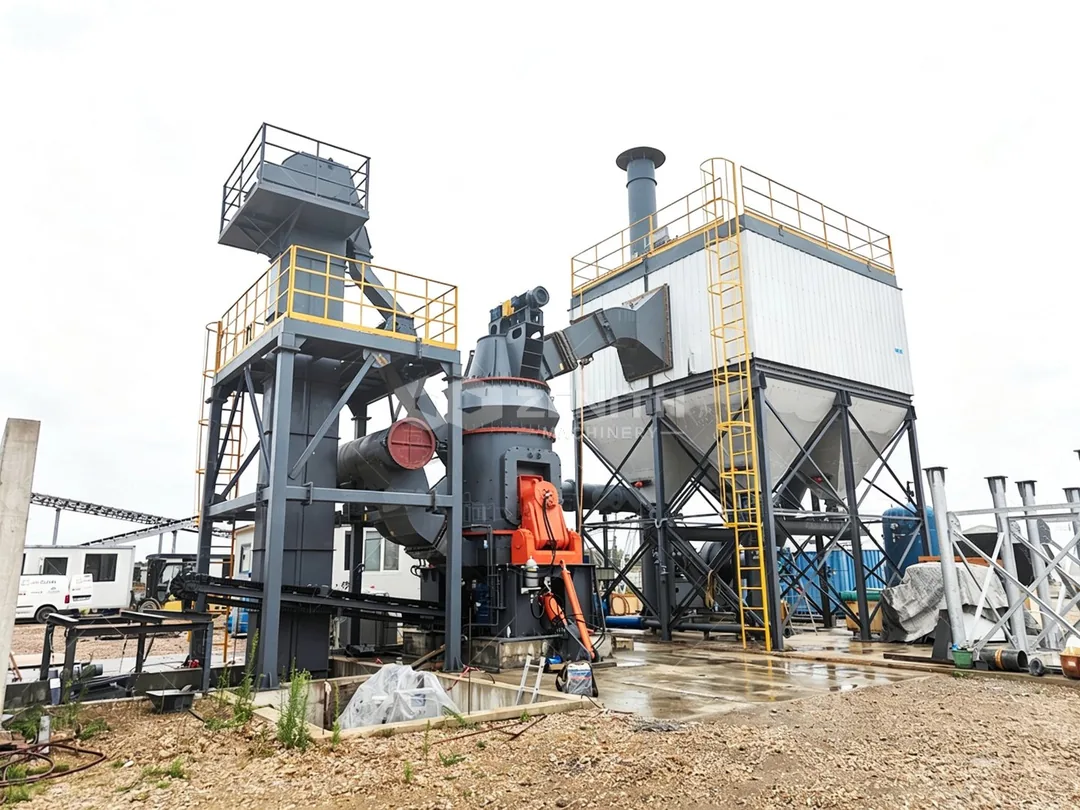
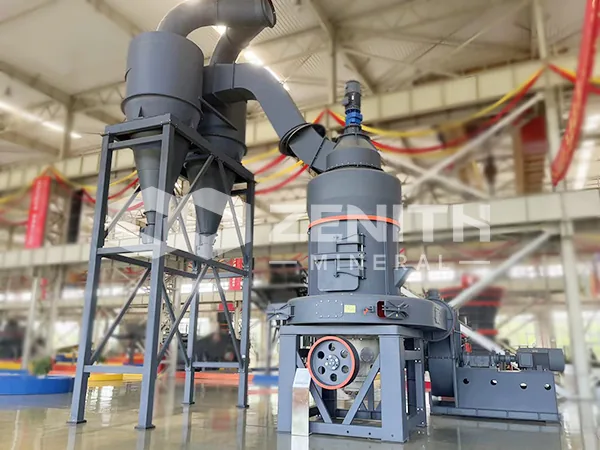
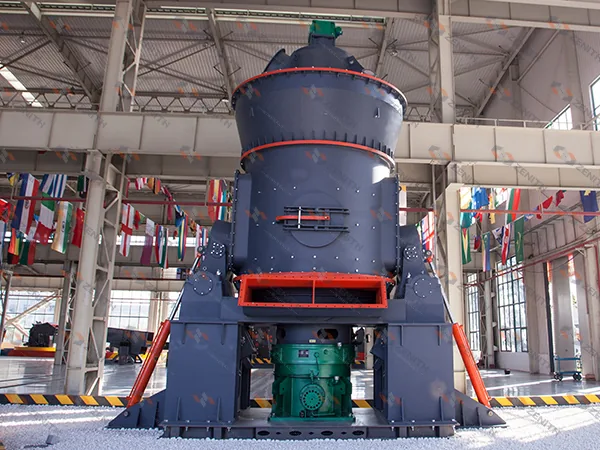
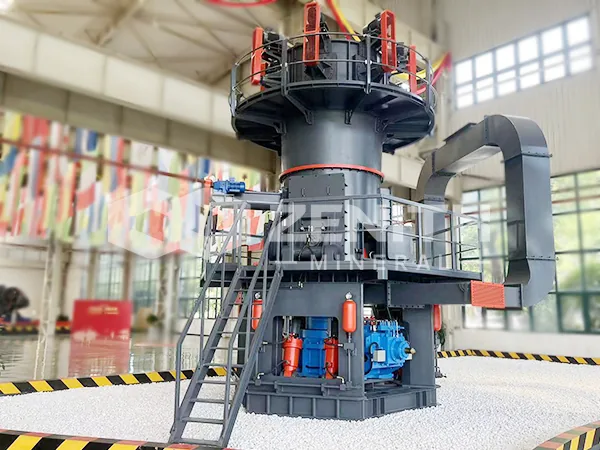
An enterprise in indonesia purchased white limestone grinding equipment, producing a finished product with a fineness of 300–1000 mesh for use in cement manufacturing.
2026-05-15 02:27:03
Indonesia's cement industry is undergoing rapid expansion, driven by infrastructure development and urbanization. For local enterprises, the ability to produce high-quality white limestone powder with a fineness of 300–1000 mesh is a critical competitive advantage. White limestone, when ground to this specification, serves as a key additive in cement production, improving whiteness, workability, and strength. However, achieving consistent fineness, high purity, and energy efficiency requires advanced grinding technology. This article explores how Shanghai Zenith Machinery Co., Ltd. provides tailored solutions for Indonesian cement manufacturers, leveraging decades of engineering expertise and a global presence across 180+ countries.
Understanding the 300–1000 Mesh Requirement for Cement
White limestone powder used in cement manufacturing must meet stringent specifications. The 300–1000 mesh range (approximately 15–50 microns) is ideal for enhancing cement's brightness and reducing alkali-aggregate reactions. Finer powders (above 800 mesh) improve the rheology of concrete, while coarser fractions (300–500 mesh) contribute to early strength development. Indonesian enterprises often face challenges like high moisture content in local limestone, variable feed sizes, and the need for continuous operation. Zenith’s equipment portfolio—from MTW European Trapezium Mill to LUM Ultrafine Vertical Mill—addresses these pain points with customizable solutions.
Core Equipment for White Limestone Grinding (300–1000 Mesh)
1. MTW European Trapezium Mill: The Workhorse for Fine Powder (80–325 Mesh)
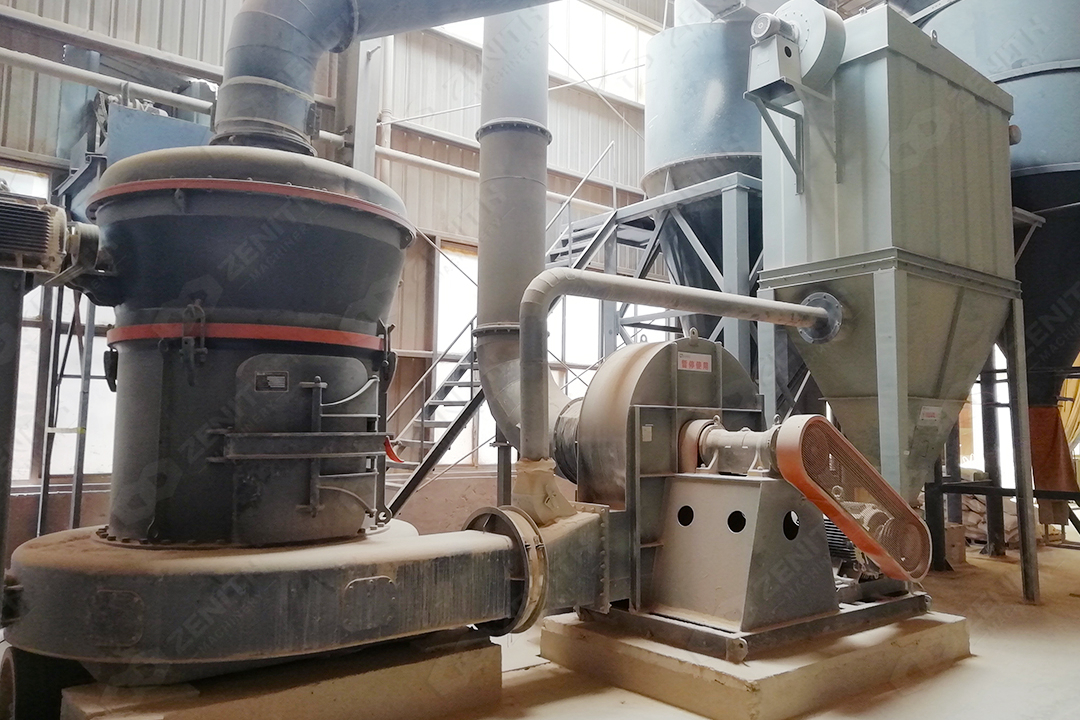
The MTW series is a perfect choice for Indonesian cement plants requiring large-capacity fine powder. With output sizes from 30 to 325 mesh and capacities up to 50 TPH, this mill excels in producing consistent 300–400 mesh limestone powder. Its modular impeller adjustment device allows quick fineness changes without mechanical modifications—ideal for plants that occasionally switch between 300 and 800 mesh. Energy consumption is 60% lower than ball mills, and the high-efficiency impeller fan improves air induction from 62% to 85%, reducing operational costs significantly.
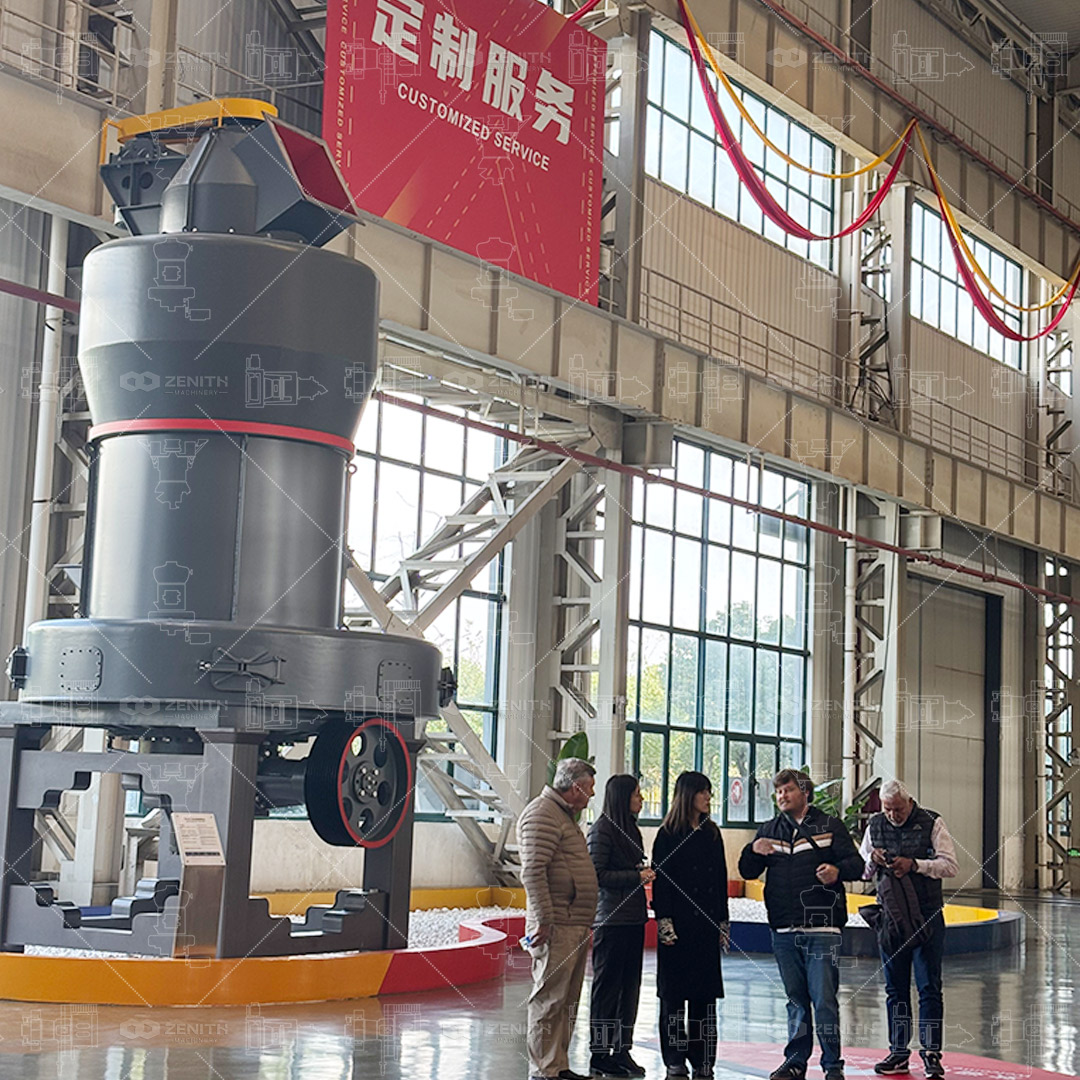
2. MTM European Trapezium Mill: Stability for Continuous Production (80–400 Mesh)
With over 30 years of field-proven performance, the MTM series offers a robust solution for grinding white limestone to 80–400 mesh. Indonesian customers appreciate its less occupied area and lower investment compared to traditional ball mills. The mill's ability to handle materials up to 35mm feed size eliminates the need for secondary crushing in many cases. For cement plants targeting 400–500 mesh, the MTM delivers stable output with minimal vibration, even during 24-hour operation.
3. LM Vertical Grinding Mill: High Purity for Premium Cement (80–400 Mesh)
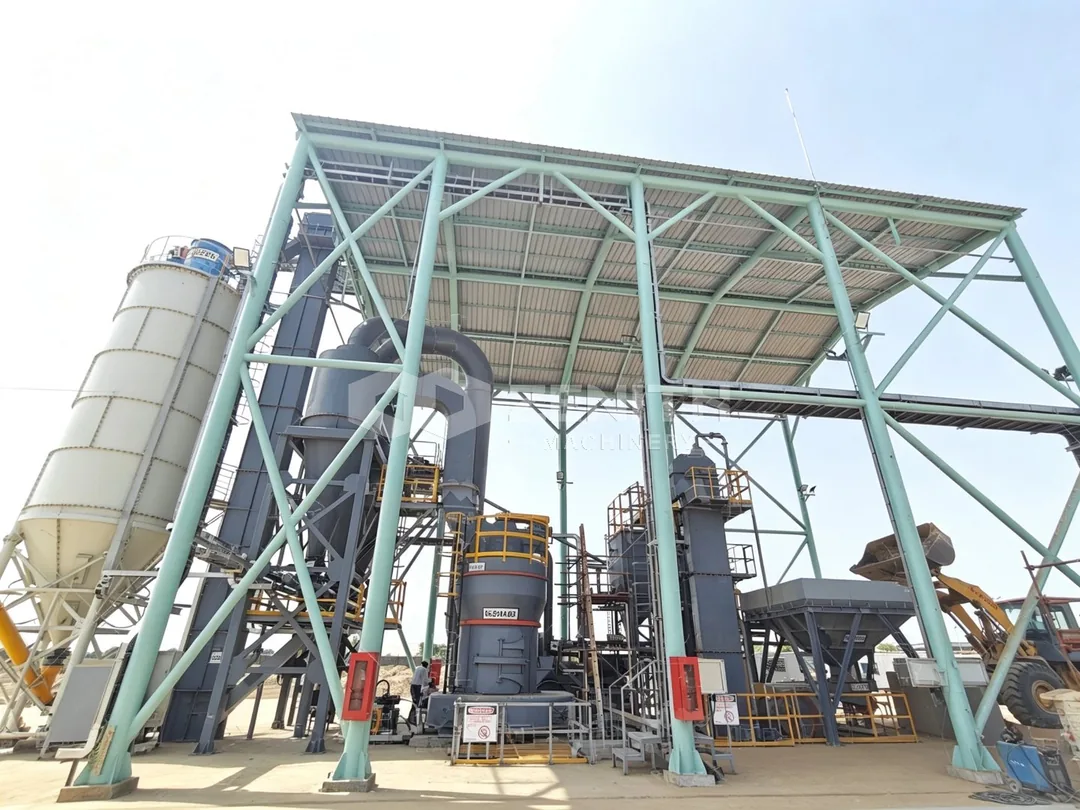
The LM vertical roller mill is a game-changer for cement manufacturers prioritizing product purity. Its design effectively controls iron content and chemical composition, ensuring the whiteness of limestone powder meets premium standards. The integrated automatic control system enables remote monitoring—a boon for Indonesian plants with limited on-site personnel. Capacities range from 3 to 340 T/H, making it suitable for large-scale cement grinding stations. The sealed, negative-pressure operation prevents dust spillover, aligning with Indonesia's environmental regulations.
_1778783223593.jpg)
4. LUM Ultrafine Vertical Mill: Precision for 800–1000 Mesh Ultra-Fine Powder
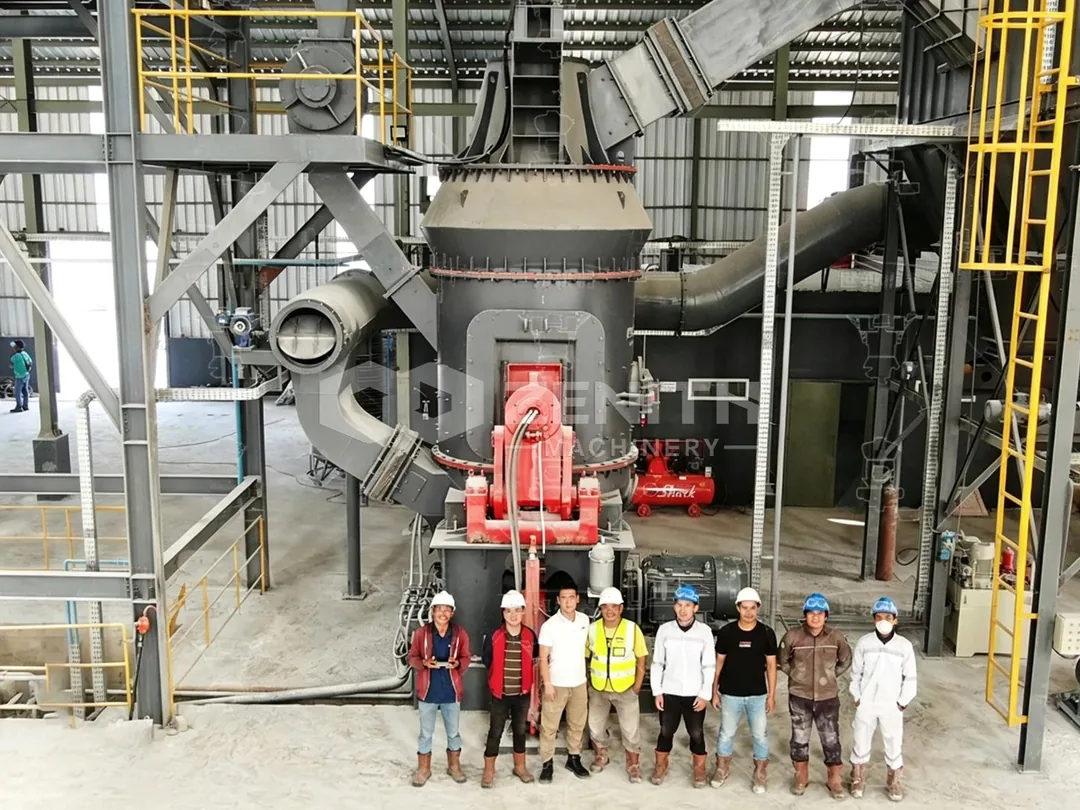
When the target fineness exceeds 800 mesh, the LUM series comes into play. Designed with Taiwanese roller technology and German classification systems, this mill produces powders from 325 to 2500 mesh. For Indonesian cement makers requiring 900–1000 mesh limestone, the LUM offers 30–50% energy savings versus traditional mills. Its hydraulic adjustment system simplifies maintenance—critical in remote locations. The reversible structure allows quick replacement of wear parts, minimizing downtime.
5. XZM Ultrafine Grinding Mill: Flexibility for Fineness Adjustments (325–3250 Mesh)
The XZM ultrafine mill is ideal for plants that need to produce multiple product grades from 325 to 2500 mesh. Its VFD-controlled classifier allows instant fineness adjustments via a control panel—no mechanical changes required. With efficiency 40% higher than air-flow mills, the XZM is a cost-effective option for producing 600–1000 mesh limestone powder in medium volumes (0.5–25 T/H). The absence of rolling bearings in the grinding chamber enhances reliability in dusty environments.
Why Indonesian Enterprises Choose Zenith
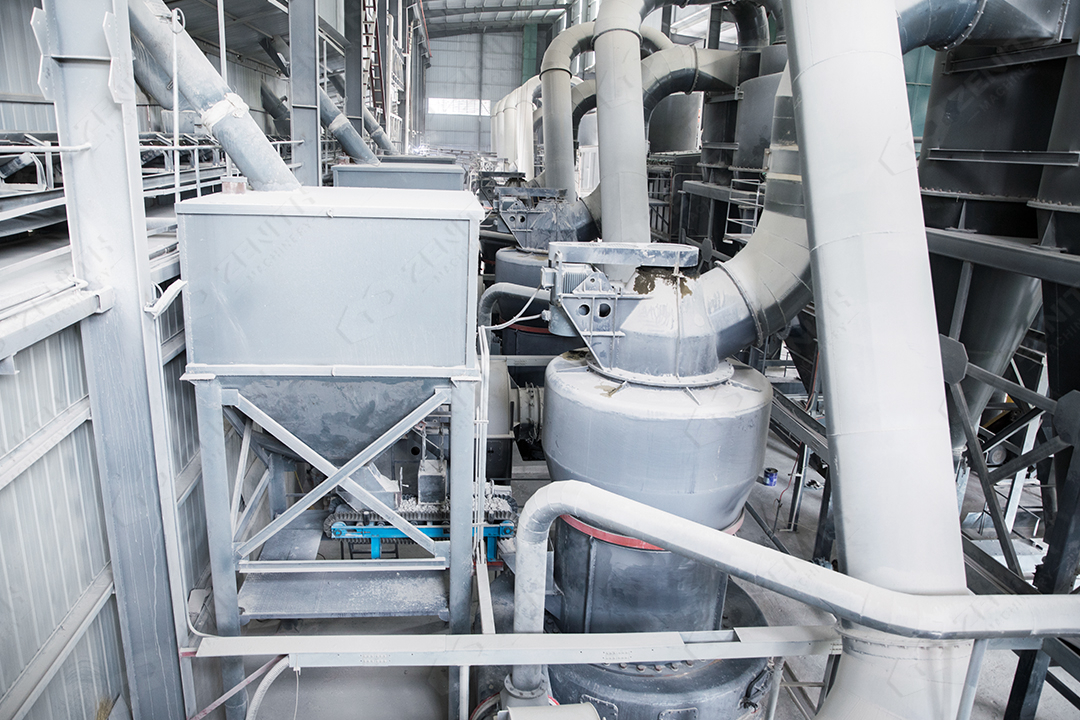
Zenith’s equipment holds ISO, CE, and CU-TR certifications, ensuring compliance with international quality standards. Our marketing network spans 180+ countries, with overseas offices in Southeast Asia providing local technical support. For white limestone grinding, we recommend conducting a material test to determine the optimal mill configuration. For example, a client in Java producing 300–400 mesh powder for cement adopted the MTW mill and achieved 22 TPH output with 8% lower energy costs than their previous ball mill setup.
_1778783223594.jpg)
Frequently Asked Questions (FAQ)
- Can your equipment handle limestone with high moisture content (e.g., 10–15%)?
Yes. For moist limestone, we recommend using the LM vertical mill or MTW mill with a hot air system. The mills can handle feed moisture up to 10–12% without pre-drying, using exhaust gas from the cement kiln for drying. - What is the typical payback period for investing in a new grinding mill in Indonesia?
Based on our clients' feedback, the payback period ranges from 12 to 18 months, depending on capacity utilization and energy savings. The MTW mill's 60% lower energy consumption versus ball mills significantly reduces operating costs. - Do you provide after-sales service and spare parts in Indonesia?
Absolutely. We have a dedicated service team in Jakarta and Surabaya. We stock critical spare parts (grinding rollers, liners, classifiers) to minimize downtime. Our service contracts include annual maintenance and remote diagnostics. - Can I produce both 300 mesh and 800 mesh powder with the same machine?
Yes. The MTW and XZM mills feature adjustable classifiers. By changing the impeller or adjusting the VFD speed, you can produce different finenesses. However, for consistent 800+ mesh production, the LUM mill is more efficient. - What is the warranty period for Zenith equipment?
All our mills come with a standard 2-year warranty covering manufacturing defects. Extended warranties are available for the main drive system and grinding components. - How does the LM vertical mill compare to the MTW mill for cement-grade limestone?
The LM mill offers higher capacity (up to 340 T/H) and better product purity due to its material bed grinding principle. The MTW mill is more compact and requires less capital investment for small-to-medium plants (3–22 T/H). - Is there a risk of iron contamination in the final powder?
No. The LM and LUM mills have a special design that separates iron debris into a lower cavity, which is periodically discharged. This ensures that the finished limestone powder remains iron-free, preserving cement whiteness.
For a personalized consultation, contact Zenith's Indonesia office to arrange a free material test and equipment quotation. Our engineers will help you select the optimal mill configuration for 300–1000 mesh white limestone grinding, tailored to your plant's capacity, budget, and quality requirements.