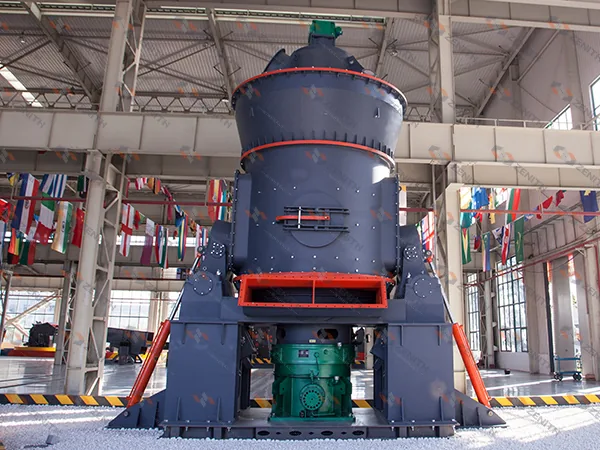
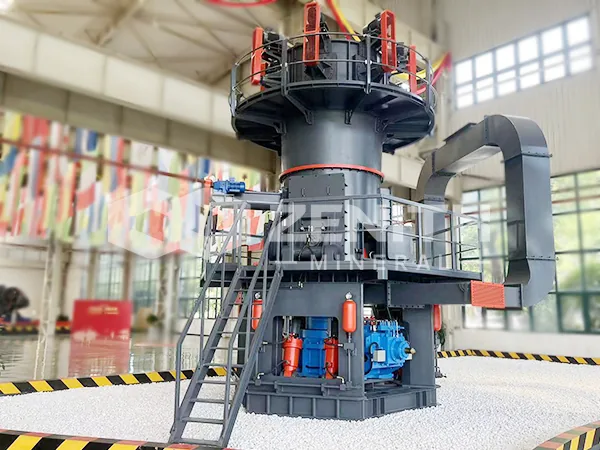
A cement plant in nigeria purchased grinding mills to process gypsum, limestone, clay, silica, and iron ore; the finished products are used for cement production.
2026-05-14 02:24:53
In the rapidly expanding Nigerian cement industry, securing a reliable and efficient grinding solution for diverse raw materials is paramount to production success. A prominent cement plant in Nigeria recently faced the challenge of processing a complex mix of gypsum, limestone, clay, silica, and iron ore into high-quality finished products. To meet growing domestic demand and maintain a competitive edge, the plant turned to Shanghai ZENITH Machinery Co., Ltd., a hi-tech engineering group renowned globally for its advanced industrial powder grinding equipment. This case study explores how ZENITH’s comprehensive lineup of mills—including the MTW European Trapezium Mill, LM Vertical Grinding Mill, and XZM Ultrafine Grinding Mill—transformed the plant’s raw material processing, ensuring consistent output and operational efficiency.
The Core Challenge: Processing Diverse Raw Materials
Nigeria’s cement industry relies on a precise blend of raw materials to produce clinker and ultimately cement. For this plant, the key ingredients—gypsum (for setting control), limestone (primary calcium source), clay (aluminosilicates), silica (strength enhancer), and iron ore (flux)—each require specific grinding characteristics. The plant needed equipment that could handle variations in hardness, moisture, and abrasiveness while maintaining a consistent fineness of 80–400 mesh for the finished blend. Additionally, energy efficiency and reduced operational costs were critical, given the high electricity costs in the region. ZENITH’s engineers proposed a customized solution integrating multiple mill types to optimize each material stream.
Solution Deployment: ZENITH’s Grinding Mill Technology
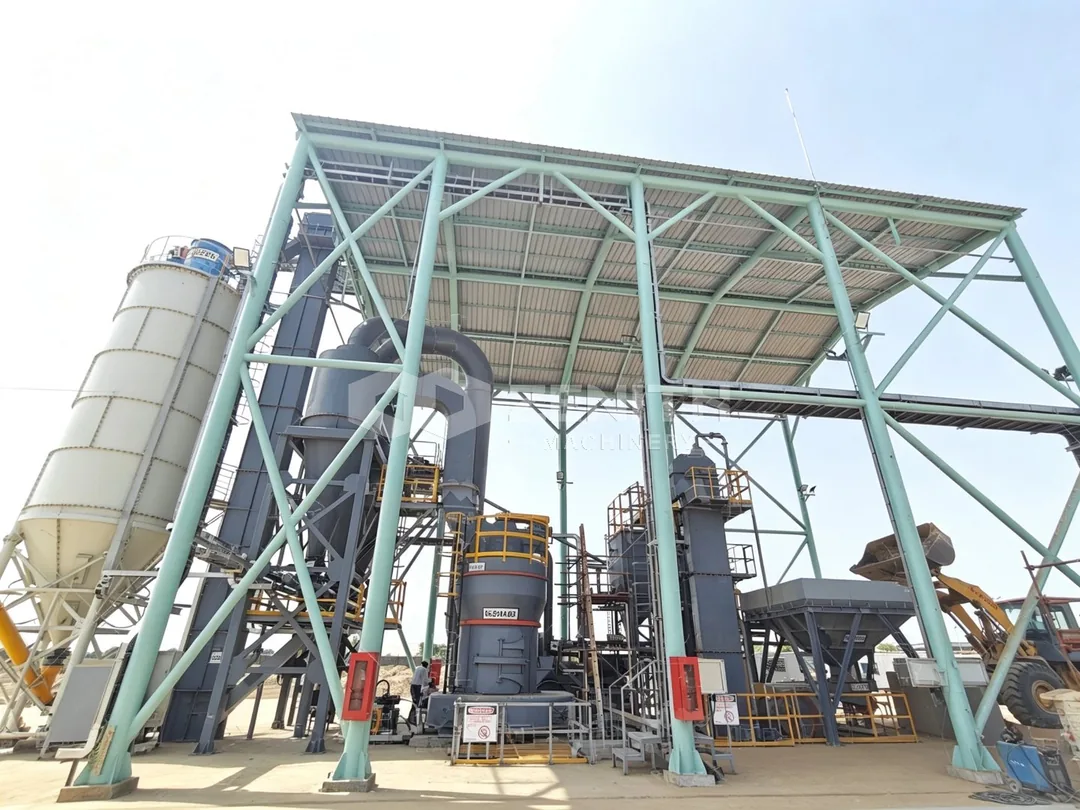
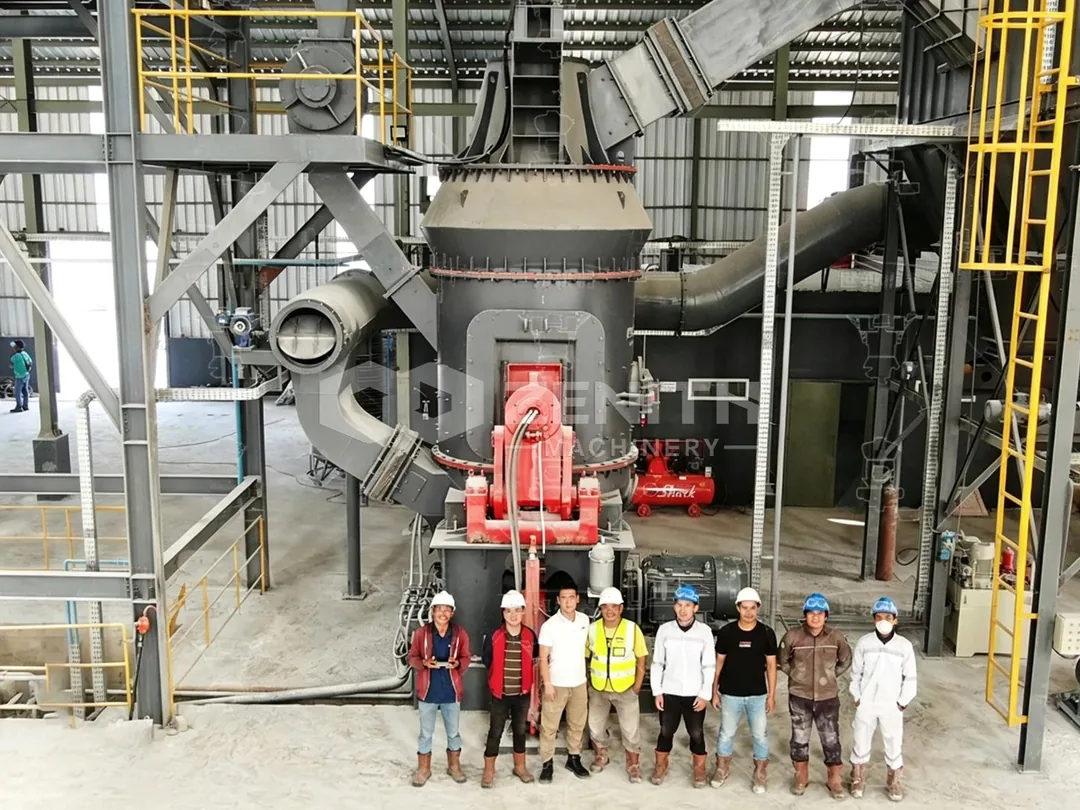
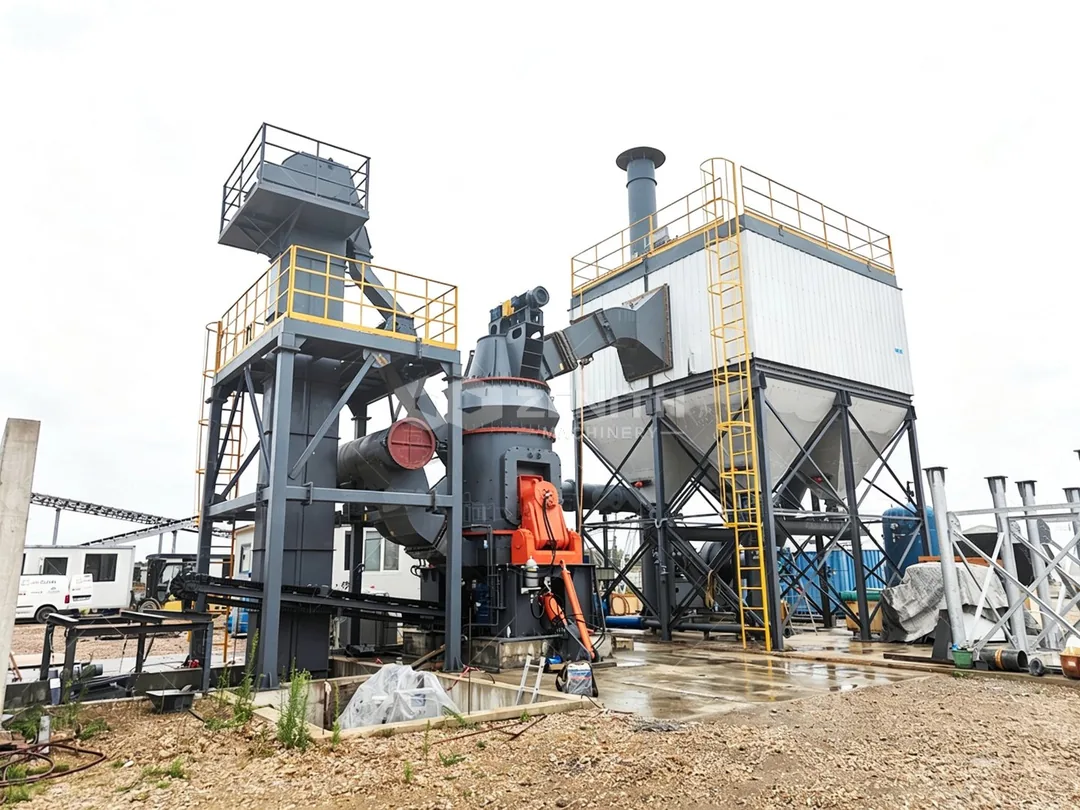
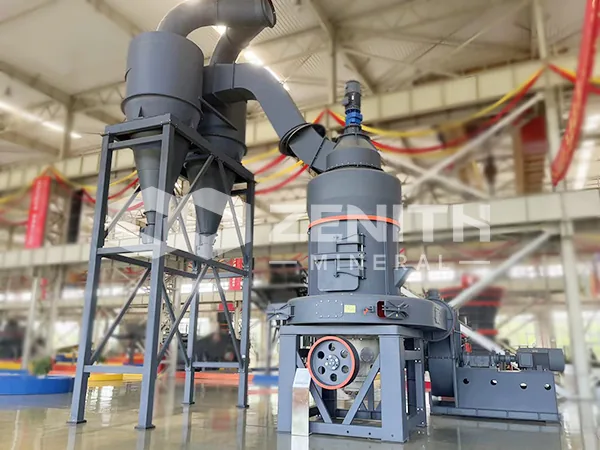
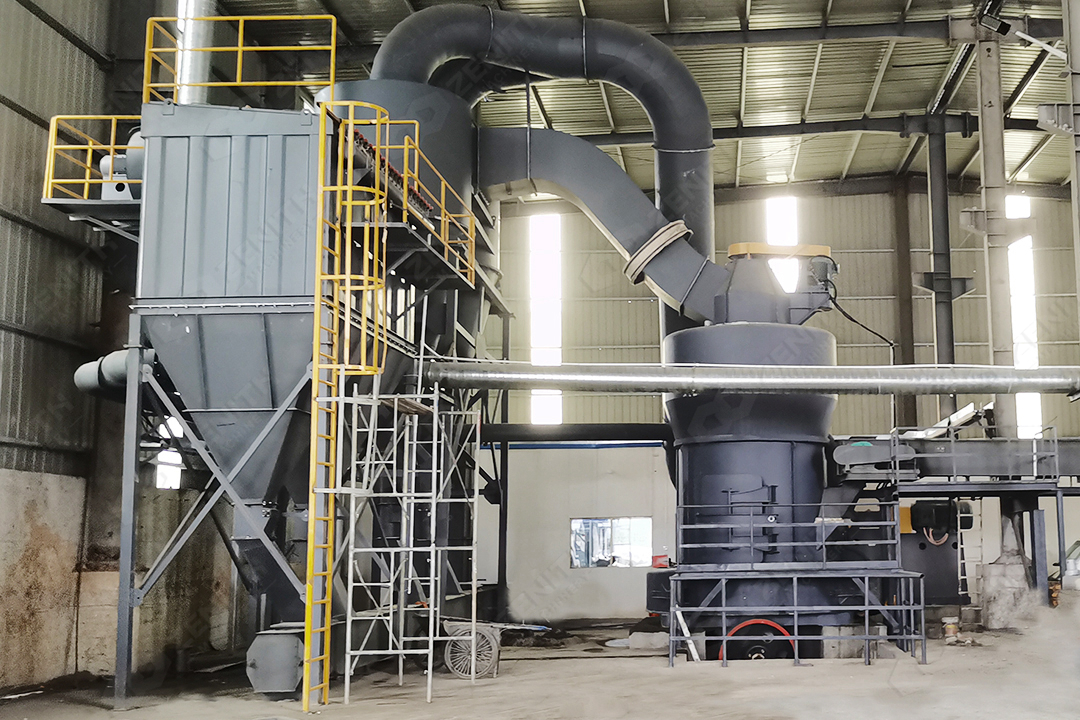
After a detailed site assessment, the Nigerian plant deployed three primary mill systems from ZENITH. The MTW European Trapezium Mill was selected for processing gypsum and limestone due to its high capacity (up to 50tph) and energy consumption that is 60%% lower than traditional ball mills. This mill’s modular impeller adjustment made it possible to switch between 80 and 400 mesh products without downtime. For the clay and silica streams, the LM Vertical Grinding Mill was chosen for its ability to operate 24/7 with minimal supervision. Its automatic control system and compact design reduced the plant’s footprint by 50%% compared to equivalent ball mill systems, a significant advantage in a greenfield installation. Lastly, the iron ore—which required a finer grind for optimal blending—was handled by the XZM Ultrafine Grinding Mill, achieving a product fineness of 325–2500 mesh with 40%% higher efficiency than conventional mills.
_1778696693626.jpg)
Operational Benefits and Sustainability
Six months post-installation, the plant reported outstanding results. The integrated grinding system achieved a throughput of over 200 tons per hour across all materials, with a power consumption reduction exceeding 30%% compared to the plant’s previous ball mill-based setup. The LM Vertical Mill’s negative pressure operation eliminated dust spillover, aligning with Nigerian environmental standards and improving workplace safety. The MTW mill’s high induced air efficiency (improved from 62%% to 85%%) also reduced the load on downstream dust collectors. Furthermore, the XZM mill’s safe structural design—featuring no rolling bearings in the grinding chamber—minimized maintenance downtime, a crucial factor given the remote location of the plant.
Conclusion: A Model for African Cement Production
This Nigerian cement plant exemplifies how ZENITH’s tailored grinding solutions can overcome the challenges of processing diverse raw materials in demanding environments. By leveraging a combination of MTW, LM, and XZM mills, the plant not only met its production targets but also achieved long-term cost savings and environmental compliance. As ZENITH continues to expand its presence across Africa—with overseas offices in more than 30 countries and equipment certified to ISO, CE, and CU-TR standards—this project serves as a benchmark for sustainable, high-capacity cement raw material grinding.
_1778696693628.jpg)
Frequently Asked Questions (FAQ)
- Can the same mill be used for grinding gypsum and iron ore in a cement plant?
Yes, with proper adjustments. ZENITH’s MTW and LM mills offer adjustable output fineness and can handle materials with varying hardness. However, for very abrasive materials like iron ore, the XZM Ultrafine Mill or a dedicated vertical mill with wear-resistant components is recommended to extend equipment life. - What is the typical energy saving of ZENITH mills compared to traditional ball mills?
Under ideal conditions, MTW and MTM series trapezium mills can achieve more than 60%% energy reduction compared to ball mills of the same grade. LM vertical mills also offer significant savings, with a compact design that reduces auxiliary power needs. - How does ZENITH ensure the purity of cement raw materials during grinding?
The LM Vertical Grinding Mill and LUM Ultrafine Vertical Mill are designed to control product size and iron content precisely. Their sealed, negative-pressure operation prevents contamination from external dust, and the use of high-quality abrasion-resistant liners minimizes metallic contamination. - What after-sales support does ZENITH provide for Nigerian customers?
ZENITH has established overseas offices in over 30 countries, with a dedicated service team for Africa. Support includes on-site commissioning, operator training, spare parts supply, and remote technical assistance. The equipment also holds ISO, CE, and CU-TR certifications, ensuring compliance with international standards. - Can the grinding system be expanded if the plant increases production capacity?
Absolutely. ZENITH’s mill lineup includes models with capacities ranging from 0.5 T/H (XZM series) to 340 T/H (LM series). The modular design of mills like the MTW and LM allows for parallel installation or upgrading to larger models without complete system overhauls. - What is the recommended output fineness for cement raw material blends?
For typical cement production, a fineness of 80–400 mesh (180–38 microns) is standard. ZENITH mills can easily achieve this range, with the MTW and LM mills offering adjustable classification for precise control. Finer grinds (up to 3250 mesh) are possible with the XZM or LUM mills for specialized applications. - How does the Nigerian climate affect the performance of these mills?
ZENITH mills are designed for global operation, including tropical and dusty environments. The LM and LUM mills operate under negative pressure, reducing moisture-related issues. For high-humidity raw materials like clay, the hot air system in vertical mills can be utilized for simultaneous drying and grinding.
_1778696693630.jpg)
_1778696693631.jpg)