An egyptian building materials company is seeking to purchase a grinding mill for a cement production line with a daily output of 2,500 tons.
2026-05-13 10:20:28
When an Egyptian building materials company sets its sights on a cement production line targeting a daily output of 2,500 tons, the selection of a grinding mill becomes a critical strategic decision. This capacity translates to roughly 104 tons per hour, demanding equipment that can deliver consistent, high-volume throughput while maintaining product quality and energy efficiency. ZENITH's extensive portfolio, backed by decades of engineering experience and certifications including ISO, CE, and CU-TR, offers tailored solutions for such demanding industrial applications.
_1778638828965.jpg)
Understanding the Capacity Requirements
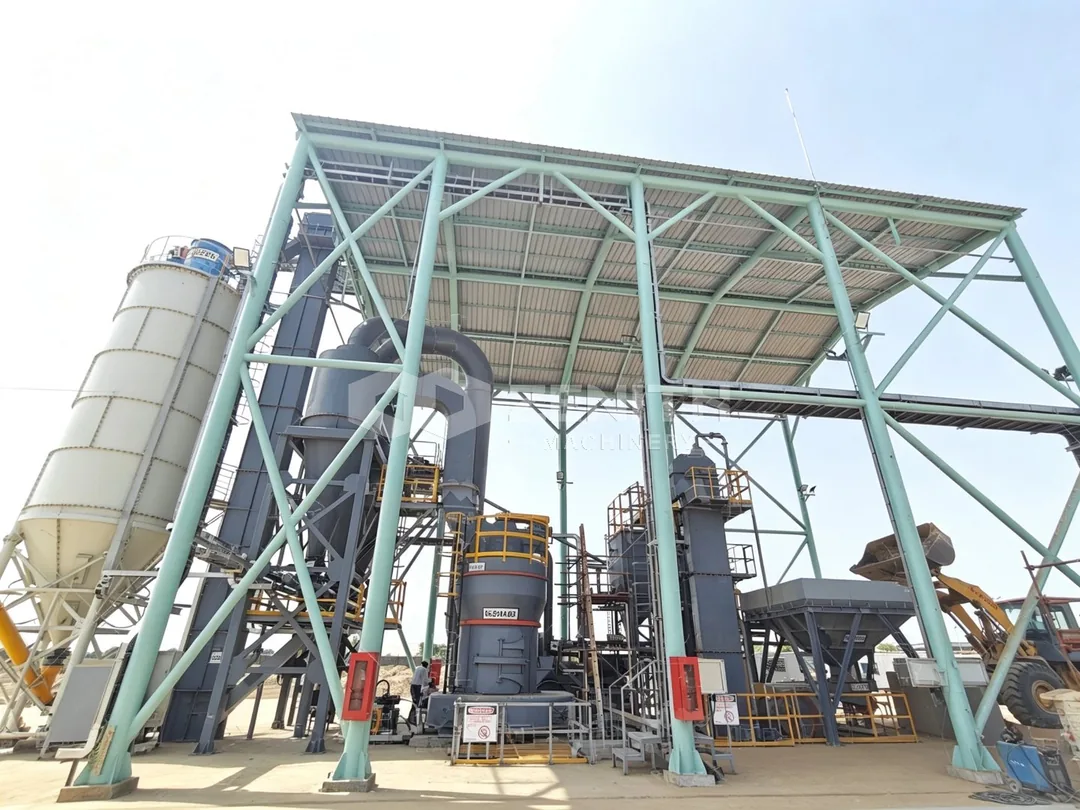
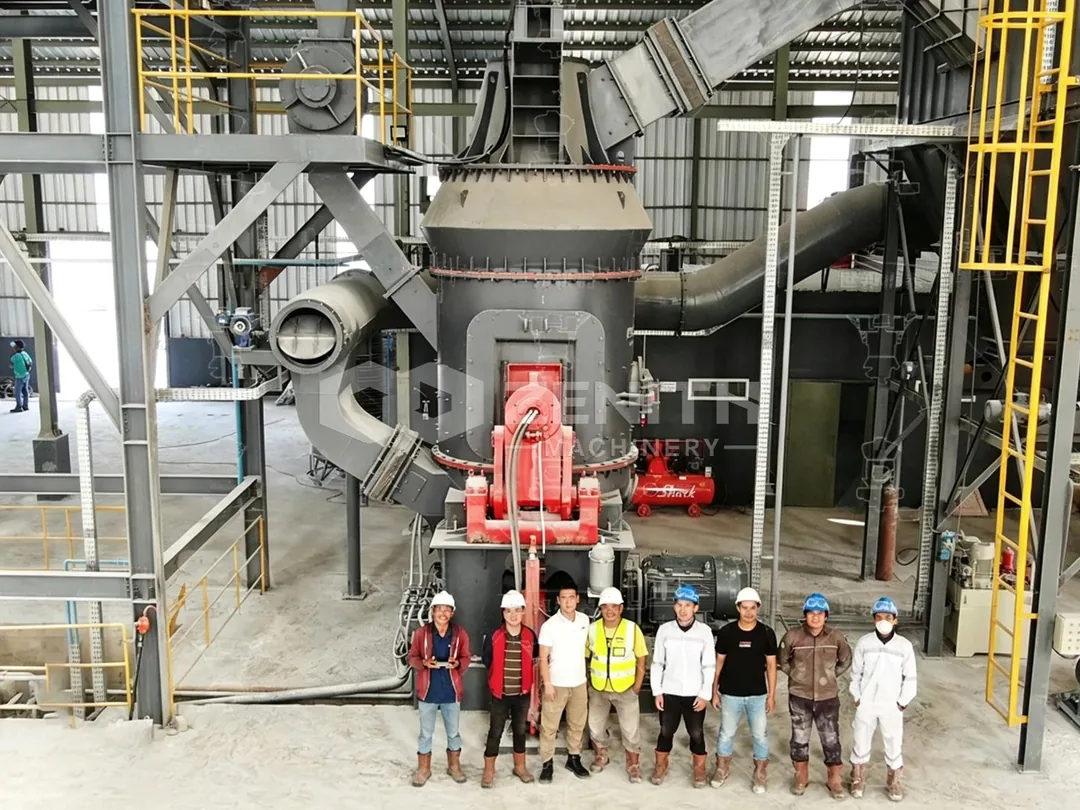
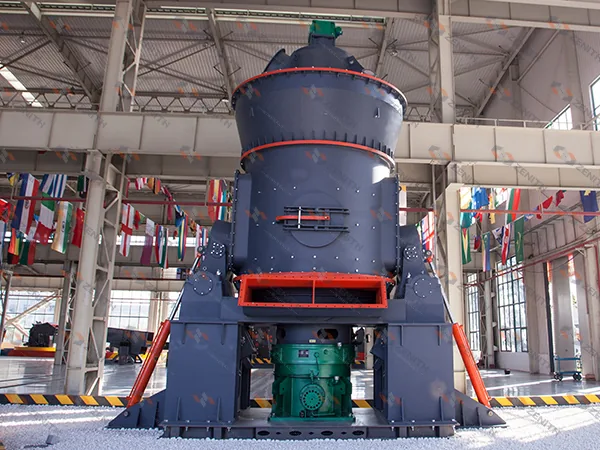
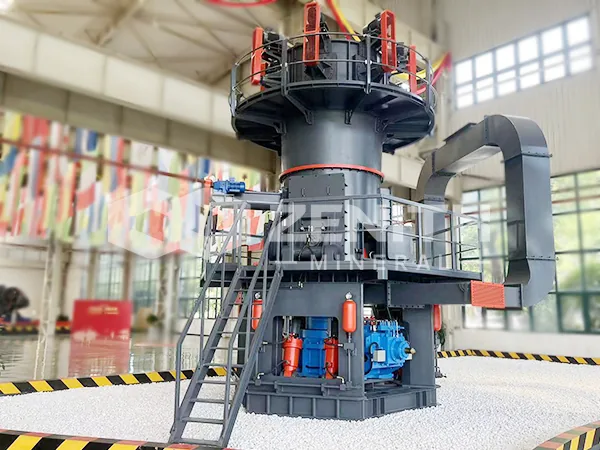
A daily output of 2,500 tons places this project in the medium-to-large cement production category. For such a line, the grinding mill must handle raw materials like limestone, clay, gypsum, and clinker with consistent fineness—typically 80-400 mesh for cement raw meal. The mill's capacity must be sustainable over 24-hour operations, with minimal downtime for maintenance. ZENITH's LM Vertical Grinding Mill, with its capacity range of 3-340 T/H, stands out as a prime candidate. Its 24-hour constant running capability, automatic operation, and stable product quality make it ideal for cement plants where reliability is paramount.
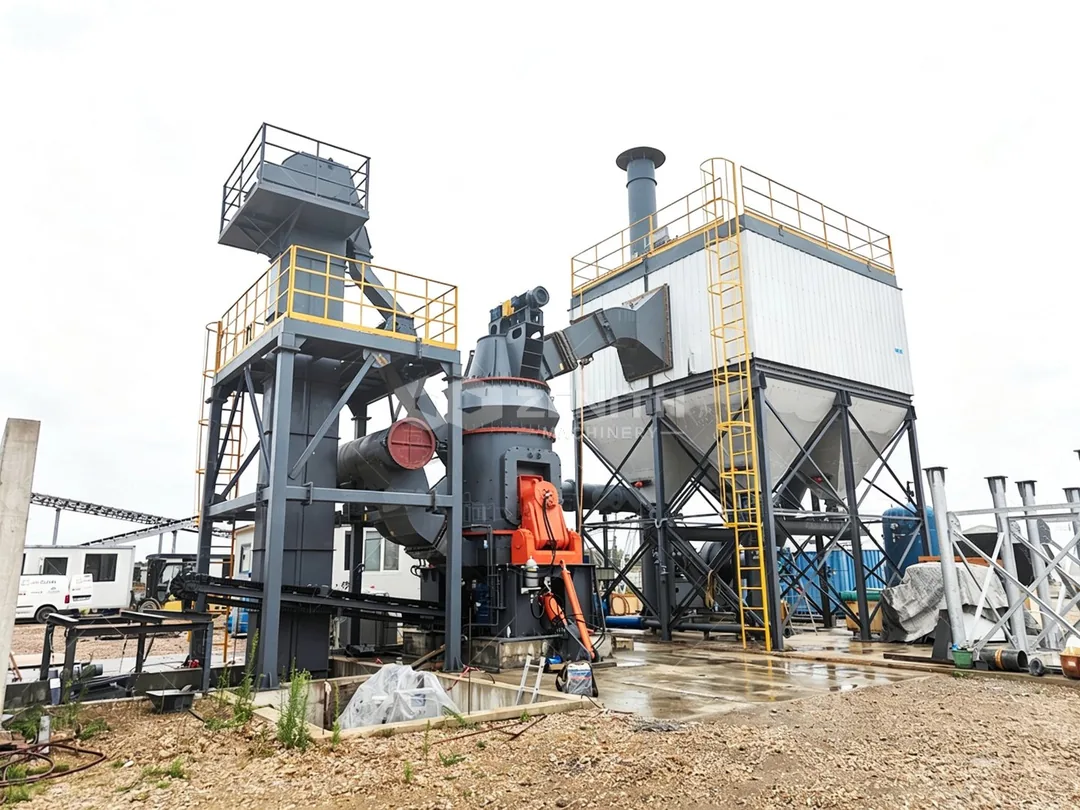
The LM series offers a compact integrated design that occupies about 50% of the floor space required by traditional ball mill systems. This is crucial in Egyptian industrial zones where land costs and construction timelines are significant factors. Moreover, its ability to operate in open air reduces the need for expensive building infrastructure, aligning with the 'less comprehensive investment' philosophy that ZENITH emphasizes.
Evaluating Grinding Technologies for Cement Production
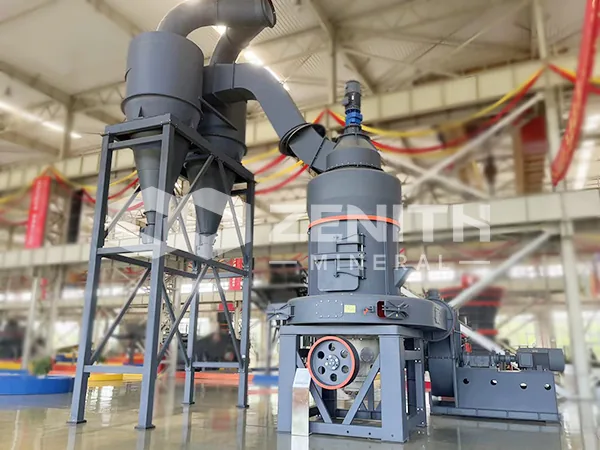
For a cement production line, the choice between ball mills, vertical roller mills (VRMs), and trapezium mills depends on specific process requirements. Traditional ball mills offer high grinding ratios and adaptability to various materials, but their energy consumption is considerably higher. ZENITH's MTW European Trapezium Mill boasts an energy consumption more than 60% lower than that of same-grade ball mills under ideal conditions. For a 2,500 TPD line, this translates to substantial annual savings in electricity costs—a critical factor in Egypt's energy-sensitive industrial sector.
The MTW mill's modular impeller adjustment device allows for flexible output fineness without replacing major components. This is particularly valuable for cement producers who may need to switch between different product specifications, such as ordinary Portland cement and pozzolanic cement. Its high-efficiency impeller fan, improving air induction from 62% to 85%, ensures optimal classification and reduced power consumption.
_1778638828967.jpg)
Alternatively, the LM-Y Vertical Pre-grinding Roller Mill offers a hybrid solution, integrating sand making and grinding capabilities. For a cement line, pre-grinding clinker before the final ball mill can boost overall system throughput by 20-30%. With a capacity of 6-330 T/H, the LM-Y can handle the pre-grinding stage efficiently, reducing the load on downstream equipment. Its hard-wearing core components and hydraulic adjustment system ensure low operating costs—a crucial consideration for the long-term profitability of the Egyptian project.
Matching Mill Specifications to Production Targets
To achieve 104 T/H, the grinding mill must operate at optimal efficiency. The LM Vertical Grinding Mill, with models capable of exceeding 200 T/H, provides a comfortable margin. Its automatic control system allows remote or local operation, reducing labor costs—a significant advantage in Egypt's competitive labor market. The mill's sealed, negative-pressure operation ensures dust-free production, meeting stringent environmental standards that are increasingly enforced in Egyptian industrial zones.
For finer grinding applications—such as producing ultrafine cement for high-performance concrete—the LUM Ultrafine Vertical Grinding Mill presents another option. Although its capacity (5-18 T/H) is lower, it could be deployed in parallel with a primary mill to produce specialized products. The LUM integrates powder grinding, separation, and transportation, with energy savings of 30-50% compared to ordinary mills. This technology, combining Taiwan's grinding roller expertise with German powder separation technology, is ideal for producing 325-2500 mesh products.
_1778638828969.jpg)
Operational and Economic Considerations
The total cost of ownership extends beyond the initial purchase price. Installation costs, foundation requirements, energy consumption, maintenance frequency, and spare parts availability all factor into the decision. ZENITH's mills feature 'less occupied area' designs, with self-contained production systems from bulk material to finished powder. This minimizes investment in building plant and foundation, which is particularly beneficial when retrofitting existing facilities or building on constrained sites.
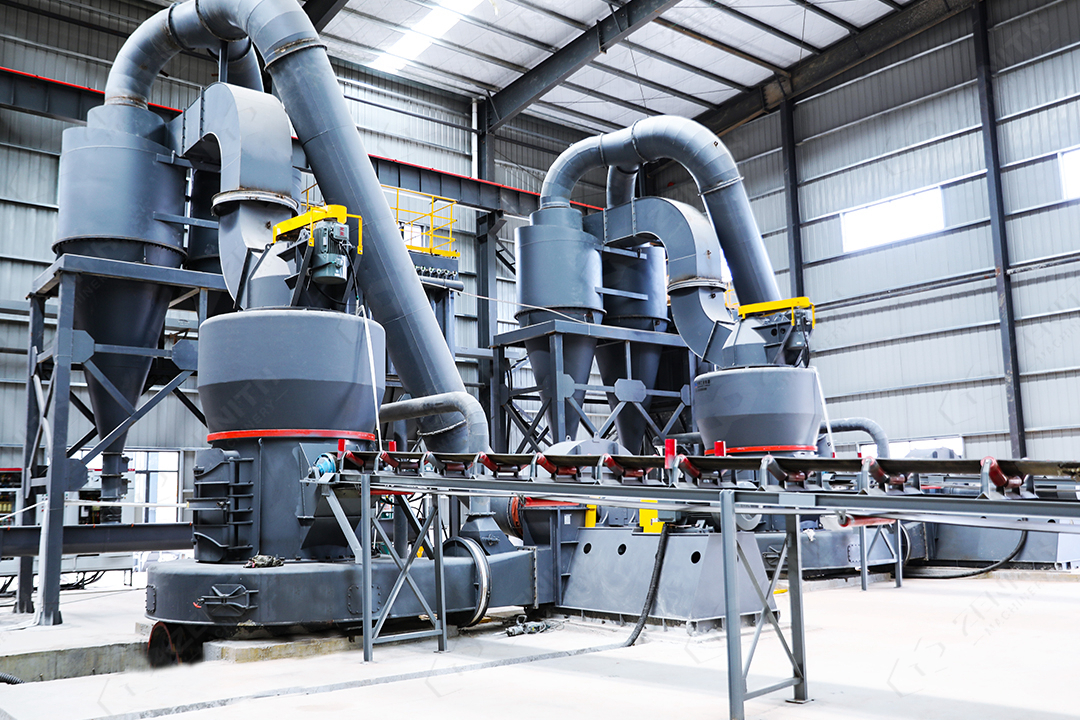
The MTM European Trapezium Mill, with over 30 years of practical application, offers proven reliability for producing 80-400 mesh mineral powder. Its electromagnetic vibrating feeder ensures precise material feed, while the powder selector guarantees product consistency. For a 2,500 TPD line, the MTM's 3-22 T/H capacity per unit may require multiple units, but its lower initial investment and material adaptability make it a popular choice among budget-conscious operators.
For coarse powder preparation, the Hammer Mill (HM series) can produce 0-3mm material at rates up to 50 T/H. This could be used in the pre-grinding stage or for producing sand for concrete aggregates. Its high-manganese steel lining ensures long service life, while the simple working process keeps investment costs low. The optimized cavity design provides stable performance, essential for maintaining consistent feed to the main grinding mill.
Integration and Automation
Modern cement plants rely on integrated control systems. ZENITH's mills, particularly the LM and LUM series, offer high degrees of automation. The intelligent electric systems can be integrated with plant-wide PLC and SCADA systems, enabling remote monitoring and control. This reduces labor requirements and improves operational efficiency. For the Egyptian company, this translates to lower staffing costs and better quality control.
The XZM Ultrafine Grinding Mill, with its VFD-controlled classifier, allows arbitrary adjustment of fineness between 325 and 2500 mesh. While its capacity (0.5-25 T/H) may be too low for primary grinding in a 2,500 TPD line, it could serve as a finishing mill for high-value products. Its safe design—with no rolling bearings or screws in the grinding chamber—eliminates common maintenance issues, ensuring higher uptime.
Conclusion and Recommendations
For an Egyptian building materials company targeting 2,500 tons daily cement production, the LM Vertical Grinding Mill emerges as the most suitable primary option, offering the capacity, efficiency, and reliability needed. A combination of an LM mill for raw meal grinding and an MTW or ball mill for finish grinding could optimize energy consumption and product quality. ZENITH's global network, with offices in over 30 countries and presence in 180+ regions, ensures local support for installation, commissioning, and maintenance.
_1778638828974.jpg)
The final selection should consider local raw material characteristics, power costs, environmental regulations, and available technical expertise. ZENITH's technical team can provide site-specific recommendations, process flow diagrams, and simulation data to validate performance claims. With proper selection and implementation, the grinding mill will be the cornerstone of a profitable and sustainable cement operation in Egypt.
Frequently Asked Questions (FAQ)
- What is the recommended grinding mill for a 2,500 TPD cement line?
The LM Vertical Grinding Mill is recommended for its capacity range (3-340 T/H), automatic operation, and stable product quality. It offers low comprehensive investment and high efficiency for large-scale cement production. - How does ZENITH's mill technology compare to traditional ball mills?
ZENITH's MTW and MTM trapezium mills consume over 60% less energy than same-grade ball mills. They also occupy less floor space and require lower foundation investment, reducing overall project costs. - Can the same mill be used for different cement types?
Yes. MTW and MTM mills feature modular impeller adjustment devices that allow fineness adjustment by changing impellers, enabling production of different cement types without major modifications. - What environmental certifications do ZENITH mills have?
ZENITH mills carry ISO international quality system certification, European Union CE certification, and Customs Union CU-TR certification. They operate under negative pressure with pulse dust collectors meeting national environmental standards. - What is the typical maintenance schedule for these mills?
Maintenance depends on the model. LUM and LM series feature hydraulic adjustment systems for easy roller replacement. XZM mills have no rolling bearings in the grinding chamber, reducing maintenance frequency. Regular inspection of wear parts is recommended every 2,000-4,000 operating hours. - Can ZENITH provide installation support in Egypt?
Yes. ZENITH has established overseas offices in more than 30 countries and covers 180+ regions. Their global network includes technical support teams for installation, commissioning, and after-sales service in Egypt and the Middle East. - Is it possible to integrate the mill with existing plant automation systems?
ZENITH mills, particularly LM and LUM series, feature intelligent control systems with remote and local control capability. They can be integrated with standard PLC and SCADA systems for centralized plant management.