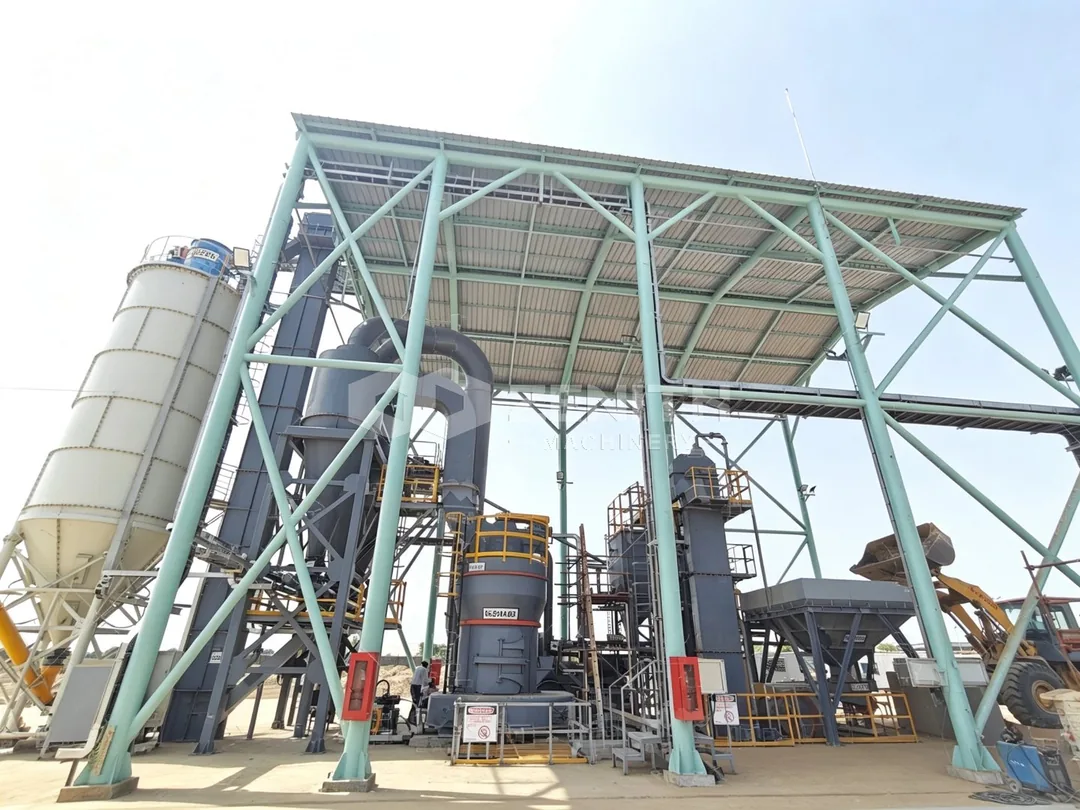
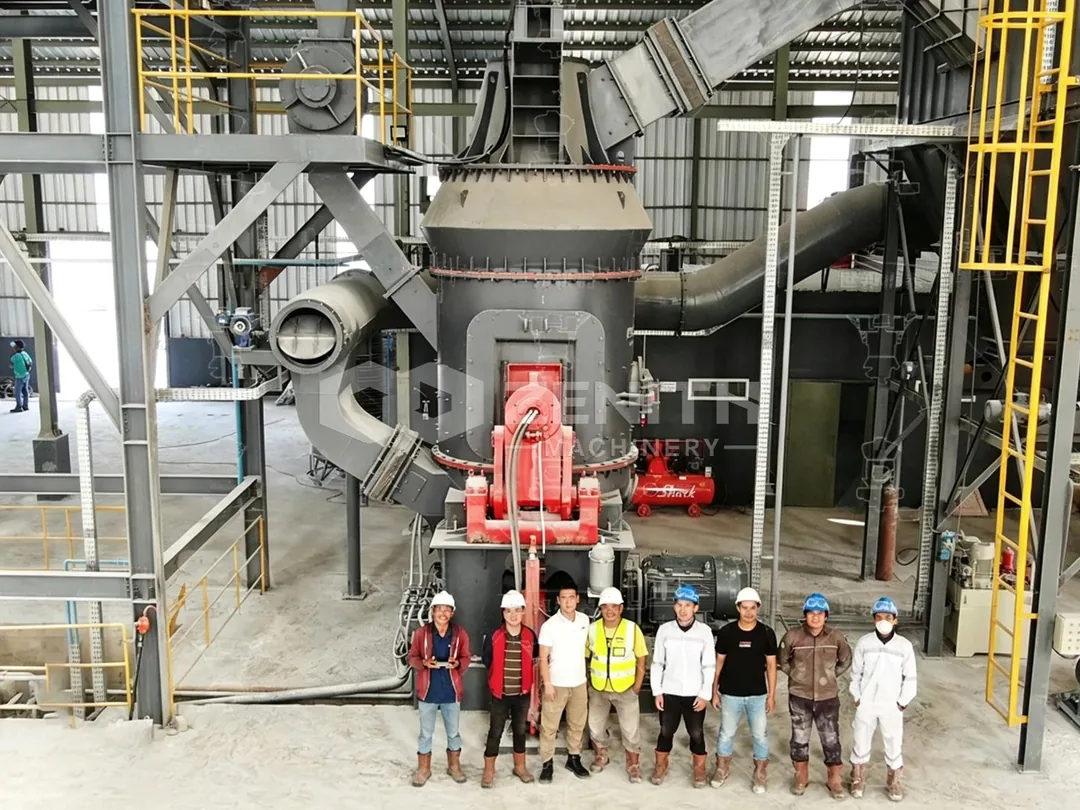
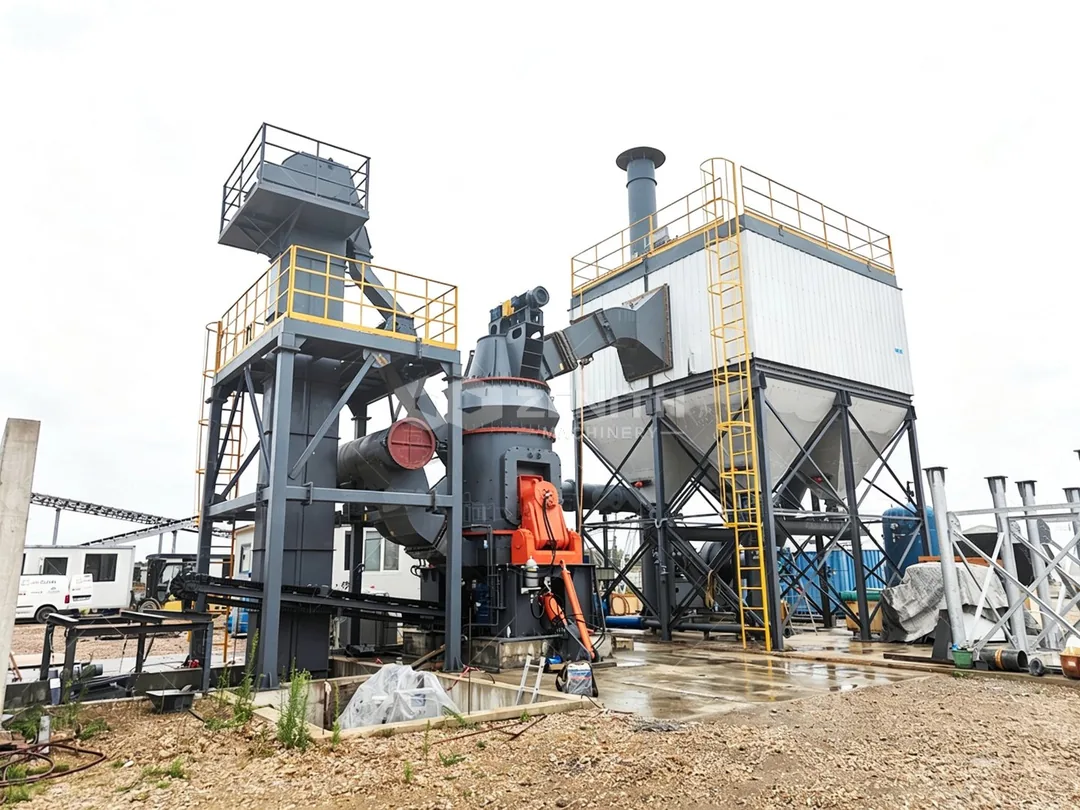
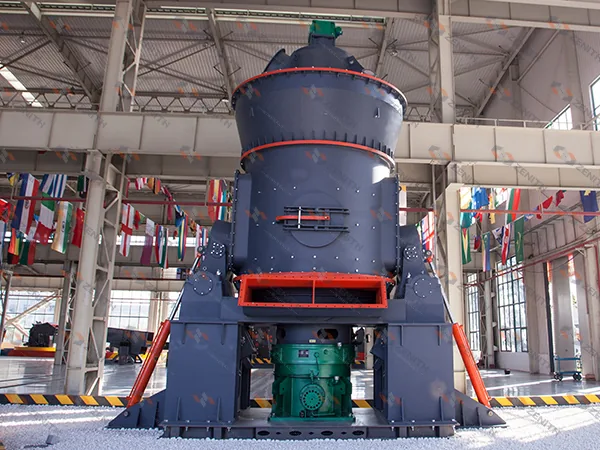
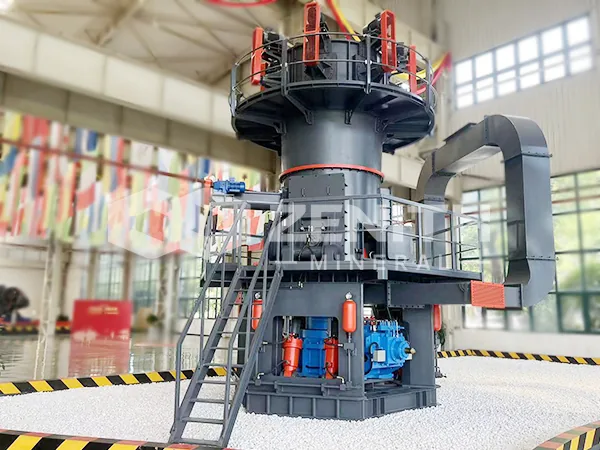
A client in uzbekistan purchased five sets of mtw european-style grinding mills to process white marble, microcrystalline calcite, and limestone; the resulting powder is used in paint production.
2026-05-18 02:24:39
In the heart of Central Asia, Uzbekistan's industrial landscape is rapidly evolving, with a growing emphasis on high-quality raw material processing for the paint and coatings industry. A recent client in Uzbekistan made a strategic investment by purchasing five sets of MTW European-Style Grinding Mills from Shanghai Zenith Machinery Co., Ltd. This order was specifically designed to process white marble, microcrystalline calcite, and limestone—three critical minerals that serve as essential fillers and extenders in paint production. The resulting fine powders, ranging from 80 to 400 mesh, are now integral to manufacturing premium paints with enhanced opacity, brightness, and durability.
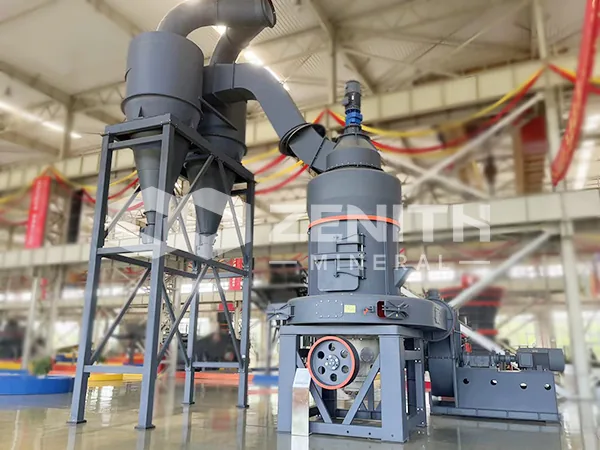
Why MTW European-Style Grinding Mills for Paint Applications?
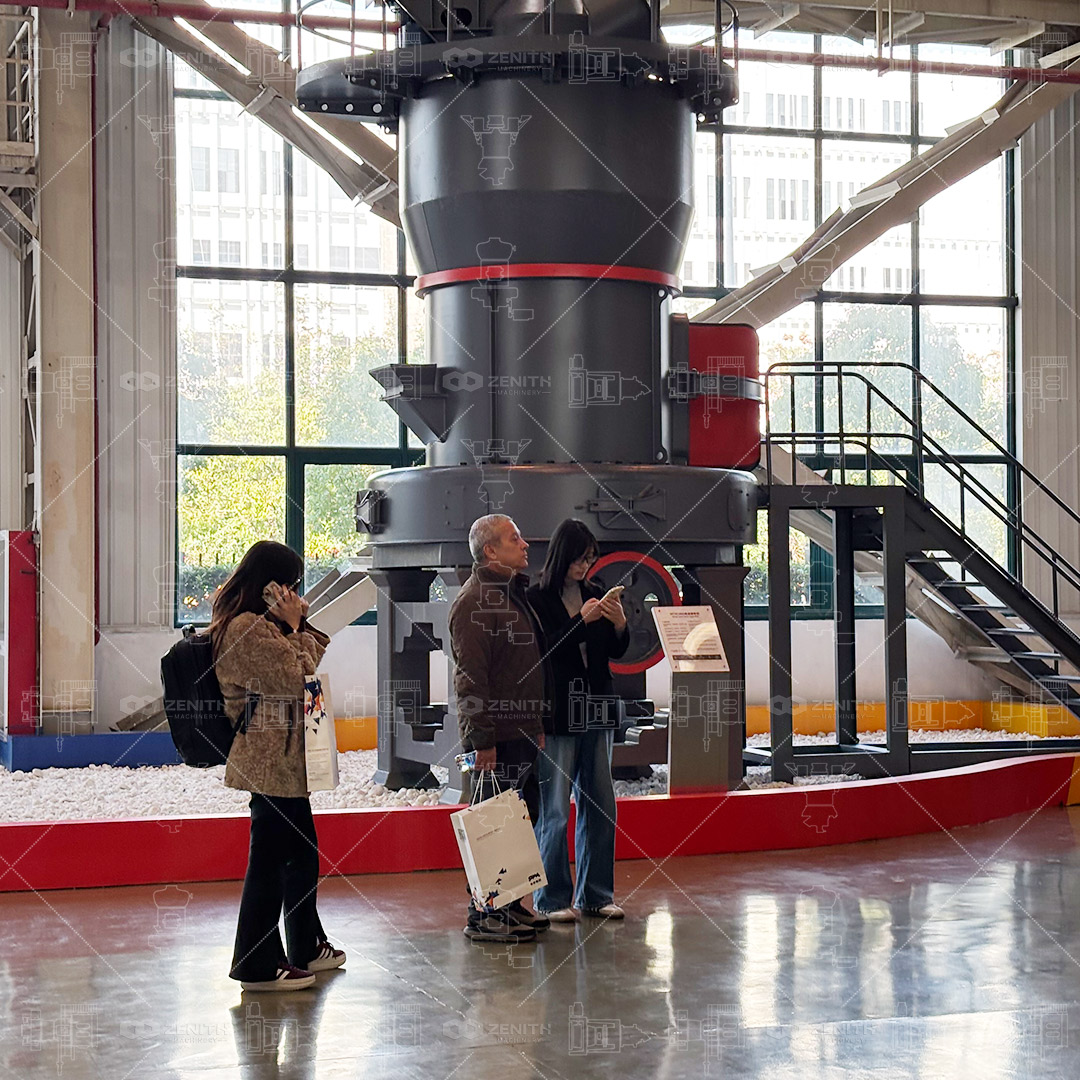
The paint industry demands consistent particle size distribution, high whiteness, and low iron content to ensure color fidelity and product stability. Zenith's MTW series trapezium mills are engineered to meet these stringent requirements. With a capacity range of 3-22 T/H and an output size adjustable from 30 to 325 mesh, these mills offer the flexibility needed for multi-mineral processing. The client in Uzbekistan selected five units to create a parallel processing line, enabling simultaneous grinding of white marble, calcite, and limestone without cross-contamination. This approach maximizes throughput while maintaining product purity—a critical factor for producing high-end architectural paints.
Technical Advantages Driving Client Decision
Several key features of the MTW mill made it the ideal choice for this Uzbekistan project:
- 60% Lower Energy Consumption vs. Ball Mills: Under ideal conditions, the MTW series consumes significantly less power, directly reducing operational costs in Uzbekistan's competitive market.
- Adjustable Output Fineness: The modular impeller adjustment device allows operators to change fineness settings by simply swapping impellers—perfect for switching between marble (often ground to 200 mesh for paint) and limestone (325 mesh for premium filler).
- Compact Integrated Design: Each mill operates as a self-contained unit from bulk material feeding to finished powder collection, minimizing plant footprint and foundation investment—a crucial advantage for retrofitting into existing facilities.
- Environmentally Compliant: The system operates under positive and negative pressure conditions with a pulse dust collector, meeting Uzbekistan's national environmental protection standards and ensuring a clean, safe workplace.
_1779042279891.jpg)
Material-Specific Processing Considerations
Each of the three minerals demands tailored grinding parameters:
- White Marble: With a Mohs hardness of 3-4, marble grinds efficiently in the MTW mill. The trapezium-shaped rollers and ring create a layered grinding action that preserves the crystal structure, yielding a powder with excellent brightness (L* > 95) for paint formulations.
- Microcrystalline Calcite: This form of calcium carbonate requires precise control to avoid over-grinding. The MTW's variable frequency belt feeder ensures uniform material feed, while the high-efficiency impeller fan (85% air induction efficiency) classifies particles accurately, preventing ultra-fine dust that could affect paint rheology.
- Limestone: Often used as a cost-effective filler, limestone benefits from the mill's large capacity. The biggest MTW model can achieve up to 50 TPH with less powder consumption, making it economical for bulk processing.
Integration with Other Zenith Equipment for Expanded Capability
While the MTW series is the star of this project, Zenith's comprehensive product range offers complementary solutions. For instance, the LM Vertical Grinding Mill could be deployed for larger-scale operations requiring 24-hour continuous production, or the XZM Ultrafine Mill could extend the fineness range to 325-2500 mesh for specialty paint applications. The client in Uzbekistan currently utilizes the MTW units for 80-400 mesh output, but the modular design allows future upgrades or additions without major reengineering.
Global Quality Certifications and Support
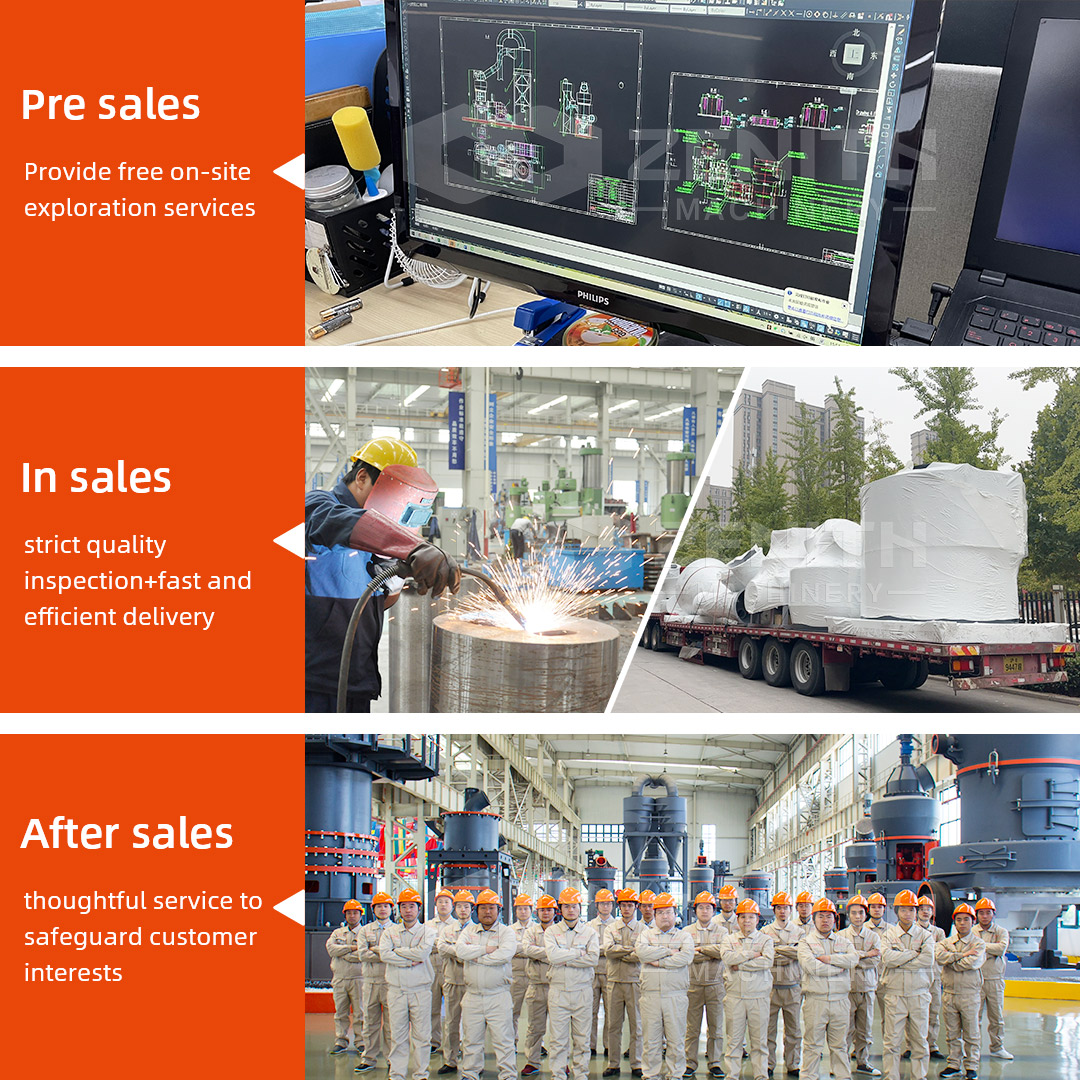
Zenith's equipment, including the MTW mills supplied to Uzbekistan, holds ISO International Quality System Certification, European Union CE Certification, and Customs Union CU-TR Certification. This ensures compliance with regional standards and facilitates export. With a marketing network spanning over 180 countries and offices in more than 30 nations, Zenith provides on-site installation guidance, training, and spare parts availability—critical for maintaining uptime in Uzbekistan's growing industrial sector.
Conclusion: A Strategic Partnership for Paint Industry Growth
The purchase of five MTW European-style grinding mills by a client in Uzbekistan marks a significant step toward self-sufficiency in paint raw material production. By processing locally sourced white marble, microcrystalline calcite, and limestone, the company reduces import dependency, controls quality, and optimizes costs. As the paint industry continues to expand across Central Asia, such investments in reliable, high-efficiency grinding technology will drive competitiveness and product excellence.
_1779042279895.jpg)
Frequently Asked Questions (FAQ)
1. What is the typical output fineness for paint-grade fillers when using the MTW mill?
For paint applications, the MTW series can produce powders from 80 to 325 mesh (approximately 180-45 microns). Common specifications include 200 mesh for general fillers and 325 mesh for high-gloss paints. The modular impeller adjustment allows quick changes between these settings.
2. How do the MTW mills handle different minerals like marble, calcite, and limestone in the same facility?
Each mill operates independently. The client in Uzbekistan uses dedicated mills for each mineral to prevent cross-contamination. The MTW's quick-clean design and adjustable parameters make it easy to switch between materials after thorough purging if needed.
3. What are the power consumption savings compared to traditional ball mills in this application?
Under ideal working conditions, the MTW series offers more than 60% lower energy consumption than ball mills of the same grade. For a 20 TPH operation, this can translate to significant annual savings in electricity costs—a key factor for Uzbekistan's clients seeking long-term operational efficiency.
4. What environmental protection measures are integrated into the MTW grinding system?
The mill operates under positive and negative pressure conditions with a high-efficiency pulse dust collector. This ensures that dust emissions are minimal and within national environmental standards. The entire system is sealed, with no dust spillover during operation.
5. Can the MTW mill produce ultrafine powders for specialized paint formulations?
For requirements below 325 mesh (e.g., 1250-2500 mesh for ultra-premium paints), Zenith offers the LUM Ultrafine Vertical Grinding Mill or XZM Ultrafine Mill. However, the MTW series is optimized for the 80-400 mesh range, which covers the vast majority of paint filler applications.
6. What is the recommended maintenance schedule for the grinding rollers and rings?
The MTW mill uses high-quality abrasion-resistant materials for vulnerable parts. With proper operation, roller and ring replacement is typically needed every 12-18 months, depending on the abrasiveness of the materials processed. Zenith provides detailed maintenance guides and remote support.
7. How does Zenith support clients in Uzbekistan after purchase?
Zenith has overseas offices in more than 30 countries, with representatives covering Central Asia. Services include on-site installation guidance, operator training, spare parts supply, and technical troubleshooting via remote video support. The CU-TR certification also facilitates local compliance and customs clearance.