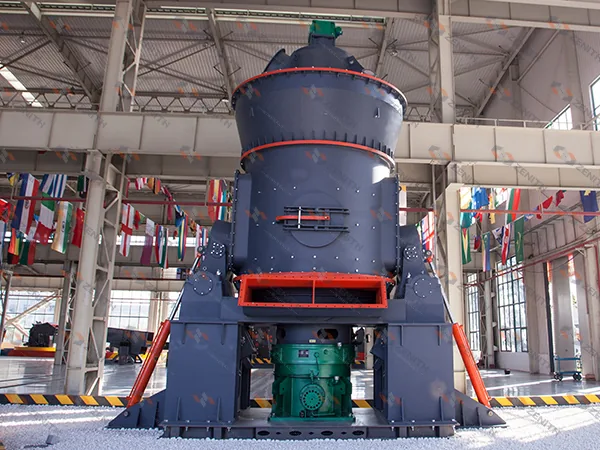
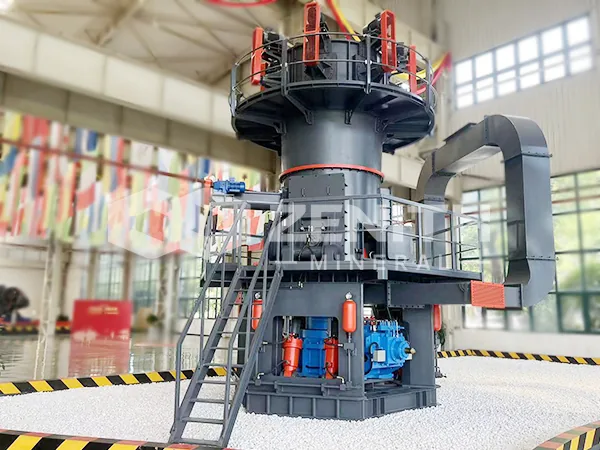
A company in bangladesh purchased limestone grinding mills with a finished product fineness of 800 mesh for the production of cattle feed.
2026-05-11 02:23:31
In a strategic move to enhance livestock nutrition, a company in Bangladesh has recently invested in advanced limestone grinding mills capable of producing a finished product fineness of 800 mesh for cattle feed production. This investment underscores the growing emphasis on micronutrient fortification in animal husbandry, where finely ground limestone serves as a vital calcium source. The project leverages proven milling technology to achieve consistent particle size, high throughput, and operational efficiency.
Why 800 Mesh Limestone for Cattle Feed?
Calcium carbonate from limestone is a critical dietary supplement for dairy and beef cattle, supporting bone development, milk production, and metabolic functions. The 800 mesh (approximately 15 microns) specification ensures optimal bioavailability and uniform mixing in feed formulations. Coarser particles may pass through the digestive tract undigested, while overly fine dust can cause handling issues. The 800 mesh standard delivers a balance of reactivity and flowability, making it the industry benchmark for premium feed additives.
Milling Solution: Tailored for High-Fineness Production
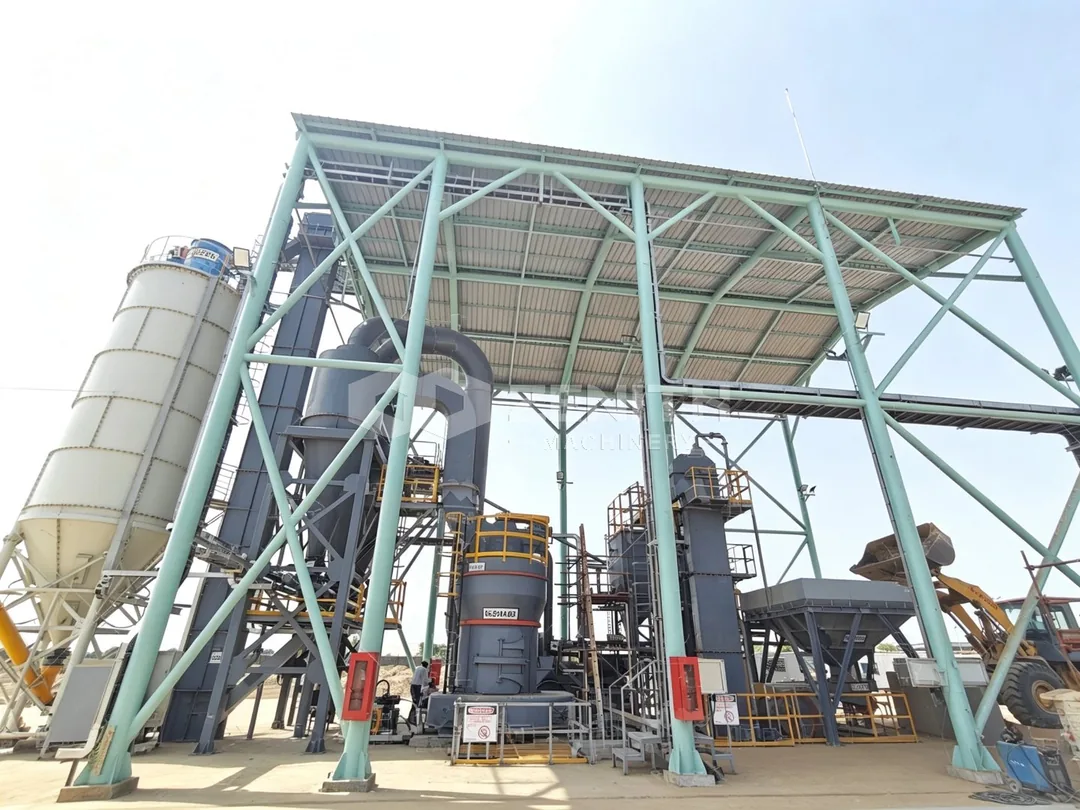
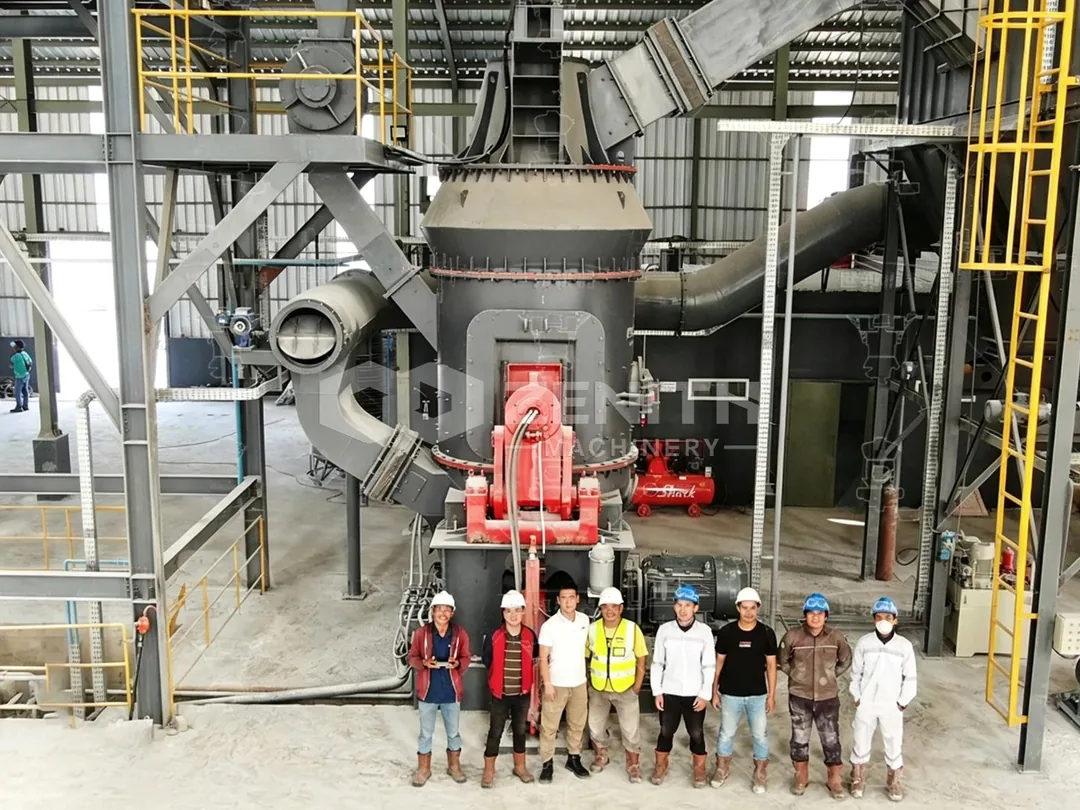
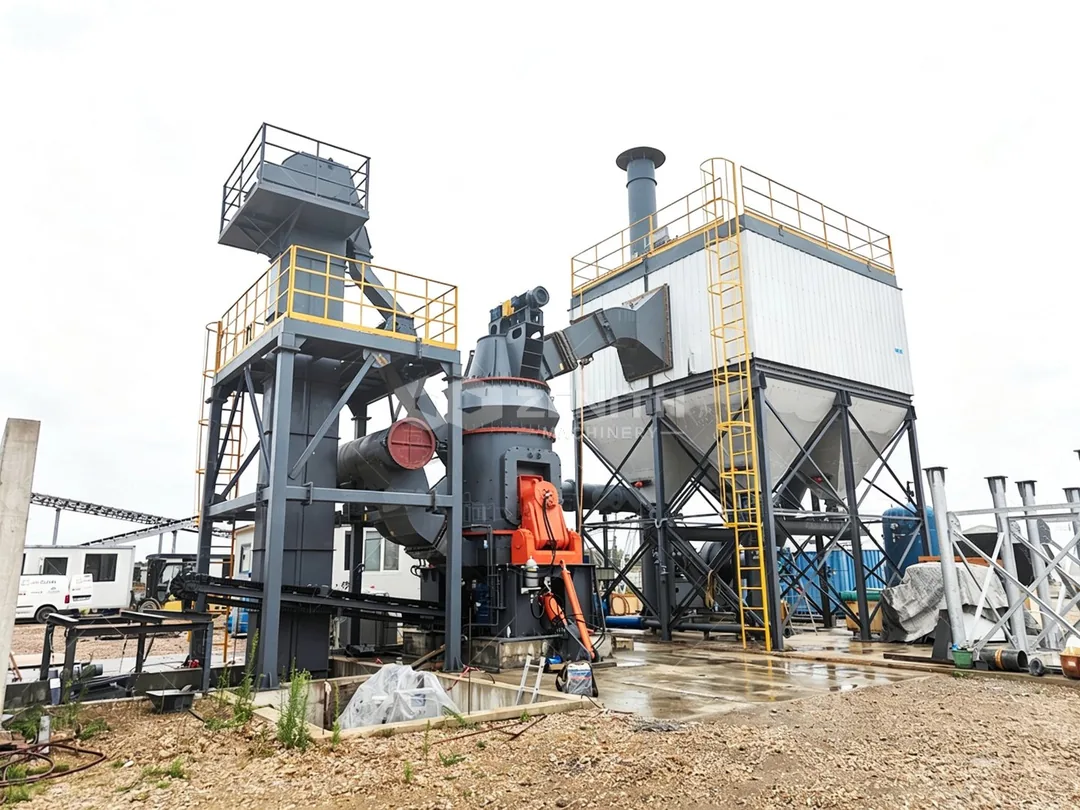
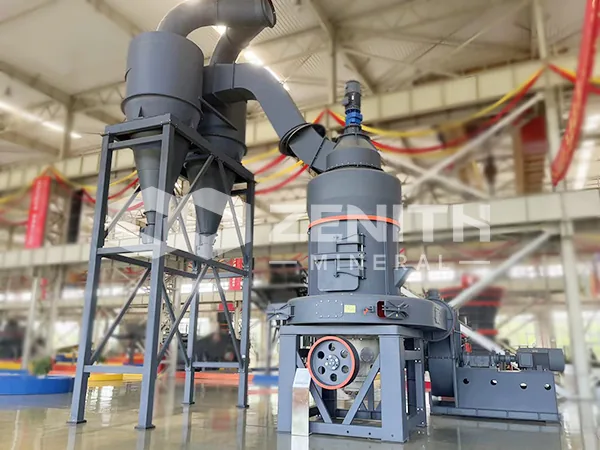
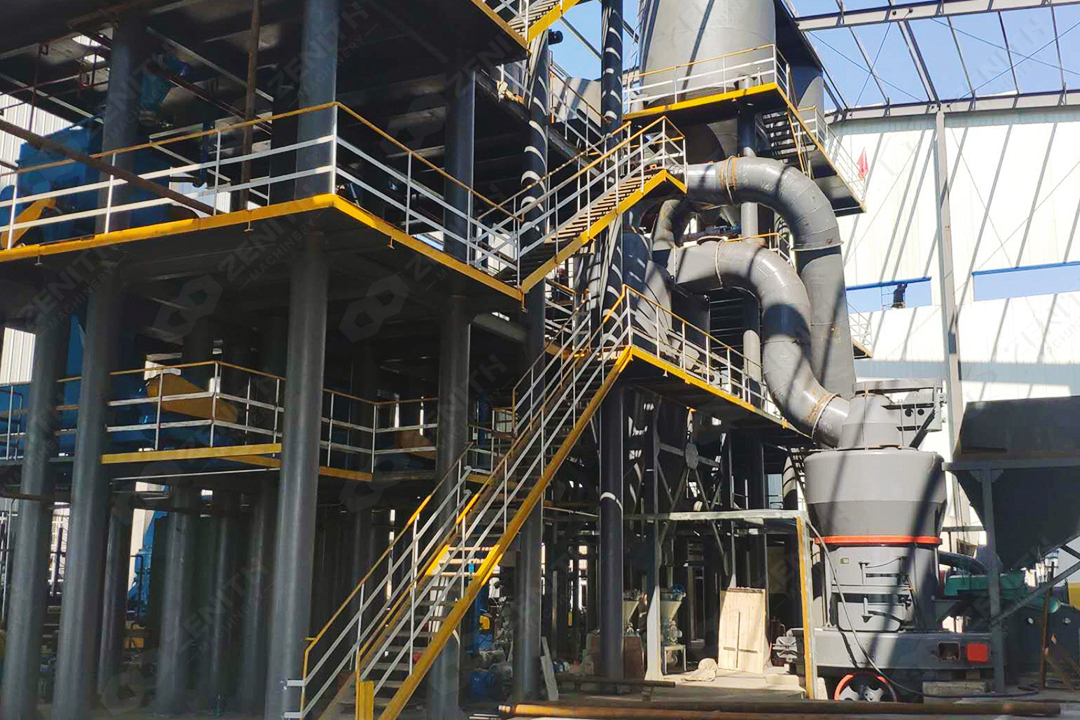
To meet the 800 mesh requirement (<3 µm D97), the Bangladesh client selected a combination of primary crushing and fine grinding equipment from Shanghai Zenith Machinery. The core system integrates a hammer mill for coarse pre-processing (0-3 mm) followed by an XZM Ultrafine Grinding Mill for the final ultrafine stage. The XZM series can achieve fineness from 325 mesh to 2500 mesh (D97 < 5 micron), making it ideal for this application. The mill operates under negative pressure, ensuring dust-free production and compliance with environmental standards.
Key Performance Highlights
- Capacity: 0.5-25 T/H for the XZM mill, configurable to match the client's 10 TPH target for 800 mesh product.
- Energy Efficiency: 40% higher efficiency and 70% lower energy consumption compared to air-flow mills or stirring mills at the same fineness.
- Fineness Control: Arbitrary adjustment between 325 and 2500 mesh via VFD-controlled classifier rotor speed, enabling quick changeover for different feed grades.
- Maintenance Safety: No rolling bearings or screws inside the grinding chamber, eliminating risks of bearing failure or screw loosening—critical for 24/7 operations.
Working Principle in Action
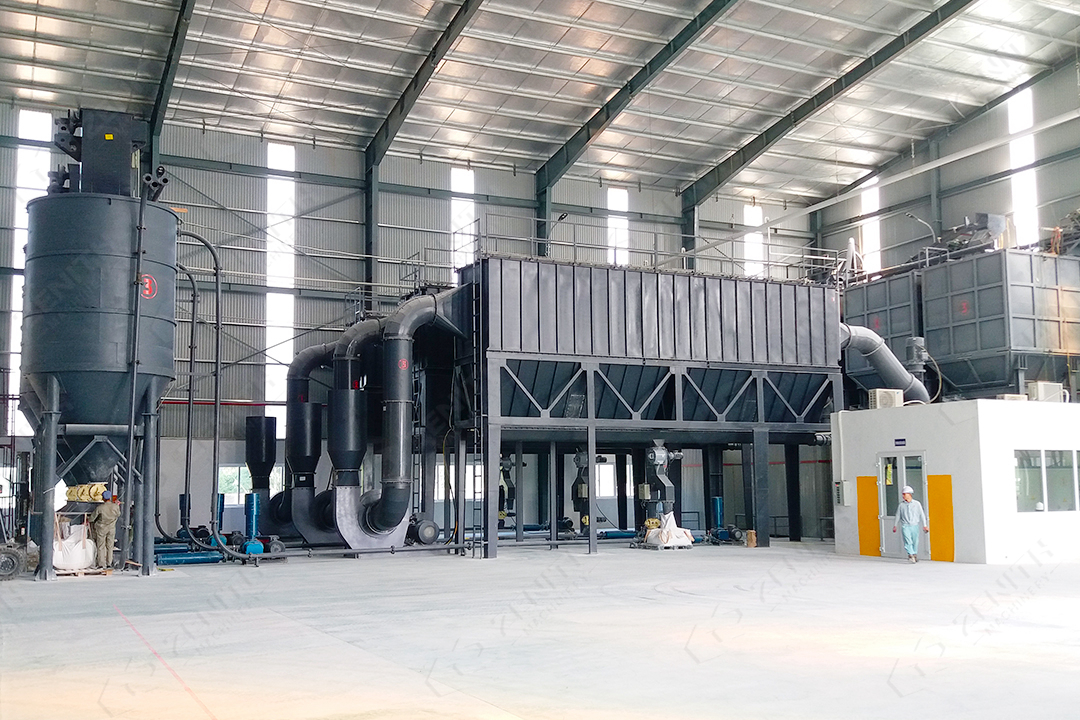
Crushed limestone (0-20 mm) enters the XZM main machine via a feeder, falling onto a rotating turntable. Grinding rollers, driven by centrifugal force, crush the material against the grinding ring. The airflow carries the ground powder to a high-efficiency classifier, where coarse particles are returned for regrinding while 800 mesh fines pass through to the cyclone and pulse dust collector. The system maintains negative pressure throughout, with filtered air released to the atmosphere—meeting Bangladesh's evolving environmental regulations for industrial operations.
_1778437411964.jpg)
Bangladesh Market Context
Bangladesh's livestock sector is expanding rapidly, with the national cattle population exceeding 24 million and dairy production growing at 6% annually. Imported limestone from India and local sources requires specialized processing to meet feed-grade standards. The new milling plant, located in a peri-urban industrial zone near Dhaka, sources raw limestone from the Sylhet region. The 800 mesh powder is bagged in 25 kg and 50 kg packages for distribution to feed mills across the country.
Zenith's equipment package includes the MTW European Trapezium Mill as a backup for 400-500 mesh production when lower fineness is acceptable, and the LM Vertical Grinding Mill for potential future expansion into cement or GGBS grinding. The modular design allows the client to scale capacity from 10 TPH to 25 TPH by adding a second XZM mill.
FAQ
Q1: Why is 800 mesh specifically required for cattle feed? Can coarser or finer powder be used?
800 mesh (about 15 microns) is the standard for calcium supplements because it balances digestibility and handling. Coarser powder (e.g., 100 mesh) may not be fully absorbed by cattle, leading to waste. Finer powder (e.g., 1250 mesh) can become airborne, causing dust hazards and increased production costs. The 800 mesh specification ensures maximum bioavailability and minimal environmental impact during incorporation into feed.
Q2: What is the moisture content limit for limestone before milling?
For optimum grinding efficiency, the limestone should have a moisture content below 6%. Higher moisture can cause material buildup on grinding rollers and classifier blades, reducing throughput and increasing power consumption. If raw limestone is wet, a drying system (such as a hot air generator) can be integrated with the mill, as the XZM and LM series both support hot air drying during grinding.
Q3: How does Zenith's XZM Ultrafine Mill compare to a ball mill for 800 mesh production?
For the same 800 mesh target, the XZM offers 40% higher efficiency and 70% lower energy consumption than a ball mill. Additionally, the XZM occupies less than half the floor area of a comparable ball mill system and eliminates the need for heavy steel ball media. The classifier adjustment is infinitely variable via VFD, whereas ball mills require physical screen changes. However, for very high throughput (>50 TPH), a ball mill might still be considered for coarse grinding stages feeding multiple XZM units.
Q4: Are spare parts and service support available in Bangladesh?
Yes, Zenith has established a service network covering South Asia, including Bangladesh. Wear parts such as grinding rollers, classifier rotors, and grinding rings are stocked in regional warehouses for quick dispatch. Zenith's engineers can provide remote troubleshooting or on-site commissioning support through the overseas office in Dhaka. Typical delivery time for standard parts is 7-14 days.
_1778437411965.jpg)
Q5: Can the same mill be used to produce other mineral powders for different industries?
Absolutely. The XZM Ultrafine Mill is designed for multi-mineral processing, including calcite, marble, talc, barite, kaolin, and gypsum. By adjusting the classifier speed and grinding pressure, the same machine can produce 325 mesh barium sulfate for paint or 2500 mesh calcium carbonate for PVC. This flexibility allows the Bangladesh client to diversify into chemical, plastic, or paper industries as market demand evolves.
Q6: What environmental permits are required for such a milling plant in Bangladesh?
The plant must obtain clearance from the Department of Environment (DoE) of Bangladesh, including an Environmental Impact Assessment (EIA) for industries in the 'Green' or 'Orange' category. The XZM mill's closed-circuit negative pressure system and pulse dust collector ensure that particulate emissions stay below the Bangladesh National Ambient Air Quality Standard (150 µg/m³ for PM10). Noise levels are controlled via soundproofing enclosures, typically meeting 75 dBA at the boundary.
Q7: What is the typical payback period for investing in this milling setup?
Based on the client's projected production of 10 TPH running 16 hours/day, with an average selling price of $120/ton for 800 mesh feed-grade limestone and operational costs of $45/ton (including energy, labor, and wear parts), the payback period for the equipment (approx. $1.8 million for primary crusher, XZM mill, and ancillaries) is estimated at 18-24 months. Faster payback is achievable by operating 24/7 or by selling higher-margin ultrafine powders (e.g., 1250 mesh) to premium feed producers.