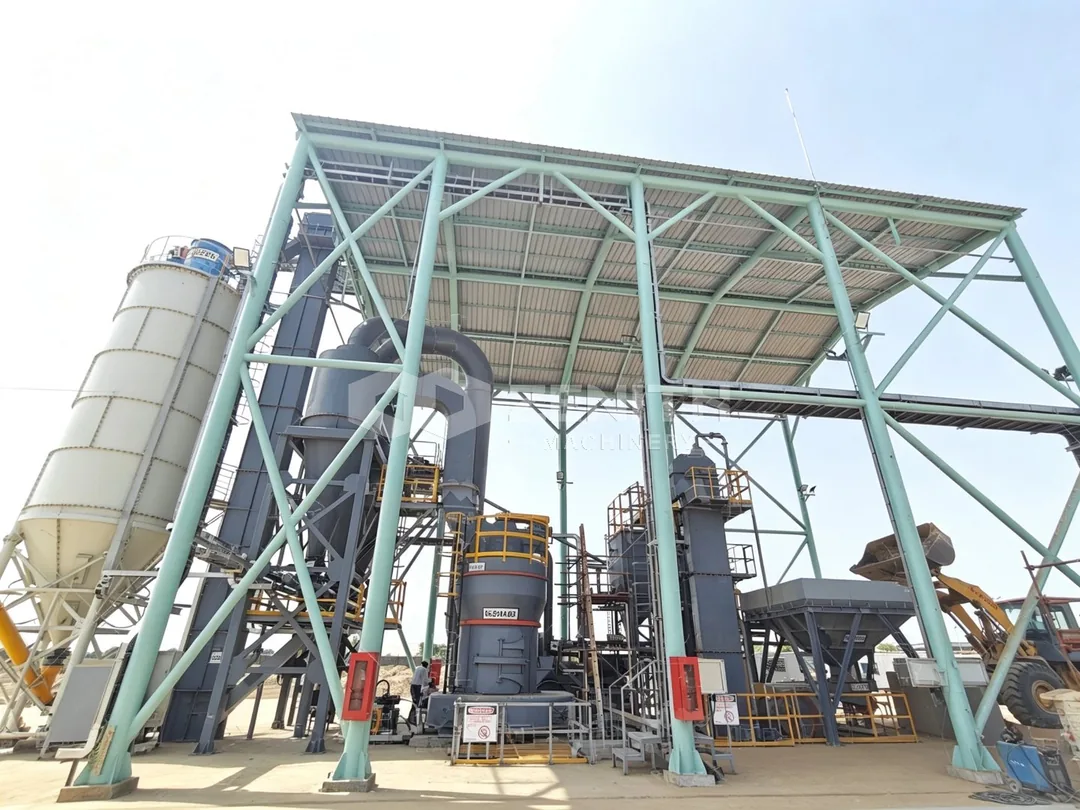
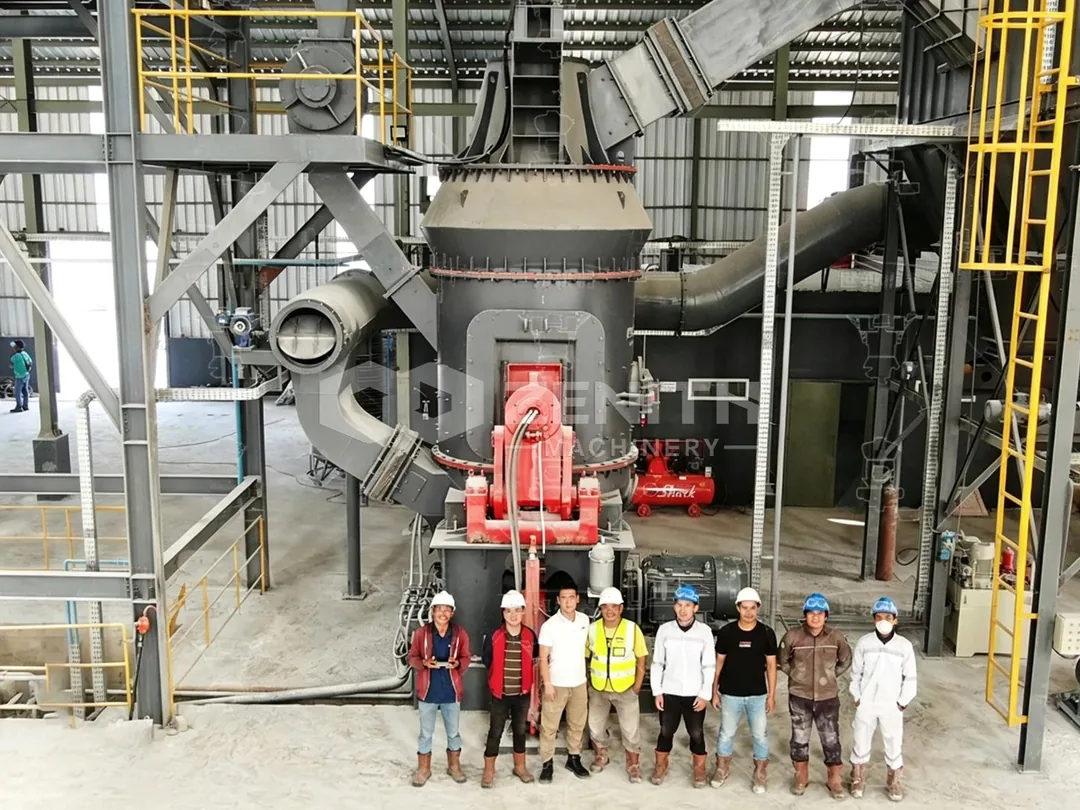
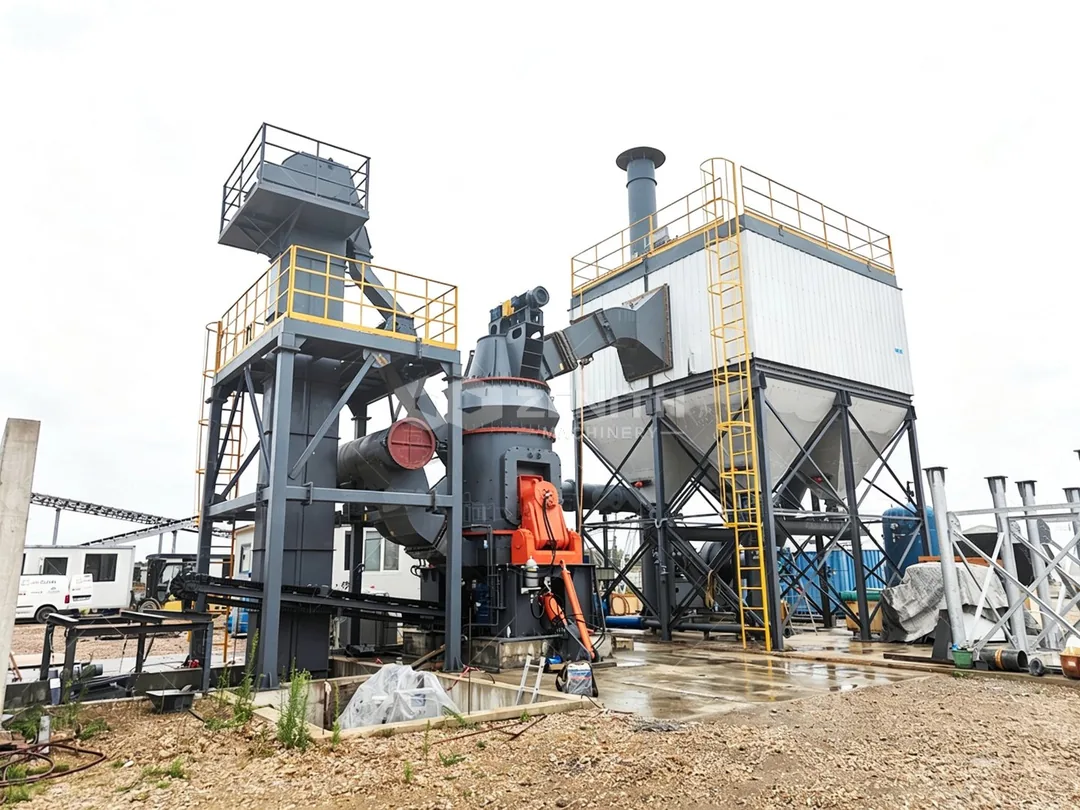
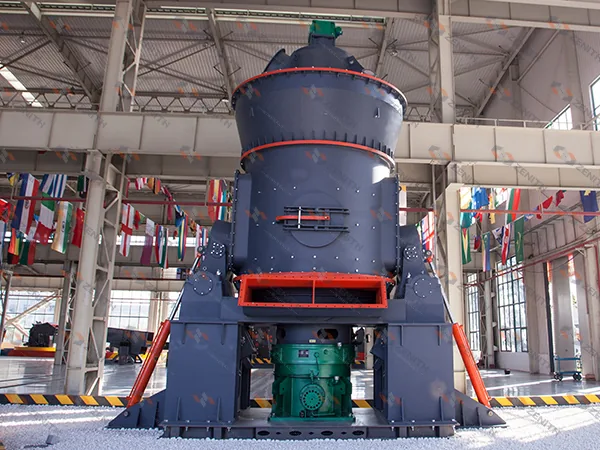
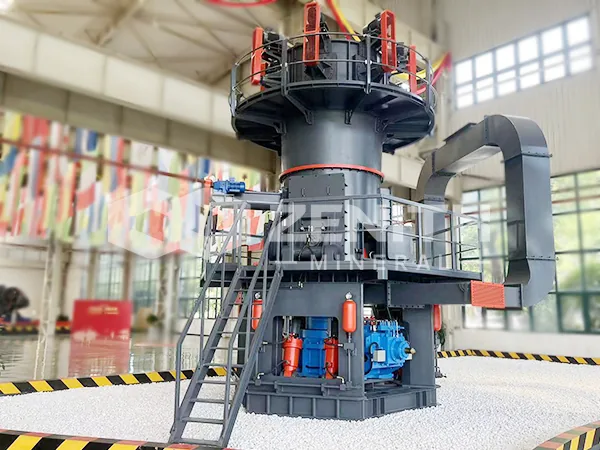
A malawi company purchased limestone grinding mill products for the production of pvc pipe fillers.
2026-05-12 02:28:27
In the ever-evolving landscape of industrial manufacturing, the demand for high-quality, cost-efficient raw materials processing solutions has never been more critical. A recent development in Malawi's growing industrial sector highlights this trend: a local company has invested in advanced limestone grinding mill technology from Shanghai Zenith Machinery Co., Ltd., specifically to produce high-grade fillers for PVC pipe manufacturing. This strategic move underscores the importance of selecting the right grinding equipment to achieve optimal product quality, operational efficiency, and long-term profitability.
Why Limestone Fillers for PVC Pipes?
PVC pipes are widely used in construction, plumbing, and irrigation due to their durability, lightweight nature, and corrosion resistance. Adding limestone powder as a filler not only reduces production costs but also improves the mechanical properties of the pipes, such as stiffness, impact resistance, and dimensional stability. For a Malawi company looking to compete in both local and regional markets, achieving the right particle size distribution and purity of limestone powder is essential. This requires a grinding mill that can consistently deliver fine powder within the 80-400 mesh range, with high throughput and low energy consumption.
Selecting the Right Grinding Mill: A Comparison of Zenith Solutions
Zenith offers a comprehensive portfolio of grinding mills suitable for limestone processing. For the Malawi project, several models were considered based on the customer's specific requirements: output fineness, capacity, and investment budget.
MTW European Trapezium Mill: The Workhorse for Fine Powder
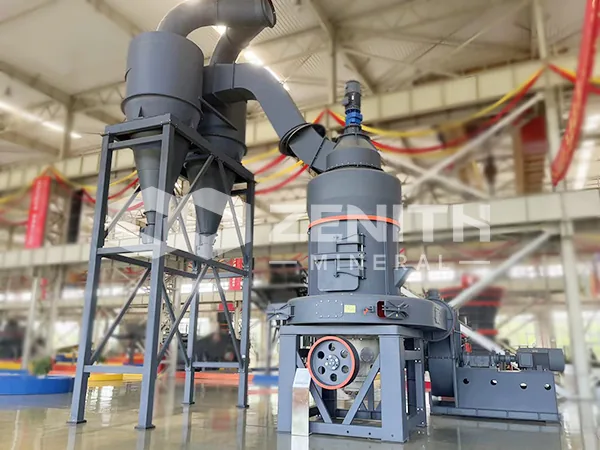
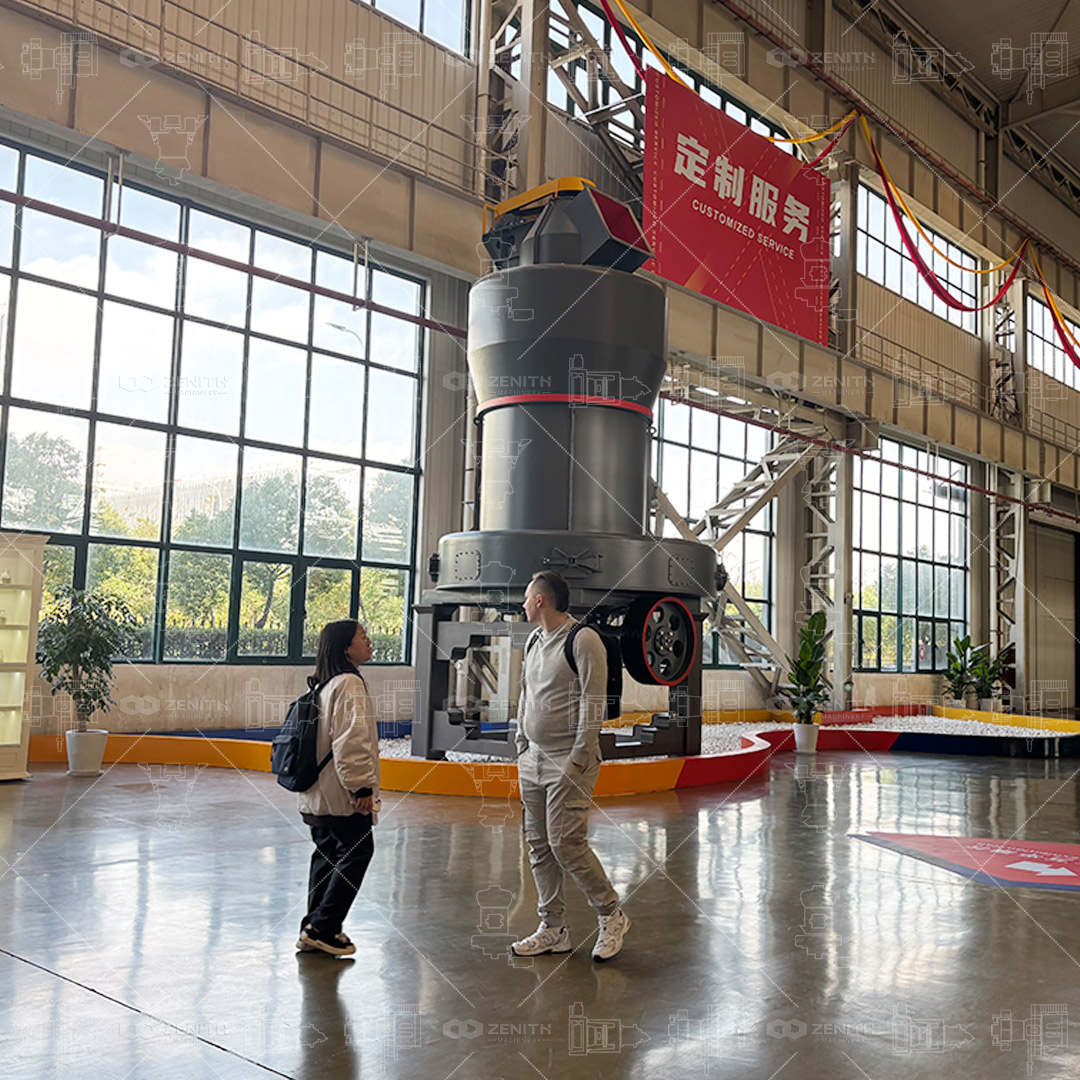
The MTW series trapezium mill stands out for its ability to produce 80-400 mesh fine powder with a large capacity—up to 50 tph for the largest model. Its energy consumption is more than 60%% lower than that of a ball mill under ideal conditions, making it an economical choice for continuous production. The adjustable output fineness via modular impeller adjustment allows the Malawi company to fine-tune the product for different PVC filler specifications without changing the entire machine setup. With ISO, CE, and CU-TR certifications, the MTW mill ensures reliability and compliance with international standards.
_1778524107936.jpg)
MTM European Trapezium Mill: A Proven, Cost-Effective Alternative
For customers seeking a more budget-friendly option without compromising on quality, the MTM series trapezium mill is an excellent choice. With over 30 years of practical application, this mill also delivers 80-400 mesh powder and shares many features with the MTW series, such as low energy consumption and adjustable fineness. Its less occupied area and lower investment requirement make it ideal for smaller plants or those with space constraints.
LM Vertical Grinding Mill: For High-Capacity, Automated Operations
If the Malawi company plans to scale up production in the future, the LM series vertical roller mill offers capacities ranging from 3 to 340 t/h. Its fully automatic operation and remote control capabilities reduce labor costs, while the negative pressure sealing ensures an environmentally friendly production process—important for meeting local environmental regulations. The high purity of the finished material, with controlled iron content, is particularly beneficial for PVC applications where color consistency and whiteness are critical.
Implementation and Operational Benefits
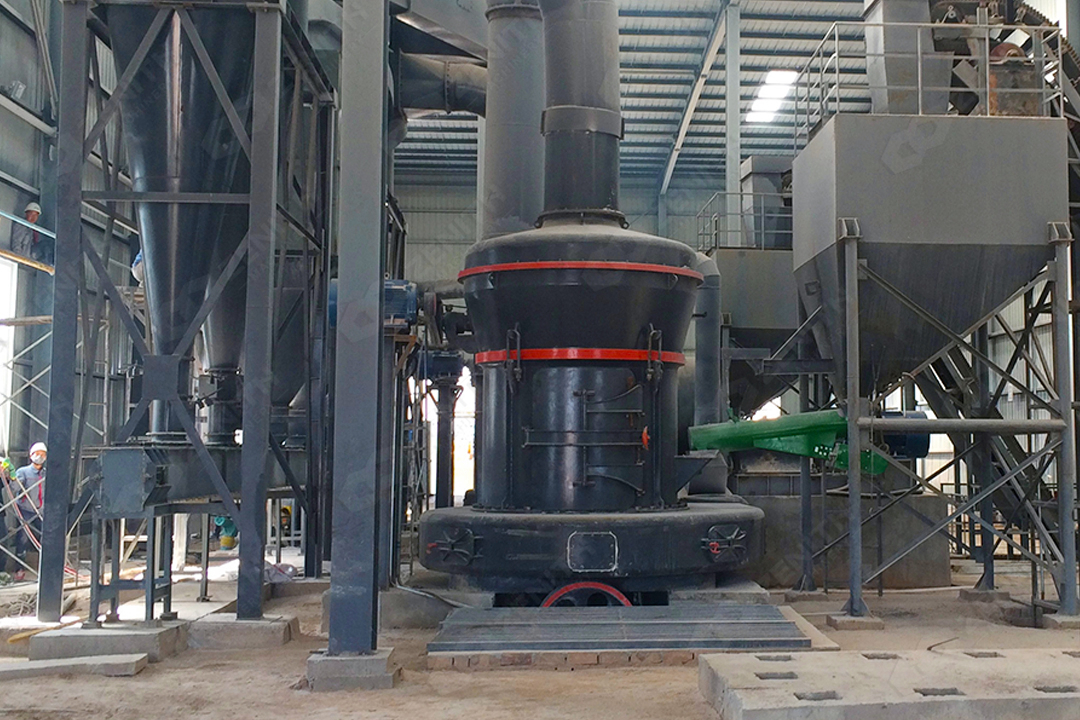
After evaluating the options, the Malawi company selected a combination of MTW and LM mills to handle both current and future production needs. The MTW mill is used for standard 80-200 mesh filler production, while the LM mill handles higher purity requirements for premium-grade PVC pipes. This hybrid approach maximizes flexibility and minimizes downtime. The grinding system operates under positive and negative pressure conditions with pulse dust collectors, meeting stringent environmental standards—a key consideration for the Malawi facility, which is located near a residential area.
_1778524107938.jpg)
Technical Support and Global Network
Zenith's extensive marketing network, covering over 180 countries and regions, ensures that the Malawi company receives ongoing technical support and spare parts availability. With overseas offices in more than 30 countries, including in Africa, Zenith provides on-site installation guidance, operator training, and maintenance services. This local support was a decisive factor for the customer, as it reduces reliance on third-party contractors and minimizes production interruptions.
Conclusion: A Smart Investment for Malawi's Industrial Growth
The decision to invest in Zenith limestone grinding mills marks a significant step for the Malawi company, positioning it to produce high-quality PVC pipe fillers at a competitive cost. By leveraging advanced grinding technology—whether the energy-efficient MTW mill, the reliable MTM mill, or the high-capacity LM mill—the company can achieve consistent product quality, reduce operational expenses, and contribute to the local economy. As the demand for PVC products continues to grow in Africa, this investment provides a solid foundation for expansion and innovation.
Frequently Asked Questions (FAQs)
1. What is the ideal fineness of limestone powder for PVC pipe fillers?
The typical fineness range for PVC pipe fillers is 80-400 mesh (approximately 180-38 microns). A finer powder (e.g., 325 mesh) improves dispersion and surface smoothness, while a coarser powder (e.g., 80 mesh) may be used for cost-sensitive applications. The flexibility of Zenith mills allows you to adjust the output fineness to match your specific requirements.
2. How much can I save on energy costs by using an MTW mill compared to a traditional ball mill?
Under ideal conditions, the MTW series trapezium mill offers energy savings of more than 60%% compared to a ball mill of the same capacity. Actual savings depend on factors like material hardness, moisture content, and operating parameters, but many customers report a significant reduction in their electricity bills.
3. Can the same mill be used to grind other materials besides limestone?
Yes. Zenith mills are designed to process a wide range of non-metallic minerals including calcite, marble, dolomite, barite, kaolin, gypsum, and talc. The MTW and MTM mills are particularly versatile, while the LUM ultrafine mill is optimized for finer powders. Always consult with Zenith engineers to ensure the mill configuration is suitable for your specific material.
4. What after-sales support does Zenith provide for customers in Malawi?
Zenith offers comprehensive after-sales support including installation supervision, commissioning, operator training, and a 12-month warranty on equipment wear parts. With our global network of offices and service centers in Africa, we can dispatch engineers for on-site troubleshooting and provide remote technical assistance via video calls.
5. How long is the delivery time for a medium-capacity MTW mill to Malawi?
Delivery times vary based on the model and order specifications, but typically range from 30 to 60 days for standard MTW mills after order confirmation. Zenith can also expedite production for urgent orders, but this may incur additional charges. We recommend placing orders with at least 2-3 months lead time for international shipping and customs clearance.
6. What are the environmental features of Zenith mills that help comply with local regulations?
All Zenith mills are equipped with pulse dust collectors and operate under negative pressure to prevent dust leakage. The sealed design minimizes noise and vibration. Our LM vertical mill, in particular, is known for its eco-friendly operation with no dust spillover, making it suitable for plants near sensitive areas. The entire system meets ISO 14001 and EU environmental standards.
7. Can I get a sample of limestone powder produced by the MTW mill before purchasing?
Yes. Zenith provides material grinding tests at our research facilities or can ship a small quantity of product from a similar installation. You can send us 5-10 kg of your raw limestone, and we will grind it to your specified fineness and return the sample along with a test report. Please contact our sales team to arrange for material testing.