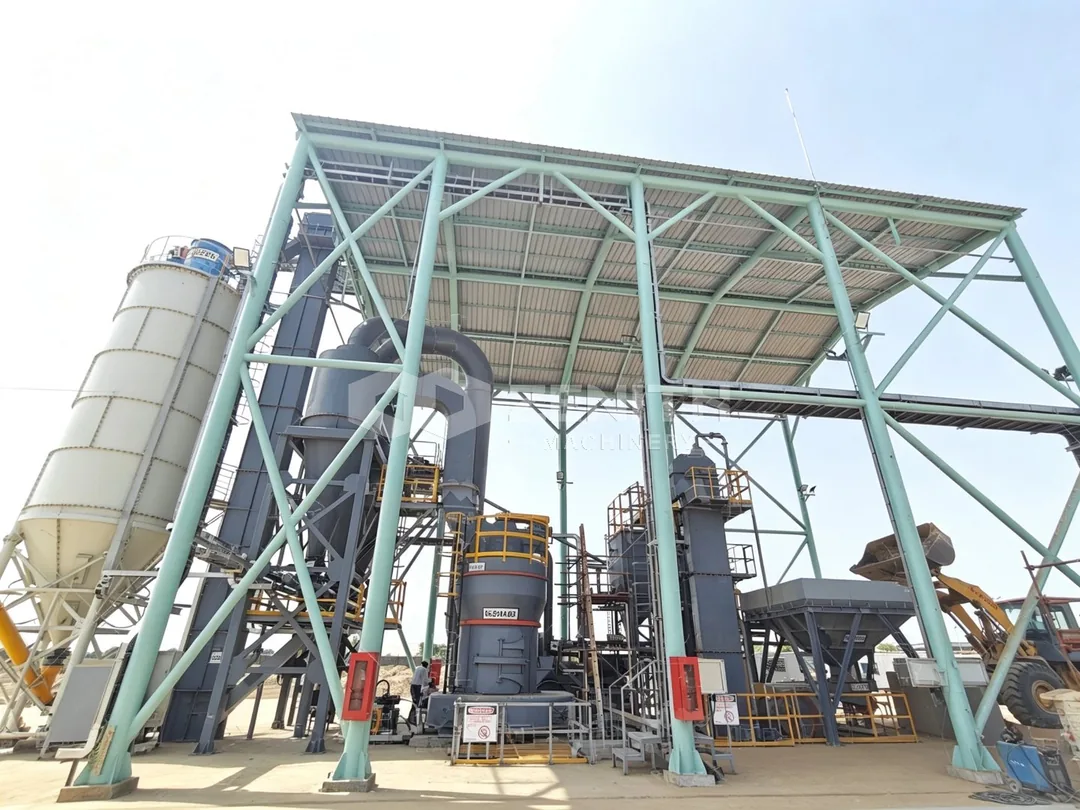
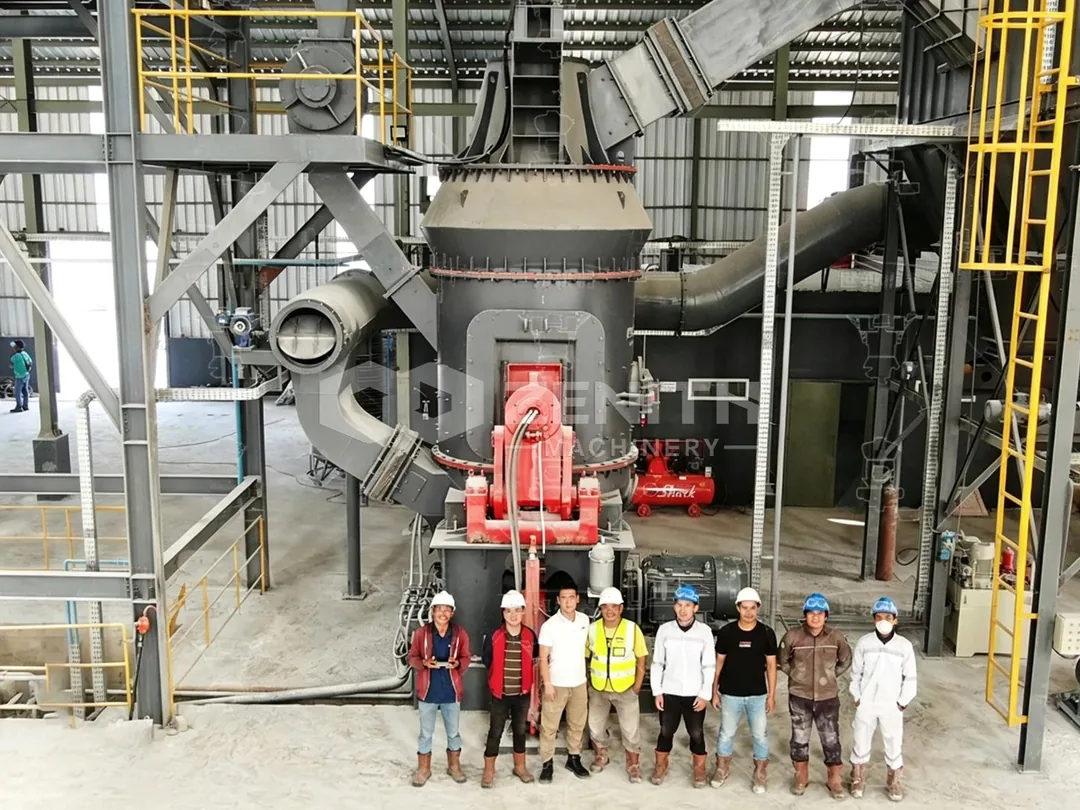
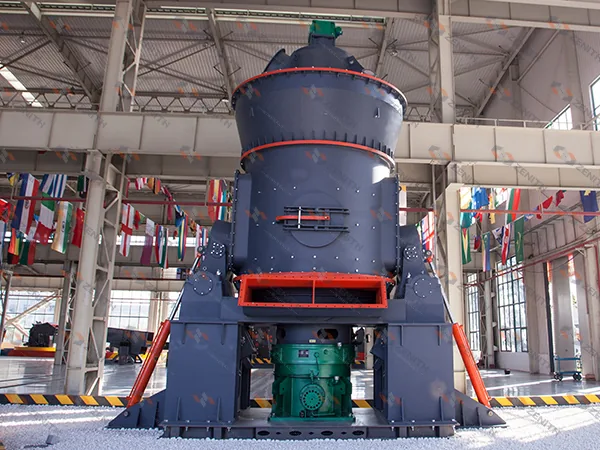
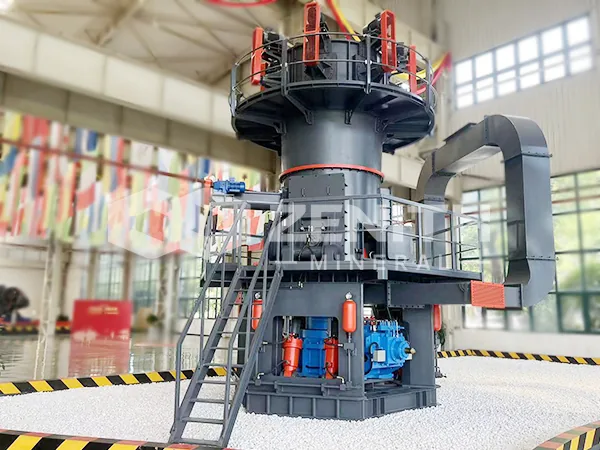
A vietnamese mining company purchased quicklime grinding equipment with a capacity of 5 tons per hour and a finished product specification of 325 mesh.
2026-05-10 02:23:54
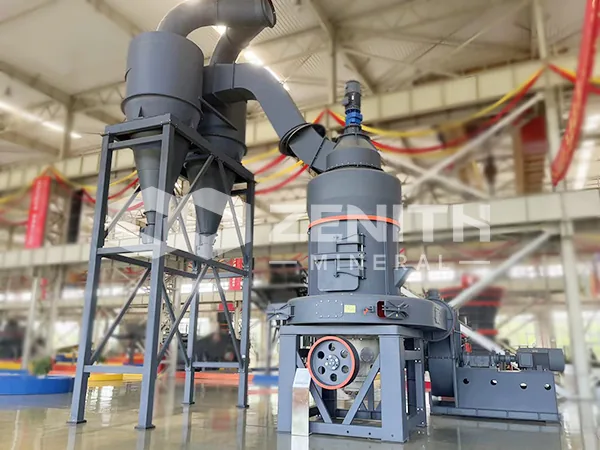
When a Vietnamese mining company recently approached us with a requirement for a quicklime grinding system—5 tons per hour capacity, finished product specification of 325 mesh—they were looking for more than just a machine. They needed a reliable, energy-efficient, and low-maintenance solution that could handle the abrasive nature of quicklime while delivering consistent fineness. After a thorough analysis of their raw material characteristics, site conditions, and production goals, we recommended a tailored configuration based on our flagship MTW European Trapezium Mill.
_1778351034854.jpg)
Why the MTW Series Stands Out for Quicklime
Quicklime (calcium oxide) is notoriously difficult to grind due to its high reactivity, tendency to absorb moisture, and abrasive dust. The MTW series trapezium mill is engineered to tackle these challenges head-on. With an output size range of 30–325 mesh and a capacity of up to 22 TPH for the largest model, it perfectly matches the client's requirement. The mill's modular impeller adjustment device allows precise fineness control, so switching from 200 mesh to 325 mesh is as simple as changing the impeller—no additional investment needed.
One of the most compelling advantages for the Vietnamese client was the energy efficiency. Compared to a traditional ball mill of the same capacity, the MTW series consumes over 60% less energy under ideal conditions. Given the rising electricity costs in Vietnam, this translates into substantial annual savings. The mill also features a high-efficiency impeller fan that boosts induced air efficiency from 62% to 85%, further reducing operational costs.
System Design and Workflow
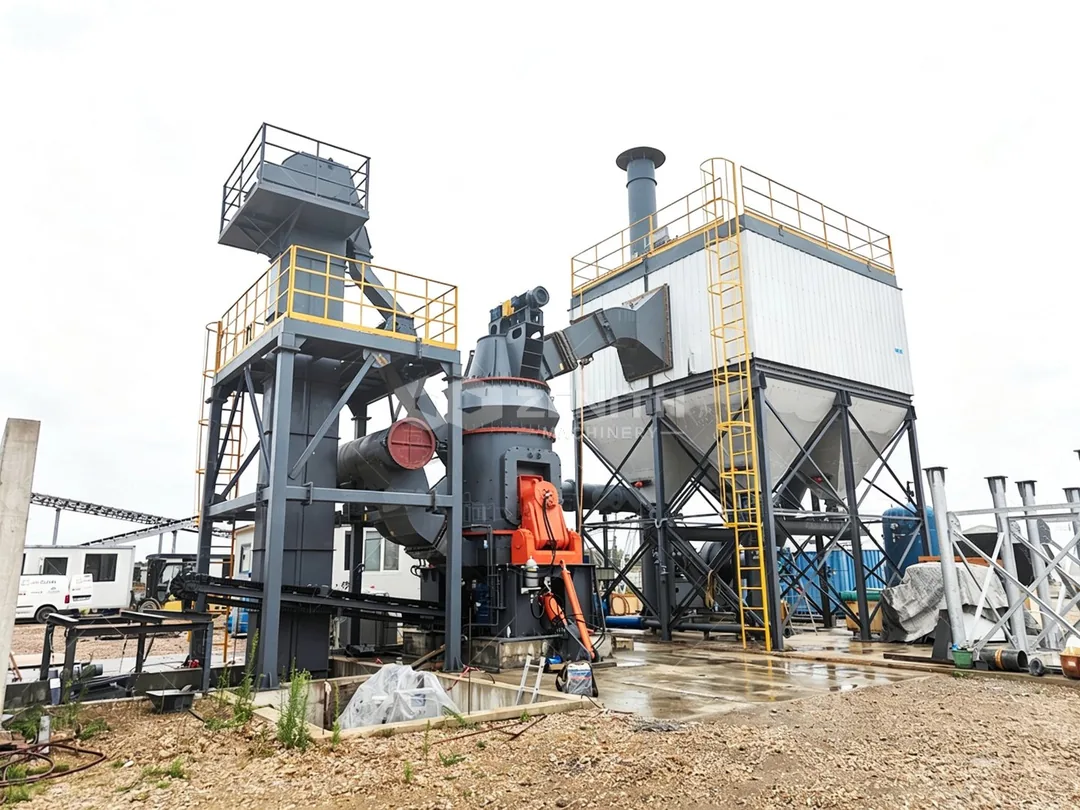
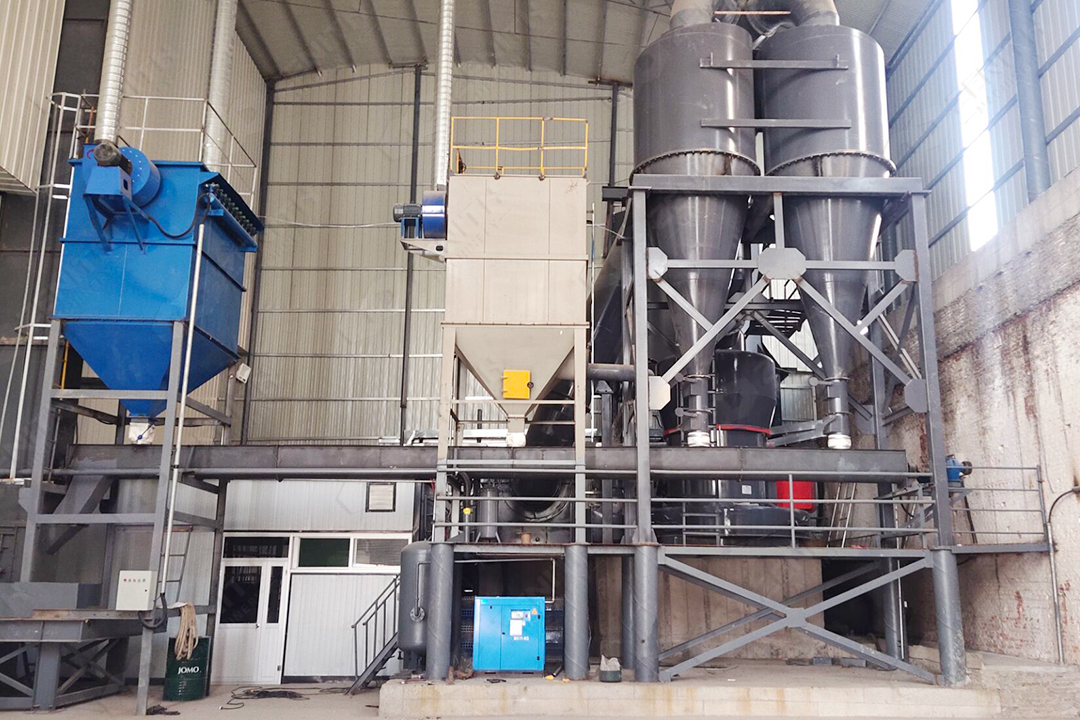
The complete grinding system includes a crusher, vibrating feeder, MTW mill, cyclone collector, pulse dust collector, and control panel. Here's how it works for quicklime:
- Lump quicklime (0–35mm) is crushed and then fed into the mill via a variable frequency belt feeder, ensuring uniform material flow.
- Inside the grinding chamber, the material is crushed between the roller and grinding ring. The fan airflow carries the fine particles upward to the powder selector.
- The selector separates particles by size: coarse powder falls back for regrinding, while 325-mesh fine powder passes through to the cyclone collector.
- The system operates under positive and negative pressure, and the pulse dust collector ensures zero dust emission—critical for quicklime handling.
Customer Feedback and Site Performance
After commissioning, the Vietnamese mining company reported that the MTW mill achieved the target 325 mesh fineness with a throughput of 5.2 TPH—slightly above the guaranteed capacity. The automatic control system allowed remote monitoring, and the low noise level (below 85 dB) was appreciated by the local workforce. The client also noted that the wear parts, such as the grinding roller and ring, showed minimal degradation after three months of continuous operation, thanks to the high-quality abrasion-resistant steel used in their construction.
It's worth mentioning that we also discussed alternatives like the LM Vertical Grinding Mill and the Raymond Mill, but for this specific application—where capacity was moderate and fineness required high uniformity—the MTW series offered the best balance of cost, efficiency, and product quality.
_1778351034861.jpg)
Comparative Analysis: MTW vs. Other Mills for Quicklime
To provide a clearer picture, here is a quick comparison of how the MTW series stacks up against other ZENITH mills for a 5 TPH, 325-mesh quicklime application:
| Parameter | MTW European Trapezium Mill | LM Vertical Grinding Mill | Raymond Mill |
|---|---|---|---|
| Capacity (TPH) | 3–22 | 3–340 | 3–22 |
| Output Fineness | 30–325 mesh | 80–400 mesh | 10–325 mesh |
| Energy Savings (vs Ball Mill) | ≥60% | 30–50% | ~30% |
| Best For | Medium capacity, fine powder | Large capacity, continuous operation | Low investment, coarse to medium fineness |
Given that the customer required consistent 325 mesh with minimal downtime, the MTW series emerged as the optimal choice. The LM mill, while excellent for large-scale operations, would have been oversized for 5 TPH, and the Raymond mill's power consumption and fineness control were less satisfactory for this specification.
Installation and After-Sales Support
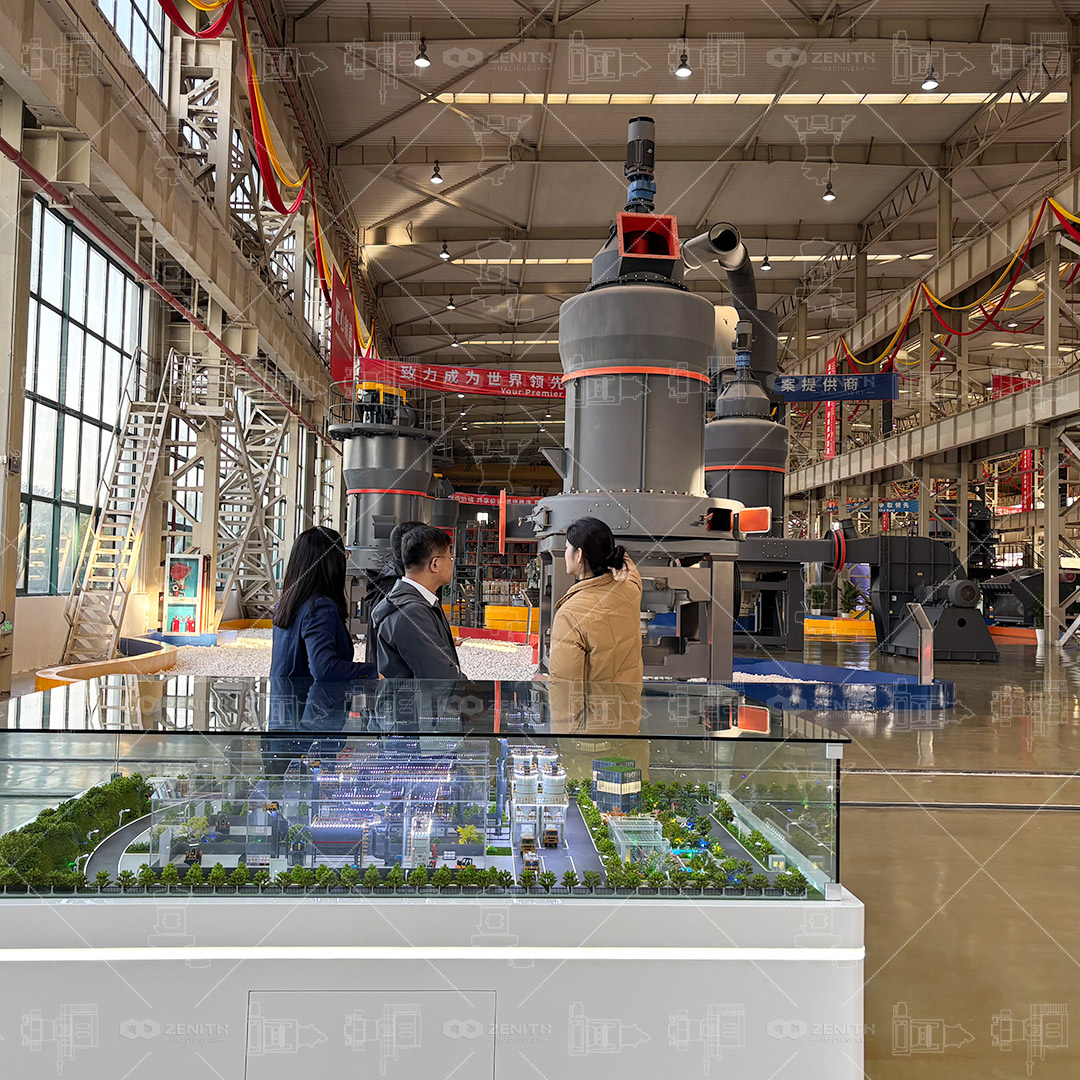
ZENITH's global service network has a dedicated team in Southeast Asia, including Vietnam. We provided on-site installation guidance, commissioning, and training for the client's operators. The mill's less occupied area design—an independent production system from bulk material to finished powder—reduced the required plant footprint by approximately 40% compared to traditional ball mill setups. All equipment is certified with ISO, CE, and CU-TR, ensuring compliance with international and local standards.
For the Vietnamese mining company, the project was a success not only in meeting production targets but also in achieving a rapid return on investment. The reduced energy consumption, lower maintenance costs, and high-quality output have made this quicklime grinding line a benchmark for similar operations in the region.
Final Recommendation
If your operation requires grinding quicklime or other abrasive minerals to 325 mesh at capacities between 3 and 22 TPH, the MTW European Trapezium Mill is a proven, cost-effective solution. For higher capacities (up to 340 TPH) or continuous 24/7 operation, consider the LM Vertical Grinding Mill. For smaller budgets and coarser products (10–325 mesh), the Raymond Mill remains a workhorse. Contact ZENITH for a customized flow sheet and quotation tailored to your specific raw material and site conditions.
Frequently Asked Questions (FAQs)
- Can the MTW mill handle quicklime with high moisture content?
Yes, the MTW mill can process materials with up to 6% moisture. For higher moisture, a hot air drying system can be integrated. - What is the typical lifespan of wear parts when grinding quicklime?
With proper operation, grinding rollers and rings typically last 6–12 months, depending on the abrasiveness of the quicklime feed. - Do you provide a complete turnkey solution including crusher and packaging?
Absolutely. ZENITH can supply everything from primary crusher to finished product silo and bagging machine. - How does the MTW mill compare to a vertical roller mill for this application?
For 5 TPH and 325 mesh, the MTW is more cost-effective than a vertical mill of similar capacity, with lower power consumption per ton. - Is the mill suitable for outdoor installation in a tropical climate?
Yes, the MTW series is designed for all-weather operation, with protective coatings and sealed components to withstand humidity and dust. - What is the lead time for delivery to Vietnam?
Standard lead time is 45–60 days from order confirmation, including manufacturing, inspection, and shipping. Expedited options are available. - Can the same mill be used to grind other minerals like limestone or gypsum?
Yes, the MTW mill is versatile and widely used for limestone, gypsum, barite, phosphate rock, and many non-metallic ores.