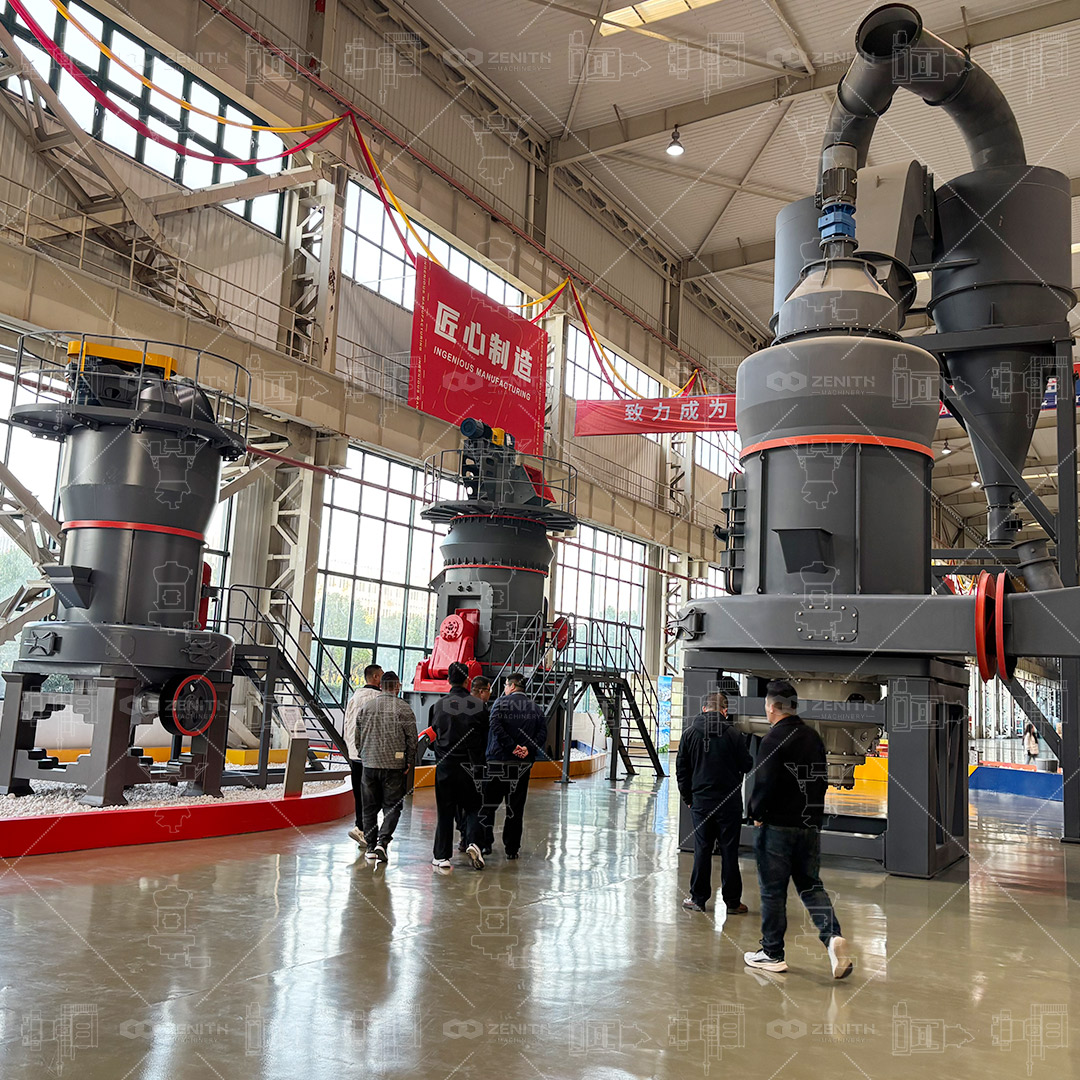
A calcium powder supplier in bangladesh is purchasing a 2t/h limestone and dolomite grinding production line.
2026-05-02 02:26:25
In the rapidly growing industrial landscape of Bangladesh, the demand for high-quality calcium powder—derived from limestone and dolomite—has surged across sectors such as construction, agriculture, paint, and water treatment. A forward-thinking calcium powder supplier in Bangladesh recently made a strategic investment by purchasing a 2t/h (tons per hour) limestone and dolomite grinding production line from Shanghai Zenith Machinery Co., Ltd., a globally recognized hi-tech engineering group. This decision underscores the supplier's commitment to efficiency, product quality, and long-term cost savings.
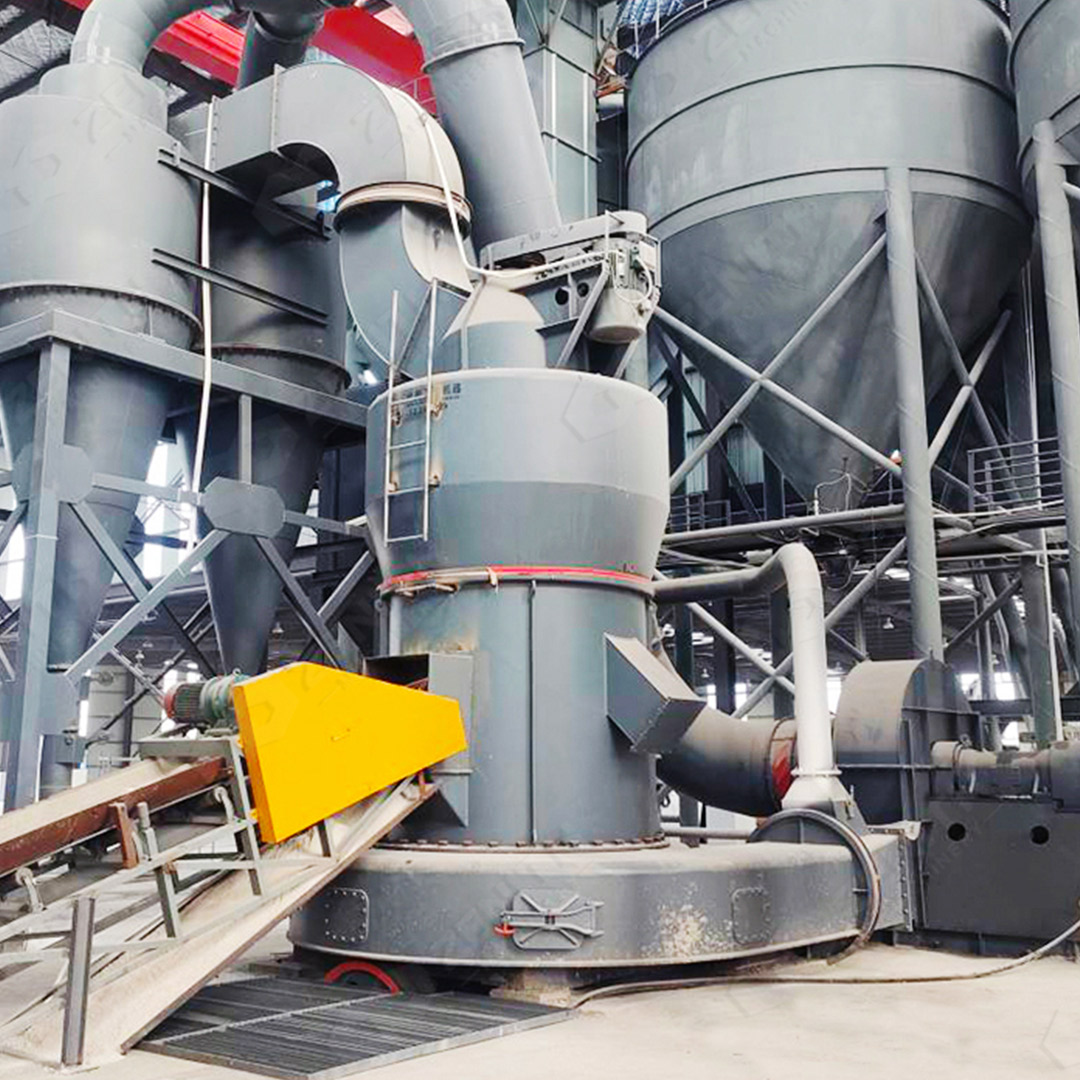
Why Choose Zenith for Grinding Solutions?
Shanghai Zenith Machinery Co., Ltd. specializes in the research, development, and production of industrial powder grinding equipment. With a product processing range covering 1–3mm coarse powder, 20–400mesh fine powder, 400–1250mesh ultrafine powder, and 1250–3250mesh micro powder, Zenith offers tailored solutions for diverse customer needs. The company holds ISO international quality system certification, European Union CE certification, and Customs Union CU-TR certification, ensuring global compliance. With a marketing network spanning over 180 countries and more than 30 overseas offices, Zenith brings proven expertise to its clients in Bangladesh.
The Client’s Requirement: 2t/h Capacity for Limestone and Dolomite
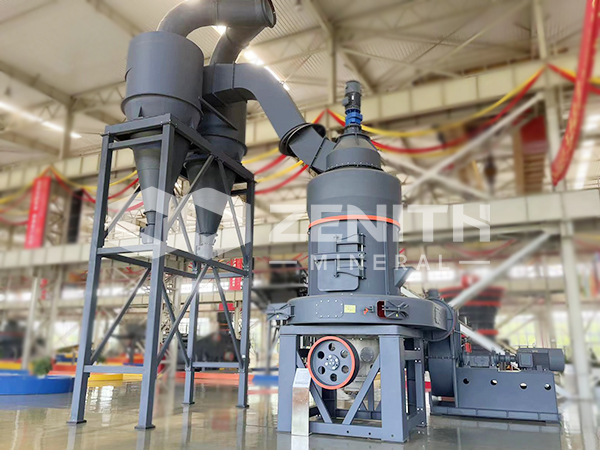
The supplier needed a reliable grinding system capable of processing limestone and dolomite—both abundant in Bangladesh—into fine powder for use in calcium carbonate products, wall putty, animal feed, and industrial fillers. The target output was 80–400mesh fine powder, with a capacity of exactly 2 tons per hour. After evaluating multiple equipment options, Zenith recommended the MTW European Trapezium Mill as the core unit, paired with auxiliary equipment for feeding, conveying, and dust collection.
The Recommended Solution: MTW European Trapezium Mill
The MTW series trapezium mill is the perfect grinding machine for 80–400mesh fine powder production. With a capacity range of 3–22 T/H, input size of 0–35mm, and output size of 30–325mesh, the MTW mill can easily handle the 2t/h requirement for limestone and dolomite. Key advantages include:
- Less Occupied Area & Less Investment: The MTW mill has its own production system from bulk material to finished powder, reducing the need for extensive plant and foundation construction.
- 60% Lower Energy Consumption than Ball Mill: Under ideal conditions, the MTW mill consumes over 60% less energy than a ball mill of the same grade, translating to significant operational savings.
- Adjustable Output Fineness: With a modular impeller adjustment device, the mill can produce different fineness levels by simply changing impellers, offering flexibility for varying customer demands.
- Higher Induced Air Efficiency: The high-efficiency impeller fan improves air induction from 62% to 85%, enhancing overall grinding performance.
- Environmental Compliance: The system operates under positive and negative pressure conditions and includes a pulse dust collector, meeting national environmental protection standards.
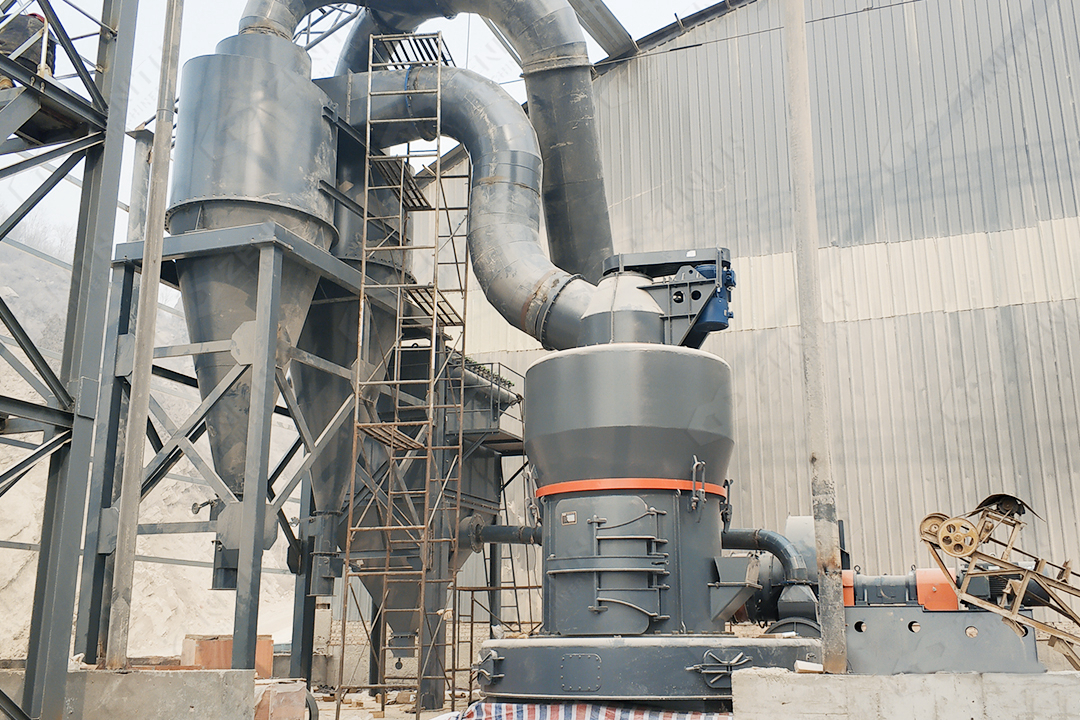
Working Principle of the MTW Mill
After crushing, qualified materials are sent to the main machine crushing chamber by a variable frequency belt feeder. The crushed materials are then directed to the powder selector via fan airflow for classification. Qualified fine powder is separated into finished products in the cyclone powder collector, while coarse powder falls back for re-grinding. This closed-loop system ensures consistent product quality and minimal waste.
Why Not Other Zenith Mills for This Project?
While Zenith offers a range of grinding mills, the MTW European Trapezium Mill was selected for its balance of capacity, energy efficiency, and fineness control. For comparison:
- MTM European Trapezium Mill: Similar to MTW but with slightly older technology; the MTW offers better energy savings and higher induction efficiency.
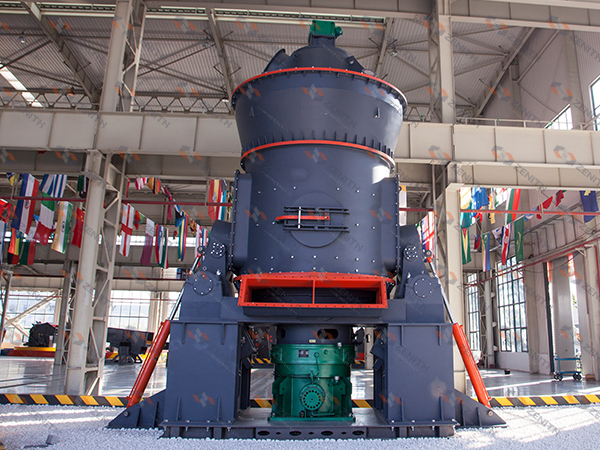
- LM Vertical Grinding Mill: Best for large-scale operations (3–340 T/H) with continuous 24-hour operation, but overkill for a 2t/h line.
- Raymond Mill: Cost-effective for 10–325mesh output but lacks the energy efficiency and adjustable fineness of the MTW.
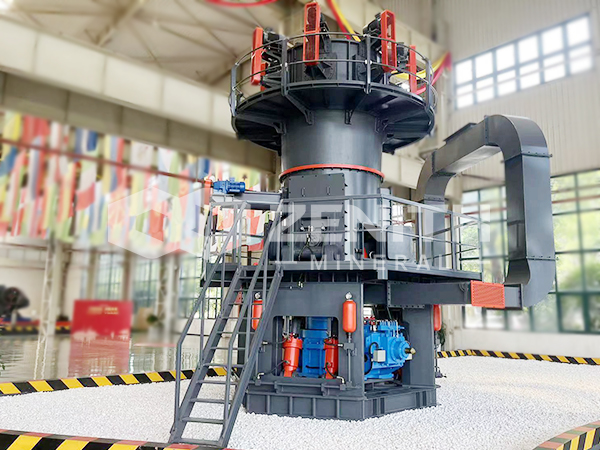
- LUM Ultrafine Vertical Grinding Mill: Ideal for ultrafine powder (325–2500mesh), which exceeds the 80–400mesh requirement.
- XZM Ultrafine Grinding Mill: Great for 325–3250mesh output, but higher initial investment than needed.
- Hammer Mill: Produces 0–3mm coarse powder, not suitable for fine powder targets.
_1777659985492.jpg)
Implementation and Benefits for the Bangladesh Supplier
The 2t/h production line was installed with minimal civil engineering work, thanks to the MTW mill's compact design. The supplier now enjoys:
- Stable Output: Consistent production of 2 tons per hour with fineness adjustable from 80 to 325mesh.
- Reduced Electricity Costs: Energy savings of over 60% compared to ball mills, lowering the cost per ton of finished powder.
- Easy Operation: The variable frequency belt feeder and intelligent control system allow for simple adjustment of feed rate and fineness.
- Low Maintenance: The modular design and durable components minimize downtime and replacement costs.
- Eco-Friendly Operation: The dust collector ensures a clean working environment, aligning with Bangladesh's environmental regulations.
Global Expertise, Local Support
Zenith's marketing network covers more than 180 countries, including Bangladesh. The company's regional office provided on-site commissioning, operator training, and after-sales support, ensuring the production line runs smoothly. This partnership demonstrates how Zenith's grinding technology empowers local businesses to achieve higher profitability and product quality.
_1777659985494.jpg)
Future Prospects
With the success of this 2t/h line, the supplier plans to expand production capacity in the future, potentially adding a larger MTW or LM Vertical Mill for increased output. Zenith's extensive product range—from coarse powder hammer mills to micro powder LUM ultrafine mills—provides a scalable path for growth.
Frequently Asked Questions (FAQ)
1. What is the total power consumption of the 2t/h MTW mill for limestone grinding?
The MTW mill consumes approximately 60% less energy than a ball mill. For a 2t/h limestone grinding operation, the actual power consumption depends on feed moisture and target fineness, but typically ranges from 75–100 kW for the main motor.
2. Can the same production line grind both limestone and dolomite?
Yes, the MTW mill can process both limestone and dolomite. Both materials have similar hardness (Mohs 3–4) and abrasiveness. However, switching materials may require recalibration of the impeller and feed rate to achieve optimal fineness.
3. What is the maximum moisture content allowed in the feed material?
The MTW mill can handle materials with moisture content up to 5–6% without external drying equipment. For higher moisture, a hot air system can be integrated to prevent clogging.
4. How often do the wearing parts (rollers and rings) need replacement?
The service life of wearing parts depends on the abrasiveness of the feed. For limestone and dolomite, grinding rollers and rings typically last 800–1500 hours of operation. Zenith recommends regular inspection and offers spare parts through its Bangladesh support network.
5. Does Zenith provide financing options for small businesses in Bangladesh?
Zenith works with local banks and financial institutions to offer customized payment plans for clients in Bangladesh. Please contact the regional office for specific terms based on the order value.
6. What safety features are included in the MTW mill system?
The system includes emergency stop buttons, overload protection, temperature sensors on the main motor, and a pulse dust collector to prevent dust explosions. The negative pressure operation minimizes dust leakage.
7. Can the output fineness be adjusted while the mill is running?
Yes, the MTW mill's modular impeller adjustment device allows fineness changes by replacing impellers. However, for minor adjustments, the classifier speed can be adjusted via a variable frequency drive without stopping the mill.