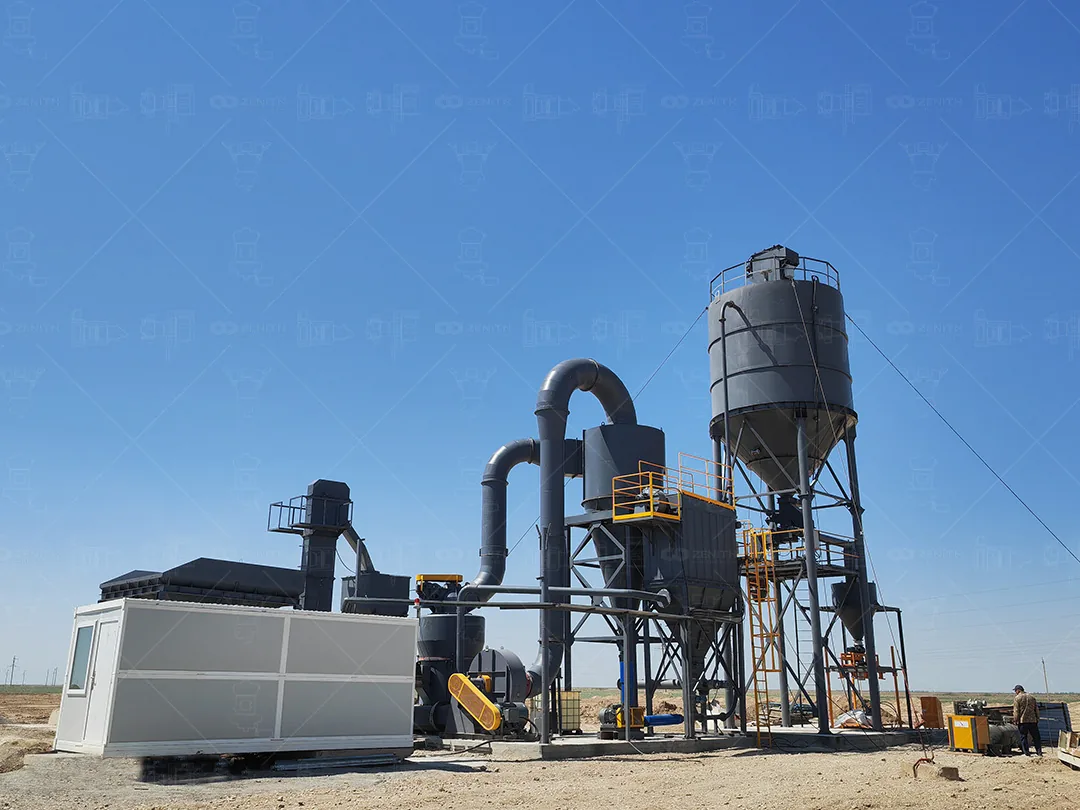
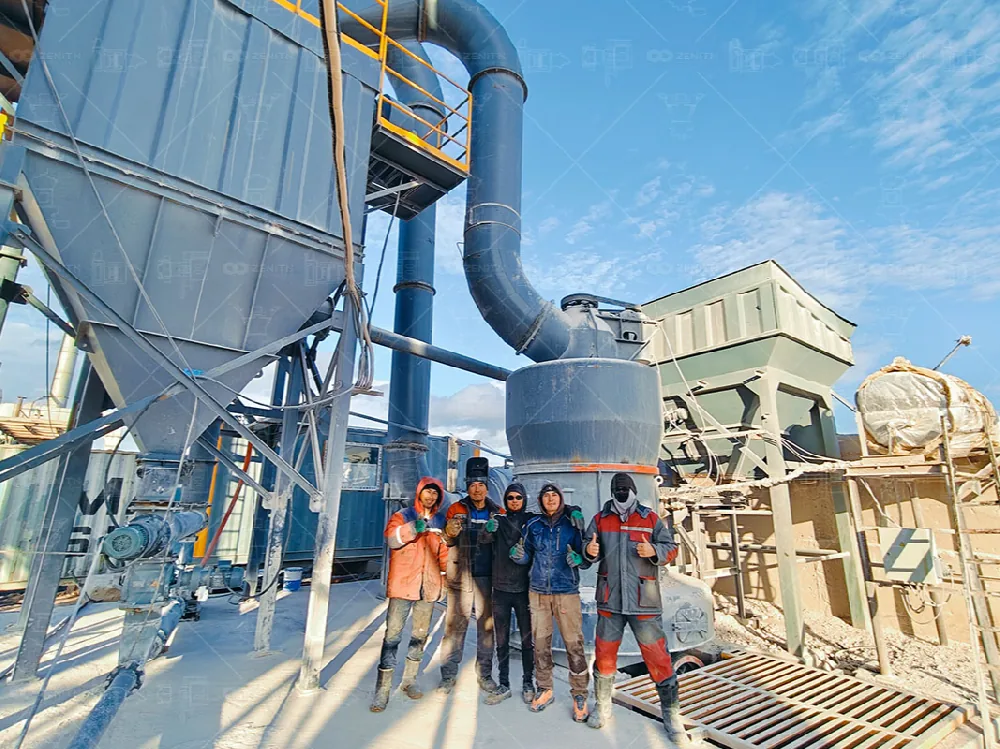
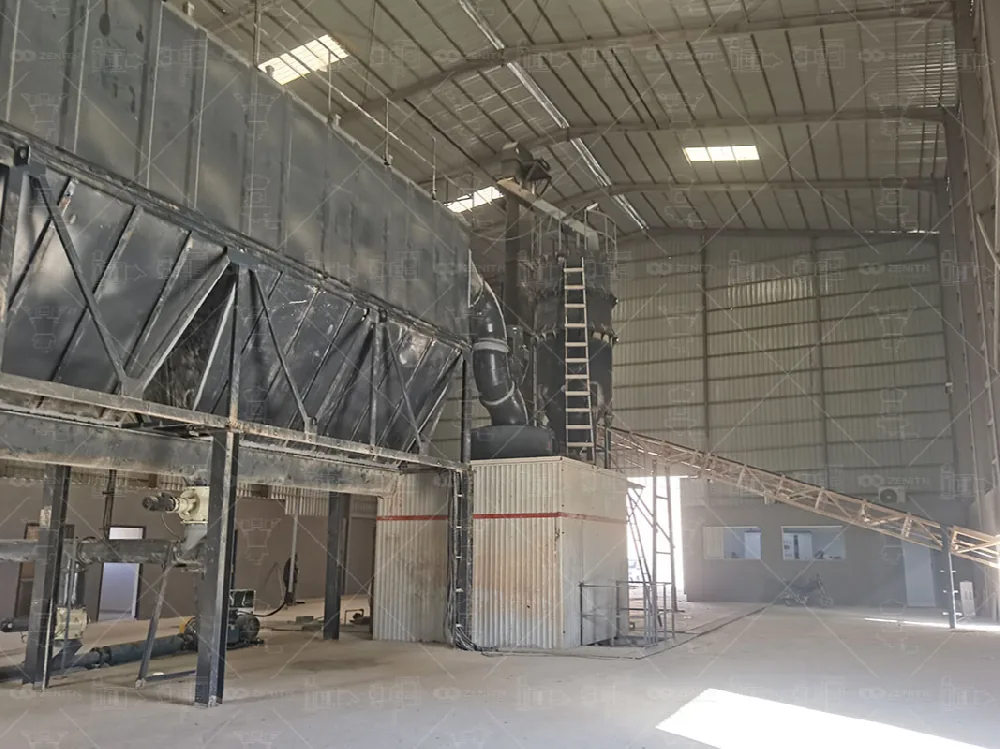
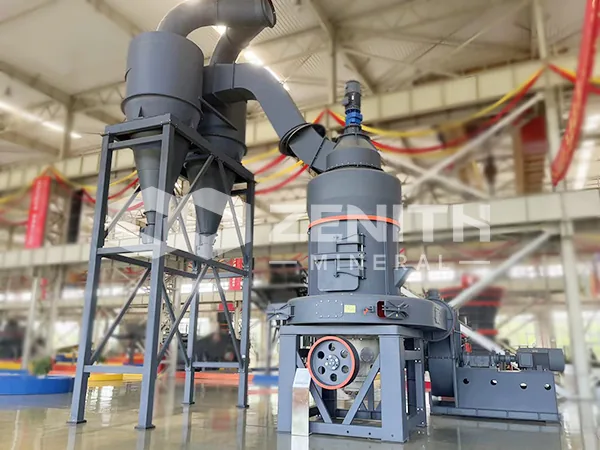
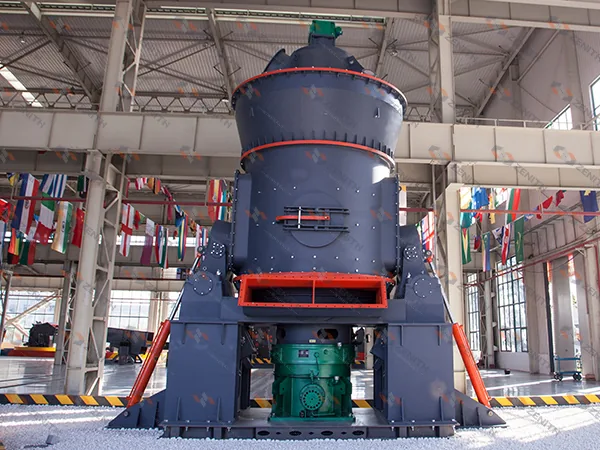
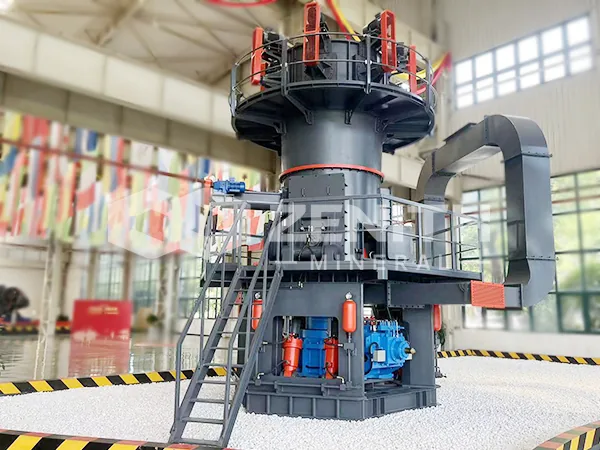
A quarry in malawi purchased granite crushing and grinding equipment, with the finished products to be used in the road and bridge construction industry.
2026-05-03 02:26:15
Granite Processing for Infrastructure: A Case Study from Malawi
In the heart of southeastern Africa, Malawi is undergoing a significant infrastructure transformation. Road networks are expanding, bridges are being reinforced, and new transport corridors are opening up to connect rural communities with urban centers. At the core of these developments lies a critical material: high-quality granite aggregate and powder. A prominent quarry operator in Malawi recently partnered with Shanghai Zenith Machinery Co., Ltd. to acquire a comprehensive granite crushing and grinding solution. The finished products—ranging from coarse aggregates to fine mineral powders—are destined for use in road base layers, asphalt concrete, and bridge construction grouting materials.
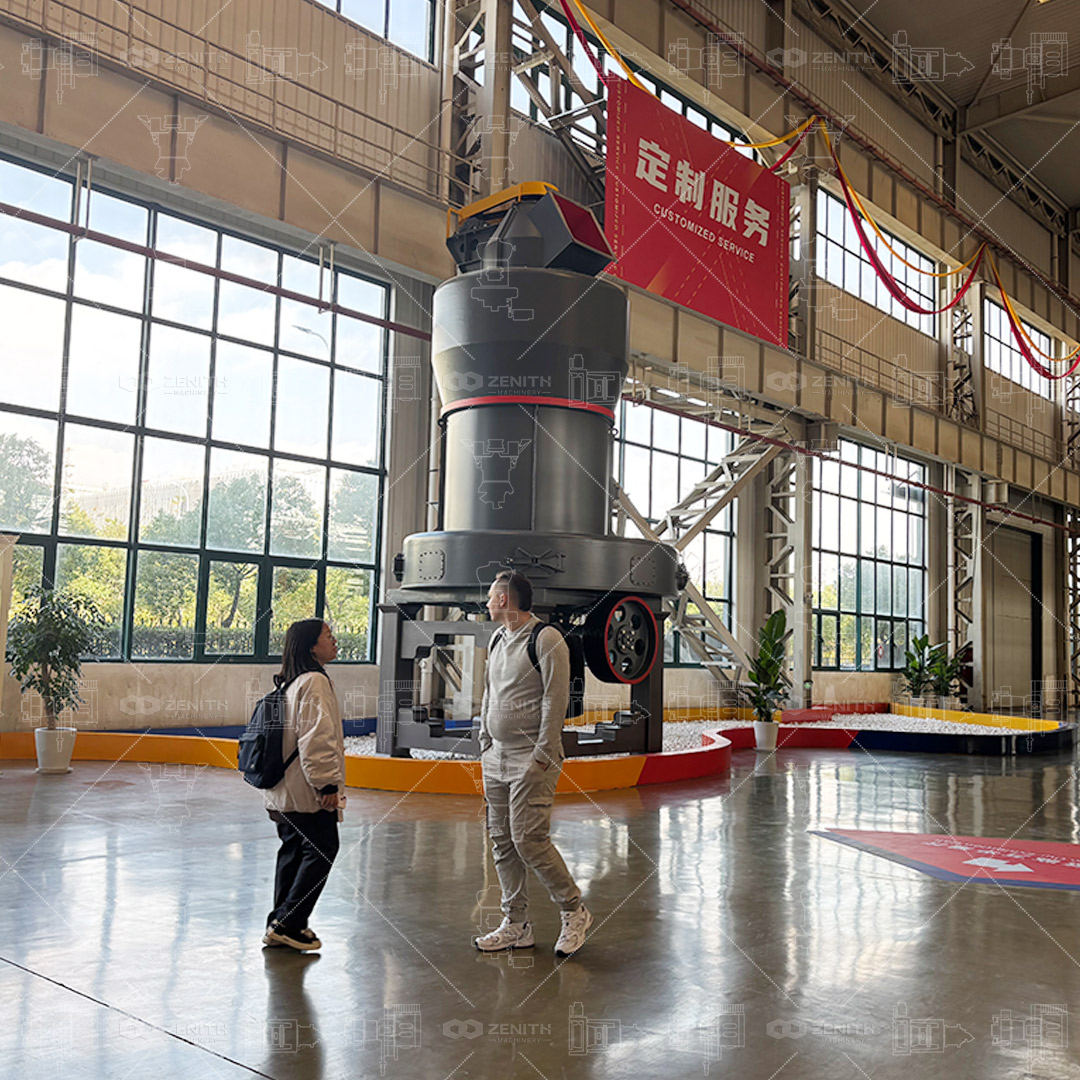
The decision to invest in advanced processing machinery was driven by two factors: the need for consistent product quality and the desire to maximize operational efficiency. Granite, being one of the hardest igneous rocks, requires robust equipment capable of withstanding severe wear while maintaining high throughput. The Malawian quarry selected a combination of primary jaw crushers, cone crushers, and a high-capacity grinding mill from Zenith's product line, specifically the MTW European Trapezium Mill for fine powder production and the LM Vertical Grinding Mill for larger capacity requirements.
Equipment Configuration and Technical Rationale
For the primary crushing stage, a heavy-duty jaw crusher reduces blasted granite boulders to a manageable size of 0-35mm. The crushed material is then fed into the grinding circuit. The quarry chose the MTW European Trapezium Mill as the core grinding unit, capable of producing 80-400 mesh fine powder with a capacity of 3-22 TPH. The MTW mill was selected because of its ability to deliver a 60% reduction in energy consumption compared to traditional ball mills—a crucial advantage in a region where electricity costs are a significant operational factor. The mill's modular impeller adjustment device allows the operator to change the output fineness simply by swapping impellers, enabling the same equipment to produce both road base filler (coarse powder) and high-grade asphalt filler (fine powder) without mechanical reconfiguration.
For applications requiring higher throughput—such as producing large volumes of fine powder for cement-treated base courses—the quarry also deployed a LM Vertical Grinding Mill. With a capacity range of 3-340 TPH and the ability to run continuously for 24 hours, the LM mill provides the redundancy needed for large-scale infrastructure projects. Its automatic control system ensures stable product quality, and the negative-pressure operation keeps the working environment dust-free, which is essential for compliance with local environmental regulations.
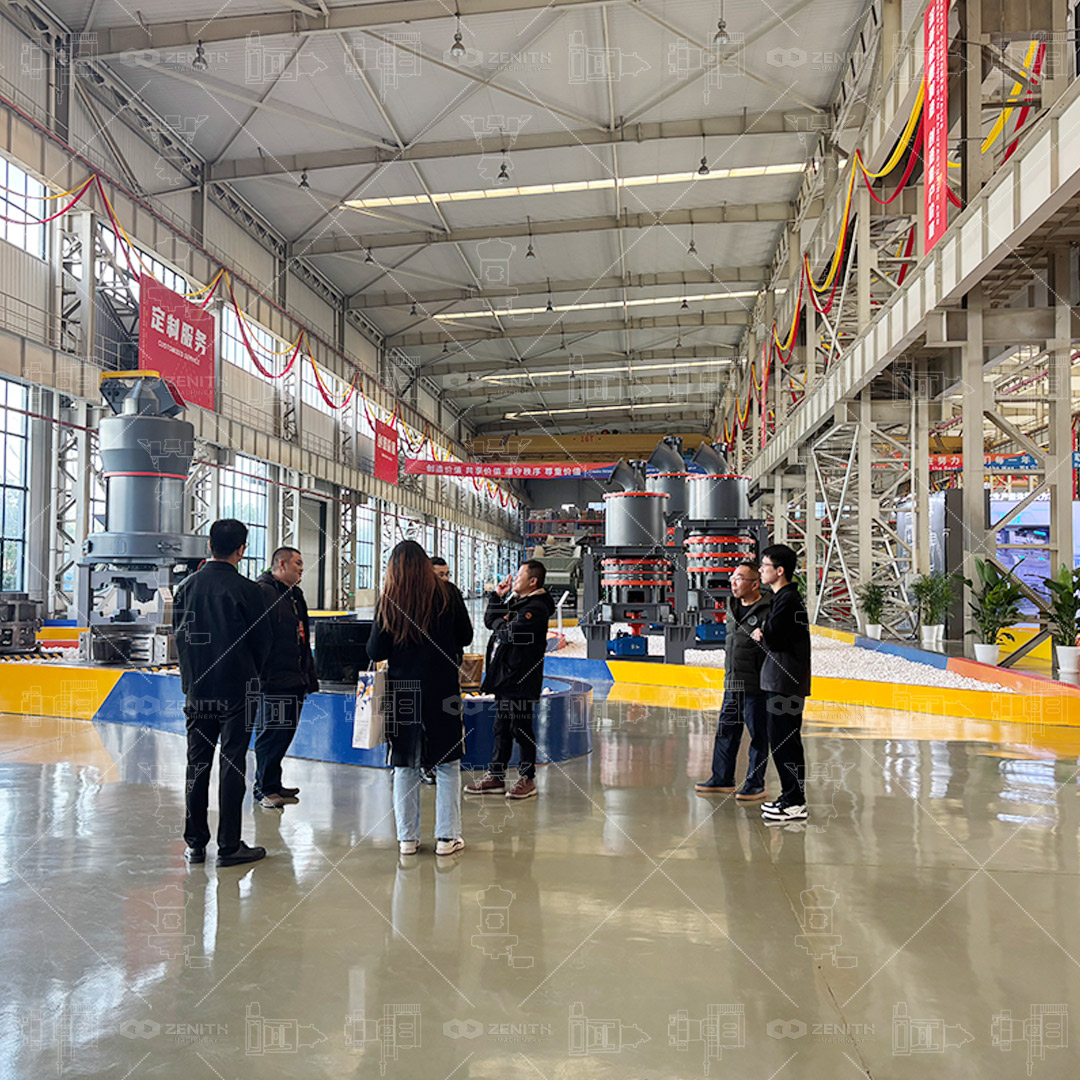
The integration of these mills into the existing crushing circuit was seamless. Both the MTW and LM series feature a compact, integrated design that occupies about 50% less floor space than a traditional ball mill system. This significantly reduced the quarry's civil engineering costs for foundations and plant buildings—a point highlighted by the quarry's operations manager during commissioning.
Operational Benefits and Product Quality
Since the installation, the quarry has reported consistent production of granite powder meeting the specifications for road construction. The finished product fineness ranges from 30 mesh for sub-base stabilization to 325 mesh for asphalt mix fillers. The MTW mill's high-efficiency impeller fan, which improves air induction efficiency from 62% to 85%, ensures that the classifier operates with minimal energy waste. Additionally, the pulse dust collector integrated into the system captures over 99% of fine particles, meeting strict environmental standards while also recovering valuable product.
For the bridge construction component, the quarry produces ultra-fine granite powder using the XZM Ultrafine Grinding Mill. This mill can achieve a fineness of D97 < 5 microns in a single pass, with an arbitrary adjustment range from 325 to 2500 mesh. The ultra-fine powder is used in high-performance concrete grouts and epoxy-based repair mortars, where particle size distribution directly affects workability and compressive strength. The XZM mill's VFD-controlled classifier allows the operator to set the exact particle size on the control panel, eliminating guesswork and rework.
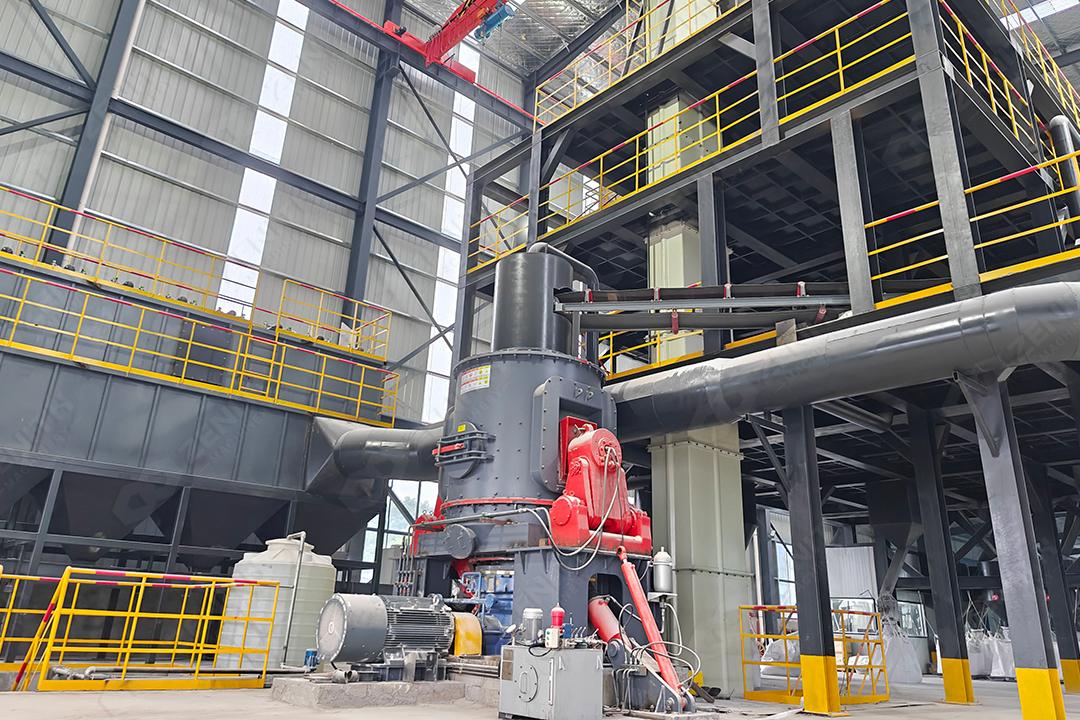
One of the most significant advantages realized by the Malawian operation is the low cost of maintenance. The LM vertical mill features a reversible grinding roller design with a hydraulic adjustment system, allowing worn roller sleeves and liners to be replaced quickly without dismantling the entire mill. Similarly, the MTW mill's grinding ring and roller are made of high-quality abrasion-resistant material, extending service intervals by more than 30% compared to standard equipment.
Future Expansion and Conclusion
Given the success of the initial installation, the quarry is already planning a second phase expansion, which will include a LUM Ultrafine Vertical Grinding Mill for producing 1250-2500 mesh micro powder. This ultra-fine product will cater to the growing demand for decorative concrete and polymer-modified asphalt in Malawi's urban road projects. The factory's decision to standardize on Zenith equipment was influenced not only by the machine's performance but also by the company's global support network. As a hi-tech engineering group, Shanghai Zenith has offices in over 30 countries and has provided on-site training and remote monitoring support throughout the commissioning process.
In the rapidly developing infrastructure landscape of Malawi, this quarry has positioned itself as a reliable supplier of high-quality granite processing solutions. The combination of robust crushing equipment, energy-efficient grinding mills, and comprehensive after-sales support ensures that the finished products meet the demanding specifications of road and bridge construction. For any quarry operator in Africa or beyond, the lessons from this installation are clear: investing in advanced, energy-efficient grinding technology pays dividends in product quality, operational cost, and environmental compliance.
Frequently Asked Questions (FAQs)
- Q: What is the recommended grinding mill for producing granite powder for road base construction?
A: For road base applications requiring 30-80 mesh coarse powder with high throughput, we recommend the MTW European Trapezium Mill (capacity 3-22 TPH) or the LM Vertical Grinding Mill (capacity up to 340 TPH). Both offer stable performance and low energy consumption compared to ball mills. - Q: Can the same equipment handle both fine and coarse powder production?
A: Yes. The MTW and MTM series trapezium mills feature a modular impeller adjustment device that allows you to change output fineness (from 80 mesh to 400 mesh) simply by replacing the impeller. This eliminates the need for separate machines for different product grades. - Q: How does Zenith's equipment ensure environmental compliance in quarry operations?
A: All our mills—including LM, LUM, and XZM series—operate under negative pressure with sealed systems, preventing dust spillover. They are equipped with pulse dust collectors that capture more than 99% of fine particles, meeting international environmental standards such as ISO and CE certifications. - Q: What is the power consumption difference between Zenith's trapezium mill and a traditional ball mill?
A: Under ideal working conditions, the MTW and MTM series trapezium mills consume more than 60% less energy than a ball mill of the same grade. This can result in significant operational cost savings, especially in regions with high electricity tariffs. - Q: How long does it take to replace worn parts on the LM vertical grinding mill?
A: The LM series features a hydraulic adjustment system and a reversible structure, allowing worn roller sleeves and liners to be flipped or replaced outside the machine within a few hours. Routine maintenance intervals are typically 12-18 months, depending on material abrasiveness. - Q: Can the XZM ultrafine mill produce particles finer than 5 microns for bridge grouting applications?
A: Absolutely. The XZM Ultrafine Grinding Mill can achieve D97 < 5 microns in a single pass, with adjustable fineness from 325 mesh to 3250 mesh (approximately 4-5 microns). It is ideal for producing high-purity fillers for epoxy mortars and polymer-modified asphalt. - Q: Does Shanghai Zenith provide after-sales support and spare parts in Malawi?
A: Yes. Zenith has a dedicated global service network covering more than 180 countries and regions, with overseas offices in over 30 countries. We provide on-site training, remote monitoring, and a comprehensive stock of spare parts to minimize downtime.