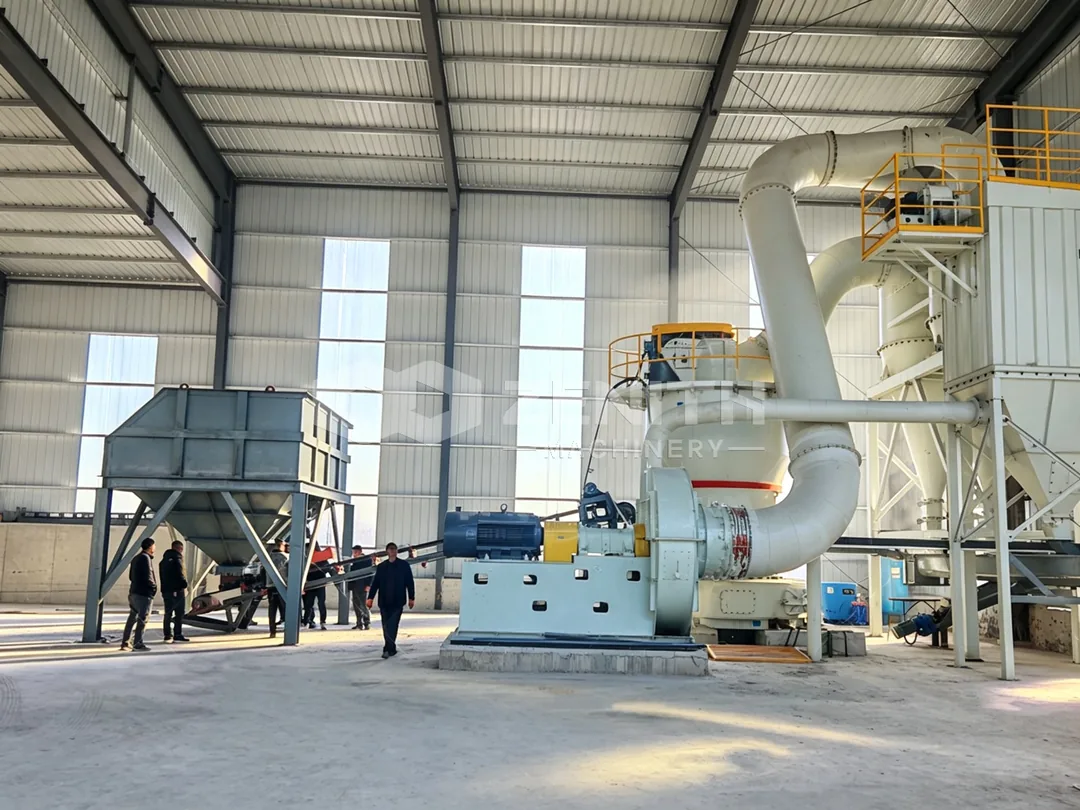
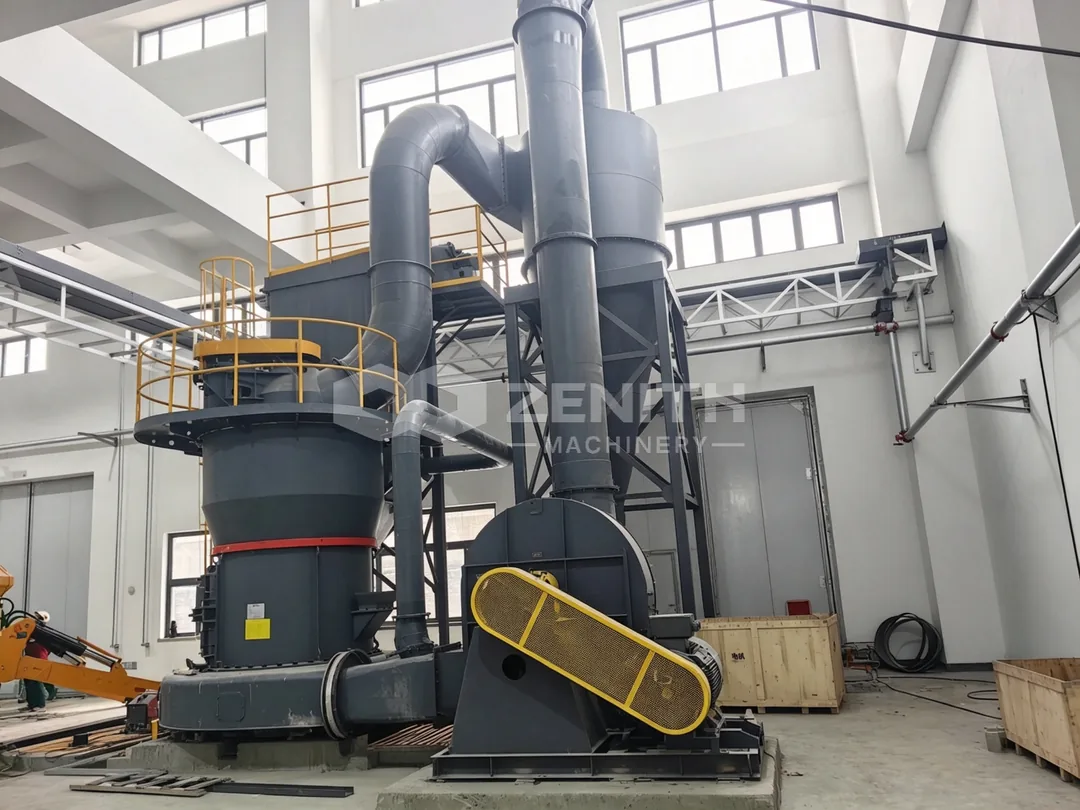
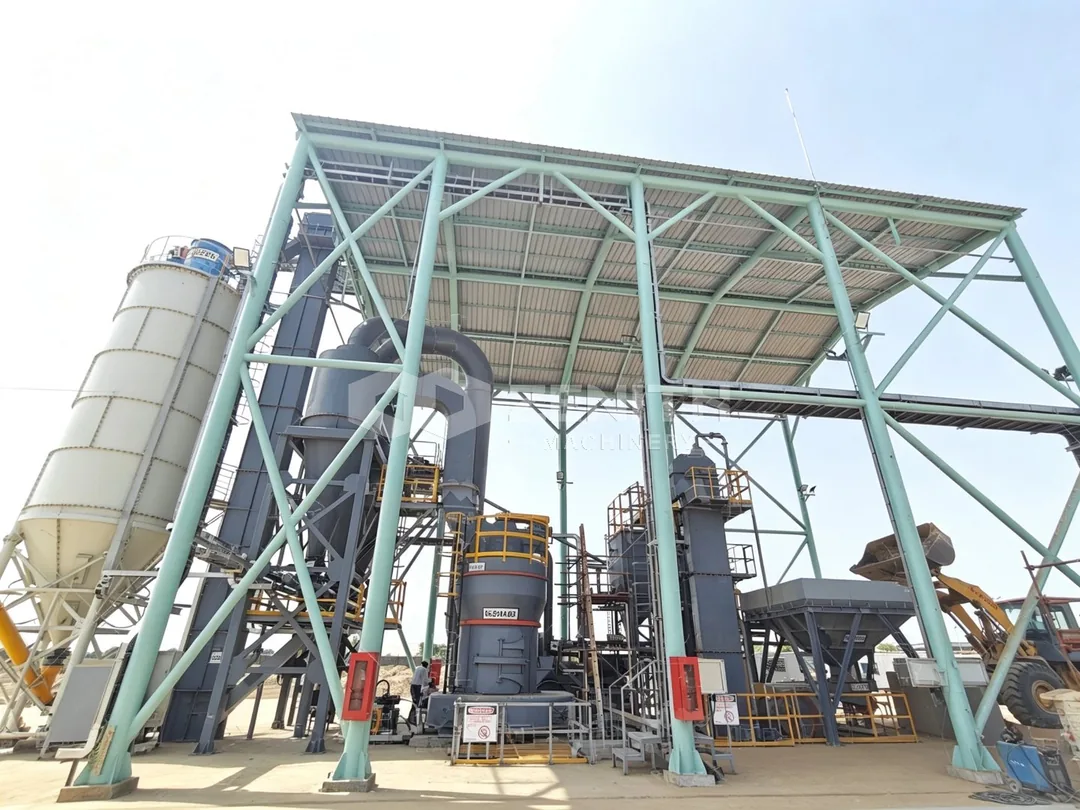
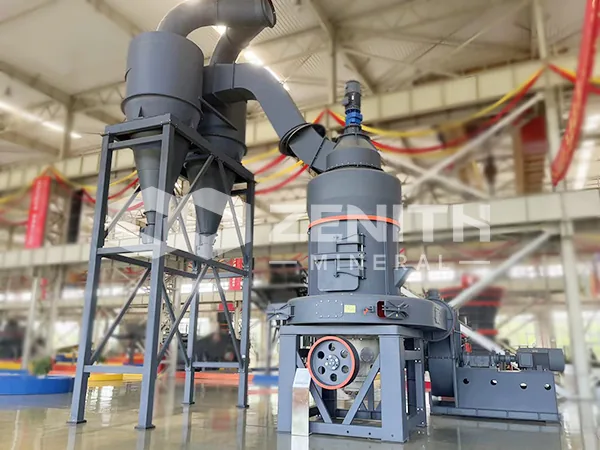
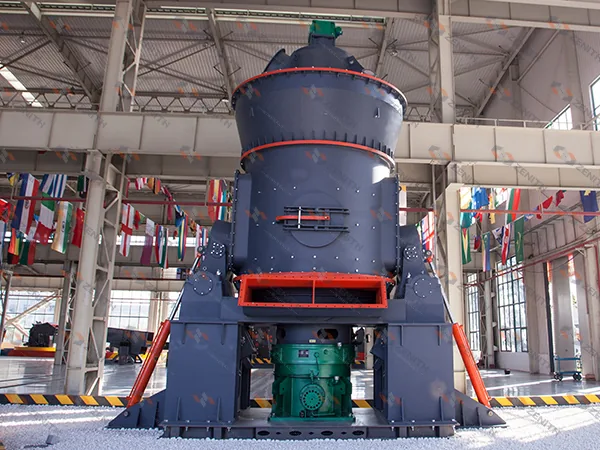
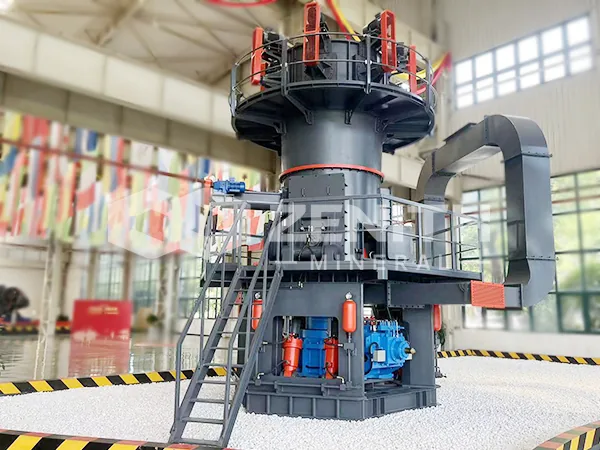
A vietnamese company purchased a calcium carbonate (caco₃) grinding mill with a capacity of 2 tons per hour and a finished product fineness of 10 microns for use in the coatings industry.
2026-04-11 02:26:21
In the competitive landscape of the Southeast Asian coatings industry, product quality and production efficiency are paramount. A forward-thinking Vietnamese company recently made a strategic investment to enhance its production capabilities by acquiring a high-performance calcium carbonate (CaCO₃) grinding mill. The specifications were clear and demanding: a reliable system capable of delivering 2 tons per hour of finely ground calcium carbonate, with a consistent finished product fineness of 10 microns, tailored specifically for high-quality paint and coating formulations.
This decision underscores a critical trend in modern manufacturing: moving beyond basic grinding to precision engineering. Calcium carbonate is a fundamental filler and extender in coatings, influencing properties like opacity, gloss control, viscosity, and durability. Achieving a uniform 10-micron (approximately 1250 mesh) fineness is not merely about particle size; it's about ensuring smooth application, excellent dispersion, and enhanced film integrity. For this Vietnamese firm, selecting the right equipment partner was as crucial as the specification itself.
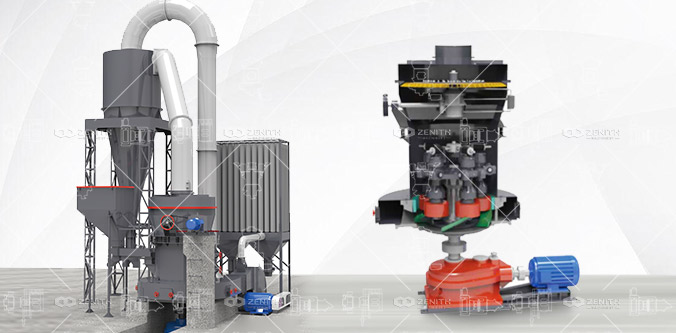
After a thorough evaluation of global suppliers, the company partnered with Shanghai Zenith Machinery, leveraging their extensive expertise in industrial powder processing. Zenith's technological portfolio offered several pathways to meet the 2 TPH @ 10-micron target. While traditional ball mills were considered, their higher energy consumption and larger footprint presented operational challenges. The focus shifted to more advanced, energy-efficient solutions like the LUM Ultrafine Vertical Grinding Mill and the XZM Ultrafine Grinding Mill, both engineered explicitly for the medium and high-end mineral processing required by the plastics, paint, and coatings sectors.
The chosen solution needed to excel in several key areas. First, precision and consistency were non-negotiable. The mill's classification system had to reliably separate particles at the 10-micron threshold, ensuring a narrow particle size distribution. Second, energy efficiency directly impacts long-term operational costs. Zenith's designs, which boast over 60% lower energy consumption compared to traditional ball mills, offered a compelling economic advantage. Third, the system had to be environmentally compliant, operating under negative pressure with integrated dust collection to maintain a clean plant environment—a critical factor for any coatings manufacturer.
_1775845581912.jpg)
The installation represents more than just new machinery; it's an integration of a complete powder processing system. From the initial feeding of crushed calcium carbonate to the final collection of bagged powder, the system is designed for seamless operation. The working principle—involving centrifugal grinding, precise air classification, and cyclone collection—ensures a closed-loop process that maximizes yield and minimizes waste. For the Vietnamese team, the high degree of automation and intelligent control means easier operation, stable product quality, and reduced labor costs.
This investment is poised to deliver significant returns. By producing its own high-quality, precisely ground calcium carbonate, the company gains greater control over its supply chain and raw material specifications. It can now tailor the filler properties to specific coating products, enhancing their performance in the market. Furthermore, the mill's ability to adjust fineness offers future flexibility to develop new products requiring different mineral powder specifications.
_1775845581913.jpg)
The success of this project in Vietnam highlights a global shift towards specialized, efficient grinding technology. It demonstrates how regional manufacturers are adopting world-class engineering to compete at an international level, ensuring their coatings meet the exacting standards for durability, finish, and application performance demanded by today's consumers and industries.
Frequently Asked Questions (FAQs)
- Why is achieving a precise 10-micron fineness so important for calcium carbonate in coatings?
A consistent 10-micron (approx. 1250 mesh) fineness ensures optimal dispersion within the coating binder, leading to smoother film formation, better gloss control, improved opacity, and enhanced mechanical properties. Irregular or coarser particles can cause surface roughness and reduce product quality. - What are the primary advantages of a vertical roller mill over a traditional ball mill for this application?
Vertical roller mills like the LUM or LM series offer significantly higher energy efficiency (up to 60% lower consumption), a smaller footprint, better control over particle size distribution, and a fully sealed, dust-free operation that is more environmentally friendly. - Can this grinding mill system handle materials other than calcium carbonate?
Yes. While optimized for CaCO₃, such mills are versatile and can process a range of non-metallic minerals like calcite, dolomite, barite, and talc to similar fineness levels, making them a valuable asset for diversifying production. - How is the 10-micron fineness precisely controlled and maintained during operation?
The fineness is primarily controlled by an advanced internal classifier (often with a Variable Frequency Drive). By adjusting the classifier's rotational speed via the control panel, the cut-point for particle separation is precisely managed to consistently output the 10-micron product. - What kind of after-sales support and service network is available for such equipment in Southeast Asia?
Reputable suppliers like Zenith maintain overseas offices and a extensive service network across over 180 countries, including Southeast Asia. This typically includes local technical support, availability of wear parts, and remote diagnostic assistance to ensure minimal downtime. - Is the grinding process dry, and how is dust pollution managed?
The process is a dry grinding method. The system operates under negative pressure and is equipped with high-efficiency pulse jet bag dust collectors (like those mentioned in the working principle). This design contains all dust within the system, ensuring a clean workshop that meets strict environmental standards.