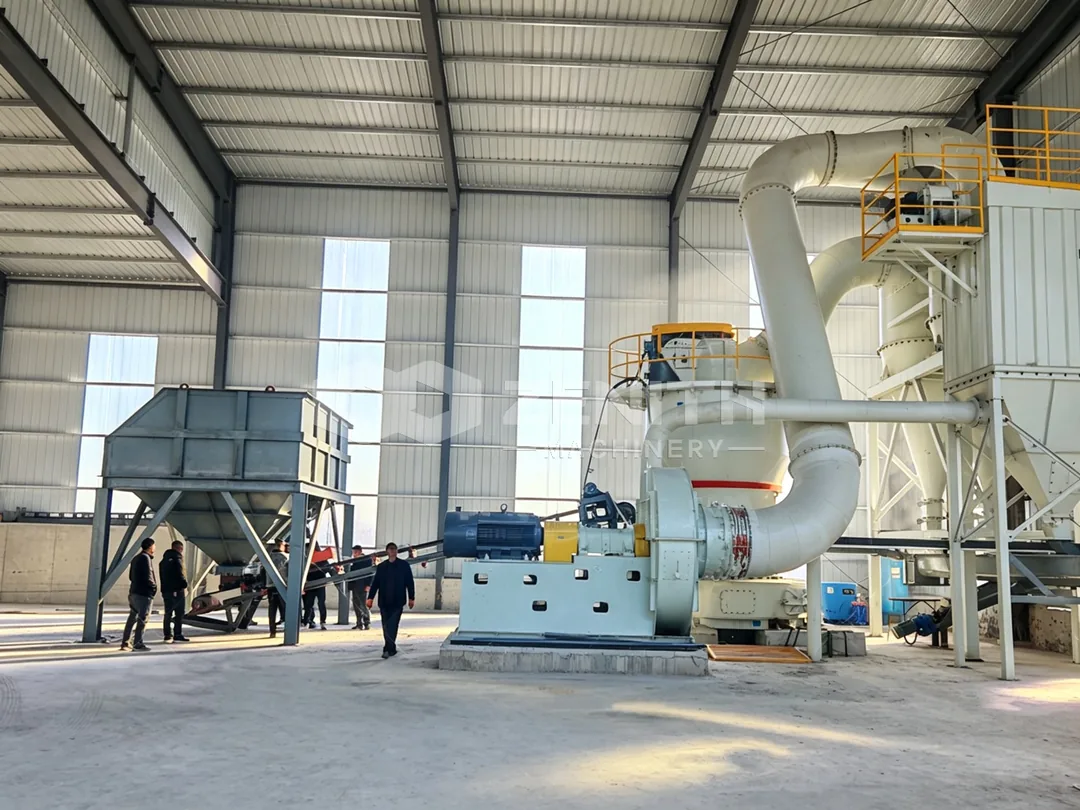
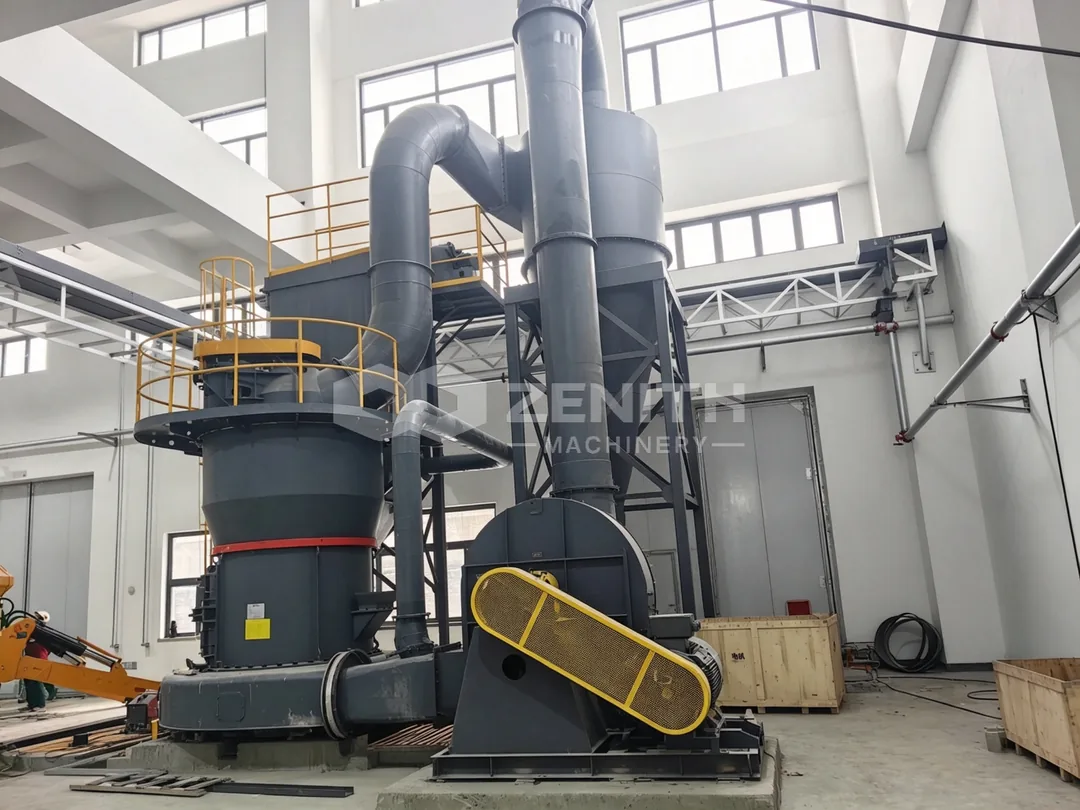
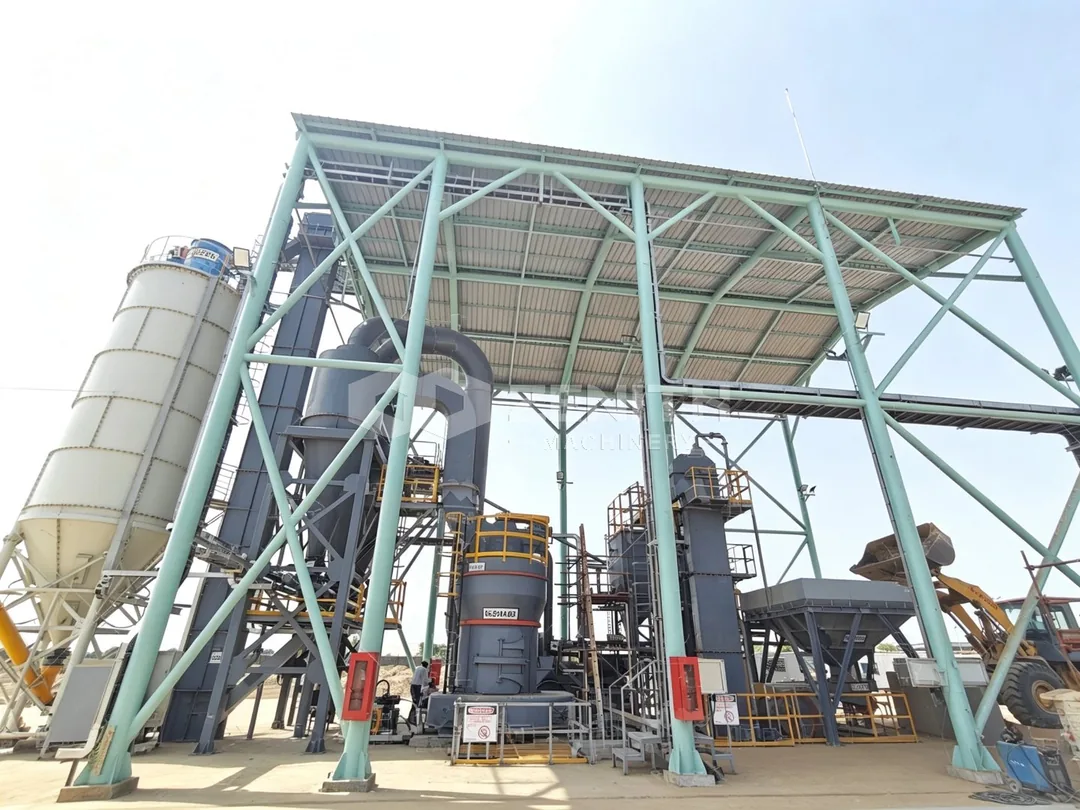
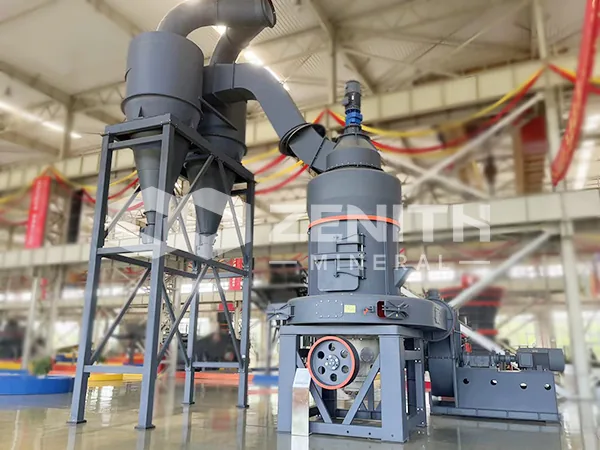
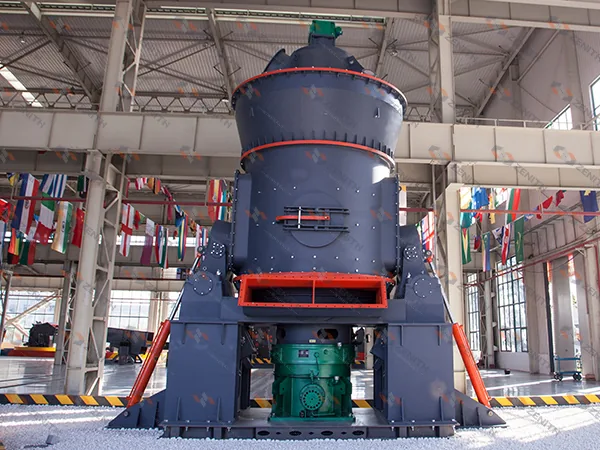
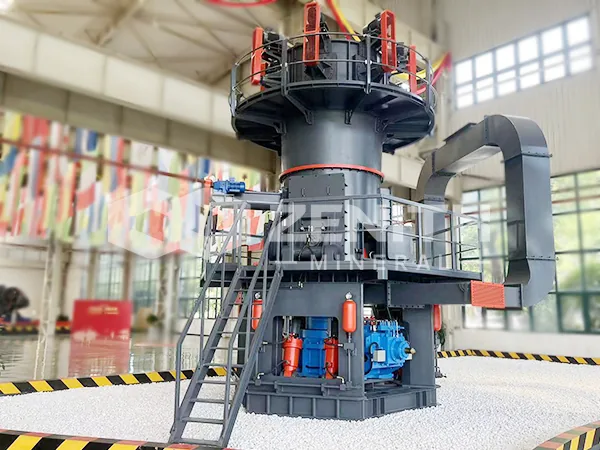
A sri lankan company purchased an mtw european-style grinding mill to process dolomite, with a capacity of 2 tons per hour and a finished product fineness of 325 mesh, for use in the production of putty powder.
2026-04-12 02:24:33
In the competitive landscape of construction materials manufacturing, optimizing production processes is key to maintaining quality and profitability. A forward-thinking Sri Lankan company recently undertook a significant upgrade to its dolomite processing line by investing in a state-of-the-art MTW European-style trapezium mill from Shanghai Zenith Machinery. The objective was clear: to reliably produce fine dolomite powder at a capacity of 2 tons per hour with a consistent fineness of 325 mesh, a critical raw material for their high-quality putty powder production.
_1775931873543.jpg)
The selection process was meticulous. The company required equipment that was not only precise but also energy-efficient and adaptable to their specific mineralogy. After evaluating several options, Zenith's MTW series stood out. Its reputation for stability and efficiency in producing fine powders between 30 and 325 mesh aligned perfectly with the project's technical specifications. The mill's capability to handle an input size of 0-35mm and deliver a finely tuned 325-mesh output made it an ideal match for processing dolomite into the uniform powder required for smooth, high-performance putty.
From a technical perspective, the MTW mill's design offered compelling advantages. One of the primary decision factors was the promise of over 60% lower energy consumption compared to a traditional ball mill of similar grade. For an operation running continuously, this translates to substantial long-term cost savings and a reduced environmental footprint. The mill's integrated production system—from bulk material handling to finished powder collection—also meant less investment in auxiliary infrastructure and a smaller physical footprint, a crucial consideration for optimizing plant layout.
_1775931873545.jpg)
The operational principle of the MTW mill ensures consistent quality. Crushed dolomite is fed into the grinding chamber where it is pulverized between the rollers and ring. The high-efficiency impeller fan, with an induced air efficiency of up to 85%, transports the ground material to the powder classifier. Here, the innovative modular impeller adjustment device allows for precise control; particles meeting the 325-mesh specification are separated as finished product, while coarser particles are returned for re-grinding. This closed-circuit system, operating under negative pressure and equipped with a pulse dust collector, guarantees a dust-free workshop that complies with stringent environmental standards.
For the Sri Lankan company, the benefits extended beyond mere specifications. The mill's adjustable output fineness provides valuable future-proofing. Should their product line expand to require different powder grades for other applications, a simple change of impellers can modify the fineness without major mechanical overhauls. Furthermore, Zenith's global support network, with a presence in over 180 countries and certifications including ISO, CE, and CU-TR, provided the assurance of reliable after-sales service and genuine spare parts availability.
_1775931873547.jpg)
The successful integration of this MTW mill has transformed the company's dolomite processing segment. They now achieve a steady, high-purity 2-tons-per-hour output that directly enhances the quality and consistency of their putty powder. The investment underscores a strategic move towards advanced, sustainable manufacturing—leveraging Zenith's engineering expertise to gain a competitive edge in both product quality and operational efficiency.
Frequently Asked Questions (FAQs)
- What makes the MTW mill more energy-efficient than a traditional ball mill for dolomite grinding?
The MTW mill utilizes an advanced grinding curve and an efficient drive system that minimizes friction and power loss. Its design focuses on direct material-on-material grinding within a bed, leading to over 60% lower energy consumption under ideal conditions compared to a ball mill where a significant amount of energy is lost to heat and sound from tumbling steel balls. - Can the MTW European Trapezium Mill produce powder finer than 325 mesh?
Yes. While this specific project required 325 mesh, the standard MTW series is capable of producing fine powder within a range of 30 to 400 mesh. The adjustable classifier speed and modular impeller system allow operators to fine-tune the output to meet different fineness requirements. - How does the mill system ensure environmental compliance and a clean workspace?
The entire grinding system operates under negative pressure, preventing dust leakage. All airflow passes through high-efficiency cyclone powder collectors and a pulse-jet bag filter before being released, capturing over 99.9% of particulate matter and ensuring emissions meet international environmental standards. - Is the MTW mill suitable for materials other than dolomite?
Absolutely. The MTW series trapezium mill is a versatile machine widely used for grinding non-metallic minerals like calcite, limestone, talc, barite, and gypsum. It is commonly applied in industries such as agriculture, chemicals, paints, and, as in this case, construction materials like putty powder. - What is the typical lead time for delivery and installation of such a mill?
Lead times vary based on model specifications and destination. Zenith's global logistics network facilitates efficient shipping. Typically, delivery is coordinated within the agreed contract period, followed by installation and commissioning support provided by Zenith's technical engineers or certified local partners. - How is the fineness of the final powder measured and controlled during operation?
Fineness is primarily controlled by the speed of the classifier rotor, adjustable via the control panel. Operators periodically take samples for laboratory sieve analysis or use portable particle size analyzers to verify the product meets the target mesh size (e.g., 325 mesh), making adjustments to the classifier speed as needed.